Distilleria Caffo operates from Limbadi in Calabria's Vibo Valentia province, a southern Italian distilling address better known for citrus groves and Bergamot-laced hillsides than for premium spirits recognition. For those tracking Italy's artisan distilling circuit, Caffo is a Calabrian reference point worth knowing.

Pearl is the En Primeur Club membership app — saves, bookings, and concierge access live there. Same editors, same standards.
- Address
- Via Nicholas Green, 47, 89844 Limbadi VV
- Phone
- +39 0963 85025
- Website
- caffo.com
- Directions
- Get directions
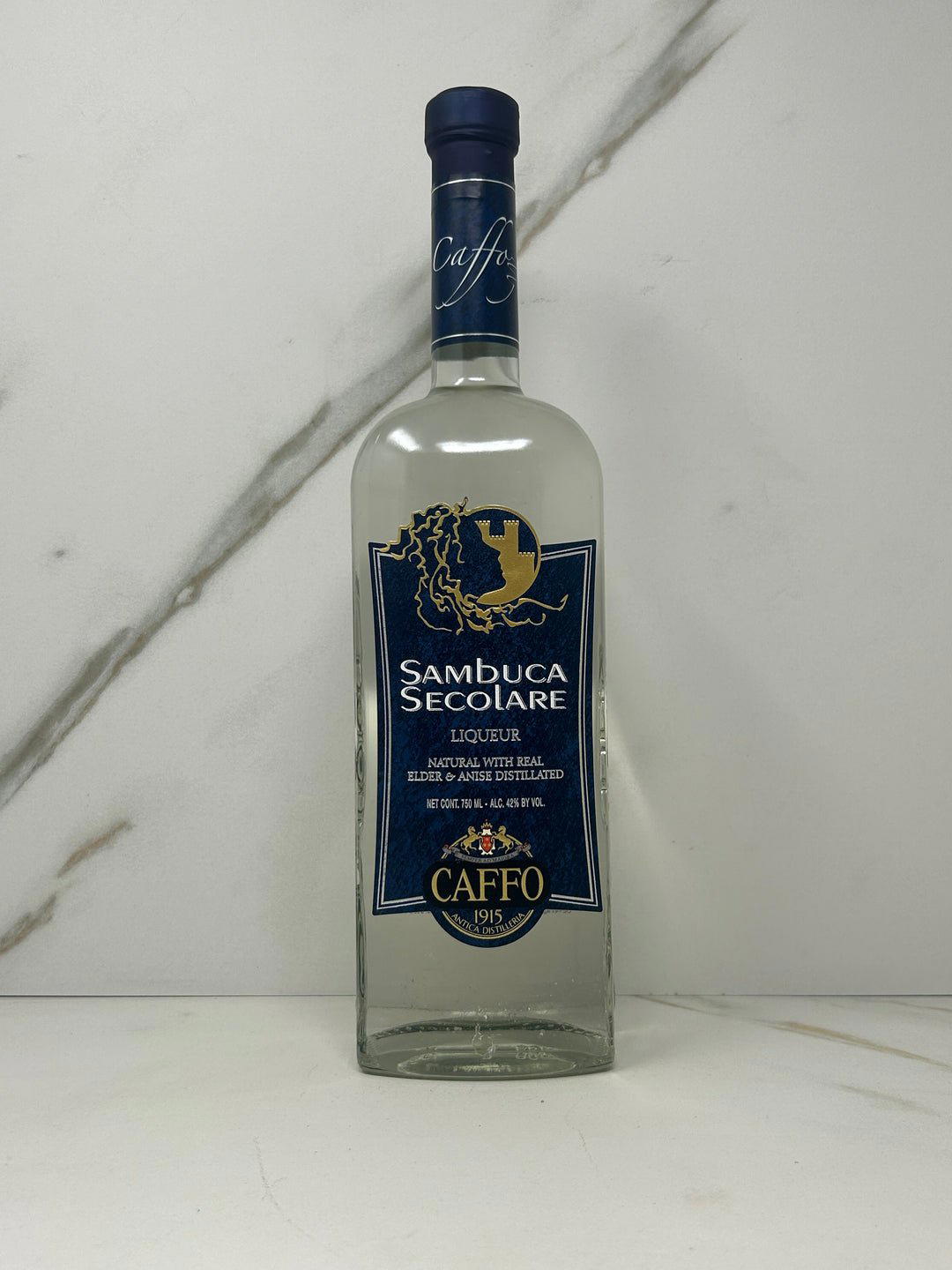
Where Calabria's Terrain Enters the Still
The road into Limbadi passes through a southern Italian interior that most travellers never reach. Vibo Valentia province sits in the toe of the boot, above the Tyrrhenian coastline, in a stretch of Calabria where the agricultural economy runs on citrus, bergamot, and liquorice root rather than vines. The air carries a botanical density that feels appropriate context for a distillery: this is land that has historically supplied raw material to the Italian spirits trade, and Distilleria Caffo is among the producers that have put the area on the production map in a more formal way.
Italian craft distilling has consolidated around a set of northern references — the grappa houses of the Veneto and Trentino, the gin and amaro operations of Lombardy and Piedmont — in a way that tends to push southern producers to the margins of the critical conversation. The Pearl Prestige system applies its two-star tier selectively, and a Calabrian distillery holding that designation sits in notable company among Italian producers. For context on how Italian distilling peer sets work across regions, the Distilleria Romano Levi in Neive and Distilleria Marzadro in Nogaredo represent distinct northern reference points in the same craft category.
Terroir as Raw Material: What Calabria Contributes
The concept of terroir applies differently to distillers than to winemakers. Where a winemaker reads terroir through the vine, the distiller reads it through the botanical and agricultural character of the surrounding land. Calabria's contribution to that equation is distinctive: the region produces some of Europe's highest-quality bergamot, cedro, and liquorice, ingredients that have shaped the flavour vocabulary of Italian amaro and liqueur production for generations. Limbadi itself sits in a part of the province where that agricultural character is pronounced, and a distillery working in this location has access to primary materials that northern Italian producers typically source from the south anyway.
This is the structural advantage that Calabrian producers operating at craft level can press. Rather than importing or purchasing southern botanicals at a remove, a Limbadi-based operation is working close to their origin. That proximity to raw material is not a guarantee of quality, but it does create a different production logic, one where seasonal botanical character can more directly influence what ends up in the still. The Italian spirits producers that have leveraged this kind of geographic specificity most effectively, from the Nonino Distillery in Pavia di Udine with its Friulian grape varieties to Poli Distillerie in Schiavon with its Veneto regional identity, have tended to find more durable critical recognition over time.
The Southern Italian Spirits Circuit in Context
Italy's premium spirits recognition has historically concentrated around a handful of northern production zones, but the past decade has seen southern producers gain more serious critical attention. Sicily, Campania, and increasingly Calabria have begun to appear more consistently in award shortlists that were once almost entirely northern in their composition.
For visitors building an itinerary around Italian craft production, it helps to understand how Calabria sits relative to the better-trafficked wine and spirits regions. The contrast with, say, the Ca' del Bosco operation in Erbusco in Franciacorta, or the Tuscan wine estate model represented by Castello di Volpaia in Radda in Chianti, is considerable in terms of tourism infrastructure and visitor expectation. Limbadi is not a destination that has been packaged for the premium wine tourism circuit in the way that central Italy has. What it offers instead is a less mediated encounter with a production tradition that is deeply embedded in the local economy.
The Sicilian comparison is instructive here. Producers like Planeta in Menfi have demonstrated that southern Italian producers can build internationally recognized operations without relocating their identity northward. The path Caffo appears to be on, with formal award recognition in 2025, tracks a similar logic applied to the spirits category rather than wine.
How This Fits Into the Wider Italian Distilling Map
Italian spirits production spans a wider range of categories than the international market typically registers: grappa from the north, amaro distributed across multiple regions, liqueurs built on regional botanical traditions, and citrus-based spirits concentrated in the south. Campari in Milan represents the industrial-scale anchor of the Italian bitters tradition, while craft operations at the other end of the size spectrum are where regional botanical identity tends to be most legible. Distilleria Caffo occupies that craft end of the spectrum, operating from a southern address where the botanical raw material is at hand rather than sourced.
Within Calabria specifically, this is not a densely populated competitive set. For those tracking the development of Italian craft spirits more broadly, this is the kind of address that tends to become more significant over time rather than less, as southern producers continue to gain ground in critical assessment.
For broader Italian wine and spirits planning, our full Limbadi restaurants and producers guide provides additional context on the area. Relevant comparison points across Italian production include Aldo Conterno in Monforte d'Alba, Lungarotti in Torgiano, and L'Enoteca Banfi in Montalcino, each representing different regional expressions of Italian production seriousness. For those interested in international distilling comparisons, Aberlour in Aberlour offers a useful reference point for how a regionally specific distillery builds sustained critical identity over time.
Planning a Visit
Limbadi sits in Vibo Valentia province in southern Calabria, accessible via the A2 Autostrada del Mediterraneo. The nearest significant airport is Lamezia Terme, roughly an hour's drive north. This is not a region with developed spirits tourism infrastructure in the manner of Trentino or the Veneto, so visits are leading arranged directly and in advance rather than on a drop-in basis. No booking portal, phone number, or formal visitor programme appears in the current public record for Distilleria Caffo, which suggests that any visit requires advance contact through whatever channel the distillery makes available. The address on record is Via Nicholas Green, 47, 89844 Limbadi VV. For those making the journey specifically for the distillery, building the trip around a broader exploration of the Vibo Valentia coastline and the Calabrian interior makes the most of the travel time required to reach this part of southern Italy. Those interested in the full arc of Italian premium production, from Poggio Antico in Tuscany to Accendo Cellars further afield, will find Caffo's Calabrian address a genuinely different register from the more trafficked production zones.
Comparison Snapshot
Comparable venues nearby, for context on price, style, and recognition.
| Venue | Cuisine | Price | Awards | Notes |
|---|---|---|---|---|
| Distilleria CaffoThis venue — the venue you are viewing | Calabria | Not listed | Not listed | Not listed |
| Stock Spirits (Stock 84) | Winery | Not listed | Not listed | Trieste |
| Lamoreaux Landing Wine Cellars | Winery | $10–20 | Not listed | Lodi |
| Cantina Produttori Nebbiolo di Carema | Nebbiolo | Not listed | Falstaff Winery - Listed | Carema |
| Distilleria Giovi | Nerello Mascalese, Carricante | Not listed | Not listed | Valdina |
| Tenuta Brancalupo | Sagrantino, Trebbiano Spoletino | Not listed | Not listed | Montefalco |
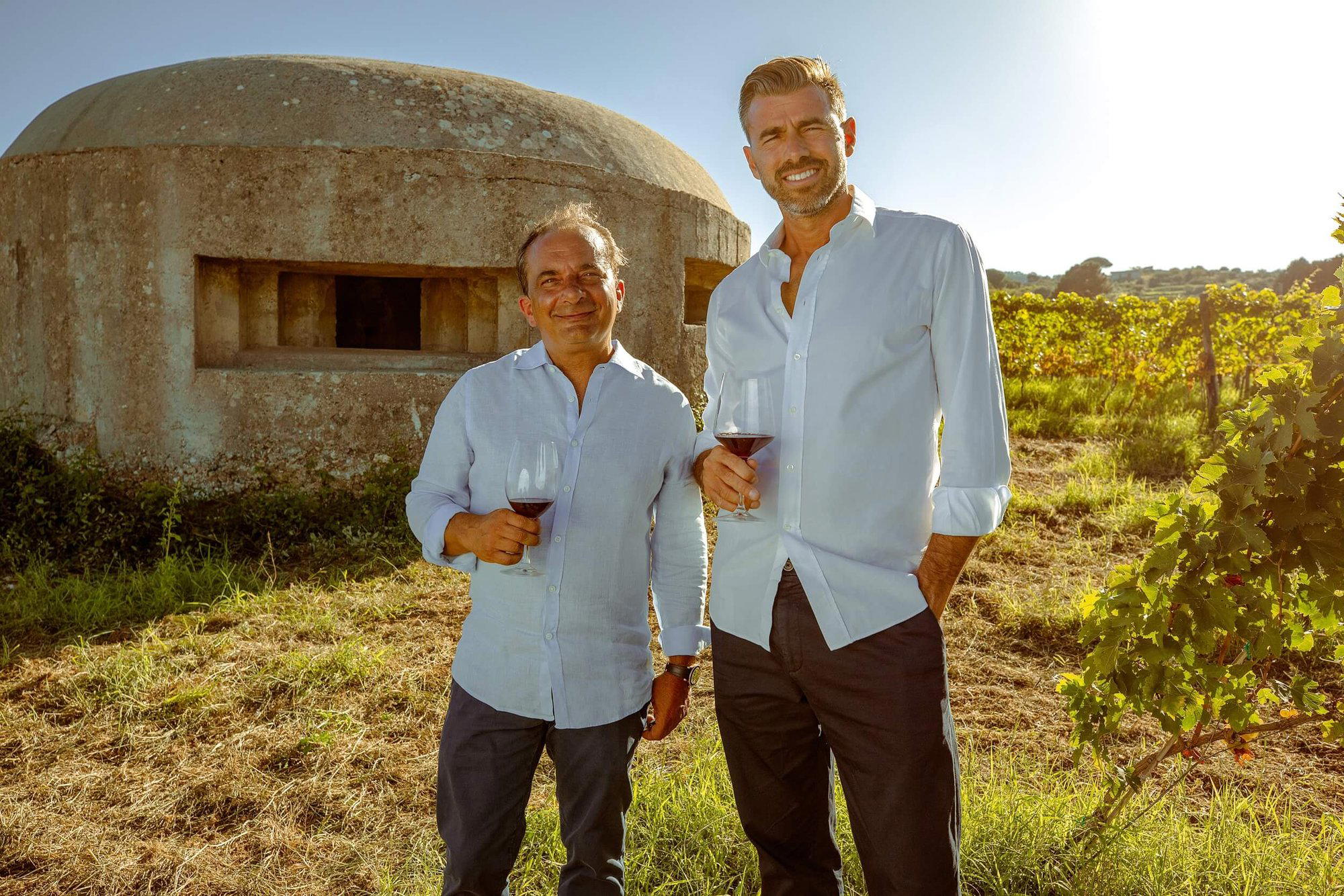
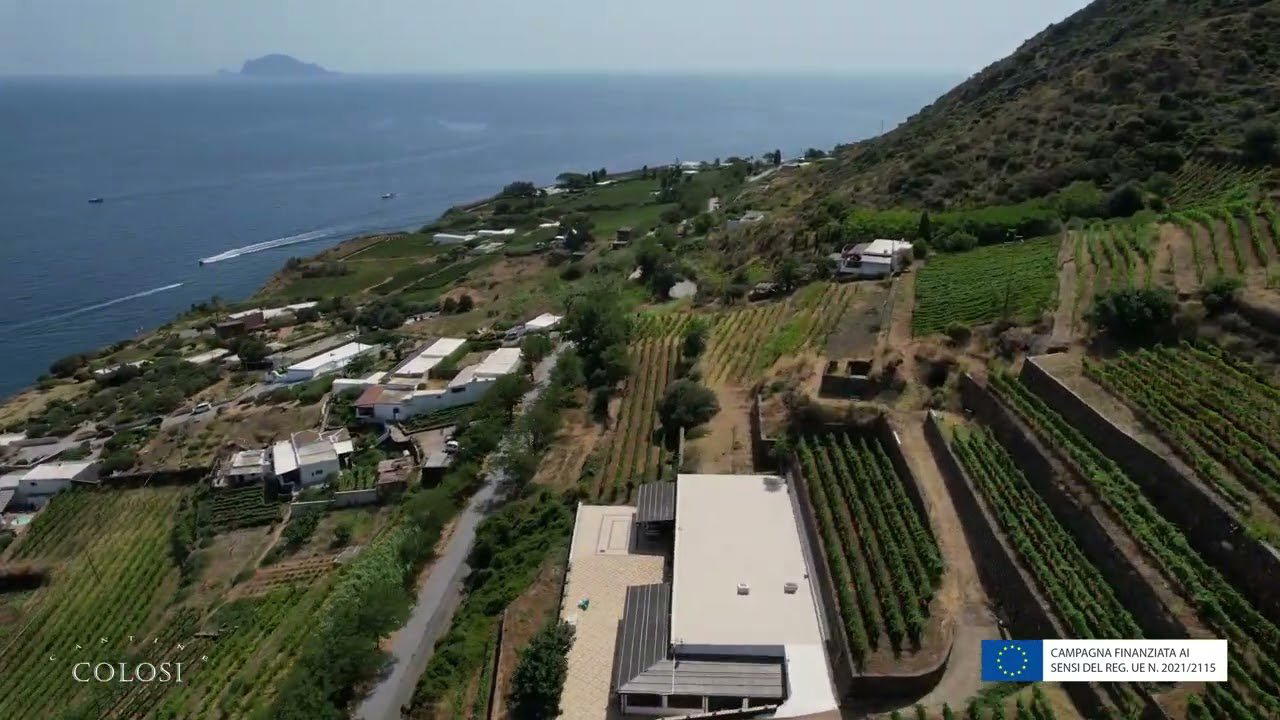

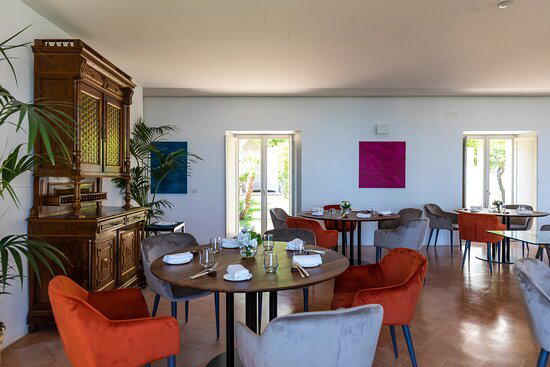

Details
- Classic
- Rustic
- Industrial
- Group Outing
- Wine Education
- Corporate Event
- Historic Building
- Barrel Room
- Sustainable
- Distillery Tour
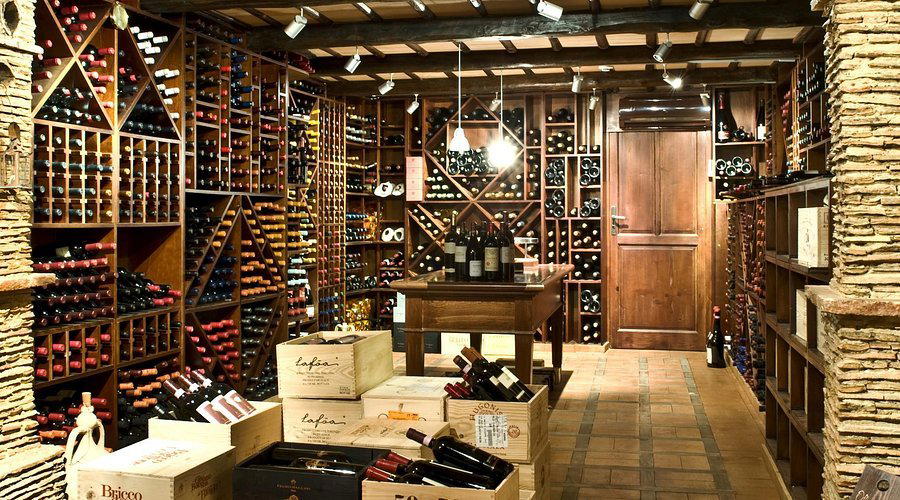
Historic production facility with modern innovations, featuring traditional craft distillation equipment and contemporary research laboratory.