Devil's Corner Cellar Door
Devil's Corner Cellar Door sits at Apslawn on Tasmania's east coast, where the Freycinet Peninsula meets the Mercury Passage. The cellar door draws visitors making the coastal drive between Hobart and Freycinet National Park, offering wines from one of Australia's cooler cool-climate growing regions alongside views that define why this stretch of the island punches above its population.
Pearl is the En Primeur Club membership app — saves, bookings, and concierge access live there. Same editors, same standards.
- Address
- 1/1 Sherbourne Rd, Apslawn TAS 7190, Australia
- Phone
- +61 448 521 412
- Website
- devilscorner.com.au
- Directions
- Get directions
 Saves & bookings on Pearl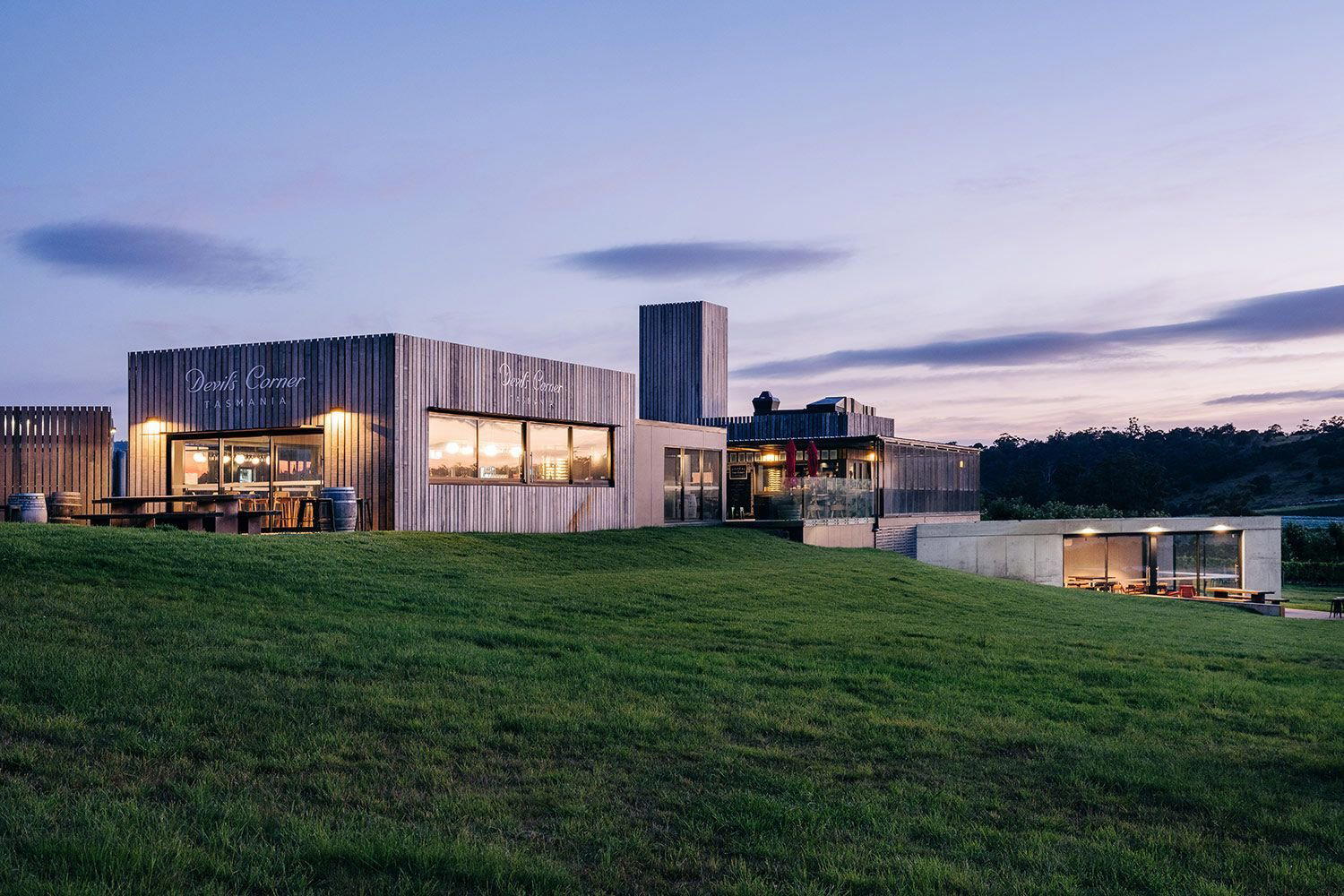
Where the East Coast Slows Down
Tasmania's east coast has a particular quality in the late afternoon: the light flattens across the Mercury Passage, the distant outline of Freycinet's pink granite peaks holds colour longer than it should, and the sense of remoteness becomes something to settle into rather than escape from. Devil's Corner Cellar Door, addressed to Apslawn near Dolphin Sands, sits precisely at this intersection of geography and mood. The drive out from Hobart along the Tasman Highway deposits you at a cellar door in Apslawn, where the agenda is dictated less by formal service structure than by where you're inclined to look next.
The Setting as Editorial Argument
Australian cellar door culture has bifurcated over the past decade. On one side: polished architectural statements in Yarra Valley or McLaren Vale, purpose-built for Instagram and corporate functions. On the other: deliberately low-intervention spaces that let the region do the talking, often in cooler climates where the wine itself carries the argument. Devil's Corner belongs to the second tradition. That scarcity shapes how cellar doors operate here: fewer visitors, more considered pacing, a tasting experience that doesn't need to move people through quickly because the queues rarely form.
The register is deliberately different. Where those venues exist inside dense city grids and compete on technical ambition and speed of service, east coast Tasmanian cellar doors operate on decompression. The experience is measured in the time it takes to finish a glass while facing the Mercury Passage, not in turns per night.
Cool Climate, Clear Character
Tasmania's east coast sits within one of Australia's most distinctly cool-climate growing zones. The combination of maritime influence from the Tasman Sea, low humidity by Australian standards, and the long, slow ripening season that cool temperatures enforce pushes acidity and structure into wines that read differently from their mainland counterparts. Pinot Noir and Riesling in particular tend to retain the kind of tightness that takes time to open, both in the glass and in bottle. These are wines that reward the kind of unhurried attention a coastal cellar door stop naturally provides.
For visitors arriving from the mainland expecting the fruit-forward density of warm-climate Australian wine, the adjustment is meaningful. The wines here tend toward precision over volume, a quality that aligns this corner of Tasmania more closely with producers in cooler European traditions than with the benchmark styles most Australians associate with the country's wine identity.
The Drink Programme in Context
Cellar door programmes in Tasmania increasingly function as the primary retail and discovery point for wineries with minimal mainland distribution. This shapes what gets poured and how: exclusive or limited-release lines that don't appear in Sydney or Melbourne bottle shops, back vintages held specifically for cellar door release, and the occasional production-level conversation that no importer or retailer can replicate. Here, depth within a single producer's portfolio replaces breadth across a category.
The interest here is in vertical and horizontal variation across a producer's range rather than across categories. That's a different kind of technical engagement, but no less considered for it.
Placing This Against the Broader Australian Bar and Wine Scene
Australia's premium drinking culture currently runs on two parallel tracks. Urban venues, from the polished rooftop programmes at Blu Bar on 36 in The Rocks to the neighbourhood intimacy of Leonards House of Love in South Yarra, compete on cocktail technique, wine list curation, and atmosphere as spectacle. Regional cellar doors compete on access, terroir, and the friction of distance, the argument being that you wouldn't have come this far unless you were genuinely interested. Devil's Corner sits squarely in the second category. The Apslawn address, roughly midway along the east coast drive, functions as a waypoint for travellers heading through the Freycinet area rather than a standalone destination for day trips from Hobart.
The contrast with urban bar culture is instructive rather than hierarchical. A visitor who has spent an evening at Lucky Chan's Laundry and Noodle Bar in Northbridge or Lucy's Love Shack in Perth is dealing with an entirely different set of expectations than someone pulling over on Sherbourne Road to taste through a Tasmanian east coast vintage. Both are legitimate drinking experiences. They just operate on completely different frequencies. Similarly, the considered structure of venues like Bar Leather Apron in Honolulu reflects a metropolitan cocktail philosophy that doesn't translate to the cellar door context and isn't meant to.
Planning the Visit
The east coast drive from Hobart to Freycinet National Park runs approximately two and a half hours without stops, and Devil's Corner at Apslawn makes a logical stop. Most visitors arrive as part of the Freycinet itinerary rather than as a dedicated excursion, which means the cellar door functions leading as a late-morning or early-afternoon stop before continuing north to Coles Bay. Tasmania's east coast season peaks between November and April, when the light is long and the passes through Freycinet are accessible without weather risk. Visiting in shoulder months, March in particular, offers cooler conditions, lighter visitor numbers, and wines still showing the structure from the previous summer's harvest.
Comparison Snapshot
Comparable venues nearby, for context on price, style, and recognition.
| Venue | Cuisine | Price | Notes |
|---|---|---|---|
| Devil's Corner Cellar DoorThis venue — the venue you are viewing | wine_bar | $$$ | Not listed |
| Bar Sophia | wine_bar | $$$ | Glen Iris |
| Bar 1854 | cocktail_bar | $$$ | Malvern |
| Big Easy | cocktail_bar | $$ | South Fremantle |
| Bellevue Bar & Terrace | hotel_bar | $$$ | Southbank |
| New Sydney Hotel | pub | $$ | North Hobart |
Continue exploring
More in Dolphin Sands
Restaurants in Dolphin Sands
Browse all →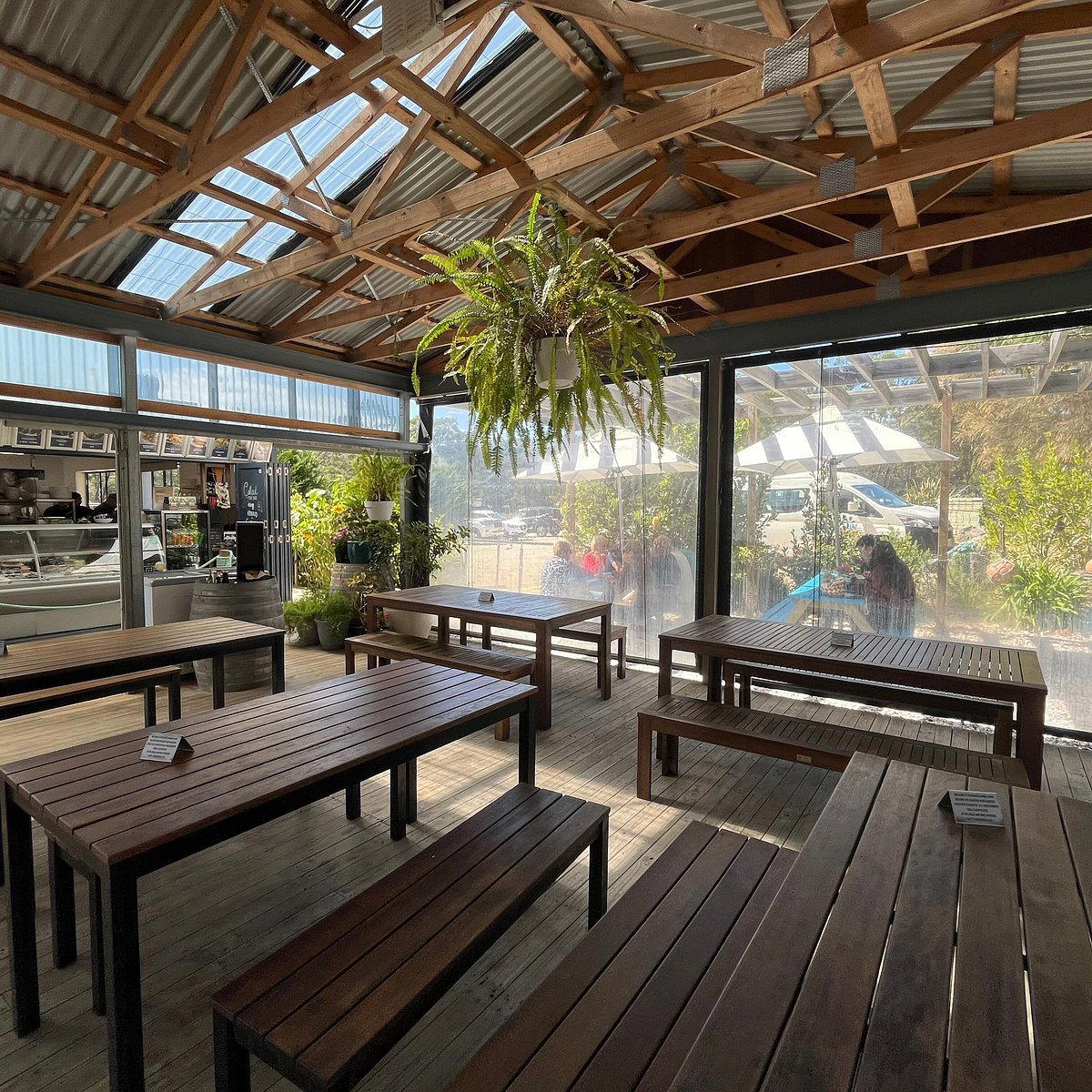
Hotels in Dolphin Sands
Browse all →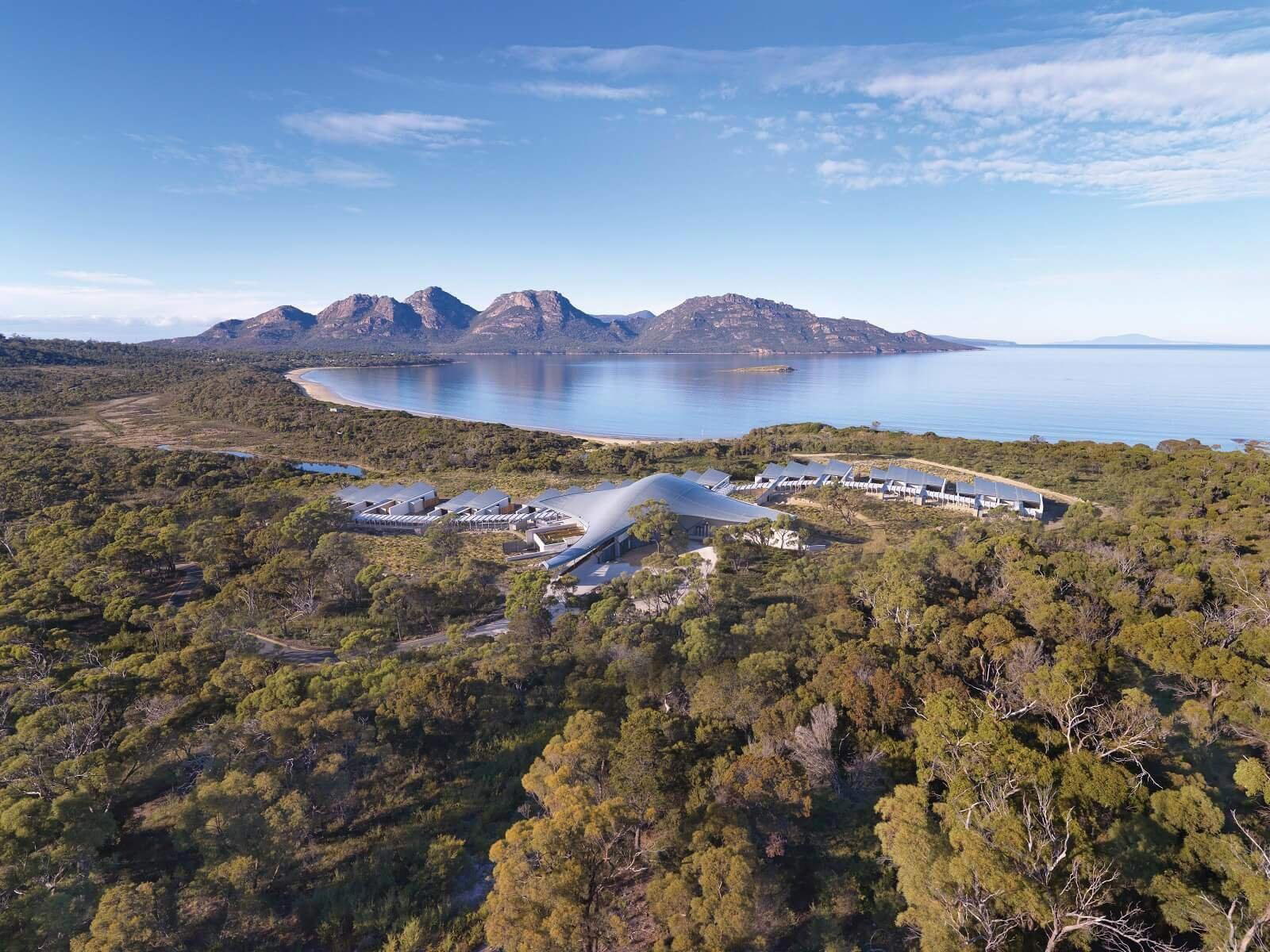
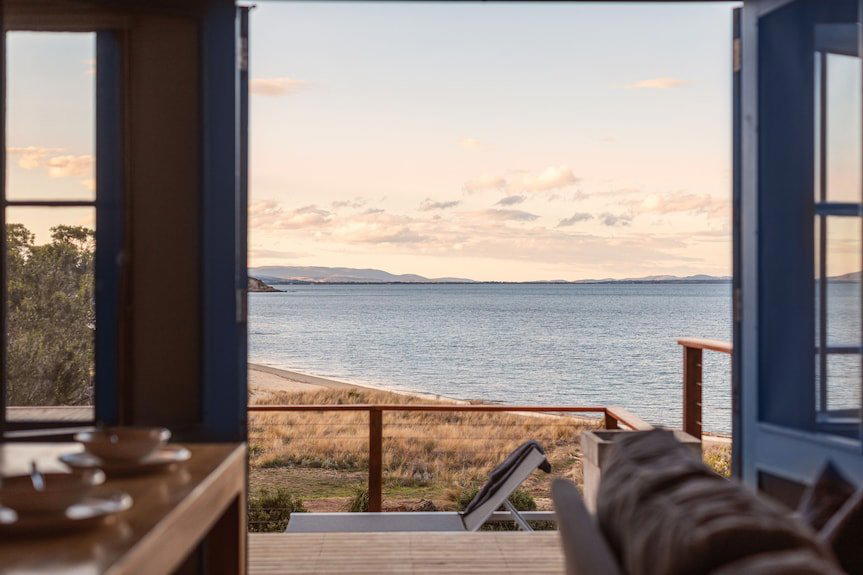
Wineries in Dolphin Sands
Browse all →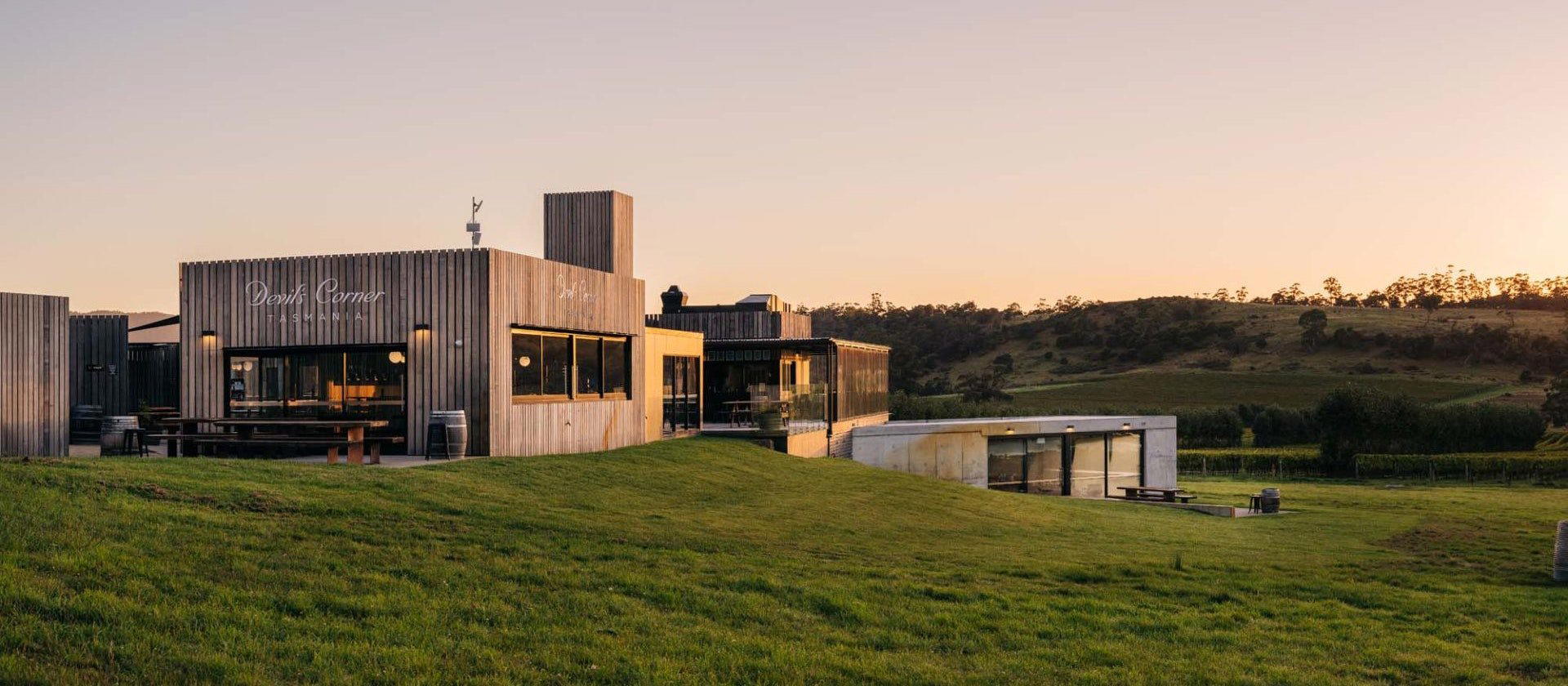
At a Glance
- Scenic
- Elegant
- Sophisticated
- Romantic
- Date Night
- Group Outing
- Special Occasion
- Celebration
- Garden
- Panoramic View
- Design Destination
- Live Music
- Seated Bar
- Lounge Seating
- Outdoor Terrace
- Private Rooms
- Conventional Wine
- Natural Wine
- Vineyard
- Waterfront
- Garden
Current opening hours
- Monday
- 10 AM–5 PM
- Tuesday
- 10 AM–5 PM
- Wednesday
- 10 AM–5 PM
- Thursday
- 10 AM–5 PM
- Friday
- 10 AM–5 PM
- Saturday
- 10 AM–5 PM
- Sunday
- 10 AM–5 PM
Hours can change for holidays and private events. Last verified .
Sophisticated and relaxed with natural lighting from timber-clad shipping container design, featuring lush lawns and views of the Freycinet Peninsula and Moulting Lagoon.