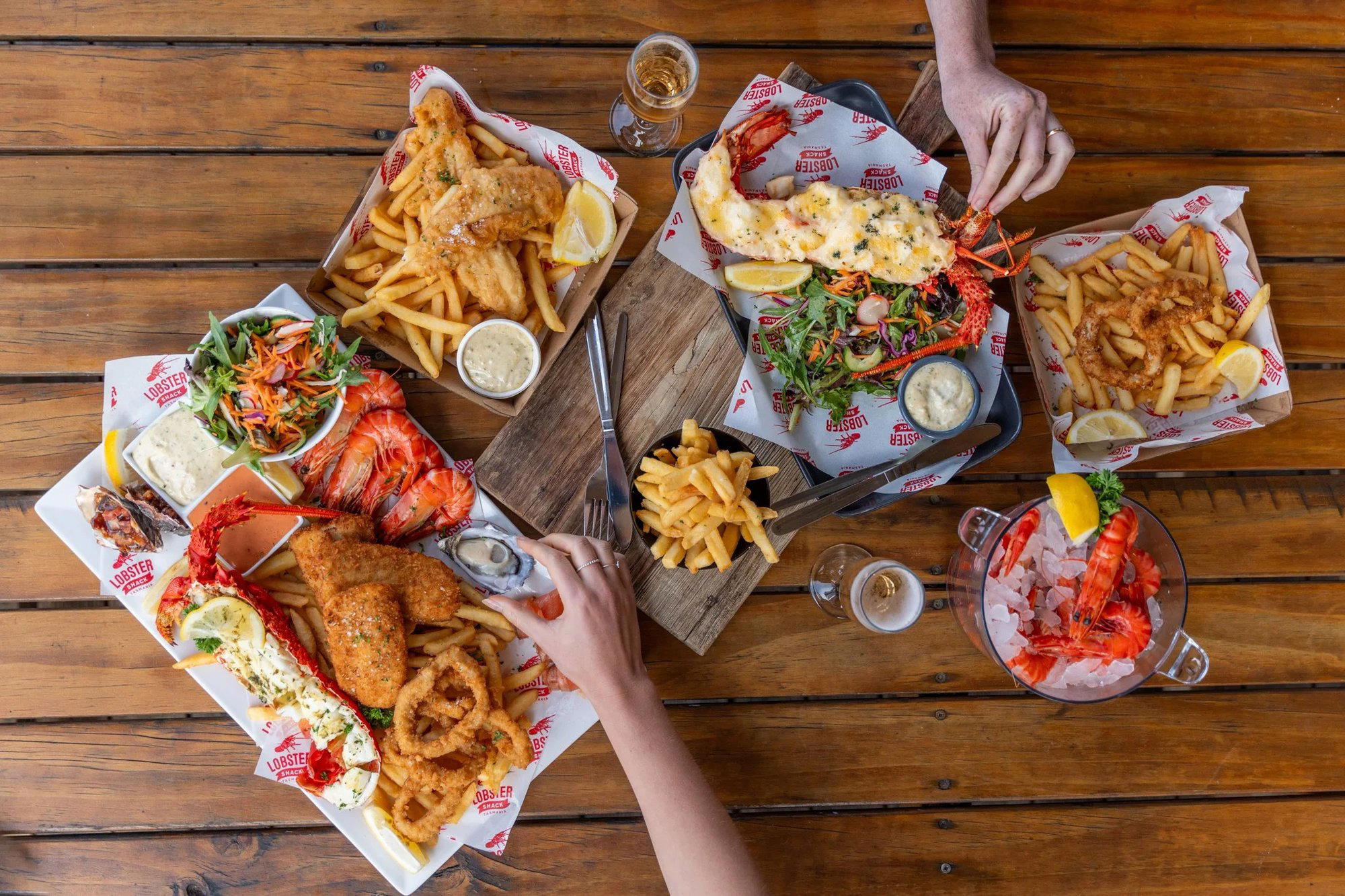
On the shores of Great Oyster Bay in Tasmania's Freycinet Peninsula, Freycinet Marine Farm offers a direct-from-the-water shellfish experience that few coastal producers in Australia can match. Visitors collect oysters, mussels, and scallops from working aquaculture infrastructure, then eat them on the spot with little intervention between harvest and plate. It is as close to primary production as fine dining sensibility gets.
Pearl is the En Primeur Club membership app — saves, bookings, and concierge access live there. Same editors, same standards.
- Address
- 1784 Coles Bay Rd, Coles Bay TAS 7215, Australia
- Phone
- +61 3 6257 0261
- Website
- freycinetmarinefarm.com
- Directions
- Get directions
 Saves & bookings on Pearl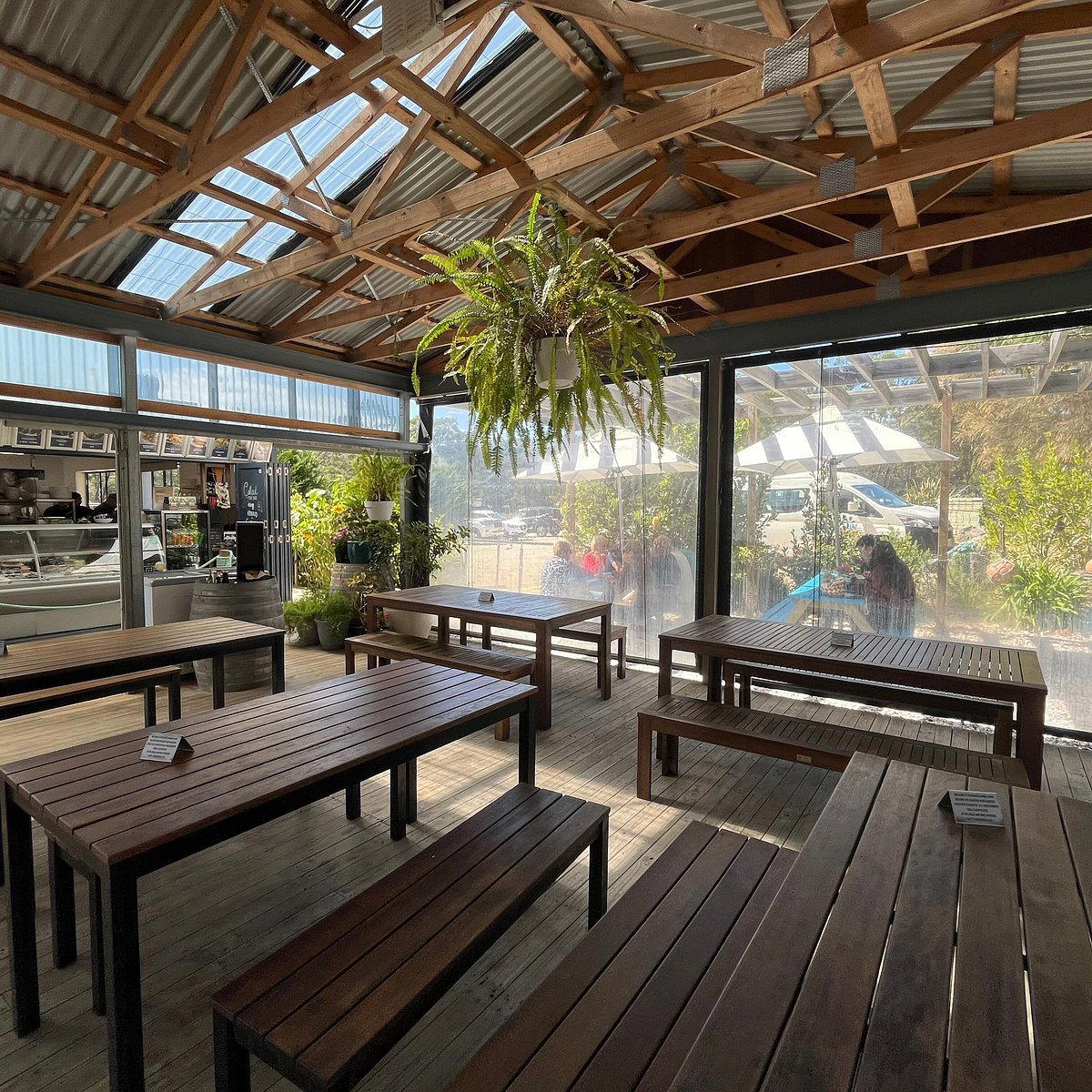
Where the Water Does the Work
The drive along Coles Bay Road gives the experience away before you arrive. The Hazards, those distinctive pink granite peaks, frame the view to the north, and the bay sits low and luminous below them. At Freycinet Marine Farm, the operative word is proximity: proximity to the water, to the lease, to the moment the shellfish came up. Australia has plenty of coastal producers who sell into restaurant supply chains, but relatively few who position the aquaculture infrastructure itself as the dining environment. This is one of them.
The wider context matters here. Tasmania has spent the past two decades building a credible argument for cold-water shellfish supremacy in the Southern Hemisphere. The island's low nutrient pollution, consistent cold currents, and long tidal flushing cycles produce filter feeders with a cleaner, more mineral character than warmer-water equivalents. Great Oyster Bay, which the farm fronts directly, sits on the eastern Tasmanian coast where the Southern Ocean influence is felt most acutely. The salinity and plankton density in these waters are what growers and chefs in Sydney and Melbourne pay a premium to access. At the farm, you access the same source at the source.
The Sourcing Is the Experience
Premise at Freycinet Marine Farm is deliberately uncomplicating. Australian dining, at its more progressive end, venues like Brae in Birregurra or Attica in Melbourne, has spent years building intellectual frameworks around provenance, asking diners to think about where food originates and what the growing conditions mean for flavour. Freycinet Marine Farm collapses that intellectual argument into a physical one. You do not read about terroir on a menu card; you look at the lease lines in the water.
Oysters, mussels, and scallops are the farm's core production. Cold Tasmanian waters slow metabolic rates in bivalves, which concentrates their flavour and produces firmer, more structured flesh than warmer aquaculture environments. This is not a minor distinction. The difference between a Pacific oyster grown in warmer Queensland waters and one pulled from Great Oyster Bay is measurable in texture and brine. At the farm level, visitors encounter this not as a tasting note but as a material fact about the water they can see in front of them.
The farm-to-plate model here operates at a distance of metres, not kilometres. For context on how unusual that is: most premium Australian seafood restaurants, including Rockpool in Sydney and Ormeggio at The Spit in Mosman, work with Tasmanian shellfish as a prestige ingredient sourced through distributors. The supply chain from farm gate to kitchen counter in those contexts is measured in days and handling steps. At the restaurant, it is measured in minutes.
Regional Positioning and What It Signals
Coles Bay sits at the gateway to Freycinet National Park, roughly two and a half hours from Hobart and accessible via the Tasman Highway. The town is small, the infrastructure deliberately low-key, and the visitor population skews toward walkers, kayakers, and people who treat the Wineglass Bay circuit as a reason to stay for more than one night. The dining scene in the immediate area reflects this: it is not a restaurant town in the way that Tasmania's capital has become. Aloft in Hobart represents the kind of kitchen-forward ambition the capital now sustains; Coles Bay offers something different in register, which is precisely why the farm format works here.
The broader Australian coastal dining conversation has been moving toward producer-access models. Pipit in Pottsville and Salt Water Restaurant in Cairns both demonstrate how regional coastal venues are building identity around specific local sourcing rather than attempting to replicate metropolitan fine dining formats in coastal settings. The restaurant occupies the far end of that spectrum, where the production operation and the consumption experience are genuinely the same thing.
For visitors coming from wine-focused regional dining, the estate-restaurant model exemplified by Hentley Farm in Seppeltsfield, Wills Domain in Yallingup, or Laura at Pt Leo Estate in Merricks, the farm offers a comparable logic applied to aquaculture rather than viticulture. The place itself is the credential. Understanding what grows here, and why these specific conditions produce these specific results, is the interpretive frame.
How to Approach the Visit
The restaurant is not a restaurant in the conventional sense, and planning a visit there should not follow conventional restaurant logic. The experience is outdoor, weather-dependent, and structured around the farm's operational rhythms rather than a set service window. Visitors coming from Hobart should plan for the two-and-a-half-hour drive and treat the farm as part of a wider Freycinet Peninsula day rather than a standalone reservation-led dining event.
The format sits closer to what some observers call a direct producer experience: part retail, part education, part eating. Comparing it to the formal tasting menus at Provenance in Beechworth or Botanic in Adelaide would misframe what the farm does. Those venues deploy ingredient sourcing as part of a kitchen's creative argument. The restaurant makes the sourcing the entire argument, which requires a different kind of visitor patience and curiosity.
For international visitors calibrated to high-production seafood experiences, Le Bernardin in New York City being the obvious reference point for what culinary execution at the summit of the seafood category looks like, the farm operates on an entirely different register. The value is not in technique but in access. Visitors to Lazy Bear in San Francisco or Lizard Island Resort in Lizard Island are paying for a constructed experience with significant labour and craft behind it. At the restaurant, the construction is geological and ecological, developed over decades of water conditions that no kitchen can replicate.
Comparison Snapshot
Comparable venues nearby, for context on price, style, and recognition.
| Venue | Cuisine | Price | Notes |
|---|---|---|---|
| Freycinet Marine FarmThis venue — the venue you are viewing | Tasmanian Seafood Farm Gate | $$ | Not listed |
| Alatonero | Coastal Greek restaurant & wedding venue | $$ | McCrae |
| Bob Sugar | Asian Fusion | $$ | Torquay |
| The Whisky Warren | Australian Game Pub Bistro | $$ | Spring Hill |
| Hare and Grace | Dining | Not listed | Melbourne |
| King & Godfree | Italian Deli | $$ | Carlton |
Continue exploring
More in Coles Bay
Restaurants in Coles Bay
Browse all →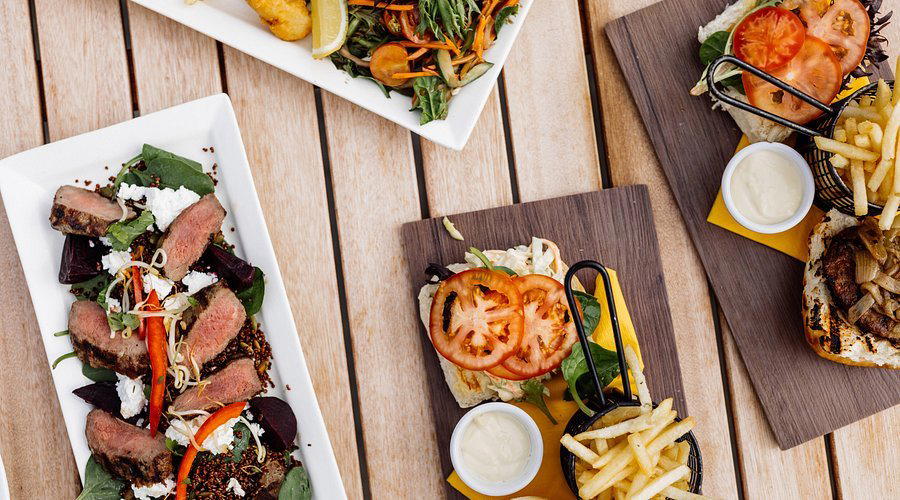
Bars in Coles Bay
Browse all →
Hotels in Coles Bay
Browse all →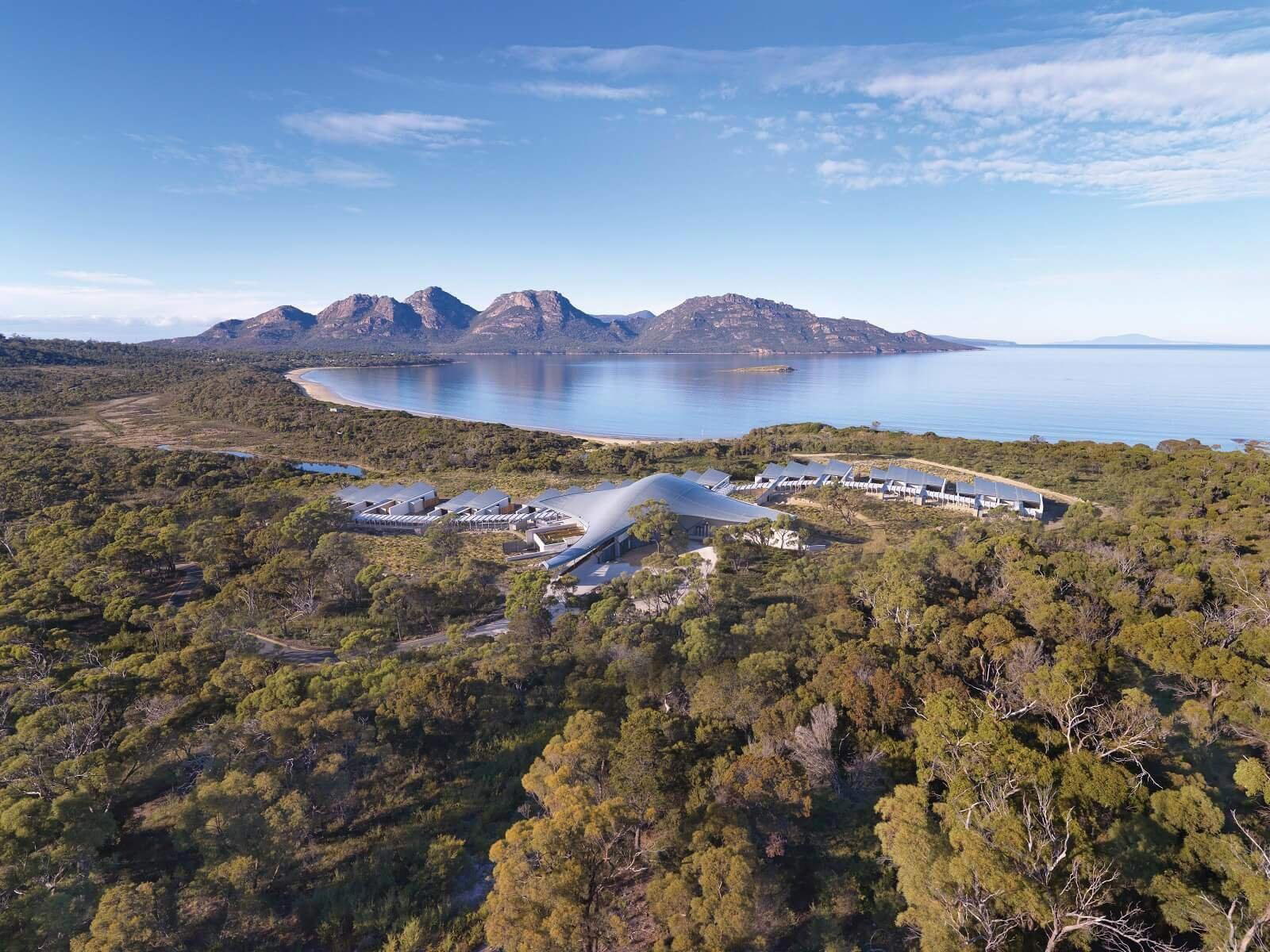
Wineries in Coles Bay
Browse all →
At a Glance
- Scenic
- Rustic
- Casual Hangout
- Family
- Waterfront
- Garden
- Standalone
- Beer Program
- Farm To Table
- Local Sourcing
- Sustainable Seafood
- Waterfront
- Garden
Current opening hours
- Monday
- 9 AM–5 PM
- Tuesday
- 9 AM–5 PM
- Wednesday
- 9 AM–5 PM
- Thursday
- 9 AM–5 PM
- Friday
- 9 AM–5 PM
- Saturday
- 9 AM–5 PM
- Sunday
- 9 AM–5 PM
Hours can change for holidays and private events. Last verified .
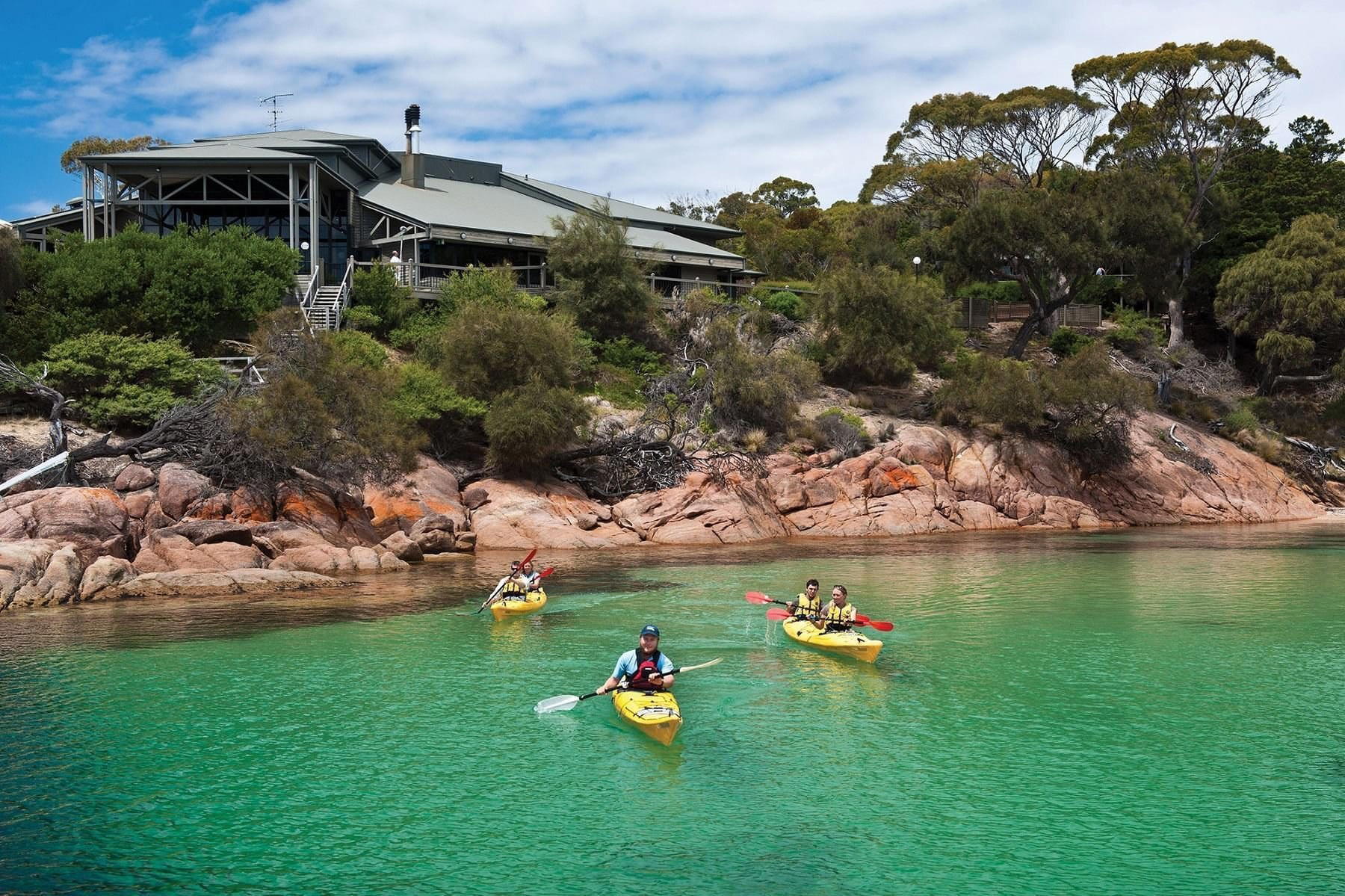
Bright, casual farm-gate setting with picnic tables in a garden setting; natural light and coastal views create a relaxed, unpretentious atmosphere.