Destilería Artesanal Sur 34 Gin

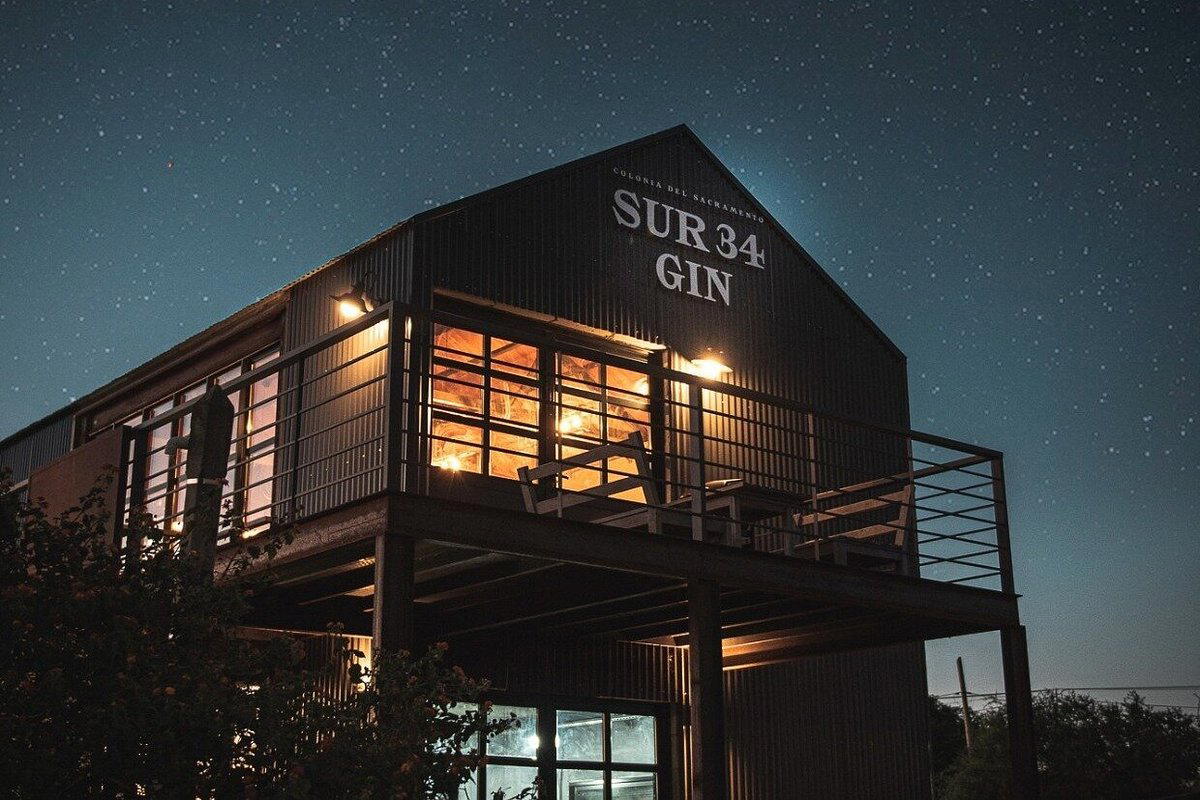
Destilería Artesanal Sur 34 Gin is a craft spirits producer based in Colonia del Sacramento, Uruguay, recognised with a Pearl 1 Star Prestige award in 2025. Operating within a city better known for colonial architecture and Tannat-driven wineries, it represents the emerging artisanal distilling movement taking hold in the Río de la Plata region. For visitors to Colonia, it offers a distinct counterpoint to the wine-forward producers dominating the area.
 Discover on Pearl
Pearl is the En Primeur Club membership app — saves, bookings, and concierge access live there. Same editors, same standards.
Craft Distilling in a Wine-Defined City
Colonia del Sacramento has long been read through the lens of its colonial streetscapes and the Uruguayan wine producers clustered around its agricultural hinterland. The city's gastronomic identity has historically deferred to the vine: Bodega Los Cerros de San Juan represents the kind of established, land-rooted producer that has shaped Colonia's reputation among travelling wine buyers. Against that backdrop, a craft gin distillery earning formal recognition in 2025 signals something genuinely new in the departamento's spirits culture.
Destilería Artesanal Sur 34 Gin sits at that intersection. The name encodes geography, Sur 34 reads as a coordinate reference, placing the operation in the southern latitude band that defines Uruguay's temperate, Atlantic-influenced growing conditions. The naming logic mirrors a broader pattern visible across South American artisanal producers: a deliberate anchoring to place as a primary identity marker, rather than heritage or family lineage.
What the Pearl 1 Star Prestige Award Signals
In 2025, Destilería Artesanal Sur 34 Gin received a Pearl 1 Star Prestige recognition, placing it within a competitive tier that separates producers who have achieved measurable quality benchmarks from the wider field of craft operations. For a gin producer in Uruguay, a market where the spirits conversation has been dominated by wine, with Tannat as the flagship variety, this kind of formal recognition carries disproportionate weight. It places Sur 34 within a broader regional context.
The award also provides a useful reference point for visitors approaching the producer without prior knowledge. In a category where craft positioning is easily claimed and rarely verified, third-party recognition provides a basis for comparison. Gin Pinares (Sacramento Spirits) in Punta del Este represents the other recognised gin producer operating within the broader Uruguayan coastal corridor, and the existence of two award-level producers in that geography suggests the country's artisanal spirits sector is developing critical mass rather than remaining a single-venue curiosity.
Gin Production in Uruguay: The Broader Context
Uruguay's spirits tradition runs through caña, the local sugarcane distillate, and the imported Scotch and Argentine brands that dominate on-trade pours. Artisanal gin arrived later here than in Argentina or Brazil, where urban cocktail culture in Buenos Aires and São Paulo drove demand for locally produced, botanically complex spirits through the 2010s. Uruguay's smaller domestic market and the dominance of wine producers in its export narrative meant the gin category developed more quietly.
That quietness is now shifting. The Río de la Plata region, encompassing both banks of the estuary, with Colonia sitting directly across from Buenos Aires, benefits from direct proximity to one of Latin America's most active cocktail markets. Argentine bartenders and spirits buyers cross the estuary regularly; Colonia is a 50-minute ferry ride from Buenos Aires, making it accessible to the trade professionals who shape category trends. A Colonia-based gin producer with formal recognition is therefore not operating in isolation from the regional conversation, it has a credible distribution pathway into a sophisticated neighbouring market.
For context on how Uruguayan producers are building international narratives, the wine sector's trajectory is instructive. Producers such as Varela Zarranz in Canelones and Bodega Bouza in Montevideo demonstrated that Uruguayan terroir-driven producers can achieve recognition beyond the domestic market when quality benchmarks are met and the export story is coherently told. The gin category is still developing, but the structural conditions are comparable.
Colonia del Sacramento as a Spirits Destination
For a city of its size, Colonia has a notable concentration of recognised producers across categories. The colonial quarter is a UNESCO World Heritage Site, which generates steady inbound tourism from Argentina, Brazil, and Europe, a visitor base with spending capacity and appetite for premium local experiences. Wine tourism has been the primary beneficiary of that traffic, with producers in the surrounding countryside drawing visitors who want to combine the city's architectural appeal with cellar-door visits.
Craft spirits add a layer to that proposition. A visitor spending two days in Colonia can now move between wine producers, the colonial streetscape, and a gin distillery with formal recognition, a more varied programme than the wine-only route that has historically defined the destination's premium appeal. El Legado in Carmelo, further along the Río de la Plata coast, shows how smaller producers in the region are building their own identities within a corridor that increasingly functions as a coherent wine and spirits tourism zone.
For planning a broader Uruguayan spirits and wine itinerary, producers across the country offer points of comparison: Bodega Carrau in Las Piedras, Bodega Cerro del Toro in Piriápolis, Bodega Oceánica José Ignacio in Maldonado, and Cerro Chapeu (Carrau) in Rivera each represent a distinct geography and producer type within the Uruguayan landscape. Sur 34 occupies a different category within that map, but the logic of visiting it as part of a multi-producer route is the same.
Planning a Visit
Visits tend to be arranged directly and informally rather than through a standardised booking system. Arriving in Colonia without pre-arranged access is a risk worth managing: a short advance inquiry is the most reliable way to confirm visit availability. The ferry crossing from Buenos Aires makes Colonia viable as a day trip from the Argentine capital, though an overnight stay allows time to cover both the colonial quarter and producer visits without rushing.
Cost Snapshot
Comparable venues nearby, for context on price, style, and recognition.
| Venue | Cuisine | Price | Awards | Notes |
|---|---|---|---|---|
| Destilería Artesanal Sur 34 GinThis venue — the venue you are viewing | Winery | , | 1 recognition | |
| Bodega Los Cerros de San Juan | $$$ | 1 recognition | Colonia del Sacramento, Tannat, Cabernet Sauvignon | |
| Espíritu Libre Destilería | Winery | , | 1 recognition | |
| Bodega Juanicó (Familia Deicas) | Juanicó, Tannat, Merlot | $$ | 1 recognition | |
| Portón del Uruguay | Winery | , | 1 recognition | |
| Bodega Pisano | Progreso, Tannat, Cabernet Sauvignon | $$ | 1 recognition |
Continue exploring