Costa Colonia - Riverside Boutique Hotel

A Michelin Selected riverside property positioned along Colonia del Sacramento's historic Rambla Costanera, Costa Colonia occupies a colonial building where the Rio de la Plata sets the visual register for every guest-facing space. The boutique format and waterfront address place it in a narrow tier of small, design-conscious properties that define Uruguay's emerging heritage-hotel circuit.
Pearl is the En Primeur Club membership app — saves, bookings, and concierge access live there. Same editors, same standards.
- Address
- 1102, Rambla Costanera, esquina Torres Garcia y Pedro Figari, Colonia del Sacramento, Uruguay
- Phone
- +598 45223097
 Saves & bookings on Pearl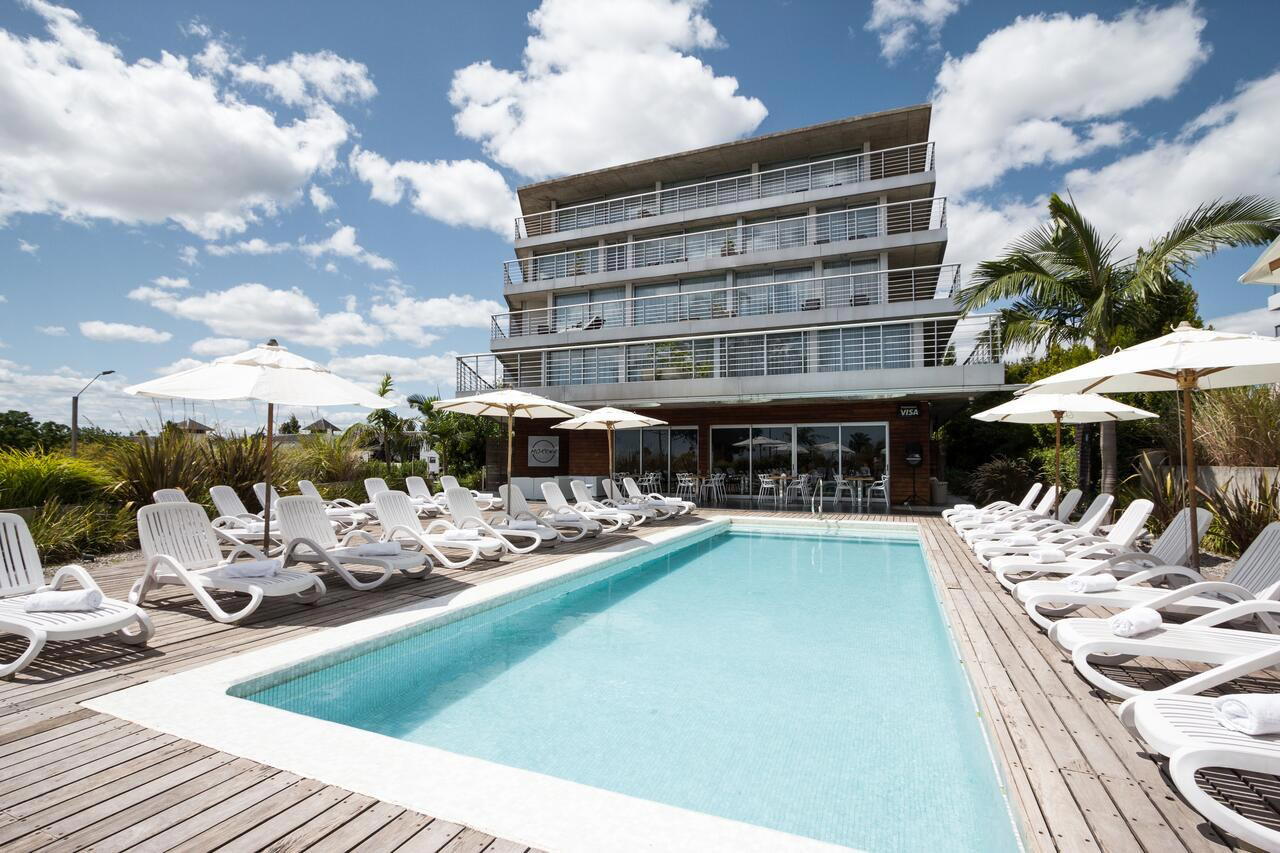
Where the River Defines the Room
Colonia del Sacramento's built environment is one of South America's more demanding contexts for a hotel designer. The Barrio Histórico, a UNESCO World Heritage Site, imposes strict preservation constraints while the Rio de la Plata provides an horizon that any property on the Rambla Costanera must either engage or waste. Costa Colonia, Riverside Boutique Hotel sits at the corner of Torres García and Pedro Figari on that same rambla, and the address itself announces an architectural commitment: the river is not a backdrop here, it is the primary design element.
Uruguay's boutique hotel circuit has developed along two distinct lines over the past decade. One trajectory follows the resort model, concentrated around Punta del Este and José Ignacio, where properties like Hotel Fasano Punta del Este and Posada Ayana compete on beach access and seasonal programming. The other runs through Uruguay's heritage towns, where scale is deliberately limited and the architectural conversation is with colonial-era fabric rather than contemporary resort language. Costa Colonia belongs firmly to that second category, operating as a small property inside a historic structure on one of the city's most architecturally coherent streets.
The Physical Register of a Heritage Waterfront Property
Boutique hotels in UNESCO-protected zones face a common tension: preservation requirements that restrict intervention and guest expectations that demand contemporary comfort. The more considered properties in this category resolve that tension by treating the historic fabric as the aesthetic asset rather than the obstacle. Thick walls, internal courtyards, wide window apertures framing water views, and materials with visible age become the design program rather than problems to solve.
The Rambla Costanera, where Costa Colonia sits, traces the city's original waterfront edge. Approaching from the Barrio Histórico's cobbled streets, the transition to the rambla is abrupt in the way of fortified colonial towns: the city simply ends and the river begins. Properties on this stretch operate with an unusual spatial privilege, unobstructed views across one of the world's widest estuaries, toward Buenos Aires some fifty kilometres to the southeast. That geographical specificity matters architecturally. The quality of light from the Rio de la Plata, which reads somewhere between grey-green and silver depending on the weather, shifts the colour temperature of every interior space that faces it, and any hotel that ignores that fact in its material palette is making a design error.
The boutique scale of the property, consistent with the limited-key format that characterises the upper tier of Colonia's accommodation offer, means that the ratio of communal space to guest rooms skews toward intimacy. Properties of this type in comparable heritage contexts, from the smaller palazzo hotels in Venice (see Aman Venice or Cipriani, A Belmond Hotel, Venice) to design-led properties in Latin American colonial cities, tend to concentrate investment in shared spaces, terraces, gardens, entrance halls, where the architectural character is most legible.
Michelin Selection in a City with a Small Accommodation Inventory
Michelin's hotel selection program assesses properties across categories including design quality, service consistency, and sense of place. Inclusion in the Michelin Selected Hotels 2025 list positions Costa Colonia within a broader international selection framework.
For Colonia del Sacramento, where the total inventory of upper-tier accommodation is genuinely small, a Michelin selection carries particular weight. The city receives a steady stream of day visitors arriving by ferry from Buenos Aires, crossing time is approximately one hour, but the subset of travellers who stay overnight, particularly in the premium tier, is substantially narrower. That dynamic means properties competing at the higher end of Colonia's market are not competing primarily against each other; they are competing against the traveller's decision to stay at all rather than return the same day to Argentina.
Elsewhere in Uruguay, the Michelin selection includes properties positioned differently: FAUNA Montevideo operates in an urban capital context, while Carmelo Resort and Spa sits in the wine country interior. Costa Colonia's selection reflects the heritage-tourism tier specifically, a category that Michelin has been increasingly attentive to across Latin America as the region's colonial cities attract a more design-literate traveller segment.
Colonia del Sacramento as a Hotel Context
The city's size, its historic core covers a manageable few blocks, means that a guest's relationship to the hotel is unusually compressed in time and space. Distances between the property, the Puerta de la Ciudadela, the lighthouse, the Plaza Mayor, and the waterfront promenade are all walkable in under fifteen minutes. That pedestrian accessibility shifts what a hotel needs to provide: the property functions less as a logistics base and more as a recovery point and atmosphere anchor.
For travellers using Colonia as part of a broader River Plate itinerary, the city pairs naturally with Buenos Aires and Montevideo, both reachable by ferry or short flight. Hotel L'Auberge in Punta del Este sits roughly three hours east by road for those extending into the Atlantic coast. Casa Flor Hotel Boutique in La Barra represents another node in Uruguay's design-led accommodation circuit for the same type of traveller.
Colonia's peak season runs roughly from December through March, when Buenos Aires residents cross in volume for weekend escapes and the southern summer brings maximum daylight to the waterfront. Shoulder months, April through June and September through November, offer a different atmospheric register: fewer day-trippers in the Barrio Histórico, cooler light over the river, and quieter streets that suit the city's architectural character more accurately than the high-summer crowds do. Advance booking during the December-to-February window is advisable for any upper-tier property in Colonia; the inventory is simply too small to absorb late decisions at premium.
For global reference points in the boutique-heritage category, properties like Castello di Reschio in Umbria or Hotel Esencia in Tulum occupy analogous positions in their local markets: limited keys, strong design identity, and a guest profile that prioritises sense-of-place over amenity volume. Costa Colonia operates in that register, within a city that offers one of the more architecturally coherent small-town environments in South America and a river view that few hotels on the continent can match for sheer geographical drama.
Planning Your Stay
Costa Colonia sits at Rambla Costanera 1102, at the corner of Torres García and Pedro Figari, the riverfront address is both a locator and a statement about what the property prioritises. Given Colonia's compact layout, the hotel is within walking distance of every significant site in the Barrio Histórico. The ferry terminal, which receives services from Buenos Aires (Buquebus and Colonia Express operate the crossing, with journey times between one and three hours depending on the service), is reachable on foot or by short taxi. Booking directly through the property or via a travel specialist familiar with Uruguay's boutique circuit is the practical route, particularly during the southern summer high season when availability across Colonia's limited upper-tier inventory tightens quickly.
At-a-Glance Comparison
Comparable venues nearby, for context on price, style, and recognition.
| Venue | Cuisine | Price | Awards | Notes |
|---|---|---|---|---|
| Costa Colonia - Riverside Boutique HotelThis venue — the venue you are viewing | Contemporary apartment-style boutique resort blending modern architecture with residential comfort; design-conscious property emphasizing character over volume. | $$$ | 4-Star | Not listed |
| Bahia Vik Jose Ignacio | Contemporary beach retreat with art-integrated bungalows set in dunes | $$$$ | 4-Star | José Ignacio |
| Posada Ayana | Modern boutique posada blending luxury with natural surroundings | $$$$ | 3-Star | José Ignacio |
| Hyatt Centric Montevideo | Contemporary boutique-style beachfront hotel with artistic flair and local design elements celebrating Uruguayan culture. | $$$ | 5-Star | Pocitos |
| Hotel L'Auberge | Historic boutique with English garden charm | $$$$ | 4-Star | Cantegril |
| Bahia Vik José Ignacio | Contemporary luxury boutique retreat blending minimalist architecture with maximalist art curation; emphasizes environmental consciousness and local Uruguayan design. | $$$$ | 4-Star | José Ignacio |
Recognition history
Dated appearances from independent guides and award organizations, with the underlying list record or original source where available.
Michelin Selected
Michelin
Continue exploring
More in Colonia del Sacramento
Restaurants in Colonia del Sacramento
Browse all →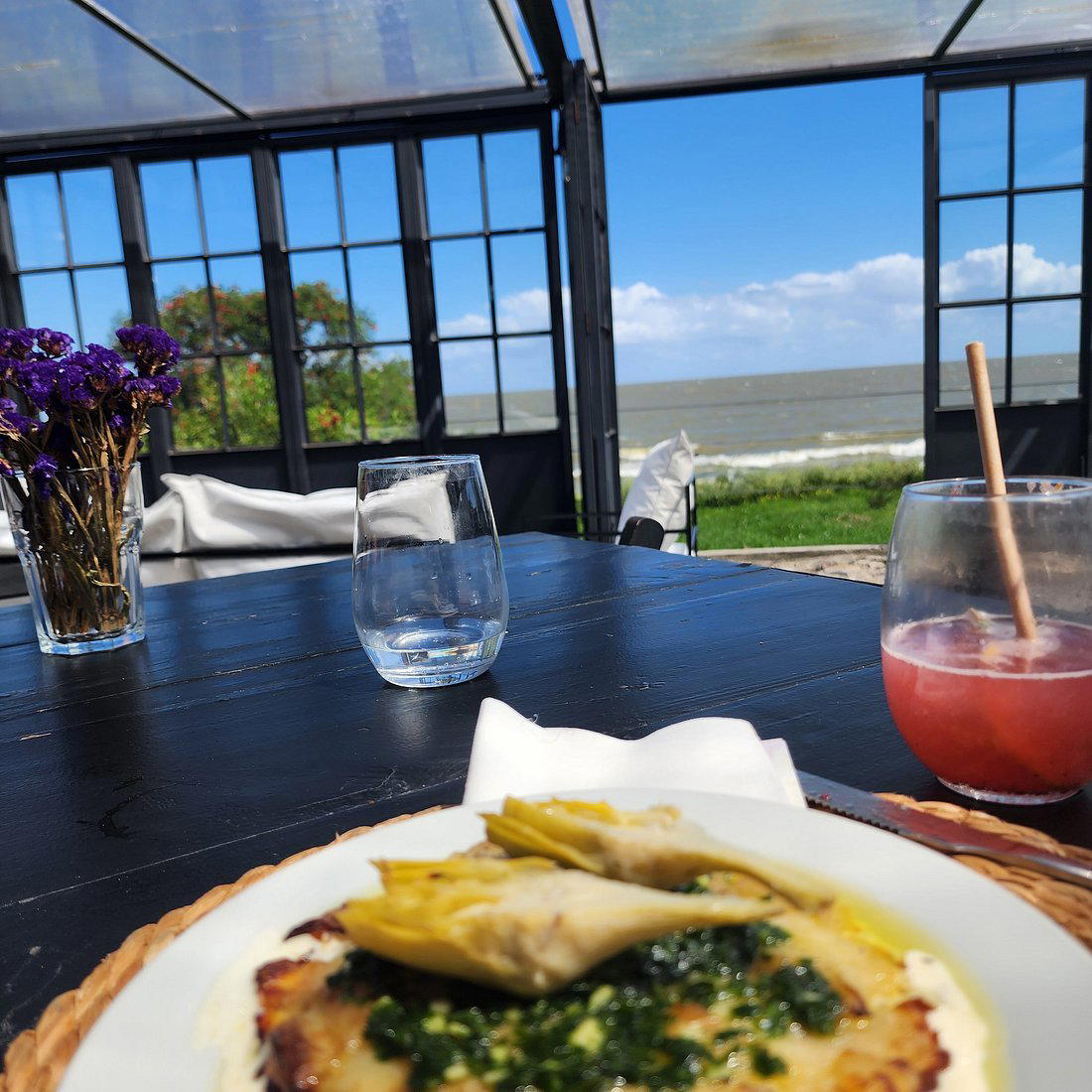
Wineries in Colonia del Sacramento
Browse all →
At a Glance
- Romantic
- Modern
- Scenic
- Quiet
- Elegant
- Romantic Getaway
- Weekend Escape
- Date Night
- Waterfront
- Beachfront
- Terrace
- Panoramic View
- Destination Spa
- Wi Fi
- Pool
- Spa
- Fitness Center
- Room Service
- Restaurant
- Bar
- Sauna
- Massage
- Business Center
- Parking
- Waterfront
- Wi Fi
- Pool
- Spa
- Fitness Center
- Room Service
- Restaurant
- Bar
- Sauna
- Massage
- Business Center
- Parking
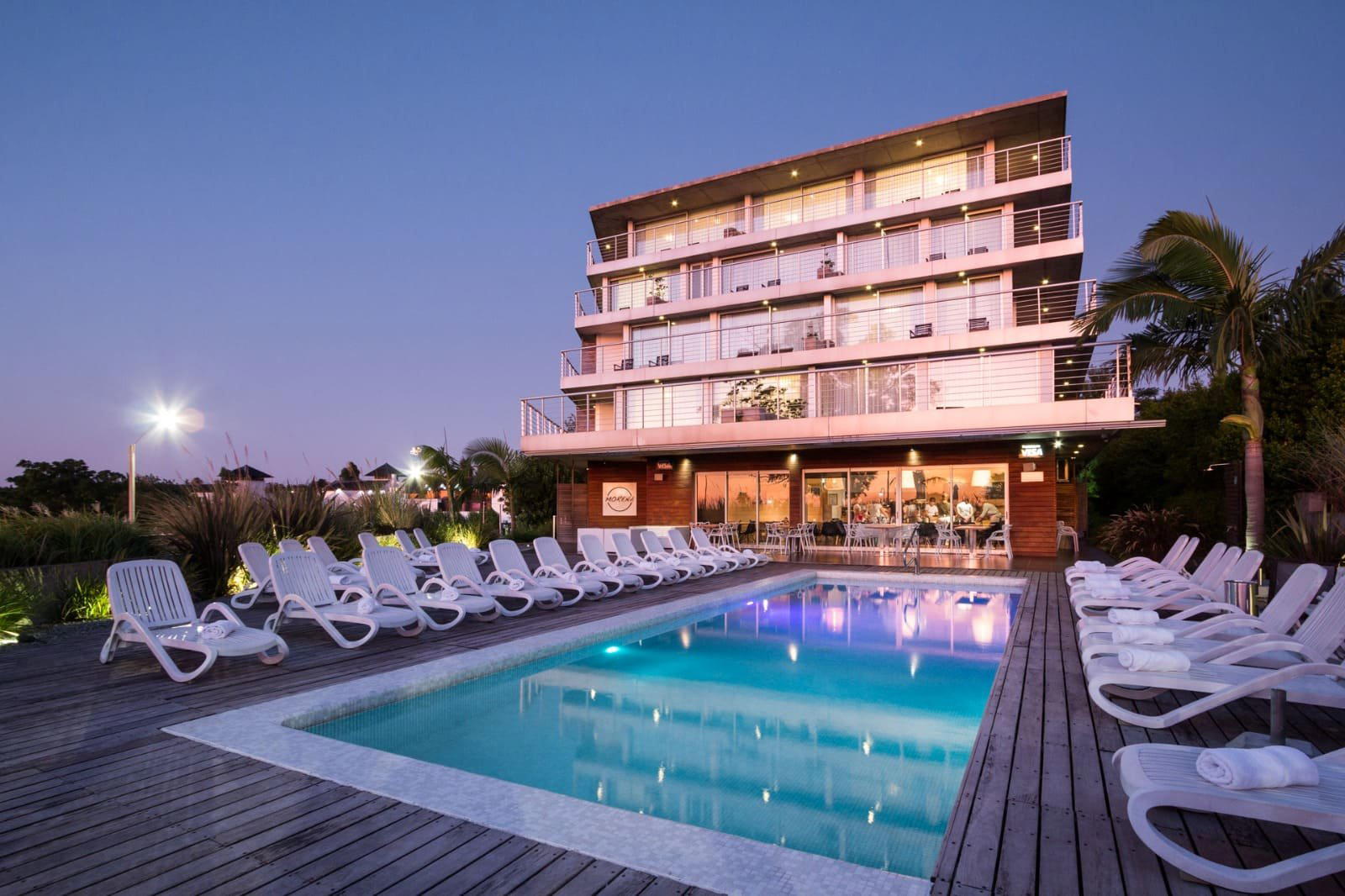
Bright, luminous spaces with abundant natural light; modern minimalist aesthetic with a relaxed, serene atmosphere enhanced by river views and sun-filled terraces.