


Can Bosch has held a Michelin star continuously since 1985, making it one of Spain's longest-standing decorated restaurants. Set on Rambla de Jaume I in Cambrils, it builds its menu around fish sourced daily from the town's fish auction, Carnaroli rice from the Ebro Delta, and a lobster section available by prior order. Two set menus sit alongside an ingredient-focused à la carte.
Pearl is the En Primeur Club membership app — saves, bookings, and concierge access live there. Same editors, same standards.
- Address
- Rambla de Jaume I, 19, 43850 Cambrils, Tarragona, Spain
- Phone
- +34 977 36 00 19
- Website
- canbosch.com
- Directions
- Get directions
 Saves & bookings on Pearl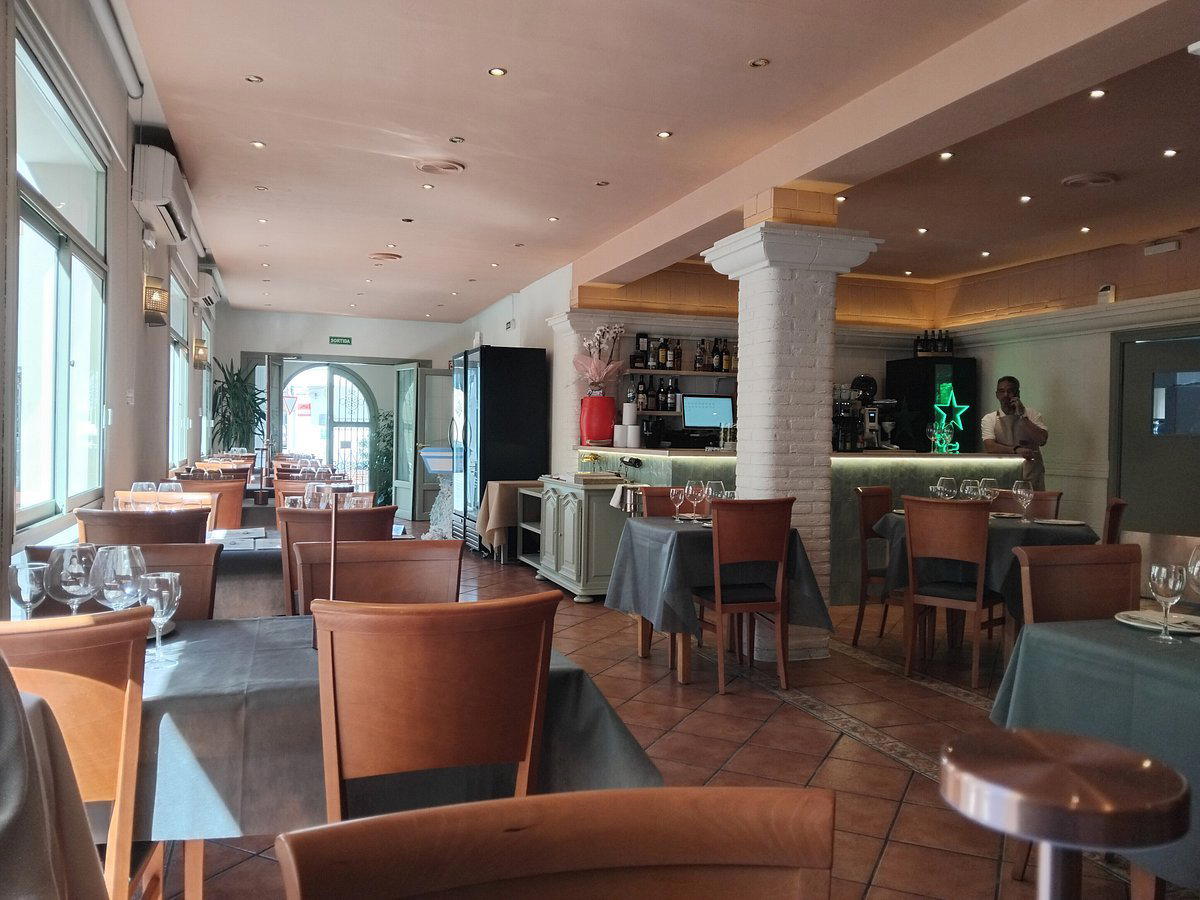
Where the Costa Daurada Eats Seriously
Cambrils occupies a specific and instructive position in Spanish coastal dining. Unlike the resort towns further up the coast that trade largely on volume, Cambrils has quietly built a reputation for seafood cooking grounded in the actual rhythms of a working fishing port. The town's fish auction, the llotja, operates daily, and the restaurants that have earned sustained recognition here are those that have oriented their kitchens around it. Can Bosch, on the Rambla de Jaume I, is a Michelin-starred restaurant serving Traditional Catalan Seafood in Cambrils.
That continuity matters. Spain's decorated restaurant tier has shifted considerably since the early 1980s, when the Michelin Guide's presence on the Iberian Peninsula was thinner and the starred addresses fewer. Many of the houses that held stars in that era have since closed, reinvented themselves, or migrated upmarket beyond recognition. Can Bosch has done none of those things. It has held its star continuously since the 1985 edition of the guide, a tenure that places it in a distinct bracket: not a restaurant that earned recognition during the avant-garde boom of the 2000s, but one whose credentials predate it and have outlasted it.
The Longer Tradition Behind the Cooking
Catalan coastal cooking, at its core, is a cuisine of restraint and source. The cuina de mercat tradition, built around daily market procurement and minimal intervention, runs through the region's serious restaurant kitchens in a way that separates them from the more theatrical styles associated with the Basque Country or Madrid's contemporary scene. At addresses like El Celler de Can Roca in Girona, that tradition has been reimagined through an avant-garde lens. Can Bosch takes a different position: the tradition itself is the point, and technique serves it rather than displacing it.
That positioning is not conservative by default. It reflects a considered editorial stance on what the ingredients around Cambrils actually are and what they require. The rice dishes, for instance, use Carnaroli from the Molí de Rafelet mill in the Ebro Delta, a variety chosen for its absorption characteristics and its geographical proximity to the table. The Ebro Delta is one of Spain's principal rice-producing regions, and its Carnaroli output sits in a premium tier within an already premium grain category. Using it in a coastal Catalan kitchen is not incidental; it draws a direct line between the landscape immediately south of the restaurant and what arrives on the plate.
Seafood follows the same logic. Sourcing from the Cambrils fish auction rather than through broader wholesale channels means the menu shifts with what the fleet brings in, and the kitchen operates within those constraints rather than around them. This is a fundamentally different supply model from restaurants that negotiate fixed specifications with distributors. It introduces variability, and managing that variability with consistency across forty-plus years is what a sustained Michelin star, in part, represents.
Menu Structure and What to Order
The à la carte at Can Bosch is structured around ingredients rather than around courses in the conventional French sense. A dedicated lobster section, available by prior order only, runs alongside the main menu, and the rice dishes carry enough weight to function as a centerpiece in their own right rather than a supporting role. Two set menus, the Tradición and the Degustación, offer different entry points: the former tracks more closely to the kitchen's classical foundations, the latter offers more latitude.
The Tradición and Degustación menus give diners a choice of register.
For comparison within Cambrils, Rincón de Diego occupies a parallel starred position at the same price tier, also rooted in traditional Catalan cooking. Bresca operates at €€ in the same tradition but without the starred recognition, while Hiu takes a fusion approach at the same price point. Within the wider Spanish decorated scene, the coastal seafood tradition that restaurant represents has its regional parallels at Aponiente in El Puerto de Santa María and Quique Dacosta in Dénia, though both operate in substantially more experimental registers. The more direct comparison in terms of family-rooted, tradition-anchored longevity is Arzak in San Sebastián, where a similar inter-generational kitchen dynamic has sustained decades of recognition.
Internationally, the template of a family-run house where traditional cooking and long Michelin tenure intersect has parallels at addresses like Auberge Grand'Maison in Mûr-de-Bretagne and, within Spain's northern coastal belt, Auga in Gijón. The shared thread is a kitchen that treats its regional ingredient base as the primary constraint rather than as raw material to be transformed beyond recognition.
Cambrils in Context
Cambrils sits roughly 110 kilometres south of Barcelona on the Costa Daurada, close enough to the city to draw weekend traffic from Barcelona's dining public but sufficiently removed to operate with its own identity. The town's gastronomic profile is more concentrated than its size would suggest for a coastal resort: the density of serious kitchens relative to the resident population points to a local dining culture that has historically demanded quality rather than simply volume. This is the environment that produces and sustains addresses like Can Bosch across generations.
The broader Catalan restaurant scene, from Cocina Hermanos Torres in Barcelona to the multi-starred houses of the interior and coast, is among the more heavily decorated in Europe per capita. Within that context, a single-starred address in a secondary coastal town carries particular weight.
7, a figure that, at this volume, reflects consistent delivery across a wide range of diners rather than a concentration of enthusiast visits. It is one of the more reliable signals available for a restaurant of this type, where the audience spans both destination diners and returning locals.
Planning Your Visit
The restaurant operates lunch and dinner Tuesday through Saturday, with Sunday lunch service only and Monday closed entirely. Lunch runs from 1:30 to 3:30 PM and dinner from 8:30 to 10:30 PM, windows that align with Spanish dining convention rather than international tourist rhythms. The price range falls at €€€, placing it above the casual coastal dining tier but below the multi-starred destination pricing of houses like Martin Berasategui in Lasarte-Oria or Azurmendi in Larrabetzu. The lobster section requires advance notice at the time of booking; this is the one practical step that separates diners who get the full menu range from those who do not.
The address is Rambla de Jaume I, 19, central to the town and accessible on foot from the main hotel zone along the seafront.
Cost Snapshot
Comparable venues nearby, for context on price, style, and recognition.
| Venue | Cuisine | Price | Awards | Notes |
|---|---|---|---|---|
| Can BoschThis venue — the venue you are viewing | Cambrils, Traditional Catalan Seafood | $$$$ | Michelin 1 Star | Not listed |
| Rincón de Diego | Cambrils Port, Modern Spanish Seafood | $$$ | Michelin 1 Star | Not listed |
| Bresca | Cambrils, Contemporary Mediterranean | $$$ | Michelin 1 Star | Not listed |
| Hiu | Baix Camp, Modern Catalan-Thai Fusion | $$$ | Michelin Plate | Not listed |
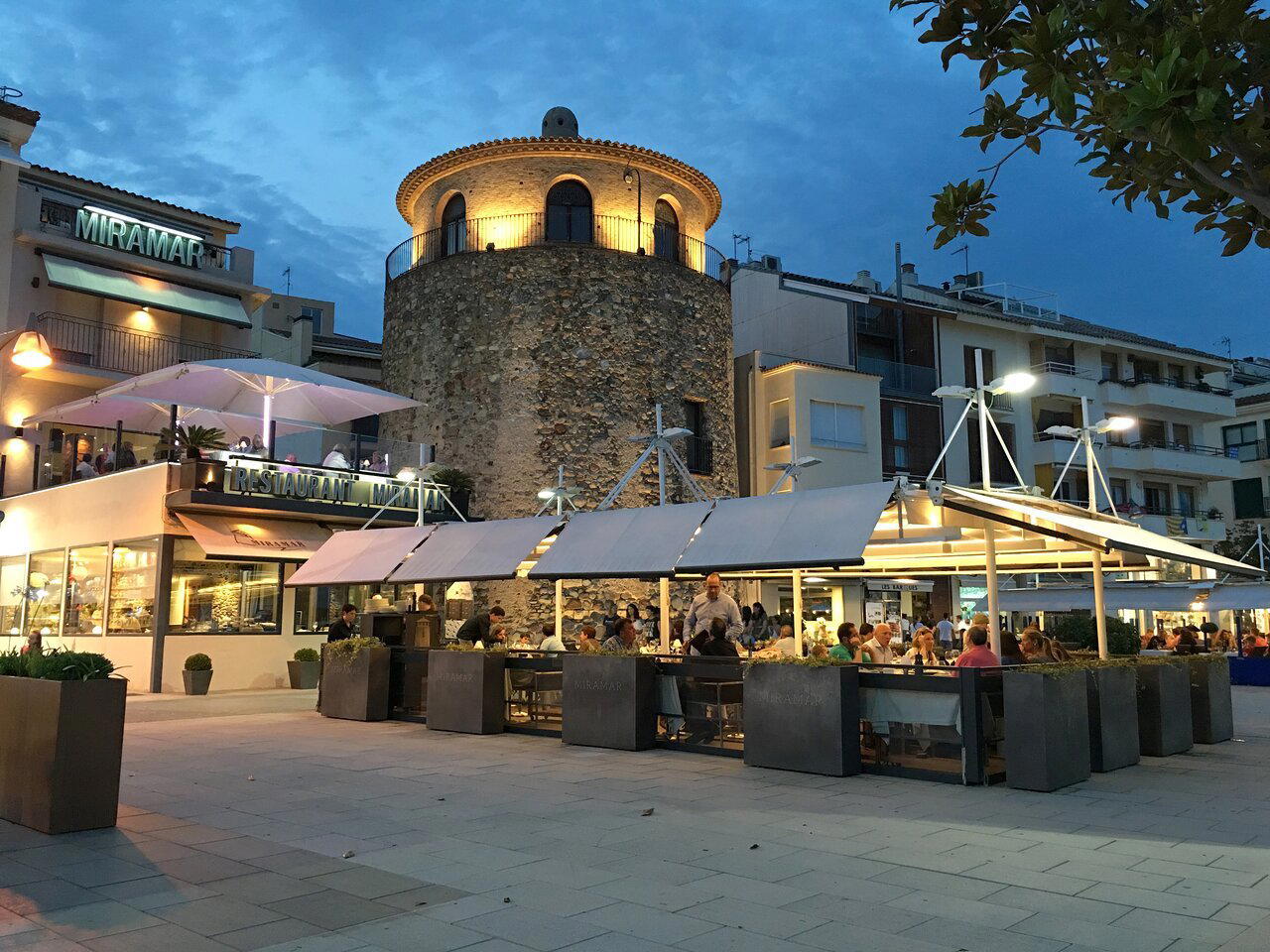
| Miramar | Not listed | $$$ | Michelin Plate | Cambrils Port, Traditional Catalan Seafood |
| Prik Thai | Cambrils, Authentic Thai | $$ | Not listed | Not listed |
Recognition history
Dated appearances from independent guides and award organizations, with the underlying list record or original source where available.
Guía Repsol 1 Sol
Guía Repsol
Macarfi 8.6 Food Rating
Macarfi
Michelin 1 Star
Michelin
Michelin 1 Star
Michelin
Michelin 1 Star
Michelin

At a Glance
- Classic
- Elegant
- Cozy
- Intimate
- Special Occasion
- Date Night
- Historic Building
- Extensive Wine List
- Sommelier Led
- Local Sourcing
Current opening hours
- Monday
- Closed
- Tuesday
- Closed
- Wednesday
- 1:30–3:30 PM, 8:30–10:30 PM
- Thursday
- 1:30–3:30 PM, 8:30–10:30 PM
- Friday
- 1:30–3:30 PM, 8:30–10:30 PM
- Saturday
- 1:30–3:30 PM, 8:30–10:30 PM
- Sunday
- 1:30–3:30 PM, 8:30–10:30 PM
Hours can change for holidays and private events. Last verified .
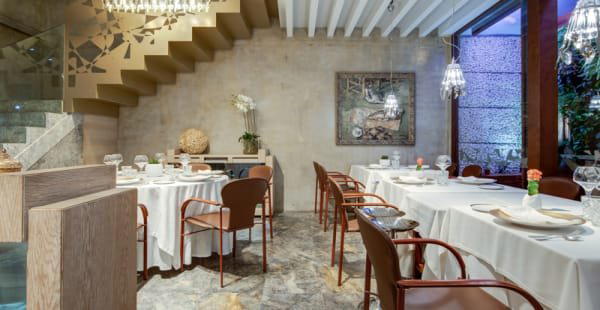
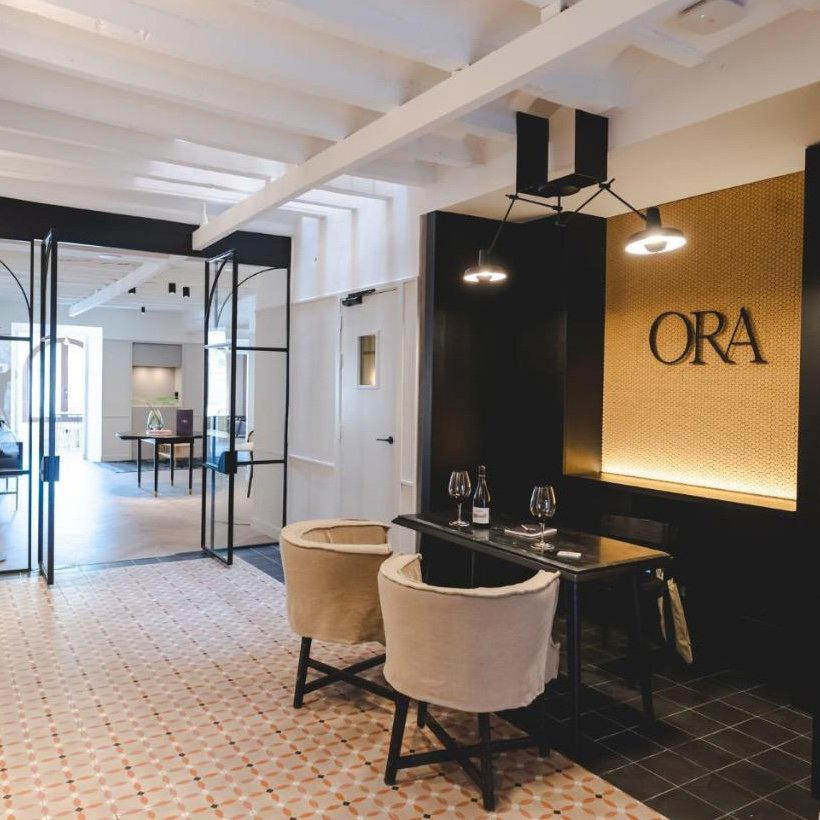
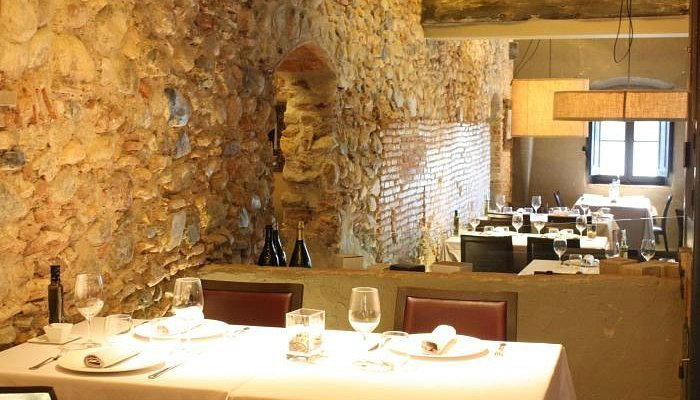
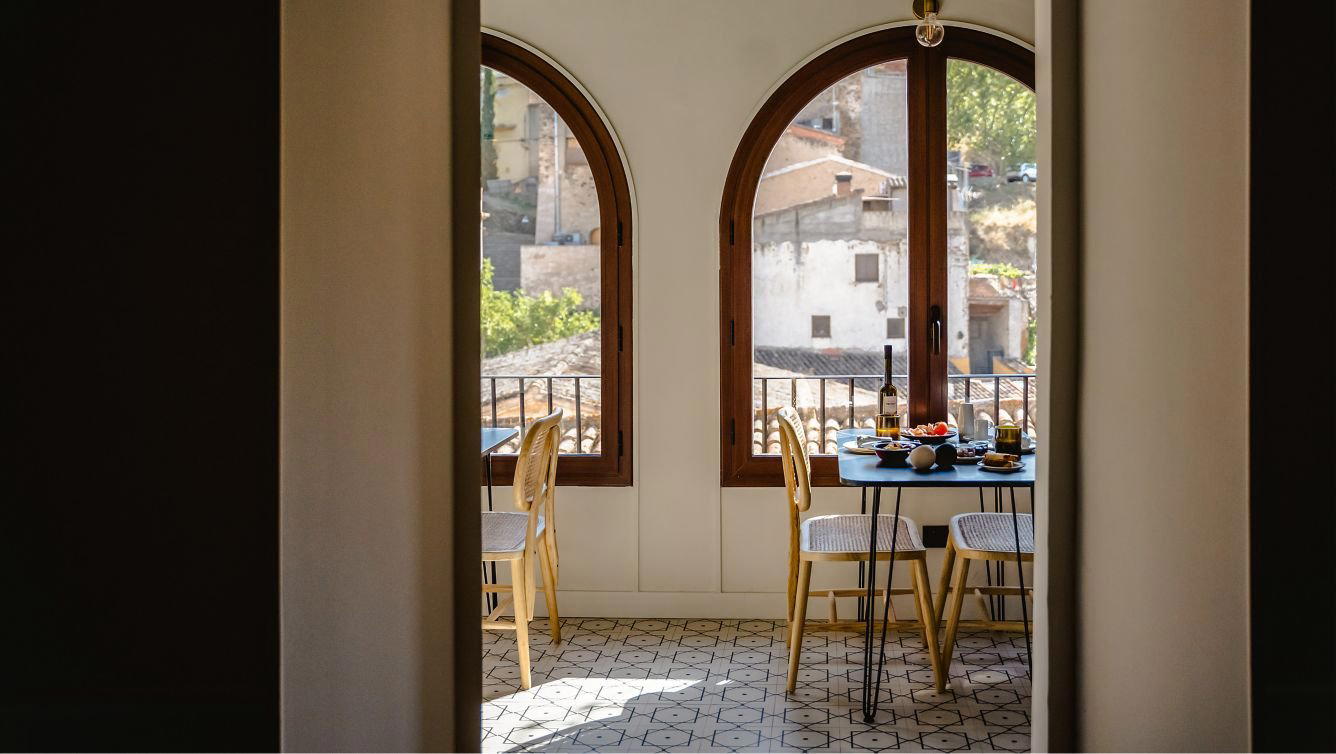
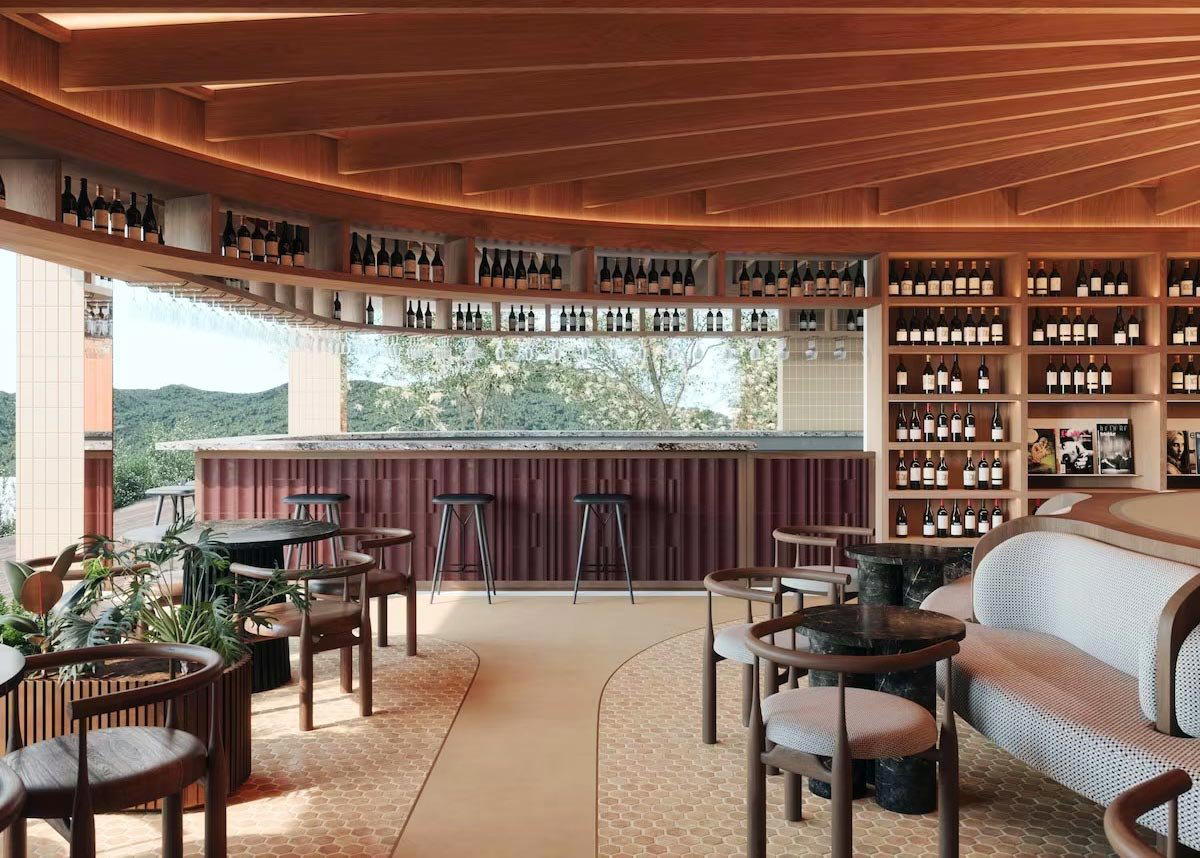
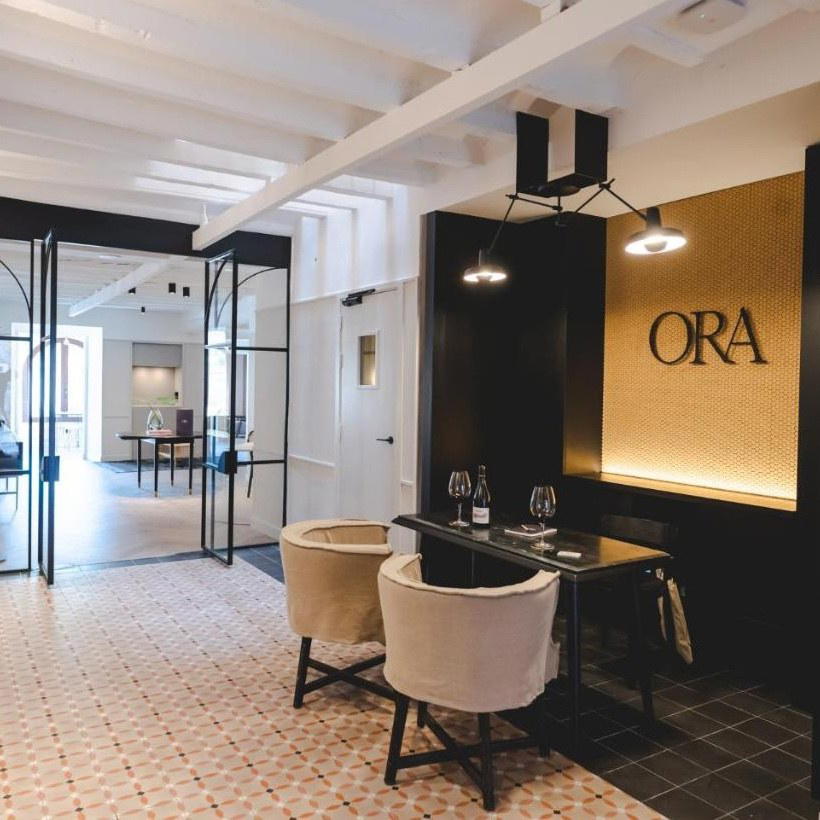
Cozy yet deluxe atmosphere with contemporary decor, well-spaced tables, quiet and excellent ambiance.