Quatre Molins




A Michelin-starred address in the Priorat wine country where chef Rafel Muria, whose family has kept bees since 1810, uses honey not as a flavour statement but as a structural tool. Two tasting menus anchor the offer, supported by a wine list drawn almost entirely from Montsant and Priorat estates. At €€€€, it occupies a tier well above casual regional dining.
Pearl is the En Primeur Club membership app — saves, bookings, and concierge access live there. Same editors, same standards.
- Address
- Carrer del Comte de Rius, 8, 43360 Cornudella de Montsant, Tarragona, Spain
- Phone
- +34 977 82 10 04
- Website
- quatremolins.com
- Directions
- Get directions
 Saves & bookings on Pearl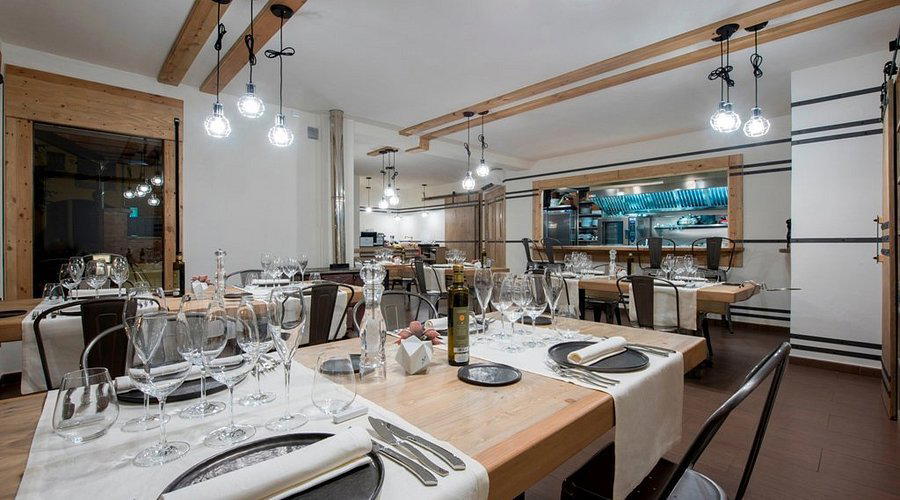
Cornudella de Montsant sits at the northern edge of the Montsant appellation, ringed by the serrated limestone ridges that give the designation its name. The village is small enough that arriving by car feels like a private discovery: narrow streets, stone facades, the quiet hum of a community whose economy has long turned on vine and olive. Quatre Molins occupies a modest address on Carrer del Comte de Rius. What distinguishes the space is not its architecture but what it signals about a certain kind of Spanish fine dining, the kind that has moved far from cities, anchored itself in a specific agricultural landscape, and built a menu from what that landscape actually produces.
Honey as Ingredient, Not Accent
Spain's creative restaurant tier, the circuit that includes addresses like Disfrutar in Barcelona, El Celler de Can Roca in Girona, and DiverXO in Madrid, tends to treat its signature ingredients as conceptual anchors, not mere garnishes. Quatre Molins operates on the same principle, except the ingredient in question is honey, and the claim behind it runs deeper than most.
Chef Rafel Muria's family has been involved in beekeeping through their company artMuria since 1810. That is not culinary positioning, it is a documented family history that predates the industrial food system by generations. In a moment when sourcing provenance is frequently manufactured for menus, this is the real thing: a chef whose primary ingredient comes from a supplier that is, in a literal sense, his own heritage.
The approach, according to Michelin's own assessment of the restaurant, is not to foreground honey as a flavour but to use it for balance and structural stability in the dish. This is a technically specific claim. Honey's combination of sugars, organic acids, and trace compounds makes it a more complex tool than simple sweetness, and a chef trained across Spain, France, and Italy will have encountered the full range of ways that acidity and sweetness can be modulated in a plate. The result, Michelin notes, is elaborate dishes where the honey's presence is discreet, present in the architecture of the dish rather than announced on the palate.
This positions Quatre Molins in a specific sub-tier of Spanish creative cooking: not the maximalist sensory-overload school, but the restraint-led, ingredient-sourcing strand that has more in common with Ricard Camarena in València or Quique Dacosta in Dénia than with the theatrical formats further north or west.
What the Menu Actually Offers
The menu structure is clear: two tasting formats, Espectáculo and Gran Espectáculo, plus three dishes available as supplements that function as signatures of the kitchen's range. Those three are worth reading carefully because they do the editorial work of describing the kitchen's register.
The tuna roe royale with pear compote pairs an intensely saline, cured product with fruit and, presumably, given the kitchen's logic, some element of honey providing counterbalance. The crayfish ravioli with foie gras sauce and black truffle is a more classical luxury combination, French in its reference points, which aligns with training that included time in France. The dessert is a Coulant with vanilla ice cream based on Michel Bras's 1981 recipe, a detail that carries real weight: citing the source of a recipe and the year of its creation is a statement of culinary honesty that most restaurants avoid, preferring to imply ownership. The choice to name Bras and 1981 says something about the kitchen's relationship to tradition.
All dishes, the record notes, incorporate vegetables and fruit. The menu is not built for guests whose primary expectation is heavy protein, and Michelin's own framing is candid on this point. At the €€€€ price level, the same tier occupied by Arzak in San Sebastián, Azurmendi in Larrabetzu, Mugaritz in Errenteria, and Martin Berasategui in Lasarte-Oria, the guest arriving with a clear understanding of the kitchen's priorities will find the experience coherent. The guest expecting a different kind of luxury will not.
Wine and Region: The Montsant-Priorat Axis
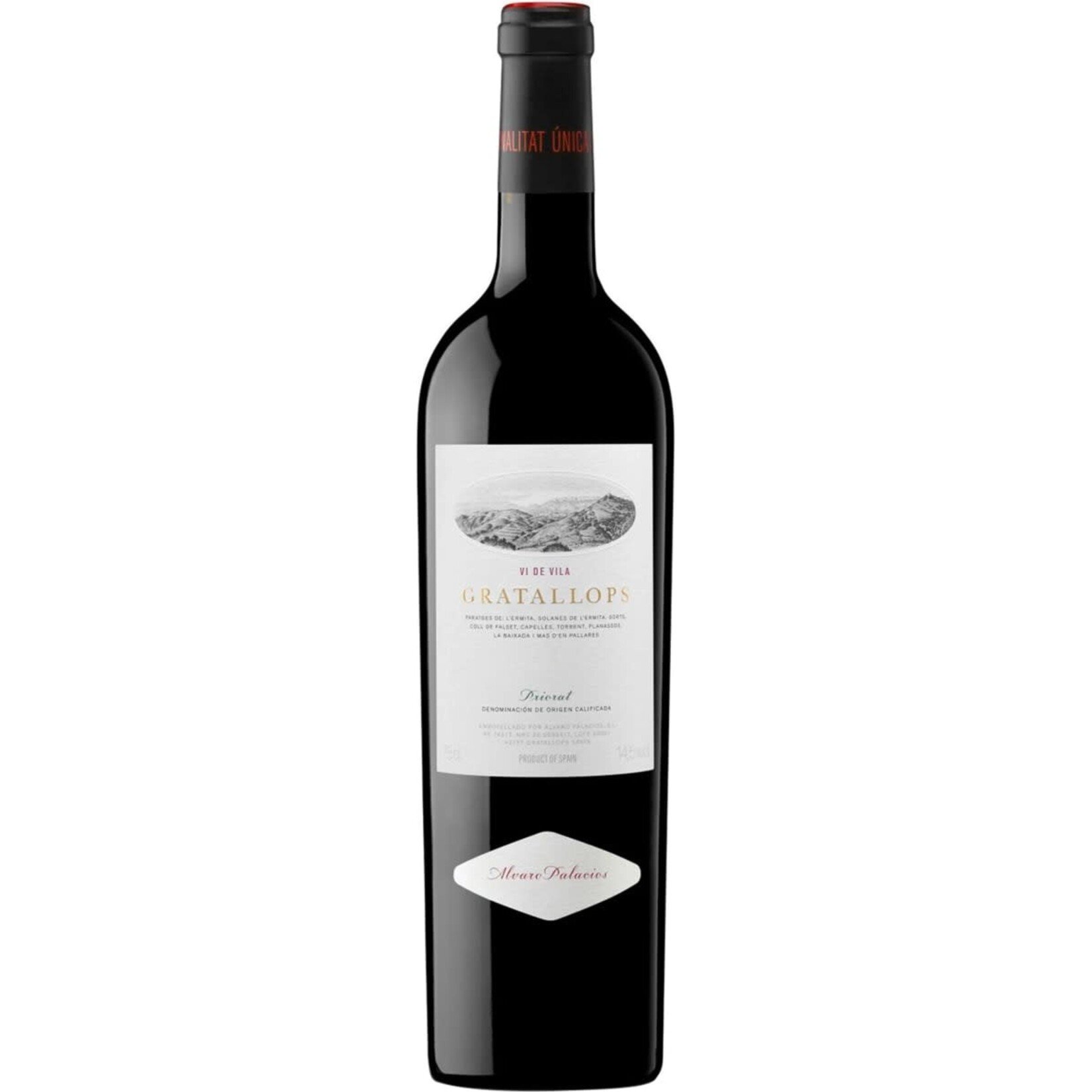
The wine list is focused on estates from Montsant and Priorat, which is the logical choice and also the defensible one. These are two of Spain's most serious appellations for age-worthy red wine. Priorat, with its llicorella slate soils and old-vine Garnacha and Cariñena, produces wines with a mineral density that few Spanish regions match. Montsant surrounds Priorat geographically and produces wines from the same varieties with a somewhat softer register and more accessible price points. A wine list built on these two appellations, in this physical location, is not a marketing decision, it is a statement of terroir coherence.
For guests interested in exploring the region further, The pairing of a honey-inflected creative menu with Garnacha-dominant wines from this specific corner of Catalonia is a combination with internal logic: the wines have a natural fruit richness and earthy depth that can hold against the structural complexity the kitchen is aiming for.
Finding Quatre Molins in Context
Creative cooking at this price level appears across Spain's major cities and several secondary ones. What separates the restaurant from the urban tier, and from the prestige addresses like Aponiente in El Puerto de Santa María or Atrio in Cáceres, is its specific rootedness in a small agricultural community. The artMuria beekeeping heritage is not something that could be transplanted to a city restaurant without losing its meaning. The restaurant exists where it does because the ingredient exists where it does.
This is a pattern that has European parallels. At the level of conceptual ambition, the approach shares territory with what Alléno Paris au Pavillon Ledoyen does with French terroir extractions, or what Enrico Bartolini does with northern Italian agricultural heritage. The scale is different; the seriousness of the sourcing proposition is comparable.
Michelin awarded one star in 2024.6 across 722 reviews suggests consistent execution.
Planning a Visit
Cornudella de Montsant is a drive from any major Spanish city. Barcelona is one practical base, and the journey through the Priorat wine country along the T-702 is a reasonable part of the experience rather than a detour. The restaurant operates a compressed schedule: lunch Monday, Thursday through Sunday from 1 PM to 3 PM, dinner Thursday through Saturday from 8:15 PM to 10 PM, with Tuesday and Wednesday fully closed. Monday offers lunch service only. The narrow service windows mean that booking ahead is essential, and guests planning around a day in the vineyards should map the schedule carefully. For accommodation options in the area, Those building a longer stay around the wine region will also find
The address is Carrer del Comte de Rius, 8, 43360 Cornudella de Montsant, Tarragona.
At-a-Glance Comparison
Comparable venues nearby, for context on price, style, and recognition.
| Venue | Cuisine | Price | Awards | Notes |
|---|---|---|---|---|
| Quatre MolinsThis venue — the venue you are viewing | Creative Spanish Fine Dining | $$$ | Michelin 1 Star | Not listed |
| Deliranto | Modern Spanish Contemporary | $$$ | Michelin 1 Star | Salou |
| Hisop | Modern Catalan Fine Dining | $$$ | Michelin 1 Star | Sant Gervasi - Galvany |
| L'Antic Molí | Modern Catalan Fine Dining | $$$ | Michelin 1 Star | Ulldecona |
| Lillas Pastia | Modern Spanish Truffle-Focused Fine Dining | $$$ | Michelin 1 Star | Huesca |
| La Era de los Nogales | Modern Spanish Cuisine | $$$ | Michelin 1 Star | Sardas |
Recognition history
Dated appearances from independent guides and award organizations, with the underlying list record or original source where available.
Guía Repsol 1 Sol
Guía Repsol
Macarfi 7.9 Food Rating
Macarfi
Michelin 1 Star
Michelin
Michelin 1 Star
Michelin
We're Smart World 1 Radish
We're Smart World
Michelin 1 Star
Michelin
Continue exploring
More in Cornudella de Montsant
Restaurants in Cornudella de Montsant
Browse all →
Bars in Cornudella de Montsant
Browse all →
Hotels in Cornudella de Montsant
Browse all →
Wineries in Cornudella de Montsant
Browse all →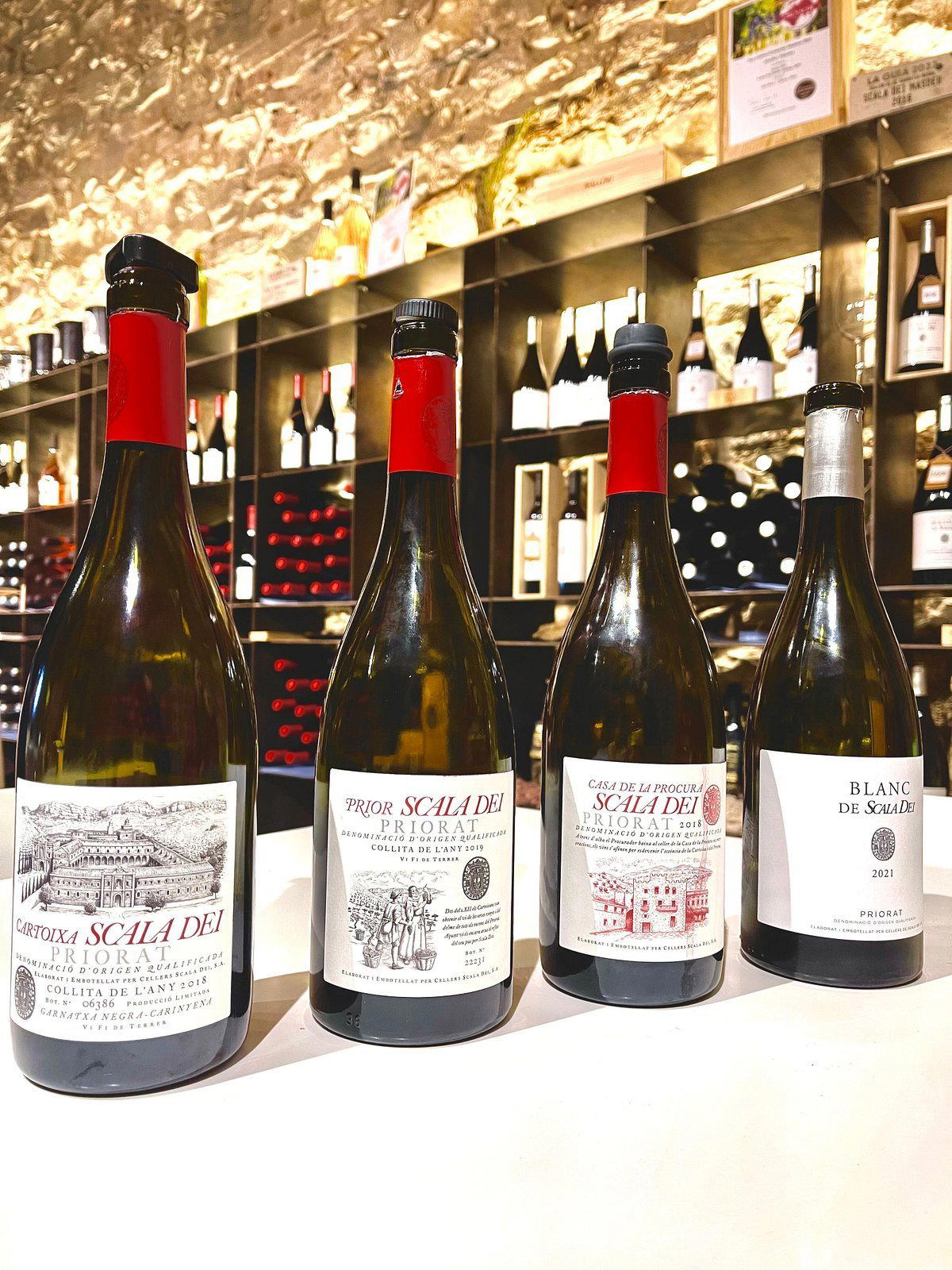

At a Glance
- Intimate
- Modern
- Rustic
- Special Occasion
- Date Night
- Open Kitchen
- Extensive Wine List
- Local Sourcing
Current opening hours
- Monday
- 1–3 PM
- Tuesday
- Closed
- Wednesday
- Closed
- Thursday
- 1–3 PM, 8:15–10 PM
- Friday
- 1–3 PM, 8:15–10 PM
- Saturday
- 1–3 PM, 8:15–10 PM
- Sunday
- 1–3 PM
Hours can change for holidays and private events. Last verified .
Minimalist interior with open kitchen view, comfortable and relaxed atmosphere with professional service.