Domaine du Clos Saint Jean
Situated on Rue du Moulin à Vent, the domaine works within one of the Southern Rhône's most demanding appellations, where sustainable viticulture and the region's famously complex terroir shape every vintage.
Pearl is the En Primeur Club membership app — saves, bookings, and concierge access live there. Same editors, same standards.
- Address
- Rue du Moulin À Vent, 84230 Châteauneuf-du-Pape
- Phone
- +33 4 90 83 58 00
- Website
- closstjean.fr
- Directions
- Get directions
 Saves & bookings on Pearl
Where the Galets Speak First
Arrive at Rue du Moulin à Vent on a late summer afternoon and the appellation announces itself before any label does. The large, heat-retaining galets roulés, the rounded quartzite stones that define much of Châteauneuf-du-Pape's floor, radiate warmth long after the Mistral has swept through. This is the physical reality that every serious estate here is working with and, in some cases, working against.
Châteauneuf-du-Pape and the Question of Restraint
The appellation permits up to 18 grape varieties, and historically many estates interpreted that permission as licence for extraction and concentration. The more consequential shift in recent decades has been a move toward terroir-led restraint, lower yields, careful canopy management, and minimal intervention in the cellar. This is not a purely aesthetic choice: in an appellation where summer temperatures regularly exceed 38°C and the galets can push vine stress during drought years, viticulture practices have direct quality consequences. Estates that have invested in sustainable or biodynamic approaches often show better vine resilience and more consistent fruit expression across difficult vintages.
Domaine du Clos Saint Jean, with Pascal Maurel directing the winemaking, sits within this tradition. The estate's positioning in the 2025 awards cycle places it in the same conversation as Domaine Charvin, known for its restrained, Grenache-forward approach, and Domaine de la Solitude, which has long maintained a careful balance between the appellation's power and structural precision.
Sustainable Viticulture in the Southern Rhône Context
The movement toward lower-intervention farming has been meaningful in Châteauneuf-du-Pape over the past two decades. The appellation's already-demanding organic certification requirements (no irrigation permitted, strict yield caps, varietal blending constraints) create a baseline that pushes estates toward more careful land stewardship by default.
Within that framework, the distinction between estates increasingly comes down to choices made in the vineyard rather than the cellar: cover cropping between rows to build soil biology, hand harvesting to preserve berry integrity at high sugar levels, and the decision of when to pick relative to phenolic versus sugar ripeness.
Compared to the celebrated austerity of Chateau Rayas, which produces among the appellation's most age-worthy Grenache from sandy soils that force extreme stress-driven concentration, the Clos Saint Jean approach represents a different but equally rigorous relationship with place. Both estates, in their different registers, demonstrate that the appellation's ceiling is set by how seriously a producer takes the vineyard's actual conditions.
Pascal Maurel and the Winemaker's Role in a Terroir-Driven Estate
In terroir-forward appellations, the winemaker's role is often less visible and more consequential than in regions where cellar technique defines the house style. Pascal Maurel's tenure at Clos Saint Jean is part of a broader pattern at Châteauneuf-du-Pape estates where continuity of personnel allows for the kind of long-term vineyard observation that quality viticulture requires: understanding which parcels ripen earliest, which rootstocks perform under drought stress, where Mourvèdre contributes structural backbone versus where it struggles to achieve phenolic ripeness.
It is worth contextualising this within the broader French wine hierarchy. While estates like Château Batailley in Pauillac or Château Bélair-Monange in Saint-Emilion operate within appellation systems governed by classification hierarchies and négociant structures, Châteauneuf-du-Pape's leading estates function more like Burgundy's growers: the domaine model places the winemaker and the land in direct relationship, without intermediary. That directness is part of what the appellation's leading producers are selling.
The Appellation comparable set and Where Clos Saint Jean Sits
Châteauneuf-du-Pape's recognised estates span a wide range, from large-production négociant-influenced labels to tiny domaines farming a handful of hectares by hand. The estates that consistently attract serious collector and sommelier attention tend to share specific characteristics: family or domaine ownership with long vineyard tenure, low to moderate production volumes, and a willingness to declassify or sell off fruit in difficult vintages rather than compromise the primary label.
This is not a uniform group stylistically. Domaine du Pegau produces wines of deliberate richness and age-worthiness; Domaine Charvin leans toward purity and Grenache definition; Clos Des Papes consistently delivers textbook structural balance. What these estates share is seriousness of purpose and the sustained track record that comes with it. Clos Saint Jean's 2025 recognition suggests it operates at a comparable level of intention.
For visitors exploring the appellation more broadly, our full Châteauneuf-du-Pape guide maps the domaine landscape and contextualises each estate within its neighbourhood and stylistic tradition. The village itself is compact enough to visit multiple estates on foot, though arrival by car from Avignon (roughly 20 kilometres southeast) gives more flexibility for cellar visits, which are typically arranged in advance through each estate directly.
Visiting and Planning
Châteauneuf-du-Pape's cellar visit culture runs differently from larger appellations with dedicated tasting infrastructure. Most domaines, including Clos Saint Jean at Rue du Moulin à Vent, receive visitors by appointment rather than walk-in. Contact through the domaine directly is the standard approach; given the absence of a listed website or phone on current public records, reaching out via the appellation's maison des vins or through a specialist wine travel agent is a practical route. Spring and autumn are usually particularly practical times for cellar visits, when harvest pressure is off. Summer visits can coincide with active vineyard work, which brings its own interest but may limit cellar access.
The contrast between Bordeaux's classification-driven estates and Châteauneuf-du-Pape's domaine model is instructive in itself.
Where the Accolades Land
Comparable venues nearby, for context on price, style, and recognition.
| Venue | Cuisine | Price | Notes |
|---|---|---|---|
| Domaine du Clos Saint JeanThis venue — the venue you are viewing | Grenache, Syrah | $$$ | Not listed |
| Domaine Saint Préfert | Grenache, Mourvèdre | $$$ | Châteauneuf-du-Pape |
| Domaine de la Solitude | Grenache, Syrah | $$$ | Châteauneuf-du-Pape |
| Domaine Pierre Usseglio | Grenache, Syrah | $$$ | Châteauneuf-du-Pape |
| Domaine Charvin | Grenache, Syrah | $$$ | Châteauneuf-du-Pape |
| Domaine du Pegau | Grenache, Syrah | $$$ | Châteauneuf-du-Pape |
Continue exploring
More in Châteauneuf-du-Pape
Wineries in Châteauneuf-du-Pape
Browse all →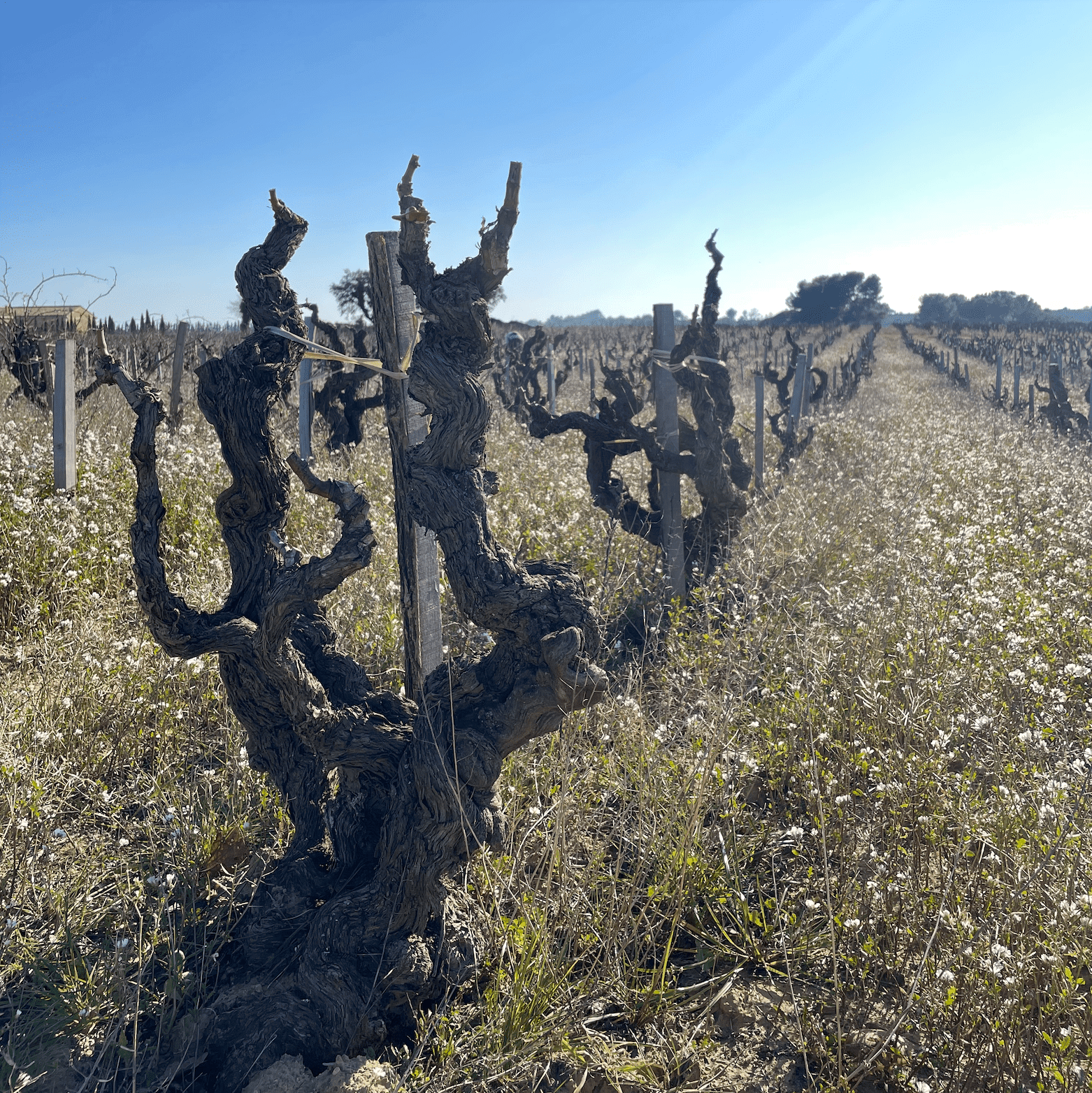
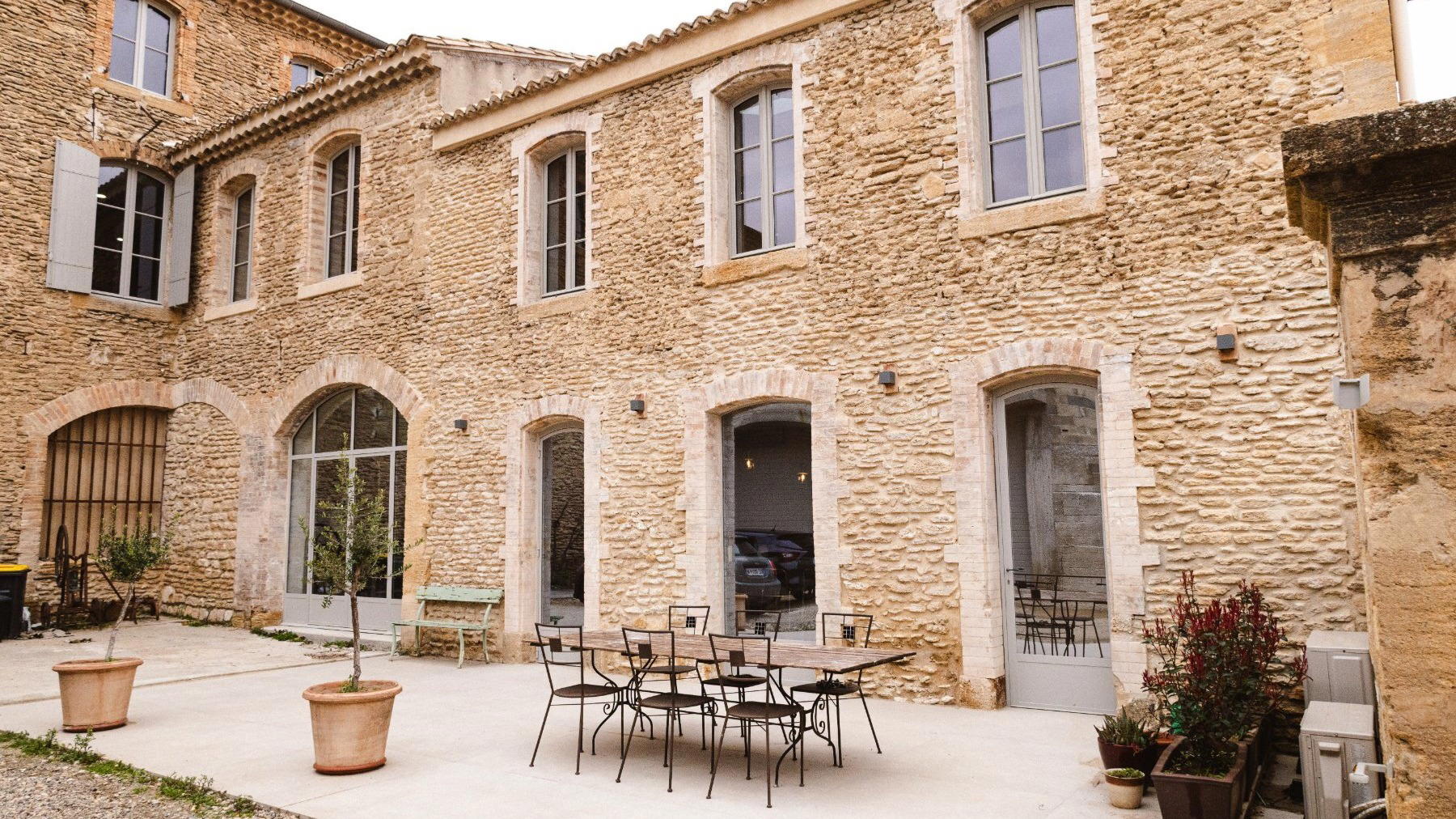
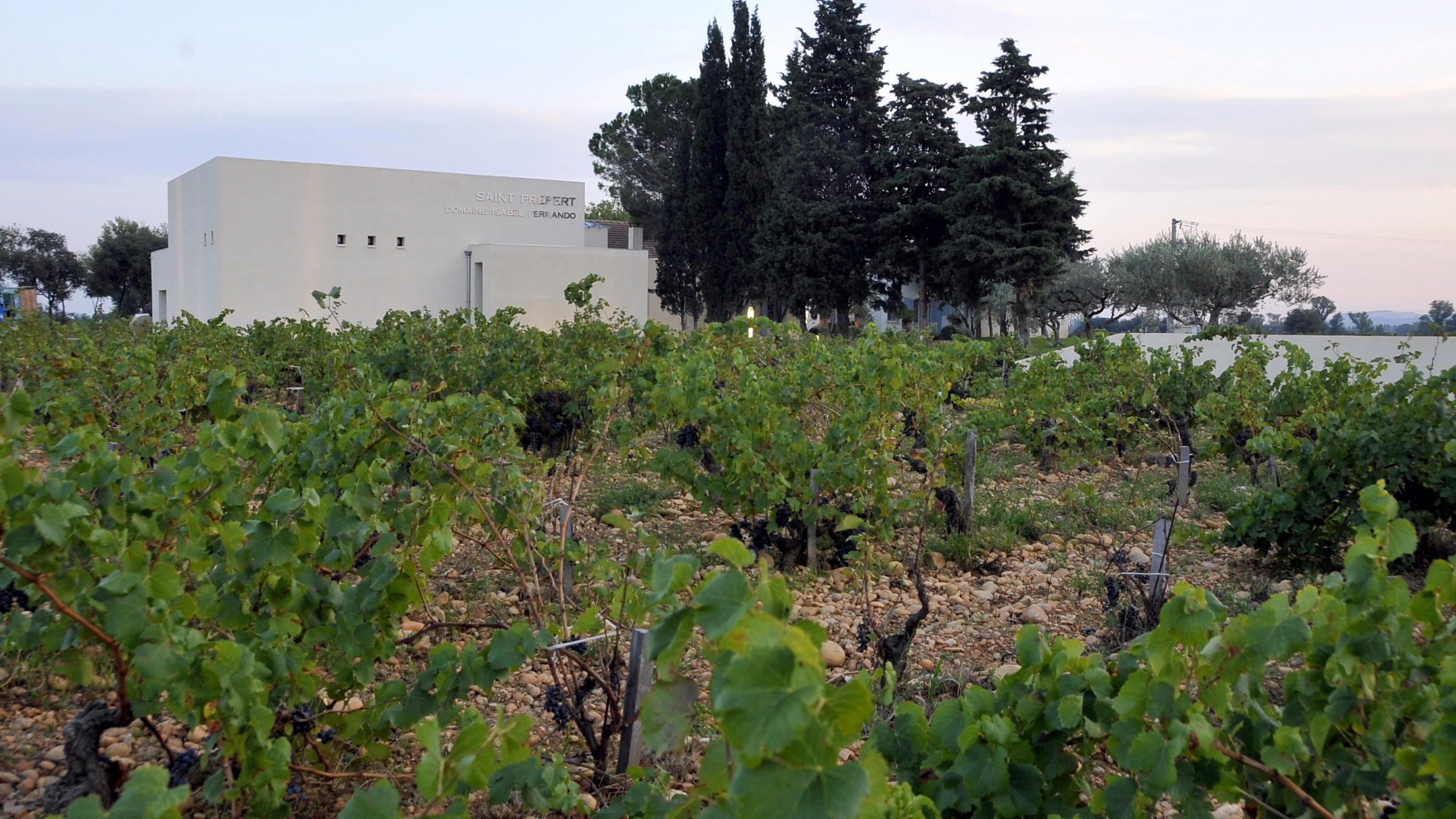
Bars in Châteauneuf-du-Pape
Browse all →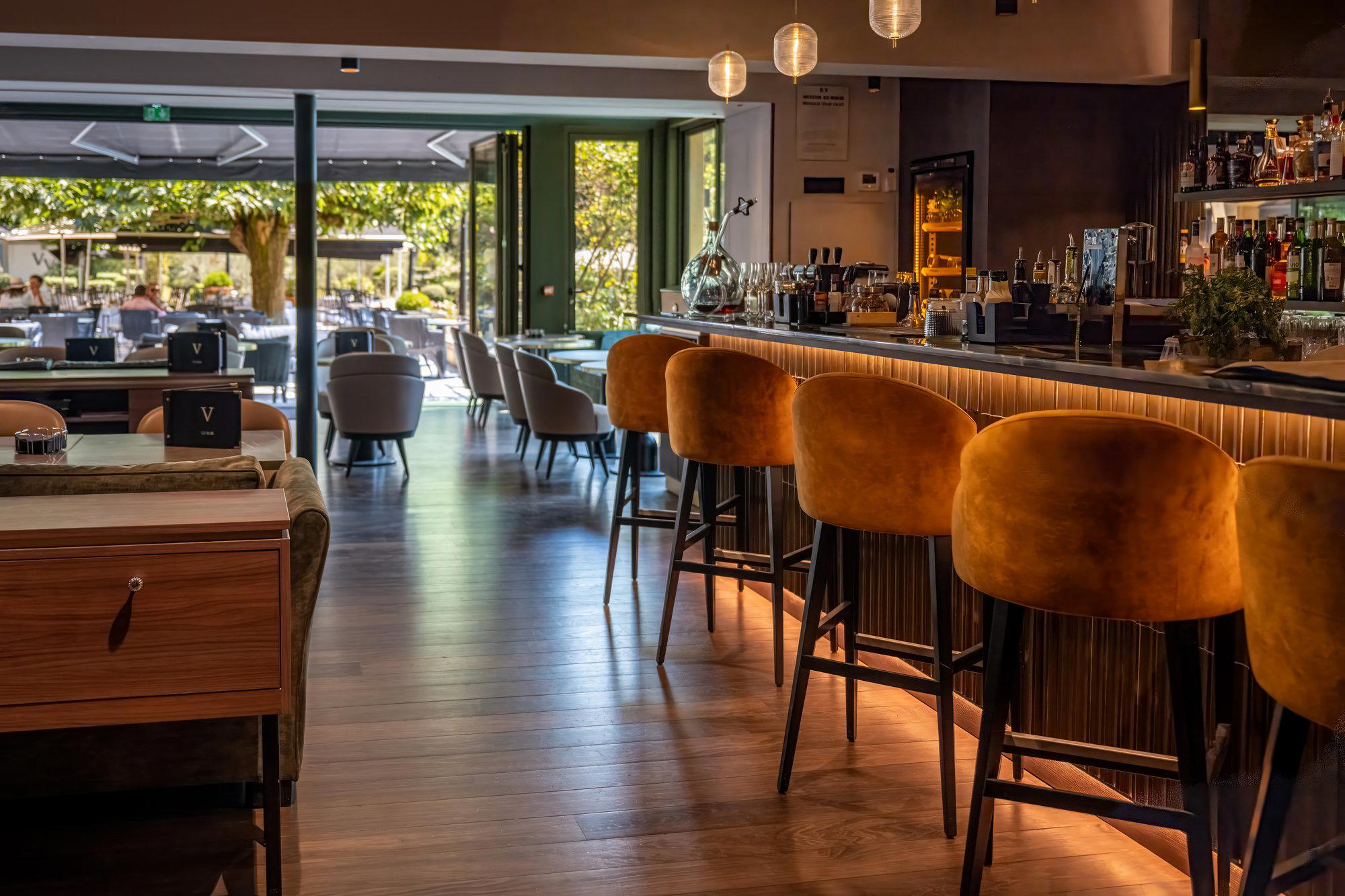
Restaurants in Châteauneuf-du-Pape
Browse all →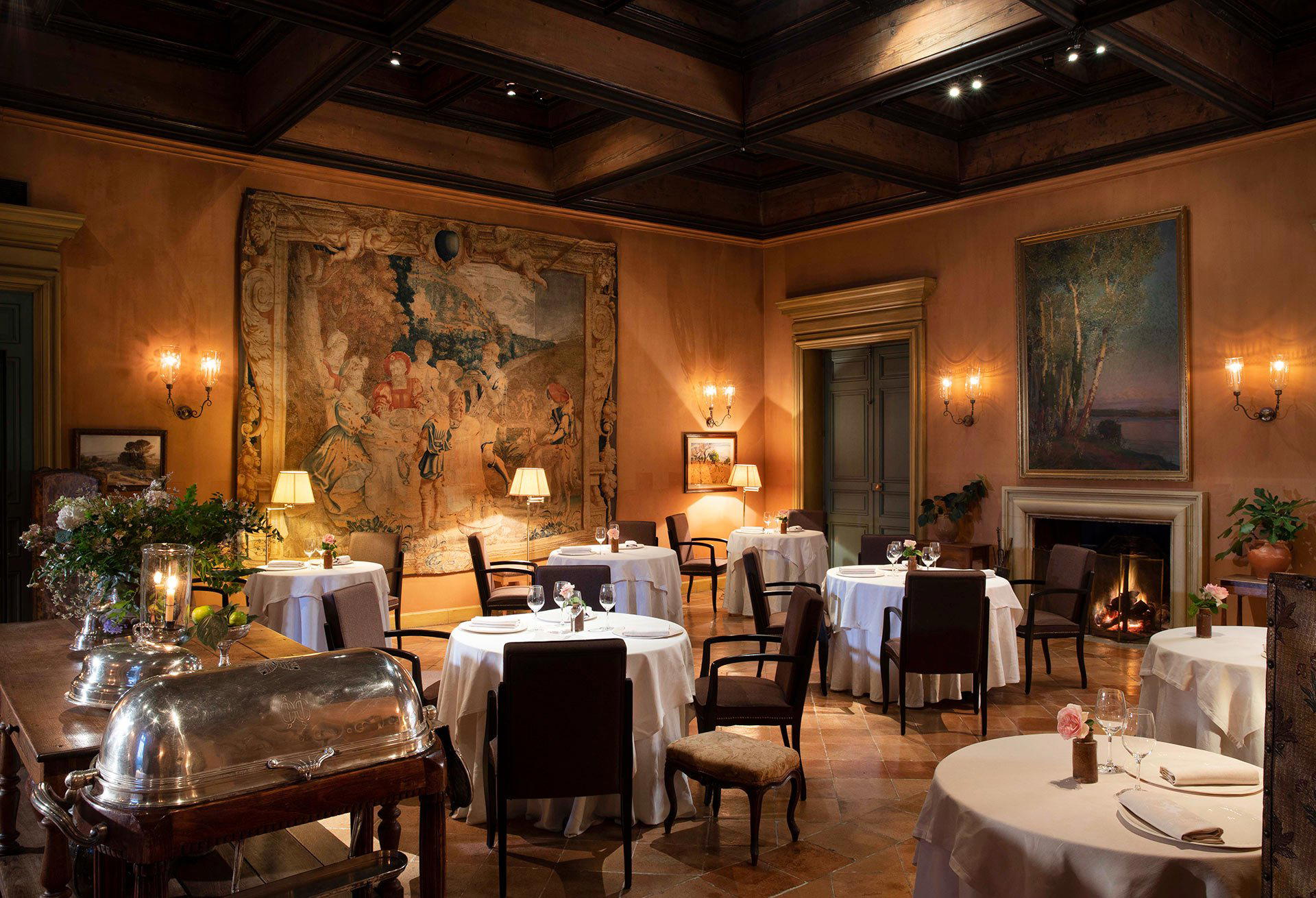
At a Glance
- Classic
- Rustic
- Elegant
- Wine Education
- Special Occasion
- Vineyard Tour
- Estate Grounds
- Vineyard
- Châteauneuf Du Pape AOC
- Grenache
- Syrah
- Mourvèdre
- Cinsault
- Vaccarèse
- Muscardin
- Grenache Blanc
- Clairette
- Roussanne
- Bourboulenc
- Still Red
- Still White
- Cave Tasting
- Private Tasting
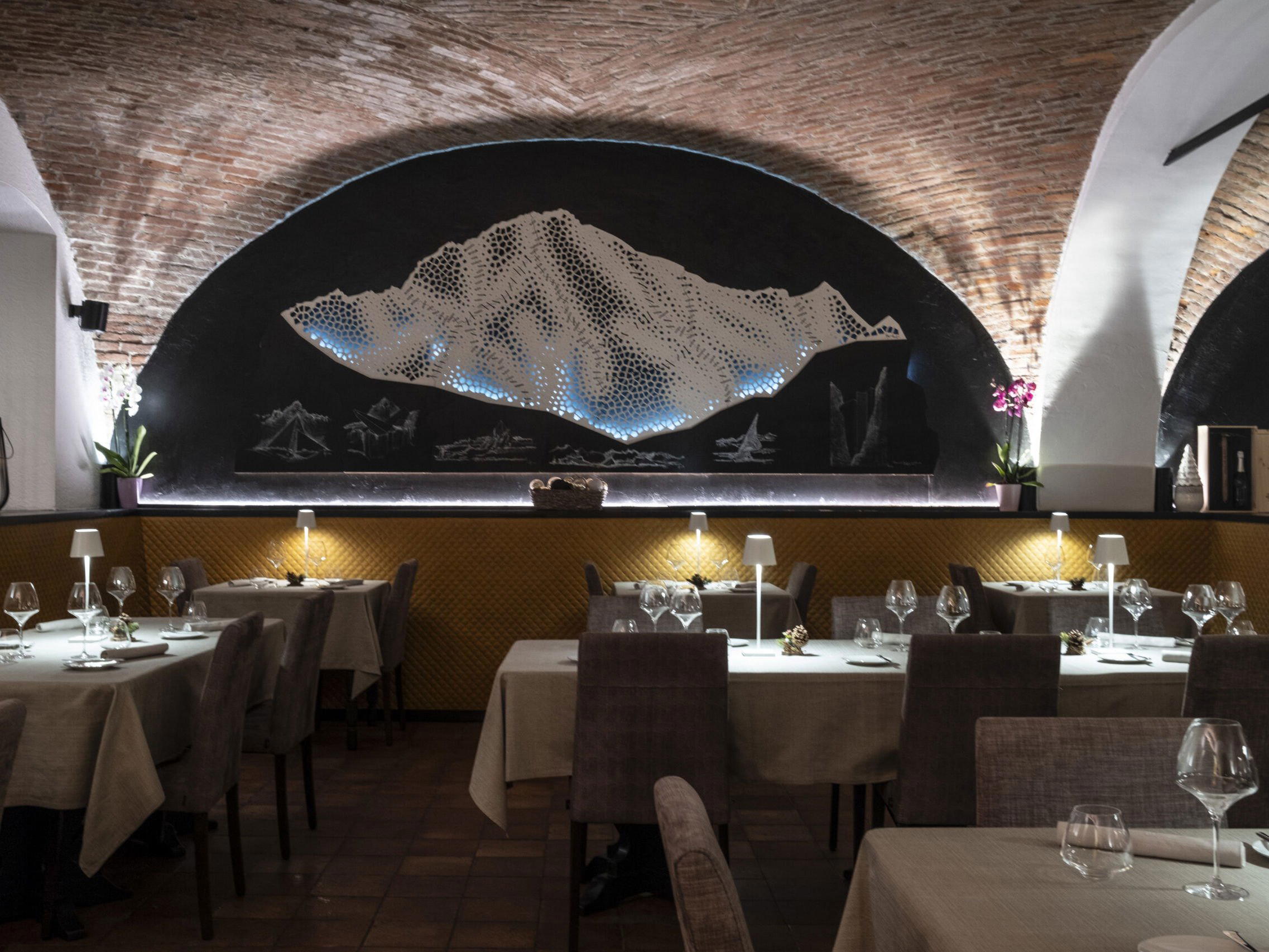
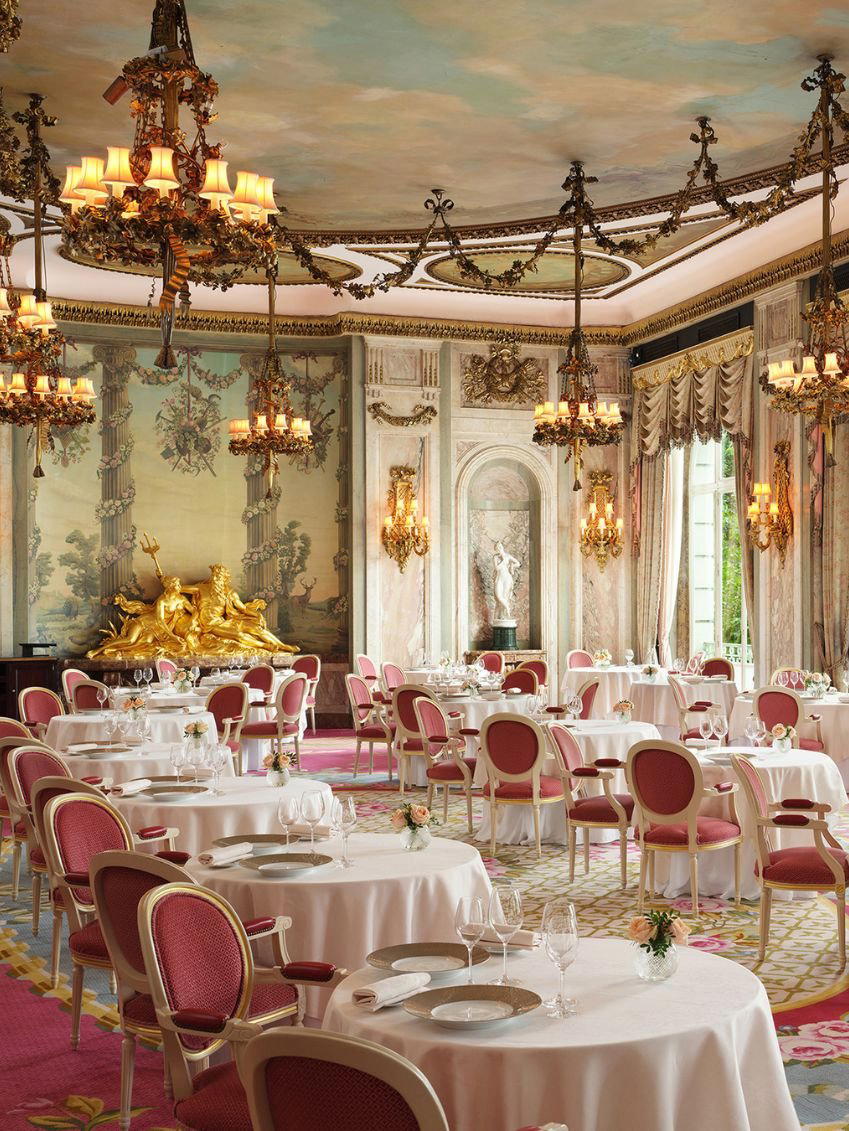
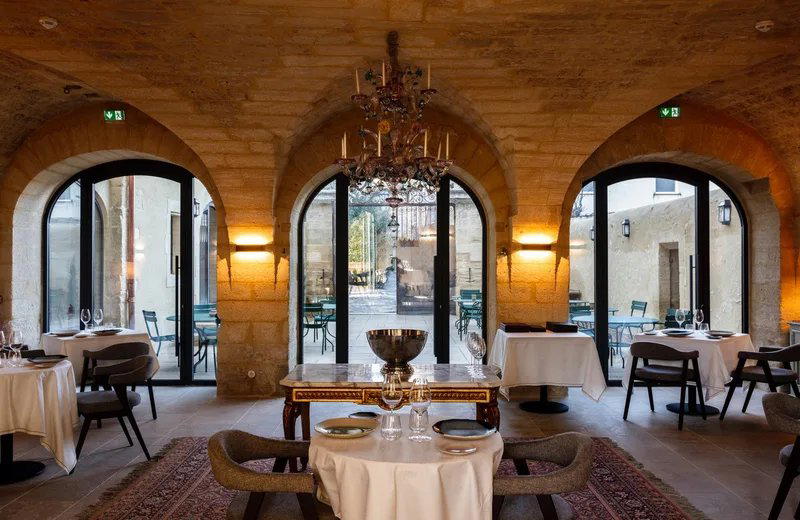
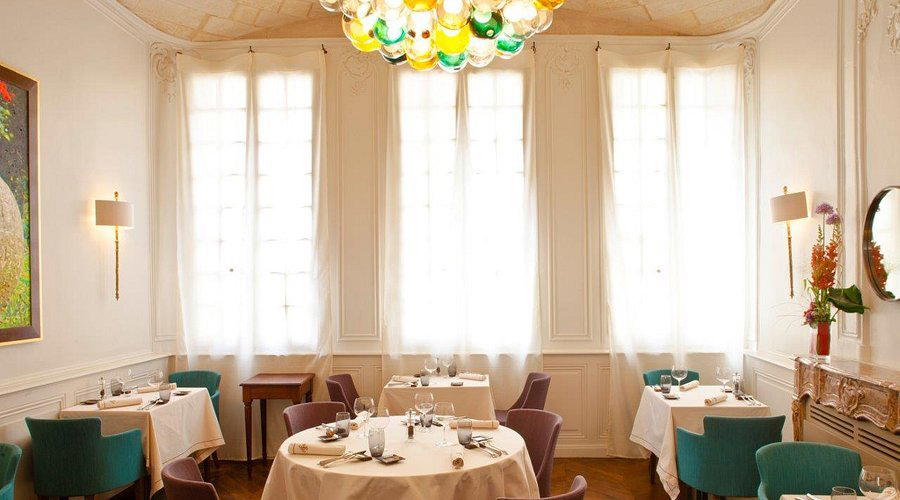
Traditional and sophisticated with a focus on terroir-driven elegance and substance from rolled pebble soils.