Château Saint-Roux

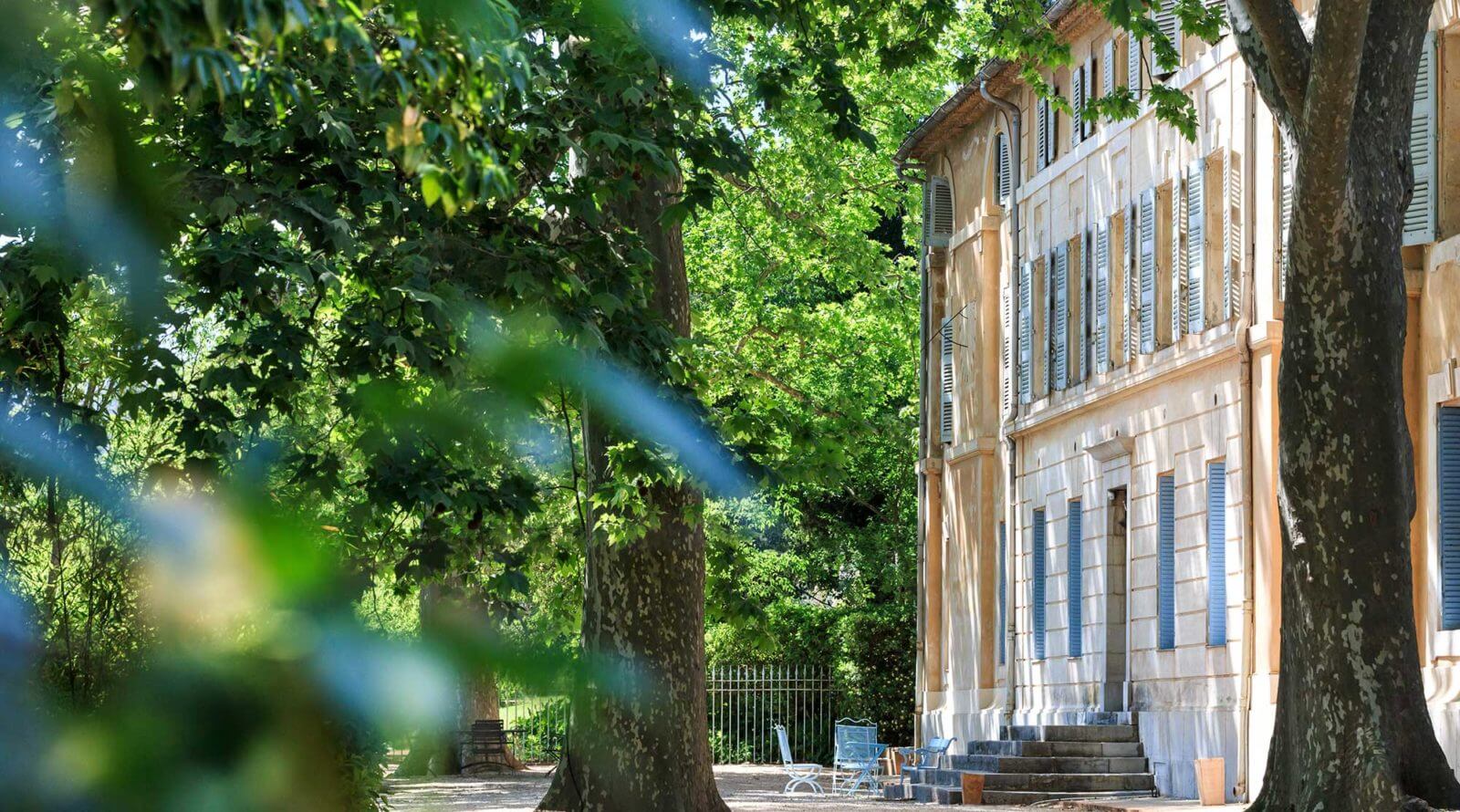
A Michelin Selected château hotel along Route Départementale 17 in the Massif des Maures, Château Saint-Roux occupies the quieter, estate-based tier of Provençal hospitality, positioned well away from the coastal hotel circuit. The property's selection in the Michelin Hotels 2025 guide places it within a comparable set defined by architectural character and a sense of remove rather than resort-scale amenity.
Pearl is the En Primeur Club membership app — saves, bookings, and concierge access live there. Same editors, same standards.
- Address
- RD17, Rte de la Garde Freinet, 83340 Le Cannet-des-Maures, France
- Phone
- +33 4 98 10 02 61
- Website
- chateausaintroux.com
- Directions
- Get directions
 Saves & bookings on Pearl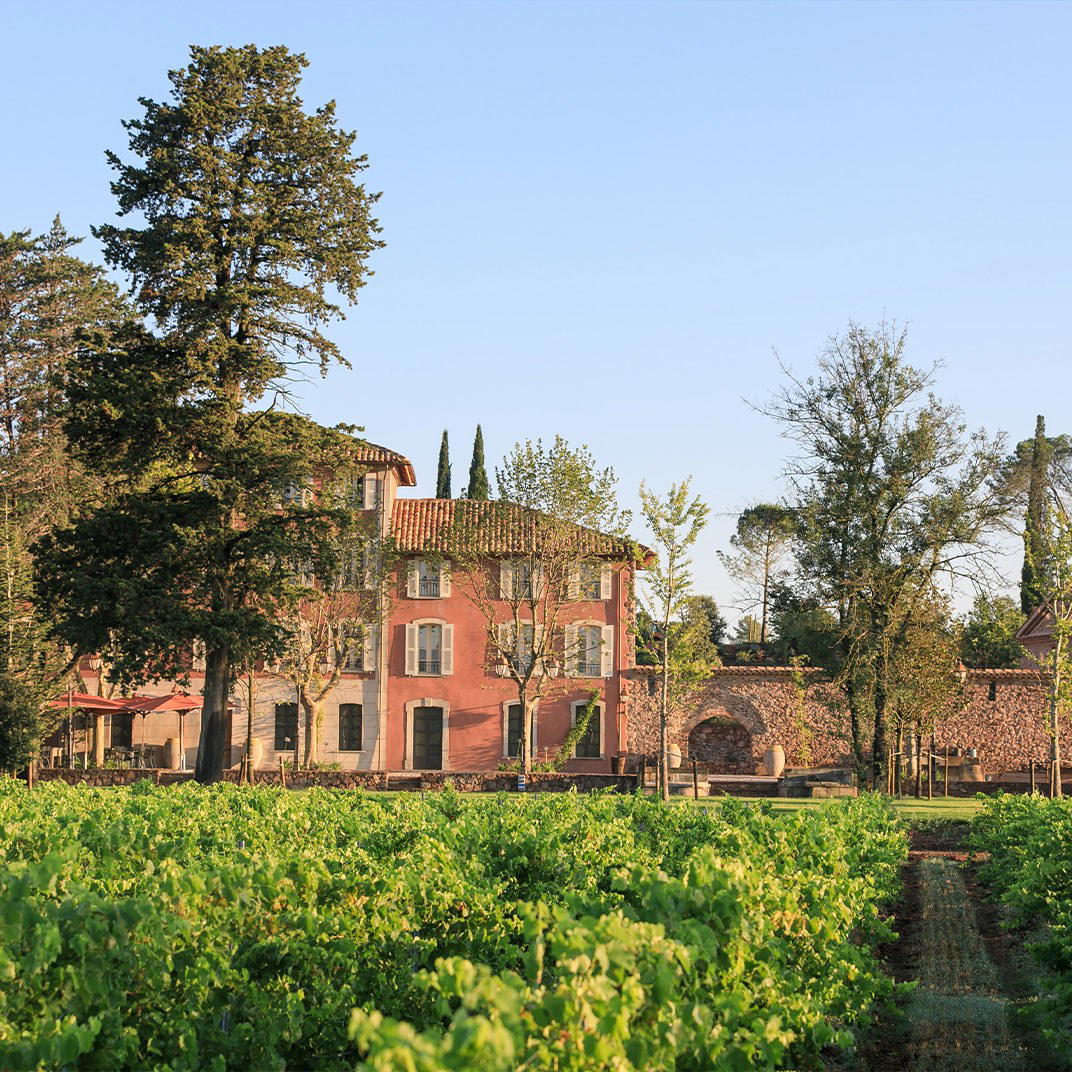
Stone, Silence, and the Massif des Maures
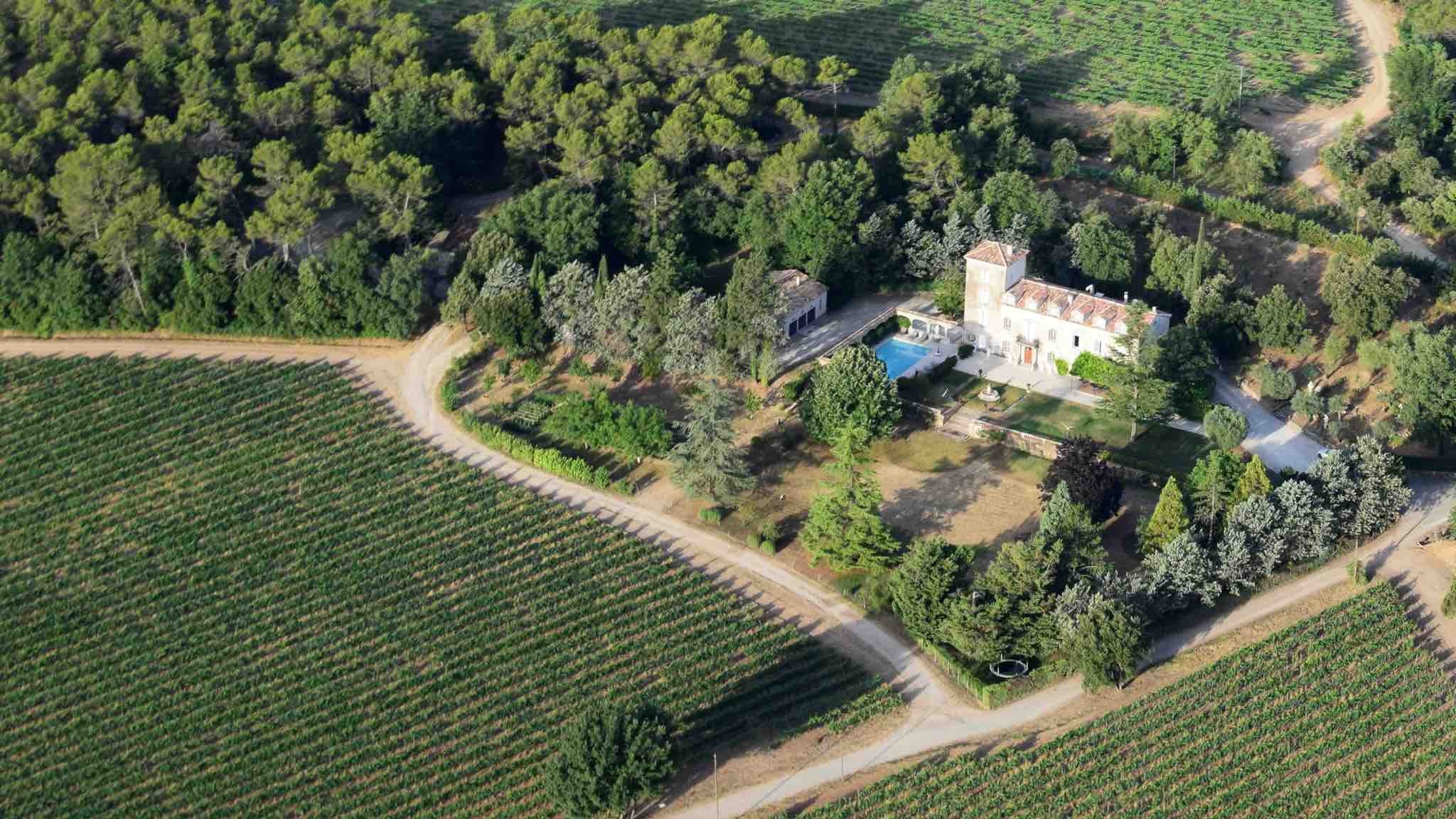
The Var interior has always operated on different terms from the coast. Where the stretch between Saint-Tropez and Cannes competes on beach access and social visibility, the villages and estates tucked into the Massif des Maures trade on something harder to manufacture: genuine remove. The approach to Château Saint-Roux along Route Départementale 17 establishes this register immediately. The road narrows through cork oak and chestnut forest before the property asserts itself, not through a grand gate or a manicured avenue, but through the graduated revelation that characterises estates built for habitation rather than display.
This distinction matters when placing Château Saint-Roux within the wider field of Provençal château hotels. Properties in this category have split into two legible groups: those that have been repositioned as resort infrastructures, with spas, multiple dining formats, and event capacity; and those that retain the architectural grain of a working agricultural estate, with hospitality grafted onto an existing spatial logic rather than built around it. Château Saint-Roux occupies the second category, which means the architecture is doing the primary work.
Architecture as the Primary Argument
The Provençal mas and château typology is legible across the region, but execution varies sharply. The format at its most coherent presents thick limestone walls calibrated for thermal mass, fenestration designed around light quality at specific hours, and interior volumes that read as lived-in rather than staged. These are not aesthetic choices so much as functional inheritances: buildings in the Var were designed before mechanical cooling, which means their proportions carry information about the climate that later construction tends to ignore.
For comparison, consider how this kind of estate-based coherence operates at La Bastide de Gordes in Gordes or Villa La Coste in Le Puy-Sainte-Réparade, two properties where the built environment carries weight equal to the hospitality programme.
The Var Interior in Context
Le Cannet-des-Maures sits at the geographic centre of the Var département, roughly equidistant from the coast at Saint-Tropez and the autoroute corridor that connects Marseille to Nice. This position is not incidental to the property's character. The Massif des Maures is one of the oldest geological formations in France, its rounded hills covered in a forest composition, cork oak, stone pine, sweet chestnut, strawberry tree, that survives because the land was never productive enough to clear for agriculture at scale. The result is a landscape with a density and quietness that the coastal strip cannot offer at any price point.
This is the terrain that a property on Route Départementale 17 is working with, and it represents a different proposition from coastal alternatives in the same quality tier. Where Hotel Du Cap-Eden-Roc in Cap d'Antibes or La Réserve Ramatuelle define their identity through Mediterranean frontage, the Var interior properties define theirs through terrain, enclosure, and a slower pace that the coast has largely ceased to offer during peak season. For travellers already familiar with coast-facing properties such as The Maybourne Riviera in Roquebrune-Cap-Martin, the contrast is instructive rather than hierarchical.
The broader Southern French château category has reference points across multiple regions. Château de la Gaude in Aix-en-Provence operates within a more architecturally self-conscious modern intervention, while Baumanière Les Baux-de-Provence anchors its identity in Michelin-starred dining. The Var interior format tends toward a quieter register in which the estate itself is the programme. Other château properties across France worth holding in mind include Château du Grand-Lucé in Le Grand-Lucé and Domaine Les Crayères in Reims, both of which demonstrate how differently the format resolves across regions.
Planning a Stay
Route Départementale 17 is accessible from the A57 autoroute at Le Cannet-des-Maures, a direct drive from Toulon-Hyères airport (approximately 40 kilometres west) or from Nice Côte d'Azur (around 90 kilometres to the east). The Var interior is leading visited between April and October, with May, June, and September offering particularly workable conditions: the cork oak forest retains heat into the evening but without the intensity of July and August, when the Massif des Maures also carries refined fire risk. August represents peak pressure on every coastal property in the region; the interior, while not immune to summer demand, tends to operate at less compressed booking windows.
For context on how other Michelin-recognised French properties handle the seasonal planning question, the approaches at Royal Champagne Hotel & Spa in Champillon and Les Sources de Caudalie in Bordeaux reflect how estate-based properties balance viticulture calendars with hospitality seasons. The same seasonal logic applies in different form to Hôtel & Spa du Castellet in Le Castellet, another Var property operating away from the coastal tier.
Travellers who habitually work from urban palace hotels as their French reference point, properties such as Le Bristol Paris or Le Negresco in Nice, will find that the Var interior operates on fundamentally different experiential terms. The absence of urban programming is not a gap; it is the point. Properties at this latitude and elevation offer something that no coastal hotel can replicate regardless of budget: the specific silence of the Massif des Maures at dusk, with the cork oak canopy absorbing sound and the light dropping through a palette that shifts from amber to ash in under twenty minutes.
comparable set and Positioning
Within the Michelin Hotels 2025 selection for Provence and the Riviera, Château Saint-Roux occupies a position defined by architectural authenticity and locational specificity rather than amenity breadth. This comparable set is narrower than it might appear. The category of genuinely estate-based Var properties that have maintained their fabric without wholesale repositioning into resort formats is small. Most of the regional competition has moved toward either the full-resort model or the boutique design hotel category with curated interiors that prioritise visual coherence over historical legibility.
Travellers expecting the programme density of Le K2 Palace in Courchevel or the civic grandeur of Hôtel de Paris Monte-Carlo are calibrating against the wrong reference. The right comparison is to properties where the building itself is the primary draw, and where the Var's particular combination of geological age, forest density, and Mediterranean light does work that no interior design budget can substitute.
Fast Comparison
Comparable venues nearby, for context on price, style, and recognition.
| Venue | Cuisine | Price | Notes |
|---|---|---|---|
| Château Saint-RouxThis venue — the venue you are viewing | Historic Provençal chateau with sustainable luxury | $$$ | Not listed |
| Le Pavillon de Galon | Restored 18th-century hunting pavilion with contemporary comforts | $$$$ | Cucuron |
| Orion Treehouses | Ecological treehouse B&B retreat | $$$$ | Saint-Paul-de-Vence |
| Mama Shelter Nice | Artistic urban refuge blending historic and contemporary elements. | $$ | Nice Historique |
| School Hotel And Tourism Jeanne Et Paul Augier | educational hospitality training facility | Not listed | Nice Ouest |
| Le Val Thorens, Beaumier Hotel | Contemporary chalet with 1970s retro charm. | $$$$ | Val Thorens |
Recognition history
Dated appearances from independent guides and award organizations, with the underlying list record or original source where available.
Michelin Selected
Michelin
Continue exploring
More in Le Cannet Des Maures
Hotels in Le Cannet Des Maures
Browse all →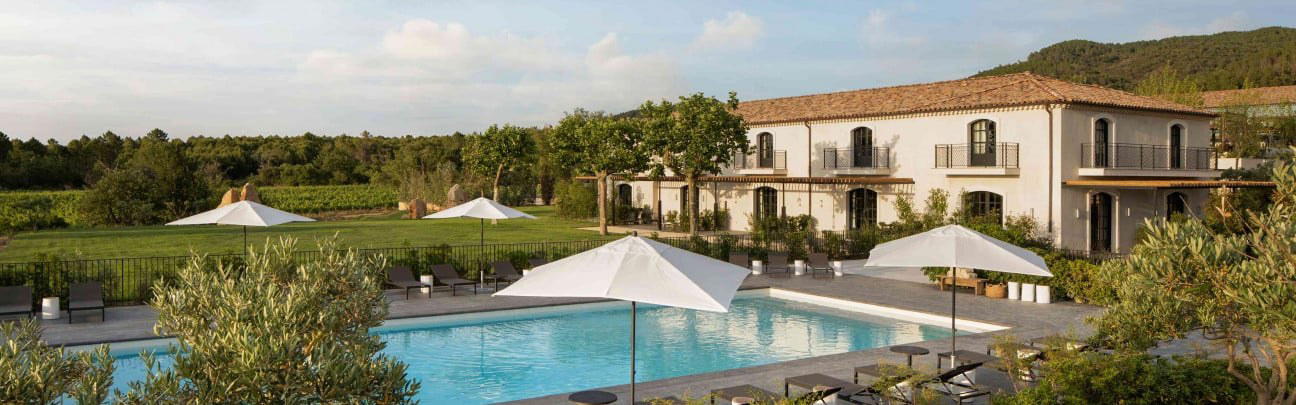
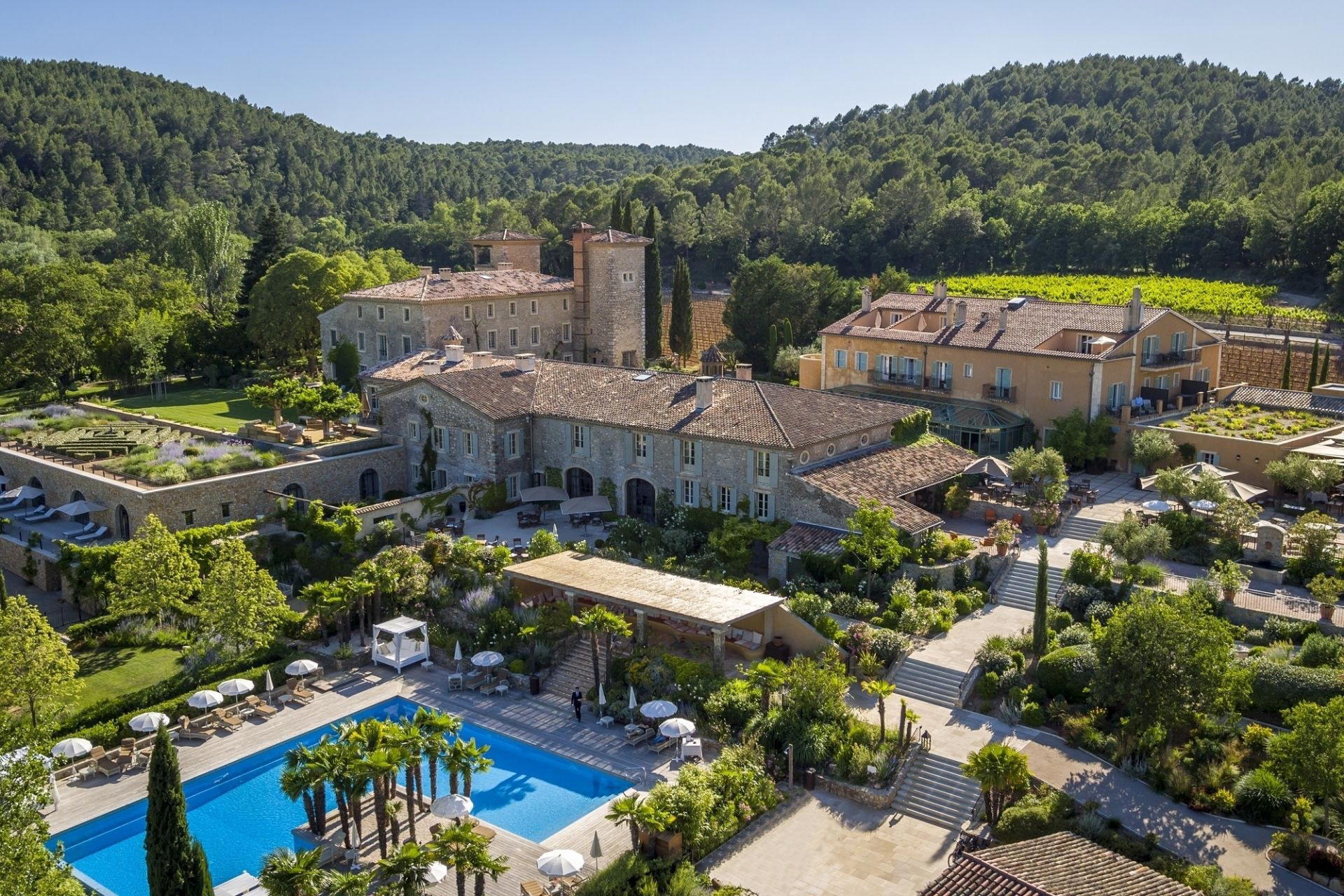
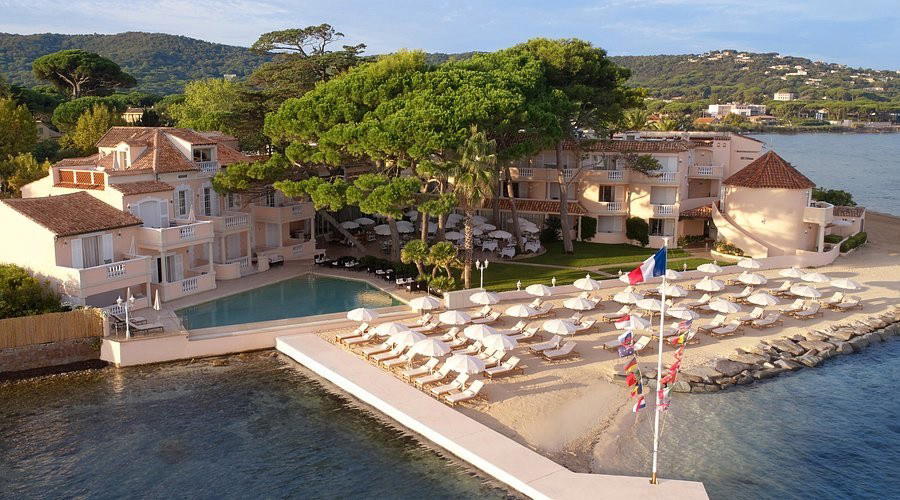
Bars in Le Cannet Des Maures
Browse all →
Restaurants in Le Cannet Des Maures
Browse all →
At a Glance
- Rustic
- Scenic
- Cozy
- Romantic
- Elegant
- Romantic Getaway
- Family Vacation
- Weekend Escape
- Historic Building
- Garden
- Terrace
- Wi Fi
- Restaurant
- Garden
- Air Conditioning
- Vineyard
- Garden
- Wi Fi
- Restaurant
- Garden
- Air Conditioning
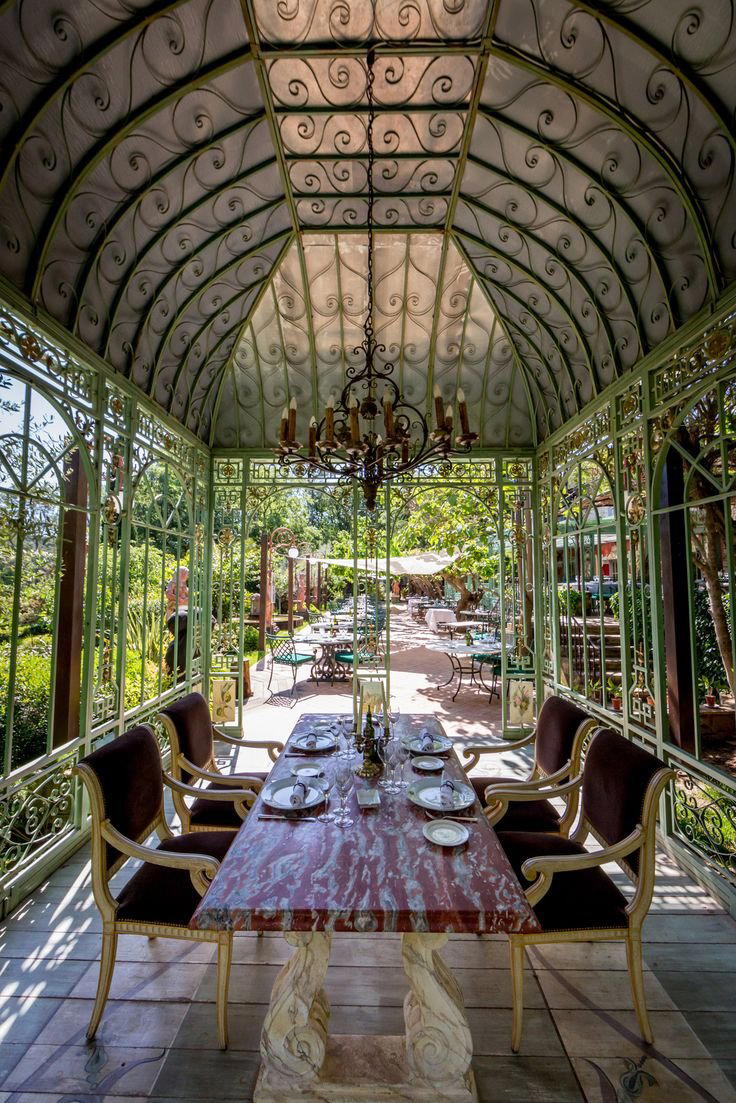
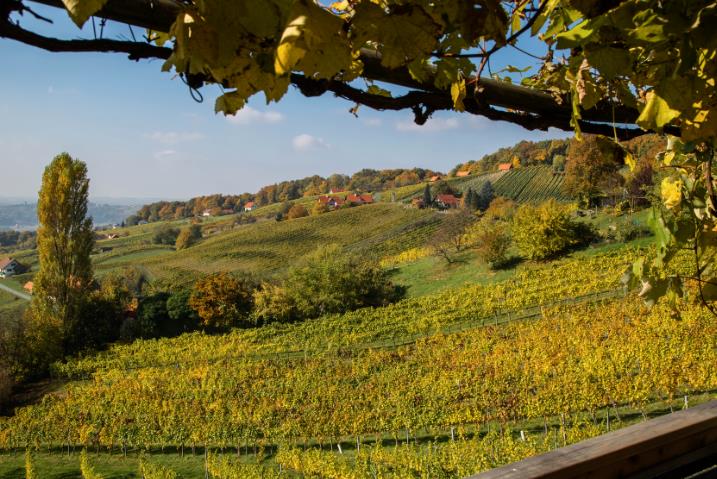
Rustic Provençal charm with natural materials, terracotta floors, and serene vineyard terrace views.