Bar Saint-Germain-des-Prés-la Ponche
A small-address Saint-Tropez bar near the old ramparts asks to be read through setting rather than spectacle. Bar Saint-Germain-des-Prés-la Ponche belongs to the village-scale drinking culture around La Ponche, where aperitif pacing, maritime proximity, and late-evening discretion matter more than cocktail theatrics or award signage.
Pearl is the En Primeur Club membership app — saves, bookings, and concierge access live there. Same editors, same standards.
- Address
- 5 Rue des Remparts, 83990 Saint-Tropez
- Directions
- Get directions
 Saves & bookings on Pearl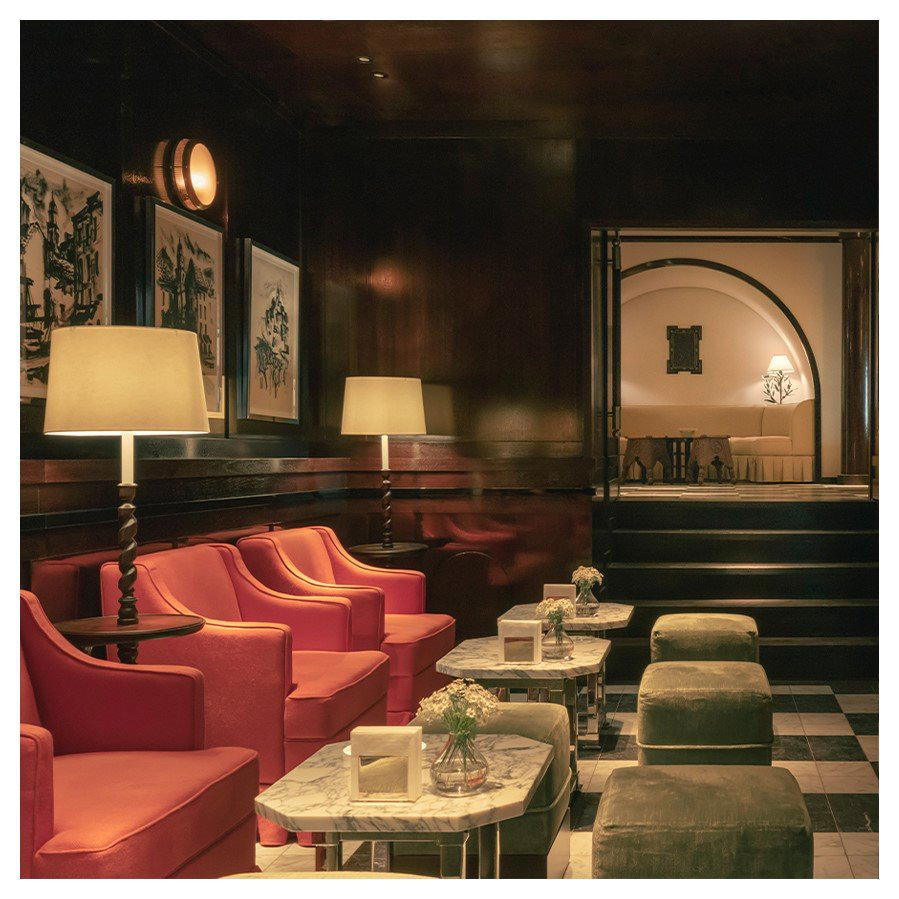
By the ramparts, Saint-Tropez lowers its voice
Approaching 5 Rue des Remparts changes the tempo of Saint-Tropez. The port has its public theatre, the beach clubs have their lunch-to-dusk choreography, and the old quarter around La Ponche works at a closer scale: stone lanes, sea air, shutters, footsteps, and the sense that a drink here should not compete with the setting. Bar Saint-Germain-des-Prés-la Ponche sits inside that register. The point is Saint-Tropez’s split personality: display on the waterfront, compression in the old village, and a bar culture that often lives between aperitif, hotel lounge, and late-night address.
That matters because Saint-Tropez can mislead first-time visitors. The name still carries Côte d’Azur glamour, but the village itself is compact, and its better drinking decisions are often about choosing the right rhythm rather than chasing a headline room. Around La Ponche, the drinking pattern tends to favor shorter, sharper encounters: a first glass before dinner, a slower return after a restaurant seating, or a nightcap when the marina crowd has started to thin. In that context, a bar at this address should be judged less like a destination cocktail laboratory and more like a piece of urban punctuation, a place where the village’s older texture interrupts the resort machinery.
The cocktail question in a town built on aperitif culture
Saint-Tropez is not Paris, London, or Barcelona when it comes to cocktail identity. Its drinking culture was shaped by the marina, seasonal residents, hotel terraces, rosé at lunch, and the long French aperitif habit. That does not make cocktails secondary; it makes them situational. A well-run bar in this part of town has to understand temperature, timing, and mood. A heavy, multi-stage tasting format can feel wrong after a hot day on the coast. A compact drink built around clarity, acidity, bitterness, or spritz-like lift often makes more sense than a theatrical serve. The smarter instruction is to use the bartender’s current list as the evidence, then order by structure: aperitif-led before dinner, spirit-forward only when the evening has slowed, and low-sugar if the plan includes walking back through the old quarter.
This is where Saint-Tropez differs from France’s major cocktail cities. Paris has moved into a mature phase, with hotel bars, Japanese-influenced precision, neighborhood cocktail rooms, and international-award competition sharing the same city. La Bar du Plaza Athénée in Paris belongs to the grand-hotel end of that spectrum, where room design, service cadence, and palace-hotel context are inseparable from the glass. Montpellier’s Papa Doble in Montpellier represents another French lane: a more overt cocktail-bar identity, with the drink program doing heavier conceptual work. Saint-Tropez, by contrast, tends to fold cocktails into the evening’s social architecture. The drink is important, but the setting decides what kind of drink feels intelligent.
La Ponche changes the brief
La Ponche is the old fishing-quarter side of Saint-Tropez, and that history matters even when a bar has no published heritage statement. The area’s lanes do not behave like the quayside. Sightlines tighten. Noise softens. The sea is close without turning every table into a postcard. A bar here inherits a different assignment from a harborfront terrace. It does not need scale to make sense; it needs proportion. At 5 Rue des Remparts, the address alone places the venue in the old-town orbit, closer to the village’s intimate evening circuit than to the choreographed excess often projected onto Saint-Tropez from outside.
For travelers comparing categories, this distinction is useful. Restaurants in Saint-Tropez often carry the pressure of the full evening, a table, a wine decision, a reservation window, and sometimes a scene that matters as much as the plate. Bars around the old quarter can operate with more flexibility, especially when used between dinner and a later walk, or as the quieter half of an evening that began somewhere louder. Readers building a fuller itinerary should pair this address with Our full Saint-Tropez restaurants guide rather than treat it as an isolated stop. The same logic applies to hotels: a bar in La Ponche reads differently depending on whether the night begins from a village property or from a beachside base, so Our full Saint-Tropez hotels guide helps explain the practical geography behind the mood.
What the absence of awards tells you
Cocktail recognition systems reward certain kinds of bars: documented programs, visible head bartenders, media-friendly menus, competition networks, and repeatable narratives. Many resort-town bars, especially those embedded in compact historic districts, operate outside that machinery. They can still be useful, but they ask to be evaluated by fit. Does the room match the hour? Does the drink style suit the heat? Does the service understand that guests may be arriving between restaurant seatings rather than settling in for a long-form bar session? Those are the operative questions in Saint-Tropez.
France offers clear contrasts. La Vertu in Reims naturally sits in conversation with Champagne country, where the regional beverage identity shapes expectations before a cocktail is even ordered. Papillon in Bordeaux is read against a wine city with serious dining gravity and a strong after-dinner culture. Aquarium Bar and Charcot Lounge in Dinard belongs to a seaside-hotel tradition on the northern coast, where weather, architecture, and hotel ritual press heavily on the bar experience. Saint-Tropez carries another pressure: seasonality, image, and the collision between village intimacy and international spending. A bar without a public awards trail can be more revealing here than a room built primarily to broadcast credentials.
The drink program, judged by restraint rather than noise
That limitation is useful because it prevents the common mistake in bar writing: inventing a list and pretending it is reportage. The responsible critical frame is to discuss what a cocktail program in this precise setting should do. In La Ponche, the program should read the evening before it tries to impress the guest. Citrus, bitter, saline, herbal, dry, sparkling, and stirred categories all have their moment in a Mediterranean village, but the right call depends on hour and appetite. Before dinner, the bar should be tested on aperitif logic. After dinner, the measure shifts to balance and pace.
Technique matters, but not every bar needs to announce technique. Clarification, carbonation, fat-washing, and house fermentations have become familiar signals in serious cocktail rooms, especially in larger cities. In Saint-Tropez, visible technical ambition can feel persuasive only if it does not fight the weather or the location. A compact menu with careful dilution and temperature control may serve the address better than a long document of laboratory references. That is the editorial stance to bring to Bar Saint-Germain-des-Prés-la Ponche: ask what the current menu is built to do, then read it against the old-town setting rather than against a global ranking culture.
The same distinction appears outside France. Café La Trova in Miami is inseparable from music, Cuban-American bar tradition, and the performative cadence of Little Havana. It would be a category error to ask a Saint-Tropez old-quarter bar to behave like that. The comparison clarifies the brief. Some bars are stages; others are hinges in the night. This address belongs to the second category unless fresh venue data proves otherwise.
How to place it within a Saint-Tropez night
The practical value of the address is its position in the village. With the record listing 5 Rue des Remparts and no verified opening hours, reservation method, telephone, or website, planning should stay conservative. Treat it as a bar to verify locally on the day, especially outside peak summer or during shoulder-season weeks when Saint-Tropez hours can vary across the village. In Saint-Tropez, however, central old-town drinking rarely behaves like provincial pricing, and guests should expect resort economics unless confirmed otherwise.
Timing is the better planning tool. Early evening suits the aperitif role, particularly before a restaurant table in the old town. Later evening suits a quieter return, provided the bar is open and the room has not shifted into a busier seasonal rhythm. The street address favors walking if the evening is already centered in the village; driving into the old core for a single drink is rarely the cleanest plan during high season. For broader sequencing, use Our full Saint-Tropez bars guide to compare drinking rooms, then use Our full Saint-Tropez experiences guide for the daytime side of the trip. Wine-focused travelers should also scan Our full Saint-Tropez wineries guide, because the Gulf of Saint-Tropez sits inside a broader Provençal drinking culture where rosé, coastal dining, and aperitif habits shape what feels natural after sunset.
Who should choose this address
Bar Saint-Germain-des-Prés-la Ponche makes the most sense for travelers who want their Saint-Tropez evening to include the old quarter rather than only the port or beach-club circuit. It is a better fit for a drink shaped by place than for a checklist of named cocktails, awards, or chef-led credentials.
That may sound cautious, but caution is the correct editorial posture with sparse public data. A serious reader is better served by boundaries than by fantasy. What can be said with confidence is that the venue’s old-town address places it in a part of Saint-Tropez where scale, timing, and atmosphere do much of the work. In a town often reduced to yachts and beach clubs, that is not a minor distinction. It is the difference between consuming the idea of Saint-Tropez and spending part of the evening inside the village’s tighter, older grain.
Planning notes
Address: 5 Rue des Remparts, 83990 Saint-Tropez, France.
Confirm locally before building a rigid evening around it.
Prices: No price range is listed. Treat the location as central Saint-Tropez and plan with resort-town expectations until current pricing is confirmed.
Hours: No verified hours are supplied. Seasonal variation is common in Saint-Tropez, so same-day confirmation matters, particularly outside the core summer period.
Judge the bar by setting, drink balance, and fit within the night rather than by public accolades.
Continue exploring
More in Saint-Tropez
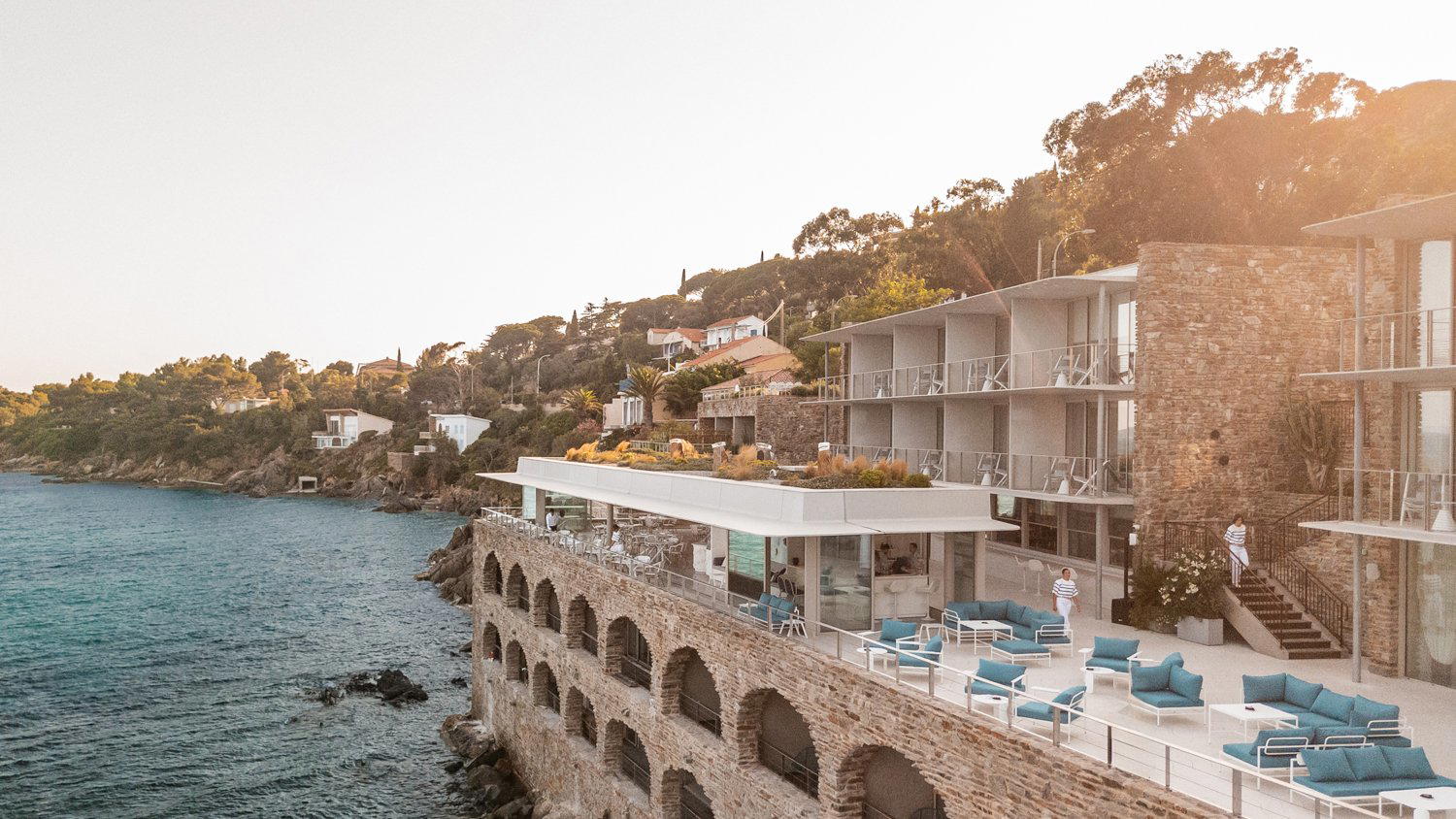
Bars in Saint-Tropez
Browse all →
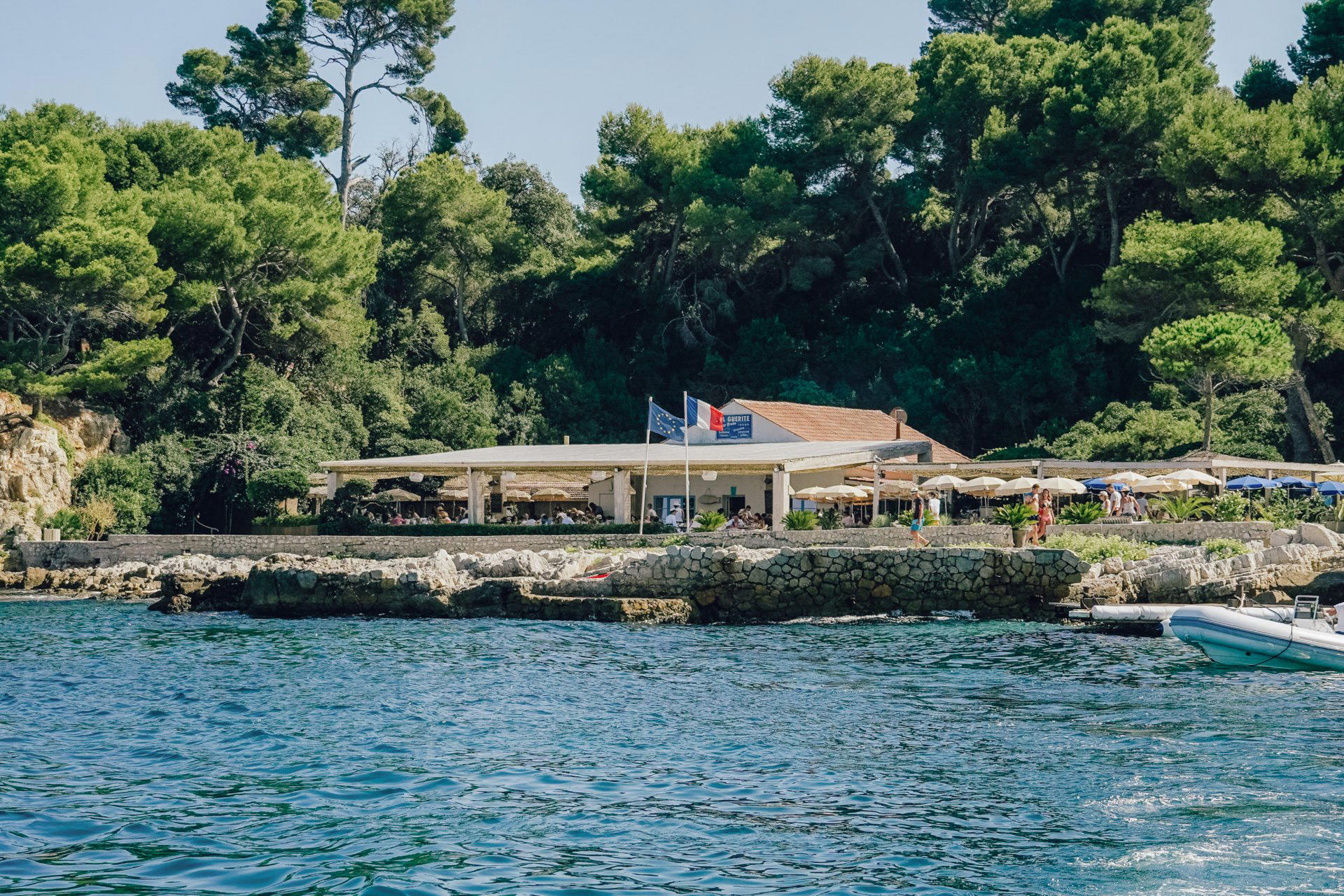
Restaurants in Saint-Tropez
Browse all →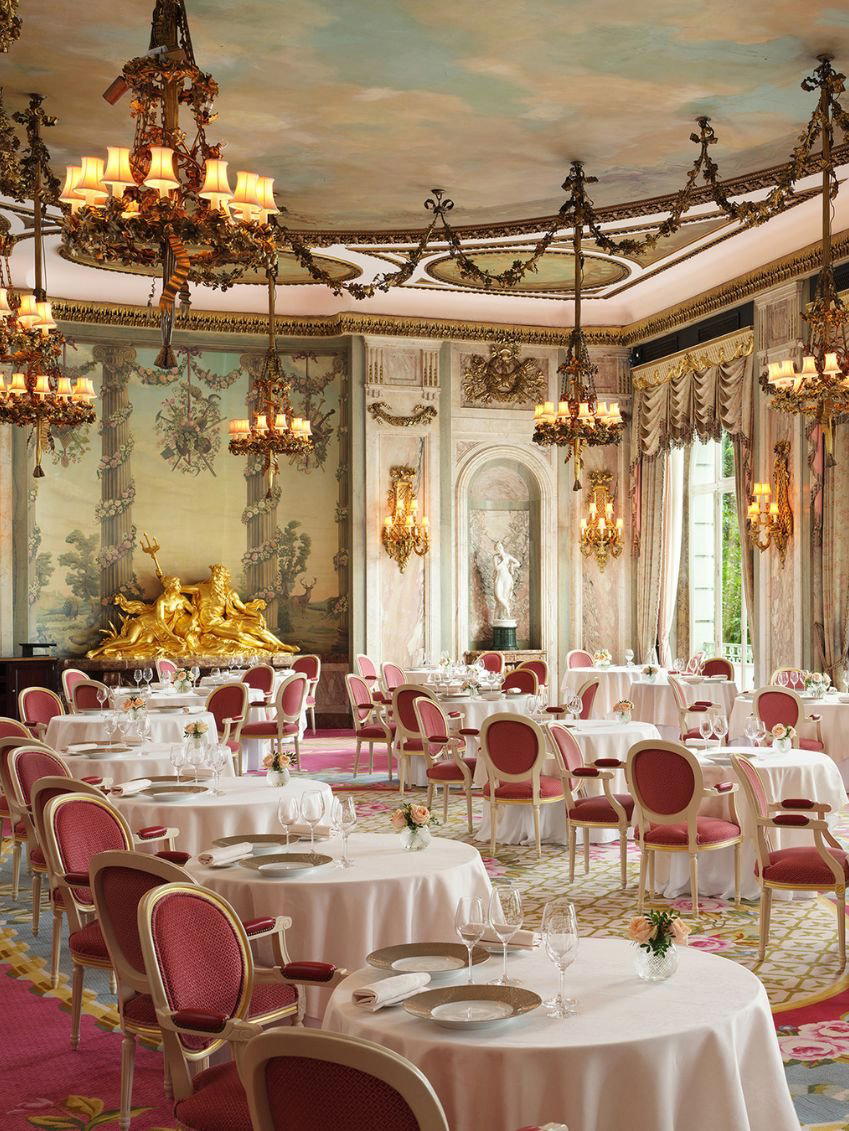
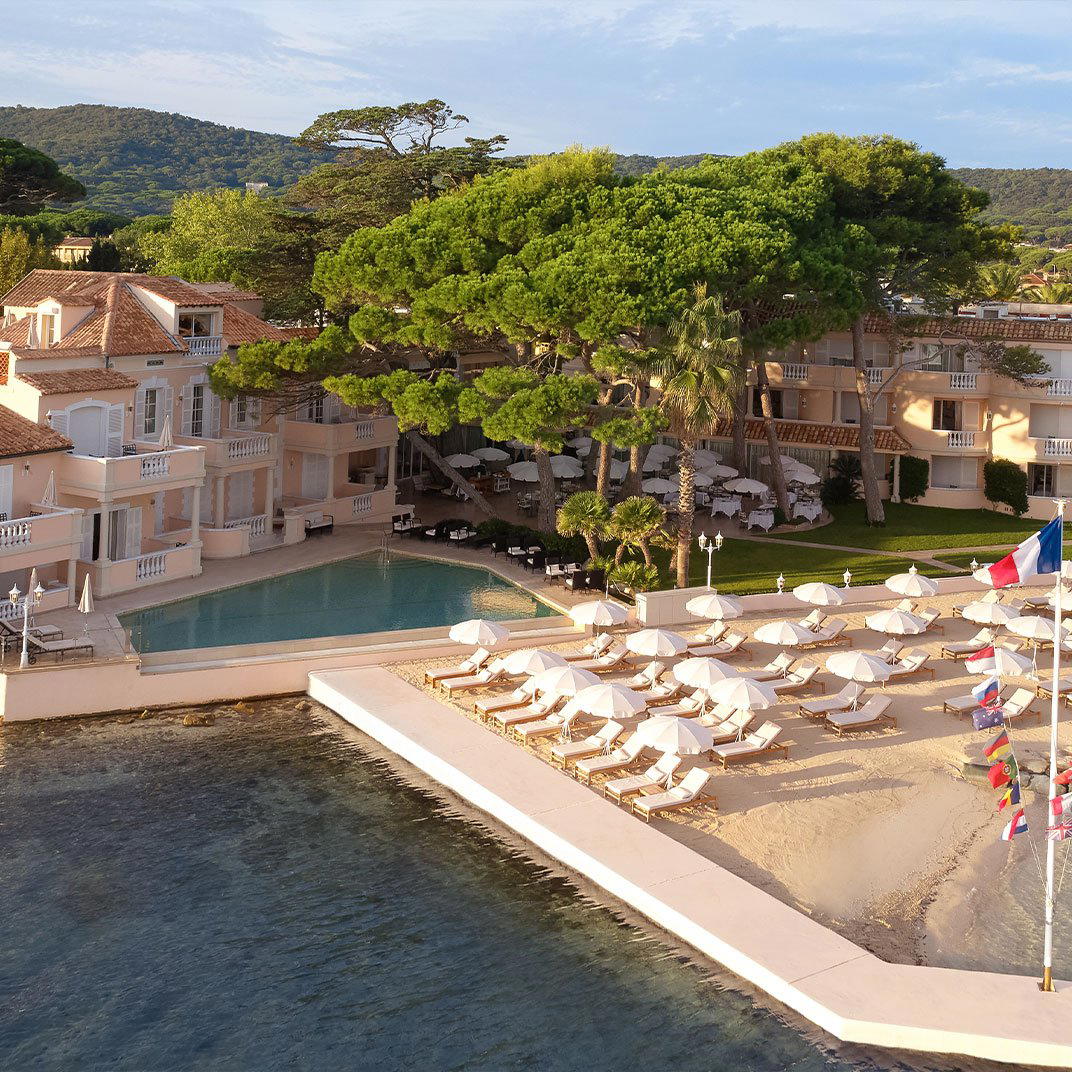
Hotels in Saint-Tropez
Browse all →

At a Glance
- Well Known
- Elegant
- Intimate
- Romantic
- Classic
- Scenic
- Date Night
- After Work
- Late Night
- Celebration
- Special Occasion
- Casual Hangout
- Waterfront
- Terrace
- Historic Building
- Design Destination
- Hotel Bar
- Seated Bar
- Lounge Seating
- Outdoor Terrace
- Craft Cocktails
- Classic Cocktails
- Low Abv
- Zero Proof
- Waterfront
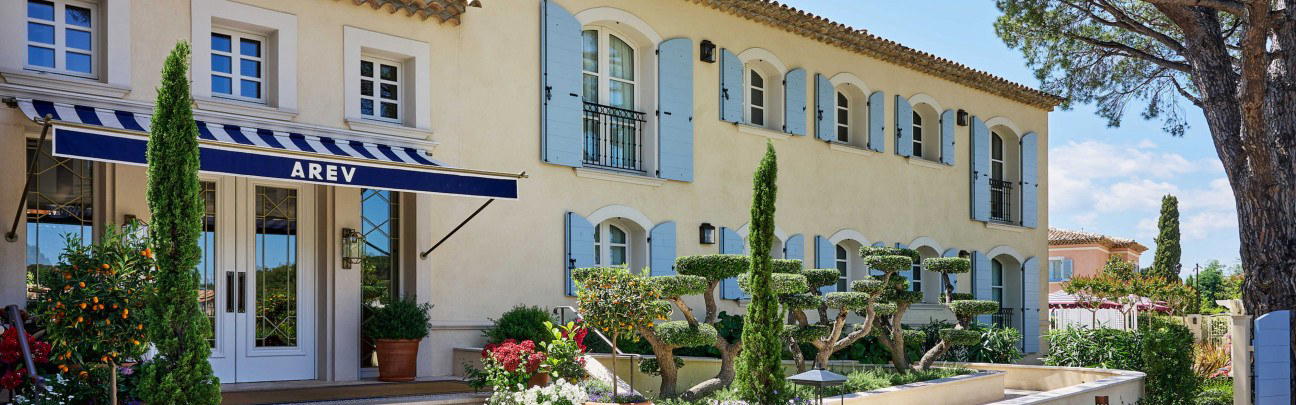
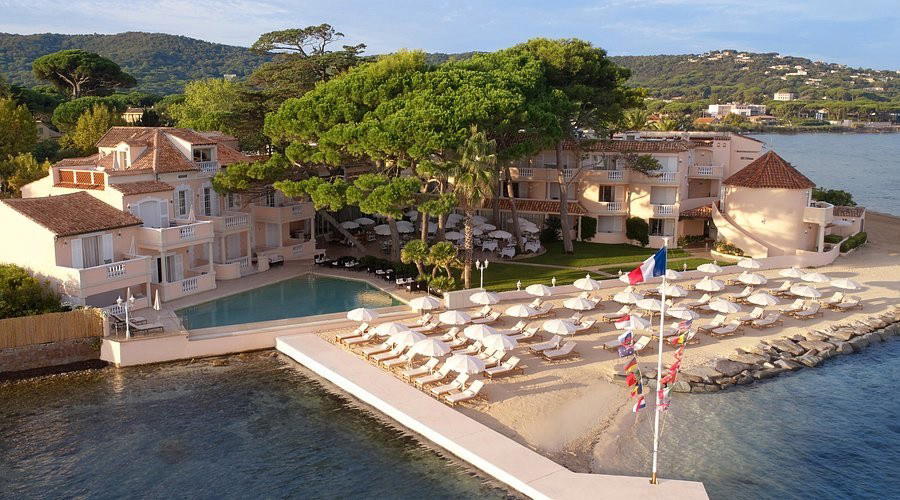
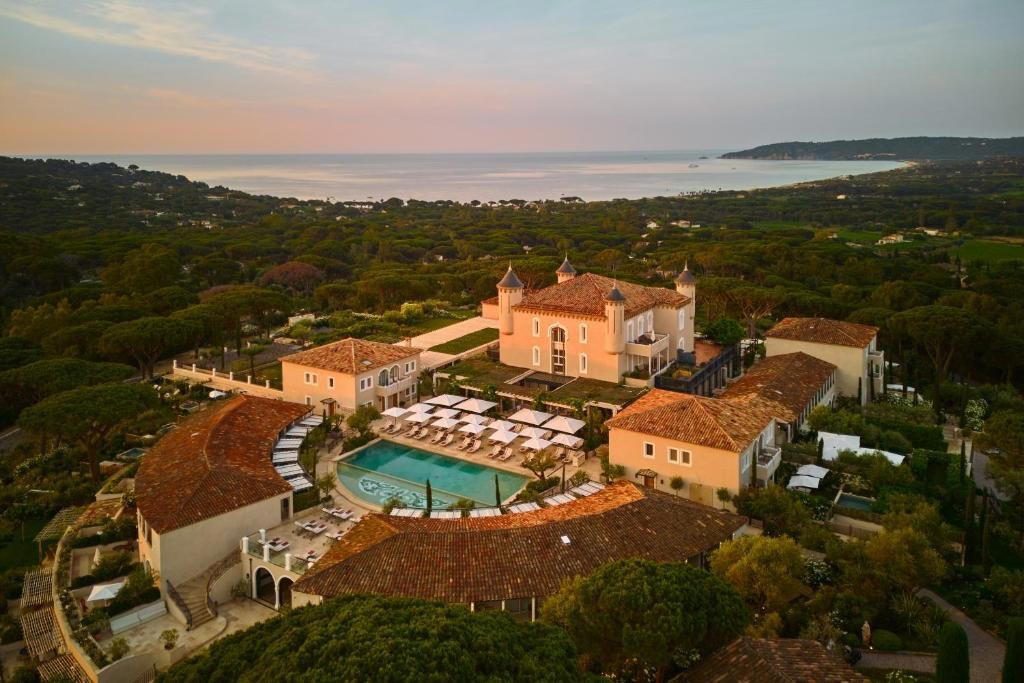
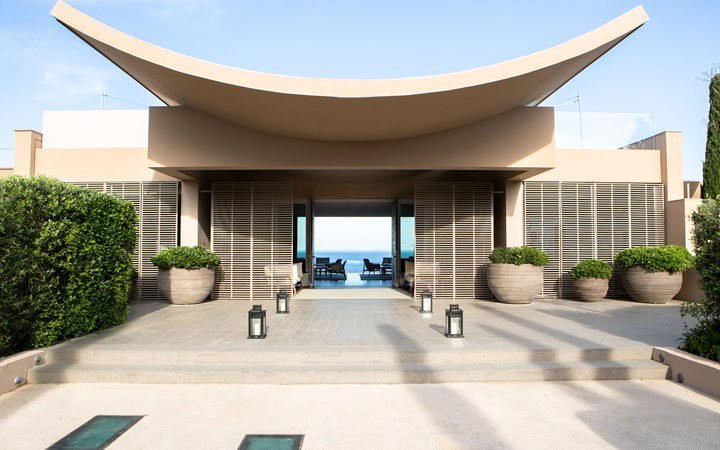
An intimate, storied bar room opening onto a sea‑view terrace, with deep sofas, cotton tablecloths, subdued candlelit lighting and a relaxed yet glamorous Saint‑Germain‑des‑Prés atmosphere that feels both nostalgic and effortlessly chic.
Know Before You Go
- Getting there
- 5 Rue des Remparts, 83990 Saint-Tropez