

Michelin Selected · Gault & Millau Exceptional Hotel
A former Benedictine abbey in the Var countryside, Abbaye de La Celle earned a Gault & Millau Exceptional Hotel designation (5 points, 2025), placing it among a select tier of French provincial hotels where architectural heritage and considered hospitality coexist. The property sits in the village of La Celle, roughly an hour from the Côte d'Azur, offering an alternative to the high-season intensity of coastal Provence.

Pearl is the En Primeur Club membership app — saves, bookings, and concierge access live there. Same editors, same standards.
- Address
- 10 Pl. du General de Gaulle, 83170 La Celle, France
- Phone
- +33 4 98 05 14 14
- Website
- abbaye-celle.com
- Directions
- Get directions
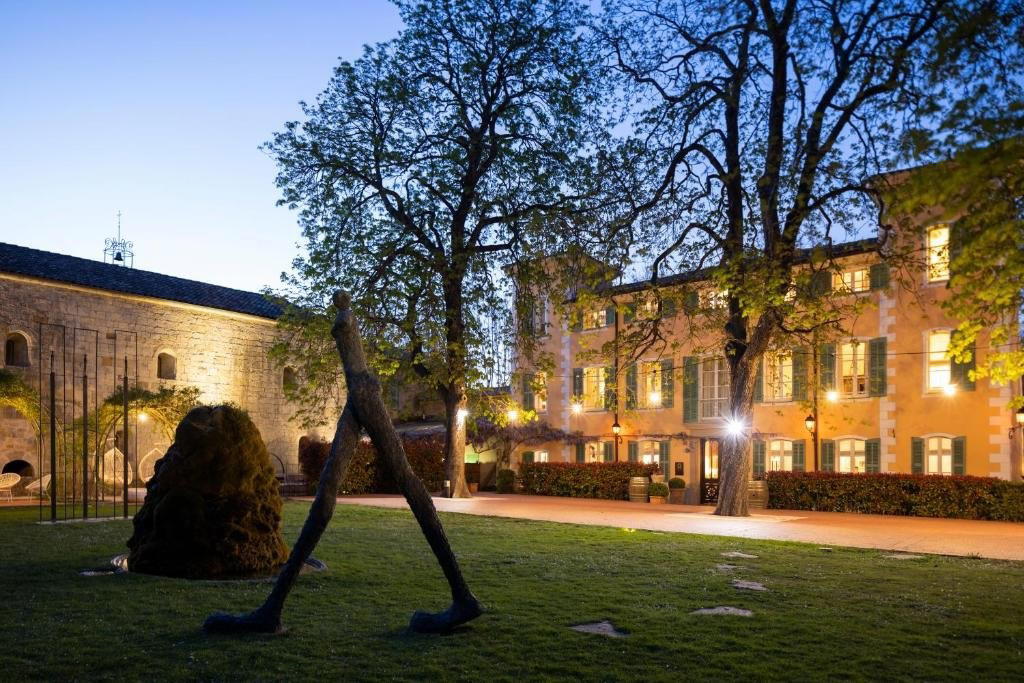
A Monastery Repurposed, Not Renovated
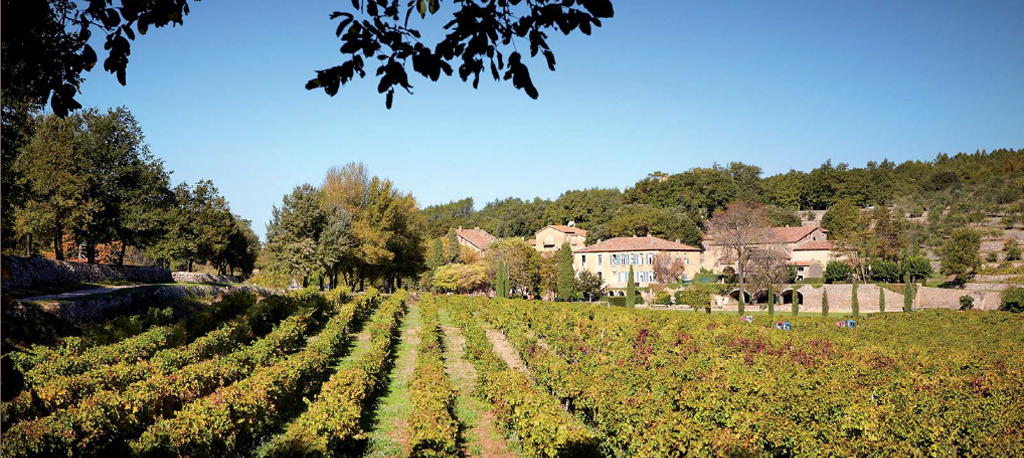
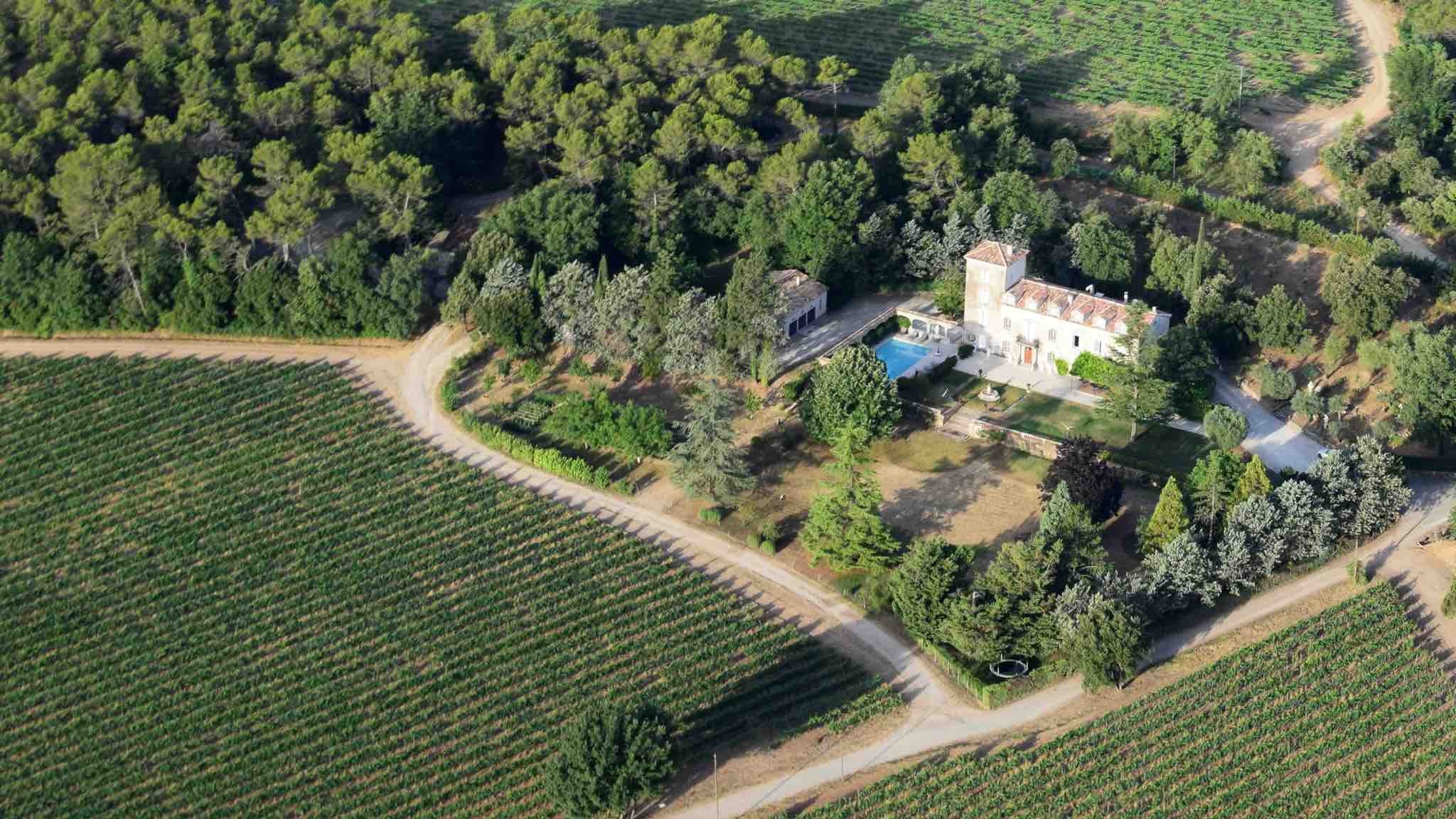
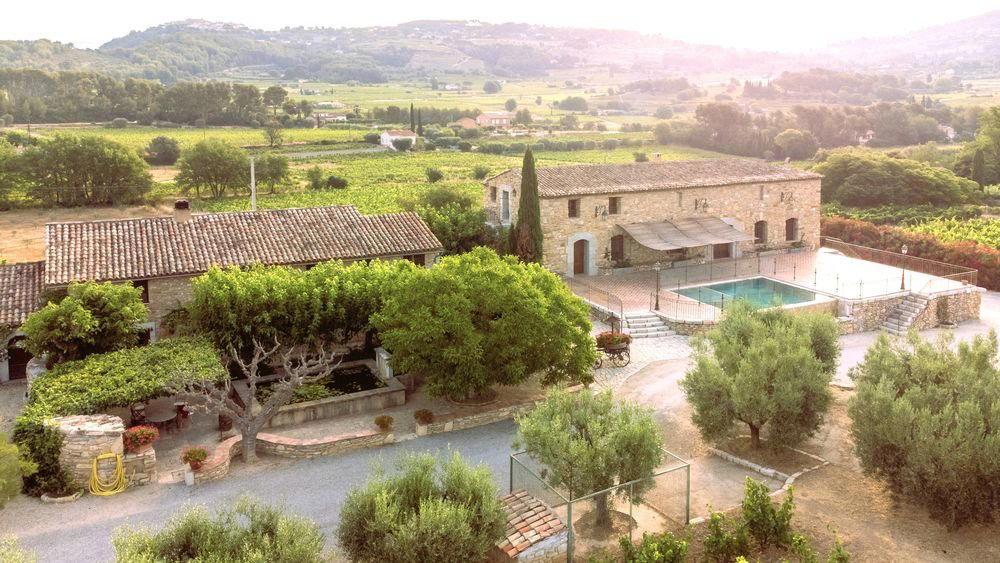
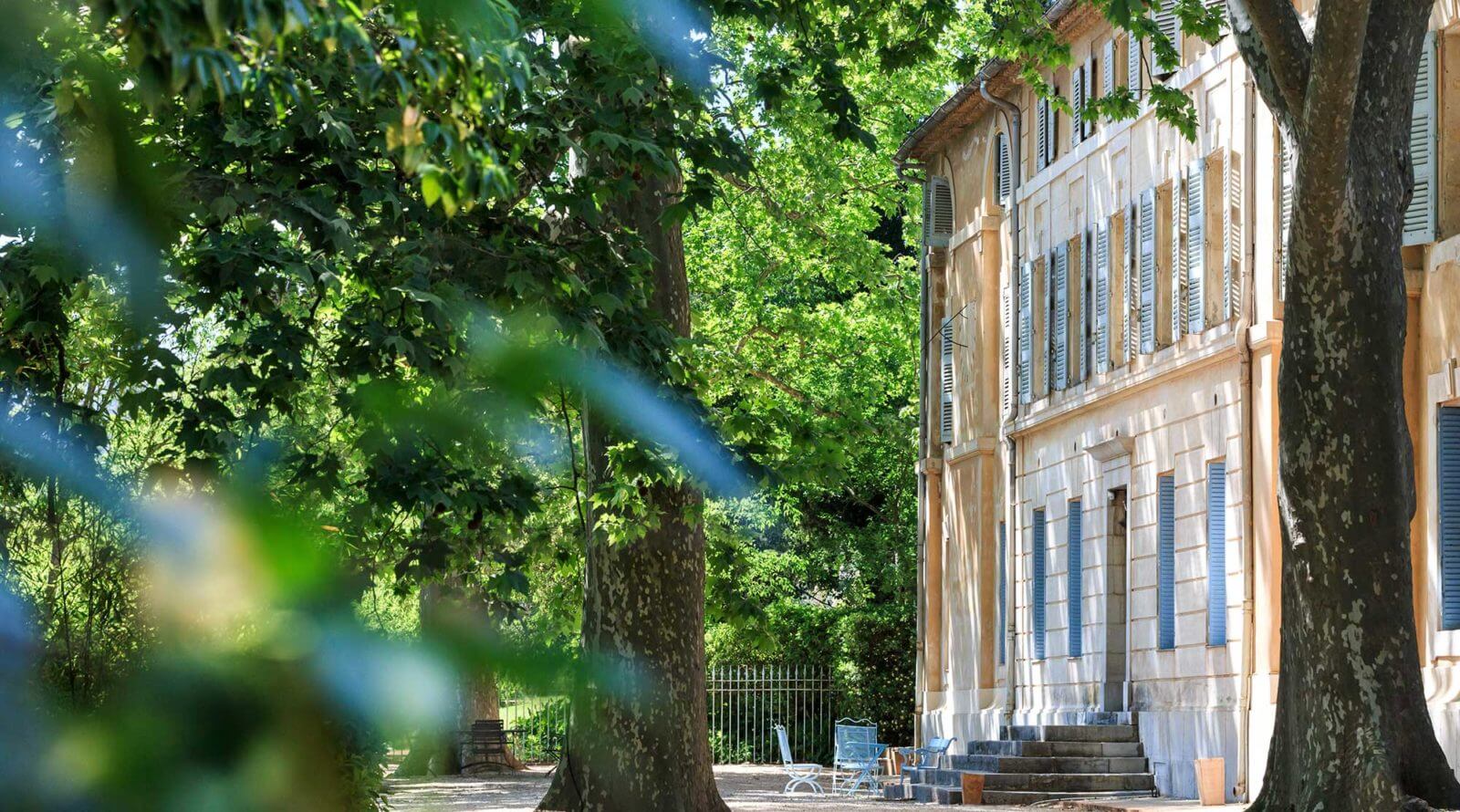
The southern Var has never been short of ancient stone, but few structures wear their history as directly as this one. Abbaye de La Celle occupies a 12th-century Benedictine monastery in the small village of La Celle, a settlement that sits between Brignoles and the Sainte-Baume massif, largely bypassed by the summer traffic that clogs the coastal routes toward Saint-Tropez. Approaching the property, the impression is of something that has settled into its surroundings over centuries rather than been placed there: cloistered walls, Romanesque arches, and a garden that reads less as landscaped amenity and more as part of the village's physical fabric.
That sense of continuity is the architectural point. Where many conversions of religious buildings in France default to a kind of theatrical reverence, treating original stonework as backdrop for contemporary interiors, La Celle operates differently. The monastic structure remains legible throughout: vaulted ceilings, proportions dictated by contemplative function rather than hospitality convention, and spaces that impose a particular pace on the people moving through them. You slow down because the architecture asks you to.
Where La Celle Sits in Provençal Hospitality
Provence's premium hotel tier has fragmented into recognizable sub-categories over the past decade. At one end, large-scale estate hotels with spa facilities and restaurant programs sized for broad audiences. At the other, smaller properties where architectural specificity and restraint become the primary differentiator.
For comparison, the Côte d'Azur properties that draw the most attention, including Hotel Du Cap-Eden-Roc in Cap d'Antibes, La Réserve Ramatuelle, and Airelles Saint-Tropez Château de la Messardière, operate at a scale and seasonal intensity that La Celle structurally cannot and does not attempt to match. The village has fewer than 2,000 residents. The hotel exists within that reality, not despite it.
Inland Provence has its own cluster of heritage-conversion properties, including La Bastide de Gordes, Villa La Coste, and Château de la Gaude in Aix-en-Provence. What distinguishes La Celle within that set is the age and religious function of the source building: a working Benedictine monastery predating the Renaissance, not a post-medieval château or mas repurposed for contemporary use. The spatial logic of that building type, corridors designed for silence, rooms sized for solitude, communal areas oriented around ritual rather than sociability, shapes the guest experience in ways that are harder to manufacture than good décor.
The Physical Spaces
The cloister is the property's organizing center. Its covered walkways, with stone columns and a central garden, create a natural circuit for movement between different parts of the building. In monastic architecture, the cloister was the connective tissue between chapel, refectory, dormitory, and workrooms. At La Celle, it serves a similar orienting function: a place to pass through at different hours of day and register how light shifts across the stonework.
French hotels that have converted ecclesiastical buildings, a category that includes properties like Domaine Les Crayères in Reims or Castelbrac in Dinard, often face a tension between preserving architectural character and delivering the physical comfort that contemporary guests expect. The resolution varies. At La Celle, the approach appears to favor restraint: the building's historical features remain primary, with contemporary comfort layered in without overriding the existing spatial hierarchy.
Guest rooms vary considerably in dimension and character depending on their location within the original structure, which is a reliable feature of converted monasteries. Uniformity was not a design value in 12th-century religious architecture. That variability is part of what the stay offers, but it also means room selection carries more weight here than at properties purpose-built for hospitality.
Getting There and Practical Orientation
La Celle sits in the Var département, approximately 50 kilometers north of Toulon and around 80 kilometers west of the Cannes-Mandelieu airport. Marseille Provence Airport is the most convenient major hub for international arrivals, at roughly 70 kilometers by road. The village is not served by direct rail, so a car is effectively required once you arrive in the region. That logistical reality shapes the guest profile: La Celle draws visitors who have made an intentional choice to be away from the coast rather than those routing through on the way to somewhere else.
The surrounding Var offers its own reasons to be there: the Sainte-Baume forest, Provençal market towns, and the Bandol and Côtes de Provence wine routes, which pass through appellations producing some of the country's most serious rosé. Guests interested in comparable inland-Provence wine estate experiences might also consider Les Sources de Caudalie for a wine-country hotel model, or Château Lafaurie-Peyraguey in the Sauternes, both of which embed the hospitality program within a working estate context. Our full La Celle restaurants guide covers where to eat in the broader area.
Booking is worth planning ahead for the late-spring and summer months, when the region draws significant visitor numbers even away from the coast. The property's limited scale means availability tightens earlier than larger hotels in the area. For those considering similar heritage-focused properties in other French regions, Baumanière Les Baux-de-Provence, Château de Montcaud in Sabran, and Château du Grand-Lucé represent different regional expressions of the converted-estate format across the south and Loire.
Comparison Snapshot
Comparable venues nearby, for context on price, style, and recognition.
| Venue | Cuisine | Price | Awards | Notes |
|---|---|---|---|---|
| Abbaye de La CelleThis venue — the venue you are viewing | Chic, refined 5-star historic hotel in Provence with Provençal atmosphere. | Not listed | Michelin Selected · Gault & Millau Exceptional Hotel | Not listed |
| La Co(o)rniche | Contemporary luxury boutique hotel housed in a restored 1930s neo-Basque hunting lodge, reimagined by designer Philippe Starck with minimalist white interiors and authentic period details. | $500–750 | 1 Michelin Key | Pyla-sur-Mer |
| Louis Vuitton Hotel | flagship luxury hotel | Not listed | Not listed | 8th arrondissement / Champs-Élysées |
| La Bouitte | traditional Savoyard chalet with modern luxury updates | $300–500 | 1 Michelin Key | Saint-Marcel |
| The Longère | luxury countryside estate | $300–500 | Not listed | Massignac |
| Hôtel Lou Pinet Saint-Tropez | Village-style Provençal villas amid lush gardens | $750–1,000 | Michelin Selected · La Liste Top Hotels | residential |
Recognition history
Dated appearances from independent guides and award organizations, with the underlying list record or original source where available.
Michelin Selected
Michelin
Gault & Millau Exceptional Hotel
Gault & Millau
Continue exploring
More in La Celle
Hotels in La Celle
Browse all →
Bars in La Celle
Browse all →
Restaurants in La Celle
Browse all →

Details
- Romantic
- Quiet
- Elegant
- Classic
- Scenic
- Cozy
- Sophisticated
- Romantic Getaway
- Honeymoon
- Anniversary
- Weekend Escape
- Historic Building
- Garden
- Terrace
- Wi Fi
- Pool
- Spa
- Room Service
- Concierge
- Restaurant
- Business Center
- Bicycle Rental
- EV Charging
- Garden
- Vineyard
- Wheelchair Accessible
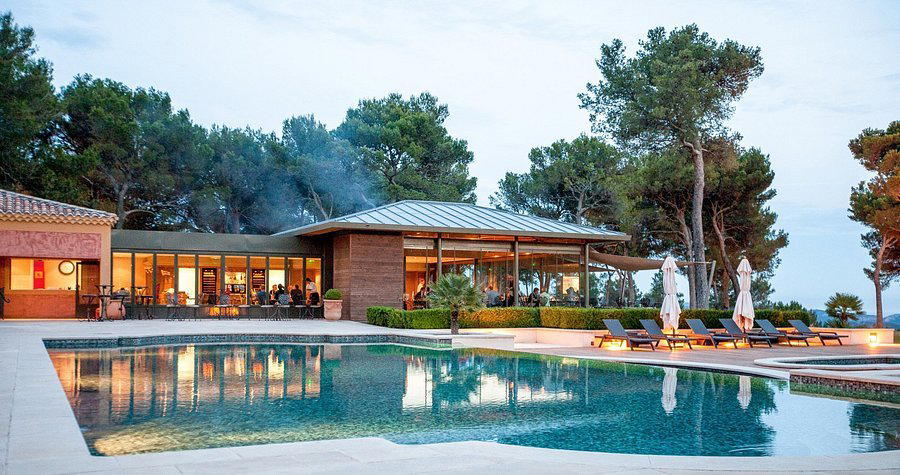
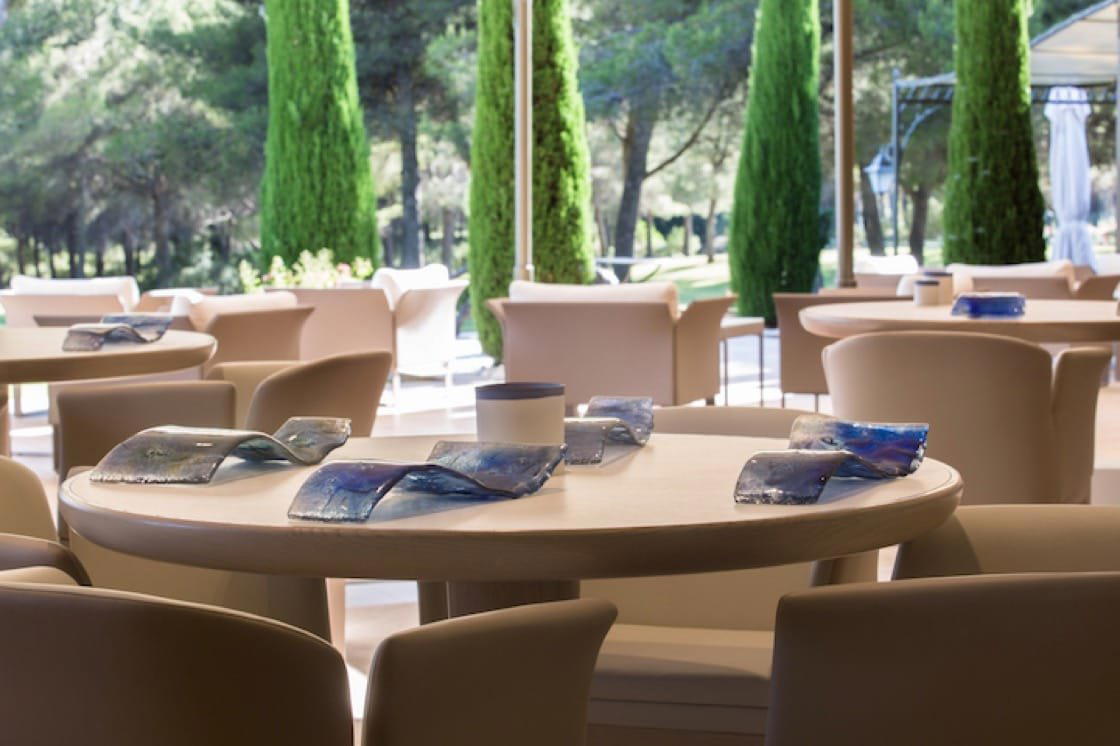
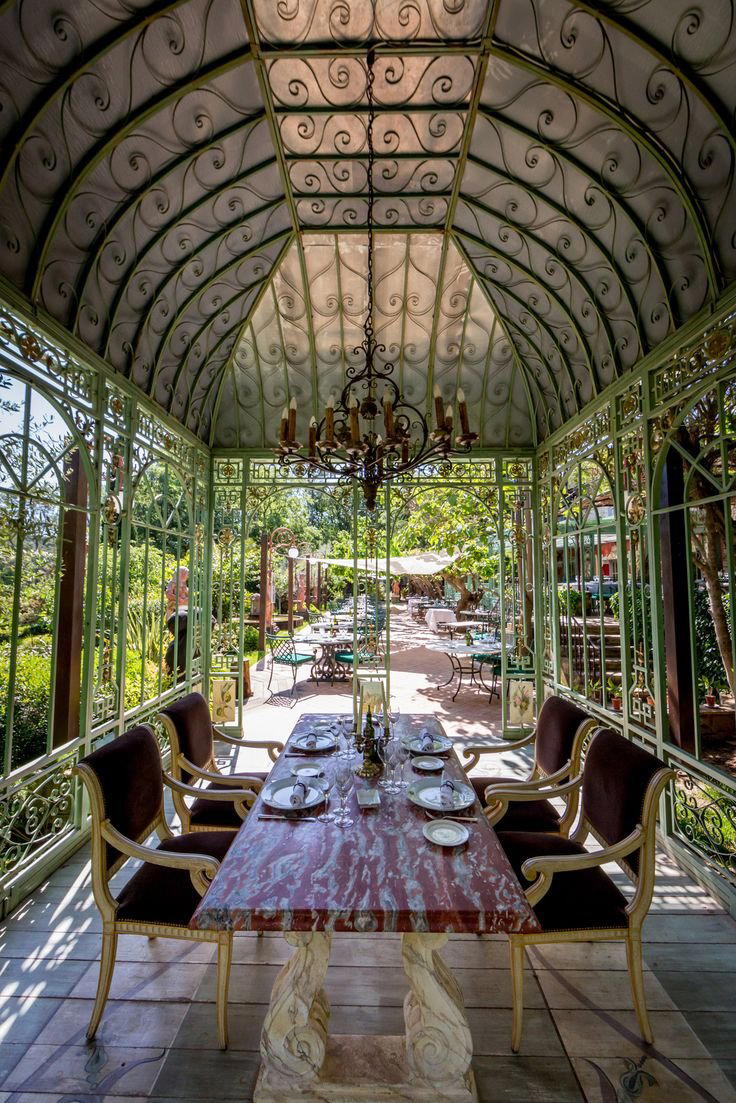
Tranquil and serene with subtle, discreet elegance; tasteful decor, beautiful gardens, and a peaceful atmosphere praised for relaxation.