Château Lagrange


Michelin 1 Grape · Falstaff Winery - 2 Stars
The property sits within one of the Médoc's most concentrated communes for third-growth Cabernet-dominant blending, where the standard for structured, age-worthy claret remains high across the board.

Pearl is the En Primeur Club membership app — saves, bookings, and concierge access live there. Same editors, same standards.
- Address
- Château Lagrange, 33250 Saint-Julien-Beychevelle
- Phone
- +33 5 56 73 38 38
- Website
- chateau-lagrange.com
- Directions
- Get directions
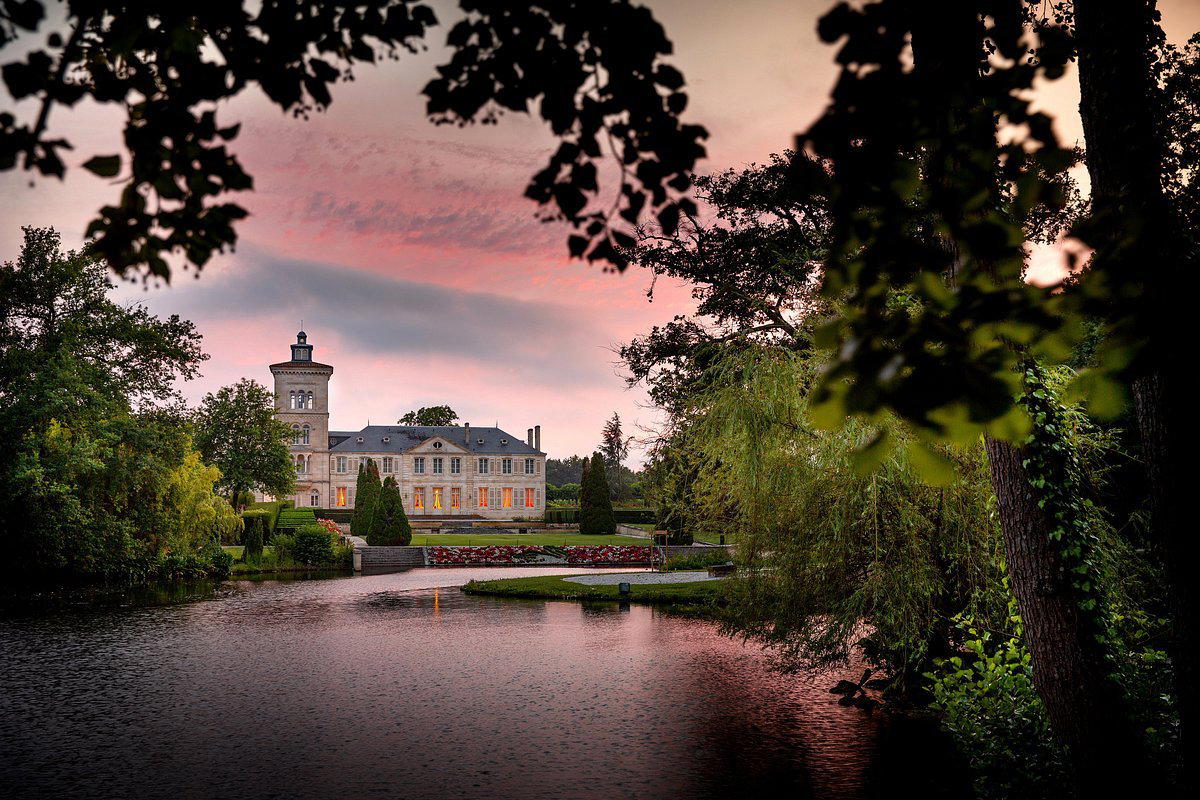
Arriving in Saint-Julien-Beychevelle: The Weight of the Appellation
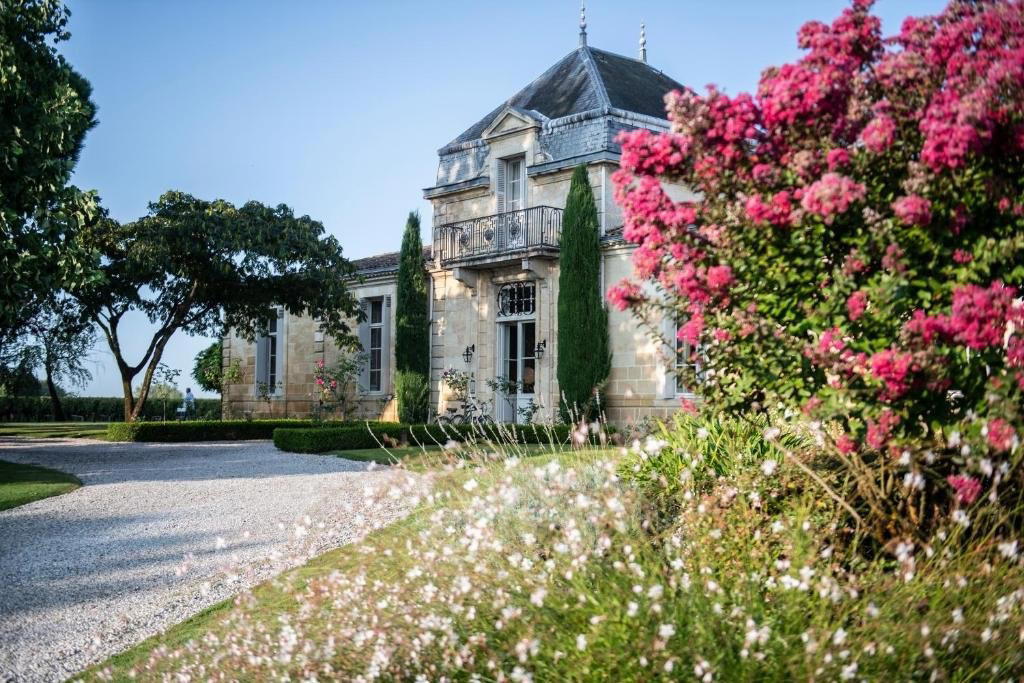
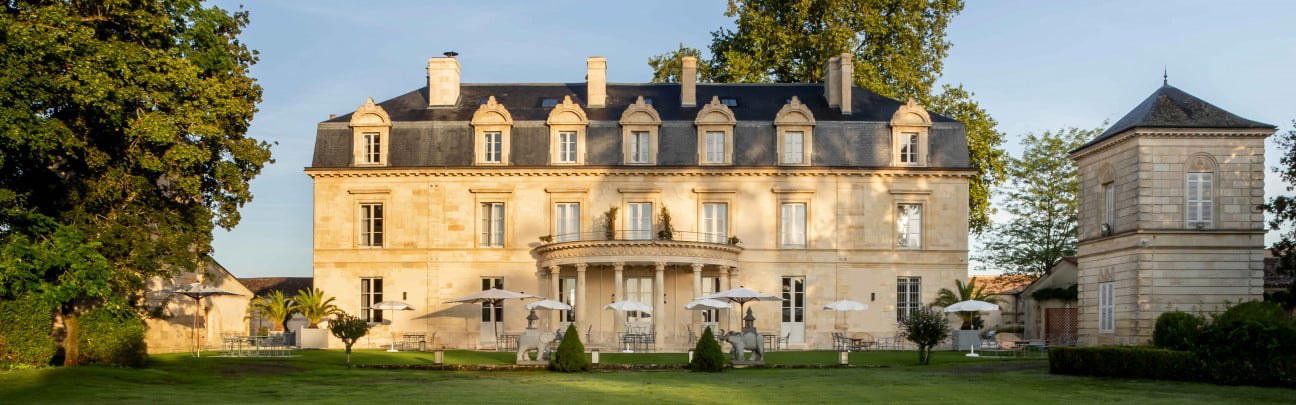
There is a particular quality to the road through Saint-Julien-Beychevelle on the Médoc peninsula. The flatness of the land forces all the drama into the architecture: stone chai buildings set back from gravel drives, long rows of vines running to the horizon with the precision of ruled lines on paper. Approaching Château Lagrange, that spatial logic holds. The estate is large by Bordeaux standards, with vineyard plantings that reflect the commune's tradition of serious-scale Cabernet-dominant farming. What you feel before you enter is a function of place as much as property: Saint-Julien is compact in geography but carries an outsized concentration of classified growths, and Lagrange sits within that context as a third-growth estate with a long documented history in the appellation.
Saint-Julien-Beychevelle itself occupies a narrow band of the left bank, producing wines that tend to land between the power of Pauillac to the north and the elegance of Margaux to the south. That positioning is well-established in Bordeaux criticism and shapes how visitors arrive with expectations already calibrated. Lagrange draws comparison with its immediate commune peers, including Château Branaire Ducru in St-Julien and Château Langoa-Barton, both of which share the appellation's structural signature without resolving into the same house style.
What the Tasting Experience Reflects About the Commune
Tasting at a Médoc classified growth is rarely a casual undertaking. The format across Saint-Julien's leading estates tends toward appointment-based visits, typically conducted in reception rooms that open onto barrel halls or the estate grounds. These environments are designed to direct attention toward the wine rather than the spectacle of hospitality, and Lagrange fits that pattern. The commune's serious producers generally use the tasting setting to contextualise their wine within a longer arc: older vintages are discussed, the relationship between the estate's specific terroir and the appellation's broader character becomes part of the conversation.
Lagrange's vineyard extent means it produces across multiple labels, which in practice gives visitors a more layered tasting progression than smaller single-label estates can offer. Left-bank classified growth tastings of this kind often move from second-label expressions through to the grand vin, providing a structural map of how the winemaking team manages selection and what the estate's style actually prioritises from one year to the next. That format, common across the Médoc's larger classified estates, rewards visitors who arrive with some prior context about Bordeaux's appellation hierarchy and vintage variation.
For context on how that rating sits within the broader region, Château Beychevelle and Château Gloria are among the other Saint-Julien estates.
The Style of the Wine: Reading Saint-Julien Through Lagrange
Classified growth Bordeaux from Saint-Julien follows a well-documented structural logic: Cabernet Sauvignon dominates the blend, Merlot provides mid-palate weight, and Petit Verdot appears in smaller proportions to extend the aromatic range. Within that framework, individual estates differentiate through terroir position, vine age, and cellar decisions around extraction and ageing vessel. Lagrange's scale and the composition of its holdings have historically placed it in a style bracket that emphasises structure and longevity over early accessibility, though this is a general pattern of left-bank classified growths rather than a fixed characteristic of the estate specifically.
The comparison point for understanding Lagrange's position is leading drawn from within the commune. Estates like Château Langoa-Barton operate at a similar classification level and share a comparable commitment to traditional Médoc blending. Elsewhere in Bordeaux, the contrast sharpens: a property like Chateau Le Pin on the right bank works from Merlot dominance and a radically smaller production footprint, producing wines that function in an entirely different commercial and stylistic register. The left-bank classified growth model that Lagrange represents is about consistency across volume, with classification acting as a long-term guarantee of viticultural and winemaking standards.
For visitors coming from a broader Bordeaux itinerary, the Sauternes estates offer a useful counterpoint. Château Doisy-Védrines and Château Bastor-Lamontagne in Preignac occupy the sweet wine tradition that sits entirely outside the left-bank red wine framework, but both demonstrate how classification shapes producer identity across Bordeaux's appellations.
Planning a Visit: Practical Considerations for the Appellation
Saint-Julien-Beychevelle sits roughly an hour's drive north of Bordeaux city along the D2, which runs through the heart of the Médoc. This corridor concentrates more classified growths per kilometre than almost anywhere else in France, and a structured day visit can reasonably take in two or three estates without feeling rushed, provided appointments are confirmed in advance. Lagrange, given its scale and recognition, is leading approached through direct contact with the estate to confirm tasting availability and current visit formats; details are not publicly consolidated in a single booking platform.
The broader Pauillac corridor is nearby, and visitors with time may want to extend into adjacent appellations. Château Batailley in Pauillac and Château Boyd-Cantenac in Cantenac anchor classified-growth visits in their respective communes and pair naturally with a Saint-Julien itinerary for anyone building a Médoc circuit over two days. For a deeper reference point across entirely different French wine traditions, Albert Boxler in Niedermorschwihr represents Alsace's artisan-scale model, while Chartreuse in Voiron offers a production visit of a fundamentally different kind.
The harvest season, typically mid-September through October in the Médoc, brings the estates to their most animated point of the year, though visitor access during harvest is restricted at most properties. Spring and early summer offer quieter visits with more staff attention available. For anyone building an itinerary across the appellation, our full Saint-Julien-Beychevelle restaurants guide covers the broader context of the commune beyond individual estate visits.
Those extending south or east may find reference points in Château Bélair-Monange in Saint-Emilion, a right-bank classified growth that demonstrates how classification operates across Bordeaux's distinct sub-regions with different soils, grape priorities, and tasting register. For context outside Europe altogether, Accendo Cellars in St. Helena and Aberlour in Aberlour represent how prestige-tier production has developed in Napa and Speyside respectively, offering a useful comparative frame for understanding what makes the Médoc's classification system historically distinct.
What It’s Closest To
Comparable venues nearby, for context on price, style, and recognition.
| Venue | Cuisine | Awards | Notes |
|---|---|---|---|
| Château LagrangeThis venue — the venue you are viewing | Cabernet Sauvignon, Merlot | Michelin 1 Grape · Falstaff Winery - 2 Stars | Not listed |
| Château Beychevelle | Cabernet Sauvignon, Merlot | Michelin Main Selection · Falstaff Winery - 3 Stars | Saint-Julien |
| Chateau Le Pin | Merlot | Not listed | Pomerol |
| Château Léoville Barton | Cabernet Sauvignon, Merlot | Michelin 1 Grape · Falstaff Winery - 4 Stars | Saint-Julien |
| Château Talbot | Cabernet Sauvignon, Merlot | Michelin Main Selection · Falstaff Winery - 3 Stars | Saint-Julien-Beychevelle |
| Château Gloria | Cabernet Sauvignon, Merlot | Falstaff Winery - 2 Stars | Saint-Julien-Beychevelle |
Recognition history
Dated appearances from independent guides and award organizations, with the underlying list record or original source where available.
Michelin 1 Grape
Michelin
Falstaff Winery - 2 Stars
Falstaff
Continue exploring
More in Saint-Julien-Beychevelle
Wineries in Saint-Julien-Beychevelle
Browse all →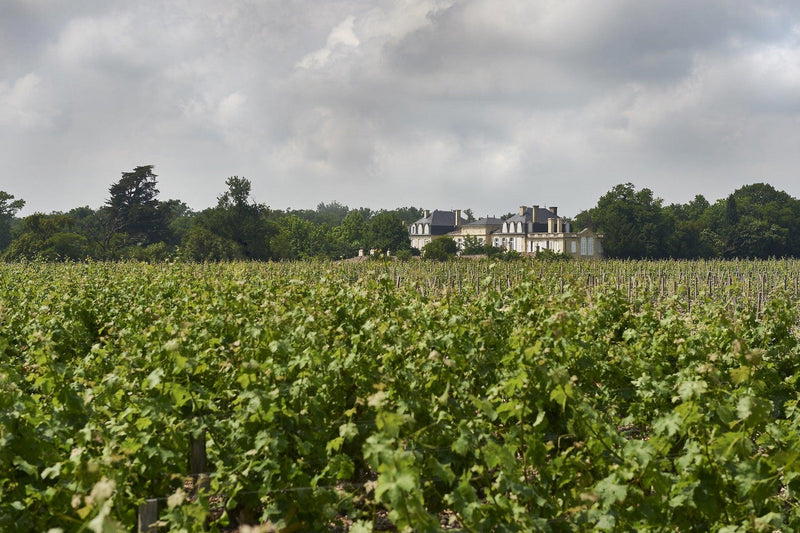
Bars in Saint-Julien-Beychevelle
Browse all →
Restaurants in Saint-Julien-Beychevelle
Browse all →
Details
- Classic
- Elegant
- Scenic
- Sophisticated
- Wine Education
- Special Occasion
- Vineyard Tour
- Barrel Room
- Vineyard
- Cabernet Sauvignon
- Merlot
- Petit Verdot
- Sauvignon Blanc
- Semillon
- Sauvignon Gris
- Still Red
- Still White