
Saint-Julien-Beychevelle, France
Restaurants, hotels, bars and wineries in Saint-Julien-Beychevelle from the En Primeur Club guide.
Accolades in Saint-Julien-Beychevelle

Saint-Julien-Beychevelle
Selected entries from the current guide for Saint-Julien-Beychevelle.
No venues found.
Saint-Julien-Beychevelle
Selected entries from the current guide for Saint-Julien-Beychevelle.
No venues found.
Saint-Julien-Beychevelle
Selected entries from the current guide for Saint-Julien-Beychevelle.
No venues found.
Saint-Julien-Beychevelle
Selected entries from the current guide for Saint-Julien-Beychevelle.
Saint-Julien-Beychevelle, France
Saint-Julien-Beychevelle, France
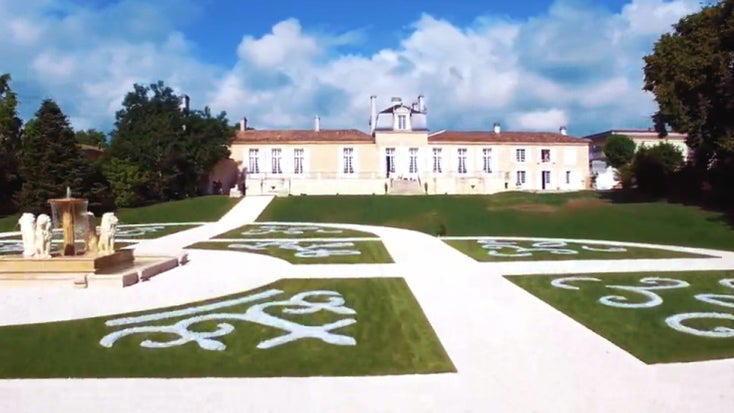
Château Léoville Barton has produced Saint-Julien Cabernet-dominant blends continuously since 1821, making it one of the Médoc's longest-running family-held estates.
Saint-Julien-Beychevelle, France
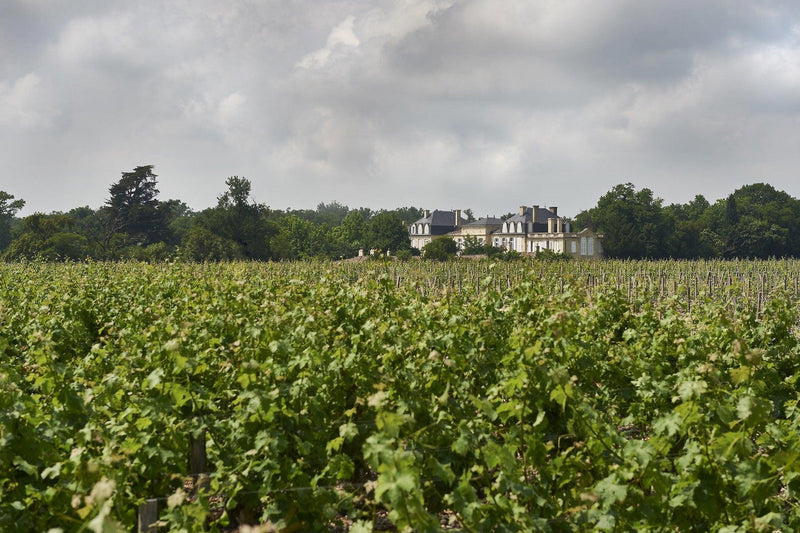
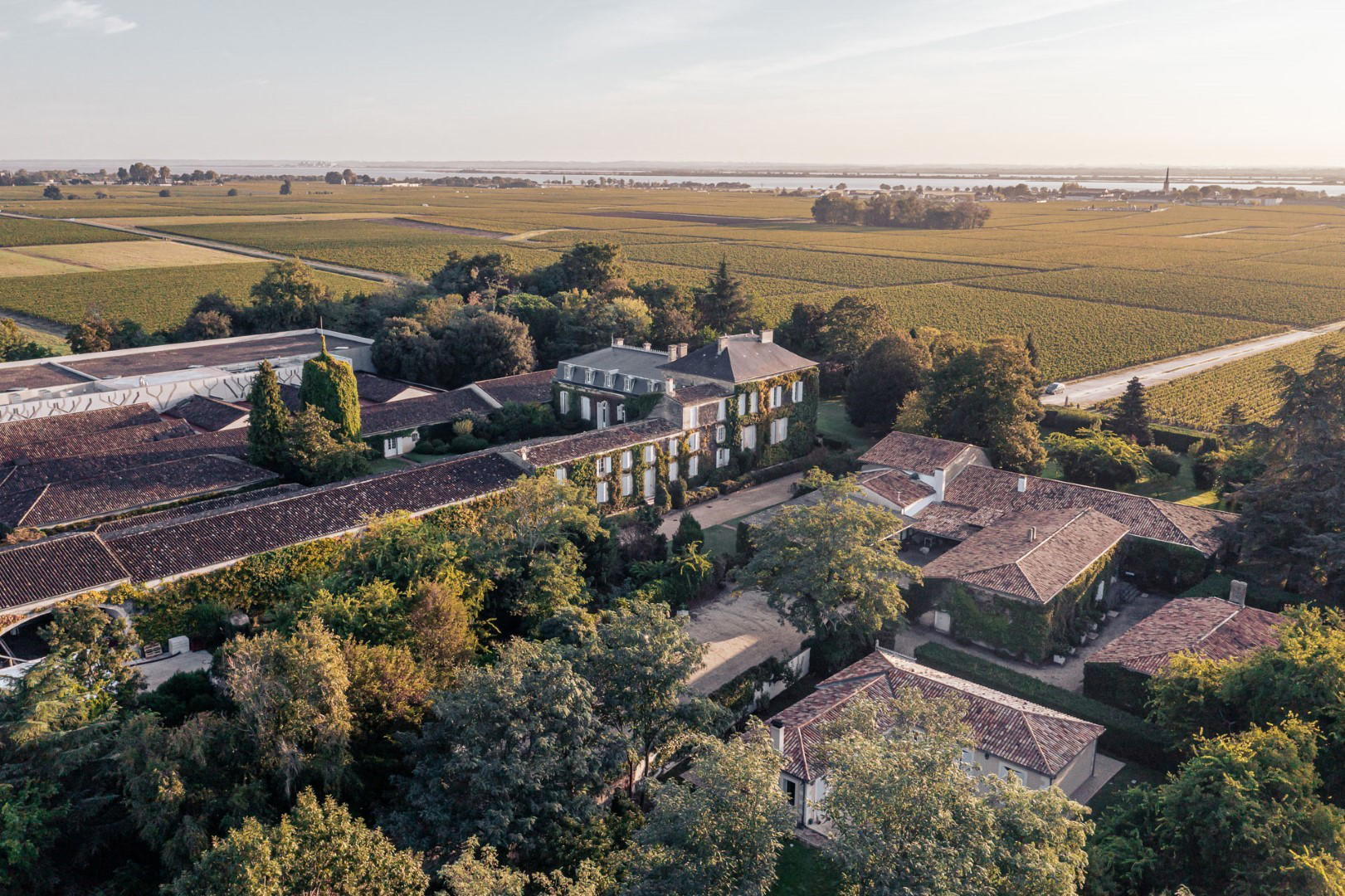
One of the Médoc's most architecturally distinguished estates, Château Beychevelle has produced wine from its Saint-Julien terroir since 1583.
Saint-Julien-Beychevelle, France
Under winemaker Jean-Michel Laporte, the estate sits firmly within the classic Médoc tradition, where barrel selection and blending discipline define the character of each vintage. It occupies the upper tier of classified Saint-Julien producers.
Saint-Julien-Beychevelle, France
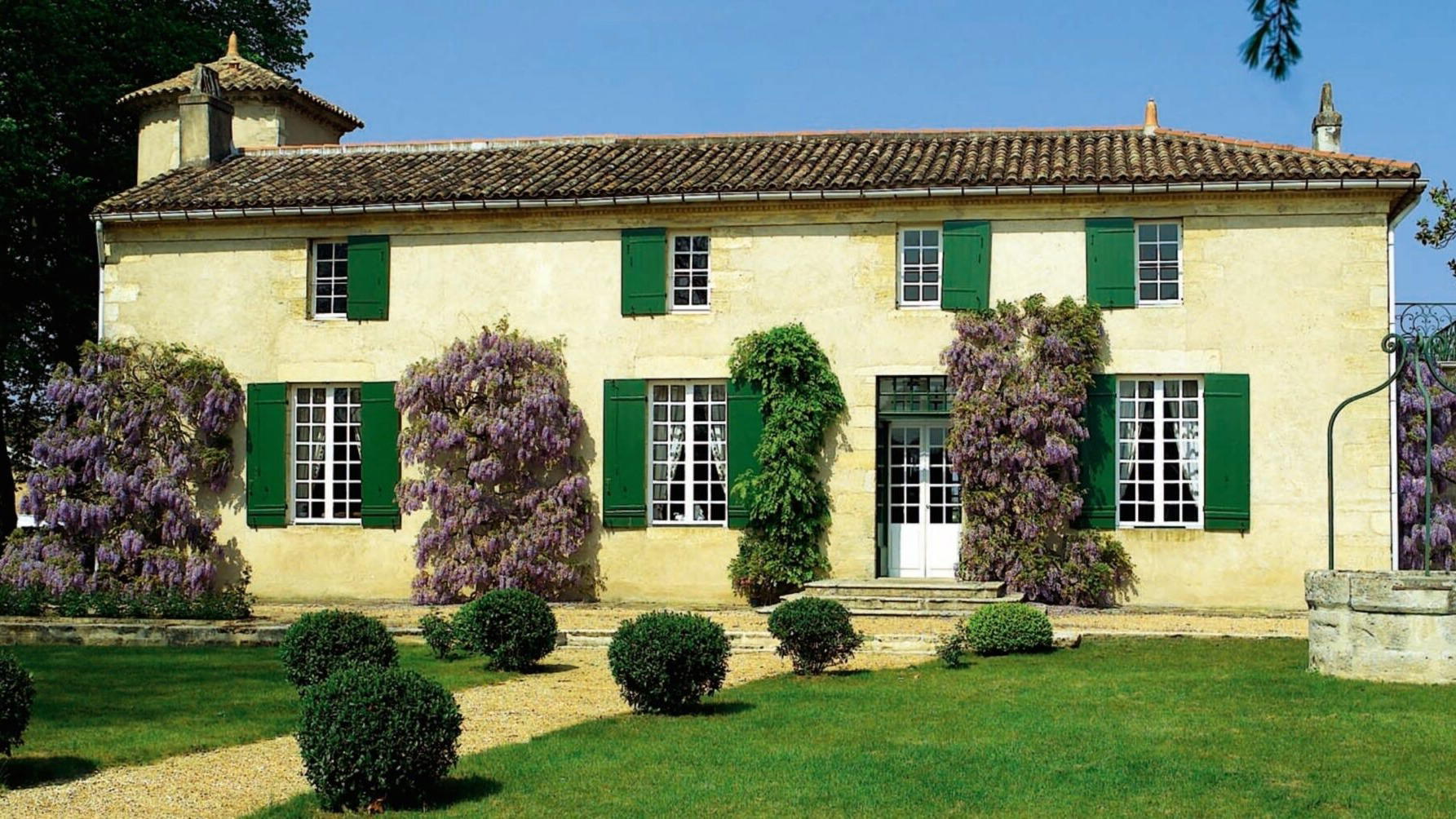
Château Doisy-Védrines has produced wine since 1789, placing it among Sauternes' longest-running estates. Its address within the Saint-Julien-Beychevelle commune positions it inside one of the Médoc's most closely watched appellations, making it a reference point for understanding how Bordeaux's classified hierarchy operates across sub-regions.
Saint-Julien-Beychevelle, France
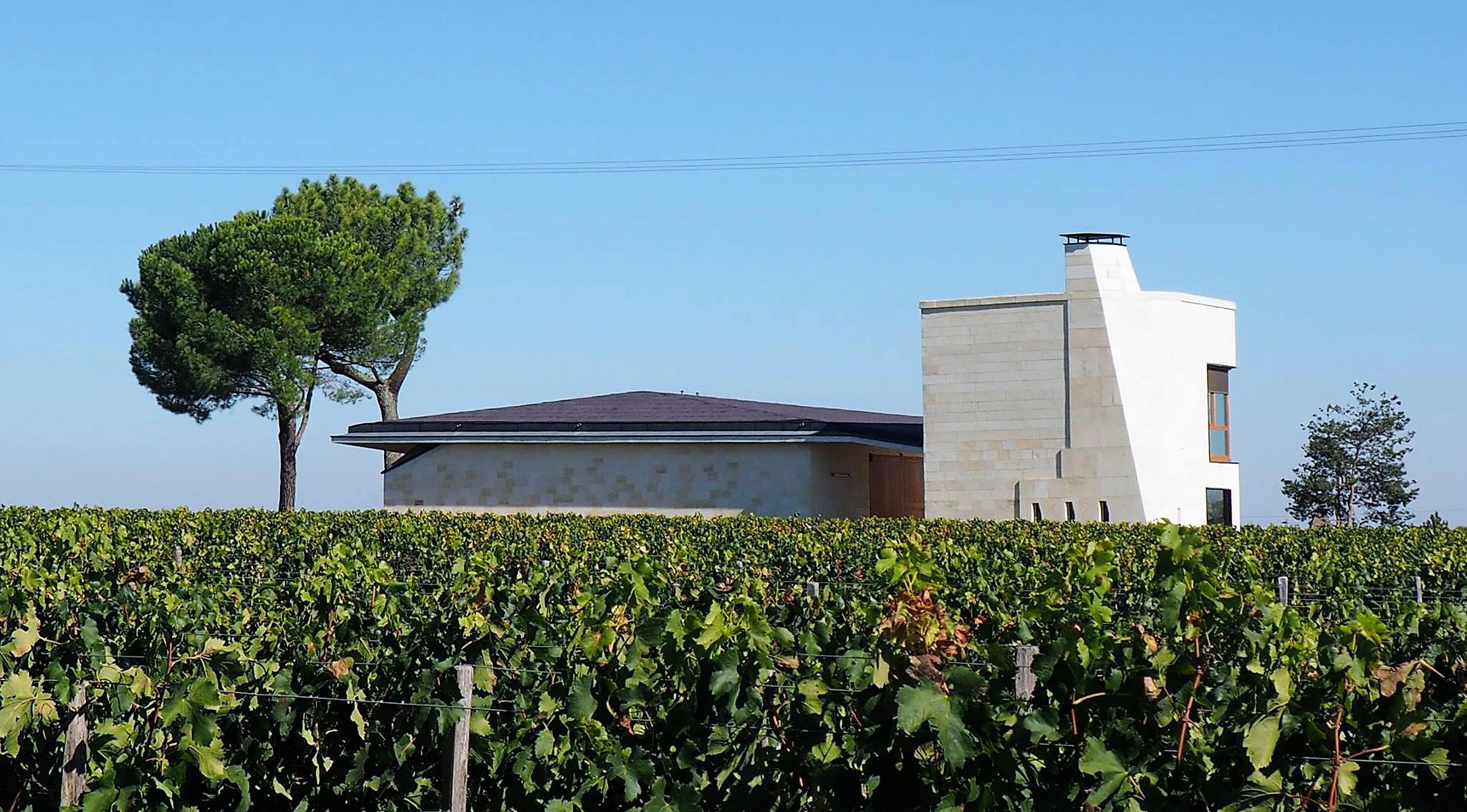
Within the broader Saint-Julien-Beychevelle wine corridor, it represents the allocation-market tier where scarcity and critical standing govern access more than retail availability. Visitors engaging with the estate do so through appointment and prior relationship rather than open tastings.
Saint-Julien-Beychevelle, France
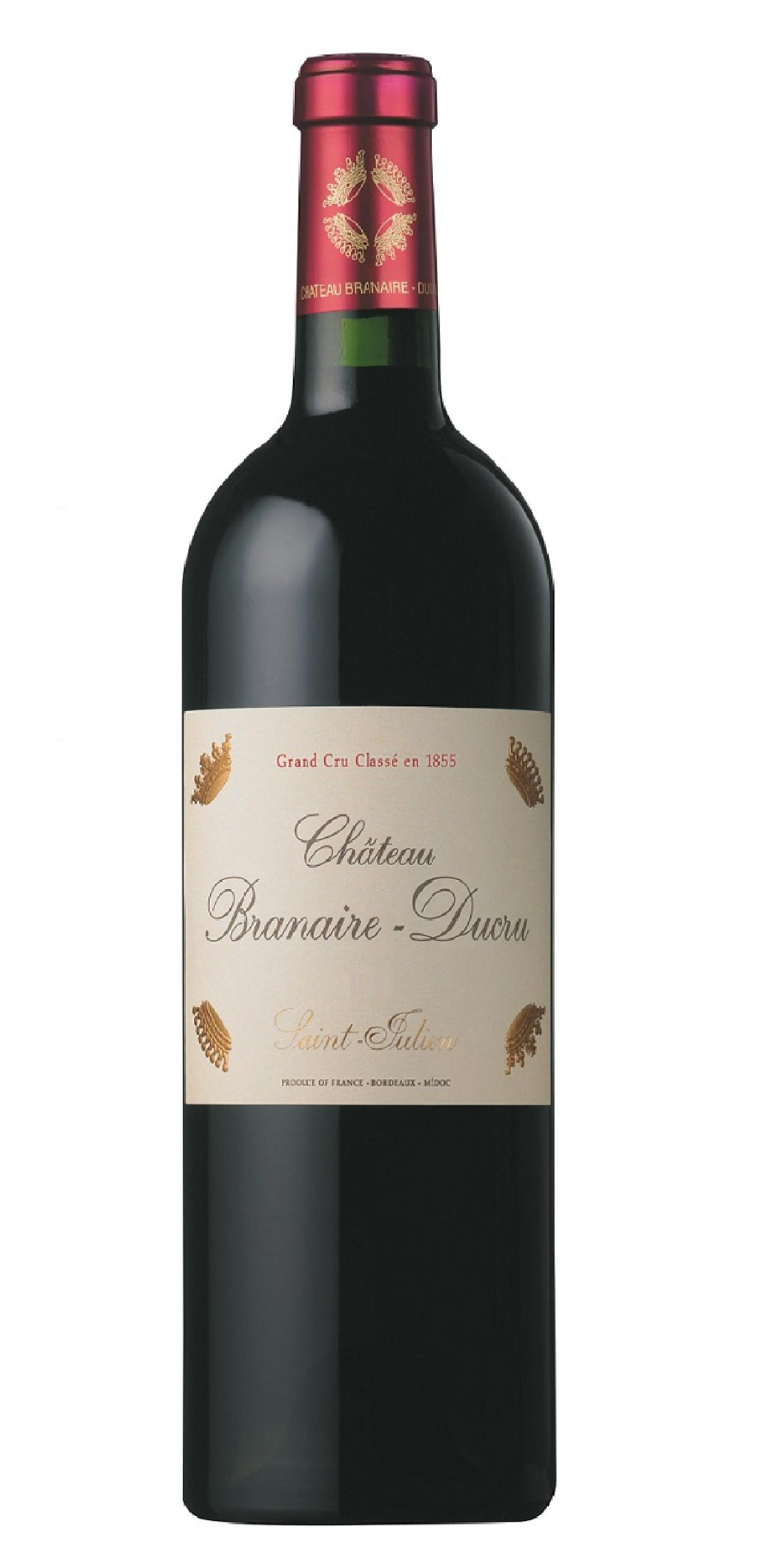
Winemaker Jean-Dominique Videau oversees production from vineyards whose Cabernet Sauvignon-dominant parcels reflect the commune's signature gravel and clay terroir. For collectors building a Médoc reference set, it sits in credible company alongside Leoville Poyferré and Gruaud-Larose.
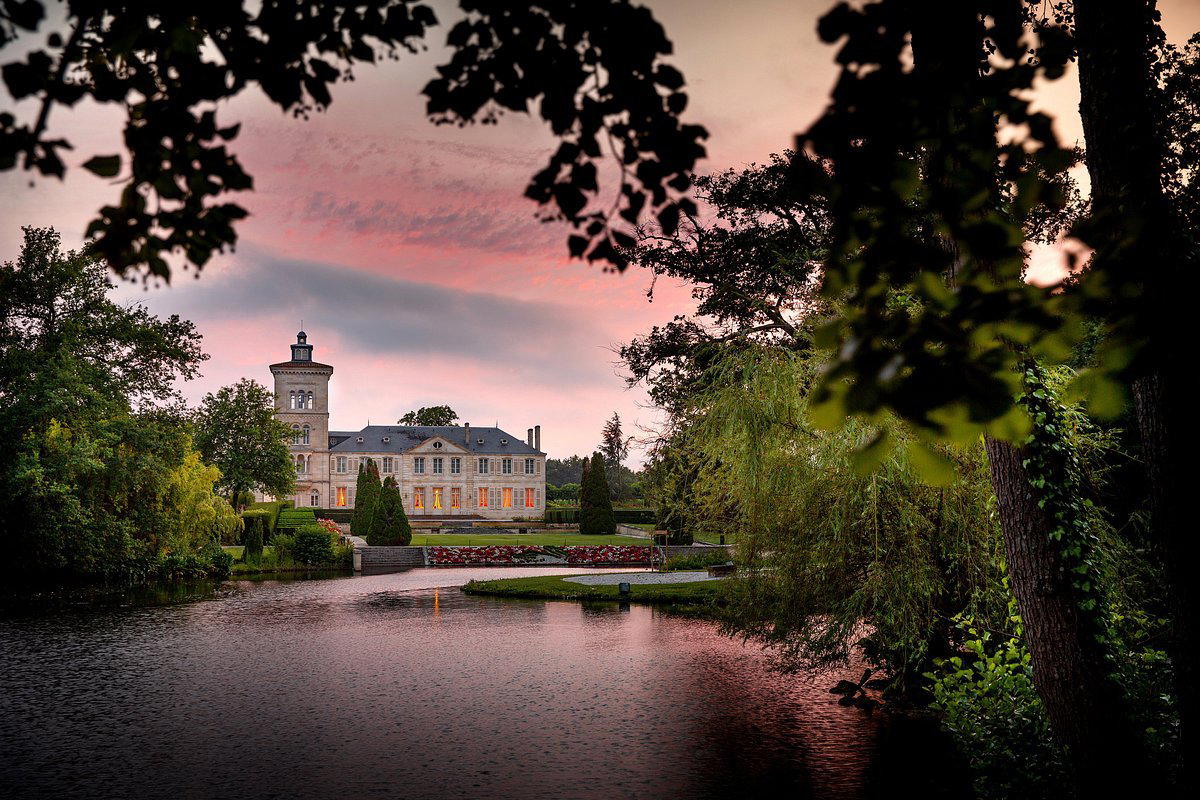
Saint-Julien-Beychevelle, France
The property sits within one of the Médoc's most concentrated communes for third-growth Cabernet-dominant blending, where the standard for structured, age-worthy claret remains high across the board.
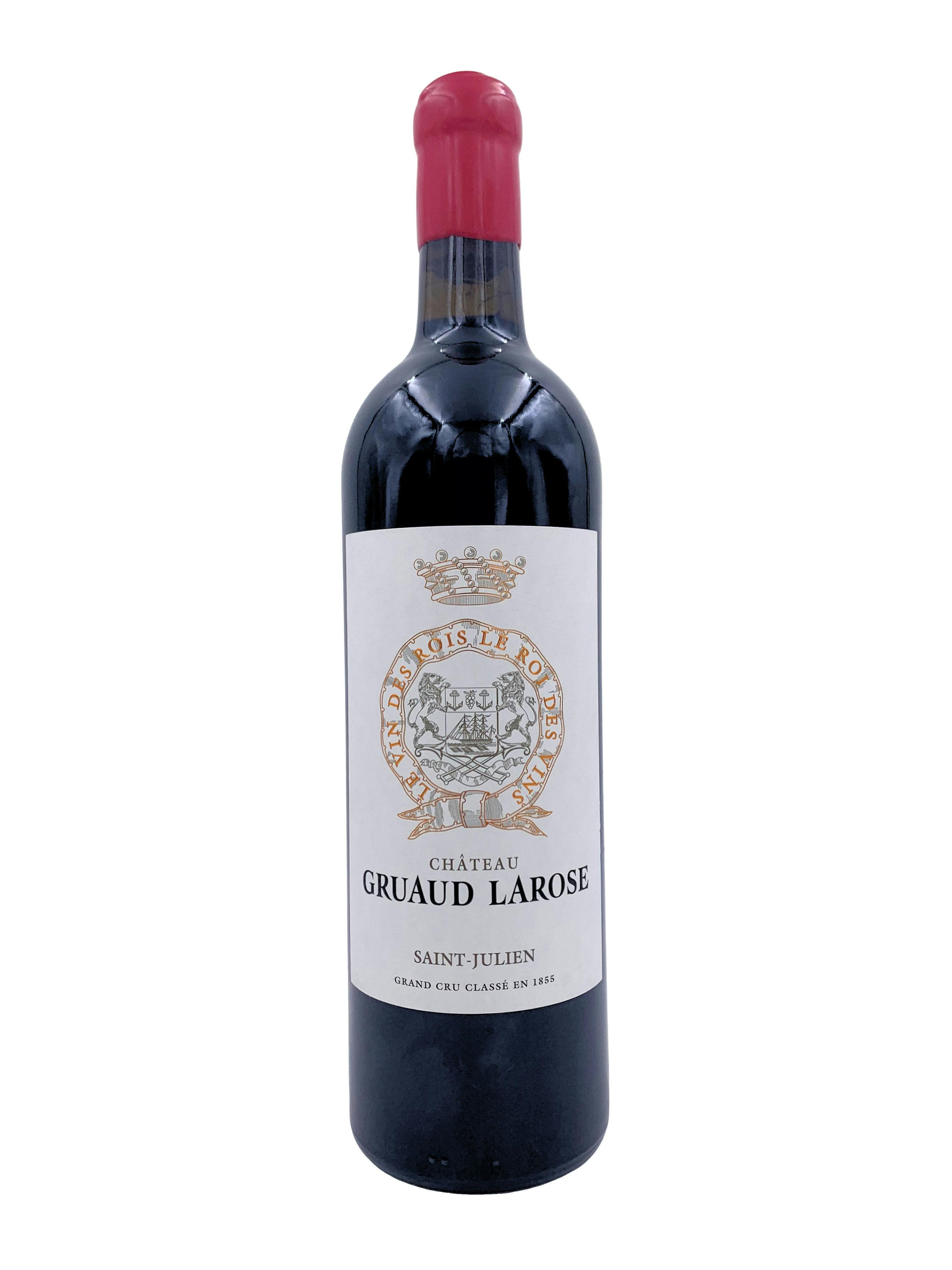
Saint-Julien-Beychevelle, France
Château Gruaud-Larose is a classified Second Growth estate in Saint-Julien-Beychevelle, working with consulting winemaker Eric Boissenot and. The property sits within one of the Médoc's most consistently structured appellations, producing Cabernet-dominant blends with the structural depth and aging potential that define Saint-Julien's upper tier.
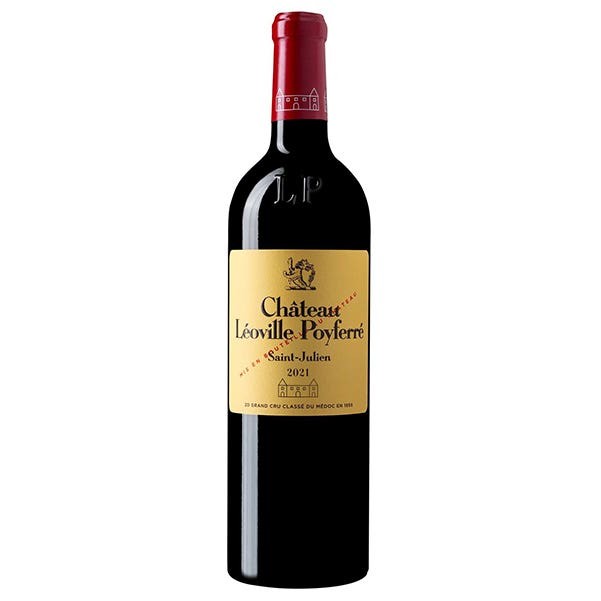
Saint-Julien-Beychevelle, France
A Second Growth classified in 1855, Château Leoville Poyferre operates at the upper tier of St-Julien's left-bank canon. Visiting the estate places you inside the gravitational centre of the Médoc's most consistent mid-Pauillac corridor.
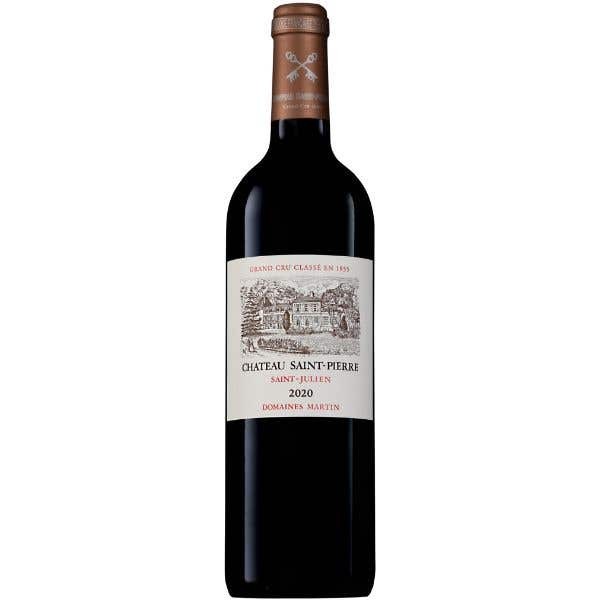
Saint-Julien-Beychevelle, France
Under winemaker Jean-Louis Triaud, the estate produces Cabernet-dominant Médoc in the appellation's characteristic register: structured, slow-building, and built for the cellar.
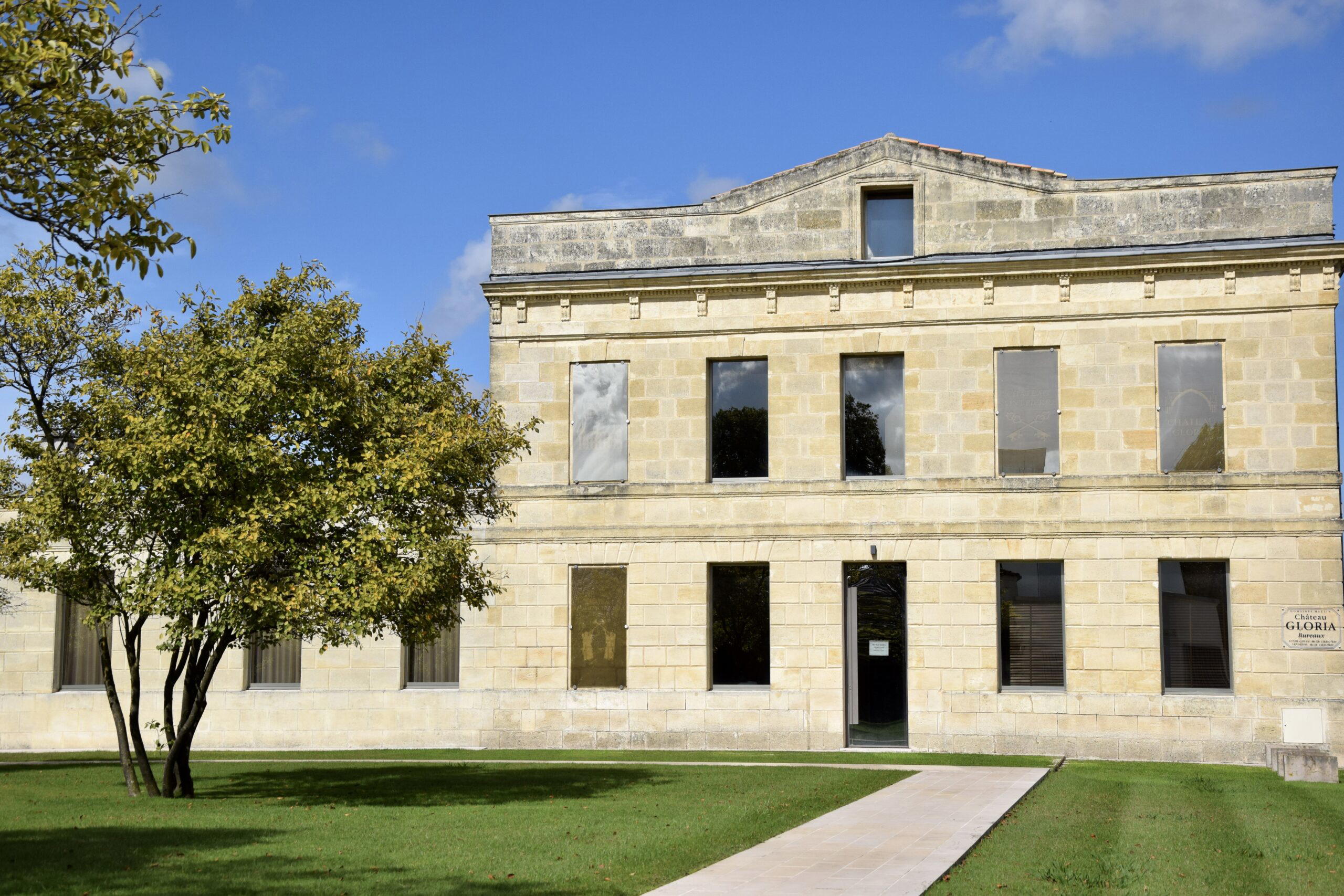
Saint-Julien-Beychevelle, France
Château Gloria occupies a specific and well-argued position in Saint-Julien-Beychevelle: a Cru Bourgeois property producing Cabernet-dominant blends that trade on appellation character rather than classification prestige.
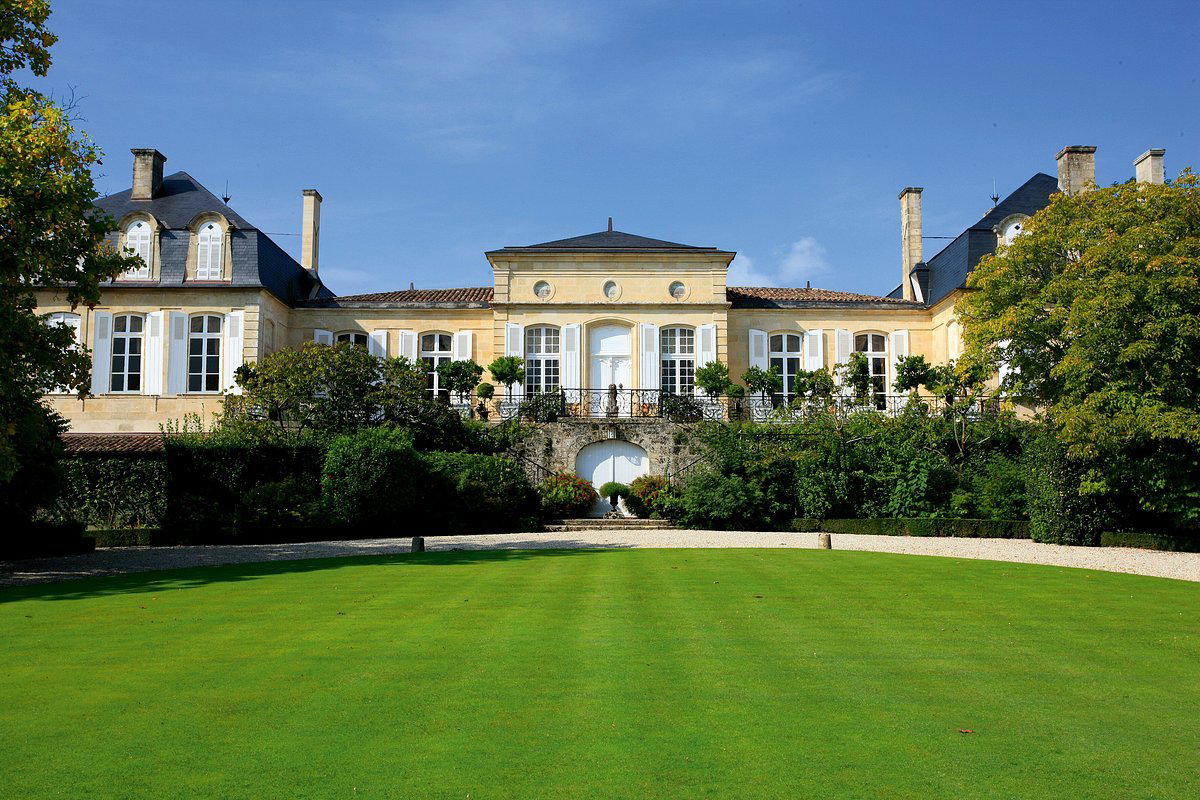
Saint-Julien-Beychevelle, France
Château Langoa-Barton holds a Third Grand Cru Classé position in Saint-Julien-Beychevelle, the appellation historically associated with some of the Médoc's most structured Cabernet-dominant blends.
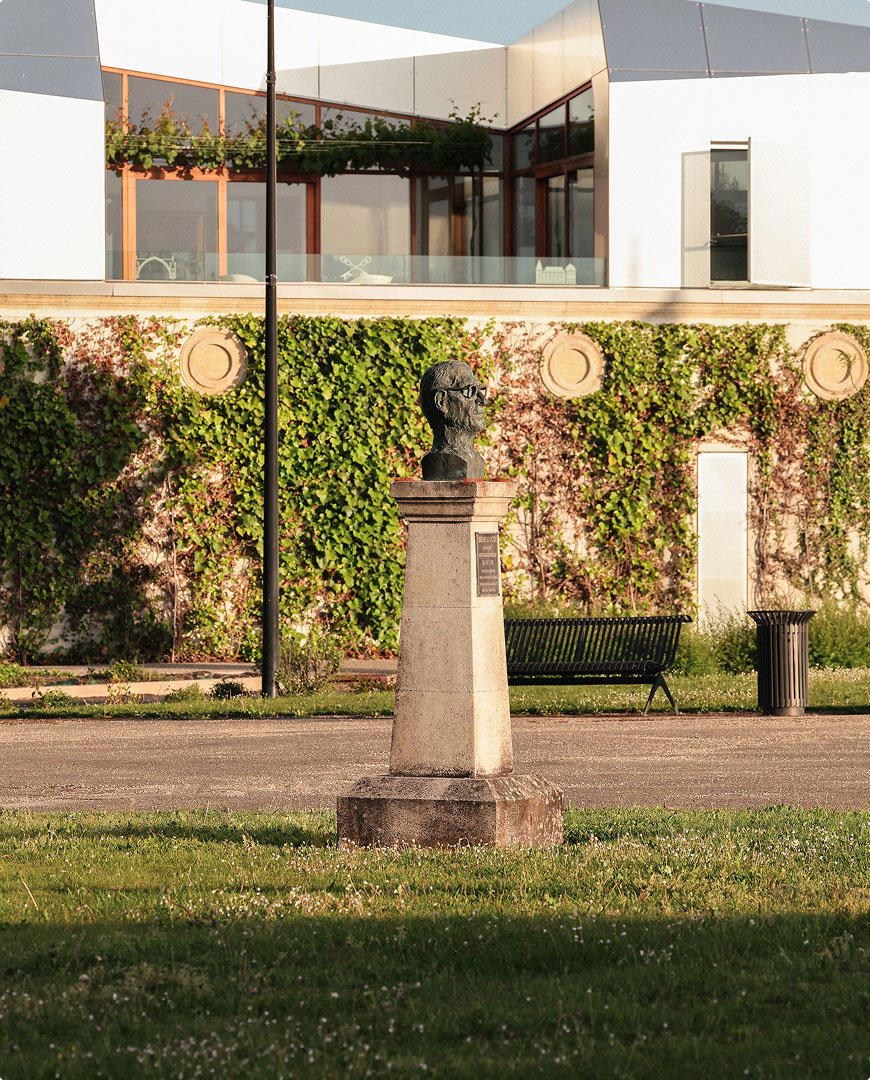
Saint-Julien-Beychevelle, France
Château Bel Air suits travelers who read the Médoc through terroir rather than spectacle. On the edge of Saint-Julien-Beychevelle, the estate’s quiet Bordeaux atmosphere, vineyard setting, Cru Bourgeois identity, and Cabernet-Merlot focus make it a serious stop for understanding how Haut-Médoc structure sits beside the more famous Saint-Julien frame.
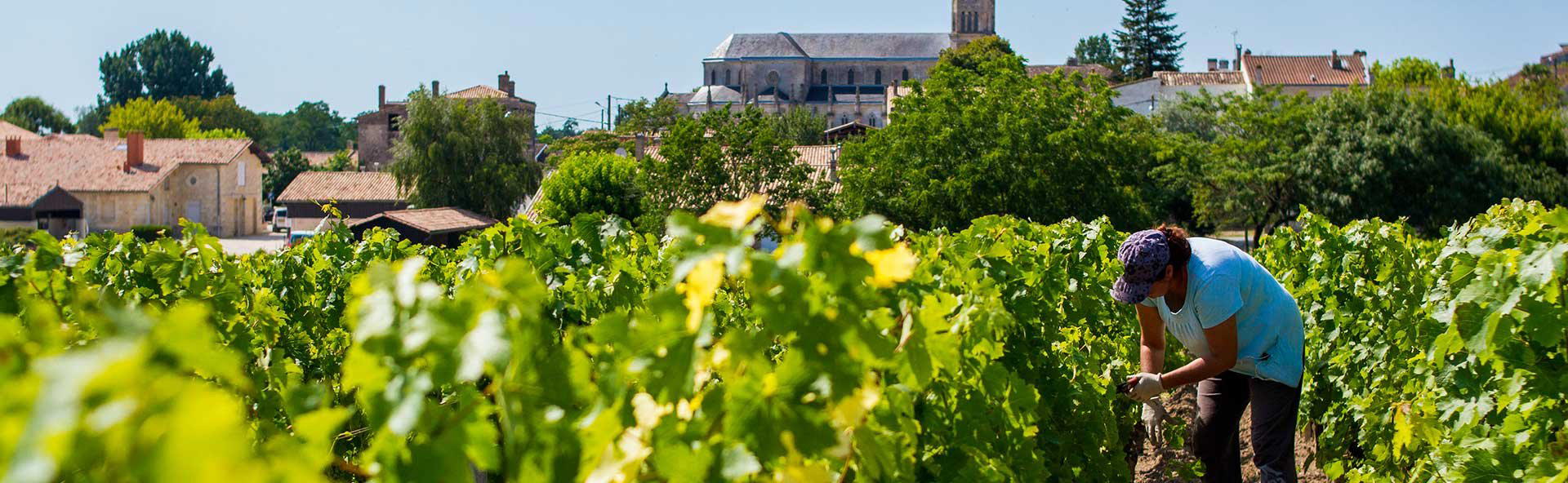
Saint-Julien-Beychevelle, France
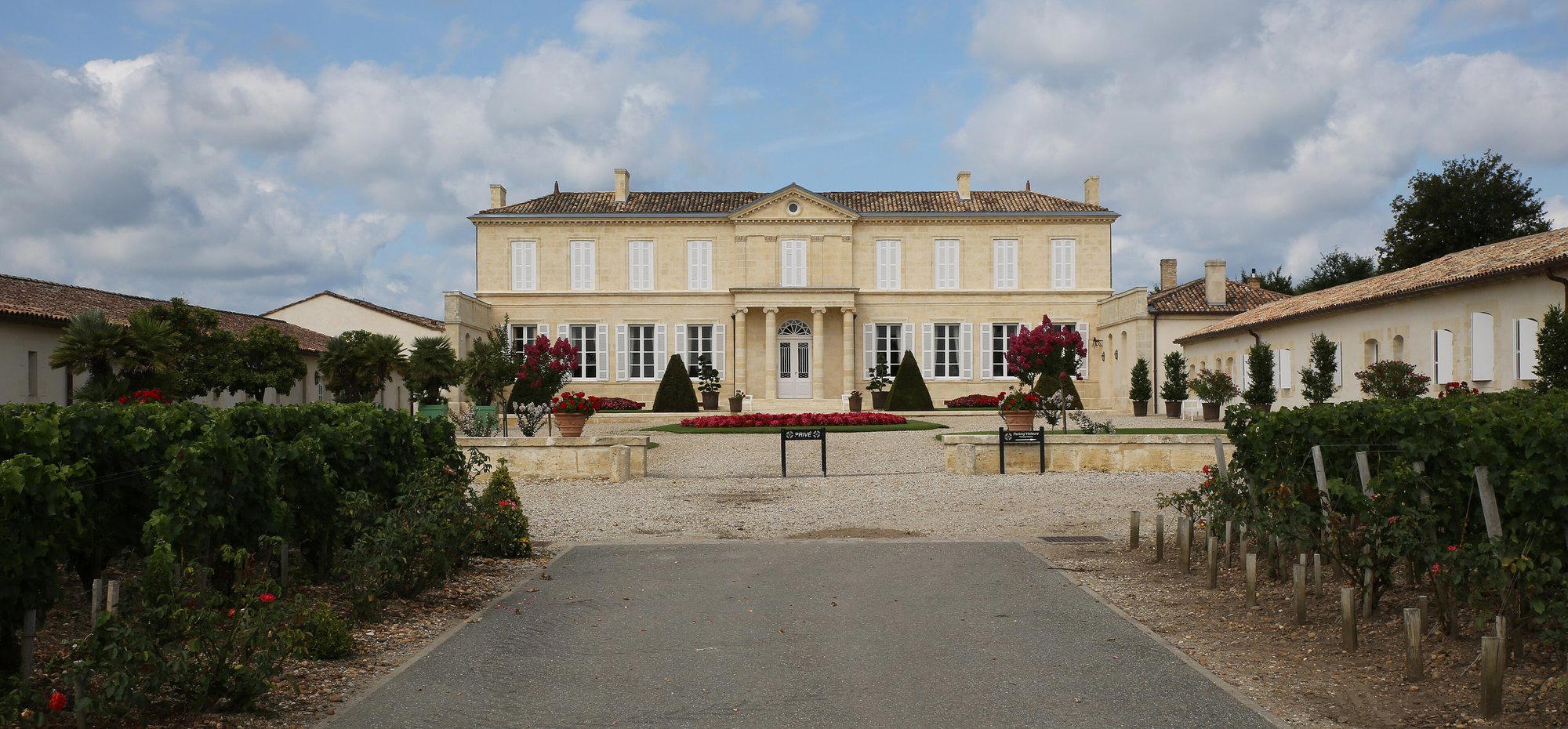
Château Clos du Marquis gives Saint-Julien a clear Left Bank reading: Cabernet-led structure, gravel-grown restraint, and an identity separate from the second-wine category. Created in 1902 and linked to Domaines Delon, it is strongest for travelers interested in terroir, age-worthy red Bordeaux, and the disciplined style of the Médoc rather than cellar-door spectacle.
Saint-Julien-Beychevelle, France
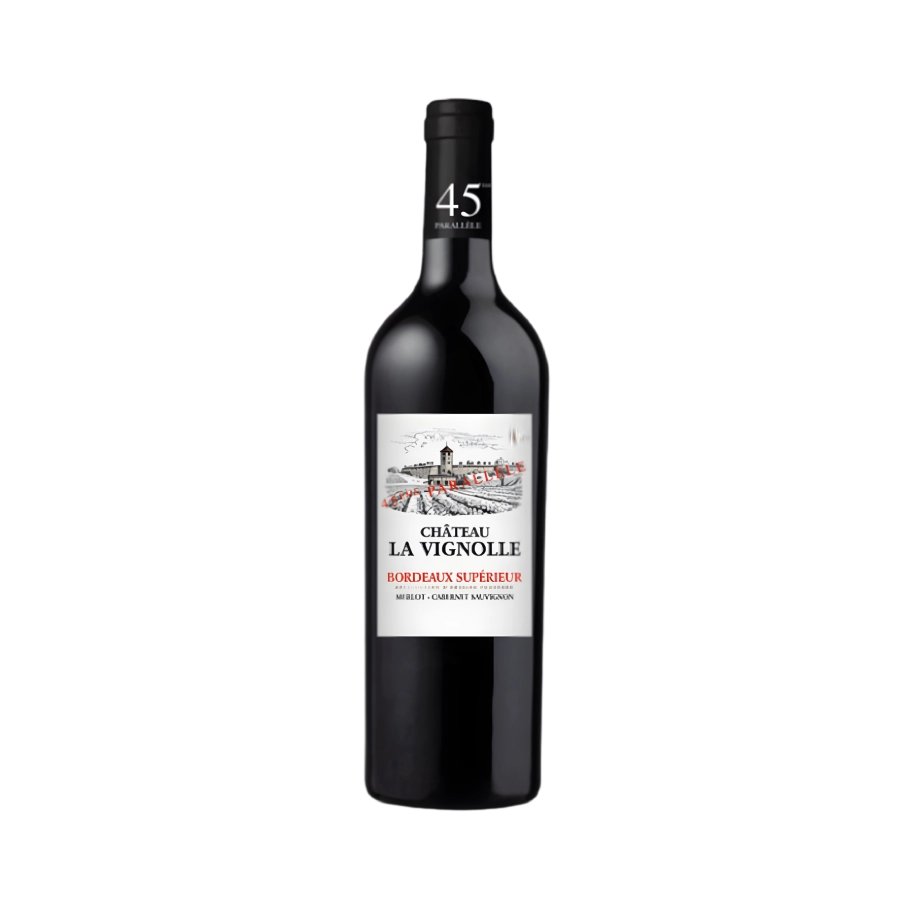
Château du Glana gives Saint-Julien a useful counterpoint to the appellation’s classified-growth gravity: a family-run Médoc estate with 59.5 hectares of gravel vineyard, Cabernet-led blends, restored cellars, and a measured approach to red Bordeaux. The draw is terroir clarity rather than spectacle, with guided tastings and estate tours set around a historic château dating to 1870.
Saint-Julien-Beychevelle, France
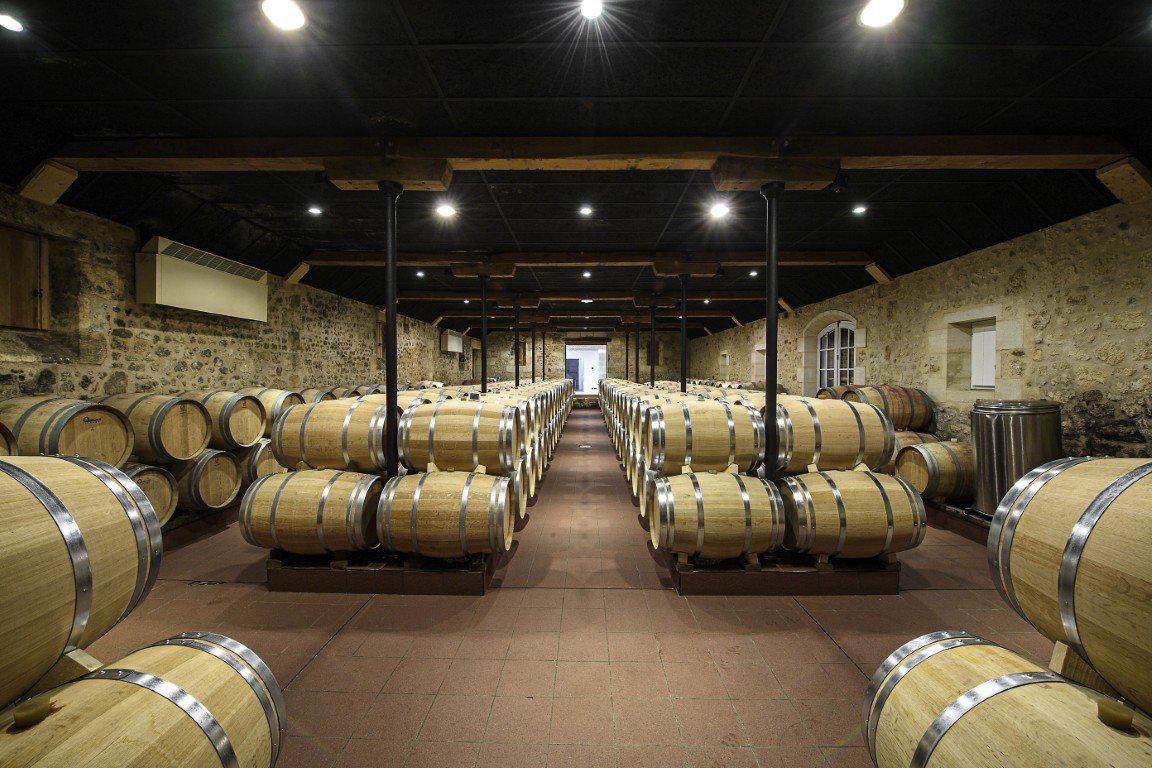
Château Ducluzeau belongs to the quieter side of Left Bank Bordeaux: a small Listrac-Médoc estate shaped by clay-limestone soils, Merlot-led planting, and the Borie family connection to Ducru-Beaucaillou. Its appeal is not château tourism but cellar logic: modest scale, still red Bordeaux, and a supple Médoc style built for earlier approachability than more severe Left Bank bottlings.
Saint-Julien-Beychevelle, France
Château Teynac is a family-run Saint-Julien estate shaped by a 12.5-hectare vineyard, classic Left Bank varieties, and a guided vineyard-to-cellar format. Its appeal is terroir rather than spectacle: Cabernet-led Médoc structure, sustainable certification from the 2016 vintage onward, and small-scale hospitality in Saint-Julien-Beychevelle.
Continue exploring


