Château Langoa-Barton


Michelin 1 Grape · Falstaff Winery - Listed
Château Langoa-Barton holds a Third Grand Cru Classé position in Saint-Julien-Beychevelle, the appellation historically associated with some of the Médoc's most structured Cabernet-dominant blends.

Pearl is the En Primeur Club membership app — saves, bookings, and concierge access live there. Same editors, same standards.
- Address
- Chateau Langoa Barton, 33250 Saint-Julien-Beychevelle
- Phone
- +33 5 56 59 06 05
- Website
- barton-family-wines.com
- Directions
- Get directions
Where the Médoc Still Looks Like Itself
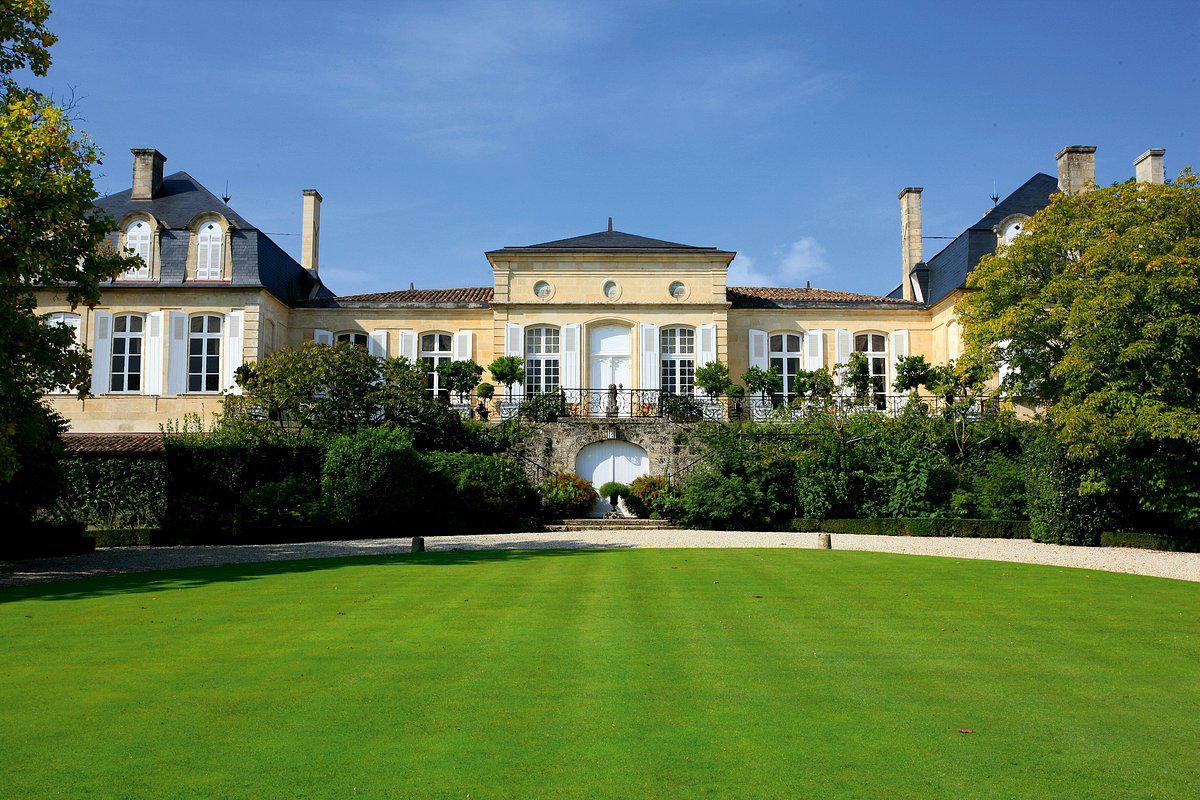
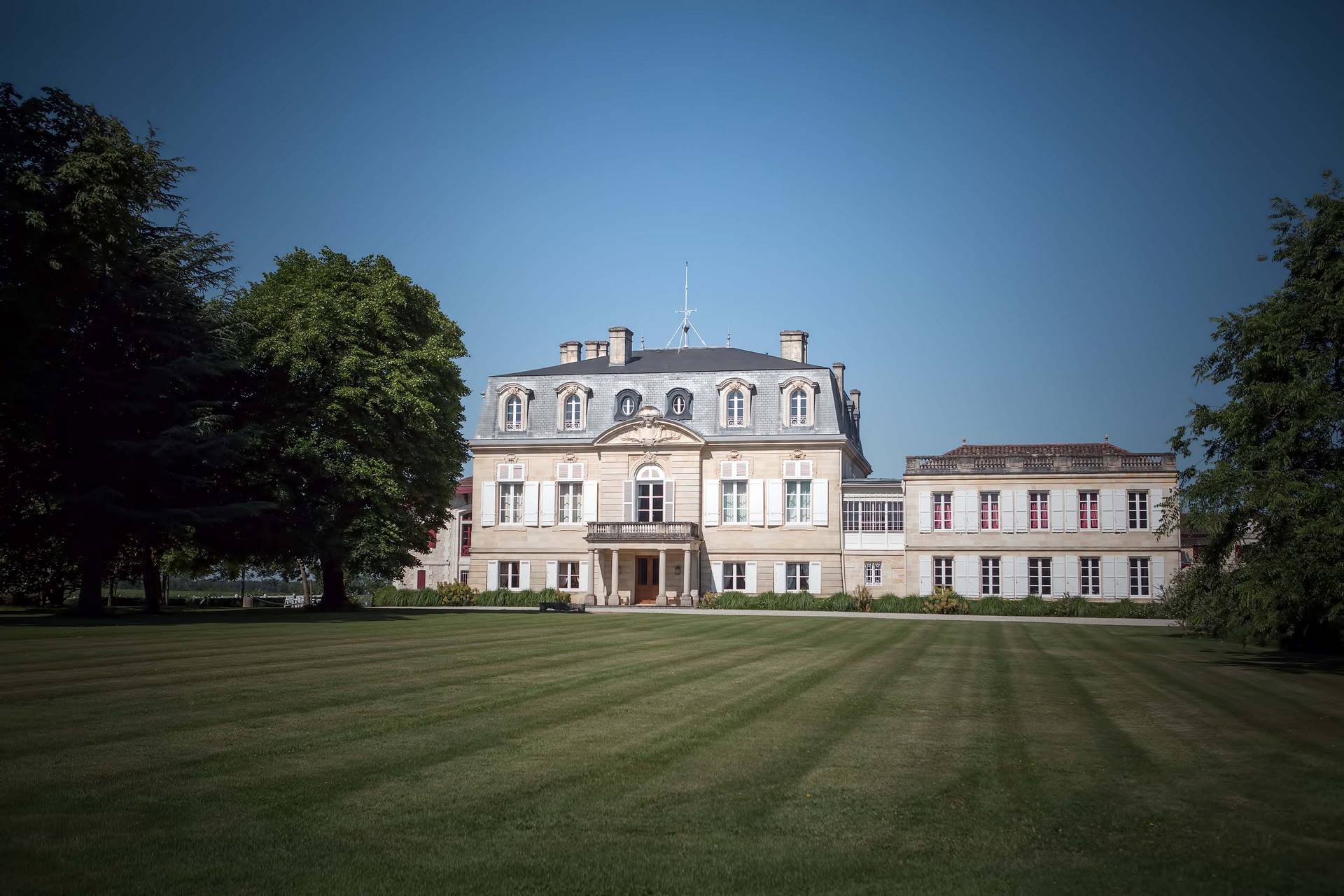
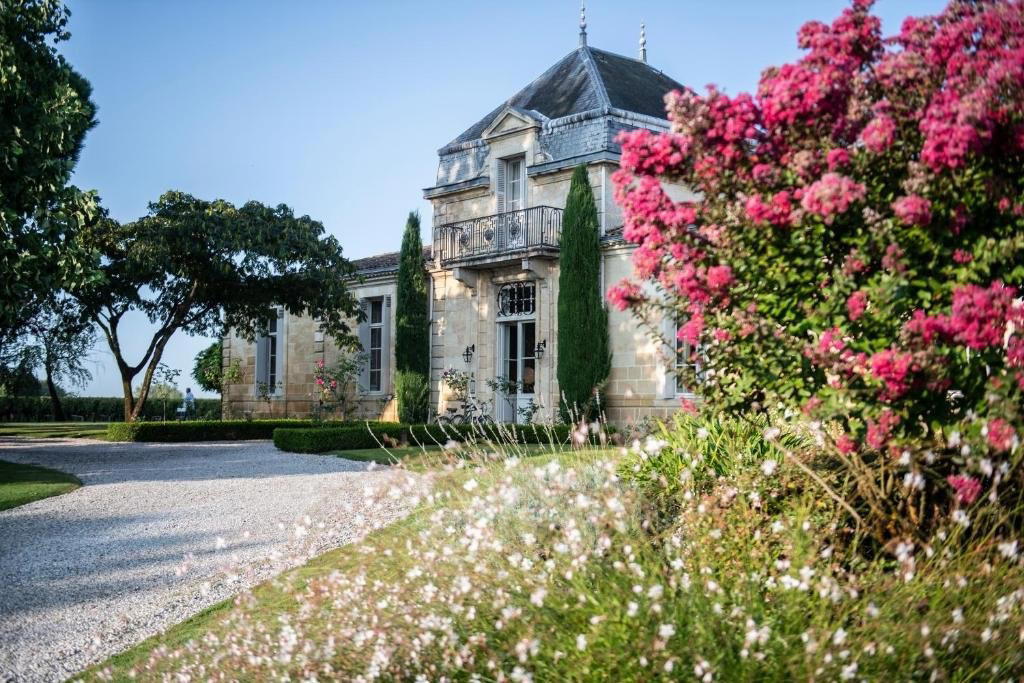
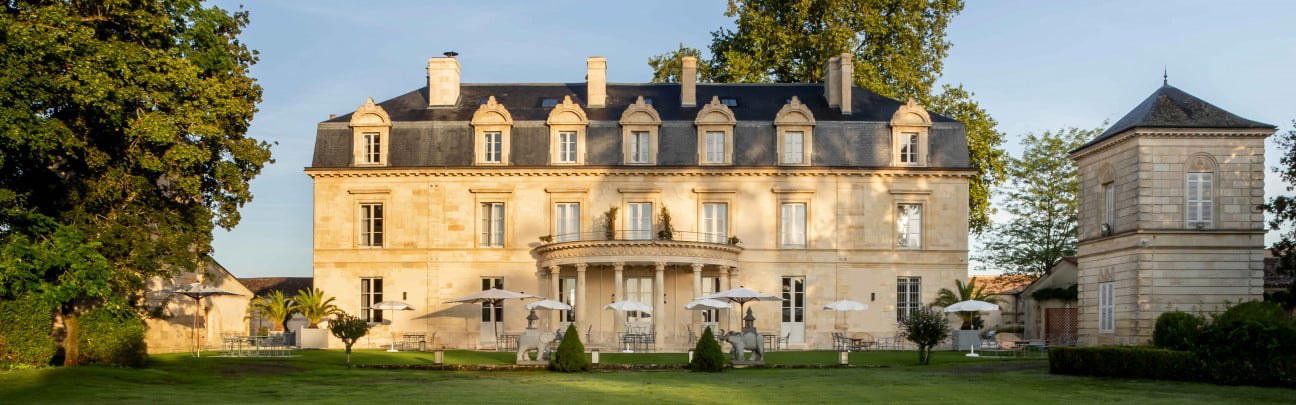
Arriving at Saint-Julien-Beychevelle from the Pauillac road, the Gironde estuary sits close enough that its light touches the vineyard rows at an angle that changes everything in late afternoon. This is the northern reach of an appellation that has resisted modernisation more consistently than most of the Médoc, and Château Langoa-Barton occupies a piece of that landscape with the composure of an estate that has not needed to reinvent itself in living memory. The château building itself, an 18th-century chartreuse, sits at ground level rather than on a raised platform, which gives it an unusual intimacy for a Bordeaux cru classé. Stone, slate, and a scale that suggests working property rather than monument: this is what Saint-Julien looks like before it gets dressed up for ceremony.
Saint-Julien and the Third Growth Tier
The 1855 Classification placed Saint-Julien's estates across the second, third, and fourth growth tiers, with no first or fifth growths among the appellation's cru classés. That distribution reflects a genuine consistency across the appellation rather than a hierarchy with obvious outliers. Within this context, the third growth tier occupies a middle position that is commercially significant: priced below the second growths of the appellation while sharing the same gravel-dominant soils and the same Atlantic-moderated climate that gives Saint-Julien its reliability. Château Beychevelle, a fourth growth, and Château Branaire Ducru in St-Julien occupy adjacent price and quality positions, and together they define a band of the market where classical Médoc structure is available without the allocation difficulties that attach to the upper second growths.
For a reference point across the region, the same rating system covers estates as different in style as Château Bastor-Lamontagne in Preignac and Château Bélair-Monange in Saint-Emilion, which makes the shared tier less about style and more about a track record that editors can verify over multiple vintages.
The Shared Chai and What It Signals
Château Langoa-Barton and Château Léoville Barton, a second growth on the same family's holding, have shared winemaking facilities for decades. This arrangement is unusual in the Médoc, where estates typically guard the separation of their infrastructure as closely as their brand. The practical implication is that both wines pass through the same cellar, handled by the same team under the same conditions, which removes one of the more common sources of inconsistency in cru classé winemaking: the gap between what ownership claims and what the cellar actually delivers. For a visiting taster or en primeur buyer, this shared infrastructure is a kind of transparency signal. The quality of Léoville Barton, one of the more decorated second growths of recent decades, is visible evidence of what the same hands produce when working with fruit classified higher up the appellation hierarchy.
Across the wider Médoc, comparable family-run operations that retain ownership continuity tend to show tighter vintage-to-vintage coherence than estates that have passed through institutional ownership cycles. Château Batailley in Pauillac and Château Boyd-Cantenac in Cantenac are useful comparators: both sit in similar classification tiers and share the characteristic of sustained family stewardship that Saint-Julien's market has historically rewarded with durable critical respect.
The Physical Estate as Context for the Wine
The editorial angle that most reliably illuminates Château Langoa-Barton is not its appellation ranking but its physical presence in the village of Saint-Julien-Beychevelle. The estate sits on the D2, the wine road that connects Bordeaux to the major Médoc communes, and the vineyard lies on gravel ridges above the Gironde. Gravel here is not an incidental soil component: the deep, free-draining beds of Günz and Mindel gravels define the water stress profile that Cabernet Sauvignon requires to concentrate without irrigation. Walking the rows in summer, the heat retention of the stone is palpable underfoot, and the vine canopy casts narrow shadows that make the scale of the terroir legible in a way that a tasting note cannot fully reproduce.
This physical character connects Langoa-Barton to a broader truth about Saint-Julien: the appellation's wines tend toward a middle weight that is less austere than Pauillac and less opulent than Margaux, and the gravel beds are the underlying reason for that balance. Among nearby estates, Château Lagrange and Château Gloria occupy different positions within the same appellation, offering useful comparison points for those building a picture of Saint-Julien's internal diversity. For a broader view of how the appellation fits into the region, our full Saint-Julien-Beychevelle guide maps the major estates and their respective terroir profiles.
En Primeur and the Cellaring Horizon
Buying Château Langoa-Barton en primeur carries the same structural logic as buying any cru classé Médoc in barrel: the wine is priced before release, typically two years before the first bottles reach trade, and the buyer accepts short-term illiquidity in exchange for a lower entry price and the ability to control provenance from the outset. The third growth tier in Saint-Julien has historically been one of the more dependable segments for this model, because the wines are both appellation-authentic enough to hold value and priced accessibly enough that they do not require the allocation politics that govern the first and upper second growths. At the international level, the same en primeur logic operates in very different contexts: Albert Boxler in Niedermorschwihr and Accendo Cellars in St. Helena both represent the allocation-driven segment where producer relationships and early commitment reward buyers who plan their cellars on a multi-year horizon.
Langoa-Barton's cellaring window tends to open around a decade after vintage and extends well beyond, consistent with the tannic structure of Saint-Julien's gravel-based Cabernet blends. For comparison purposes, Chateau Le Pin, the Right Bank micro-cru from Pomerol, and Château Doisy-Védrines in Sauternes both illustrate how the en primeur system extends across wine styles, but neither shares the structured tannin profile that defines Saint-Julien's red wines and makes long-term cellaring both necessary and worthwhile. For those curious about how different French production traditions approach maturation and complexity, the contrast with Chartreuse in Voiron is instructive: both involve long production horizons and controlled environments, but the mechanisms and the drinking windows are entirely distinct.
Planning a Visit
Saint-Julien-Beychevelle is approximately 45 minutes by car from Bordeaux city centre, accessible via the D2, and most serious visitors organise their travel around a cluster of appellation visits rather than a single estate call. Château Langoa-Barton does receive visitors, and given its classification and the shared infrastructure with Léoville Barton, it represents one of the more instructive estate visits in the appellation for those interested in understanding how a family-run cru classé operates at both third and second growth level simultaneously. Timing a visit to coincide with harvest, typically late September into October in the Médoc, places the working cycle of the estate in direct view. For practical planning purposes, contacting the estate directly in advance is the appropriate approach, as visit formats and availability vary by season and trade relationship status.
The Minimal Set
Comparable venues nearby, for context on price, style, and recognition.
| Venue | Cuisine | Awards | Notes |
|---|---|---|---|
| Château Langoa-BartonThis venue — the venue you are viewing | Not listed | Michelin 1 Grape · Falstaff Winery - Listed | Not listed |
| Château Doisy-Védrines | Barsac, Sémillon, Sauvignon Blanc | Not listed | Not listed |
| Château Beychevelle | Saint-Julien, Cabernet Sauvignon, Merlot | Michelin Main Selection · Falstaff Winery - 3 Stars | Not listed |
| Chateau Le Pin | Pomerol, Merlot | Not listed | Not listed |
| Château Talbot | Not listed | Michelin Main Selection · Falstaff Winery - 3 Stars | Saint-Julien-Beychevelle, Cabernet Sauvignon, Merlot |
| Château Léoville Barton | Saint-Julien, Cabernet Sauvignon, Merlot | Michelin 1 Grape · Falstaff Winery - 4 Stars | Not listed |
Recognition history
Dated appearances from independent guides and award organizations, with the underlying list record or original source where available.
Michelin 1 Grape
Michelin
Falstaff Winery - Listed
Falstaff
Continue exploring
More in Saint-Julien-Beychevelle
Wineries in Saint-Julien-Beychevelle
Browse all →
Bars in Saint-Julien-Beychevelle
Browse all →
Restaurants in Saint-Julien-Beychevelle
Browse all →
Details
- Classic
- Elegant
- Sophisticated
- Scenic
- Wine Education
- Group Outing
- Special Occasion
- Cave Tasting
- Barrel Room
- Vineyard Tour
- Estate Grounds
- Historic Building
- Garden
- Vineyard
- Garden
- Cabernet Sauvignon
- Merlot
- Cabernet Franc
- Still Red
- Vertical Tasting
- Vintage Tasting
- English
- French
Historic château with beautiful gardens featuring fruit trees and roses; welcoming and refined atmosphere with knowledgeable guides conducting cellar and vineyard tours.