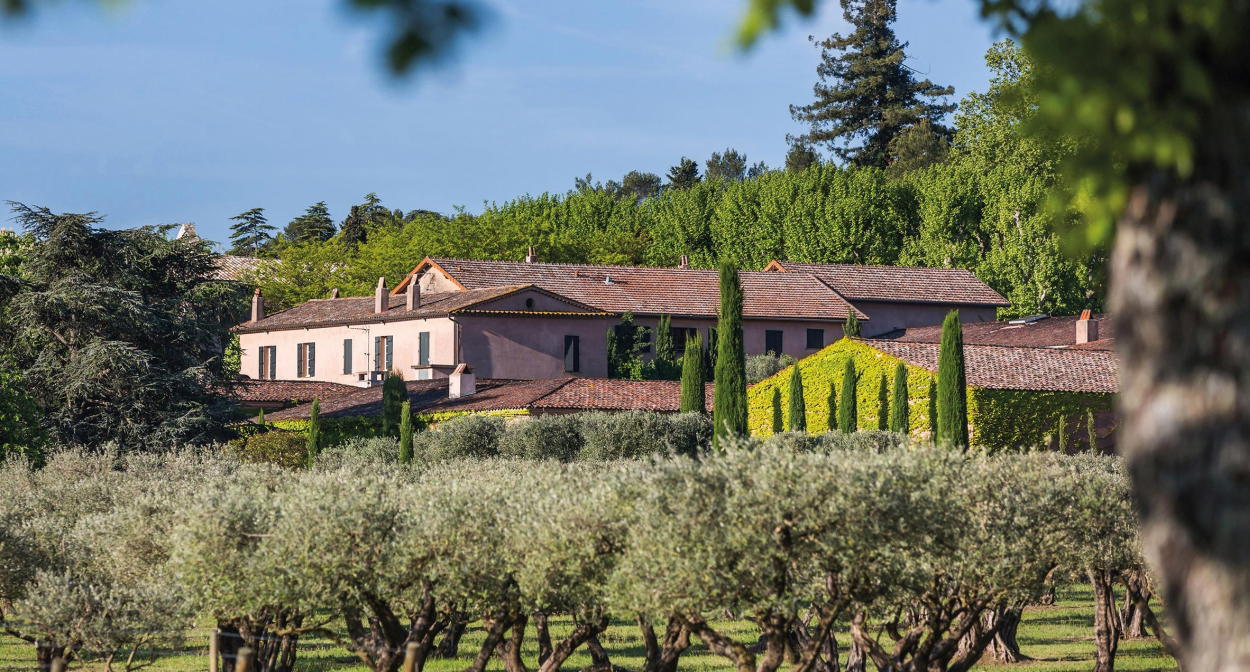
The estate represents the inland, more complex face of a region better known to most visitors for its rosé-driven coastal names.

Pearl is the En Primeur Club membership app — saves, bookings, and concierge access live there. Same editors, same standards.
- Address
- Route D48, 535 Rte de Collobrières, 83310 Cogolin
- Phone
- +33 4 94 95 48 48
- Website
- chateausaintmaur.com
- Directions
- Get directions
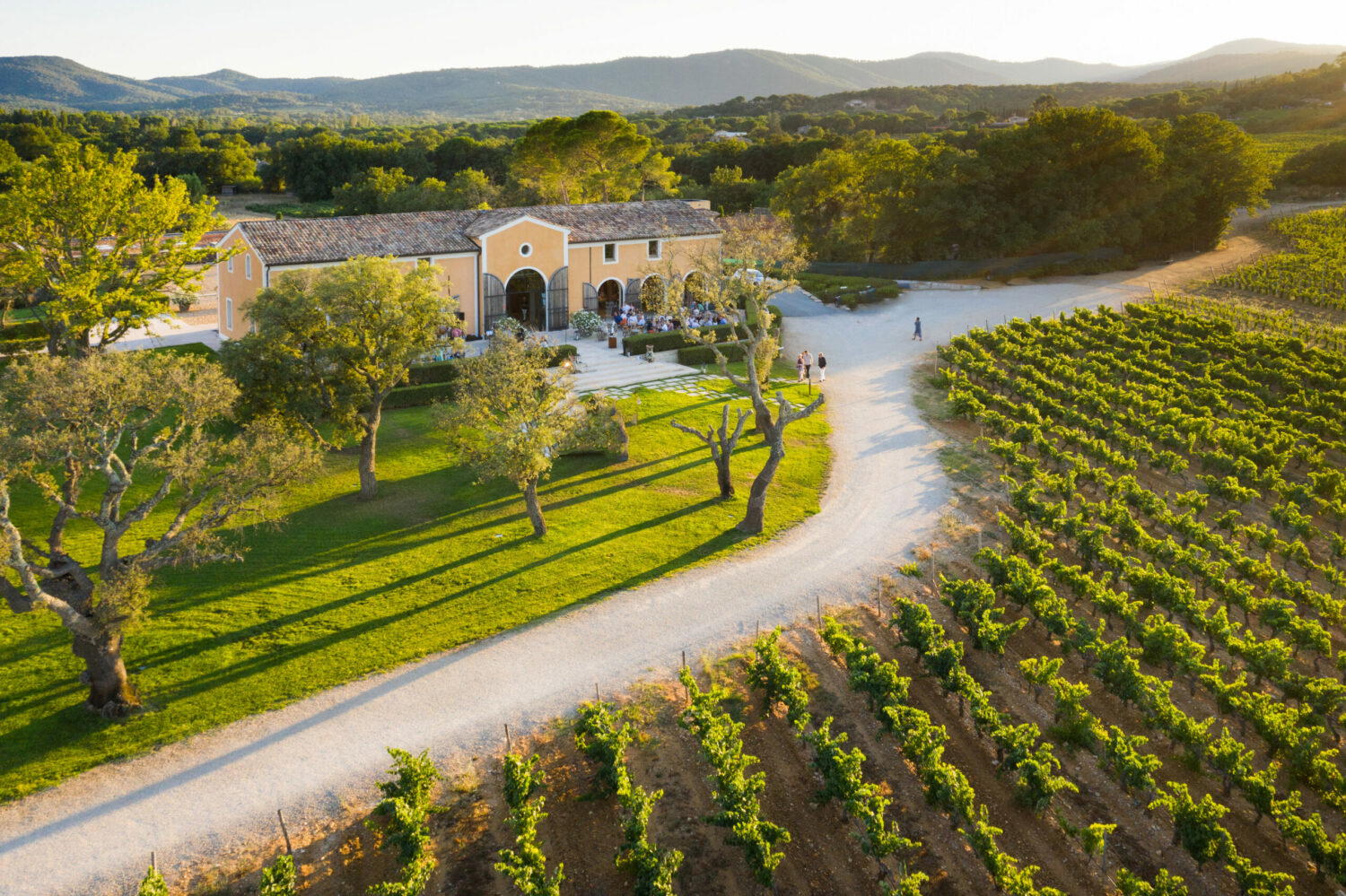
Arriving at the property, the surrounding cork forest and the silence of the hinterland set the tone before a single bottle has been opened. This is not the polished, photogenic Provence of the Luberon or the celebrity estates of the Var coast. It operates on different terms: quieter, more agricultural, oriented toward the vineyard rather than the view.
Terroir and the Maures Influence
The Maures Massif is one of the oldest geological formations in France, and the soils it produces are fundamentally different from the limestone-clay blends that dominate the Aix-en-Provence appellation to the west. The result, across producers in this zone, tends toward wines with tighter structure, lower yields, and a mineral quality that separates them from the fruit-forward, pale rosés the region exports by the pallet-load to the international market.
Winemaker Marc Monrose works within these constraints. In the context of Provence winemaking, a prestige-tier rating carries weight: the region's output is enormous, and the gap between mass-market rosé and estate-level production is considerable. Châteaux earning recognition at this level tend to be working with lower volumes, more attentive viticulture, and a clearer sense of what their specific site can produce.
For context, Provence's internationally known estate tier includes names like Château d'Esclans in Courthézon, whose Whispering Angel positioned pale Provençal rosé as a global lifestyle product. Château Saint-Maur operates in a different register: more production-focused in its inland character, less dependent on the coastal identity that has driven so much of the region's export success over the past two decades.
The Winemaking Position
Provence's premium tier has been reshaping itself. While the pale rosé category continues to grow internationally, a smaller cohort of producers has been working in a direction that prioritizes structure and site expression over immediate drinkability and color. The Maures corridor producers belong to this cohort by geography as much as by philosophy: the soils and elevation do not naturally produce the palest, most aromatic wines. They produce something with more grip, more minerality, and a longer arc.
Monrose's work at Château Saint-Maur falls into this pattern. The prestige-level recognition in 2025 is a data point that positions the estate clearly: it is not competing with entry-level Côtes de Provence négociant bottles, nor is it chasing the lifestyle-driven pricing of the coastal grand cru estates. It occupies the middle-upper band where craft credentials and site character matter more than brand recognition.
This is a useful comparison point for anyone moving between French wine regions. Producers earning similar prestige-tier signals in other appellations, such as Château Bastor-Lamontagne in Preignac or Château Batailley in Pauillac, operate within established classification systems that define their market position precisely. Provence lacks the same formal hierarchy, which means reputation and independent ratings carry more of the positioning burden.
Cogolin and the Context of the Var Interior
Cogolin itself is not a wine destination in the way that Pauillac or Saint-Émilion are organized around their appellations. It is a working Provençal town renowned for pipe-making and carpet weaving, and its wine producers sit on the edges of its agricultural land rather than at the center of any tourism infrastructure. Visitors arriving from Saint-Tropez, roughly eight kilometers to the southeast, will find the contrast immediate: the coast's density of summer visitors gives way quickly to quieter roads and fewer signposts. For visitors building an itinerary around wine and the table, this corridor offers a more coherent picture of Provençal food culture than the coast's restaurant-heavy summer scene. Our full Cogolin restaurants guide covers the wider picture for those planning time in the area.
Placing Château Saint-Maur in the Wider Estate Conversation
One useful frame for understanding where Château Saint-Maur sits is to compare it to estates in other French appellations that have built prestige-tier recognition without the scaffold of a historic classification system. Château Bélair-Monange in Saint-Émilion and Château Clinet in Pomerol operate within tighter classification frameworks, but the underlying question, what does this specific piece of land produce when worked carefully, is the same one Monrose is answering on the D48.
Alsace provides a different parallel. Albert Boxler in Niedermorschwihr has built a reputation for terroir-specific expression in a region where the grand cru system does the organizational work, but where individual producers still have to earn their credibility vintage by vintage. The challenge in Provence is doing the same without the appellation hierarchy as a shortcut.
Further afield, estates like Château Branaire Ducru in Saint-Julien, Château Boyd-Cantenac in Cantenac, Château Cantemerle in the Haut-Médoc, and Château Dauzac in Labarde all operate within the 1855 classification, where their position is fixed but their reputations still require active maintenance. The comparison illuminates how much harder the positioning task is in an appellation like Côtes de Provence, where no equivalent system exists and every estate must build its standing from scratch.
For those whose interests extend beyond France, the same terroir-first question arises at Accendo Cellars in St. Helena in Napa, where site-driven Cabernet production competes in an extremely crowded prestige tier, or at Château d'Arche in Sauternes, where botrytis and microclimate define what is possible more than any winemaking intervention can. The peak summer months bring traffic to the Saint-Tropez peninsula, and the D48 itself can be slow in July and August when the coastal roads overflow inland. Spring and autumn visits allow cleaner access and a better read of the property without the seasonal noise.
For those building a wine-focused itinerary through southern France that takes in the full range of regional expression, from the structured reds and whites of the interior to the pale rosés of the coast, the estate offers a reference point for what this particular corner of the Maures can produce when the land is given serious attention.
Side-by-Side Snapshot
Comparable venues nearby, for context on price, style, and recognition.
| Venue | Cuisine | Price | Awards | Notes |
|---|---|---|---|---|
| Château Saint-MaurThis venue — the venue you are viewing | Cinsault, Syrah | $20–30 | Not listed | Not listed |
| Château Phélan Ségur | Cabernet Sauvignon, Merlot | $30–50 | Falstaff Winery - Listed | Saint-Estèphe |
| Philip Shaw Wines | Winery | Not listed | Not listed | Orange |
| Château Malromé | Merlot, Cabernet Sauvignon | Not listed | Not listed | Saint-André-du-Bois |
| Domaine de la Vieille Julienne | Grenache, Syrah | Not listed | Not listed | Orange |
| Château d'Esclans | Grenache, Rolle | Not listed | Not listed | La Motte |
Continue exploring
More in Cogolin
Wineries in Cogolin
Browse all →
Bars in Cogolin
Browse all →
Restaurants in Cogolin
Browse all →
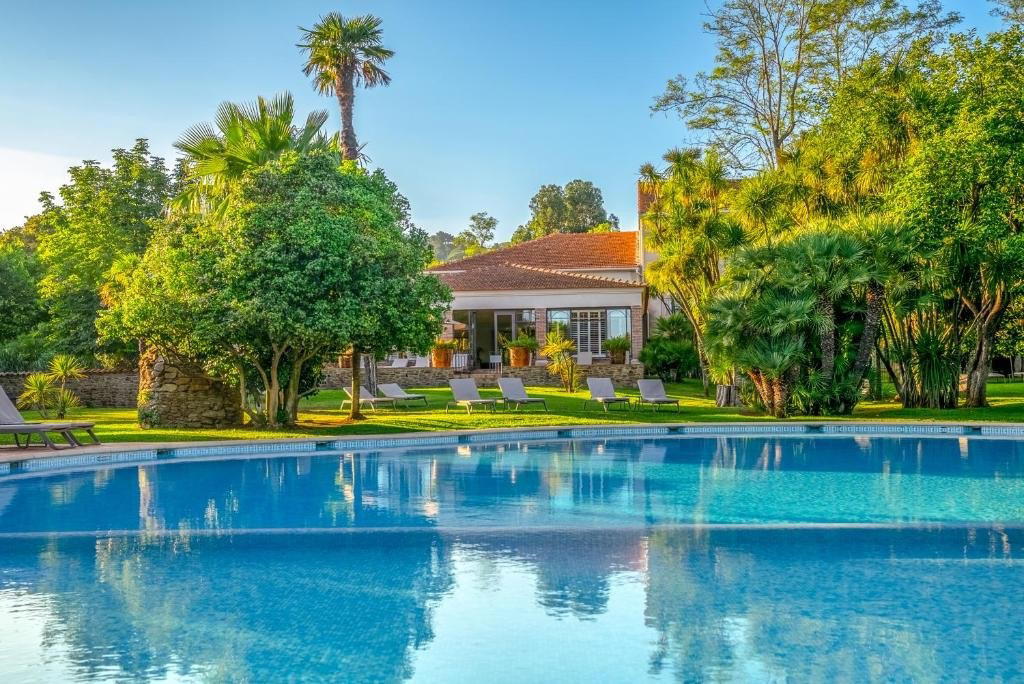
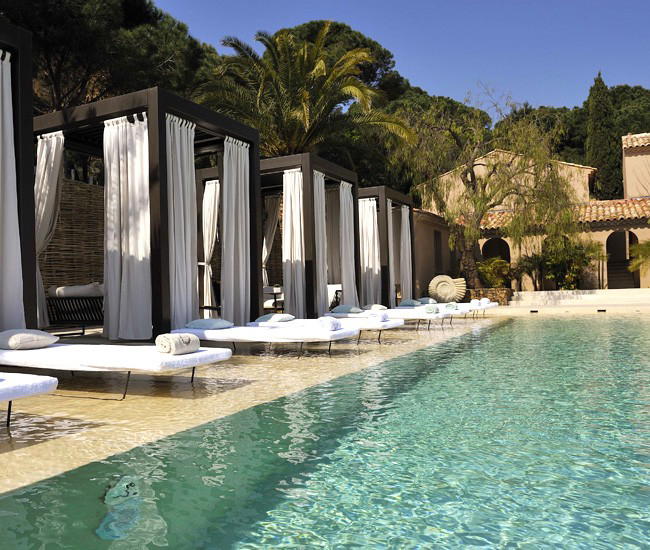
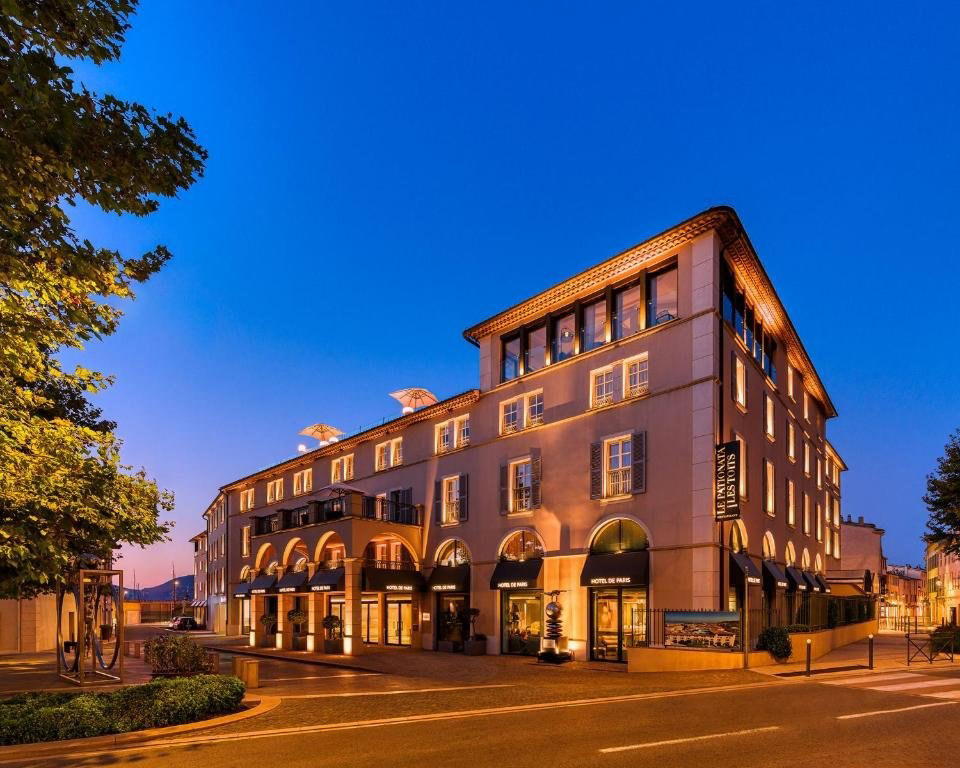
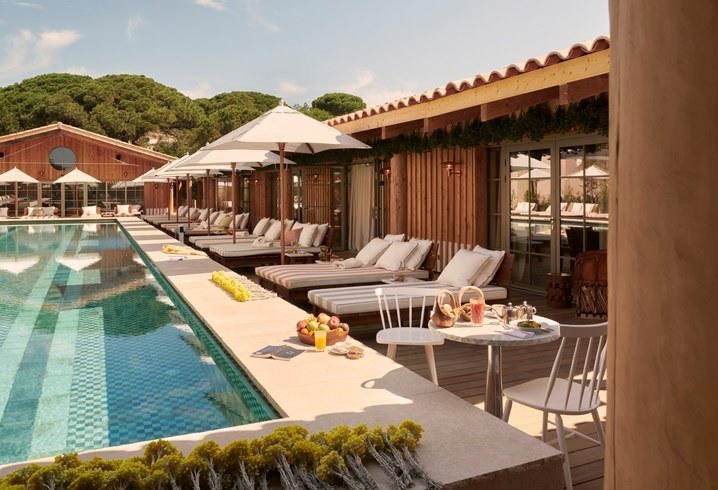
Details
- Elegant
- Scenic
- Rustic
- Sophisticated
- Wine Education
- Special Occasion
- Vineyard Tour
- Terrace
- Estate Grounds
- Private Tasting
- Sustainable
- Vineyard
- Cinsault
- Syrah
- Grenache
- Rolle
- Mourvèdre
- Carignan
- Still Rosé
- Still White
- Still Red
- Cave Tasting
- Private Tasting
- French
- English
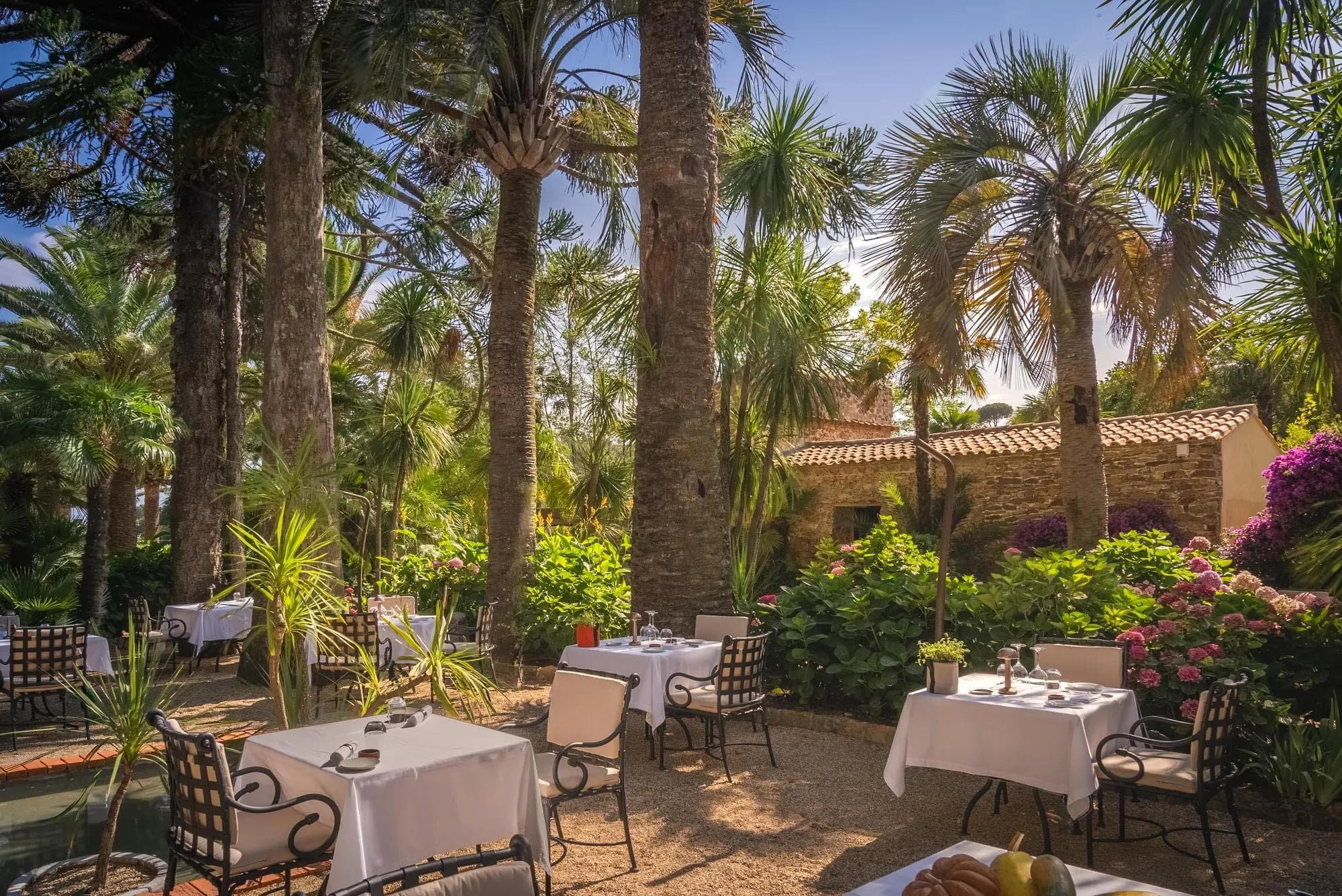
Luxurious sensory experience amid Provençal vineyards with modern high-tech cellars, terrace tastings, and views over the vineyards.