
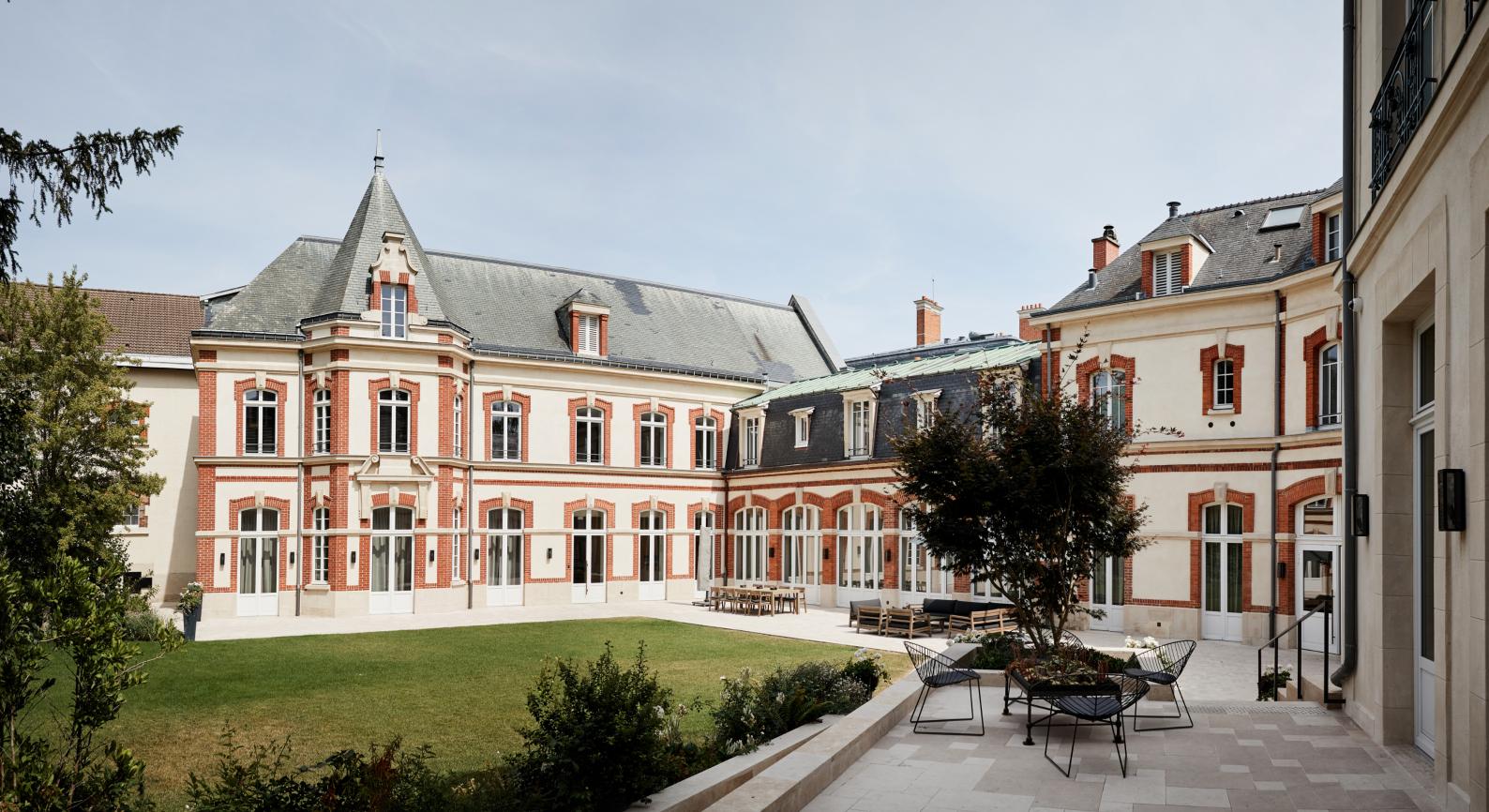
One of Champagne's oldest houses, founded in 1772 and shaped by the widow who gave it its name, Veuve Clicquot Ponsardin operates from Reims as both a working producer and a destination in its own right.
Pearl is the En Primeur Club membership app — saves, bookings, and concierge access live there. Same editors, same standards.
- Address
- 1 Rue Albert Thomas, 51100 Reims, France
- Phone
- +33326895390
- Website
- veuve-clicquot.com
- Directions
- Get directions
 Saves & bookings on Pearl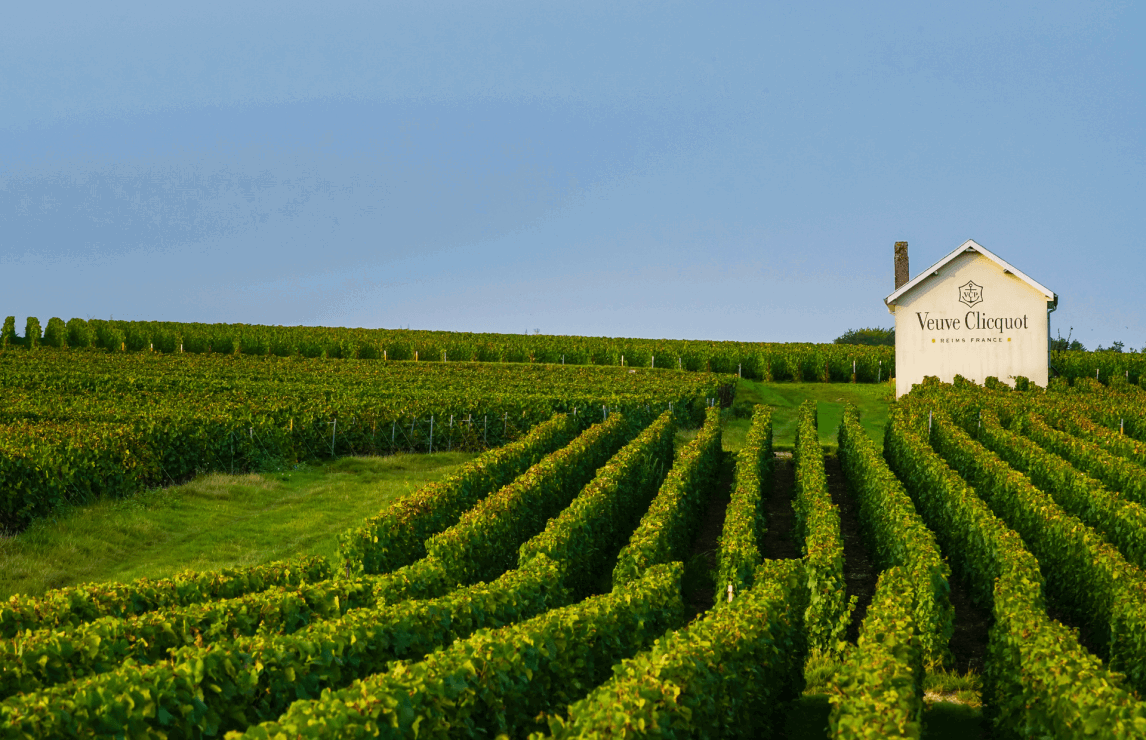
What the Chalk Tells You Before You Open a Bottle
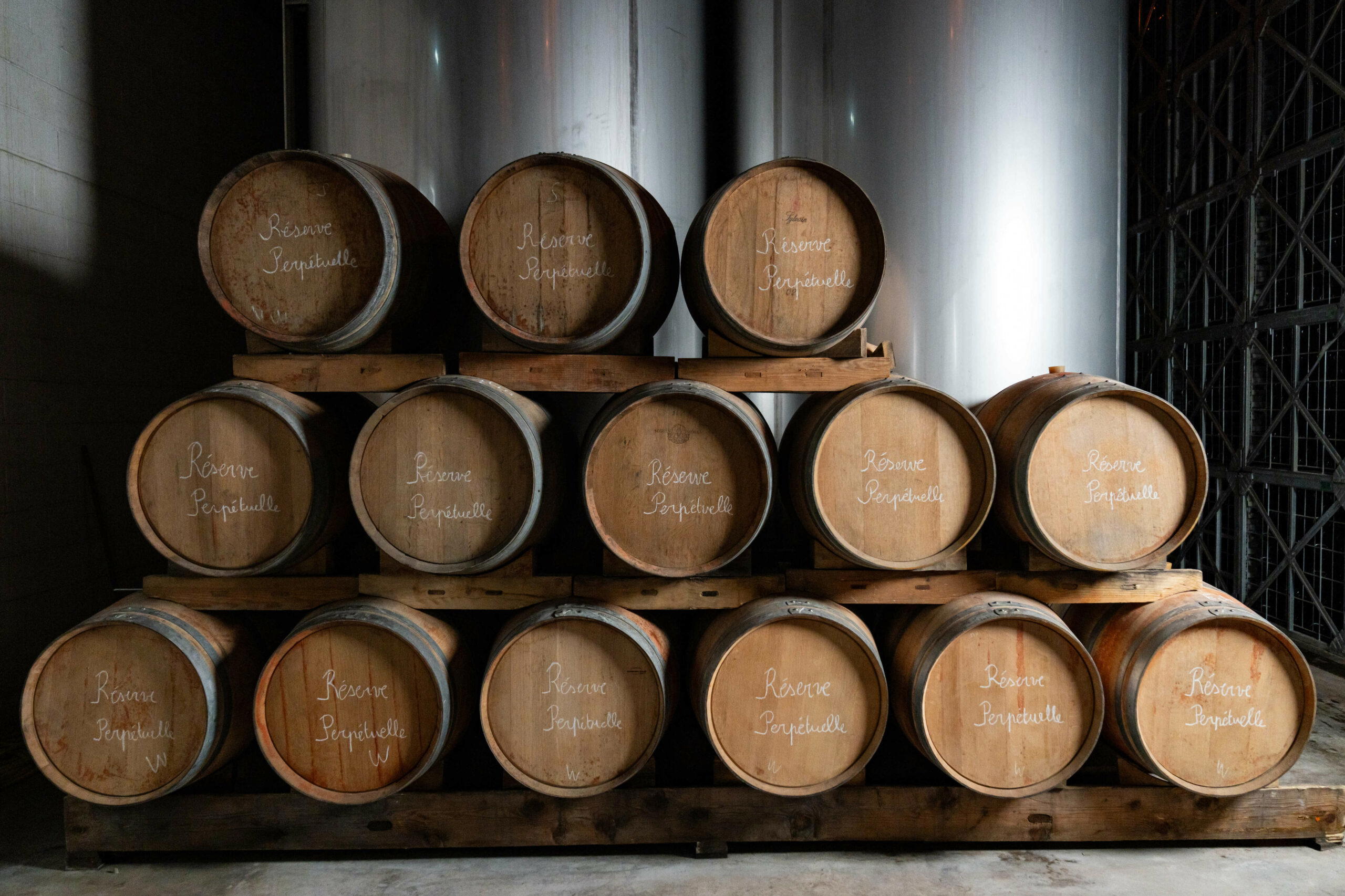
Reims sits above roughly 250 kilometres of chalk tunnels, and the temperature down there — a steady 10 to 12 degrees Celsius — is the foundational fact of Champagne production. Walking the cellars beneath the city, whether under the boulevard leading to Pommery's neo-Gothic buildings or through the passages at 1 Rue Albert Thomas, the physical environment makes the argument before a single word of marketing does. The chalk absorbs humidity, maintains consistency across seasons, and creates the conditions that allow houses to hold reserve wines for years. At Veuve Clicquot Ponsardin, that underground architecture connects a founding date of 1772 to every bottle of Yellow Label on a restaurant list today.
The house predates the appellation system, predates most of the Grandes Marques grouping, and predates the industrialisation of Champagne production by several decades. Among its nearest peers in the prestige Reims tier, Krug, Charles Heidsieck, Henriot, Bruno Paillard, it occupies the longest continuous operating history of the group. That longevity is not merely trivia. It reflects an accumulation of reserve wine stock, supplier relationships, and house-style institutional memory that newer operations cannot replicate at equivalent scale.
The Widow, the Method, and the House Style
The house carries its historical significance in its name. Barbe-Nicole Clicquot took over the business following her husband's death in 1805 and steered it toward international export at a time when most producers were still selling regionally. Her team's development of the riddling table (pupitre) in the early nineteenth century addressed one of the central production challenges of the era: how to clarify wine in bottle without losing the effervescence. The technique spread across the region and became standard practice. Within Champagne history, Veuve Clicquot's contributions to method sit alongside those of Dom Pérignon as documented industrial and technical innovations rather than promotional mythology.
That history shapes how the house positions itself today. The house's current cellarmaster, Didier Mariotti (who succeeded Dominique Demarville), maintains a blending philosophy built around the Yellow Label non-vintage and a series of prestige cuvées including La Grande Dame. Non-vintage Champagne at this level is an exercise in consistency across thousands of individually variable parcels and multiple harvest years simultaneously, a logistical and palate challenge that distinguishes these operations from vintage-focused estates elsewhere in France such as Albert Boxler in Niedermorschwihr or Burgundy-model producers who work parcel by parcel within a single season.
Champagne as a Pairing Format, Not a Toast
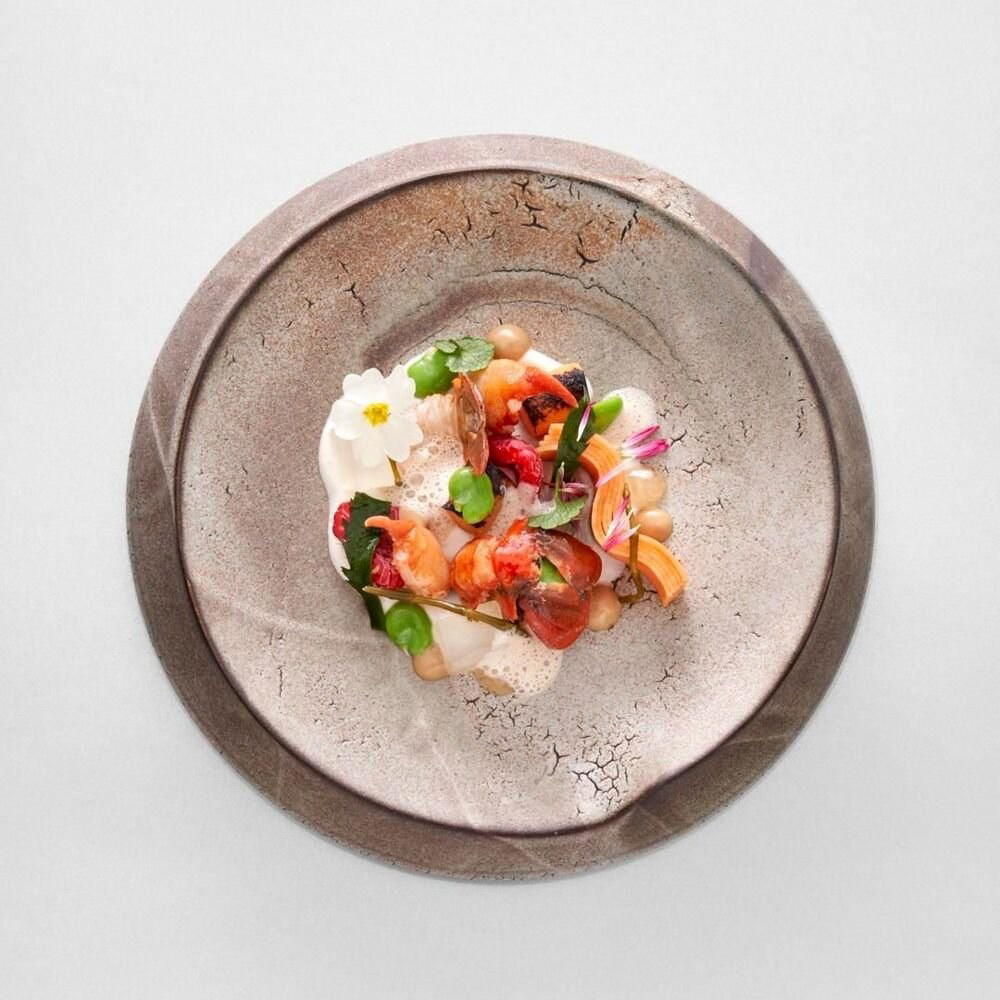
The editorial angle that gets underused when writing about Champagne houses is food. The category spent decades defined by occasion, arrivals, celebrations, the first pour at a tasting menu, rather than by the table itself. That framing has shifted. The high acidity, autolytic texture from extended lees aging, and natural salinity in Reims-based blends make Champagne a direct pairing instrument across a wider range of dishes than its occasion associations suggest.
Non-vintage Brut from houses at this tier, with its blend of Pinot Noir, Pinot Meunier, and Chardonnay, handles fatty fish, soft cheeses, and fried preparations without the wine being overwhelmed. The prestige cuvée end of the range, La Grande Dame, for instance, with its Chardonnay-dominant assemblage and longer élevage, moves into territory where pairing with shellfish, aged Comté, or even light poultry preparations produces more complex interactions than most still wines at the same price point. For visitors to Reims planning to build around the cellar experience and a meal, the city's restaurant scene offers credible options across price ranges; our full Reims restaurants guide covers the current landscape in more detail.
Champagne houses at this tier have also extended the pairing format into programmatic events. Tastings structured around food rather than flight order have become more common across the Grandes Marques houses over the past decade, partly as a response to a travel audience arriving with more knowledge and higher expectations than the cellar-tour visitor of twenty years ago. It is a shift visible across comparable prestige producer experiences in other French regions, from spirits producers like Chartreuse in Voiron to the Bordeaux classified estates, Château Batailley in Pauillac, Château Branaire Ducru in St-Julien, Château Boyd-Cantenac in Cantenac, where the hospitality programme has become as deliberate as the winemaking itself. In Champagne, Veuve Clicquot has moved in the same direction: Les Caves, its cellar experience, is bookable in advance and structured to go beyond the basic production walkthrough.
Reims concentrates several of the world's most visited wine estates within a few kilometres of each other. That density creates a comparison problem for visitors: at what tier does Veuve Clicquot sit, and how does it differ from the houses alongside it? The answer requires separating scale, style, and ownership context. The house is part of the LVMH portfolio, which it shares with Krug and Moët and Chandon among others. That group ownership model differs from the family-held structures at Henriot or Bruno Paillard, and it shapes production scale, reserve wine policy, and the degree to which the house style is maintained against commercial volume pressures.
At the prestige cuvée level, Veuve Clicquot competes directly with Krug's multi-vintage Grande Cuvée and Charles Heidsieck's Blanc des Millénaires for the attention of collectors and high-end restaurant buyers. The Yellow Label sits in a different conversation entirely, it is a volume reference point for the whole non-vintage Brut category, its bright yellow label functioning as the visual shorthand for the style globally. For comparative depth, producers in other French appellations built on similarly long institutional histories include Château Bélair-Monange in Saint-Emilion and Château Bastor-Lamontagne in Preignac, both of which occupy reference-estate status within their own appellations at a different price tier.
Planning a Visit
The cellar address is 1 Rue Albert Thomas, 51100 Reims. Reims is approximately 45 minutes from Paris by TGV, with frequent daily departures from Gare de l'Est, making it realistic as a day trip or the anchor of a short Champagne itinerary that extends east toward Épernay. Cellar visits at Veuve Clicquot are bookable in advance through the house's hospitality channels; given the volume of visitors Reims draws, particularly between May and October, early booking is advisable. The house website and direct contact details should be confirmed at the time of planning, as tour formats and seasonal availability change. For producers operating in the same travel circuit beyond the Champagne region, Accendo Cellars in St. Helena and Aberlour in Aberlour represent different ends of the premium estate visit format, small Napa allocation wine on one side, a working Scottish distillery with its own walk-in tradition on the other.
The house's founding date of 1772, its documented technical contributions to the method, and its sustained presence across both the non-vintage and prestige cuvée market tiers make it a point of orientation for understanding where the whole category has come from and where its commercial centre of gravity currently sits.
Recognition history
Dated appearances from independent guides and award organizations, with the underlying list record or original source where available.
World's 50 Best Best Vineyards #51
World's 50 Best
World's 50 Best Best Vineyards #46
World's 50 Best
World's 50 Best Best Vineyards #38
World's 50 Best
Continue exploring
More in Reims
Wineries in Reims
Browse all →
Bars in Reims
Browse all →
Restaurants in Reims
Browse all →
At a Glance
- Elegant
- Classic
- Well Known
- Sophisticated
- Historic
- Celebration
- Special Occasion
- Wine Education
- Cave Tasting
- Historic Building
- Vineyard
- Champagne AOC
- Pinot Noir
- Sparkling
- Still Rosé
- Guided Tasting
- Vintage Tasting
Current opening hours
- Monday
- Closed
- Tuesday
- 9:30 AM–5 PM
- Wednesday
- 9:30 AM–5 PM
- Thursday
- 9:30 AM–5 PM
- Friday
- 9:30 AM–5 PM
- Saturday
- 9:30 AM–5 PM
- Sunday
- 9:30 AM–5 PM
Hours can change for holidays and private events. Last verified .
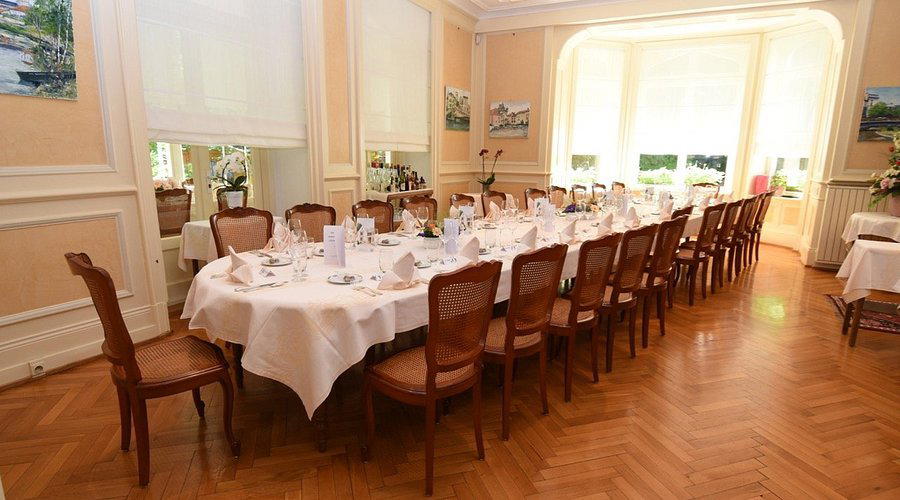
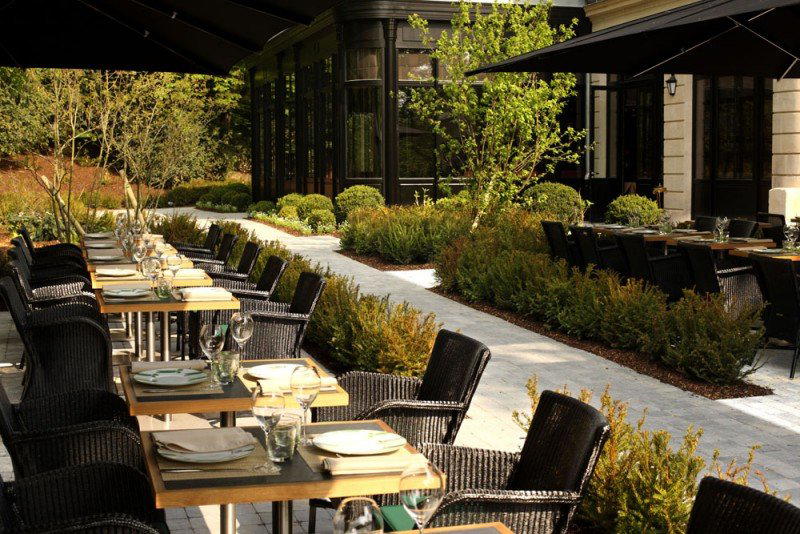
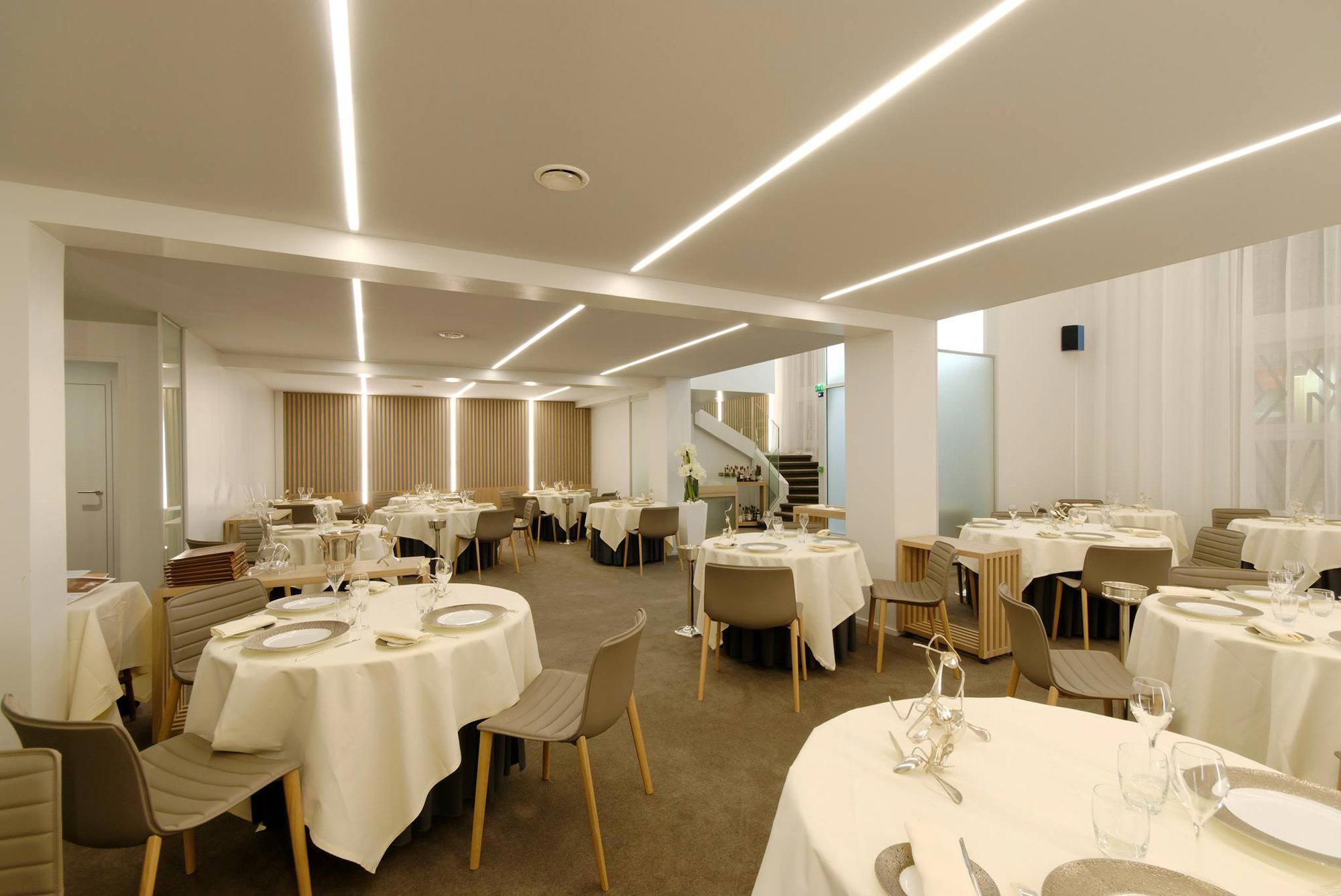
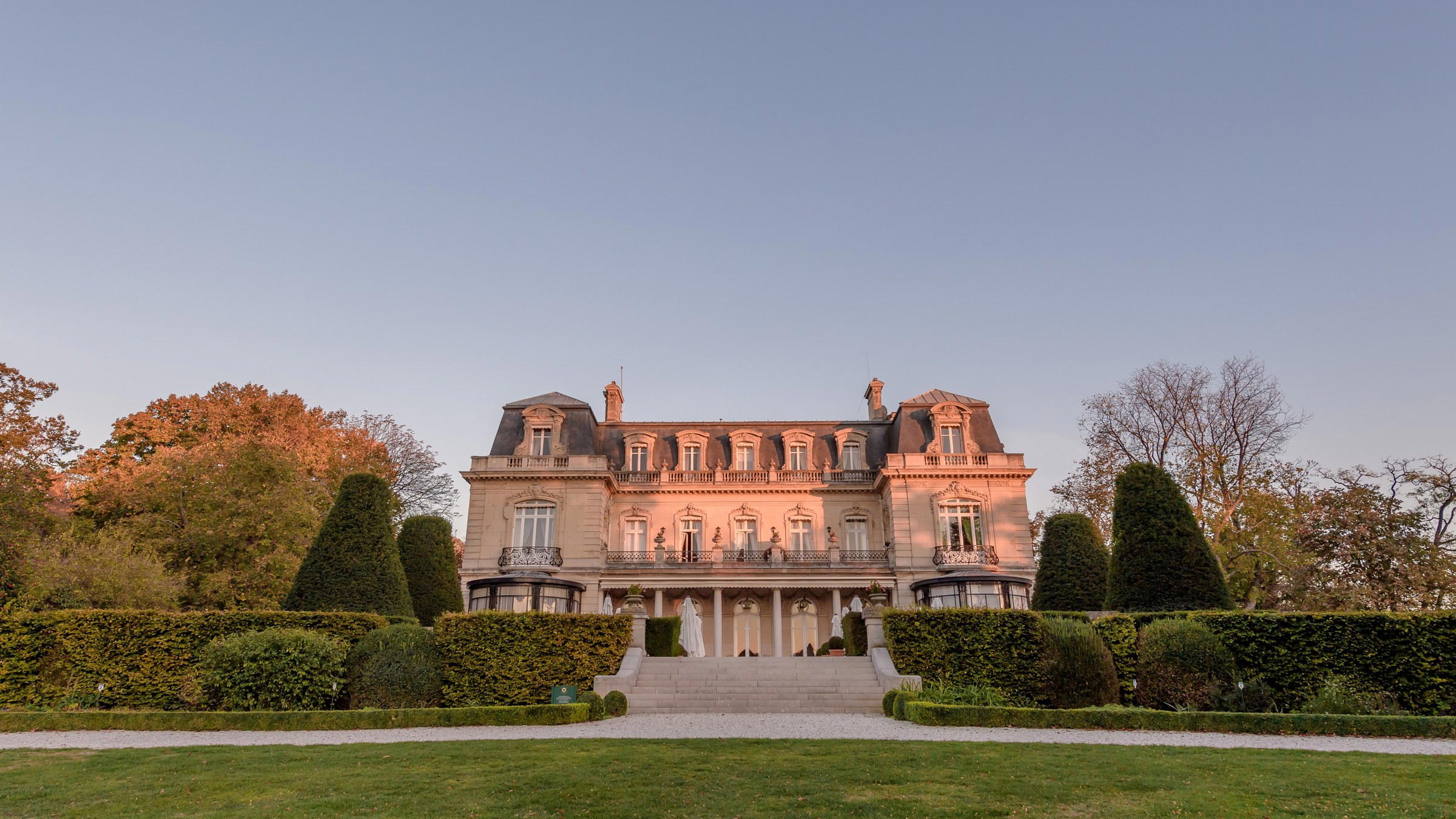
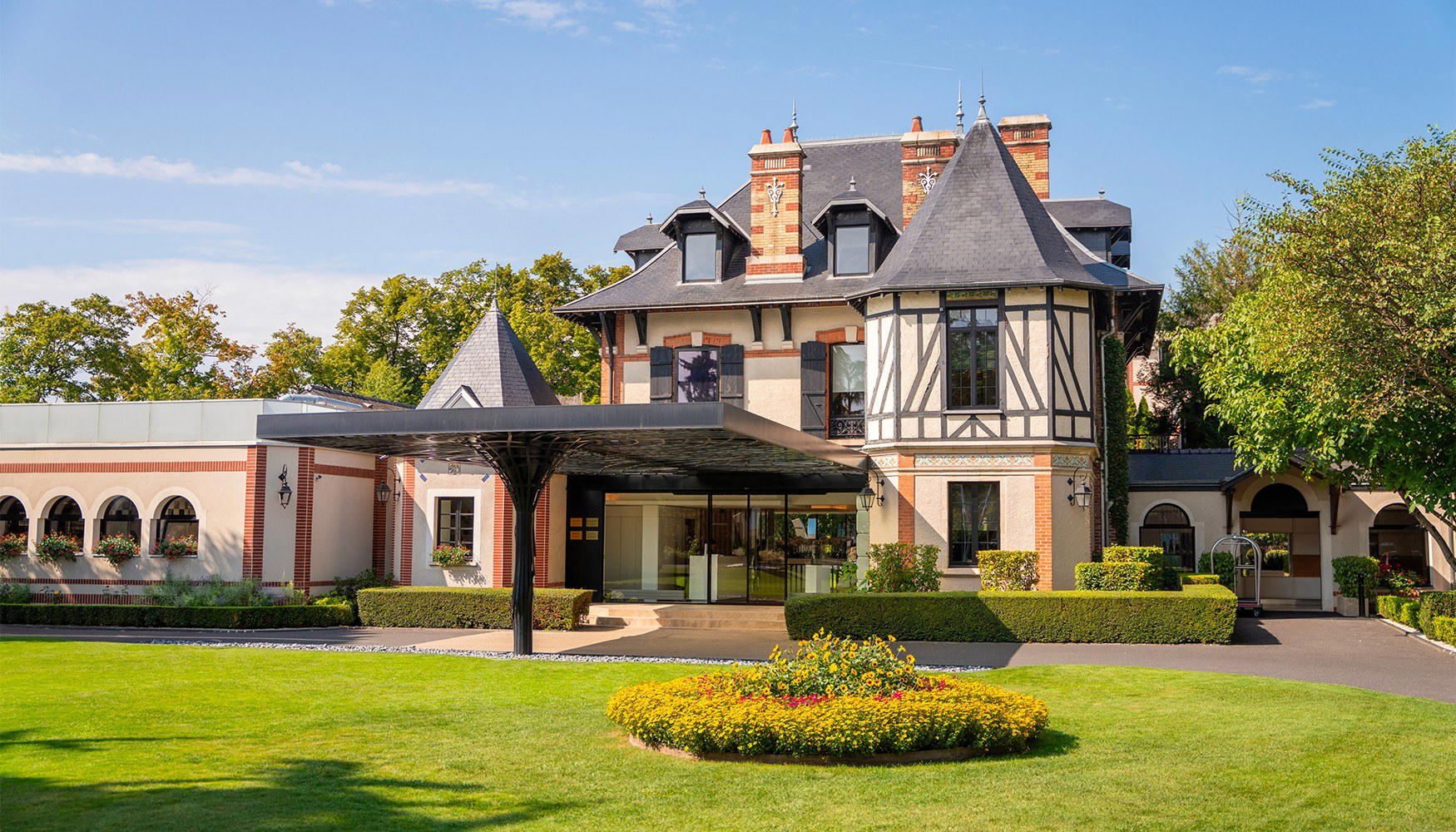
Elegant and historic atmosphere in underground chalk cellars with informative guided tours.
Know Before You Go
- Getting there
- 1 Rue Albert Thomas, 51100 Reims, France