Cascina Vèngore

Falstaff Winery - Listed
Cascina Vèngore frames Piedmont through land rather than spectacle: organic vineyards, woodland, a Roman-origin estate setting, and native varieties in Terre Alfieri DOCG. The draw is the way Nebbiolo, Barbera, and Arneis are tied to a compact amphitheater of vines, with guided tasting formats built around terroir, farming, and the quiet agricultural character of Cisterna D Asti.
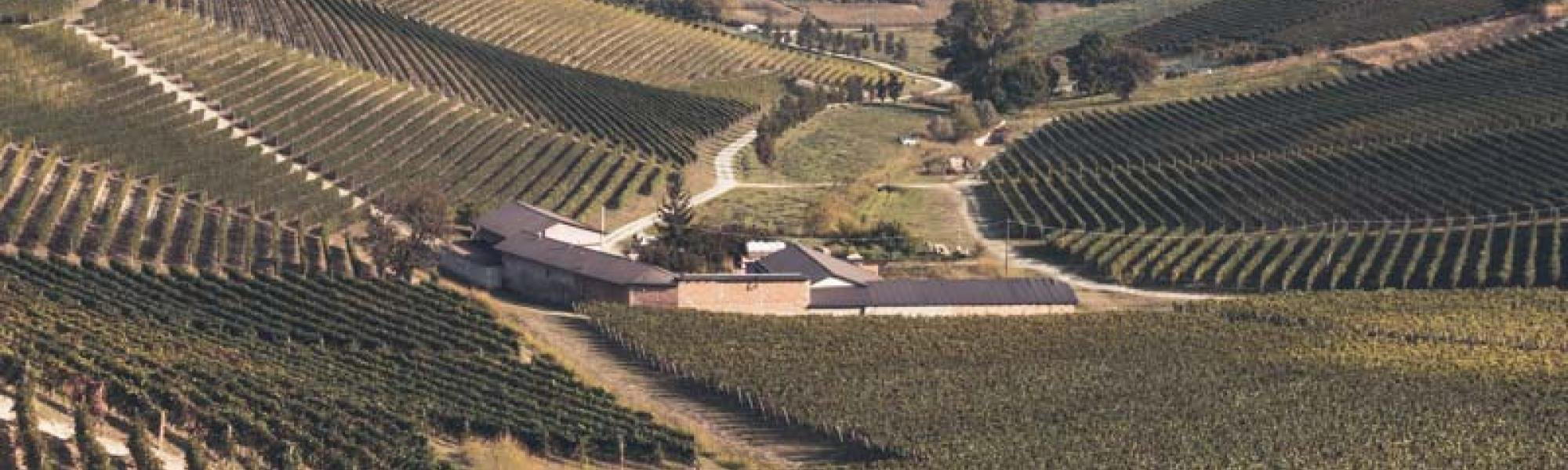
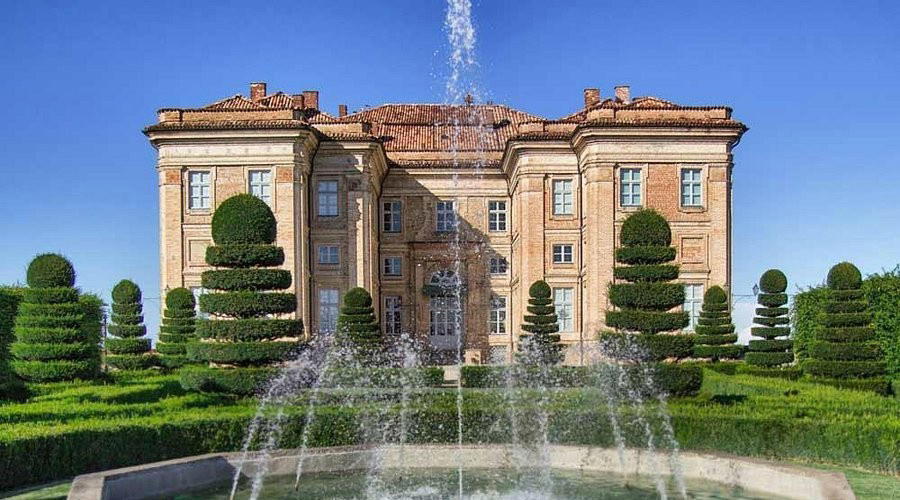
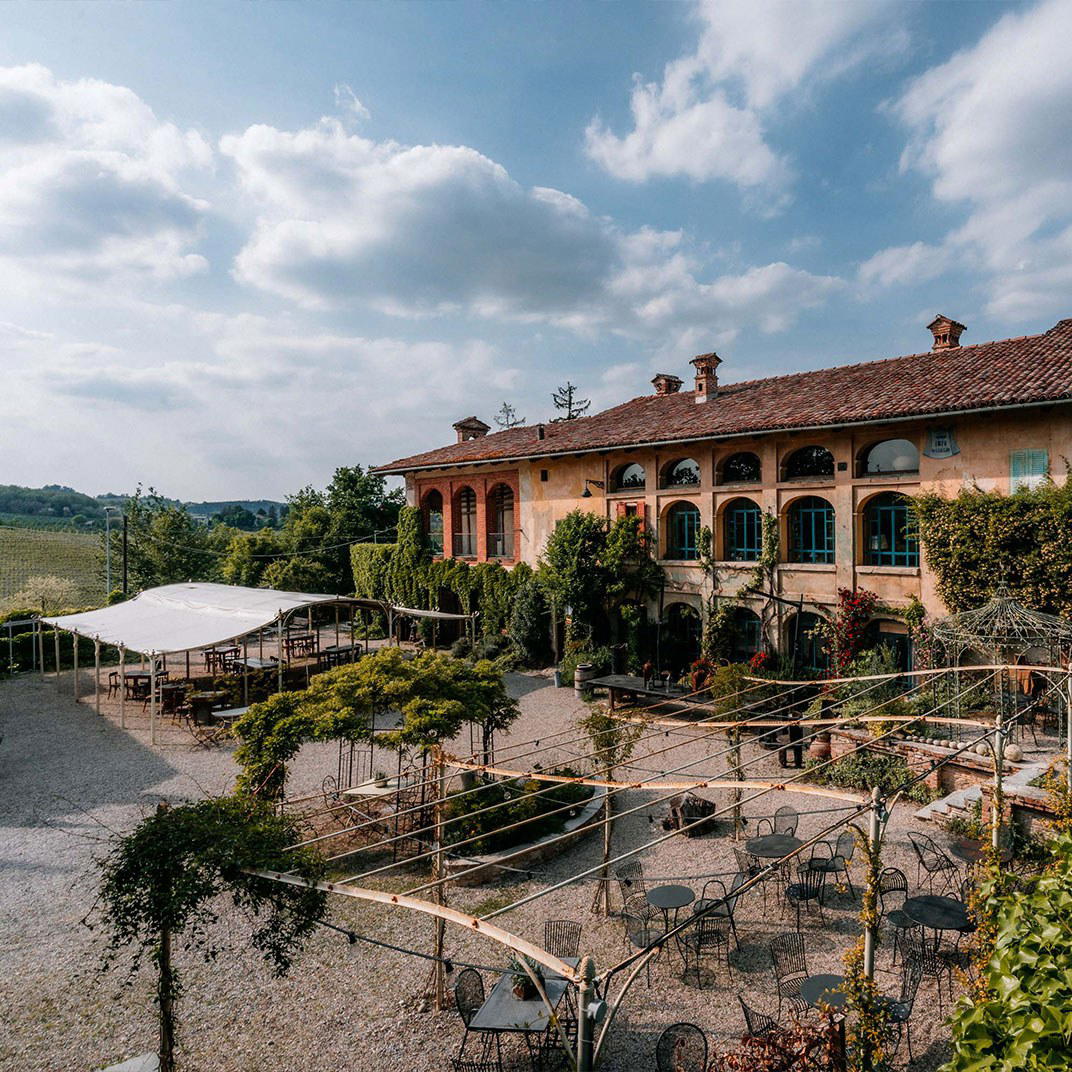
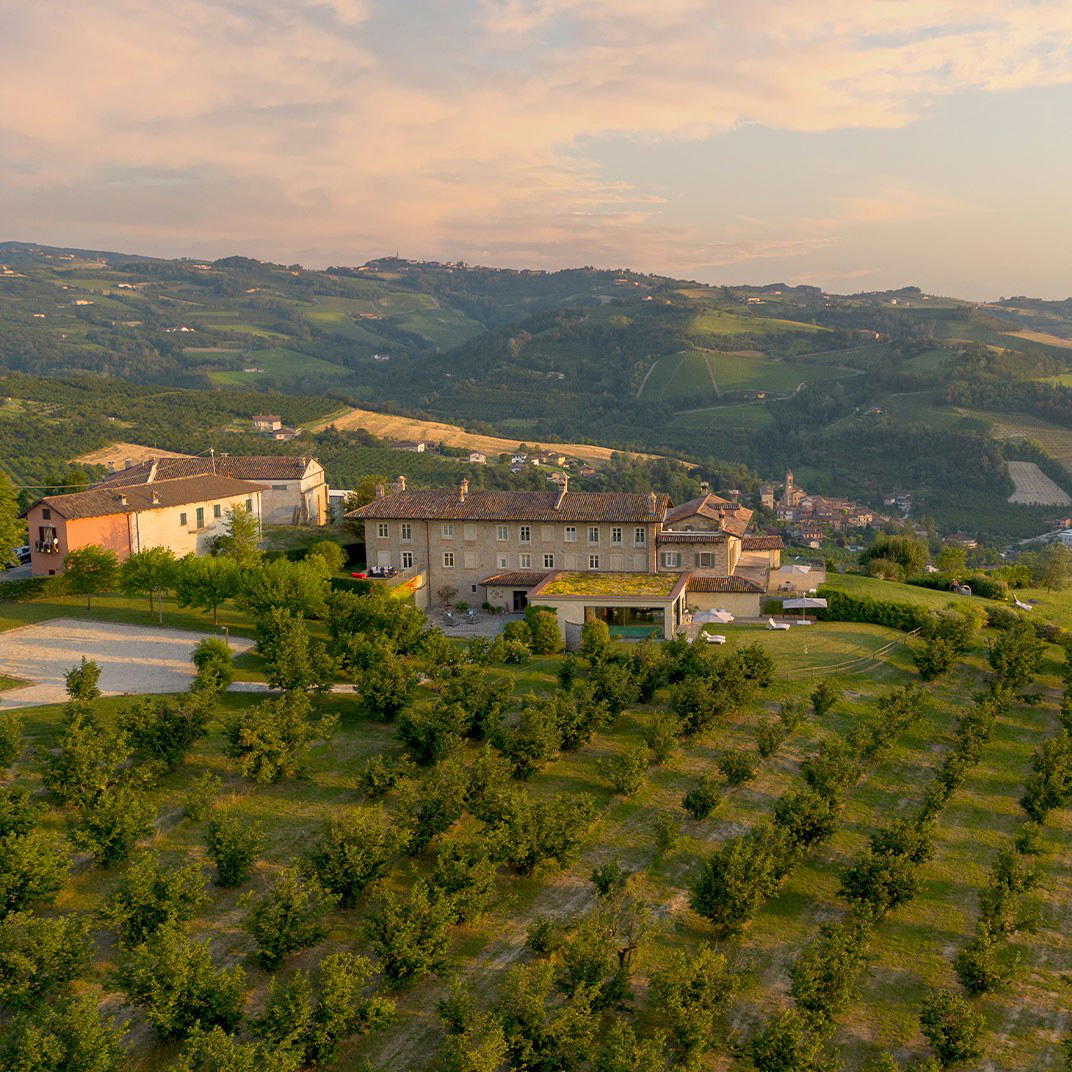
Approach the wine country around Cisterna D Asti and Piedmont changes register. The grand names of Langhe and Roero sit nearby, but Terre Alfieri speaks in a quieter dialect: smaller holdings, softer tourism pressure, and wines that depend on the conversation between slope, soil, and native grapes rather than cellar theatre. Cascina Vèngore belongs to that idiom. Its setting is a Roman-origin estate arranged around a traditional Piedmontese farmhouse, with organic vineyards, adjacent woodland, and a permanent spring giving the visit a more agricultural rhythm than a polished tasting-room circuit.
This is not a region where terroir needs to be reduced to slogan. The estate works 16 hectares of vines within a 26-hectare property, leaving 10 hectares to woodland. That ratio matters. In a part of Piedmont where biodiversity is increasingly used as both farming method and tourism language, the land here gives the experience its structure: vines, tree cover, water, and the enclosed topography of a natural amphitheater. The result is a visit that suits travelers who want to understand why Terre Alfieri DOCG has its own voice rather than treating it as an appendix to better-known Piedmont addresses.
Terre Alfieri through Nebbiolo, Barbera, and Arneis
Piedmont often sells itself through hierarchy, but Terre Alfieri is more interesting when read through texture and place. Cascina Vèngore focuses on Nebbiolo, Barbera, and Arneis, three native varieties that give a concise map of local intent: Nebbiolo for structure and aromatic tension, Barbera for acidity and red-fruited energy, Arneis for the white-wine argument of the area. The appellation bridge between Langhe, Roero, and Monferrato is not just geography; it explains why the estate’s identity sits between familiar Piedmontese power and a more pastoral, less formal register.
The vineyard details sharpen that argument. Soils include marine fossils, sand, clay, limestone, and silt, the kind of mixed geological base that makes blanket descriptions of Piedmontese wine feel lazy. Elevations are listed between 200 and 500 meters, broad enough to create variation in ripening and exposure across the property. Fermentation and aging follow a restrained toolkit: stainless steel, amphorae, and large Slavonian oak barrels, with wines spending time on lees in steel. Those choices place emphasis on freshness, texture, and site rather than new-oak polish.
The estate’s production story also reflects a wider shift in premium European wine tourism. Visitors increasingly expect farming practice to be legible, not hidden behind a tasting bar. Here, organic and biodynamic agriculture are central to the narrative, with grass cover cropping, regenerative language, and a production scale that remains small enough for the vineyard to stay in view. The estate was opened in 2012 and moved into organic farming in 2016, giving it a contemporary frame inside a family wine lineage associated with Cantine Povero. For readers mapping the local scene, nearby winery pages such as Cantine Povero, Azienda Agricola Pescaja, Pescaja, Tenuta La Pergola, and Tenuta Laramè help place Cisterna D Asti’s wine identity in a broader local frame without forcing false equivalence.
A tasting shaped by landscape, not performance
Hospitality format is strongest when treated as a vineyard-led experience. Guided tastings, vineyard tours with tasting, and private tasting formats make sense here because the estate’s selling point is not a single trophy bottle but the relationship between land use and wine style. The atmosphere is quiet, rustic, and intimate, with outdoor seating and vineyard, garden, and mountain views listed among the setting signals. That combination makes the property better suited to slow wine education than to high-volume tasting-room traffic.
Practical rhythm is also clear. Visits are by reservation, the tour duration is listed at 60 to 90 minutes, and tasting formats are available in German, English, French, and Spanish. The estate is dog friendly, accepts cash, credit card, and debit card, and has on-site parking. Accessibility is noted with wheelchair access. Food pairing is available, but the editorial center remains wine and land, particularly for travelers interested in how organic farming, protected woodland, and native grapes can work as a single agricultural system.
Recognition adds useful context without turning the visit into an awards chase. The estate’s wines have received Berliner Wein Trophy gold medals, and several bottlings carry Wine Press scores in the mid-80s, including Arneis, Barbera, and Nebbiolo labels from recent vintages. Those signals matter less as bragging rights than as external confirmation that this is not simply a scenic farmhouse stop. The craft has enough critical footprint to support the agronomic story.
How to place it in a Cisterna D Asti itinerary
Cisterna D Asti rewards travelers who build days around proximity, appetite, and pace rather than headline collecting. A wine visit here pairs naturally with a broader look at the town’s eating and drinking options through our full Cisterna D Asti restaurants guide, our full Cisterna D Asti bars guide, and our full Cisterna D Asti hotels guide. For wine-focused planning, our full Cisterna D Asti wineries guide and our full Cisterna D Asti experiences guide give the cleaner framework.
For travelers following Italian wine beyond Piedmont, the contrast becomes part of the education. Compare the agricultural quiet of Terre Alfieri with other regional wine addresses in the wider EP Club library, from 3GP SRL in Treviso and 47 Anno Domini in Trebaseleghe to A Mano Wine in Noci. For a broader European lens, »der Steiner« Hans Steiner in Podersdorf am See and & Handwein in Mannheim underline how small estates increasingly use farming, site, and low-capacity hospitality as the real luxury cue.
The editorial case for Cascina Vèngore is simple: it gives Terre Alfieri a readable shape. The estate’s amphitheater setting, organic vineyard work, native varieties, and woodland buffer make the wine feel tied to an actual farm rather than a generic Piedmont tasting template. For travelers who care about soil, slope, and farming decisions, that is the point.
Frequently asked questions
What's the general vibe of Cascina Vèngore?
It feels quiet, rustic, and scenic, with a historic Piedmontese farmhouse set inside a natural amphitheater of organic vineyards and woodland. The setting in Cisterna d'Asti is paired with outdoor seating and a reservation-only visit format.
What's Cascina Vèngore's location?
Cascina Vèngore is located at Cisterna d'Asti, Piedmont, Italien, Cisterna D Asti.
What should I budget for Cascina Vèngore?
Pricing at Cascina Vèngore is listed as $22 per person.
What's the main draw of Cascina Vèngore?
The draw is the estate setting itself: a Roman-origin property in Terre Alfieri with guided tastings, vineyard tours with tasting, and private tasting options. The wine focus centers on Nebbiolo, Barbera, and Arneis, with an on-site lot and a $22 per person price point.
Do they take walk-ins at Cascina Vèngore?
Cascina Vèngore is listed as by reservation, with recommended booking rather than walk-in access. That format fits a small-capacity estate in Cisterna d'Asti where tastings and tours are timed around the visit.
What kind of traveler is Cascina Vèngore a good fit for?
It suits travelers planning a wine-led stop in Cisterna d'Asti, especially for wine education, romantic getaways, or a quiet group outing. The 60–90 minute tour duration, wheelchair accessibility, and dog-friendly policy make it practical as well as scenic.
Recognition history
Dated appearances from independent guides and award organizations, with the underlying list record or original source where available.
Falstaff Winery - Listed
Falstaff
Request a visit to Cascina Vèngore
Tell us when you would like to go and how many people, and we put the request to the estate and reply to you by email.
Continue exploring
More in Cisterna D Asti
Wineries in Cisterna D Asti
All wineries in Cisterna D Asti →
Bars in Cisterna D Asti
Browse all →
Restaurants in Cisterna D Asti
Browse all →

Details
- Scenic
- Rustic
- Romantic
- Intimate
- Classic
- Romantic Getaway
- Group Outing
- Solo Exploration
- Wine Education
- Special Occasion
- Vineyard Tour
- Estate Grounds
- Panoramic View
- Historic Building
- Private Tasting
- Organic
- Biodynamic
- Sustainable
- Vineyard
- Garden
- Mountain
- Nebbiolo
- Barbera
- Arneis
- Still Red
- Still White
- Still Rosé
- Sparkling
- Fortified
- Dessert
- Guided Tasting
- Vineyard Tour With Tasting
- Private Tasting
- German
- English
- French
- Spanish
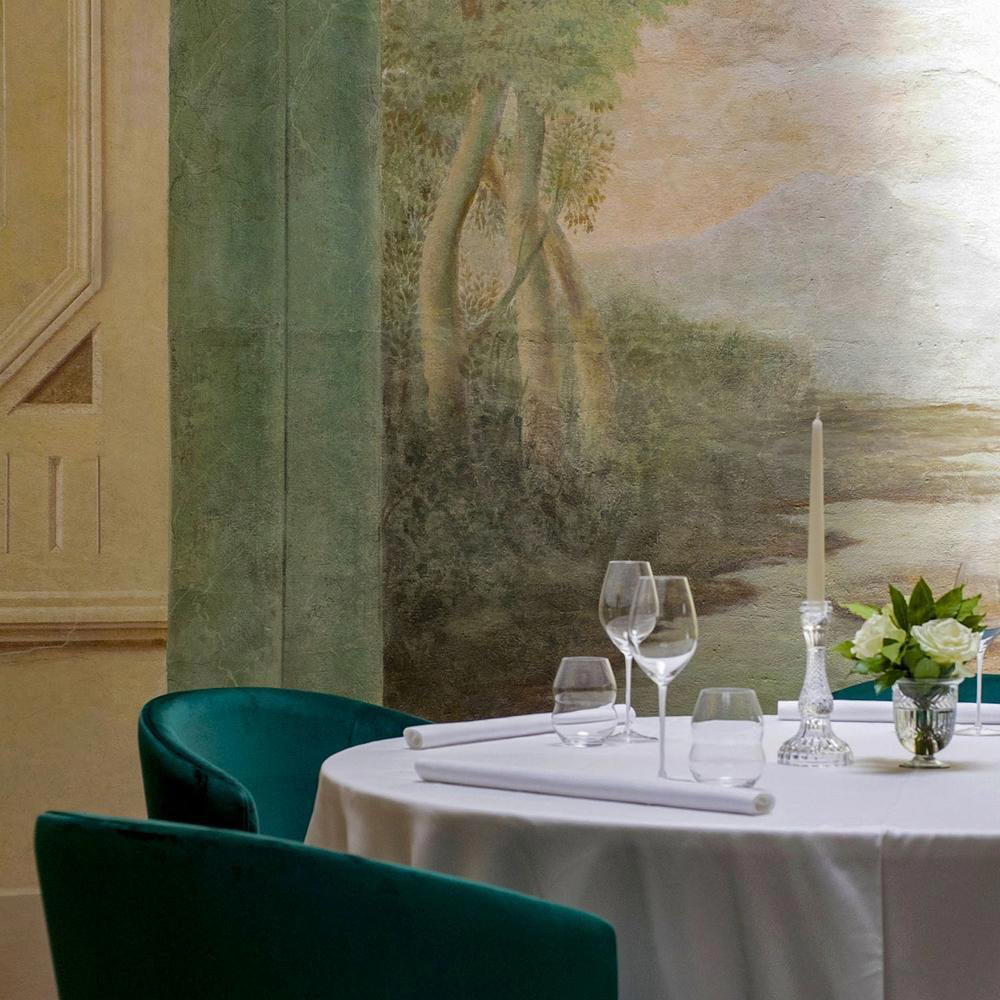
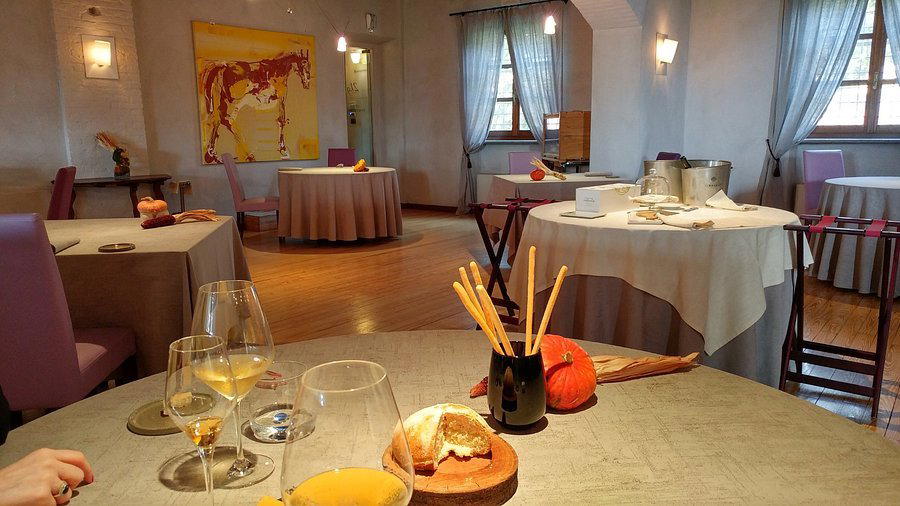
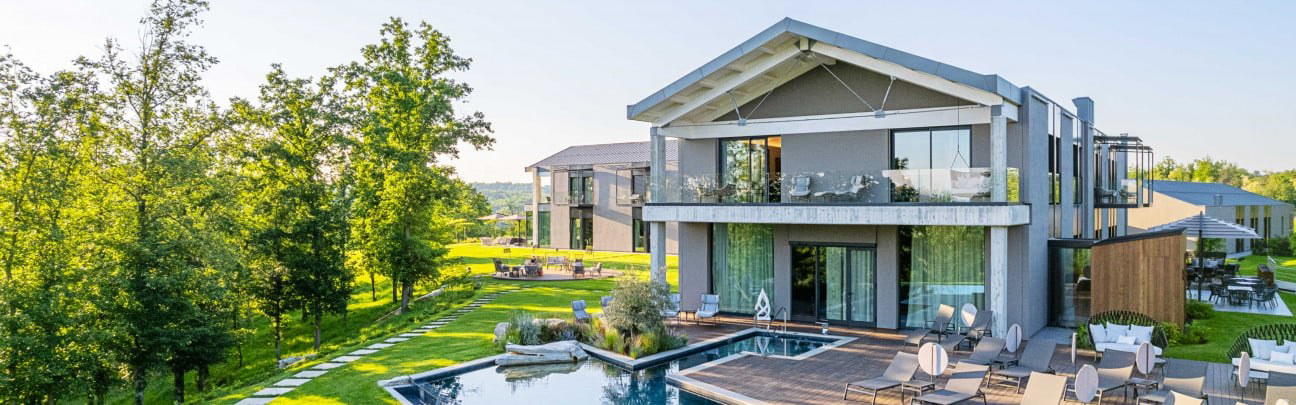
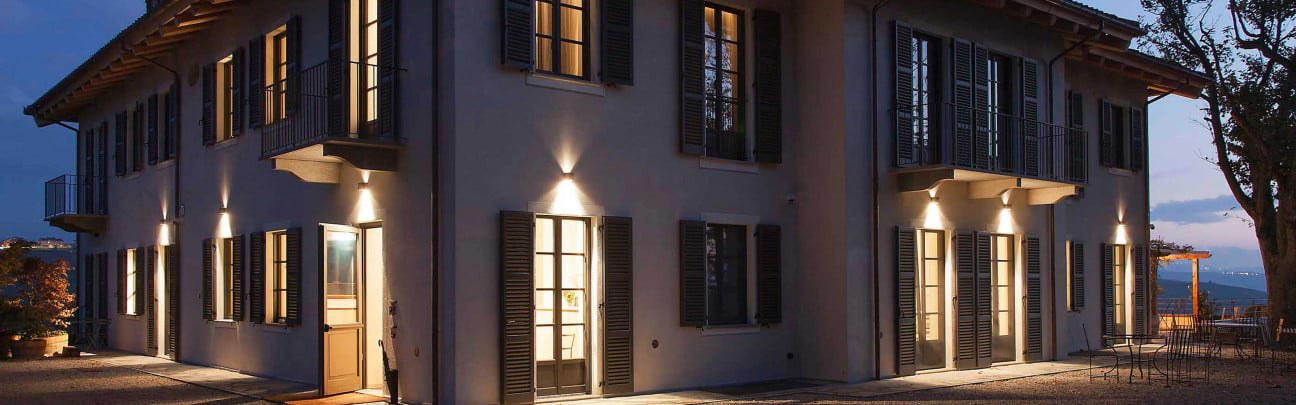
Historic Piedmontese farmhouse set in a natural amphitheater of organic vineyards and surrounding woodlands, offering a tranquil, scenic and rustic atmosphere focused on nature and terroir-driven wine experiences.