
Cantina Santadi sits in the deep south of Sardinia, in the Sulcis wine zone where Carignano del Sulcis has found some of its most compelling expression. For anyone tracing Italian wine beyond the mainland, Santadi makes a strong case for attention.
Pearl is the En Primeur Club membership app — saves, bookings, and concierge access live there. Same editors, same standards.
- Address
- Via Giacomo Tachis, 14, 09010 Santadi SU
- Phone
- +39 0781 950127
- Website
- cantinadisantadi.it
- Directions
- Get directions
 Saves & bookings on Pearl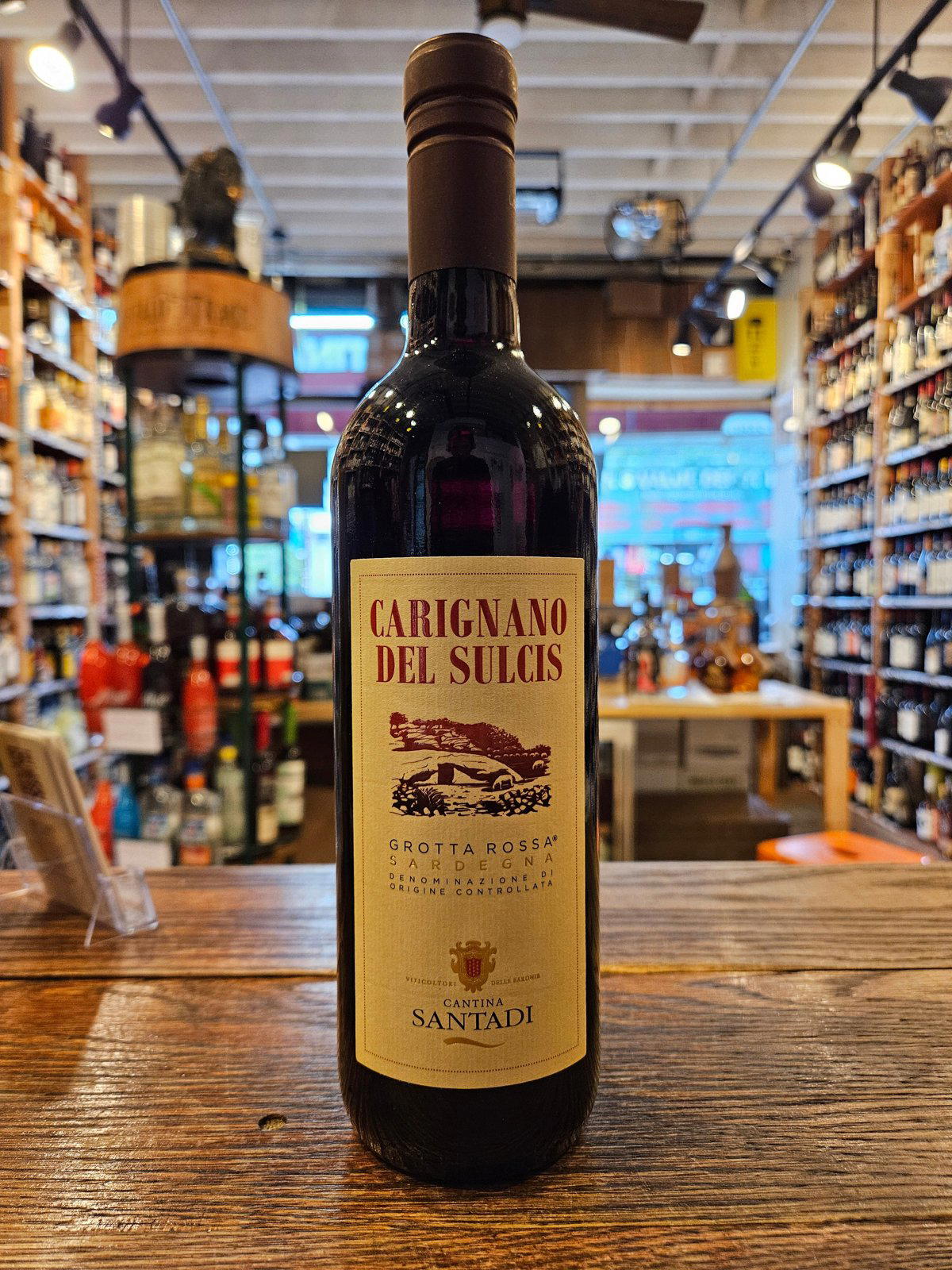
Where the Sulcis Begins
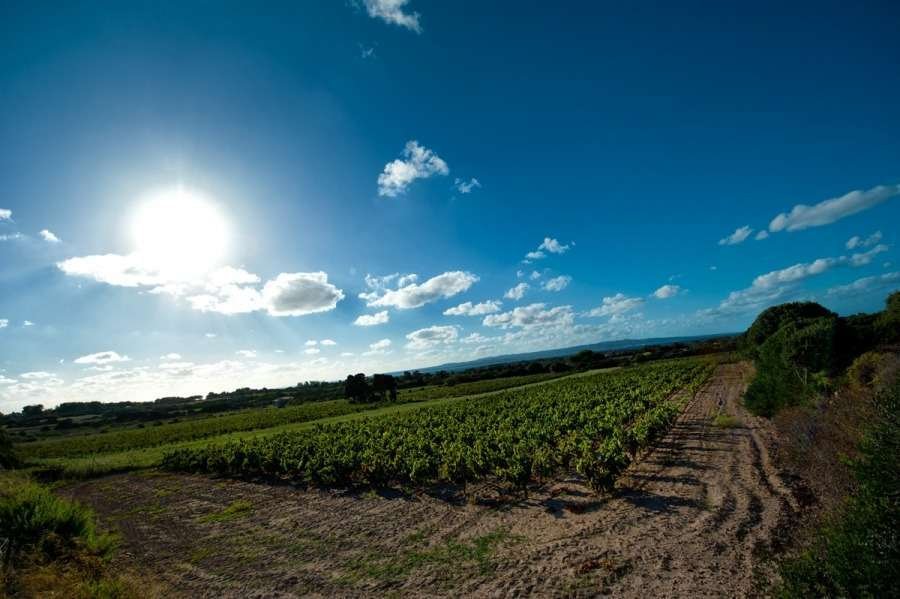
The town of Santadi sits in the southwestern corner of Sardinia, roughly 60 kilometres from Cagliari, in a part of the island that most Italian wine itineraries skip entirely. The Sulcis Iglesiente territory here has little of the tourist infrastructure that surrounds, say, the Barolo communes or the Chianti Classico zone. What it has instead is a geological and climatic argument that is difficult to dismiss: sandy soils that largely escaped the phylloxera devastation of the late nineteenth century, consistent coastal winds that manage disease pressure without the need for aggressive intervention, and old bush-trained vines of Carignano that have been in the ground for generations. In that context, Cantina Santadi functions as a working winery that expresses what this territory can produce.
The cooperative model that Cantina Santadi operates within is common across southern Italian wine production, but outcomes vary enormously. In the Sulcis, the model has been directed toward quality over volume for long enough that the results sit in a different tier from generic co-op production.
Carignano del Sulcis and the Argument for Sandy Soil
Editorial case for Cantina Santadi rests substantially on Carignano del Sulcis as a variety and appellation. Carignano, known as Carignan in France and Cariñena in Spain, has an uneven reputation internationally. In much of the world it functions as a blending grape, valued for colour and volume rather than complexity. The Sulcis is one of the few places where it consistently produces wines of structural interest in its own right, and the reason comes back to soil composition.
Sandy soils drain quickly and warm unevenly, forcing vine roots to extend deep for water and nutrients. This stress mechanism tends to reduce yields naturally and concentrate phenolic development in ways that irrigation and fertile soils cannot replicate. The bush-training system, which keeps vines low and close to the reflected heat of the ground, suits the variety in this climate and preserves the old-vine character that younger plantings elsewhere have not yet developed. The result is a grape expression that carries tannin weight and dark fruit concentration without the extracted harshness that Carignano can show when harvested from high-yield, irrigated sites.
This terroir logic connects Cantina Santadi to a broader pattern visible across Italian wine. In Montalcino, Sangiovese achieves a depth on galestro and alberese soils that the same variety rarely reaches elsewhere. In Piedmont, Aldo Conterno in Monforte d'Alba demonstrates how specific slope orientation within a single commune reshapes Nebbiolo's tannin profile. In the Sulcis, it is the combination of sandy terroir and vine age that does the defining work. The argument is specific rather than generic, which is why the wines carry regional identity rather than just varietal character.
Sardinia's Wine Geography and Where Sulcis Fits
To understand the winery's position, it helps to place Sardinia's wine zones in relation to each other. The island's most internationally recognised appellation has historically been Cannonau di Sardegna, produced across a much broader central and eastern territory, often from Grenache-related vines. Vermentino di Gallura holds DOCG status in the north and builds a case for Sardinia as a serious white wine source. Carignano del Sulcis DOC, by contrast, operates in a smaller, more geographically specific zone at the island's southwestern edge, which contributes to its lower profile despite the quality ceiling its leading producers have demonstrated.
It reflects assessed quality independent of appellation fame or marketing resources, placing the winery in a conversation with producers in more celebrated zones. For comparison, Planeta in Menfi has built significant international recognition for Sicilian wine from a similarly southern Italian position, demonstrating that geographic distance from the mainland does not preclude serious critical engagement.
Other Italian producers working within strong regional identity frameworks include Lungarotti in Torgiano, which helped establish Umbrian wine's credibility over decades, and Castello di Volpaia in Radda in Chianti, which operates within one of Italy's most documented wine traditions. The Sulcis works in a less charted territory, which creates both a challenge and an opportunity for producers willing to invest in appellation definition.
The Physical Experience of Santadi
Approaching Santadi from Cagliari, the landscape shifts progressively. The coastal plain gives way to low inland hills, the vegetation thickens, and the villages become smaller and more spaced apart. The address on Via Giacomo Tachis places the cantina within the town itself, not isolated on an estate in the manner of many Tuscan wineries designed around agritourism. This is a production facility in a working Sardinian town, and that character shapes what a visit involves. The experience is closer to Burgundy's village-level cave visits than to the theatrical hospitality architecture of Ca' del Bosco in Erbusco or a Napa Valley estate tasting room.
The road distance from Cagliari makes Santadi a practical day trip from the regional capital. The area around Santadi includes the Grotte Is Zuddas cave system and the archaeological sites of the Sulcis, which adds cultural context to a wine-focused visit.
Italian Wine Craft in Broader Perspective
The winery operates in a category of Italian wine production that rewards understanding the craft infrastructure behind the bottle. The cooperative structure means aggregated vineyard holdings across multiple growers, with quality management applied at the cantina level. This model, when executed with discipline, can access old-vine parcels that would be commercially unviable for a single small estate to maintain independently. It is a production logic with parallels in Champagne, Alsace, and parts of the Rhône, where cooperative structures coexist with, and sometimes outperform, domaine-bottled alternatives.
For readers already engaged with Italian craft production in other categories, the range extends well beyond wine. Distilleria Marzadro in Nogaredo, Distilleria Romano Levi in Neive, Nonino Distillery in Pavia di Udine, and Poli Distillerie in Schiavon (Vicenza) each represent the grappa tradition with distinct regional signatures, illustrating how Italian craft production extends into distillate with the same terroir-rooted logic that defines the wine sector. Separately, Campari in Milan anchors the Italian aperitivo tradition within a broader national drinks culture that Sardinian producers are positioned outside of, yet in conversation with.
For wineries with production models anchored in specific geographic identity, L'Enoteca Banfi in Montalcino and Poggio Antico in Monte San Vito provide reference points from the Brunello appellation, while Aberlour in Aberlour and Accendo Cellars in St. Helena illustrate how place-specific production logic translates across entirely different drink categories and geographies.
Planning a Visit
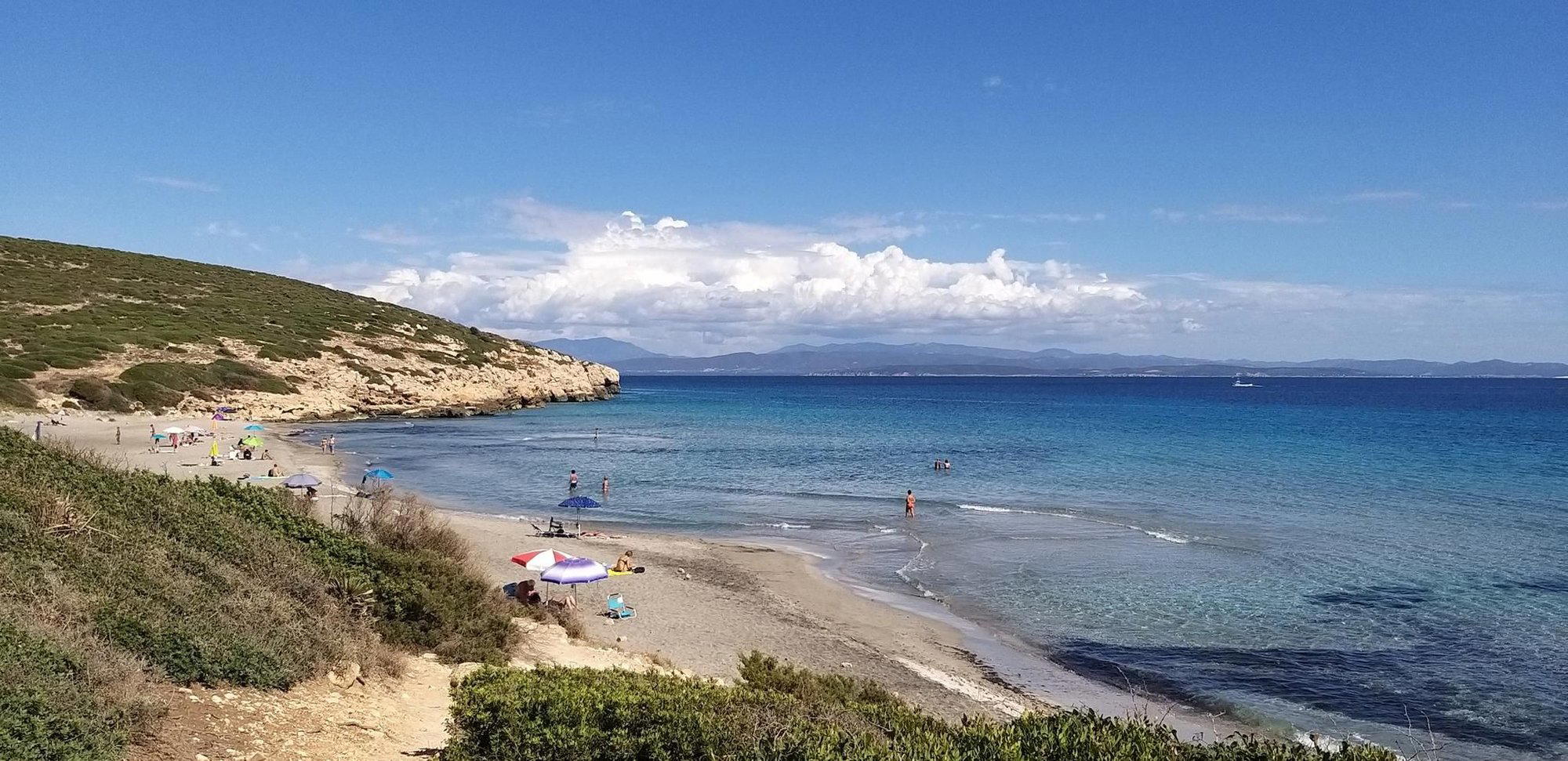
Santadi is best reached by car from Cagliari, with the drive taking under an hour via the SS195 coastal route or the more direct inland roads. The town itself is small, and the cantina on Via Giacomo Tachis is the primary wine destination in the immediate area. Visitors planning a broader Sulcis itinerary can combine a cantina stop with the archaeological park at Monte Sirai and the coastal scenery around Porto Pino, roughly 20 kilometres southwest. Wine tourism here is better suited to advance planning than a walk-in tasting experience.
In Context: Similar Options
Comparable venues nearby, for context on price, style, and recognition.
| Venue | Cuisine | Price | Notes |
|---|---|---|---|
| Cantina SantadiThis venue — the venue you are viewing | Carignano, Vermentino | $$$ | Not listed |
| Argiolas | Vermentino, Cannonau | $$$ | Serdiana |
| Gruppo Campari | Winery | Not listed | Milan |
| Gruppo Montenegro | Winery | Not listed | Bologna |
| Amaro Santa Maria al Monte | Winery | Not listed | Chiavari |
| Lamoreaux Landing Wine Cellars | Winery | Not listed | Lodi |
Recognition history
Dated appearances from independent guides and award organizations, with the underlying list record or original source where available.
Falstaff Winery - 3 Stars
Falstaff
Continue exploring
More in Santadi
Wineries in Santadi
Browse all →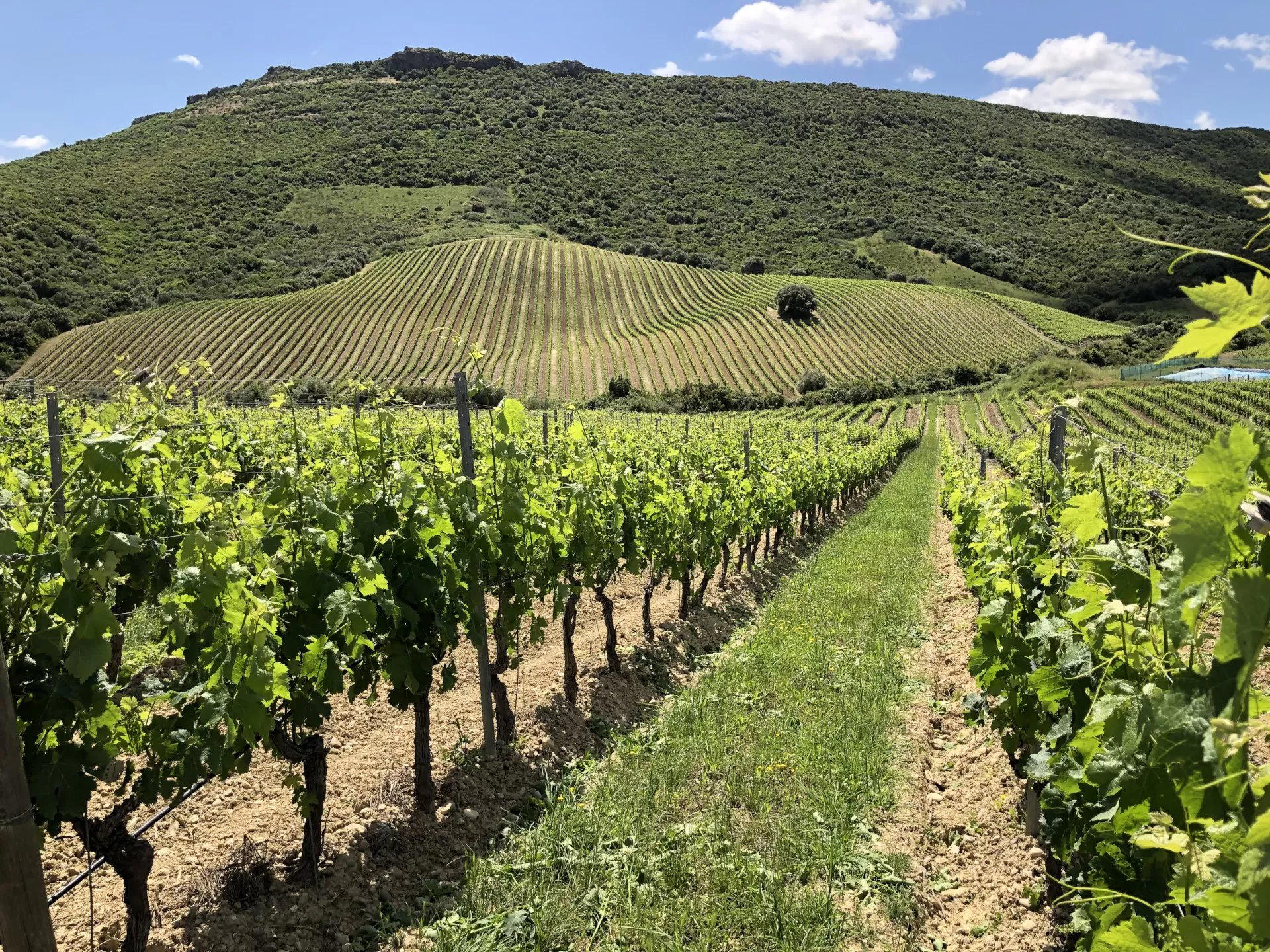


Bars in Santadi
Browse all →
Restaurants in Santadi
Browse all →
At a Glance
- Rustic
- Classic
- Scenic
- Wine Education
- Solo Exploration
- Vineyard Tour
- Estate Grounds
- Vineyard
- Carignano Del Sulcis DOC
- Carignano
- Vermentino
- Monica
- Sangiovese
- Syrah
- Merlot
- Bovaleddu
- Nuragus
- Chardonnay
- Nasco
- Still Red
- Still White
- Cave Tasting
- Private Tasting
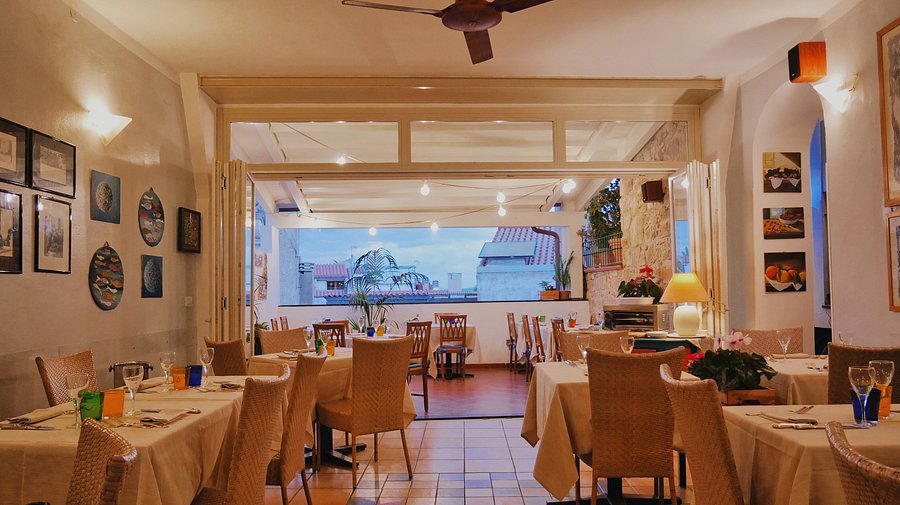
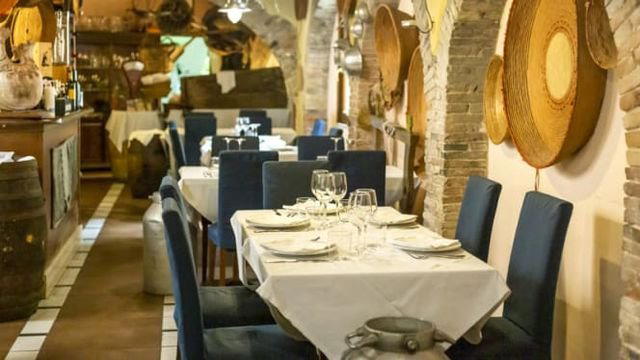
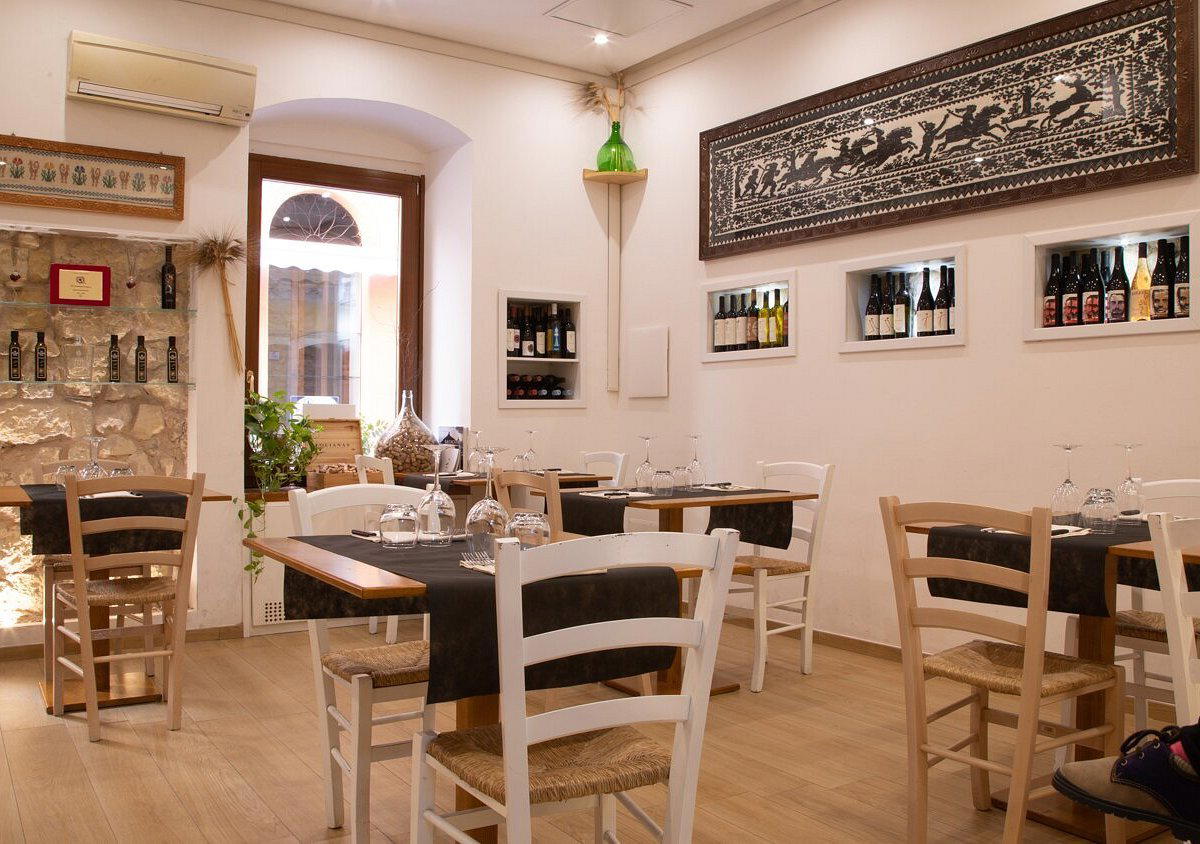
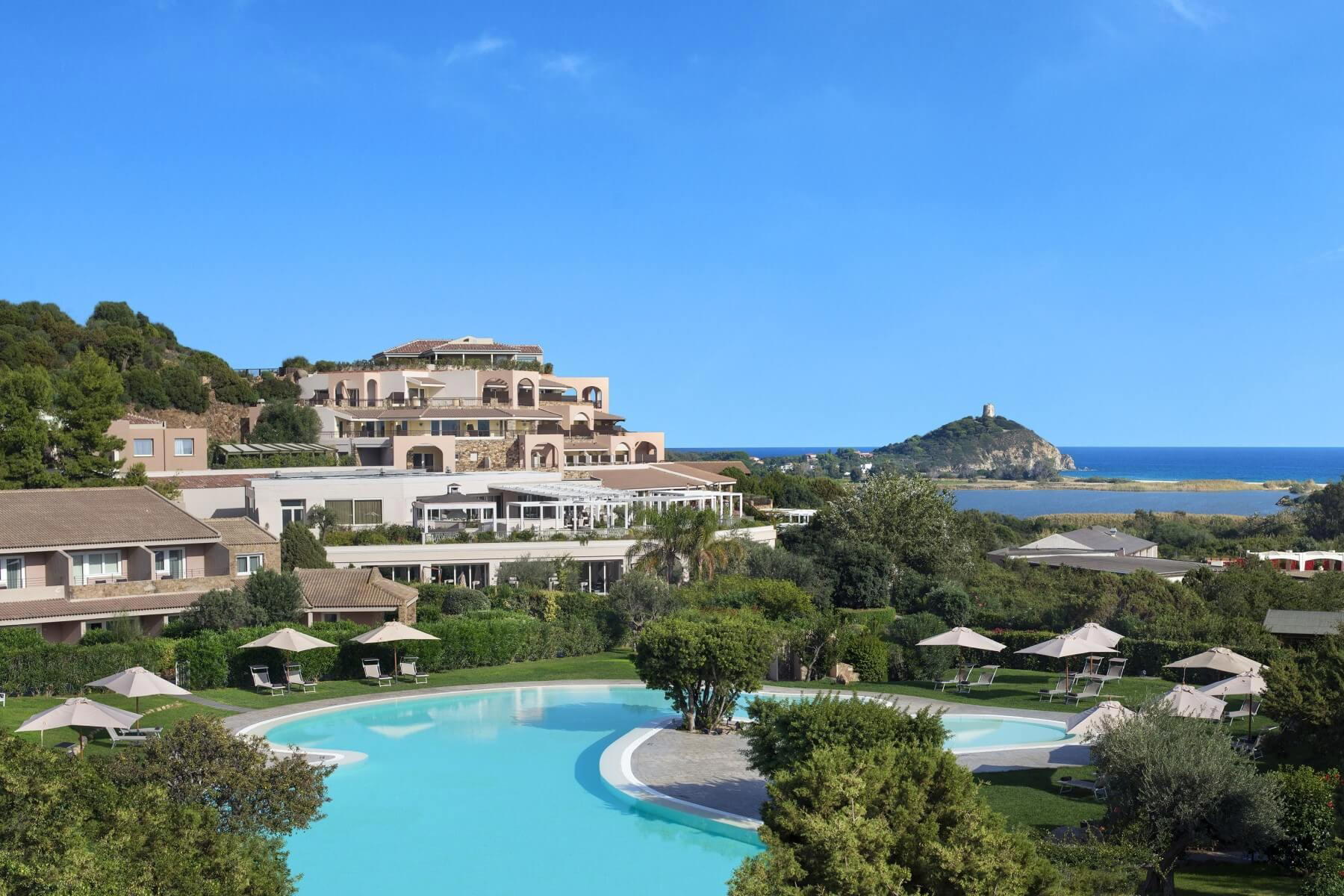
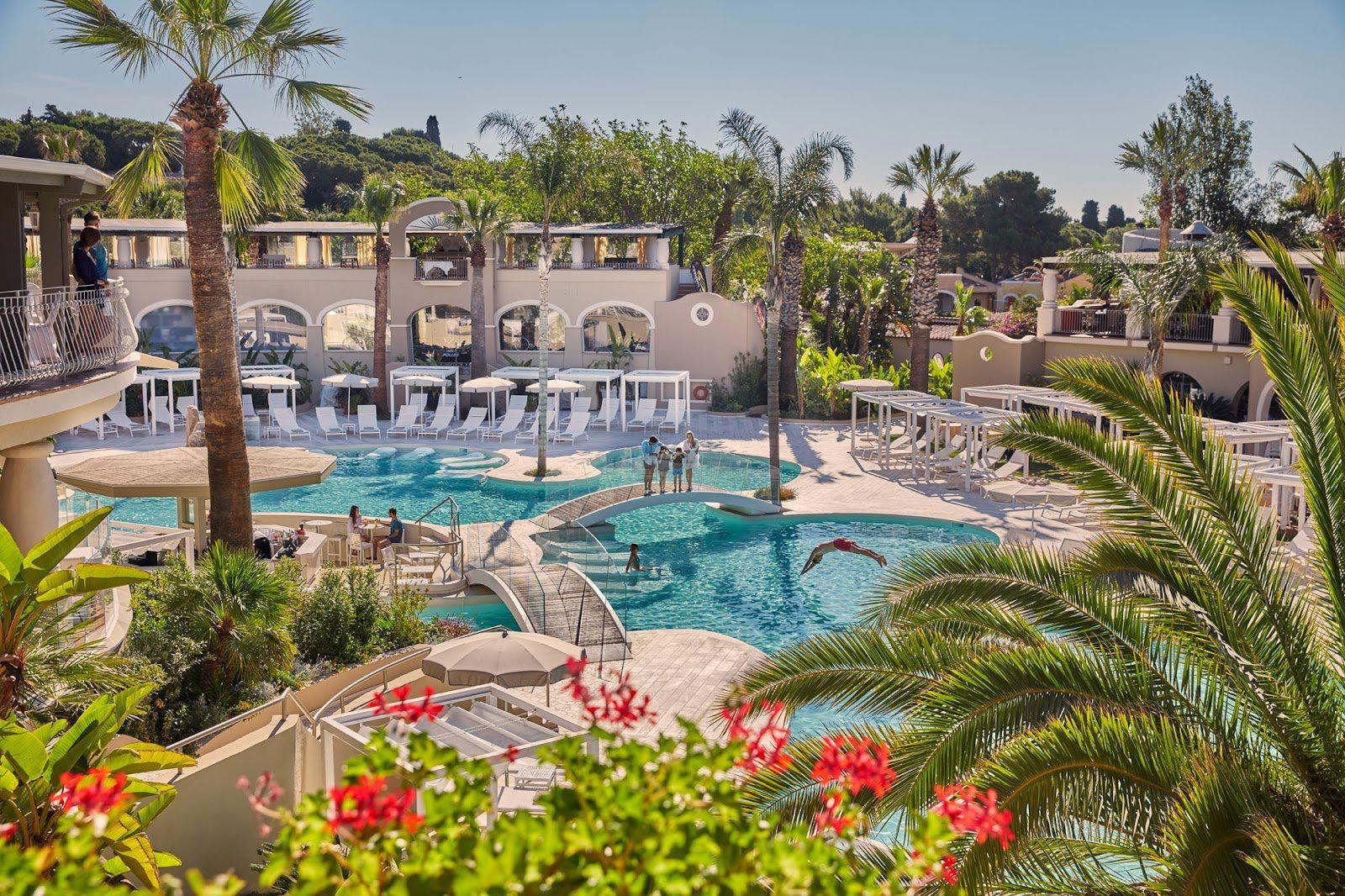
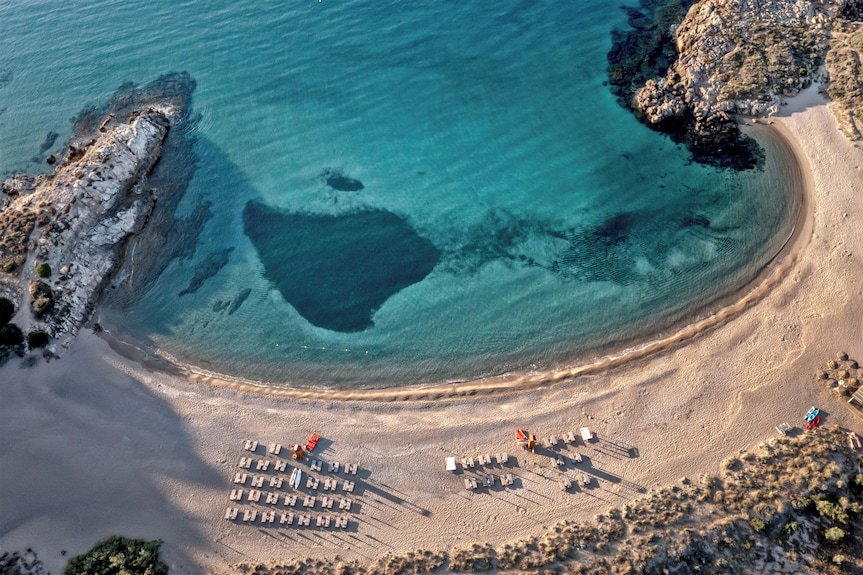
Rustic winery atmosphere with a focus on traditional Sardinian winemaking amid gently rolling vineyard hills near the sea.