Bodega El Grifo
One of Lanzarote's most established wineries, Bodega El Grifo operates from volcanic terrain in San Bartolomé that shapes every bottle it produces. Visiting means engaging with a wine tradition built on basalt, low rainfall, and a grape culture that has no close parallel on the Spanish mainland.

Pearl is the En Primeur Club membership app, where members save venues, book tables and use the concierge.
Volcanic Ground, Liquid Result
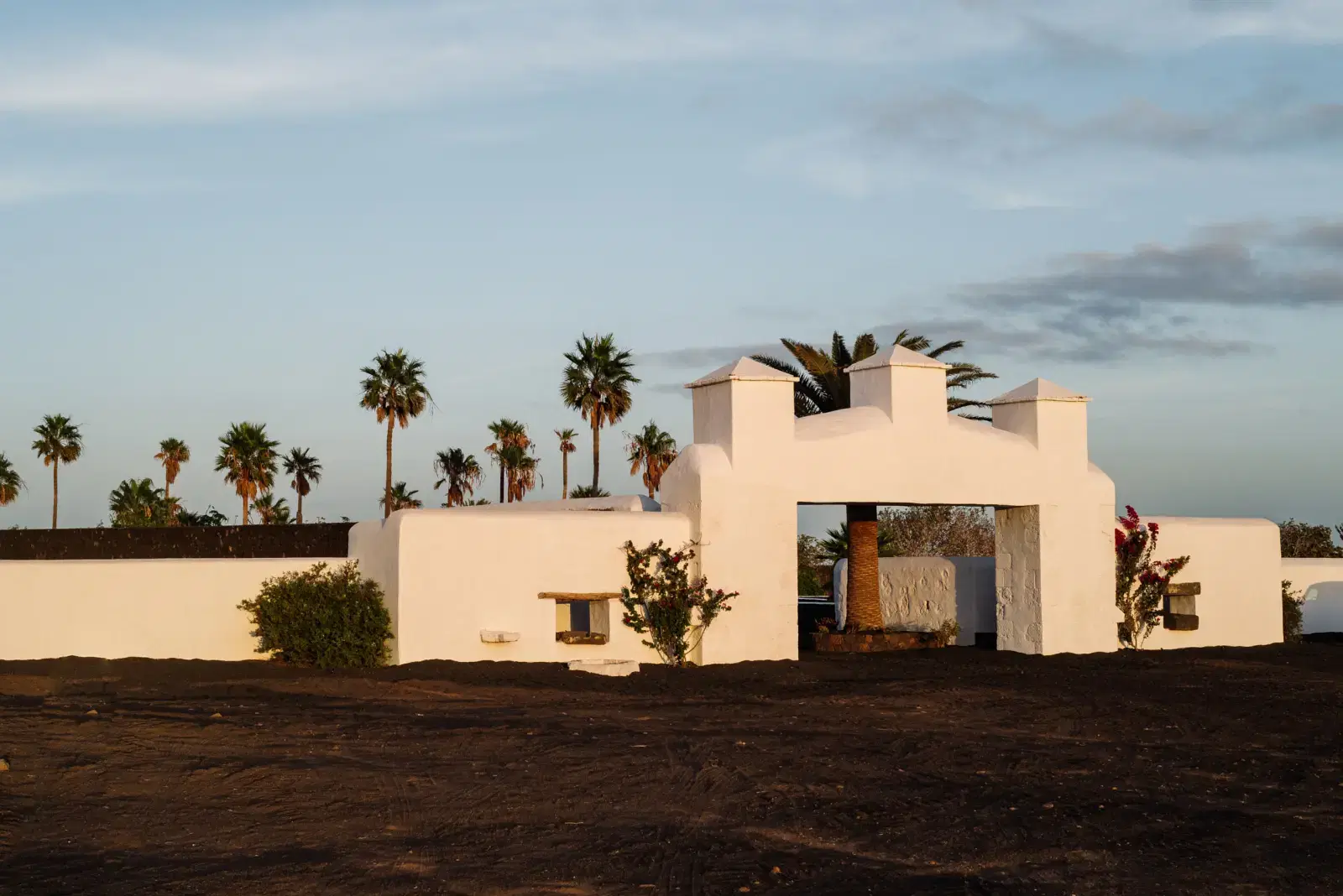
The road to San Bartolomé cuts through a landscape that looks hostile to agriculture by any conventional measure. Black basalt fields stretch in every direction, broken by shallow craters and the low, circular stone walls the islanders call zocos, each one sheltering a single vine from the Atlantic wind. This is the visual grammar of Lanzarote winemaking, and Bodega El Grifo, sitting at kilometre eleven of the LZ-30, is one of the oldest and most formally recognised expressions of it.
For context on why that matters: Lanzarote's wine culture operates almost entirely on terms dictated by the island's geology. The D.O. Lanzarote designation covers a growing area where irrigation is functionally impossible for most of the year, where yields are some of the lowest in Europe, and where the primary grape, Malvasía Volcánica, has adapted over centuries to conditions that continental Spanish varieties would not survive. The wines that result are not Riojan, not Ribera del Duero, and not Galician. They belong to a category of their own, and understanding Bodega El Grifo requires understanding that terrain first. For comparison with producers working under very different continental conditions, Bodegas Protos in Peñafiel or CVNE (Cune) in Haro offer a useful counterpoint to just how anomalous Lanzarote's viticulture really is.
What the Soil Actually Does to the Wine
Lanzarote's volcanic substrate, known locally as picón or lapilli, acts as both mulch and moisture trap. The porous black gravel absorbs heat during the day and releases it slowly at night, moderating what would otherwise be extreme temperature swings. More practically, it captures Atlantic dew and condensation during cooler months, feeding vine roots through the surface rather than from below. The vines are planted deep into pits cut through the lapilli into older soil beneath, giving them access to whatever moisture the island holds. This combination of heat retention, wind protection from the zocos, and root depth in low-rainfall conditions produces grapes with concentrated flavour and naturally high sugar levels, while the trade winds from the northeast keep acidity alive. The result in Malvasía Volcánica is typically a wine with aromatic intensity, a saline mineral thread that connects directly to the island's volcanic and marine environment, and a weight that sits between the lean Atlantic whites of Galicia and the fuller-bodied expressions of warmer southern Spain.
That mineral salinity is the most discussed characteristic of Lanzarote wine internationally, and it is not a winemaking intervention but a direct geological transfer. Producers working in more manipulated, irrigated, or climatically moderated settings, such as Codorníu in Sant Sadurní d'Anoia or Marqués de Cáceres in Cenicero, operate with a different relationship between land and wine. On Lanzarote, the land is the dominant variable and the winemaker's role is largely one of interpretation rather than transformation.
Atmosphere and the Visit
Arriving at Bodega El Grifo, the physical scale of the estate makes immediate sense against the surrounding fields. The winery sits in the agricultural interior of San Bartolomé municipality, away from the coastal resort belt, which means the surrounding context remains genuinely agricultural rather than touristic. The island's interior is quieter and starker than its coastal fringe, and a visit here involves a different register of engagement with Lanzarote than a beach-adjacent wine stop would provide.
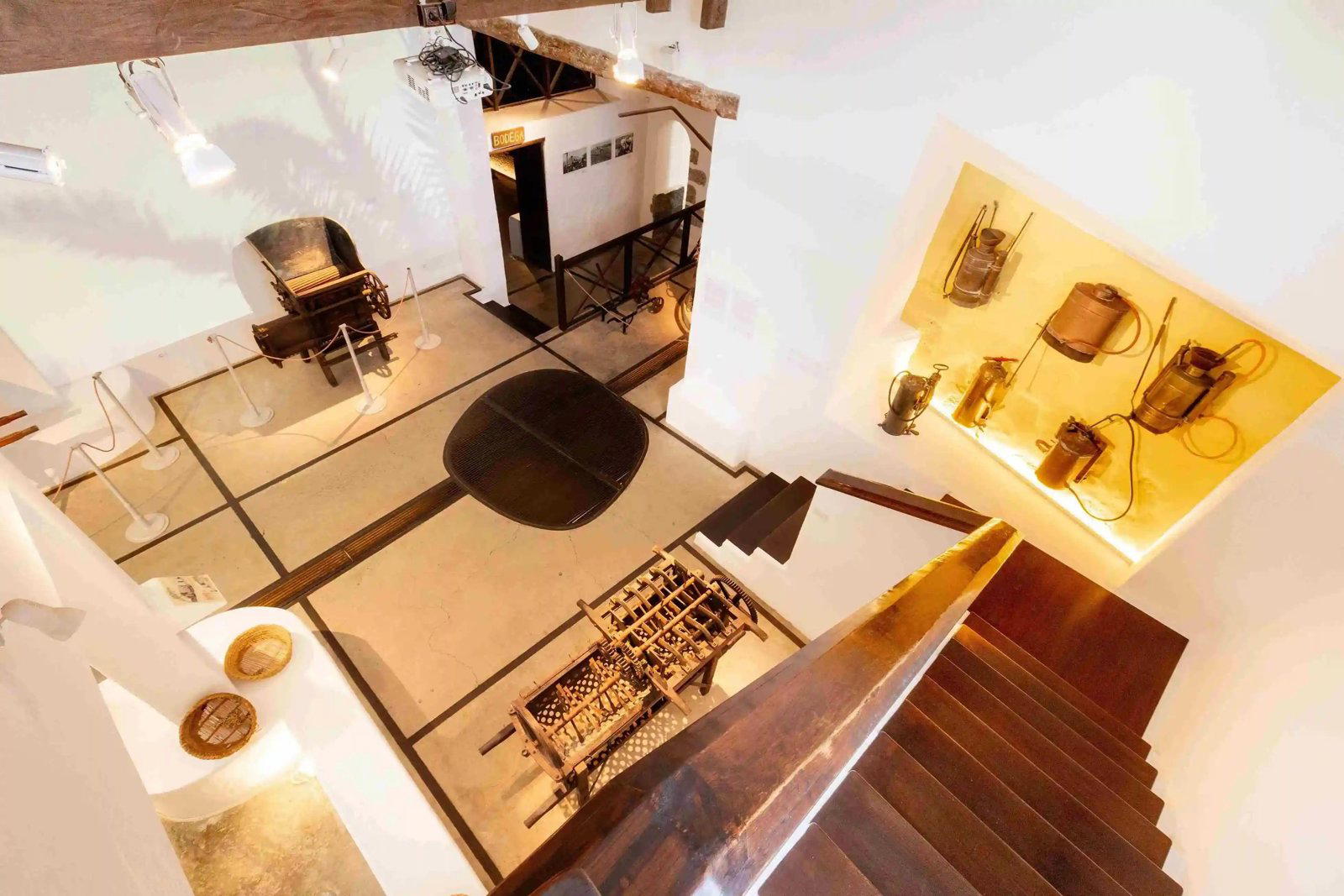
Lanzarote wine tourism has developed significantly in recent decades, but the island's leading producers have generally maintained a working-winery character rather than pivoting entirely toward visitor entertainment. For visitors, the atmosphere is more functional and archival than theatrical. There is a museum element to the estate that documents the island's wine history, which is a more honest representation of what this kind of winery actually offers than any curated sensory stage-set. The experience rewards visitors who arrive with some prior knowledge of Canarian wine, though it is not inaccessible to those discovering it for the first time.
For those building a broader Lanzarote itinerary, San Bartolomé sits in the island's interior, roughly central, making it a logical base for combining wine visits with the volcanic landscapes of Timanfaya to the west. It is within reasonable driving distance of Arrecife, the capital, and the northern wine-growing areas around Ye. Our full San Bartolomé (Lanzarote) restaurants guide covers the municipality's broader dining and hospitality options for planning around a winery visit.
Malvasía Volcánica in Context
Malvasía is one of the most widely distributed grape varieties in history, with documented presence across the Mediterranean, Madeira, and the Canary Islands for several centuries. The Canarian strain, and specifically the Lanzarote version designated as Malvasía Volcánica, has diverged sufficiently in character from its mainland and island cousins that it is now treated as a distinct expression rather than a simple regional variant. The combination of volcanic soil, Atlantic wind exposure, and the low-intervention growing methods enforced by the terrain produces a white wine character that has drawn international attention from critics and importers who track unusual terroir-specific varieties.
Both dry and naturally sweet versions are produced under the D.O. Lanzarote designation, with the sweet Malvasía carrying particular historical weight as a style that was traded across Europe during the 16th and 17th centuries. The dry style is the more commercially significant today and the one that most directly expresses the saline, mineral-volcanic profile the island is known for. For context on how other Spanish producers have built identity around distinct regional varieties, Clos Mogador in Gratallops and Emilio Moro in Pesquera de Duero each represent variety-focused identity in very different Spanish contexts. Further afield, Lustau in Jerez de la Frontera offers another Spanish case of a wine identity inseparable from its specific geography.
Where El Grifo Sits in the Island's Competitive Set
Lanzarote has a small number of established producers with formal recognition, and Bodega El Grifo is consistently placed among the island's most visible. For a sense of how formal quality tiers work across Spanish wine more broadly, Bodegas Ysios in Laguardia, Abadía Retuerta in Sardón de Duero, Marqués de Griñón (Dominio de Valdepusa) in Malpica de Tajo, Arzuaga Navarro in Quintanilla de Onésimo, and Bodegas Vivanco in Valle de Mena each illustrate how prestige producers signal quality across different Spanish appellations. What separates Bodega El Grifo from those continental references is not ambition but geology: no amount of investment or technique replicates the conditions of Lanzarote's volcanic interior, which means the winery occupies a category that cannot be crowded by mainland competition.
For visitors whose interest in wine extends to spirits, Aberlour in Aberlour and Accendo Cellars in St. Helena represent the kind of production-environment specificity that makes terrain-focused producers worth visiting in person, even when the category differs.
Planning the Visit
Bodega El Grifo is located on the LZ-30 at kilometre eleven in San Bartolomé, making it accessible by car from most points on the island. Lanzarote does not have a large public transport network suited to winery visits, so a rental vehicle or private transfer is the practical approach for most visitors. The island is small enough that the drive from Arrecife takes under twenty minutes, and from the northern resort areas of Costa Teguise or Puerto del Carmen somewhat longer but still manageable as a half-day itinerary. Visiting on weekdays generally involves fewer competing visitor groups than weekends during peak travel months, which run from late autumn through spring when northern European demand for the island's mild climate is at its highest. Contact and booking details are best confirmed directly through the winery before visiting, as opening arrangements and tasting formats can vary by season.
Quick Comparison
Comparable venues nearby, for context on price, style, and recognition.
| Venue | Cuisine | Price | Awards | Notes |
|---|---|---|---|---|
| Bodega El GrifoThis venue (the venue you are viewing) | Malvasía Volcánica, Listán Negro | $30–50 | Not listed | Not listed |
| La Orden del Libra Gin | Winery | Not listed | Not listed | Córdoba |
| Fernet Capri Distillery | Winery | Not listed | Not listed | Córdoba |
| Destilería Ánima | Winery | Not listed | Not listed | Córdoba |
| Brook Brothers Distillery | Winery | Not listed | Not listed | Córdoba |
| Williams & Humbert | Palomino, Pedro Ximénez | $30–50 | Falstaff Winery - Listed | Jerez de la Frontera |
Continue exploring
More in San Bartolomé (Lanzarote)
Wineries in San Bartolomé (Lanzarote)
All wineries in San Bartolomé (Lanzarote) →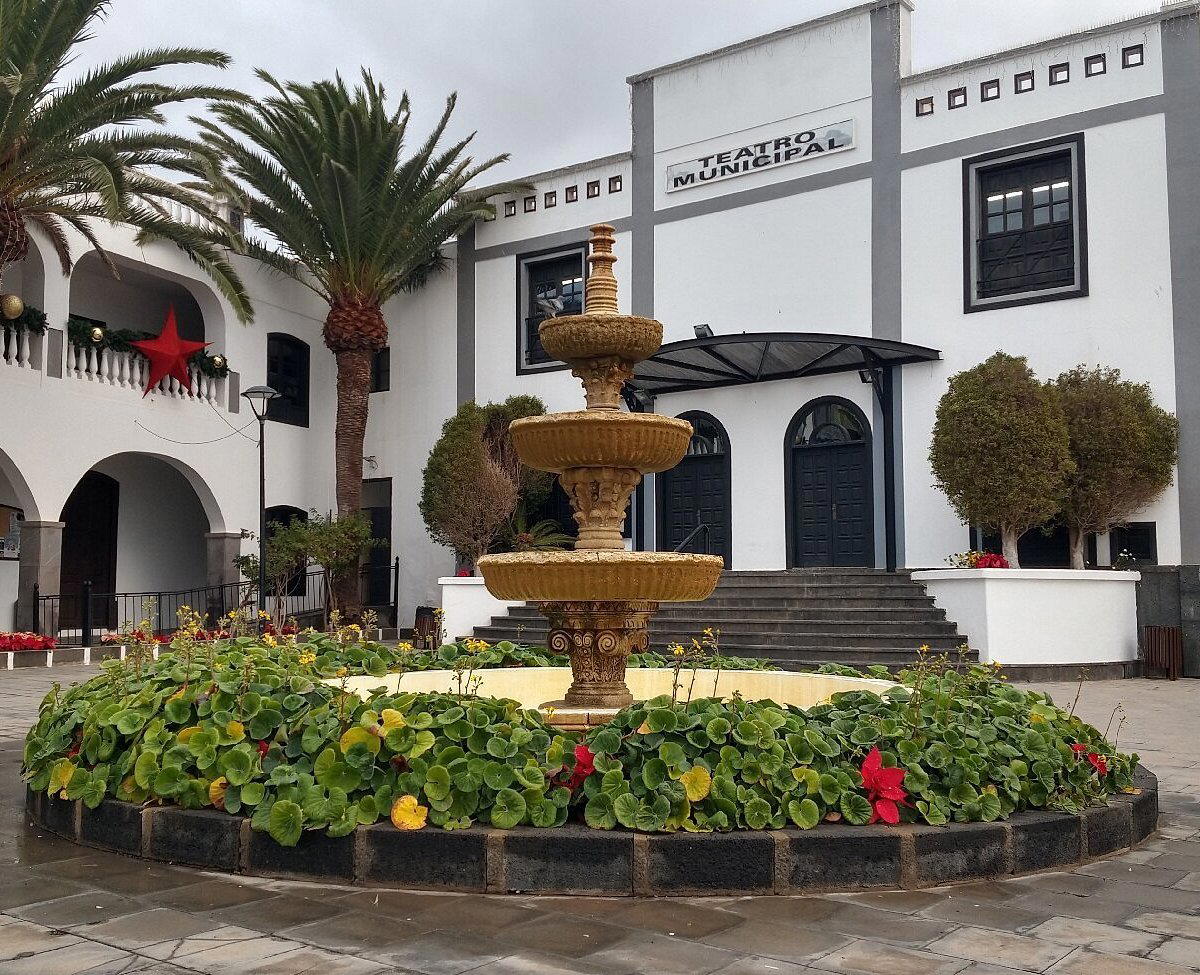
Restaurants in San Bartolomé (Lanzarote)
Browse all →
Details
- Historic
- Rustic
- Scenic
- Elegant
- Wine Education
- Solo Exploration
- Special Occasion
- Vineyard Tour
- Historic Building
- Panoramic View
- Organic
- Sustainable
- Vineyard
- Mountain
- Malvasía Volcánica
- Listán Negro
- Syrah
- Moscatel
- Listán Blanco
- Vijariego
- Still White
- Still Red
- Still Rosé
- Sparkling
- Dessert
- Guided Tasting
- Wine Bar
- Paired Tasting
- Spanish
- English
- French
- Italian
- German
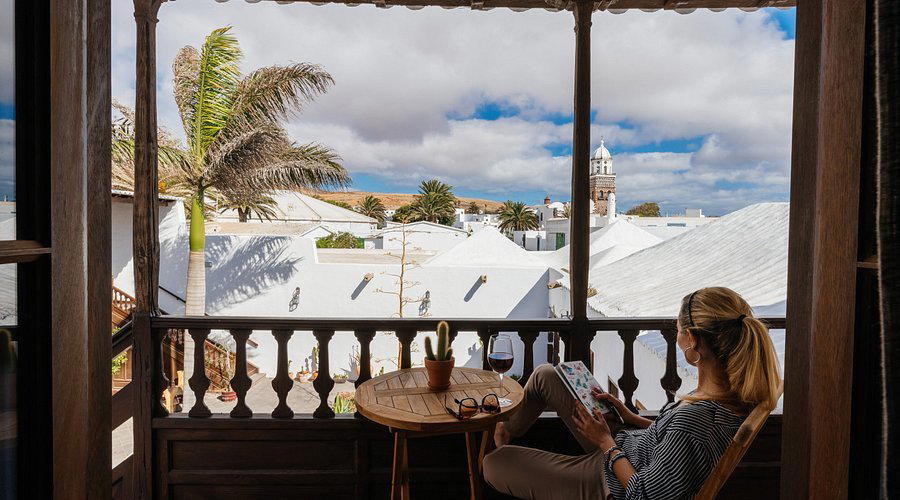
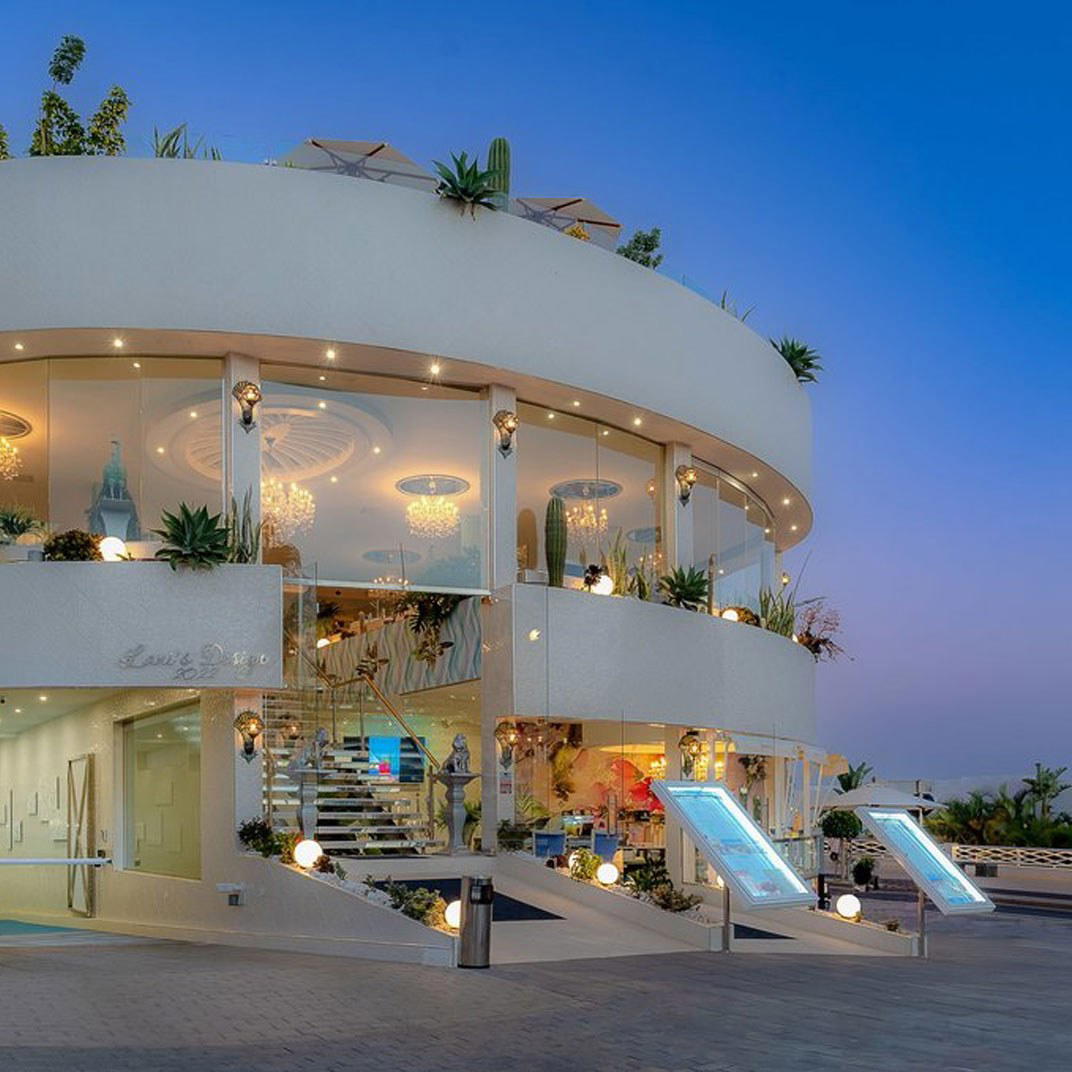
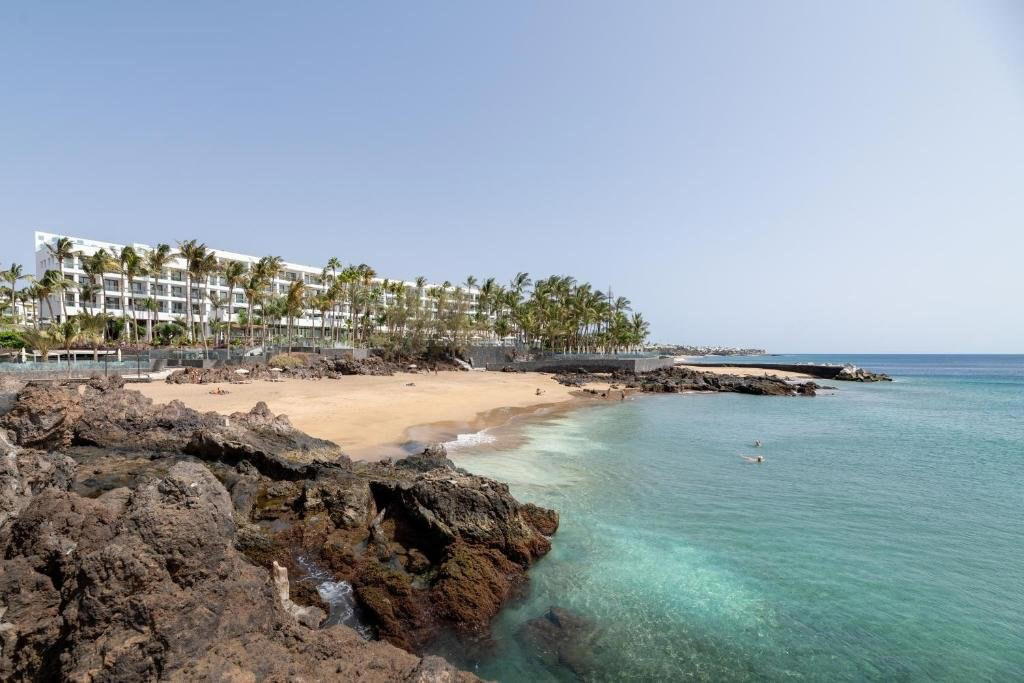
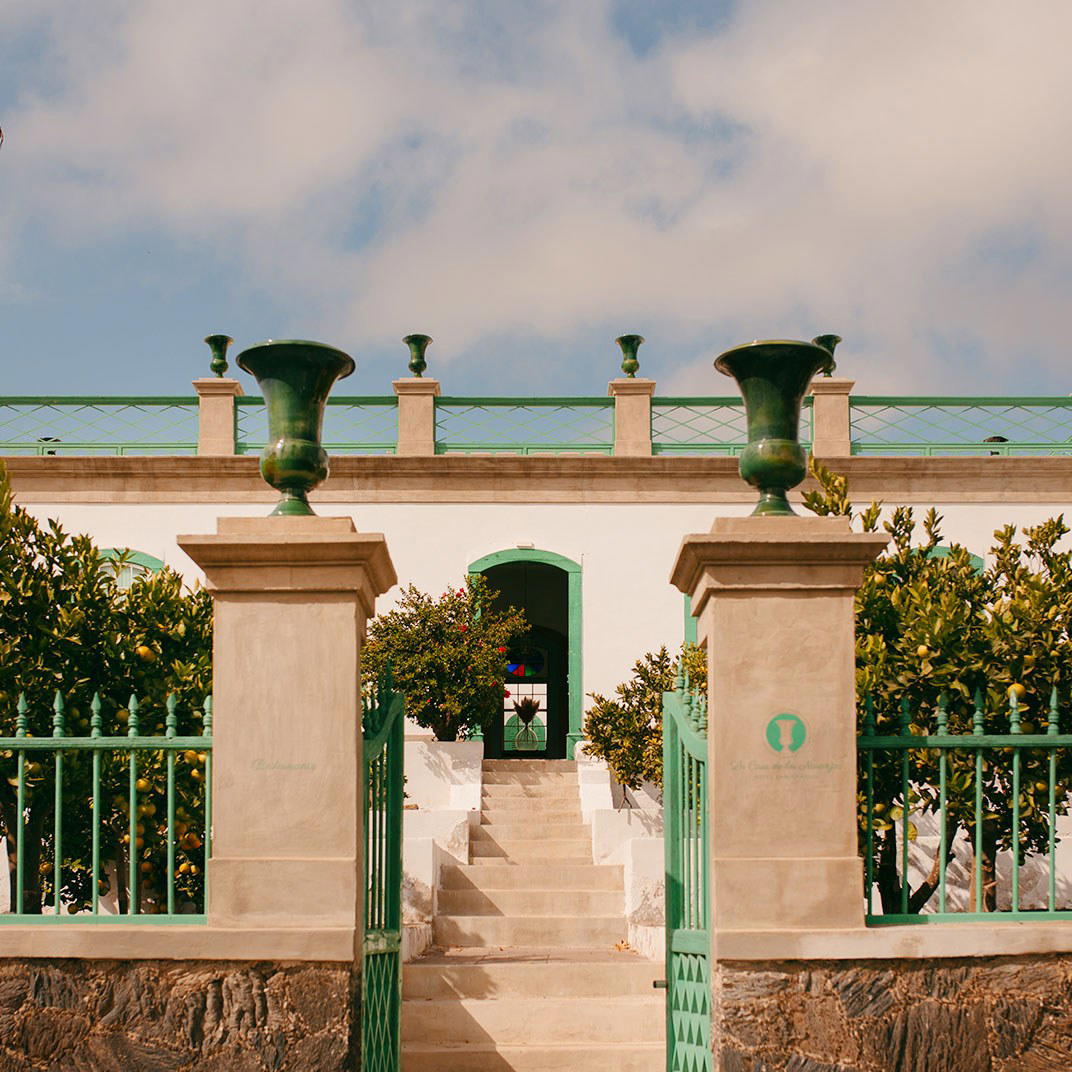
Elegant wine bar surrounded by volcanic lava with modern tasting rooms and atmospheric historic museum exhibits.