SeBE


Michelin Plate · Guía Repsol 1 Sol
Our verdict
SeBE holds a 2025 Michelin Plate in Costa Teguise, building its reputation on rice dishes and Canarian seafood with local sourcing at the centre of the menu. The dining room takes visual cues from Lanzarote's volcanic architecture, making the setting as deliberate as the cooking. At the €€€ price point, it sits among the more considered tables on the island.

Pearl is the En Primeur Club membership app, where members save venues, book tables and use the concierge.
The menu
What to order
- Prawns from La Santa
- Iberian pork paella
- Octopus in mojo
Lanzarote on a Plate: Sourcing, Rice, and the Atlantic Larder
Canarian restaurant cooking at its most considered tends to draw a tight circle around what the islands actually produce. Lanzarote's volcanic soil, semi-arid climate, and cold Atlantic upwelling create an ingredient profile that differs sharply from the mainland Spanish baseline, smaller yields, more concentrated flavours, and seafood pulled from waters where the Canary Current meets the African coast. SeBE, on Avenida de las Islas Canarias in Costa Teguise, is among the restaurants that treat this geography as the central argument of the menu rather than a background note. Its 2025 Michelin Plate recognition positions it within the tier of Canarian tables where ingredient provenance and kitchen discipline have been formally acknowledged.
The rice dishes are the kitchen's signature register. Spanish rice cookery occupies a wide spectrum, from the soupy, broth-heavy caldosos of Valencia's marshlands to the drier, socarrat-crusted arroz a banda of the Levantine coast. The Canarian interpretation sits in its own position on that spectrum, drawing on Atlantic seafood rather than the Mediterranean shellfish that define the Valencian tradition. At SeBE, these dishes carry what the Michelin recognition describes as intensity, a term that, in rice cookery, usually signals a well-reduced stock, high-quality fat, and restraint in the ratio of garnish to grain. That combination is harder to achieve than it looks, and most restaurants in the €€€ bracket across the Canary Islands do not attempt it with the same seriousness. For context on the broader range of dedicated Spanish rice restaurants, see Arrocería Maribel in El Palmar and Antoni Rubies in Artesa de Lleida, both of which operate within the rice-specialist tradition from different regional starting points.
La Santa Prawns and the Logic of Hyperlocal Sourcing
The prawns from La Santa are the most specific sourcing claim attached to SeBE's reputation, and the specificity matters. La Santa is a small fishing village on Lanzarote's northwest coast, and its crustaceans benefit from the cold, clean Atlantic water that characterises the island's windward side. In Spanish gastronomy, the habit of naming a product by its exact origin, gambas de La Santa rather than gambas canarias, signals that the provenance is considered meaningful enough to be a selling point in itself. It follows a logic that Dénia's famous red prawns made mainstream in fine dining (the kind of hyperlocal shellfish sourcing that Quique Dacosta in Dénia has built part of its identity around at the other end of the price spectrum), but applied at a more accessible price point and within a single island's ecosystem.
Broader fish and seafood programme at SeBE sits within the same sourcing framework. Lanzarote's fishing tradition is old and active, and the island's markets, particularly in Arrecife, supply restaurants with species that rarely appear on menus outside the Canaries: cherne, vieja, sama. A kitchen that sources from this larder with consistency operates differently from one working with imported product, both in seasonal availability and in the adjustments required when catches are variable. The Michelin Plate, in this context, reflects recognition of a kitchen that takes that variability seriously rather than smoothing it over with a fixed menu that doesn't respond to what the sea provides.
The Room: Lanzarote's Architecture as Interior Logic
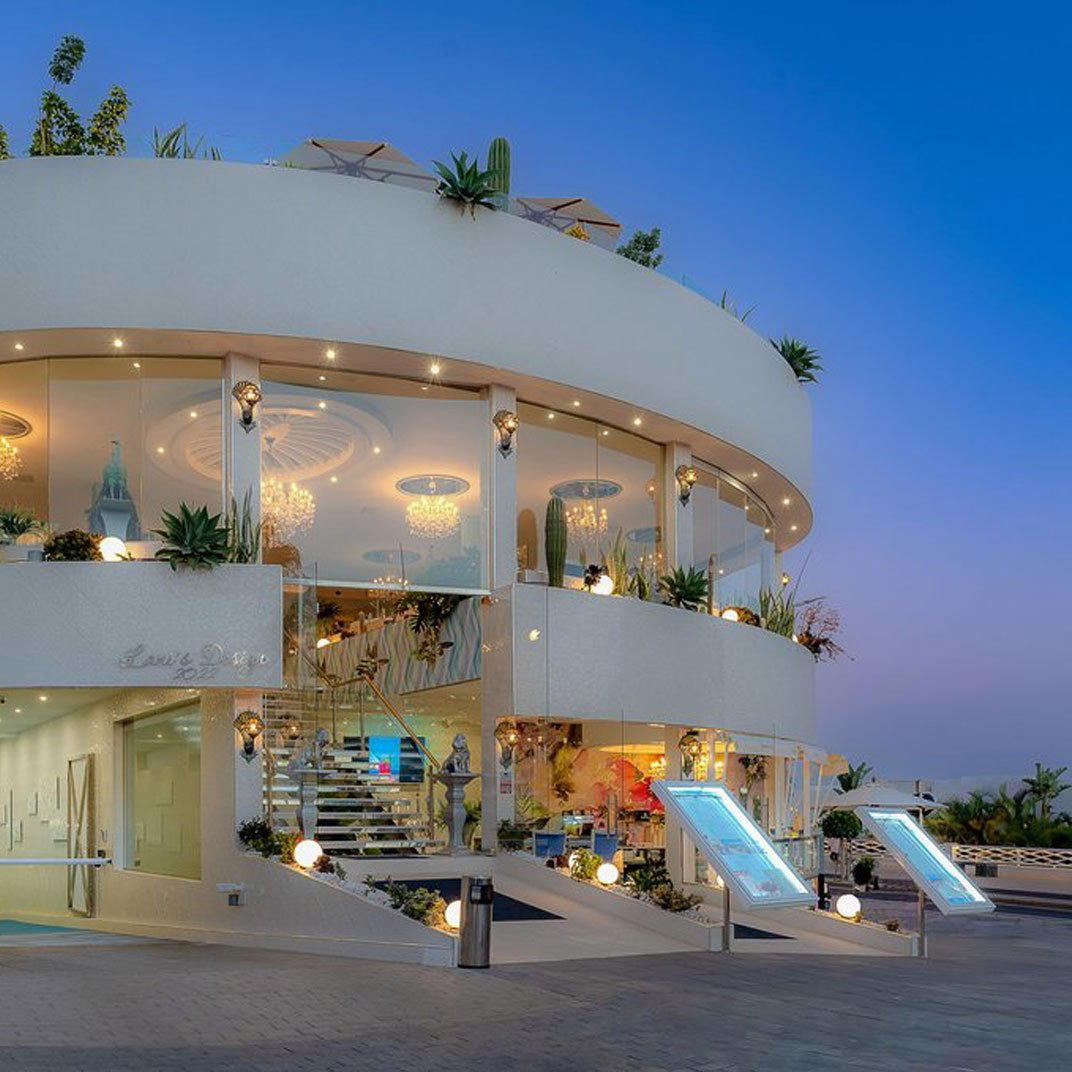
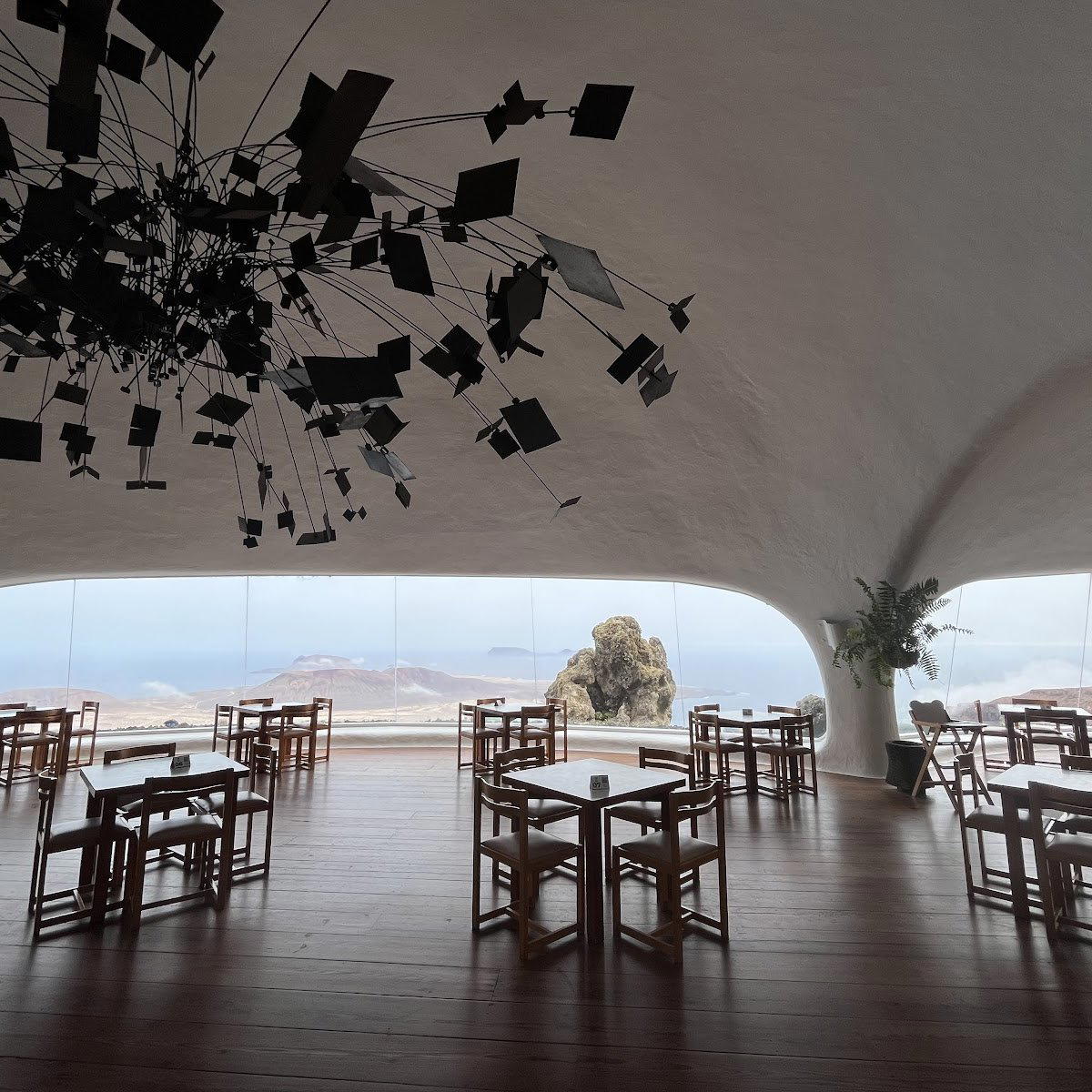
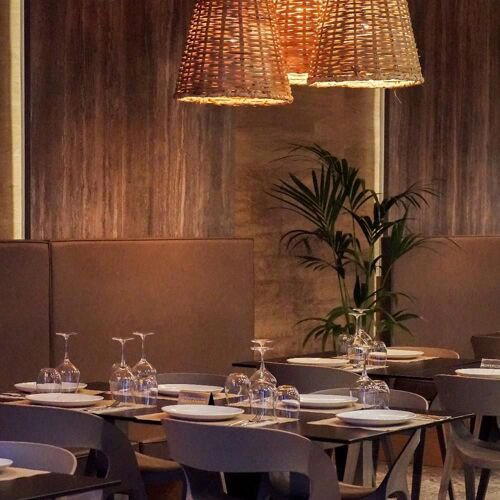
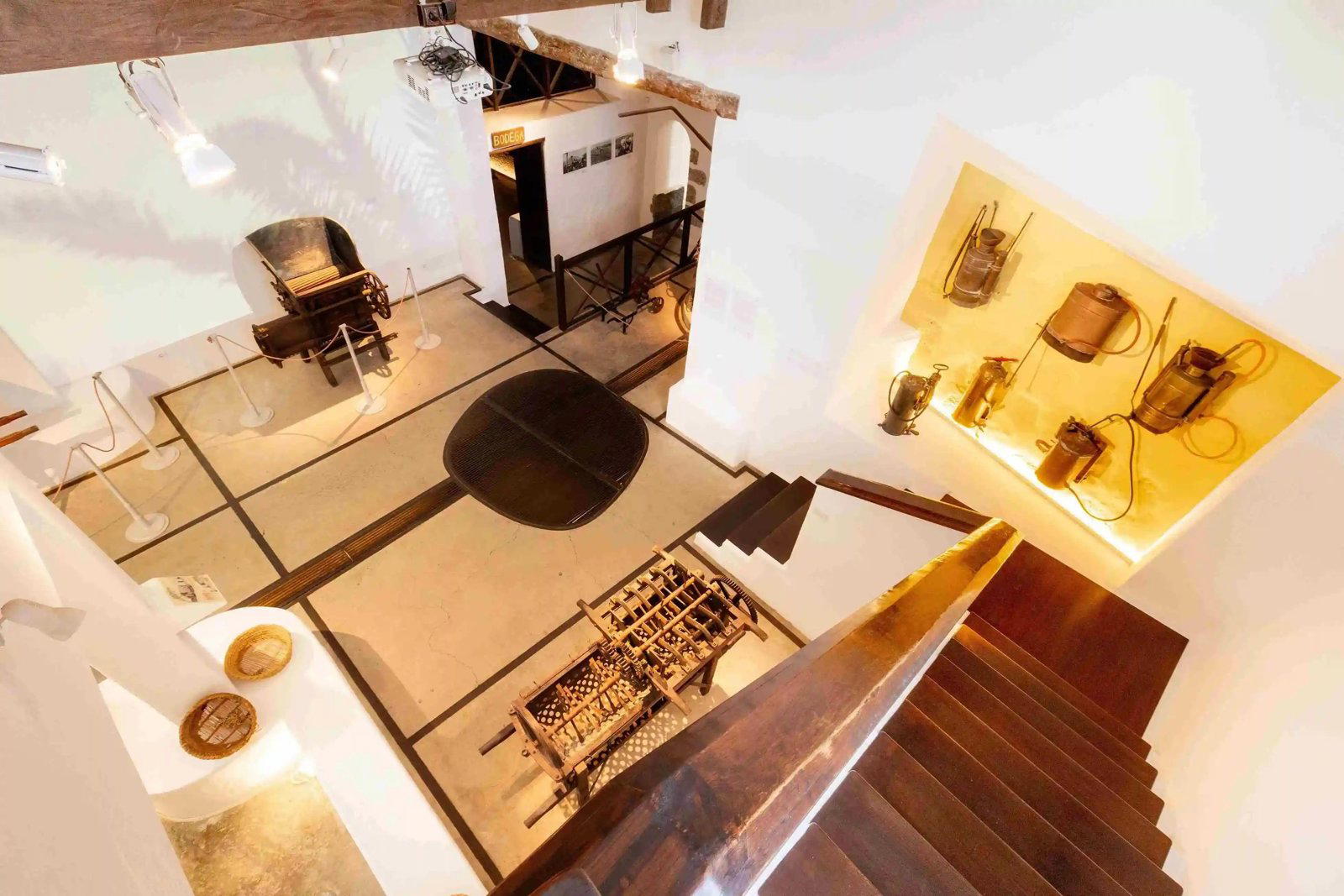
Dining room at SeBE references the visual language of Lanzarote's built environment. The island has a distinctive architectural identity, partly shaped by the work of César Manrique, whose influence extended to colour palettes, material choices, and the relationship between buildings and the volcanic landscape around them. Interiors that draw on this tradition tend toward whitewashed walls, black basalt details, and a restraint in decoration that mirrors the austerity of the terrain outside. Whether SeBE's room achieves that coherence at the level of a formal design commission or through a more intuitive local sensibility, the effect is the same: a space that feels of the island rather than imported onto it. At a €€€ price point, that kind of environmental specificity is part of what justifies the positioning relative to more generic dining rooms in the Costa Teguise resort corridor.
Where SeBE Sits in Spain's Wider Restaurant Map
Spain's Michelin-recognised restaurants cluster heavily in the Basque Country, Catalonia, and Valencia. The Canary Islands represent a smaller, quieter part of that map. The dominant conversation in Spanish fine dining runs through tables like Arzak in San Sebastián, Disfrutar in Barcelona, El Celler de Can Roca in Girona, Martin Berasategui in Lasarte-Oria, Mugaritz in Errenteria, Azurmendi in Larrabetzu, DiverXO in Madrid, Aponiente in El Puerto de Santa María, Ricard Camarena in València, and Atrio in Cáceres, all of which operate at the €€€€ tier with tasting-menu formats and significant critical infrastructure around them. SeBE operates at a different register, a Michelin Plate rather than starred recognition, a la carte or semi-structured rather than omakase-style progression, and within a resort town rather than a gastronomic capital. That is not a criticism; it describes a different function. For visitors to Lanzarote who want a meal anchored in the island's actual ingredient story, SeBE fills a gap that the island's wider hospitality infrastructure does not consistently address.
That combination, Michelin recognition plus high-volume positive reception, is relatively uncommon and suggests a kitchen that performs reliably across different types of diners rather than peaking for critics and dipping for everyone else.
Planning a Visit
SeBE is on Avenida de las Islas Canarias in Costa Teguise, within walking distance of the main resort area. The €€€ pricing places it above the island's casual beach restaurants but well below the investment required for a starred table on the mainland. For a resort destination, that positioning makes it the kind of dinner that warrants a booking rather than a walk-in, particularly for groups intending to anchor a meal around one of the rice dishes, which often require advance notice or a defined table time to execute properly. Costa Teguise's broader dining and hospitality options are mapped in our full Costa Teguise restaurants guide, alongside resources for hotels, bars, wineries, and experiences across the area.
Frequently asked questions
What's the price range at SeBE?
Pricing at SeBE is listed as €€€.
How do I find SeBE?
SeBE is located at Av. de las Islas Canarias, 12, 35508 Costa Teguise, Las Palmas, Spain, Costa Teguise.
Comparable Spots, Quickly
| Venue | Cuisine | Price | Awards | Notes |
|---|---|---|---|---|
| SeBEThis venue (the venue you are viewing) | Modern Canarian Seafood and Rice | Not listed | Michelin Plate · Guía Repsol 1 Sol | Not listed |
| Aponiente | Avant-Garde Marine Seafood | $200–300 | 3 Michelin Stars · World's 50 Best #100 | Progressive - Seafood, Creative |
| Arzak | Contemporary Basque Fine Dining | $300–500 | 3 Michelin Stars · World's 50 Best #31 | Modern Basque, Creative |
| DiverXO | Avant-Garde Spanish Tasting Menu | $300–500 | 3 Michelin Stars · World's 50 Best #9 | Progressive - Asian, Creative |
| El Celler de Can Roca | Creative Catalan Fine Dining | $300–500 | 3 Michelin Stars · World's 50 Best #2 | Progressive Spanish, Creative |
| Quique Dacosta | Avant-Garde Spanish Fine Dining | $300–500 | 3 Michelin Stars · World's 50 Best #65 | Creative |
Recognition history
Dated appearances from independent guides and award organizations, with the underlying list record or original source where available.
Michelin Plate
Michelin
Guía Repsol 1 Sol
Guía Repsol
Full recognition history (4 entries)
Michelin Plate
Michelin
Michelin Plate
Michelin
Continue exploring
More in Costa Teguise
Restaurants in Costa Teguise
All restaurants in Costa Teguise →
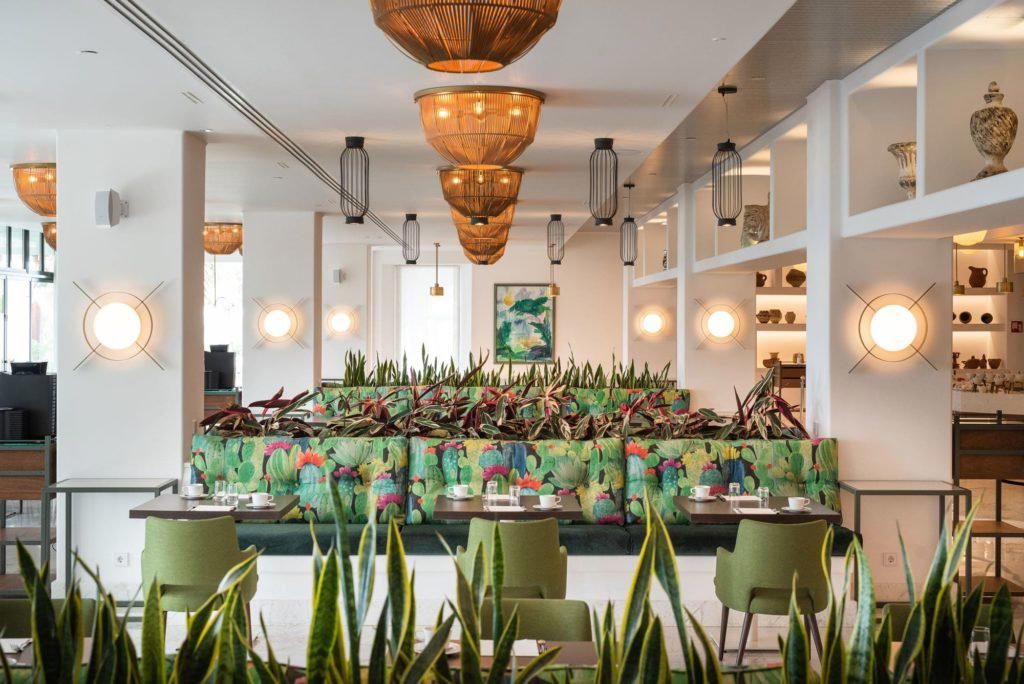
Hotels in Costa Teguise
Browse all →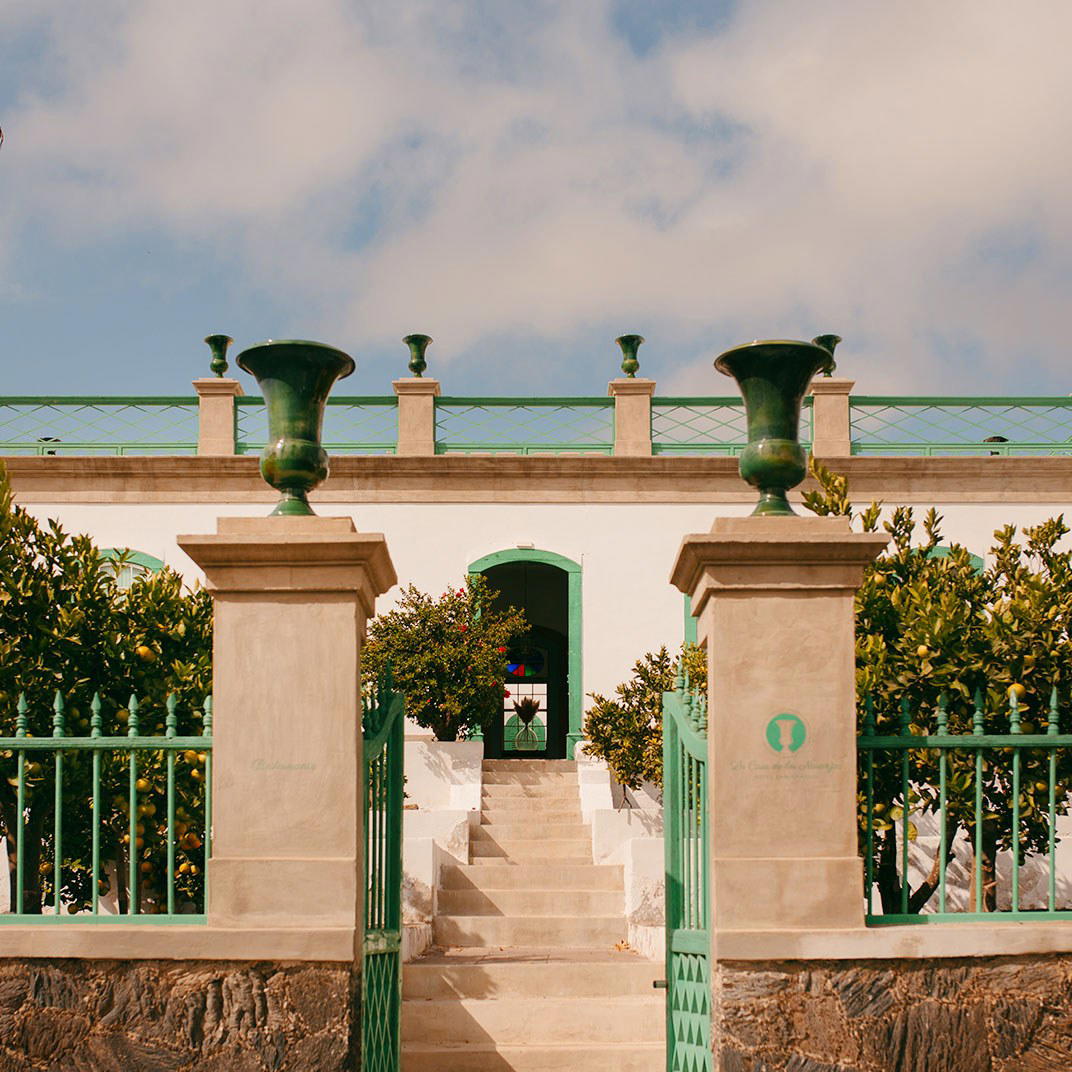
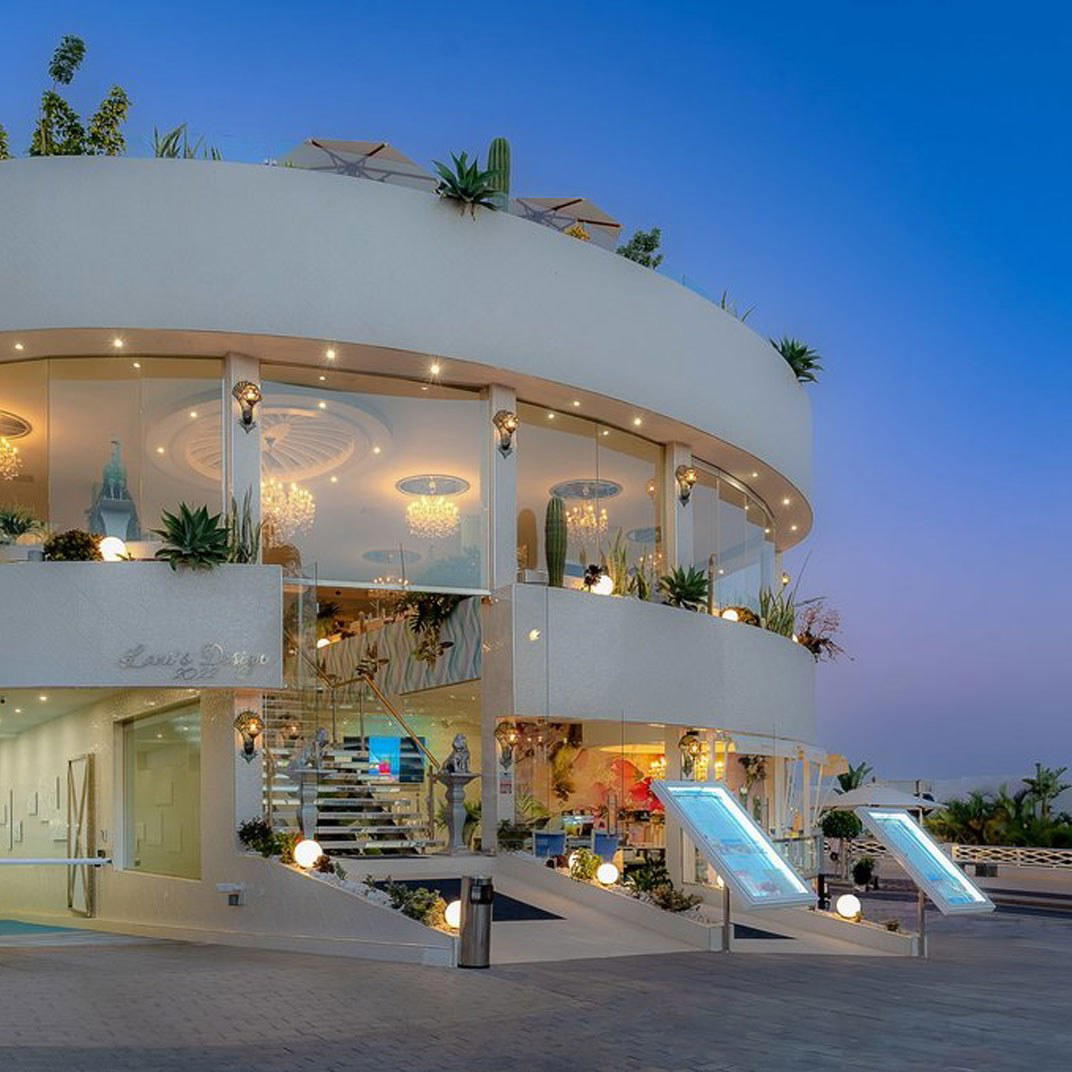
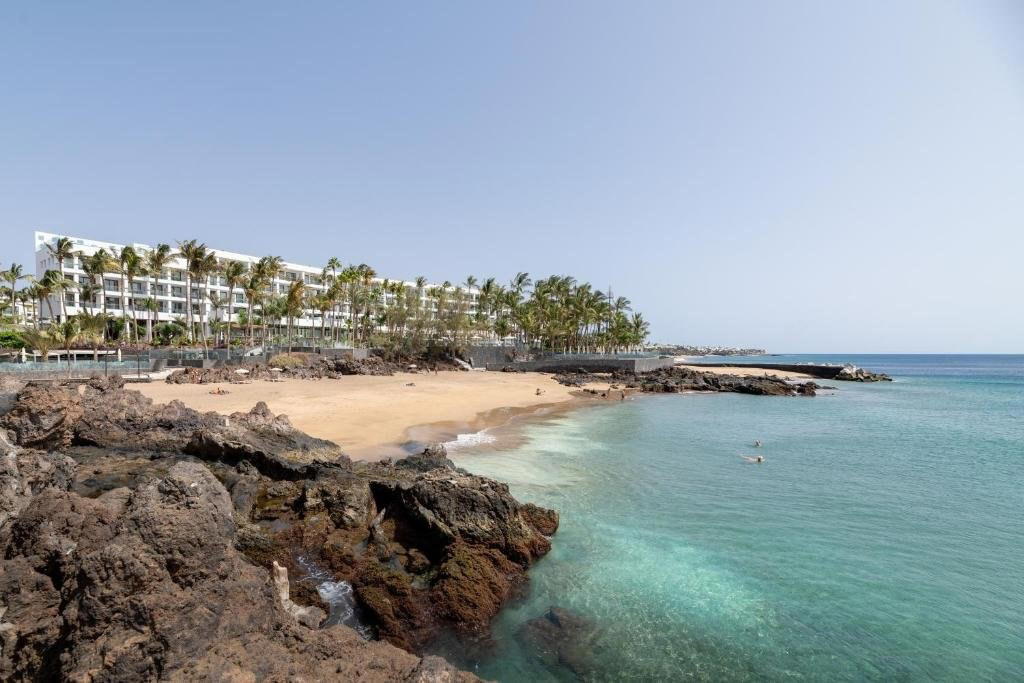
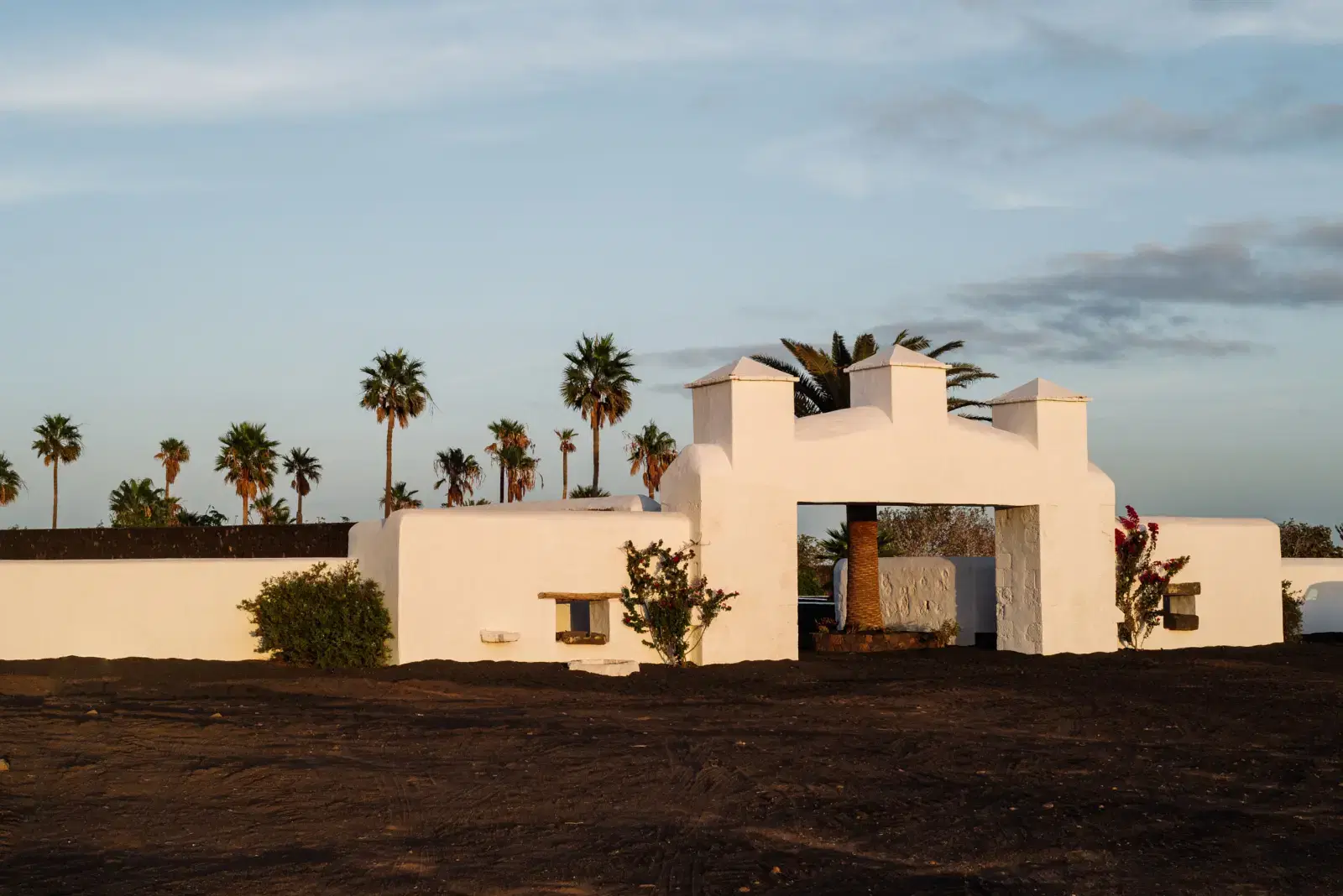
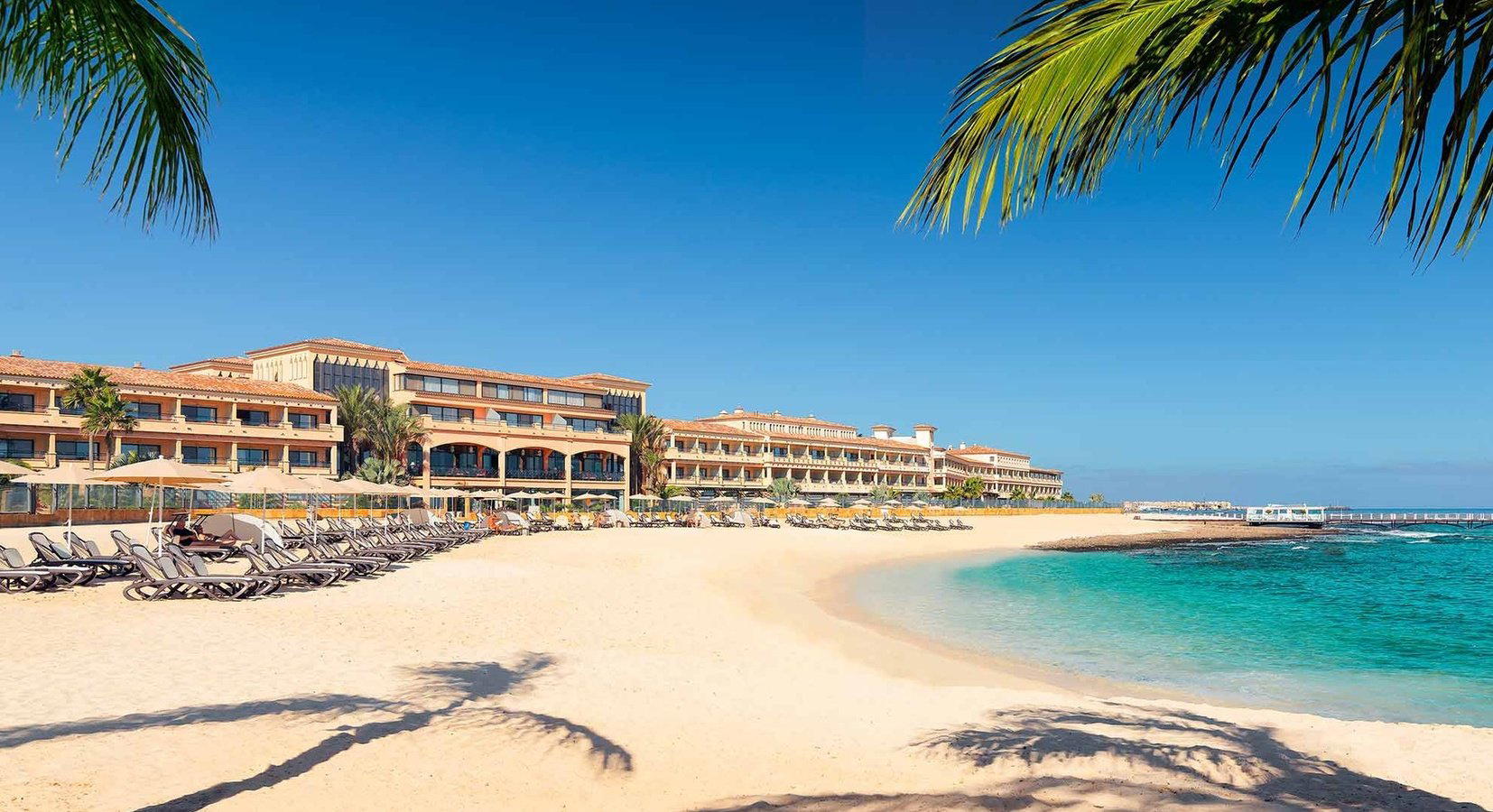
Wineries in Costa Teguise
Browse all →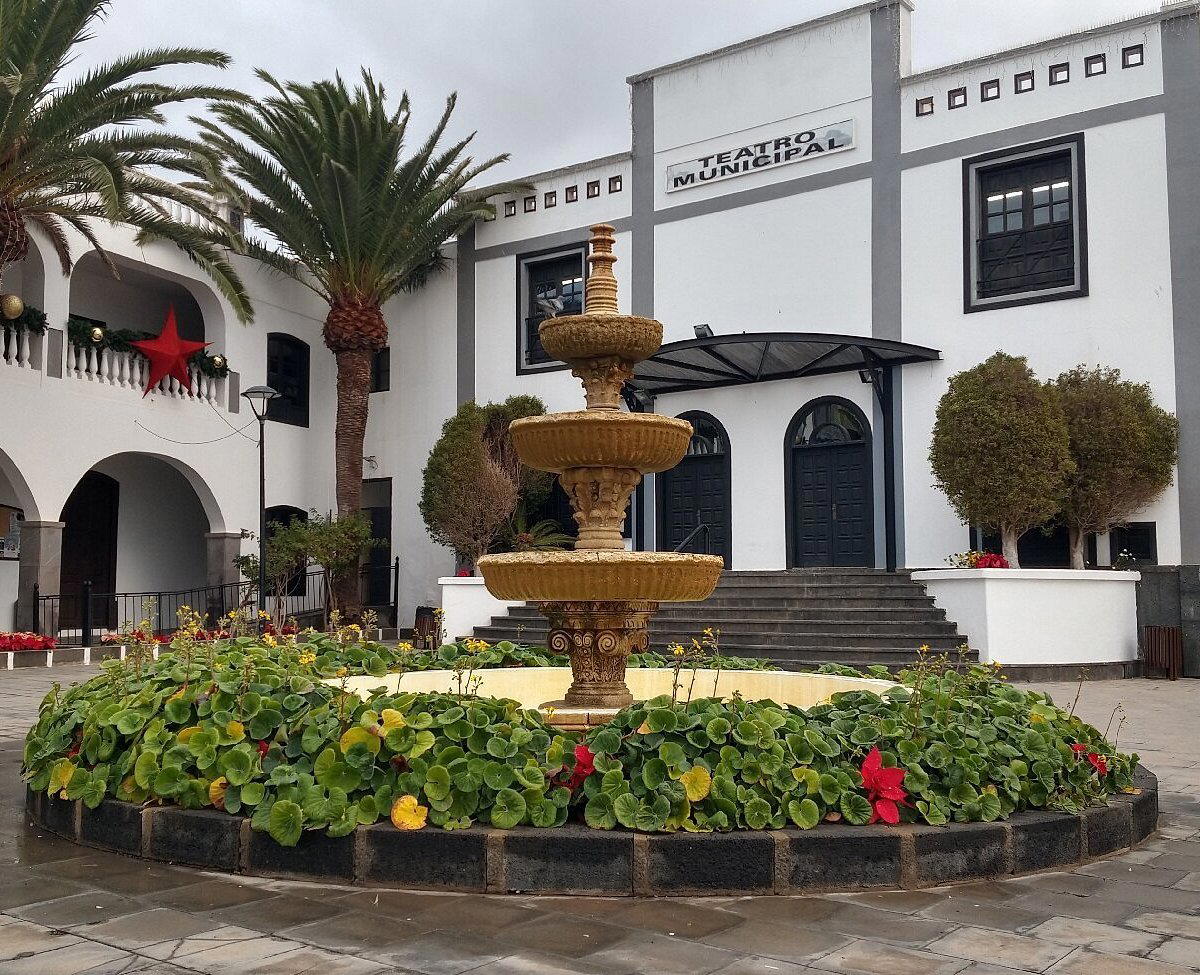
Details
- Modern
- Cozy
- Elegant
- Date Night
- Special Occasion
- Open Kitchen
- Terrace
- Extensive Wine List
- Local Sourcing
- Street Scene
- A La Carte
- Small Plates
Current opening hours
- Monday
- 1:30–5 PM, 8–11:30 PM
- Tuesday
- 1:30–5 PM, 8–11:30 PM
- Wednesday
- 1:30–5 PM
- Thursday
- 1:30–5 PM, 8–10:30 PM
- Friday
- 2–5 PM, 8–11:30 PM
- Saturday
- Closed
- Sunday
- Closed
Hours can change for holidays and private events. Hours as of .
Warm, inviting atmosphere with modern design reflecting island colors and architecture, cozy indoor dining, and terrace with sea views.