

Lilium sits in Arrecife's La Marina district, bringing Canary Islands produce into a modern kitchen format that earns a 2025 Michelin Plate. The glass-fronted dining room and marina terrace frame an à la carte and tasting menu built entirely around native island ingredients. At the €€ price tier, it offers one of the more considered approaches to contemporary Canarian cooking on Lanzarote.
Pearl is the En Primeur Club membership app — saves, bookings, and concierge access live there. Same editors, same standards.
- Address
- Marina Lanzarote, Av. Olof Palme, S/N, Centro Comercial, 35500 Arrecife, Las Palmas, Spain
- Phone
- +34 928 52 49 78
- Website
- restaurantelilium.com
- Directions
- Get directions
 Saves & bookings on Pearl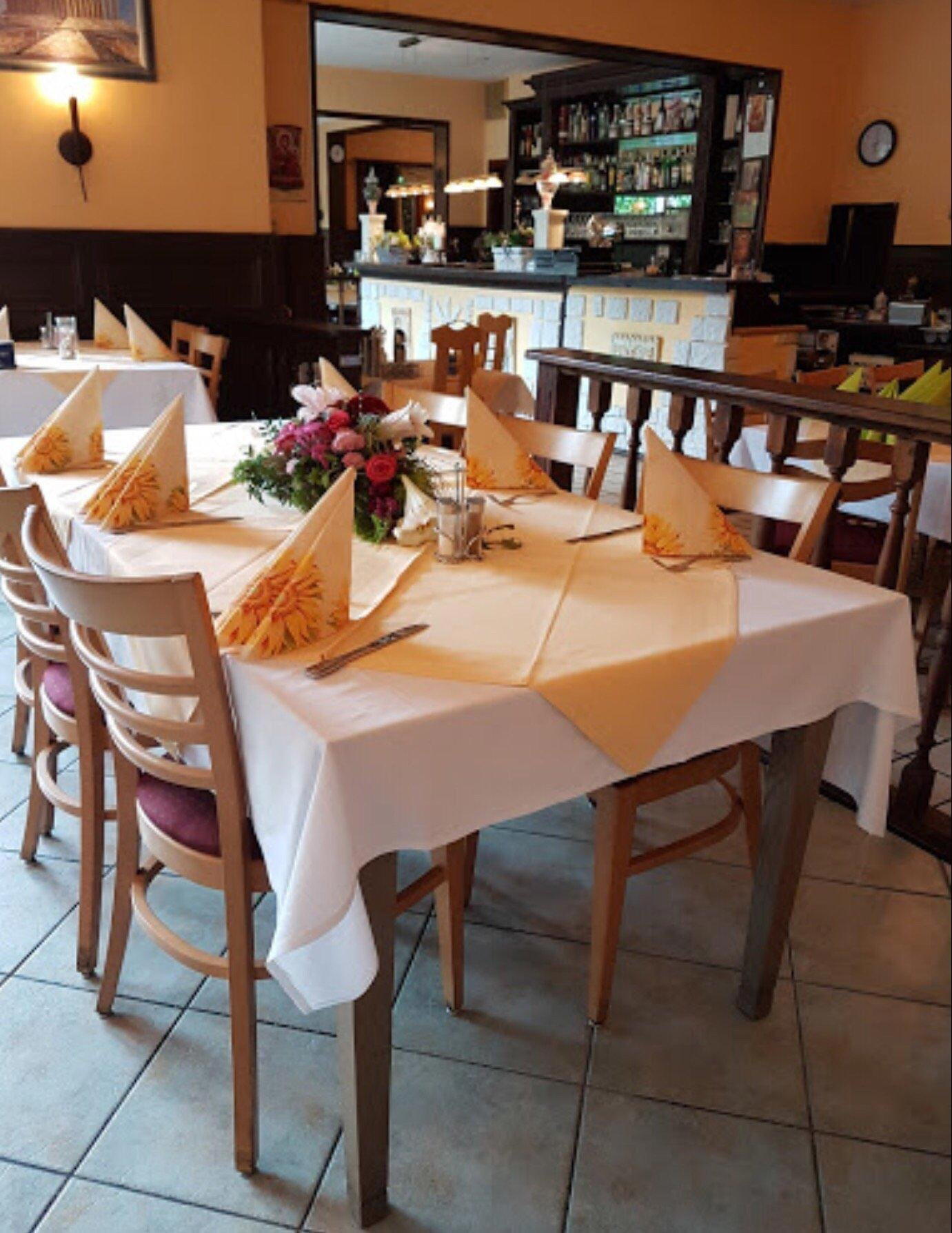
Where the Marina Meets the Volcanic Kitchen
Arrecife is not a city most visitors associate with considered modern cooking. The Canarian capital of Lanzarote reads, at first, as a working port town — functional, salt-worn, oriented toward the sea. But the La Marina district has quietly changed that reading over the past several years. The waterfront stretch along Avenida Olof Palme now carries a different kind of foot traffic: diners who have crossed the island specifically to eat here, rather than simply strolling past on the way to the boats. Lilium, with its glass-fronted façade opening directly onto the marina, occupies a central position in that shift.
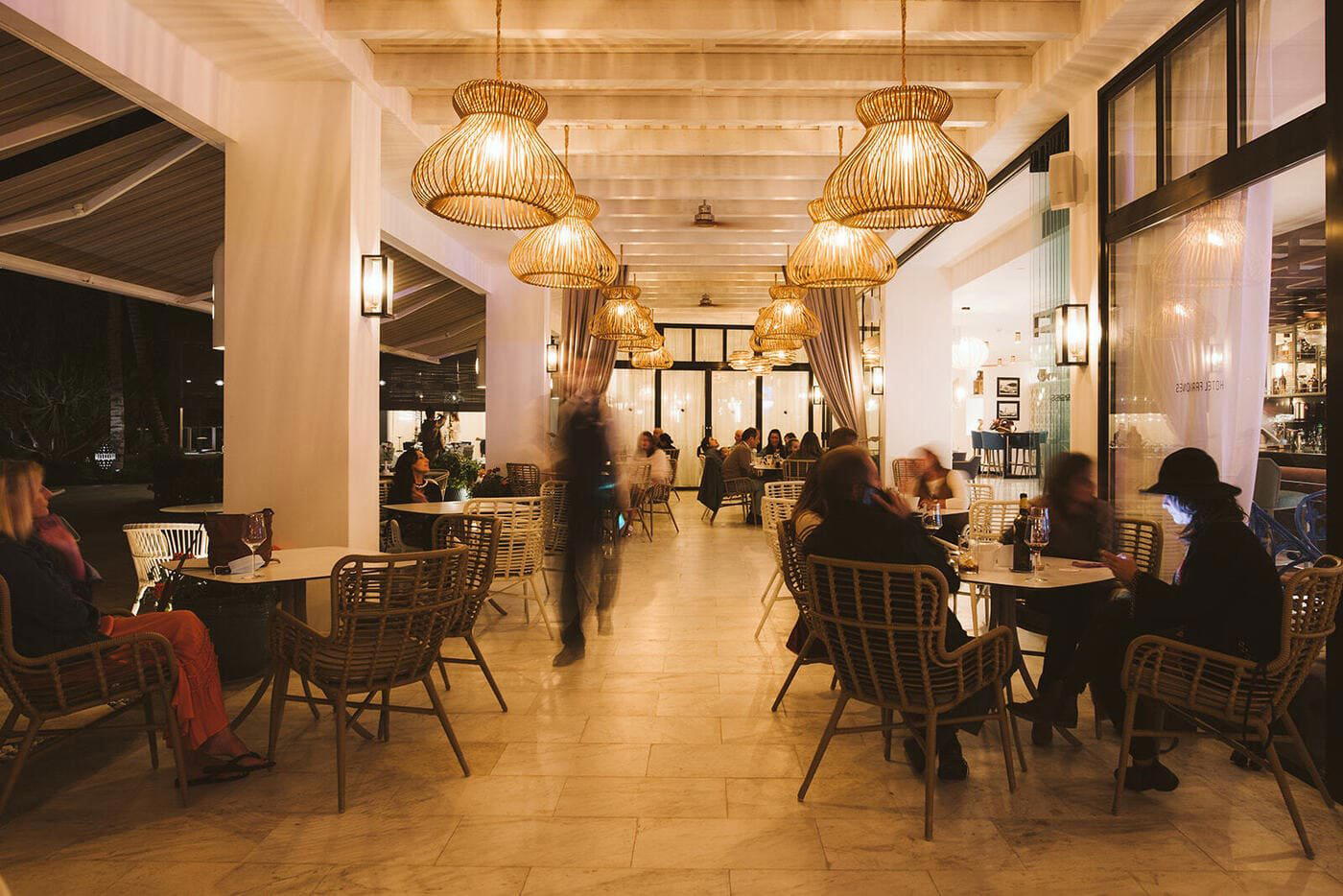
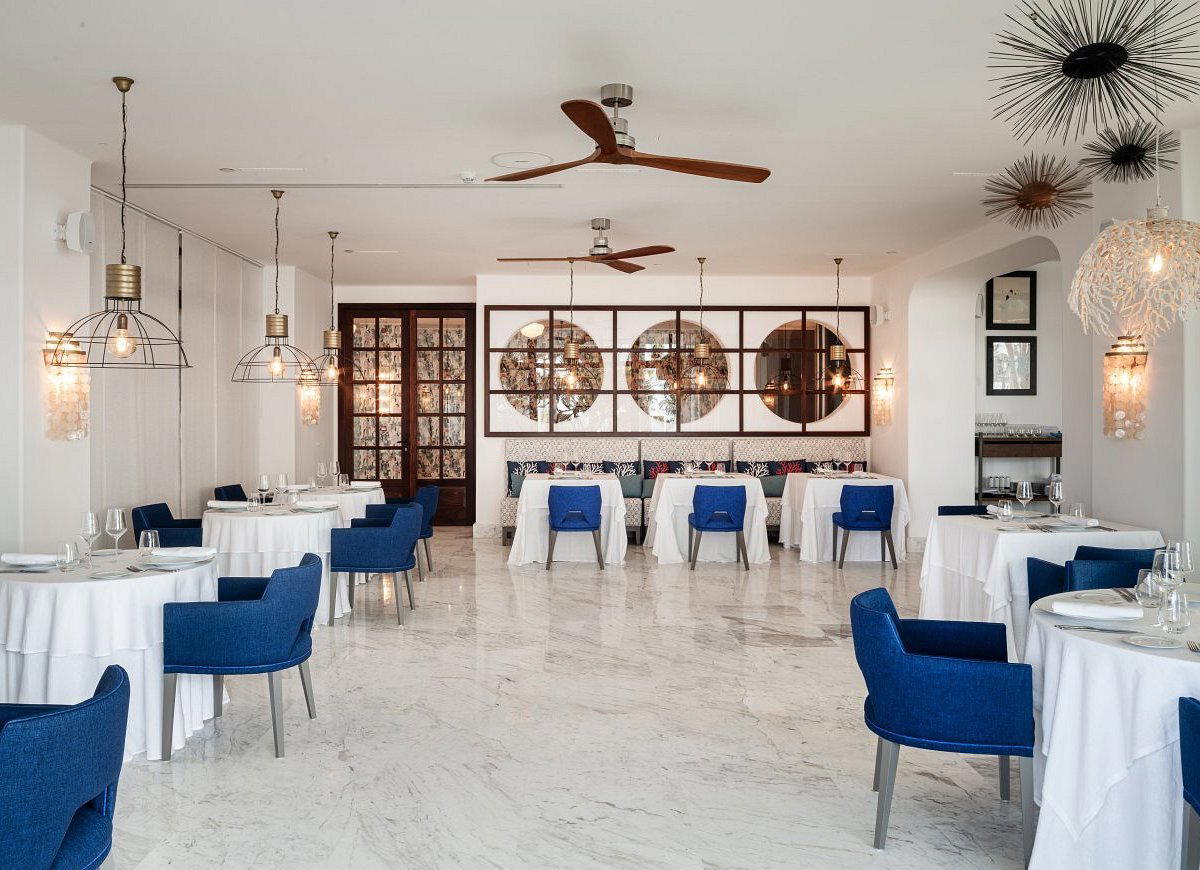
The physical setting carries weight before you order a single dish. The glass front collapses the boundary between the dining room and the harbour, so moored vessels and afternoon light become part of the meal in a way that feels considered rather than incidental. Inside, the room is contemporary and uncluttered — a format that places emphasis squarely on the food rather than on decorative theatrics. The kitchen operates in full view, which in practice means the preparation style becomes part of the dining experience. For a cuisine as ingredient-dependent as Canarian cooking, that transparency is a deliberate editorial statement.
The Logic of Island Sourcing
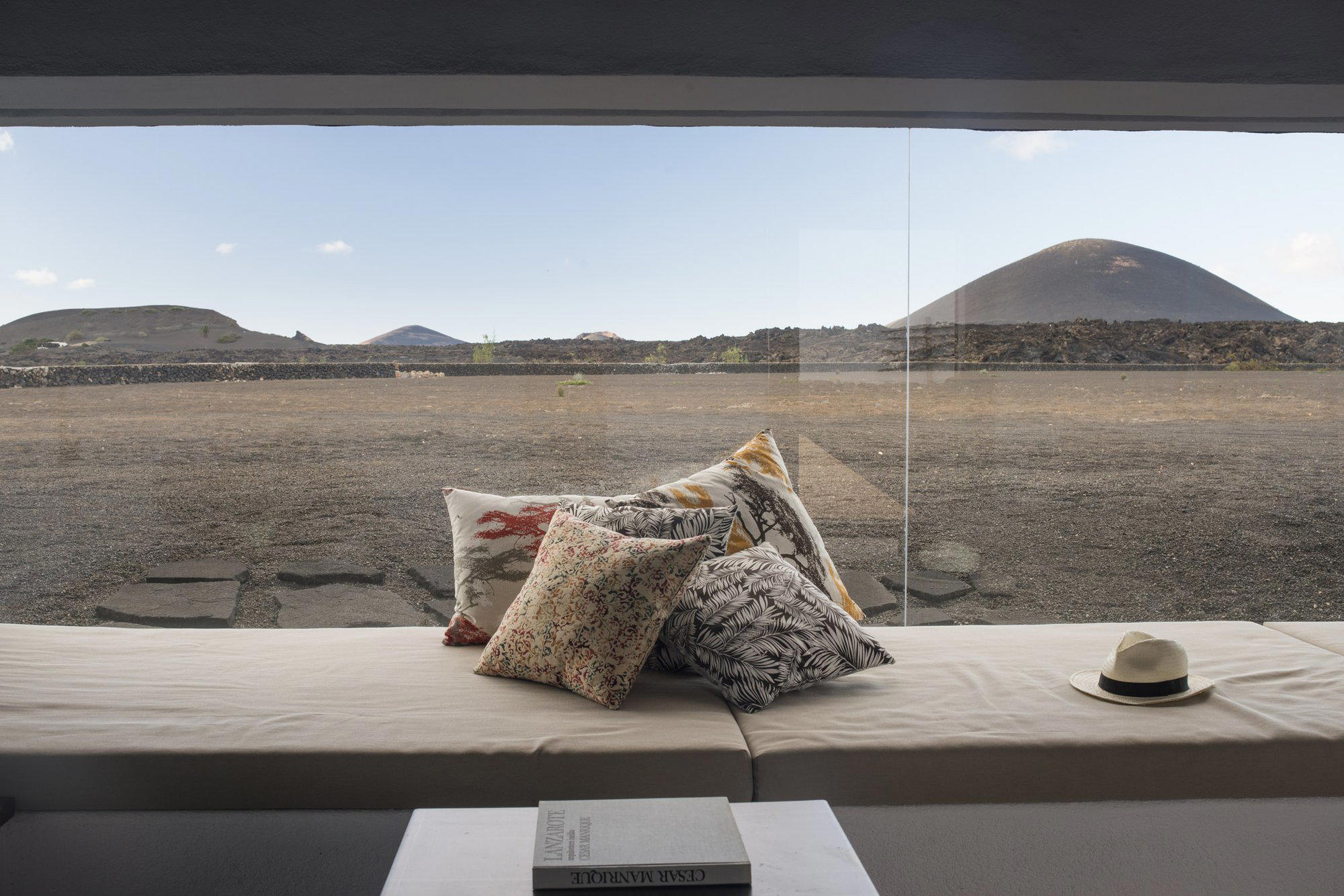
Canarian cuisine is, at its structural core, a product of geography and volcanic soil. Lanzarote's terrain, shaped by the eruptions of the 1730s and the distinctive lapilli pockets of La Geria, produces ingredients that cannot be replicated off-island. The black volcanic gravel retains night moisture and insulates root systems, creating growing conditions that affect the character of local papas, onions, and wines in ways that have no equivalent on the Spanish mainland. A kitchen that commits to native Canary Island products is not making a marketing choice; it is working within one of the more demanding and specific ingredient systems in European regional cooking.
Lilium's à la carte is built around that system. The menu signals, native products, modern technique, open kitchen, place it in a category of Canarian restaurants that treat the island's larder as something worth interrogating rather than simply repeating. This is a different approach from the traditional guachinche format that dominates much of the island's casual eating, and a different register from the international hotel kitchens that have historically absorbed much of Lanzarote's fine-dining spend. The tasting menu format, available alongside the à la carte, allows the kitchen to sequence those ingredients across courses and make a more sustained argument for the sourcing logic.
Across Spain's broader modern restaurant scene, the strongest regional cooking programs have consistently been the ones that treat local produce as a constraint that generates creativity rather than a limitation to apologise for. Kitchens like Quique Dacosta in Dénia built their identities on the specificity of the Mediterranean coast. Aponiente in El Puerto de Santa María turned the Bay of Cádiz's marine ecology into a full creative program. The Basque model, represented by houses like Arzak in San Sebastián and Martin Berasategui in Lasarte-Oria, was always as much about terroir as technique. Lilium operates from a similar premise, at a different scale and price tier, applied to a volcanic Atlantic island that most of Spain's dining conversation has largely ignored.
Recognition and Peer Context
The 2025 Michelin Plate positions Lilium within the lower tier of Michelin recognition, a signal of quality cooking and consistent standards rather than of technique at the cutting edge of Spanish gastronomy. That distinction matters for calibrating expectations. The comparison set here is not Disfrutar in Barcelona, El Celler de Can Roca in Girona, or Mugaritz in Errenteria. Those houses occupy the €€€€ tier and operate with creative mandates and team structures that are simply different in kind. Lilium sits at €€, which for Lanzarote represents a meaningful commitment to quality relative to local pricing norms, and the Michelin recognition confirms that the commitment reads in the food.
At that volume, a 4.6 score is statistically durable rather than a product of a small, enthusiastic sample.
For regional cuisine in non-metropolitan settings across Europe, the relevant comparison is less often a peer city and more often a category. Fahr in Künten-Sulz and Gannerhof in Innervillgraten represent the same model in Alpine contexts: Michelin-recognised kitchens in secondary locations that have built reputations on deep regional sourcing rather than metropolitan visibility. The challenge for all of them is the same: convincing a visitor base that has not come specifically for the food that the food is worth the attention.
Planning a Visit
Lilium is located at Marina Lanzarote, Avenida Olof Palme S/N, within the Centro Comercial of the La Marina development in Arrecife. The terrace faces the marina directly, making the timing of a booking relevant: afternoon and early evening slots benefit from harbour light, while later sittings offer a quieter, darker setting. The €€ price range puts a meal here at a comfortable remove from the airport-adjacent tourist pricing that dominates much of the island's restaurant market, without requiring the budget planning that a special-occasion tasting menu at a higher tier demands. Both the à la carte and the tasting menu are available, giving visitors the option to move at their own pace or follow the kitchen's preferred sequencing of the island's ingredient story.
For the broader picture of where to stay and what else to do in Arrecife, see our full Arrecife hotels guide, our full Arrecife bars guide, our full Arrecife wineries guide, and our full Arrecife experiences guide. For the complete picture of where to eat in the city, including other options across price tiers and cuisine types, see our full Arrecife restaurants guide.
In Context: Similar Options
| Venue | Cuisine | Price | Awards |
|---|---|---|---|
| LiliumThis venue — the venue you are viewing | Regional Cuisine | €€ | Not listed |
| Aponiente | Progressive - Seafood, Creative | €€€€ | Michelin 3 Star |
| Arzak | Modern Basque, Creative | €€€€ | Michelin 3 Star |
| DiverXO | Progressive - Asian, Creative | €€€€ | Michelin 3 Star |
| El Celler de Can Roca | Progressive Spanish, Creative | €€€€ | Michelin 3 Star |
| Quique Dacosta | Creative | €€€€ | Michelin 3 Star |
Recognition history
Dated appearances from independent guides and award organizations, with the underlying list record or original source where available.
Guía Repsol 1 Sol
Guía Repsol
Michelin Plate
Michelin
Michelin Plate
Michelin
Michelin Plate
Michelin
Continue exploring
More in Arrecife
Restaurants in Arrecife
Browse all →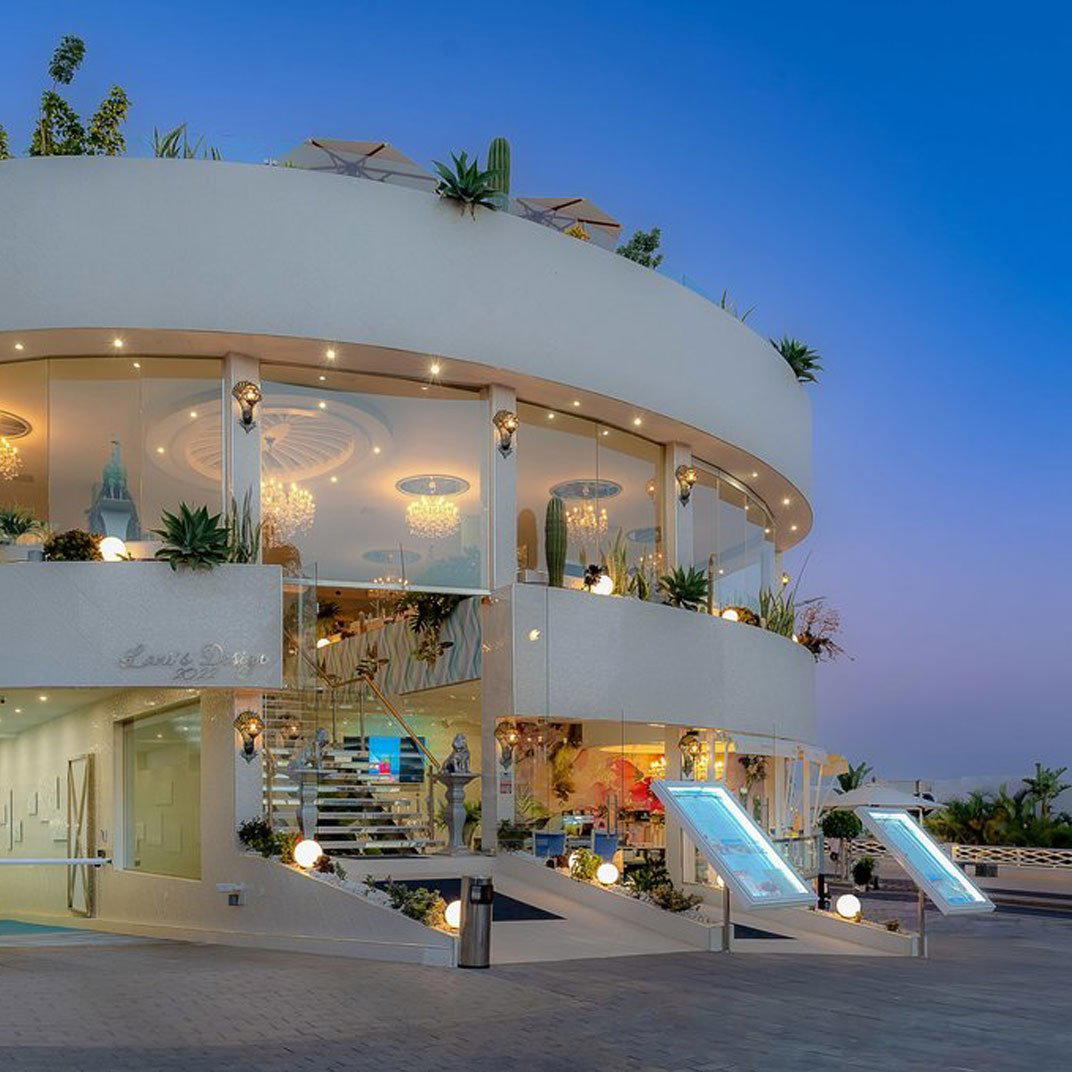
Bars in Arrecife
Browse all →
Hotels in Arrecife
Browse all →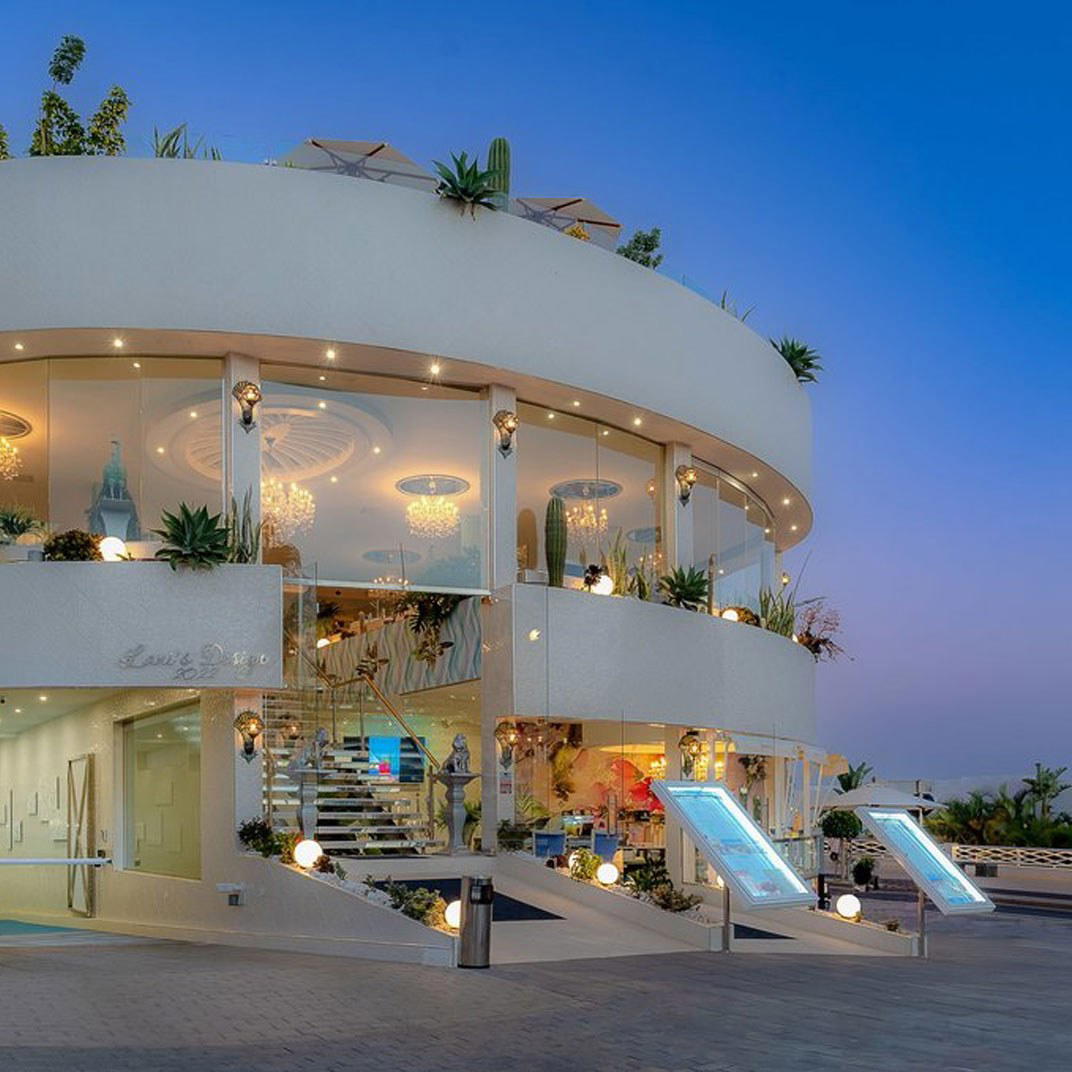
At a Glance
- Elegant
- Cozy
- Modern
- Intimate
- Sophisticated
- Date Night
- Special Occasion
- Celebration
- Terrace
- Waterfront
- Open Kitchen
- Extensive Wine List
- Local Sourcing
- Waterfront
- Street Scene
Current opening hours
- Monday
- Closed
- Tuesday
- 7–9:30 PM
- Wednesday
- 7–9:30 PM
- Thursday
- 7–9:30 PM
- Friday
- 1:30–3:30 PM, 7–9:30 PM
- Saturday
- 1:30–3:30 PM, 7–9:30 PM
- Sunday
- Closed
Hours can change for holidays and private events. Last verified .
Cozy, elegant, and relaxed atmosphere with modern contemporary design, lovely surroundings, and views over the marina.
Know Before You Go
- Getting there
- Marina Lanzarote, Av. Olof Palme, S/N, Centro Comercial, 35500 Arrecife, Las Palmas, Spain