
Michelin Selected
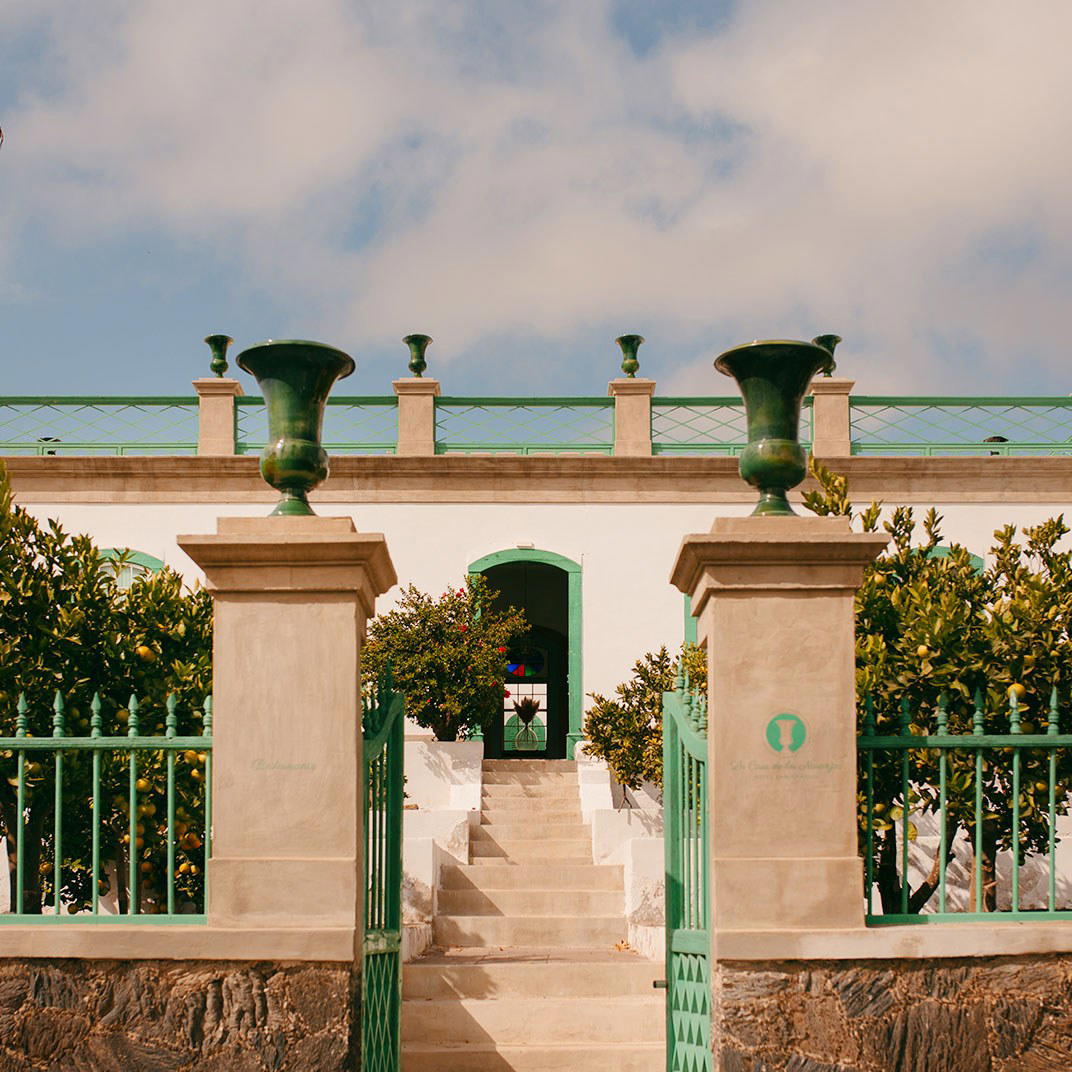
A Michelin Selected house hotel in Haría, Lanzarote's quietest village, La Casa de los Naranjos occupies a restored Canarian manor whose volcanic-stone architecture and courtyard of orange trees set it apart from the island's resort corridor. The property sits inside a category of design-led, low-key Canarian accommodation that prizes architectural fidelity over amenity volume.

Pearl is the En Primeur Club membership app, where members save venues, book tables and use the concierge.
Haría and the Architecture of Quiet
Lanzarote divides cleanly into two hospitality registers. The southern and eastern coasts run on volume: large resort complexes, beach-facing towers, and the infrastructure of package tourism. The north, centred on the municipality of Haría and its valley of a thousand palms, operates on a different logic entirely. Here the built environment is governed by the island's strict planning codes, originally shaped by artist and architect César Manrique, which limit building heights, mandate whitewashed facades, and preserve the volcanic character of the terrain. Hotels that exist within this northern zone inherit those constraints and, in most cases, are better for them.
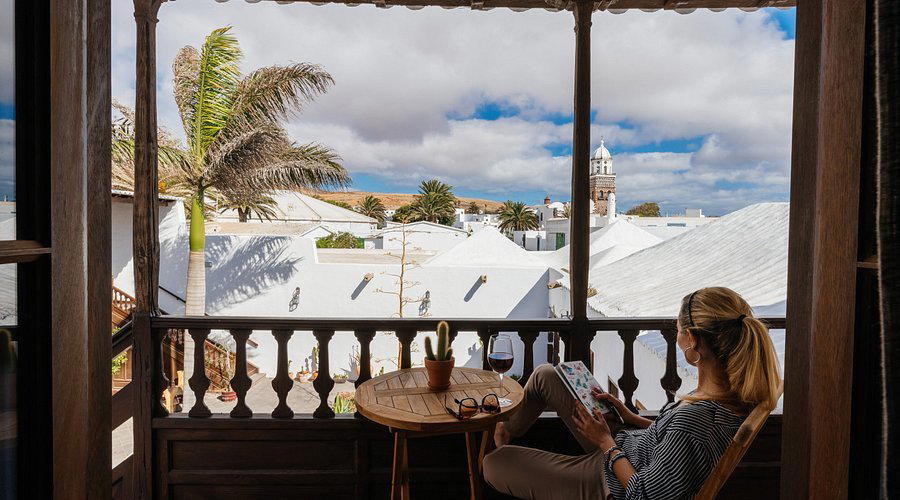
La Casa de los Naranjos sits on Calle Rincón de Aganada in the heart of Haría village. The address matters: this is not a property on the edge of town with views across agricultural land, but a building embedded in the village's historic fabric, surrounded by the narrow lanes and low whitewashed walls that define traditional Canarian settlement patterns. Approaching on foot, as most guests do from the village square, the transition from street to property is gradual rather than dramatic, a gate, a courtyard, the scent of orange blossom that gives the house its name.
The Physical Logic of Canarian Manor Design
The emblematic hotel category in the Canary Islands, formalized as hotel emblemático by regional tourism classification, applies to historic properties restored for hospitality use rather than purpose-built hotels. The designation signals a specific set of expectations: original structural fabric, architectural conservation constraints, limited room counts, and an intimacy of scale that larger resort operations cannot replicate by definition.
La Casa de los Naranjos fits squarely in this tradition. The building type it represents, the Canarian courtyard house, follows a Mediterranean-influenced domestic logic: rooms organized around a central patio that provides ventilation, light, and a private outdoor space insulated from street noise. The orange trees embedded in that courtyard are not decorative afterthoughts but part of an agricultural heritage in which fruit cultivation was integrated into domestic architecture across the island's rural settlements.
What distinguishes the Lanzarote version of this format is the volcanic materiality. The island has no clay for traditional terracotta tile and limited timber for heavy roof structures, so Canarian vernacular architecture relies heavily on the local basalt and limestone, volcanic aggregate renders, and wooden shuttered windows scaled to manage both Atlantic wind and intense summer light. A well-restored emblematic hotel in Haría reads those constraints directly in its surfaces and proportions in a way that a property in Mallorca or Catalonia simply cannot replicate.
Michelin Selection and What It Signals
La Casa de los Naranjos carries a Michelin Selected distinction for 2025, drawn from the Michelin Guide's hotel programme. Within the guide's hotel classification system, Michelin Selected is the entry-level recognition tier, positioned below Michelin Key properties but still representing editorial endorsement from a programme that prioritises architectural character, service authenticity, and alignment between property and location. For a small village property in northern Lanzarote, selection within this framework places it in a peer group defined more by coherence and design integrity than by amenity breadth.
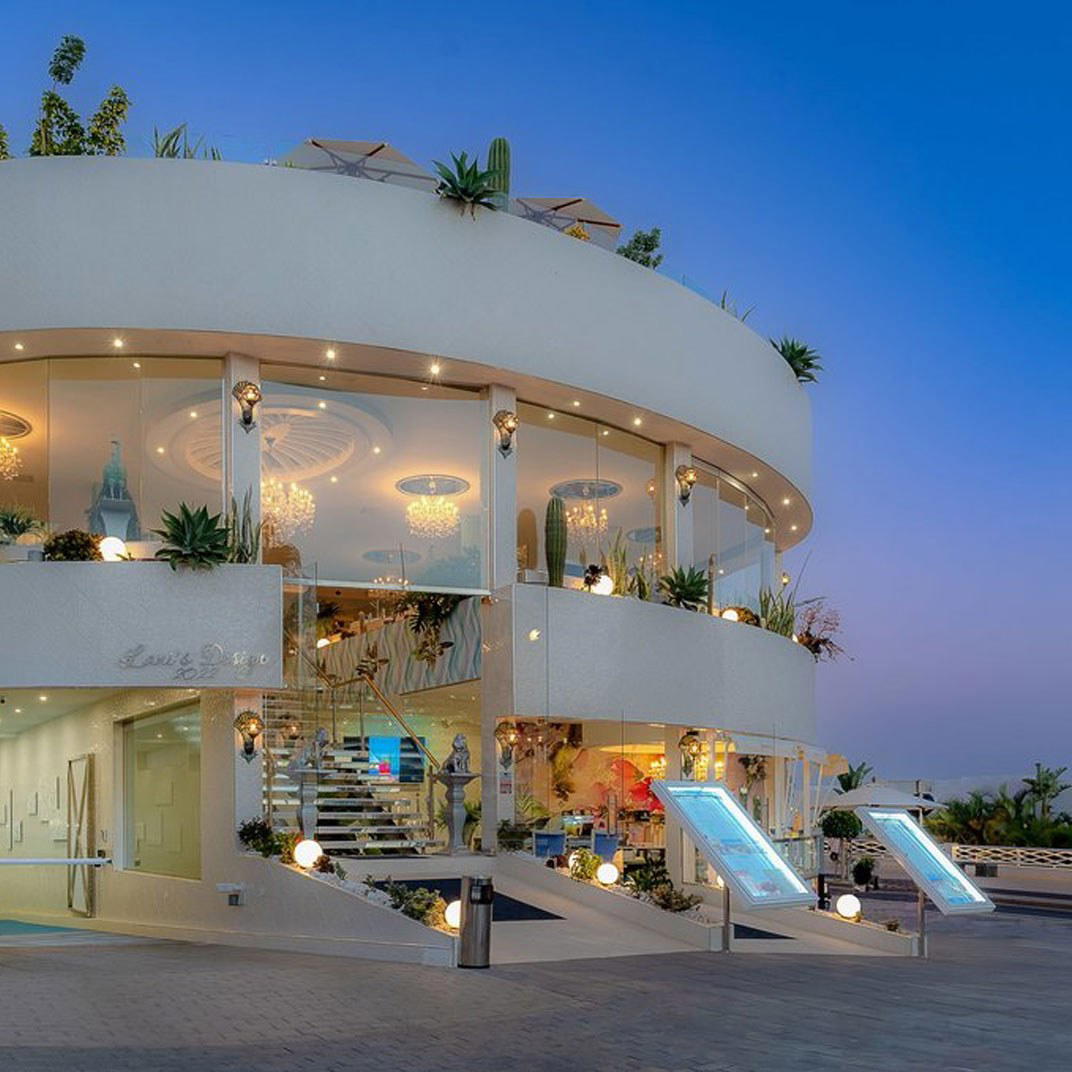
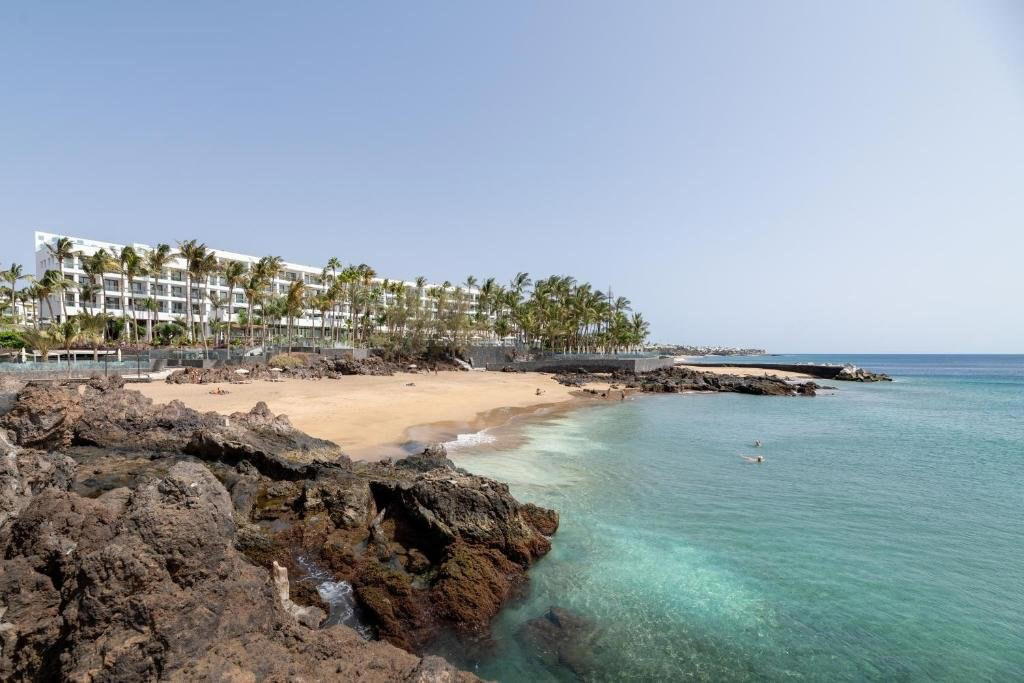
The distinction is more meaningful at this scale than at large resort level. A 300-room beachfront hotel can achieve Michelin Selected on the strength of its facilities alone; a small emblematic property earns the same recognition through a tighter, harder-to-fake combination of physical fabric, atmosphere, and operator commitment to place. Among Lanzarote's accommodation options, the selection positions La Casa de los Naranjos alongside a smaller category than the island's resort corridor properties such as Hotel Fariones or Lani's Suites de Luxe, which serve different traveller intentions entirely.
Haría as Context for the Stay
The village itself is inseparable from the property's character. Haría functions as Lanzarote's inland cultural reference point, sitting at the northern end of the Famara massif in a collapsed volcanic caldera that fills with palms and small agricultural plots. It has historically attracted artists and writers drawn to its relative remoteness from the coastal resort infrastructure, a demographic pattern reinforced by Manrique's own residence in the municipality during his later years.
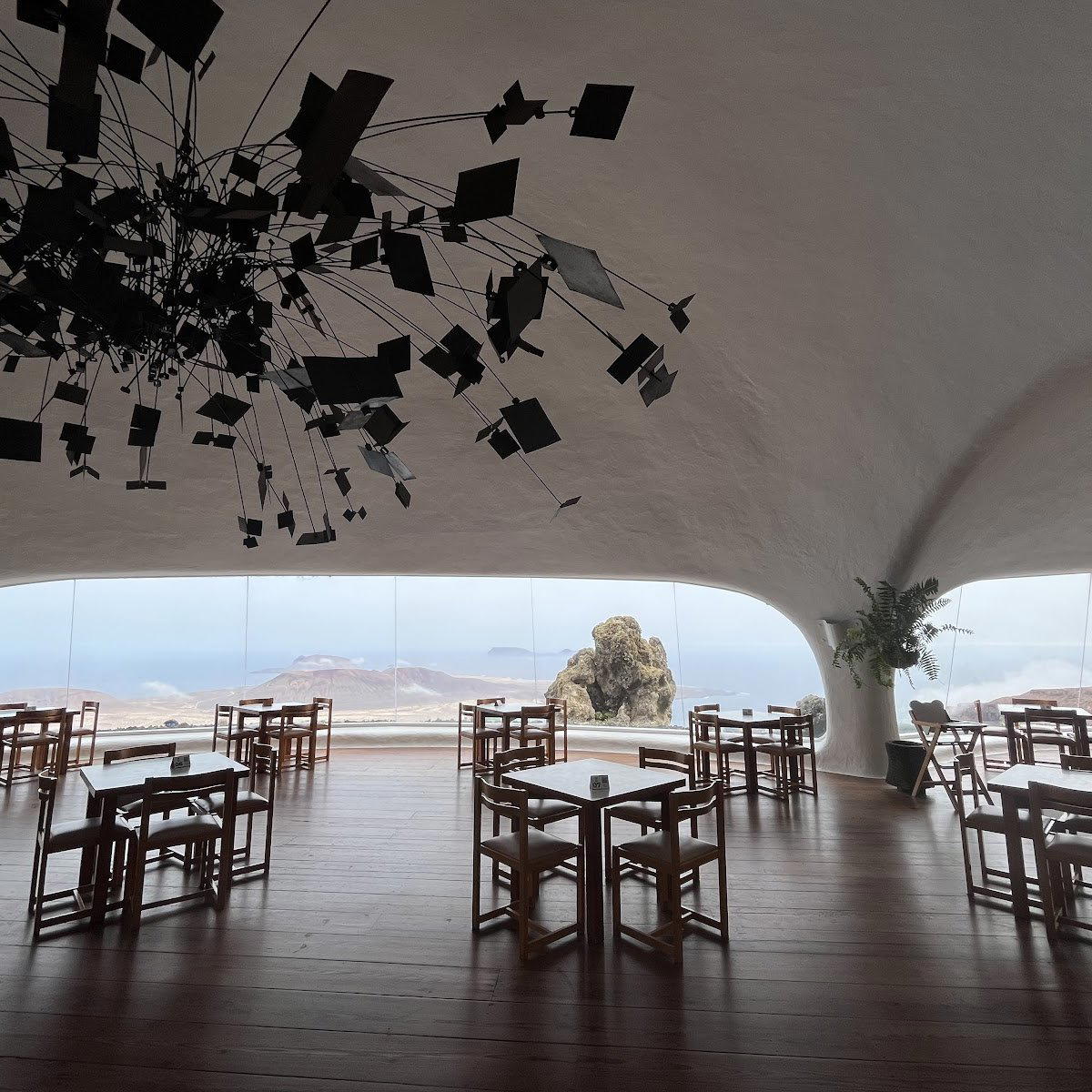
Market days in Haría, typically on Saturdays, draw visitors from across the island for craft goods and local produce. The Mirador del Río, one of Manrique's most celebrated architectural interventions, sits within easy reach of the village and offers a view north across the strait to La Graciosa. The Jameos del Agua and the Cueva de los Verdes, both part of the same vast volcanic tube system, are accessible from the Haría area and represent the island's most substantial geological visitor sites. For guests staying at La Casa de los Naranjos, the property functions as a base for this northern circuit rather than as a beach-access resort, which determines its appeal almost completely.
Planning a Stay
The Canary Islands maintain mild temperatures year-round, but Haría and the northern municipalities experience stronger Atlantic wind than the south, particularly between November and February. Spring, roughly March through May, offers the most settled combination of warmth and calm, alongside the bloom period for the orange trees and the valley's agricultural plantings. Summer brings heat and strong visitor numbers to the island generally, though the northern villages remain considerably quieter than the southern resorts.
Guests arriving by air land at Lanzarote Airport (ACE) near Arrecife, with Haría approximately 25 kilometres north by road. A car is strongly advisable for exploring the northern circuit; the village itself is walkable but connections to Manrique sites and coastal beaches require independent transport. Booking La Casa de los Naranjos in advance is advisable, particularly during spring and the shoulder season around October, when the combination of good weather and reduced resort crowds draws more culturally-oriented travellers to the island's northern municipalities.
Those building a broader Spain itinerary around design-led historic properties will find useful comparisons in Caro Hotel in València, Hotel Mercer Sevilla in Seville, and Mas de Torrent Hotel & Spa in Torrent, each of which follows a similar logic of converting historic fabric into small-count hospitality. At the high end of the Spanish spectrum, Mandarin Oriental Ritz, Madrid and Mandarin Oriental Barcelona represent a different register entirely, useful orientation points for travellers calibrating across the country's hotel tiers. For more Lanzarote options and the island's full dining context, see our full Lanzarote restaurants guide.
Side-by-Side Snapshot
Comparable venues nearby, for context on price, style, and recognition.
| Venue | Cuisine | Price | Awards | Notes |
|---|---|---|---|---|
| Hotel Emblemático La Casa de los NaranjosThis venue (the venue you are viewing) | Restored 19th-century emblematic manor house with preserved original features. | $100–200 | Michelin Selected | Not listed |
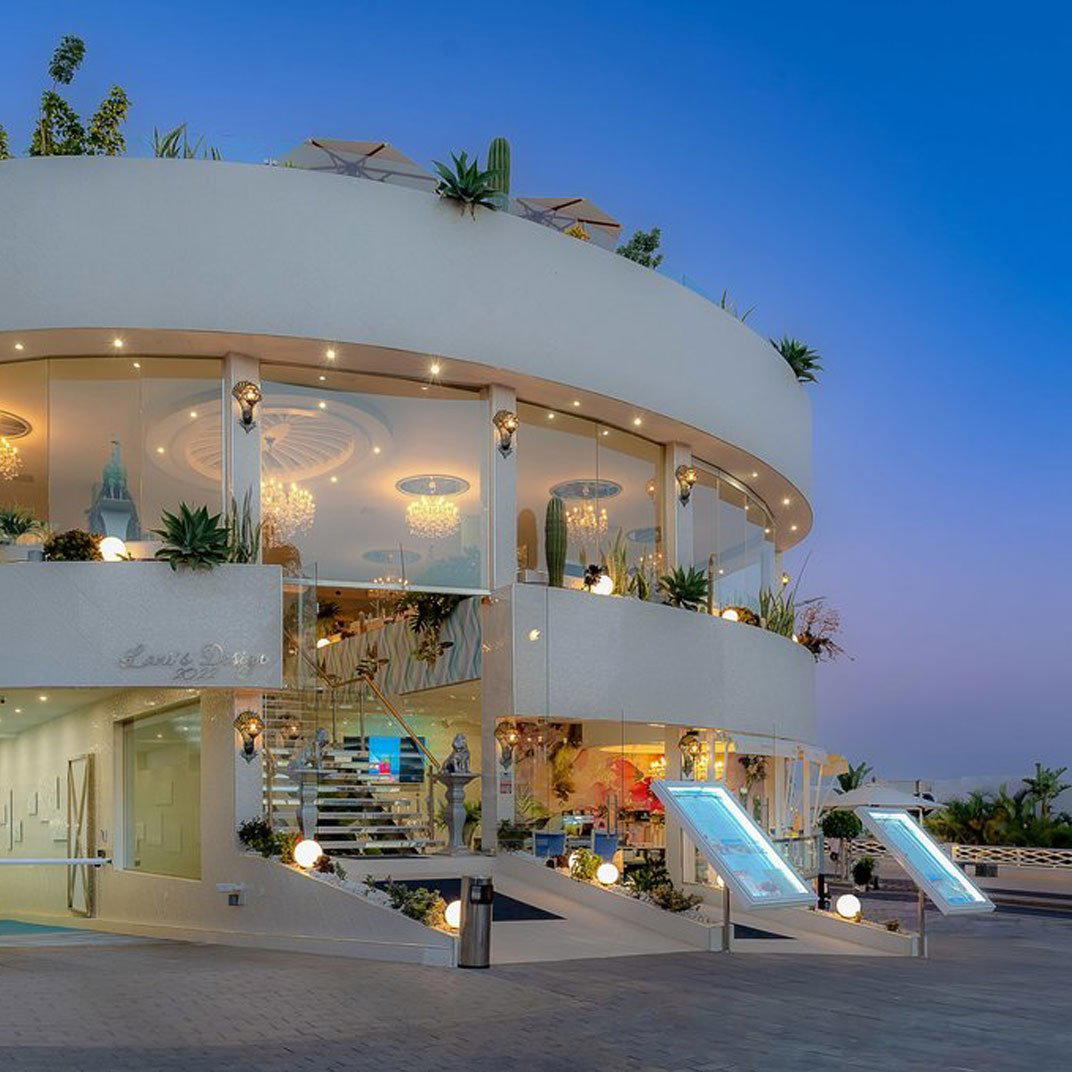
| Lani's Suites de Luxe | Exclusive beachfront boutique with sleek contemporary suites and polished service. | $500–750 | Michelin Selected | Puerto del Carmen |
| Hotel Fariones | Modern luxury beachfront resort with extensive gardens and wellness facilities. | Not listed | Michelin Selected · La Liste Top Hotels | Puerto del Carmen |
| Vincci Molviedro | Contemporary Andalusian fusion in historic buildings | $100–200 | Michelin Selected | Centro |
| Eurostars Bilbao | Premium urban four-star hotel in a restored landmark riverside building, positioned for comfort-focused city stays. | Not listed | Not listed | Deusto |
| Parador de Alarcón | Medieval castle parador blending authentic history with modern hospitality. | Not listed | Michelin Selected | Alarcon |
Recognition history
Dated appearances from independent guides and award organizations, with the underlying list record or original source where available.
Michelin Selected
Michelin
Continue exploring
More in Lanzarote
Hotels in Lanzarote
All hotels in Lanzarote →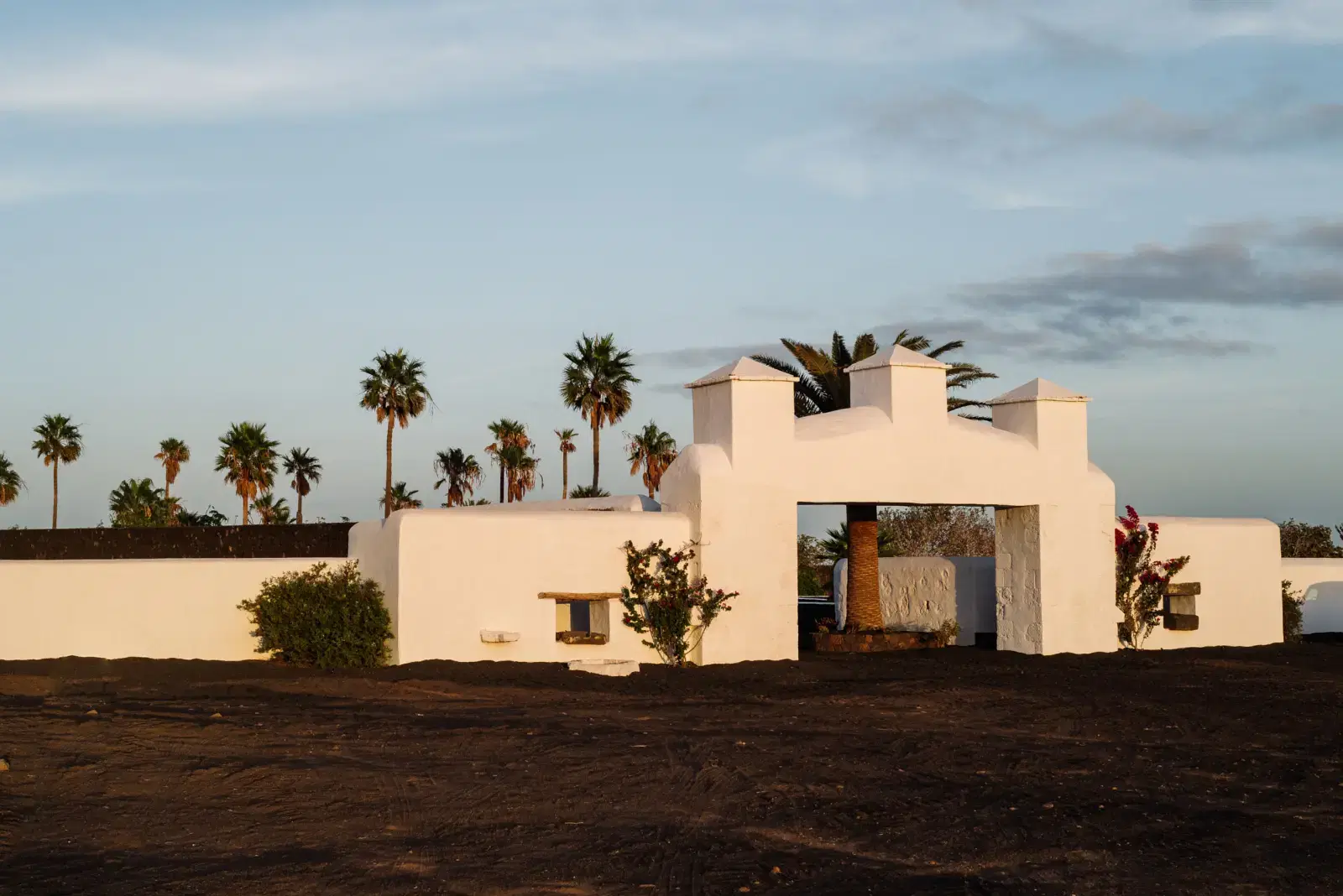
Details
- Romantic
- Cozy
- Elegant
- Rustic
- Intimate
- Scenic
- Romantic Getaway
- Anniversary
- Weekend Escape
- Garden
- Historic Building
- Terrace
- Wi Fi
- Garden
- Room Service
- Restaurant
- Air Conditioning
- Garden
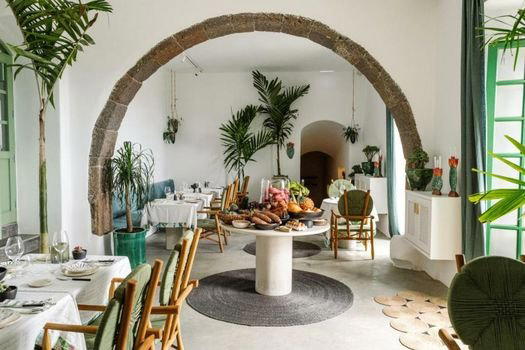
Charming 19th-century manor atmosphere with candlelit dining, sun-dappled courtyard, antique furnishings, high ceilings, stained glass, and a mix of original features with contemporary comforts.