Bodega Caelum

Falstaff Winery - Listed
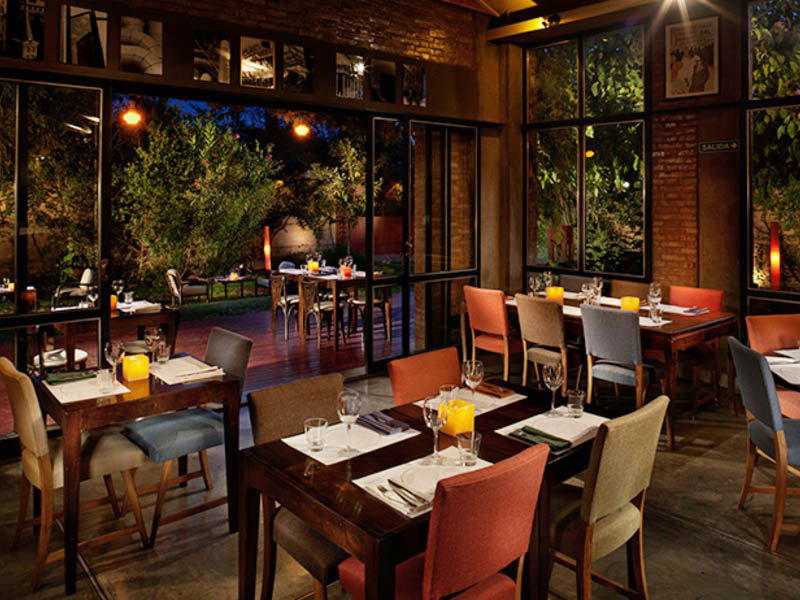
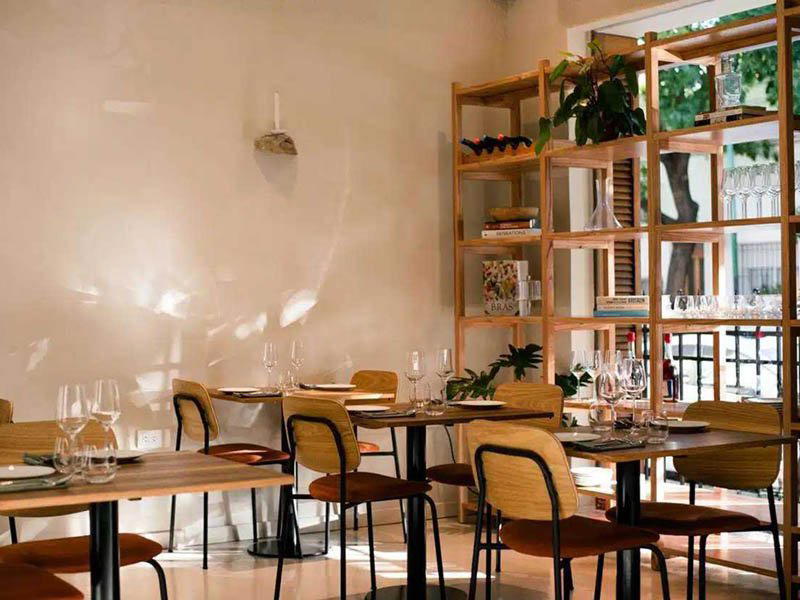
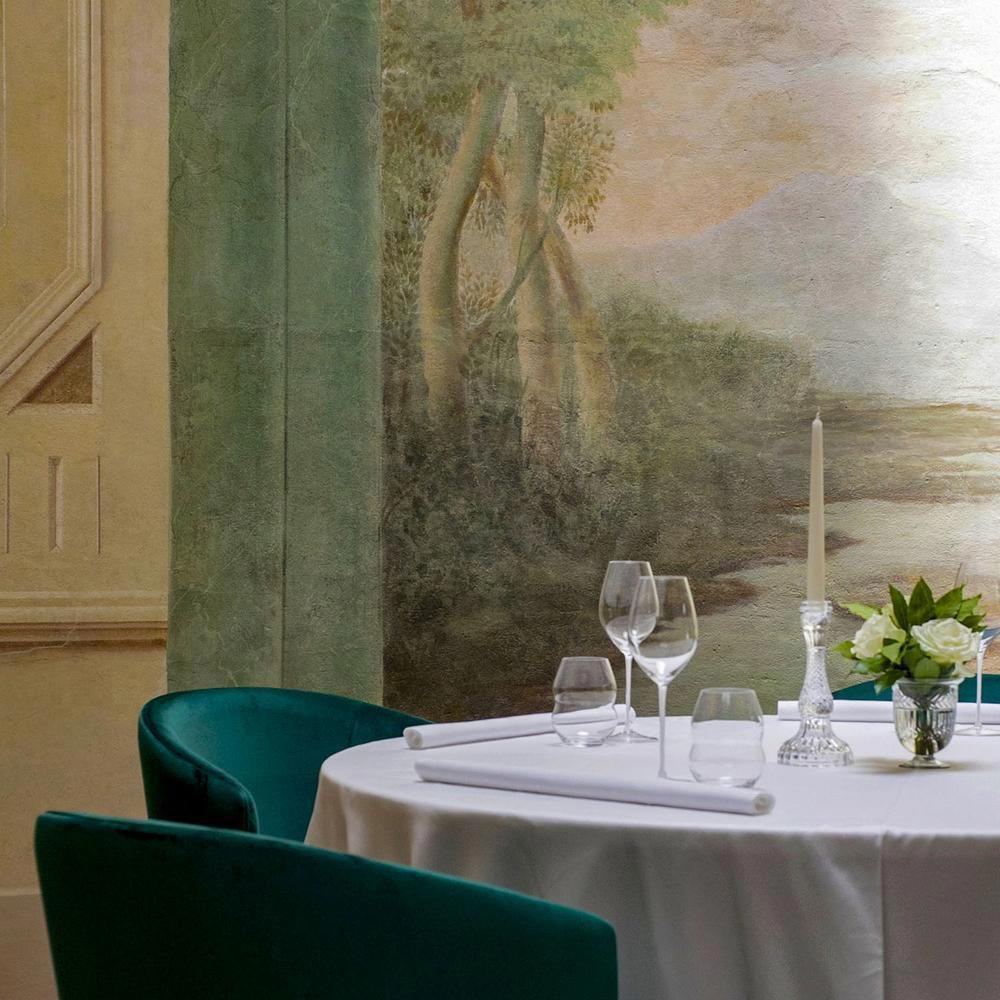
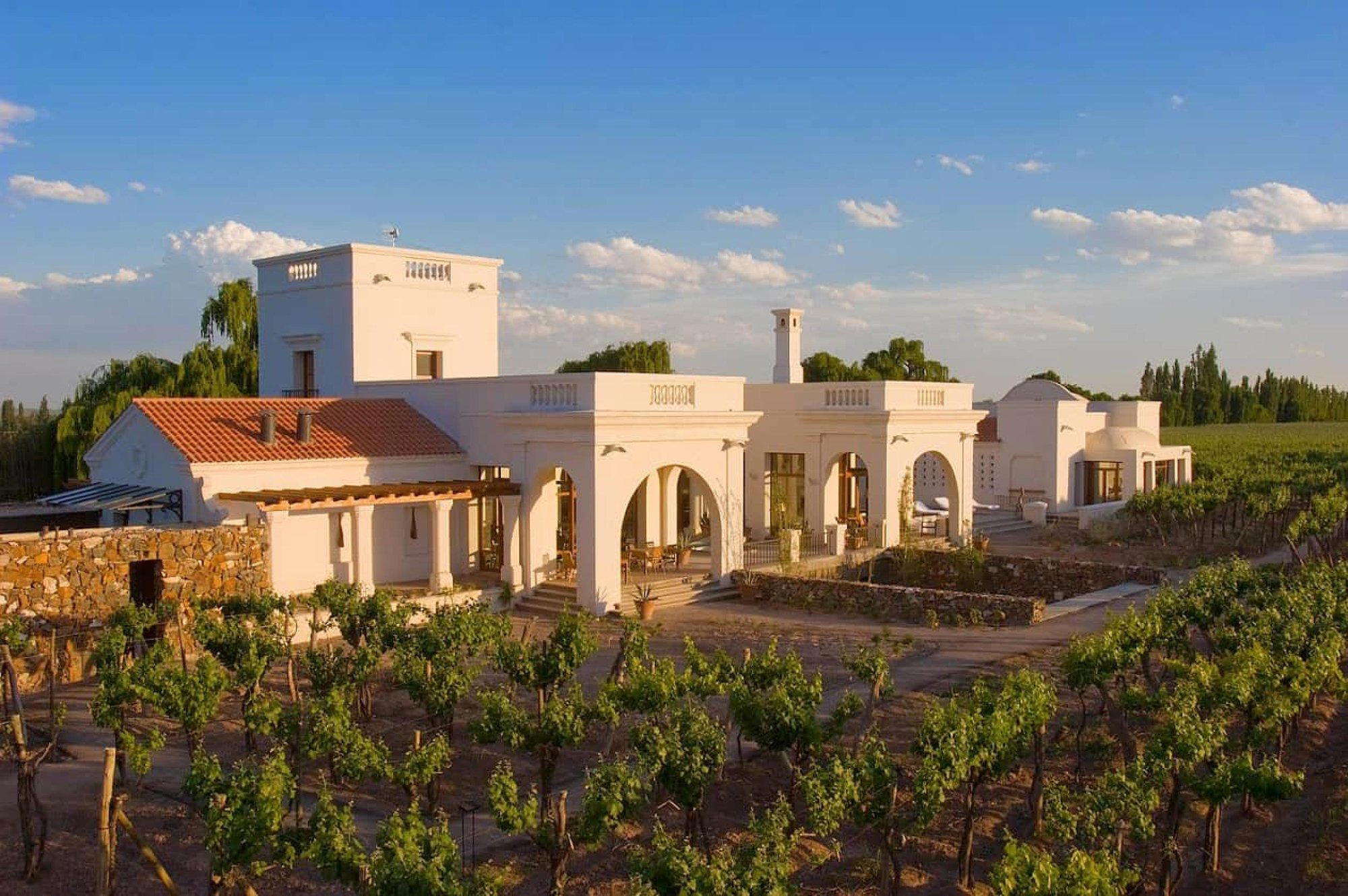
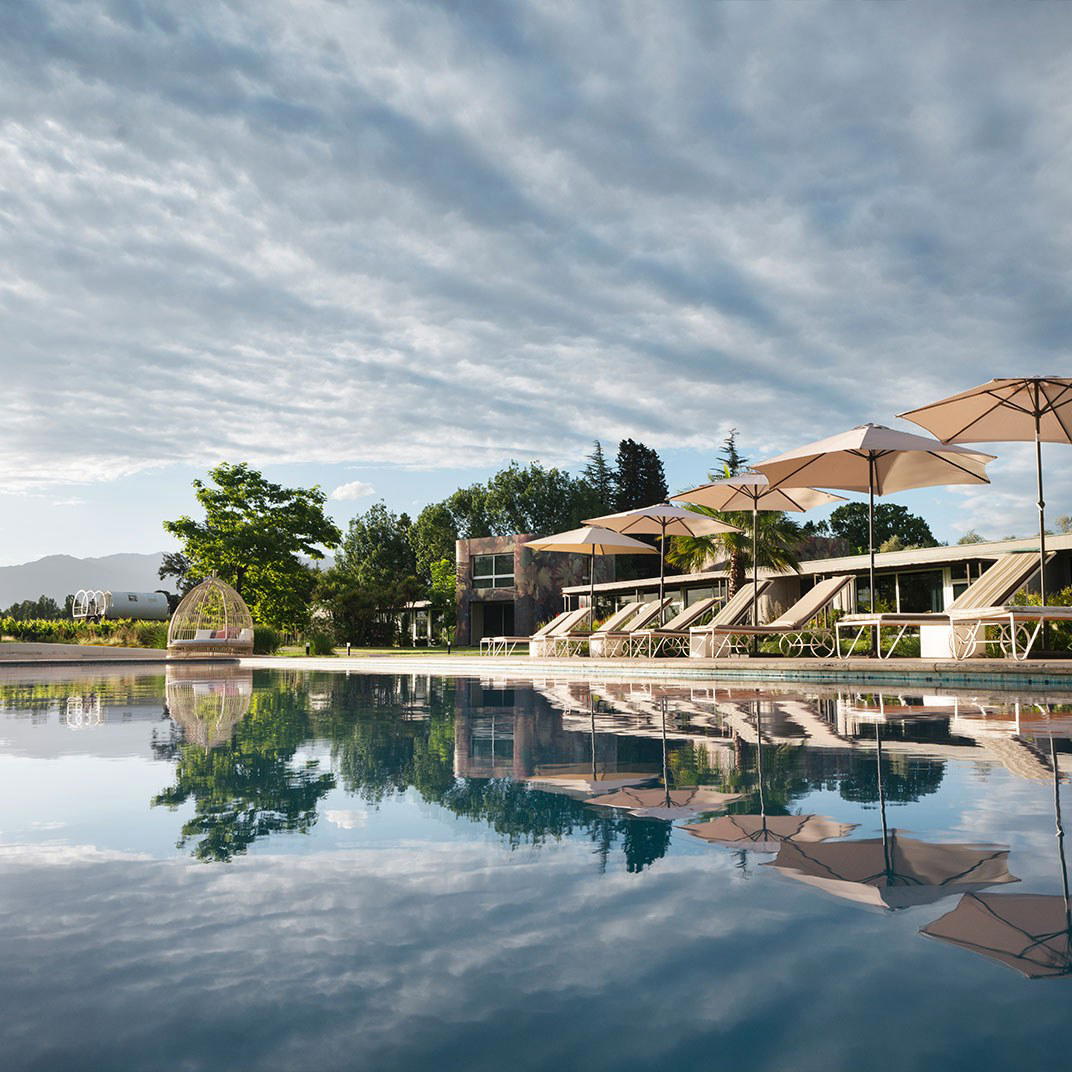
Bodega Caelum sits along Ruta Nacional 7 in Lujan de Cuyo, placing it squarely within Mendoza's most concentrated corridor of high-altitude winemaking. The bodega format here follows a regional pattern where the table and the cellar share equal billing, and the meal is inseparable from the vineyard that frames it. For visitors working through the Lujan de Cuyo wine route, it represents one of the area's estate dining options worth building an itinerary around.

Pearl is the En Primeur Club membership app — saves, bookings, and concierge access live there. Same editors, same standards.
- Address
- Lujan de Cuyo, Mendoza, Argentinien
- Phone
- +54 9 261 699 2890
- Hours
- Mon–Fri 10 AM–4 PMSat 10 AM–3 PMSun Closed
- Website
- bodegacaelum.com.ar
- Directions
- Get directions
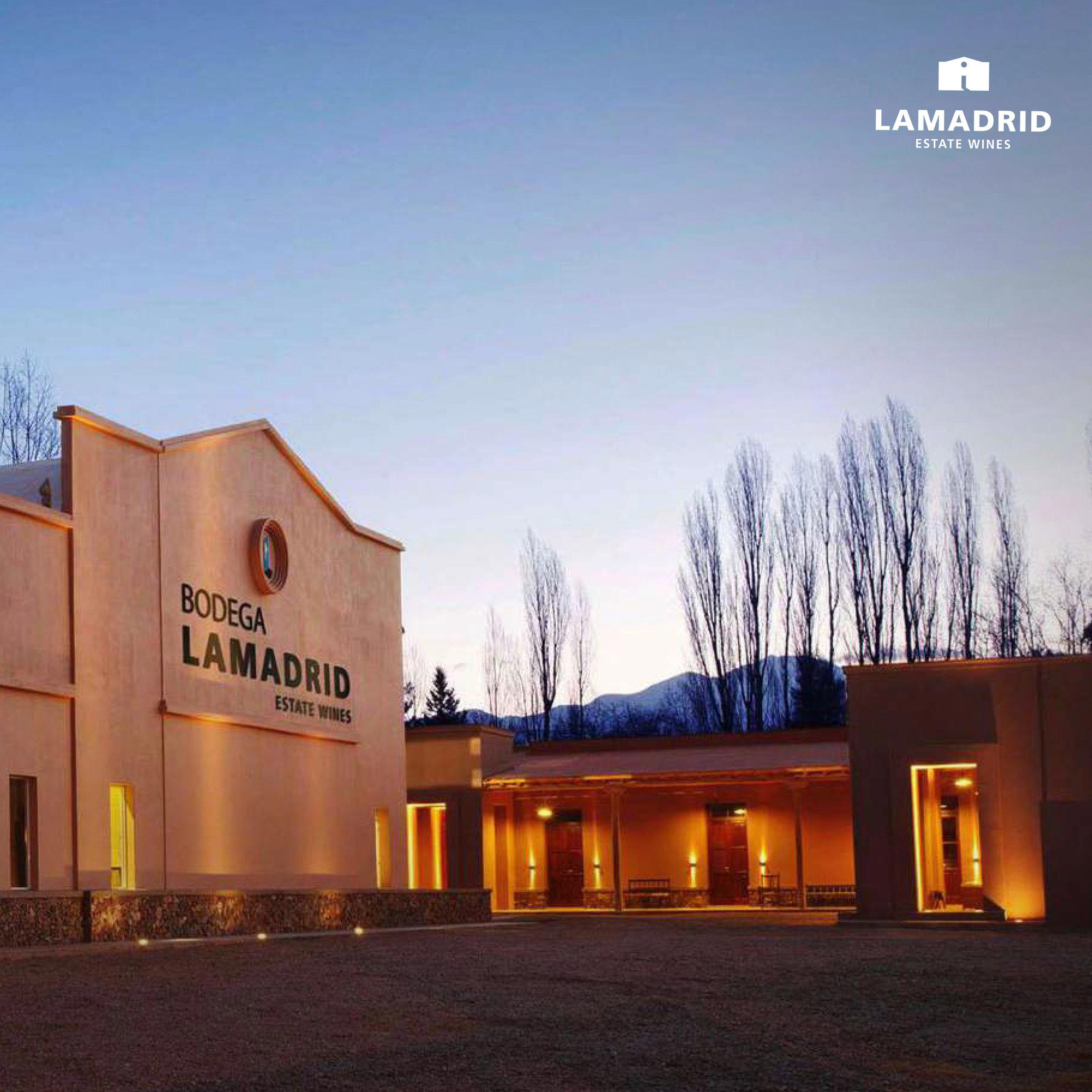
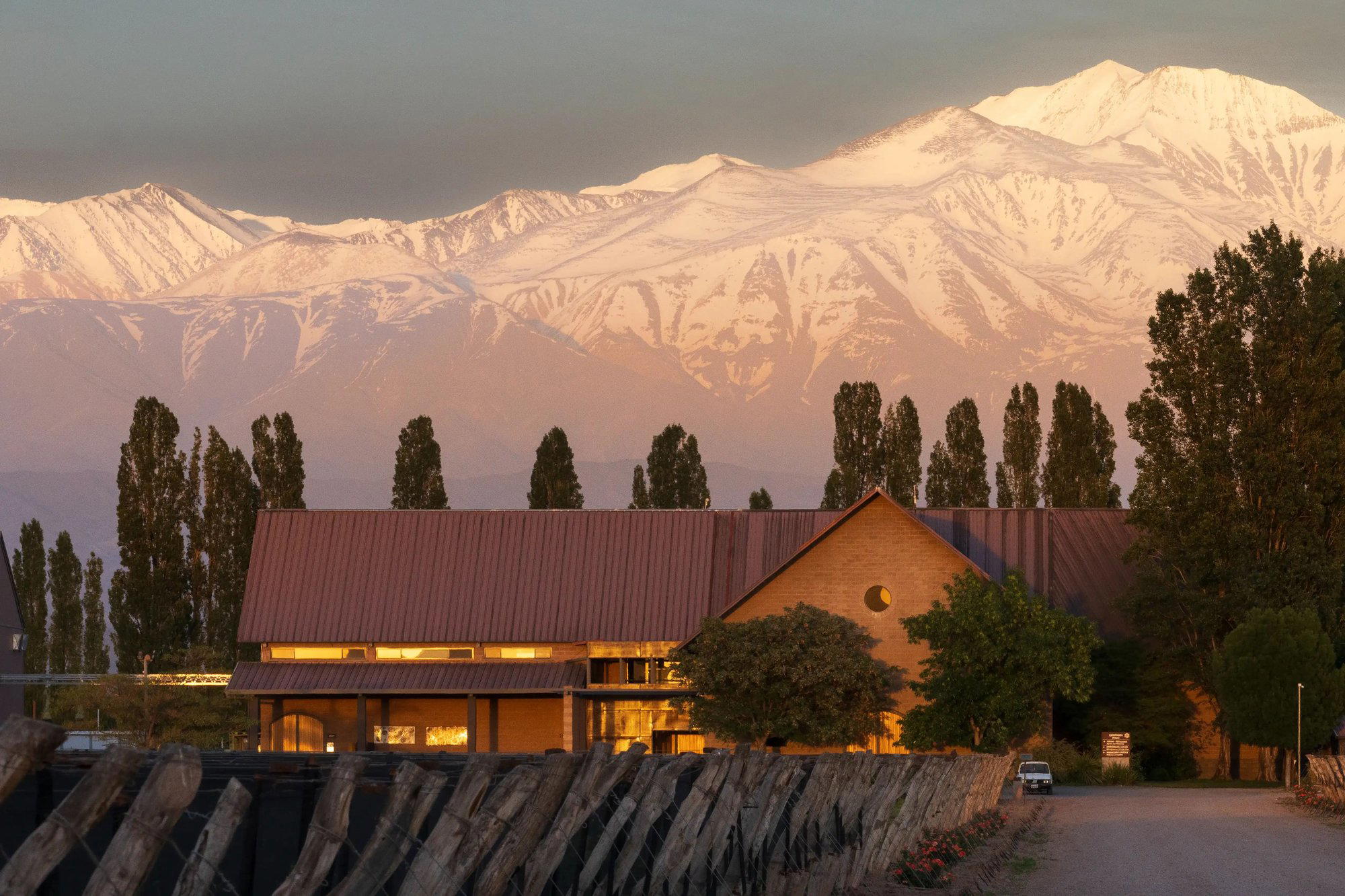
Dining Where the Vineyard Is the Architecture
In Lujan de Cuyo, the meal rarely happens separately from the land. The sub-region sits at elevations between roughly 900 and 1,100 metres above sea level, and that altitude is not incidental scenery — it shapes the wine in the glass, the fruit on the vine, and the unhurried pace at which serious tables here tend to operate. Bodega Caelum, positioned along Ruta Nacional 7, belongs to this category of estate experience where the physical setting is not backdrop but context. The road itself — the old trans-Andean route connecting Mendoza to Santiago, passes through some of the most vine-dense terrain in Argentina, and arriving at a bodega along it carries a certain geographic weight.
The bodega dining format in this corridor operates on a rhythm distinct from a city restaurant. Lunch is the dominant meal; the table is tied to a wine program rather than an independent kitchen; and the sequence of the experience, from vineyard orientation to seated courses, tends to be deliberate in a way that urban dining rarely is. This is the ritual that defines estate eating in Mendoza, and Bodega Caelum fits within that tradition.
The Ritual of the Estate Table
Across Lujan de Cuyo's bodega dining circuit, which includes Fogón Cocina de Viñedo, Clos de Chacras, bodega y restaurante, and Agrelo, the pacing of a meal is shaped by the estate's program rather than the guest's preference. You are, in effect, a visitor to a working production environment that has made space for hospitality. That distinction in orientation changes how a table feels: the wine arrives in a sequence tied to what the cellar wants to show, courses align with harvest-influenced menus, and the end of the meal often coincides with an implicit understanding that the afternoon belongs to the vines, not the dining room.
This format rewards a particular kind of traveller, one who is content to let the estate set the tempo. For those more accustomed to the à la carte control of city dining, the adjustment is worth making. The loss of menu autonomy is offset by the coherence of an experience where wine and food are composed together rather than assembled independently. Comparable dynamics operate at Cavas Wine Lodge in Alto Agrelo and Entre Cielos Luxury Wine Hotel & Spa in Lujan du Cuyo, where the estate context similarly frames the table.
Lujan de Cuyo in the Argentine Wine Dining Map
To understand what Bodega Caelum offers, it helps to understand where Lujan de Cuyo sits within Argentina's broader dining geography. Mendoza's city restaurants, Azafrán in Mendoza being one of the more critically recognised, tend to operate on conventional restaurant logic, with wine lists that draw from the province and menus shaped by a kitchen's creative direction. The bodega table inverts that relationship: the wine is the anchor, and the kitchen is built around it.
Beyond Mendoza, Argentina's estate hospitality finds parallel expressions in very different geographies. EOLO - Patagonia's Spirit in El Calafate and Awasi Iguazu in Puerto Iguazu use landscape as a framing device in a comparable way, even if neither is wine-focused. The idea that place should shape the table rather than merely host it is a consistent thread in Argentine premium hospitality. La Bamba de Areco in San Antonio de Areco does this through estancia culture; Las Balsas Restaurant in Villa La Angostura through Patagonian lakeside setting. In Lujan de Cuyo, the vine is the organising principle.
For comparison with elite international formats where wine and dining integrate at a high level, Le Bernardin in New York City and Lazy Bear in San Francisco show how tightly paired food and beverage programs operate in urban contexts, the bodega table achieves something adjacent but through landscape rather than kitchen technique. Closer to home, Don Julio in Buenos Aires represents the Argentine parrilla at a high level of execution, but its format is city dining, not estate ritual.
Ruta Nacional 7 and the Drive That Is Part of the Experience
Getting to Bodega Caelum from Mendoza city is roughly a 20 to 30 minute drive depending on starting point, following RN7 southwest through the department. That drive is part of the experience in a literal sense: the road passes through vineyard after vineyard, the Andes visible ahead, and the sense of leaving the city behind is gradual rather than abrupt. Most visitors arrive by car or private transfer; the area is not served by public transport in a way that makes independent access practical for those unfamiliar with the route.
The practical rhythm for bodega dining in this corridor is to plan for a long lunch rather than a dinner visit. Most estate tables in Lujan de Cuyo operate within daylight hours, and the experience is calibrated toward afternoon: you arrive, you are oriented to the estate, you sit, and you finish when the light has shifted. Visitors managing a broader itinerary across the region might consider this alongside La Table de House of Jasmines in La Merced Chica and Chacras de Coria in Las Heras as part of a structured multi-day wine country programme. Our full Lujan De Cuyo restaurants guide maps the broader dining options across the sub-region.
Planning Your Visit
Estate tables in this sub-region frequently require reservations made several days in advance, particularly during the harvest period between late February and April, when both wine tourism and domestic travel in Mendoza peak. Arriving without a booking at a bodega restaurant along RN7 carries real risk of finding the dining room at capacity or closed for private events. For context on what estate dining in this price and format tier typically involves, Ti Amo in Adrogué and Los Talas del Entrerriano in General San Martin illustrate how Argentine estate hospitality operates across different regions of the country.
Recognition history
Dated appearances from independent guides and award organizations, with the underlying list record or original source where available.
Falstaff Winery - Listed
Falstaff
Continue exploring
More in Luján de Cuyo
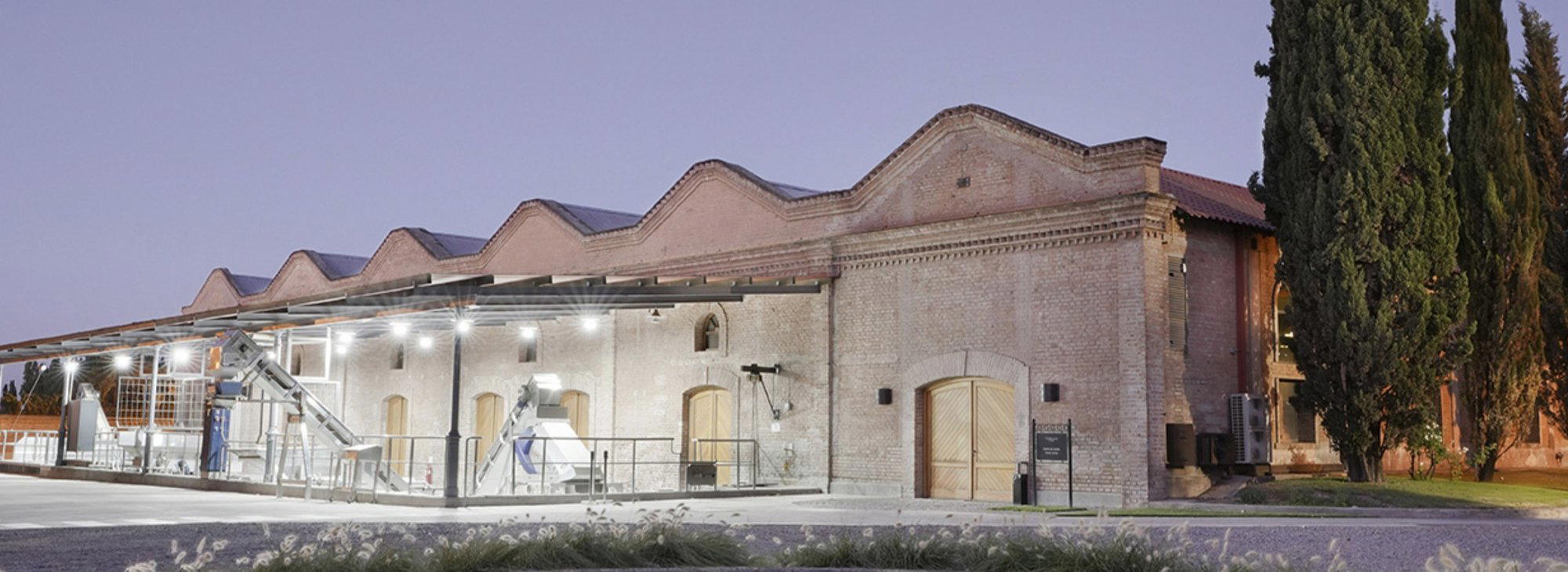
Wineries in Luján de Cuyo
Browse all →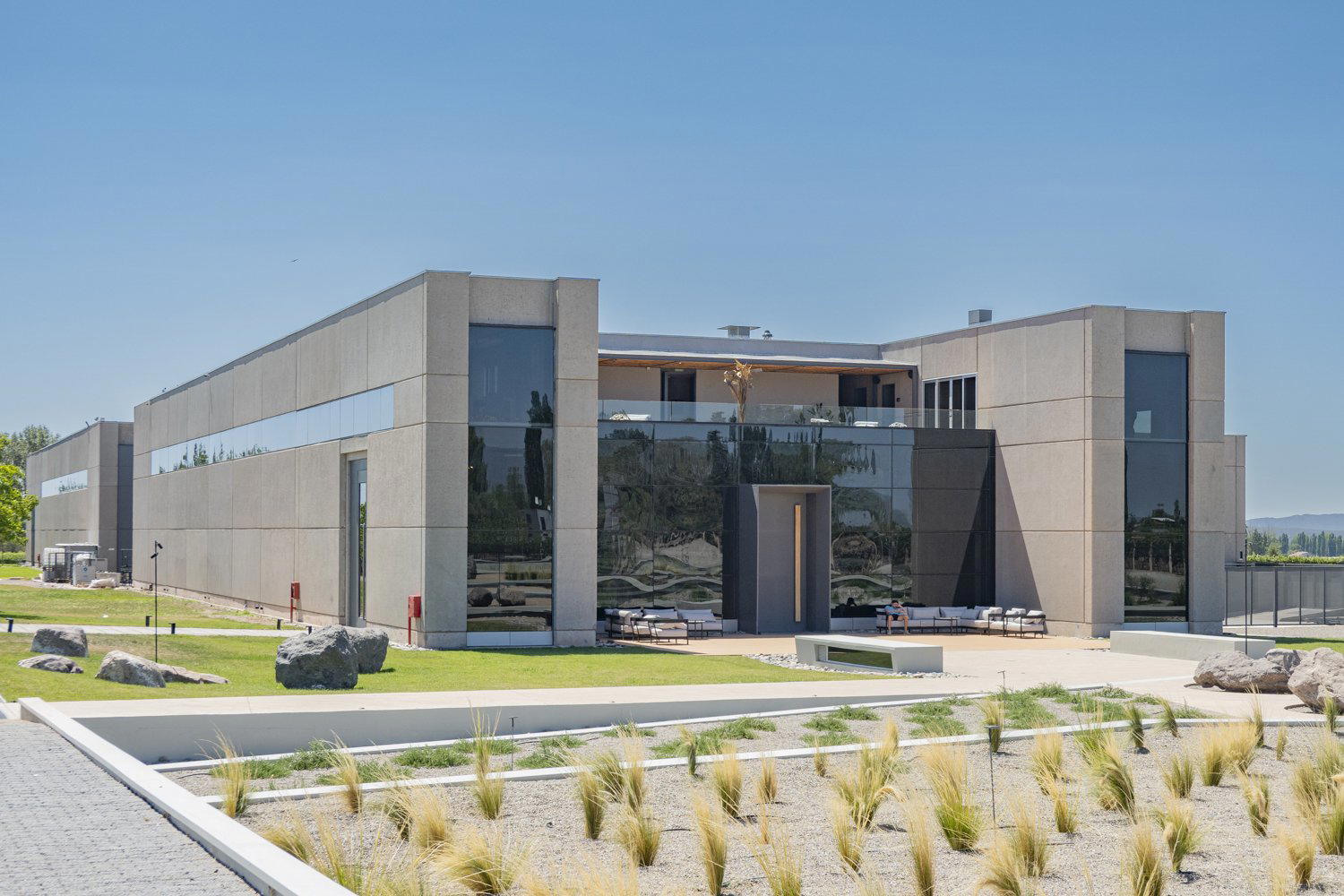
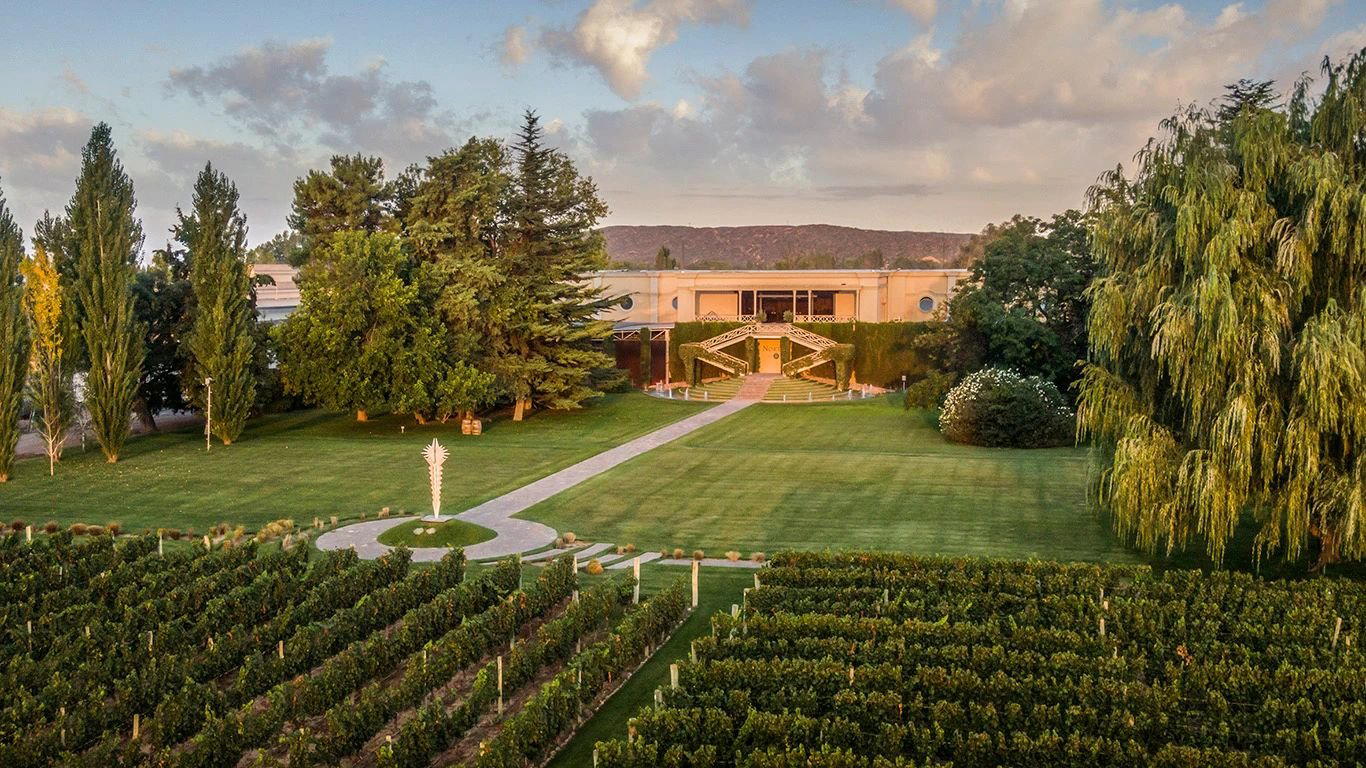
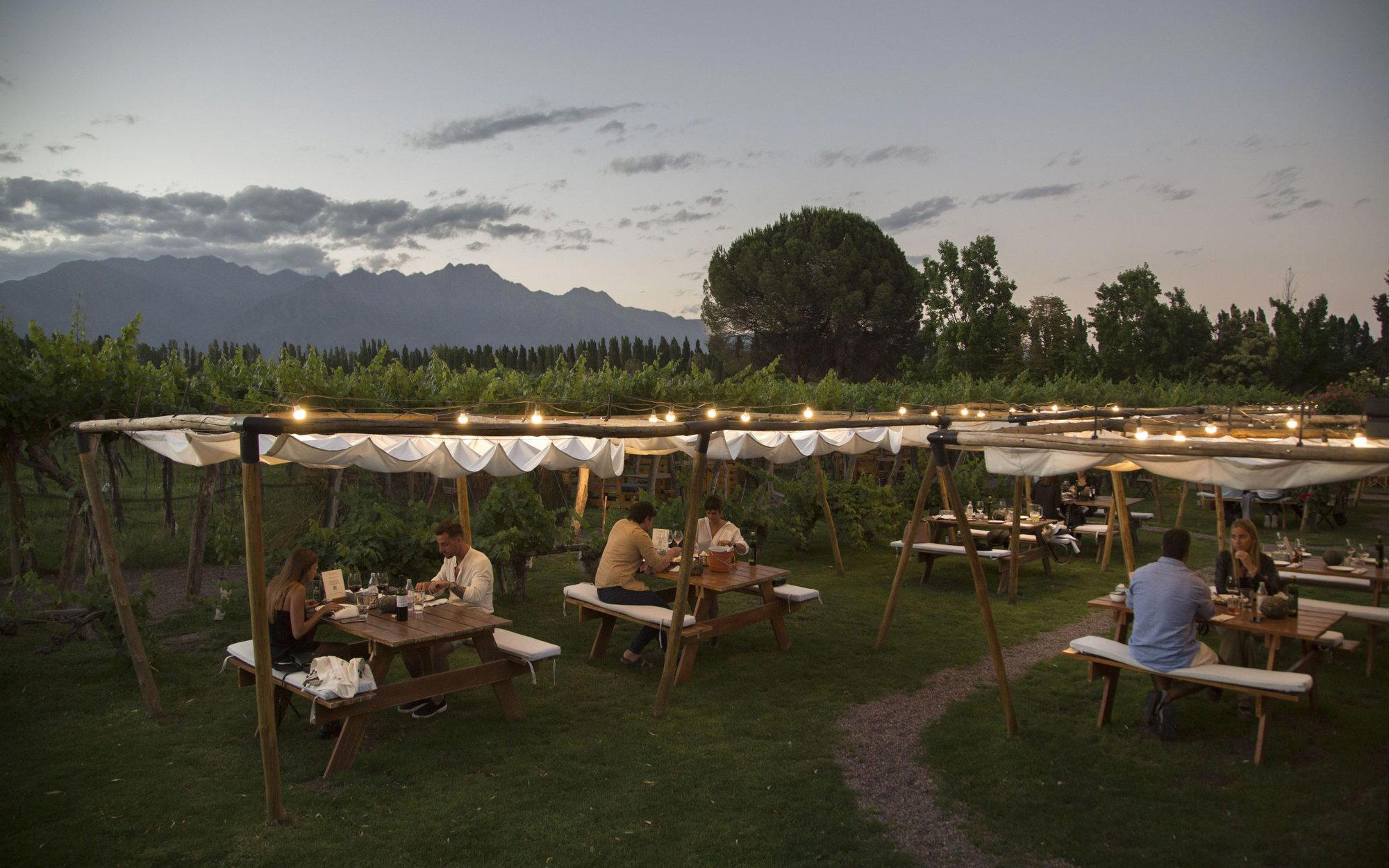
Bars in Luján de Cuyo
Browse all →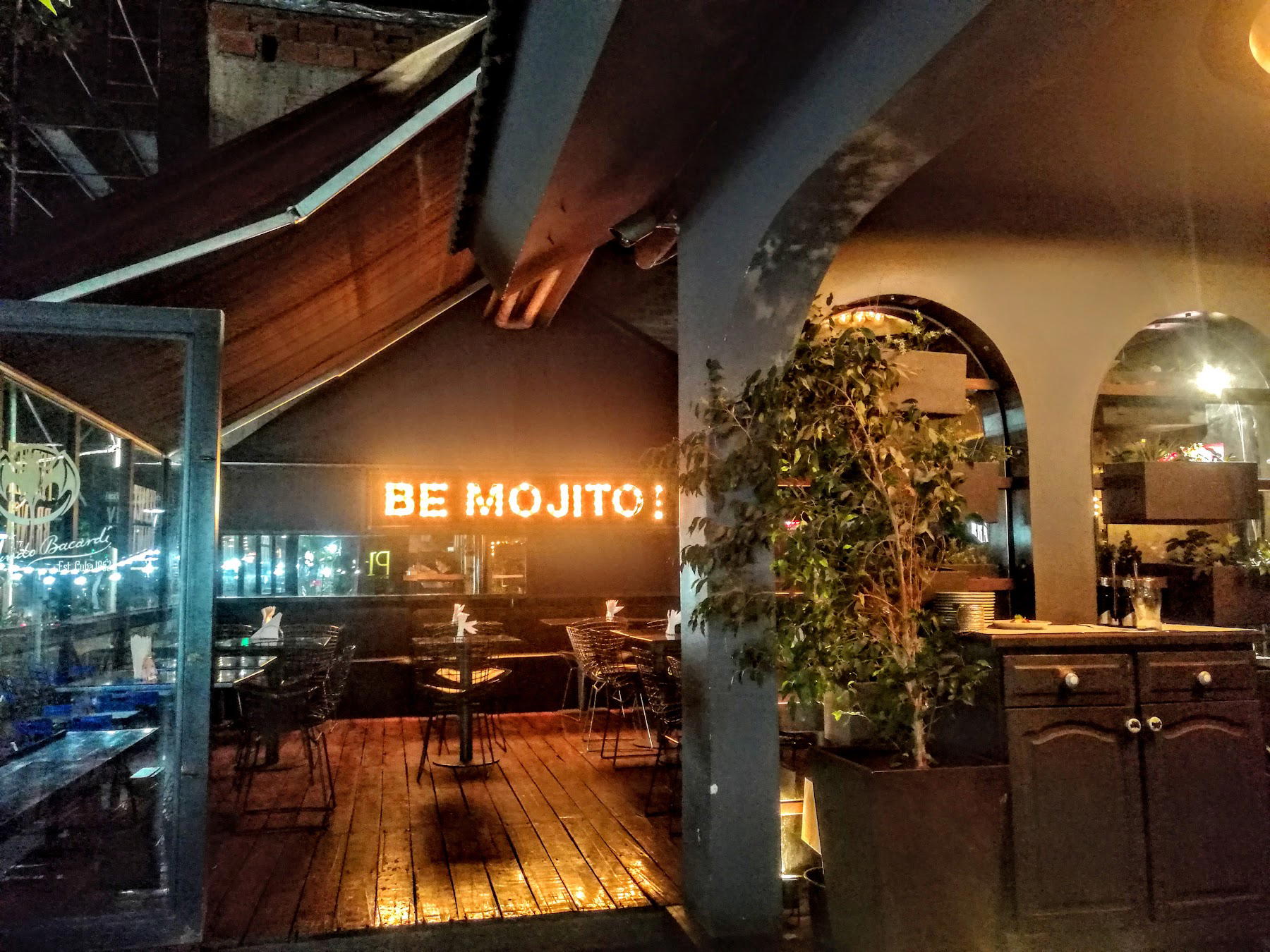
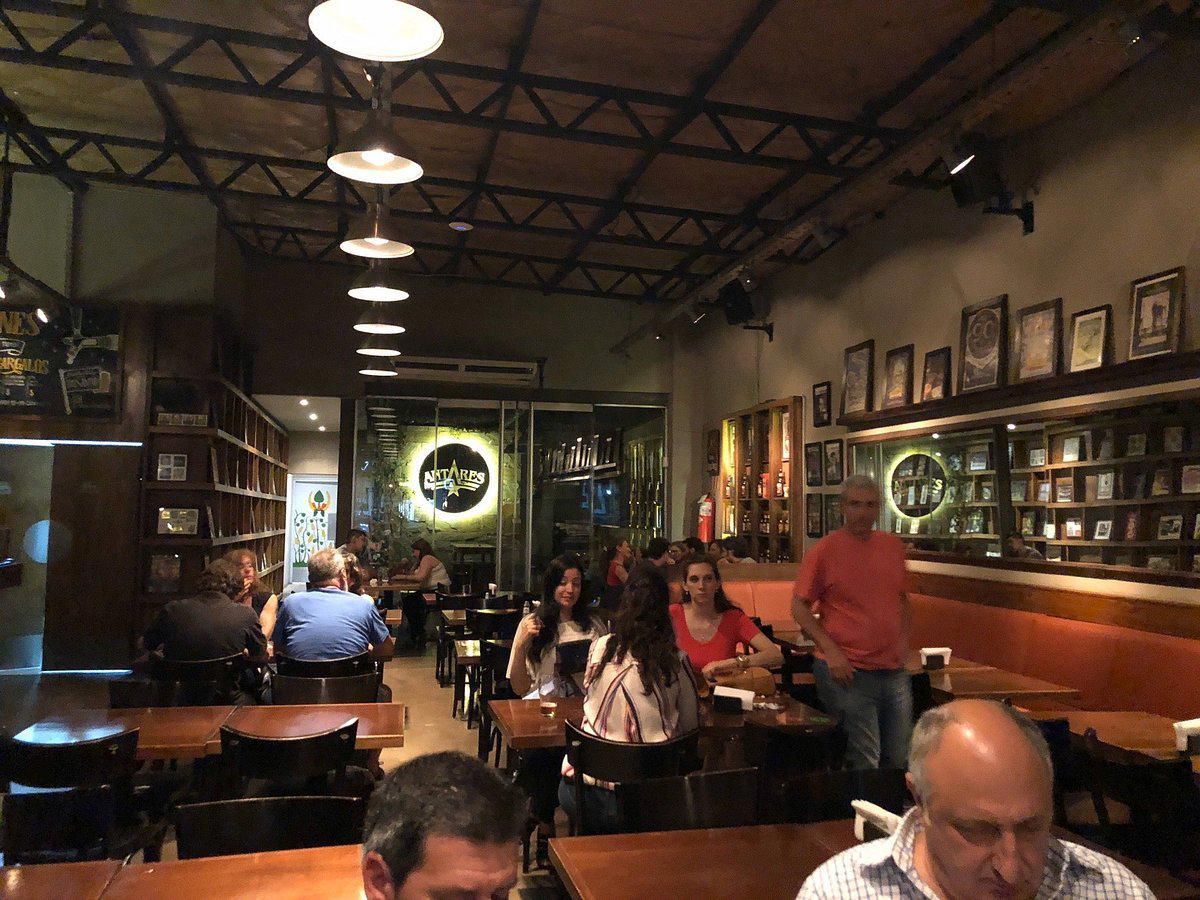
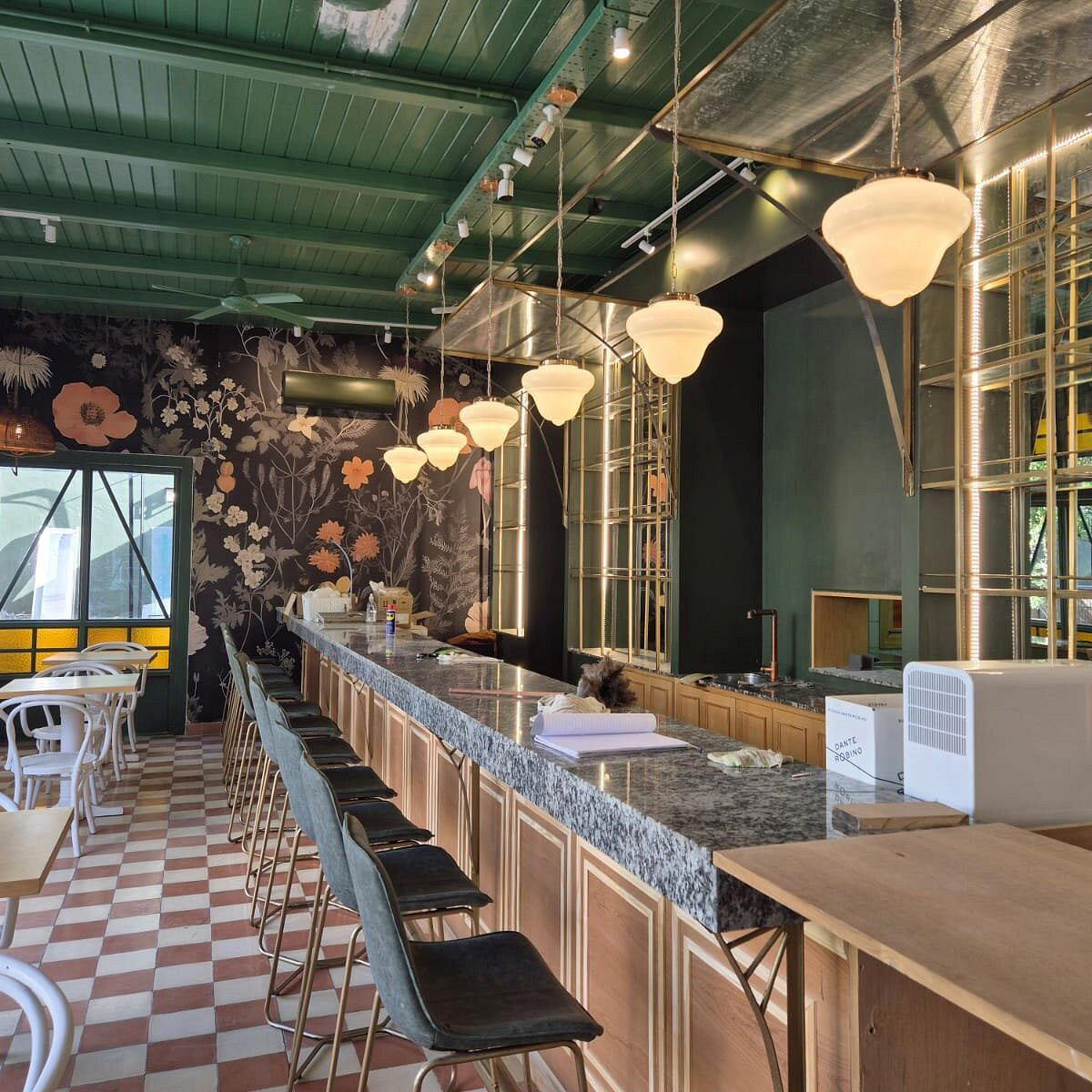
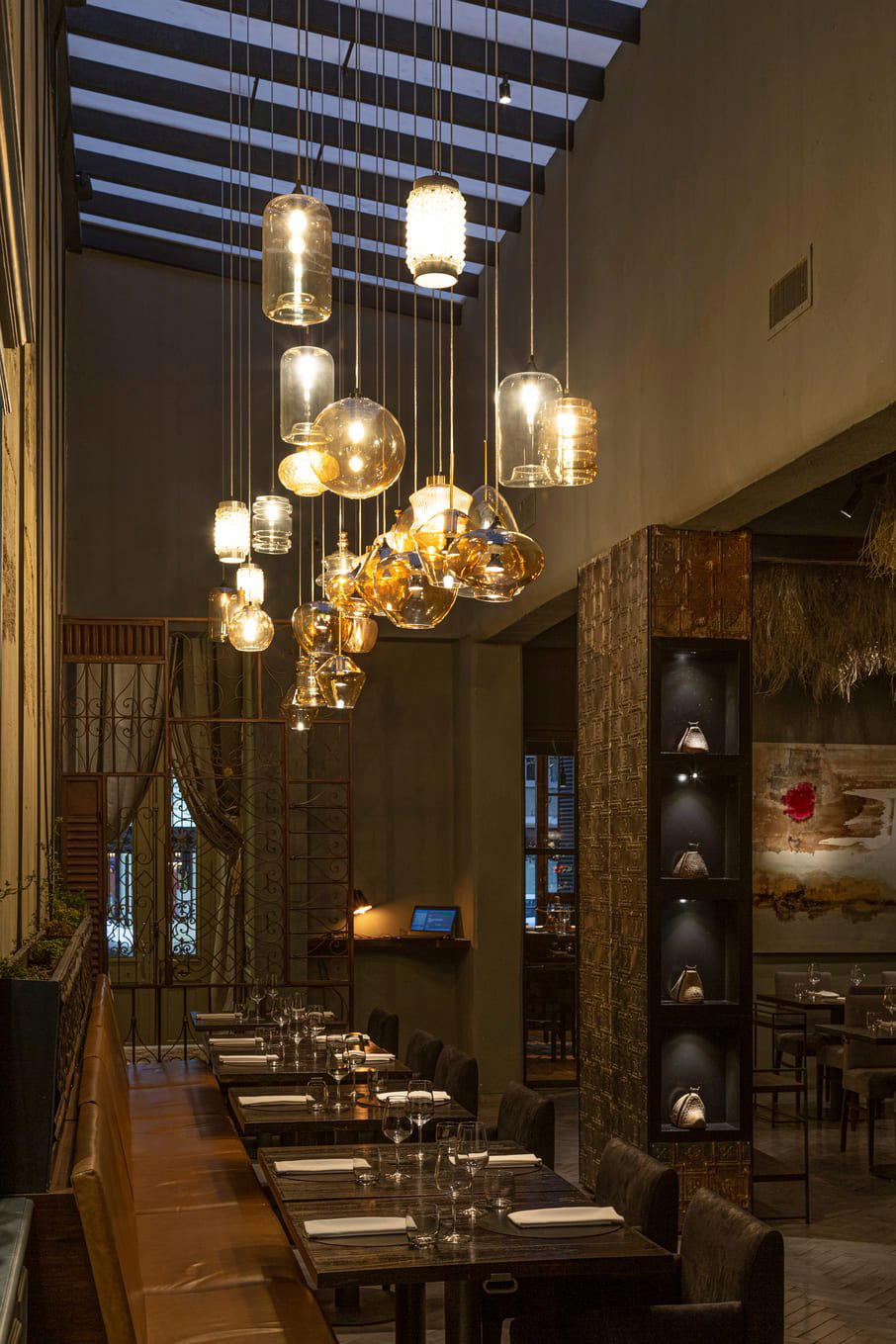
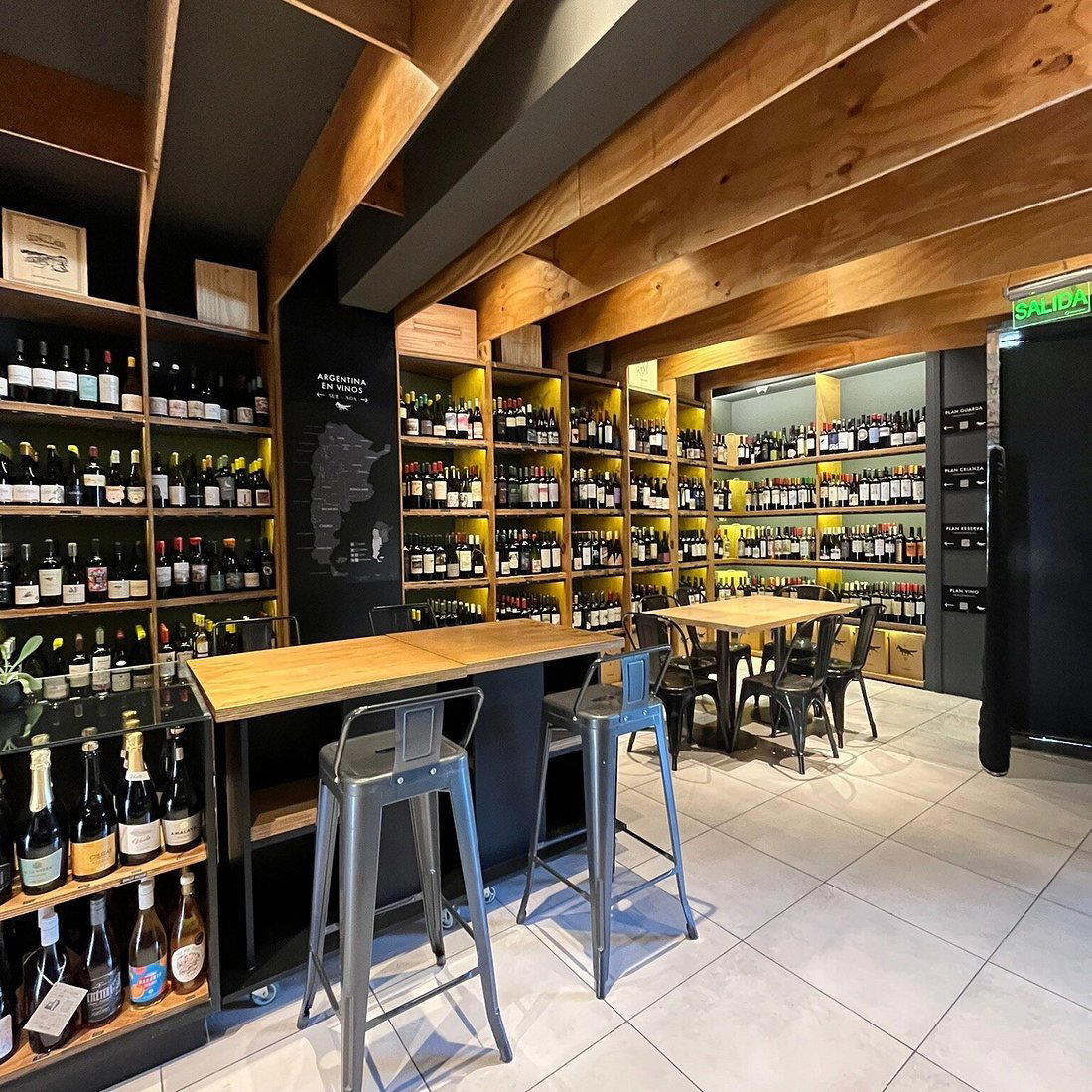
Restaurants in Luján de Cuyo
Browse all →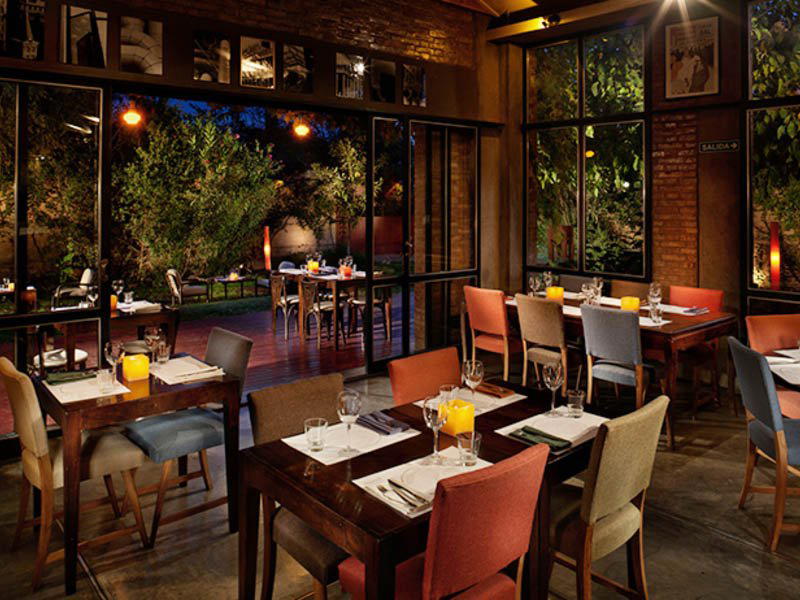
Details
- Scenic
- Intimate
- Quiet
- Rustic
- Cozy
- Family
- Group Outing
- Wine Education
- Special Occasion
- Vineyard Tour
- Estate Grounds
- Private Tasting
- Panoramic View
- Sustainable
- Mountain
- Vineyard
- Malbec
- Cabernet Sauvignon
- Torrontés
- Chardonnay
- Fiano
- Pinot Noir
- Still Red
- Still White
- Sparkling
- Guided Tasting
- Food Paired Tasting
- English
- Spanish
Current opening hours
- Monday
- 10 AM–4 PM
- Tuesday
- 10 AM–4 PM
- Wednesday
- 10 AM–4 PM
- Thursday
- 10 AM–4 PM
- Friday
- 10 AM–4 PM
- Saturday
- 10 AM–3 PM
- Sunday
- Closed
Hours can change for holidays and private events. Last verified .
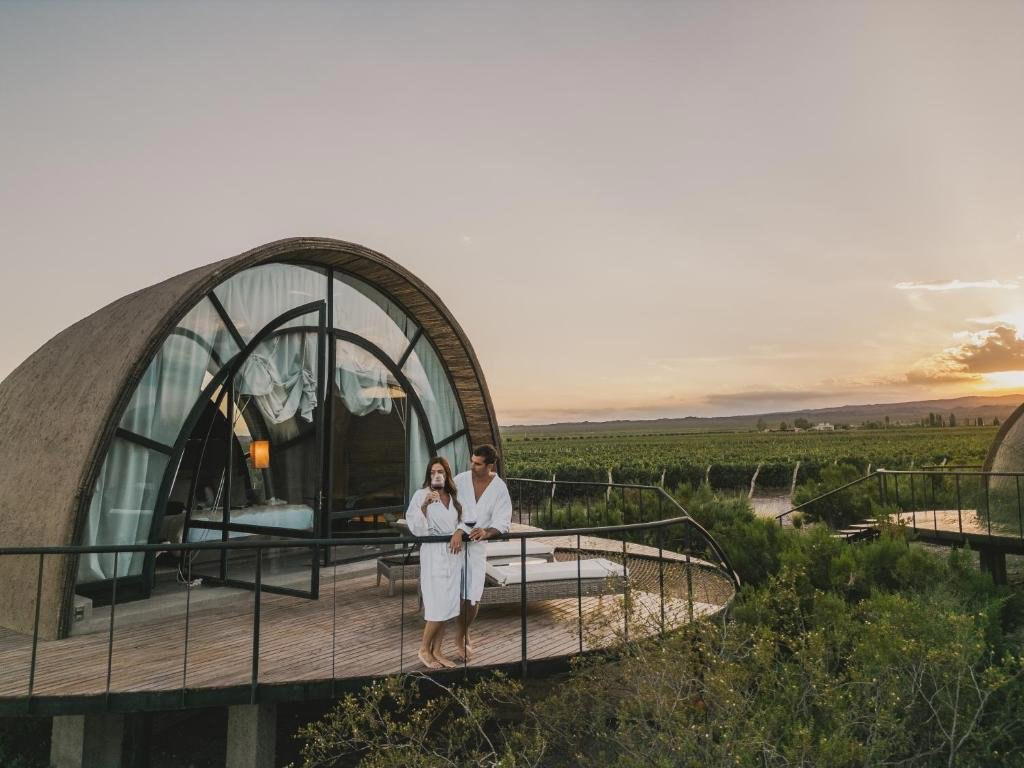
Boutique, family-run winery atmosphere with an intimate, scenic setting among vineyards at the foothills of the Andes.