Posada Borravino
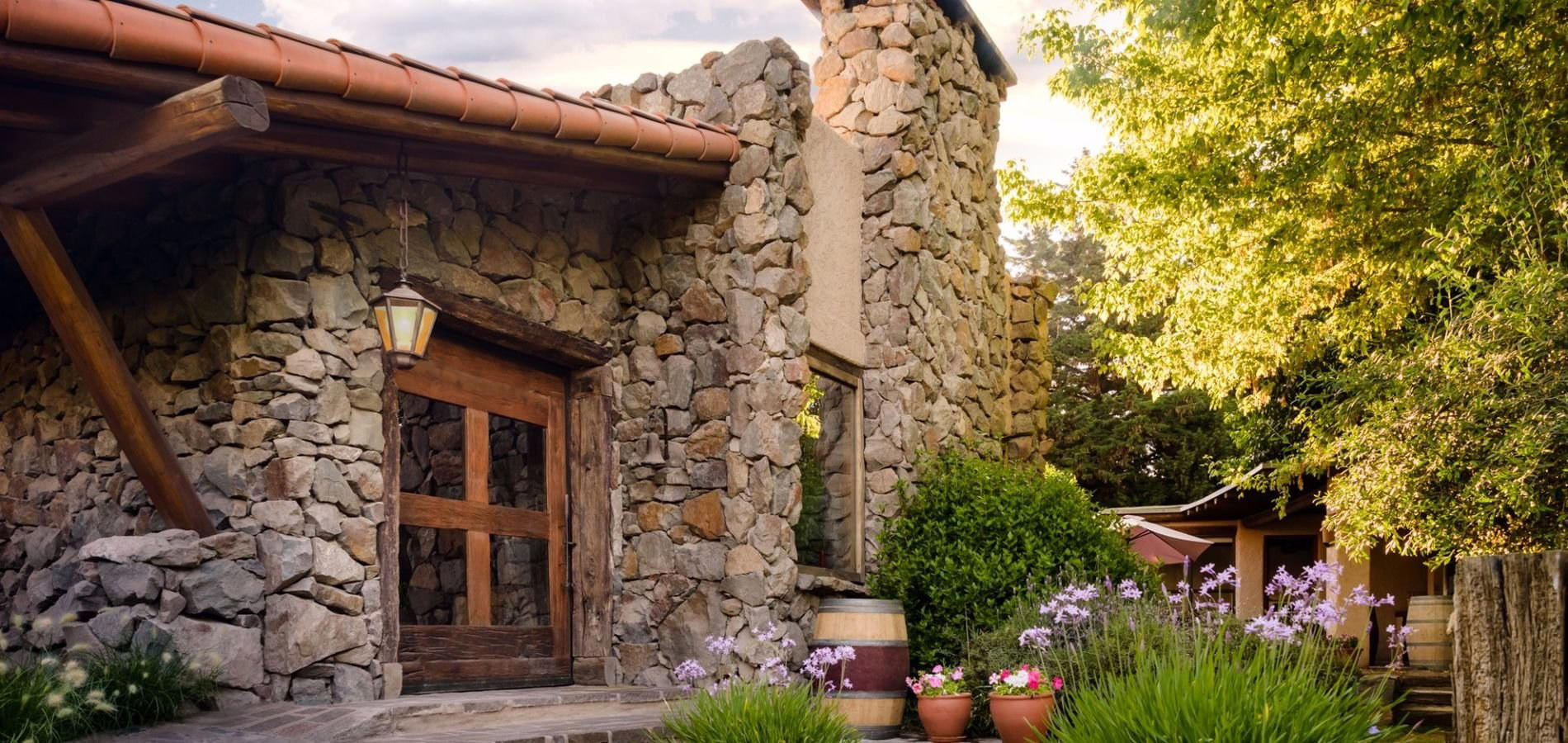
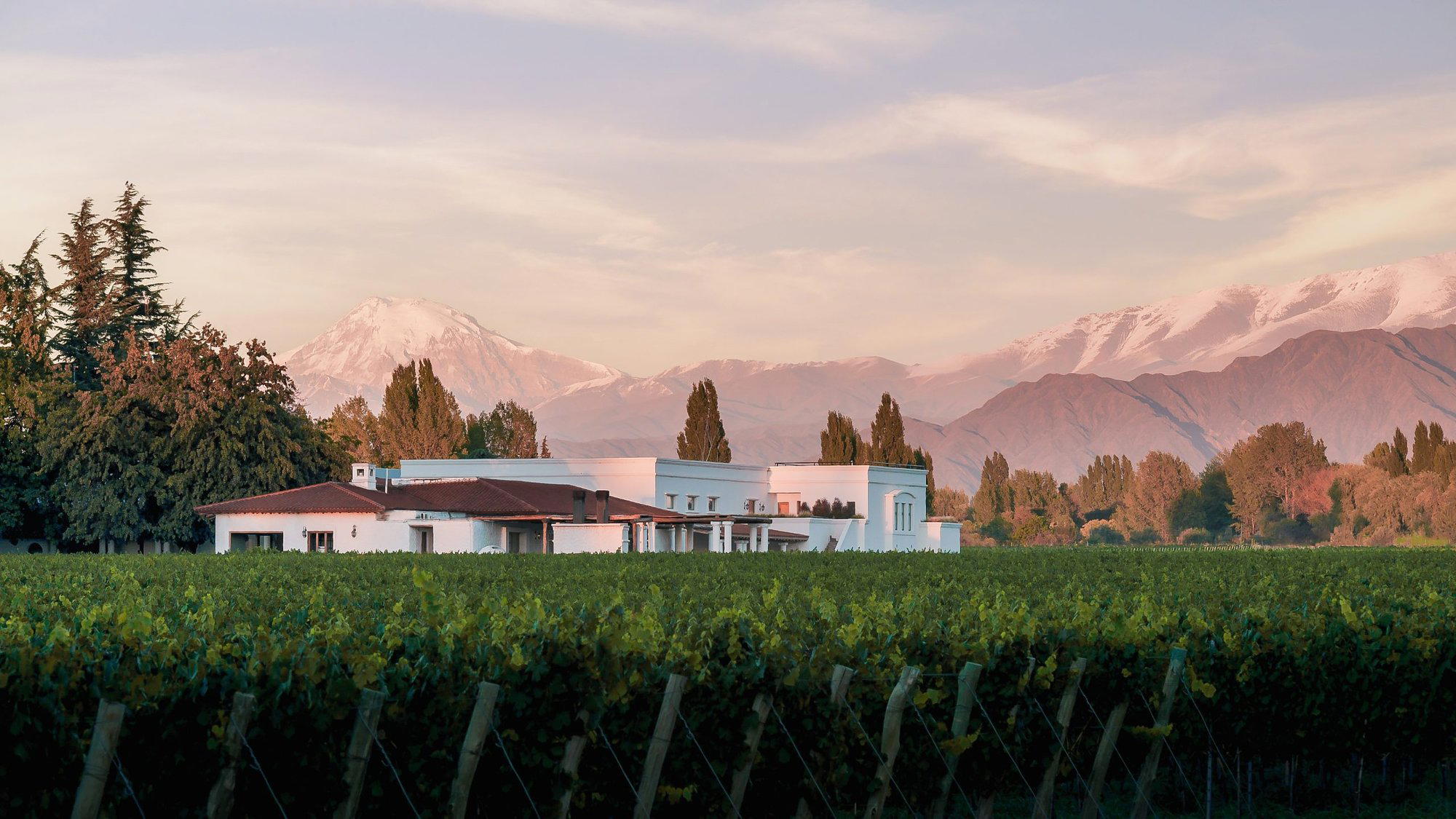
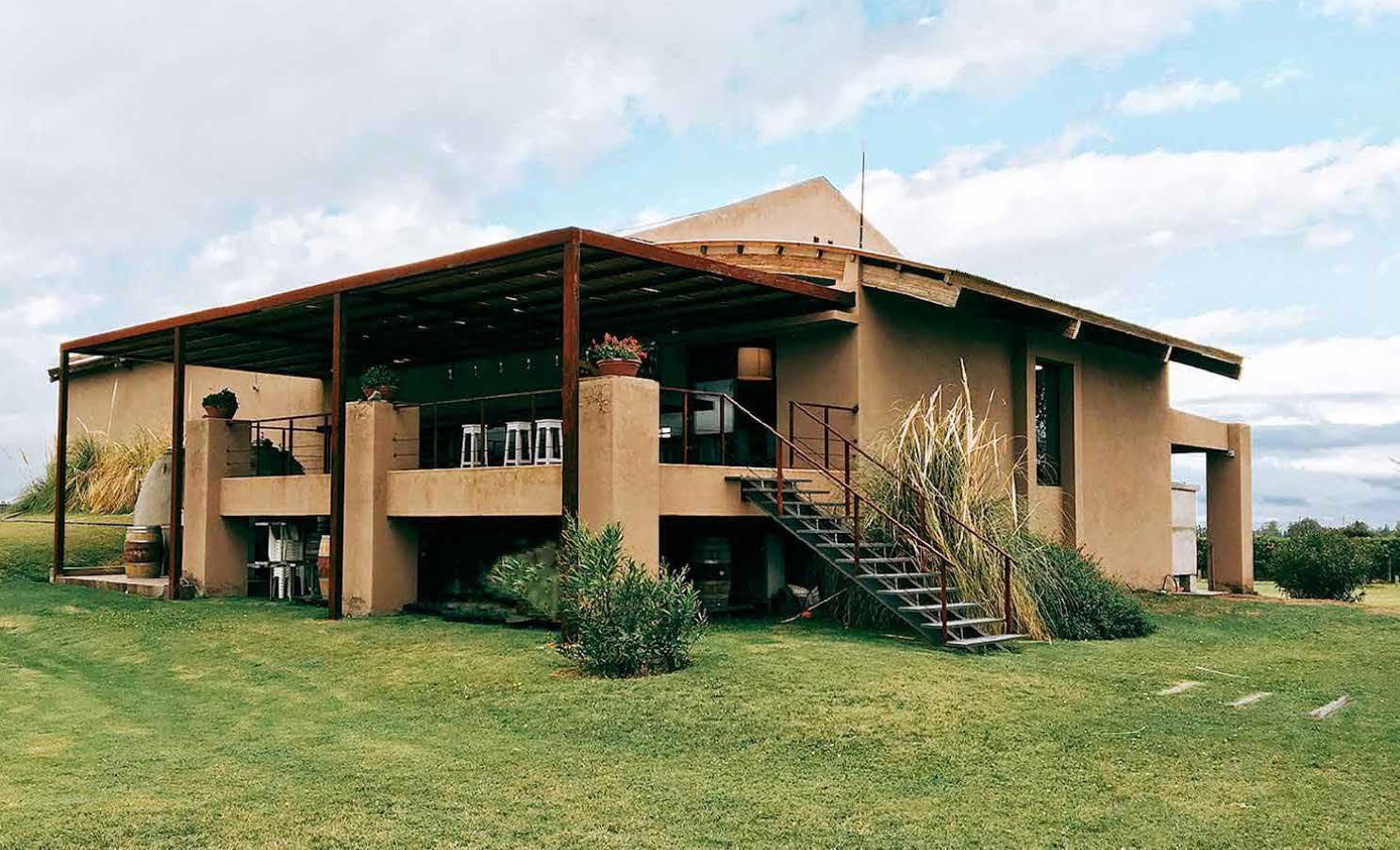
Set in the historic village of Chacras de Coria within Luján de Cuyo, Posada Borravino occupies a corner of Mendoza's wine country where colonial-era architecture and vineyard proximity define the character of a stay. The posada format places it in a smaller, more intimate tier than the region's large resort properties, suited to travellers who want direct access to Malbec country without the scale of a full hotel operation.
Pearl is the En Primeur Club membership app — saves, bookings, and concierge access live there. Same editors, same standards.
- Address
- Medrano 2658, M5505 Chacras de Coria, Mendoza, Argentina
- Phone
- +54 261 640 3700
- Website
- posadaborravino.com
- Directions
- Get directions
 Saves & bookings on Pearl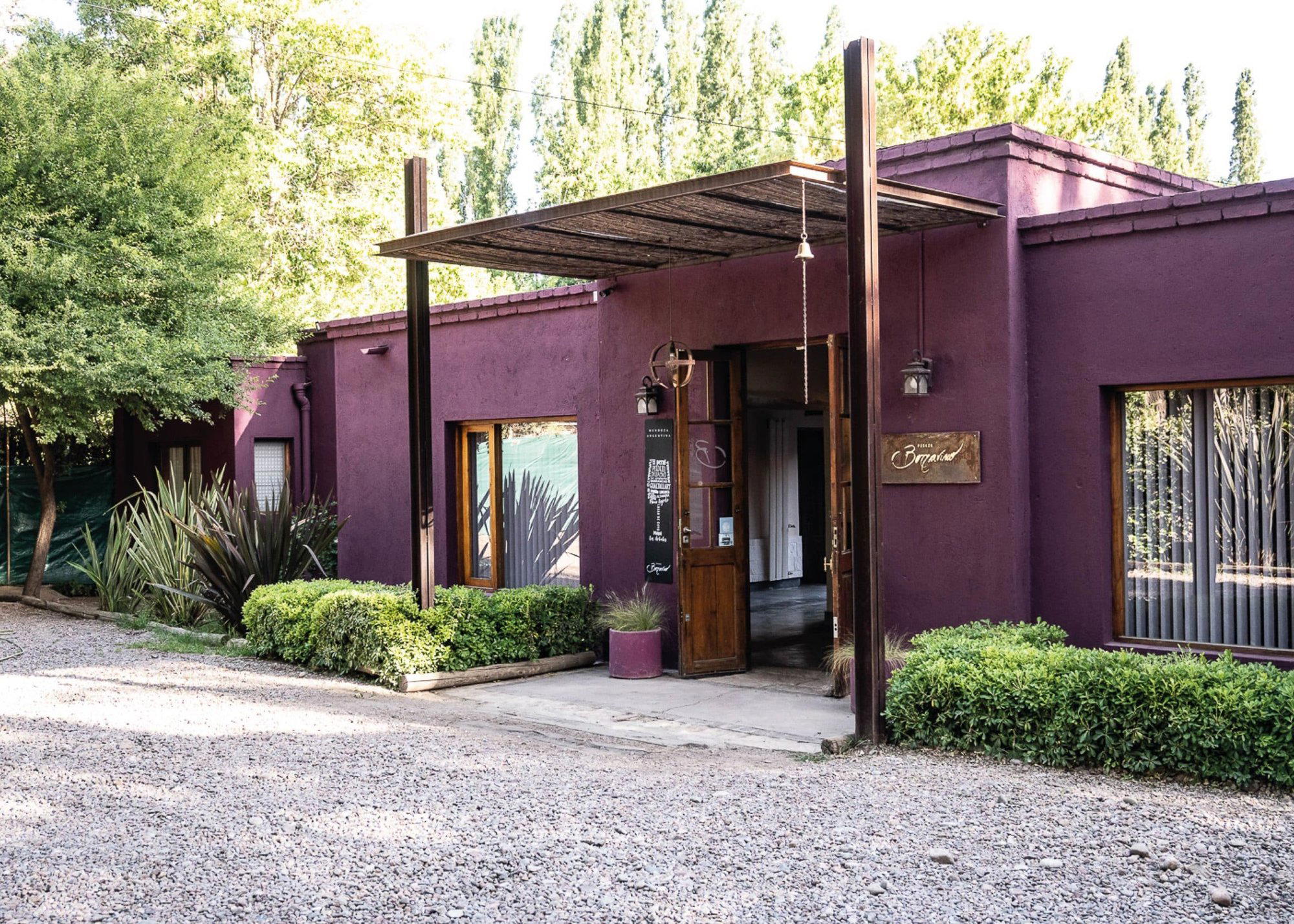
Chacras de Coria and the Posada Tradition in Mendoza's Wine Belt
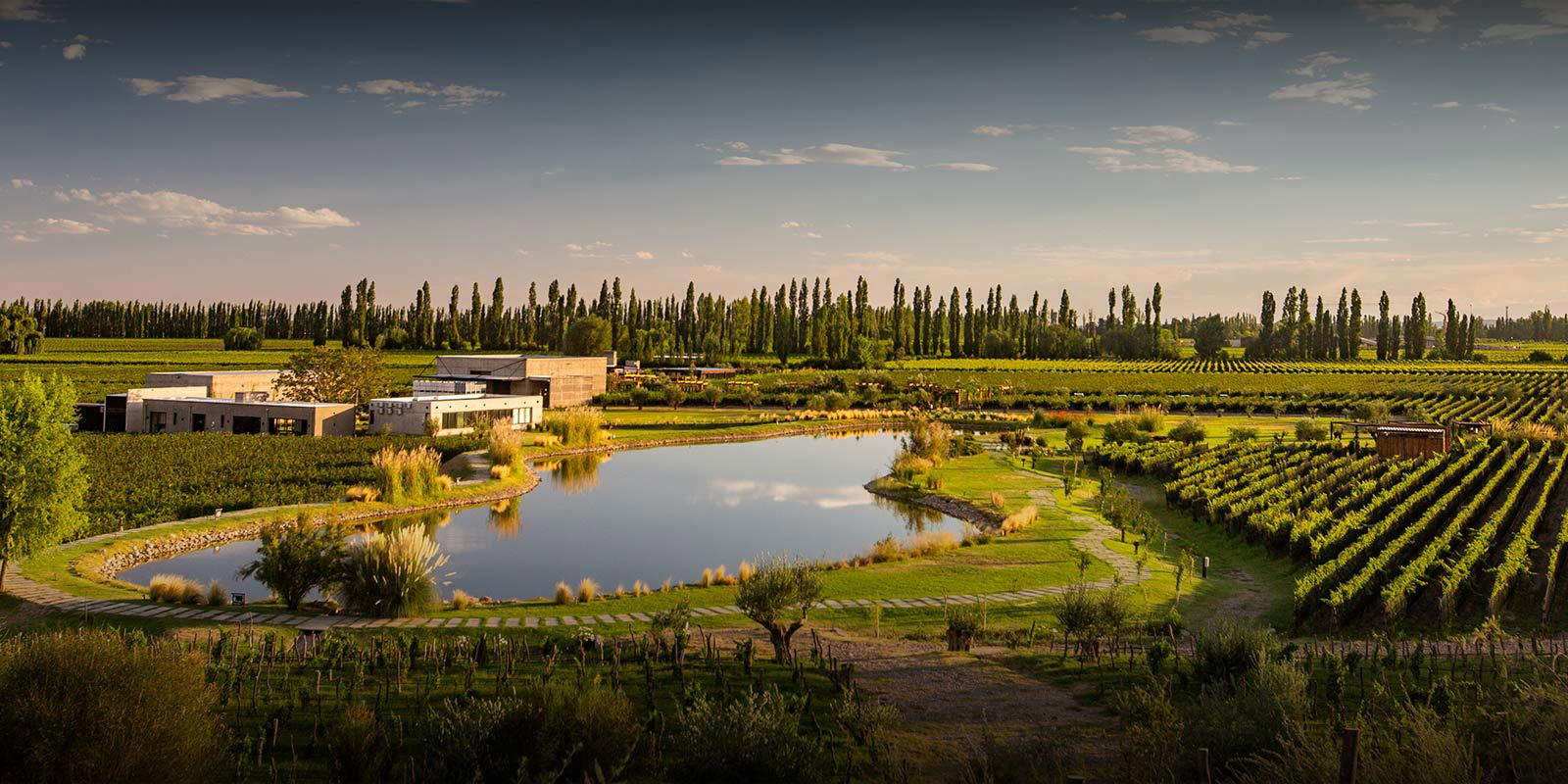
Luján de Cuyo's accommodation scene has organised itself along a clear axis over the past two decades: large wine lodge resorts with pools, spas, and in-house vineyards at one end, and smaller posadas rooted in the village fabric of Chacras de Coria at the other. Posada Borravino is a hotel in Chacras de Coria, Mendoza, at Medrano 2658. The streets here are lined with sycamores and low-walled properties rather than the open acreage of the valley floor lodges, and that physical context shapes what kind of stay a posada like this can deliver.
The posada format itself carries regional meaning. Across the Cuyo region, posadas historically functioned as waypoint lodgings for travellers moving between agricultural estates, and in modern Mendoza the word signals something specific: fewer keys, a more personal operation, and an assumption that guests arrive already oriented toward the wine country rather than needing it explained. The posada appeals to a traveller who prefers a quieter base for exploring the area.
Approaching the Property: What the Address Tells You
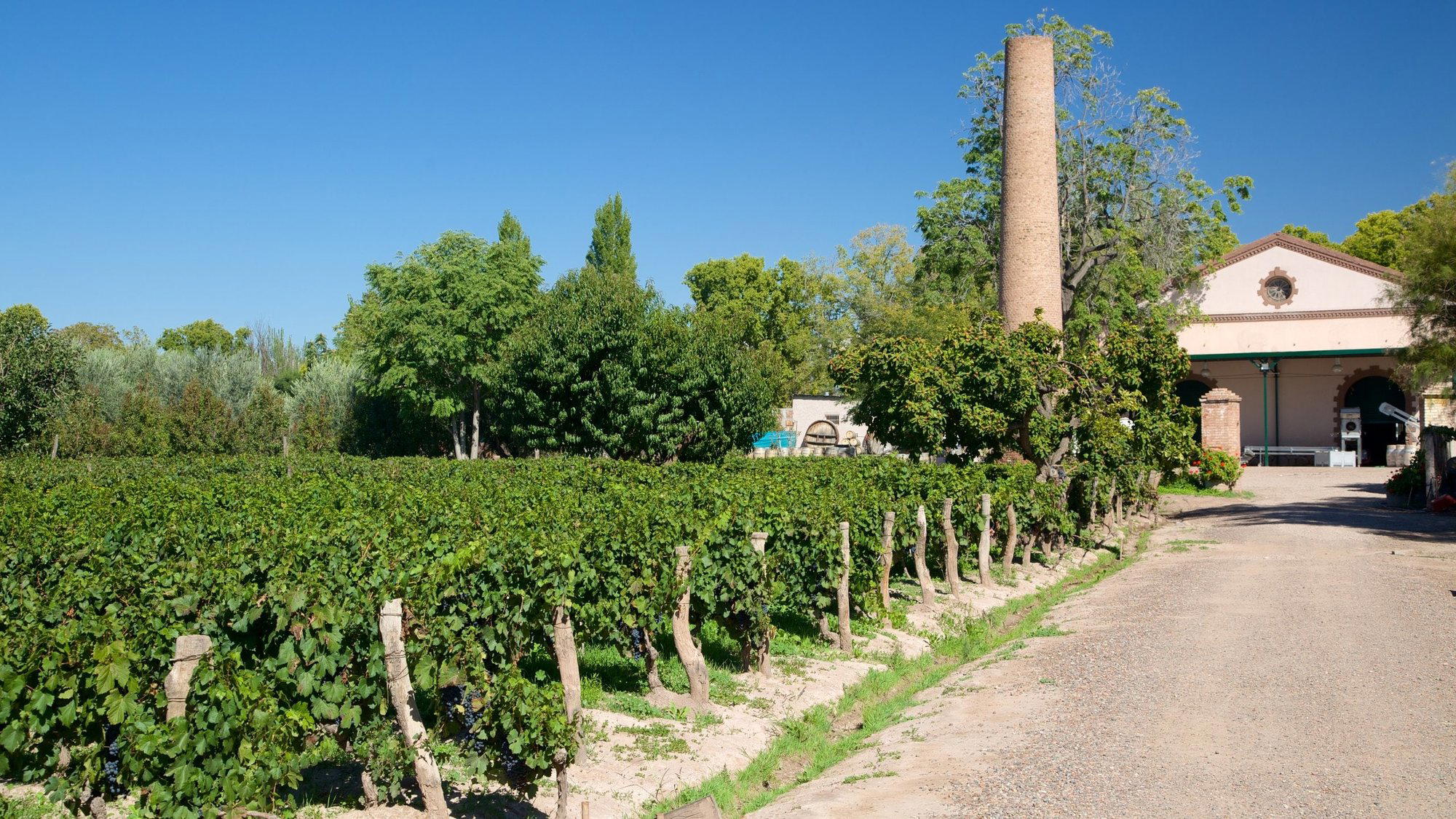
Chacras de Coria functions almost as a village within a municipality. Its central plaza, traditional quintas, and walking-scale streets give it a different grain from the broader Luján de Cuyo wine corridor, where properties like El Salto and Casa Glebinias - Hotel Jardín are set further into open agricultural land. Arriving on foot or by car along Medrano, the approach to a property at this address would typically pass low garden walls and mature shade trees before reaching the entry. That streetscape is characteristic of the neighbourhood's quieter residential blocks.
The neighbourhood's irrigation network feeds the quintas and gardens here, giving Chacras de Coria its characteristic greenery even in the dry summer months.
Where It Sits in the Luján de Cuyo Accommodation Range
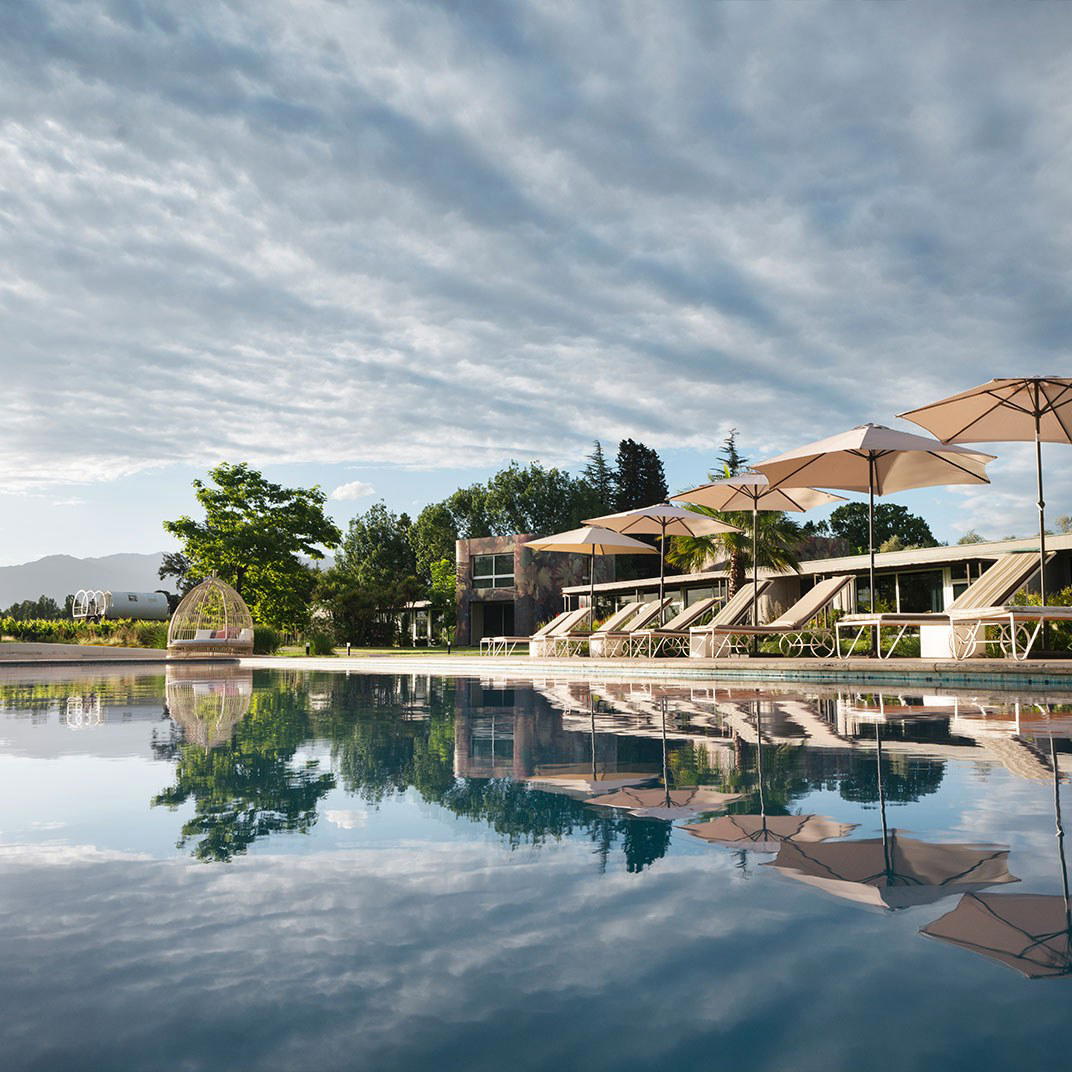
Luján de Cuyo's premium accommodation tier has expanded substantially since the early 2000s, when the appellation gained official Denominación de Origen status and international attention began to accelerate. Properties like Cavas Wine Lodge in Alto Agrelo and Chozos Resort by AKEN Spirit in Agrelo represent the design-led resort end of the market, with higher price points and bespoke experiences built into the rate. The posada tier, by contrast, tends to offer a more compact stay.
For context on the broader Mendoza wine accommodation range, Casa de Uco in Tunuyán and Lodge Atamisque in Tupungato extend the geography further into the Uco Valley, where younger vineyards at higher altitude are producing the region's most discussed cool-climate whites and Malbec. Posada Borravino's location in Chacras de Coria keeps it anchored to the older, lower-altitude Luján de Cuyo corridor, historically the heart of Mendoza's Malbec production rather than its experimental frontier.
Travellers planning a wider Argentine wine circuit might also consider San Rafael or the Calchaquí Valley.
Planning a Stay: Timing and Practical Orientation
Mendoza's harvest season, running roughly from late February through April, is the period when the wine country is most alive and most in demand. The crush brings activity to wineries across the appellation, and accommodation in Chacras de Coria fills earlier in this window than at other times of year. Visitors who want harvest access alongside a quieter posada experience should plan well ahead for February and March. The shoulder months of October and November, when the vines are in bud and the heat has not yet arrived, offer a different rhythm: less competition for tables at nearby restaurants, more flexibility in winery visits, and a Chacras de Coria that operates at its most local rather than its most tourist-facing.
Travellers extending their Argentine itinerary beyond Mendoza might also look at Home Hotel in Buenos Aires as a design-conscious urban counterpart, or Estancia El Ombú de Areco in San Antonio de Areco for a pampas context that reads as a different Argentina entirely. For those continuing south, Charming Luxury Lodge & Private Spa in San Carlos de Bariloche and Arakur Ushuaia Resort & Spa in Ushuaia represent the Patagonian end of a country whose accommodation range is wider and more varied than most international itineraries acknowledge.
Comparable Options
Comparable venues nearby, for context on price, style, and recognition.
| Venue | Cuisine | Price | Notes |
|---|---|---|---|
| Posada BorravinoThis venue — the venue you are viewing | rustic country house with contemporary touches | $$$ | Not listed |
| Hotel & Spa Termas Cacheuta | rustic mountain resort | $$$ | Cacheuta |
| El Salto | rustic cabin | $ | Lujan De Cuyo |
| Susana Balbo Winemaker's House & Spa Suites | Winemaker's private estate turned luxury spa retreat | $$$$ | Chacras de Coria |
| Awasi Mendoza | Spanish colonial luxury wine lodge | $$$$ | Lujan De Cuyo |
| Entre Cielos Luxury Wine Hotel & Spa | Modernist vineyard resort blending luxury wellness with wine immersion | $$$$ | Lujan de Cuyo |
Continue exploring
More in Luján de Cuyo
Hotels in Luján de Cuyo
Browse all →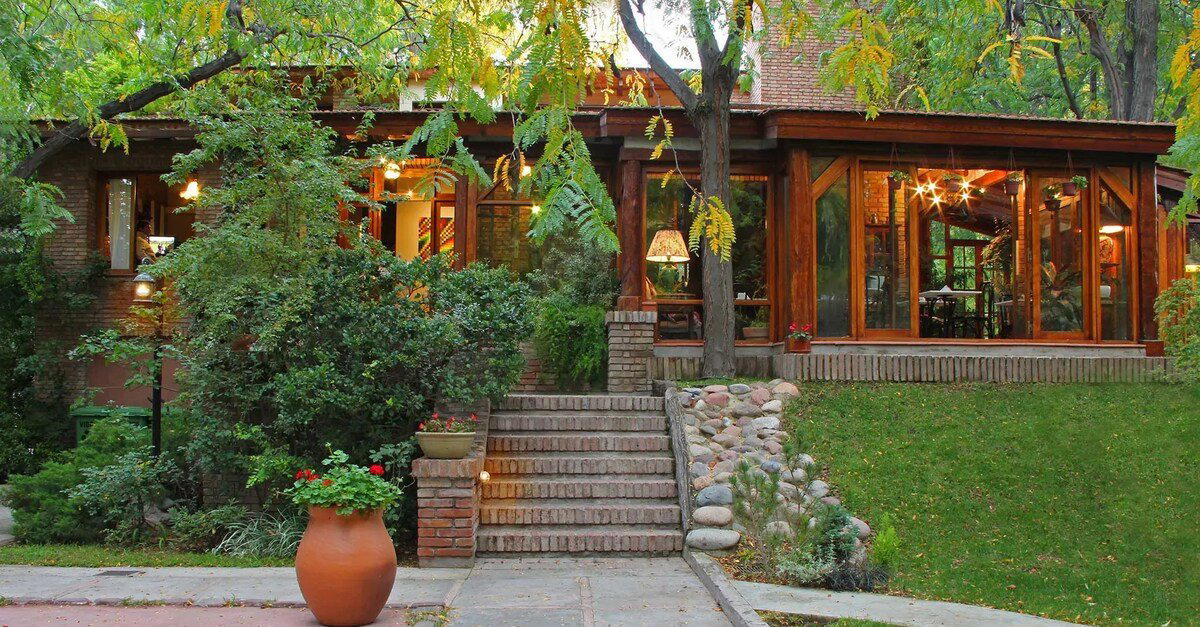
Bars in Luján de Cuyo
Browse all →
Restaurants in Luján de Cuyo
Browse all →
At a Glance
- Rustic
- Cozy
- Quiet
- Romantic
- Elegant
- Romantic Getaway
- Weekend Escape
- Garden
- Pool
- Garden
- Wi Fi
- Concierge
- Restaurant
- Garden
- Pool
- Garden
- Wi Fi
- Concierge
- Restaurant
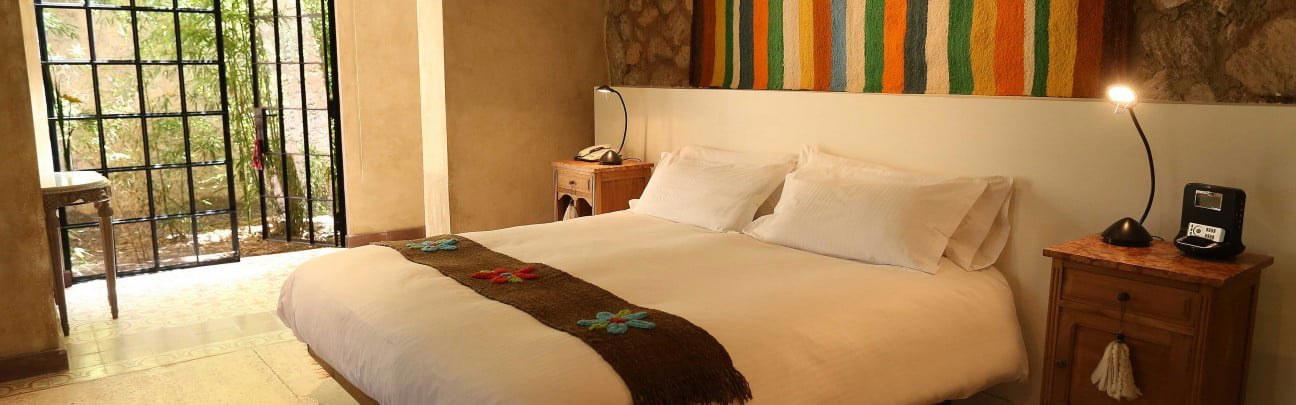
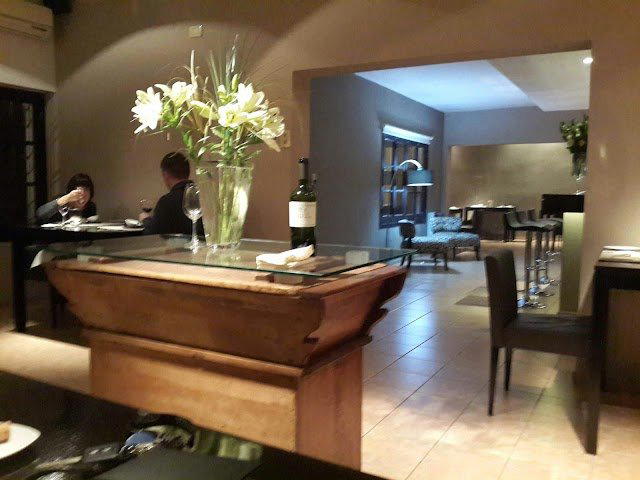
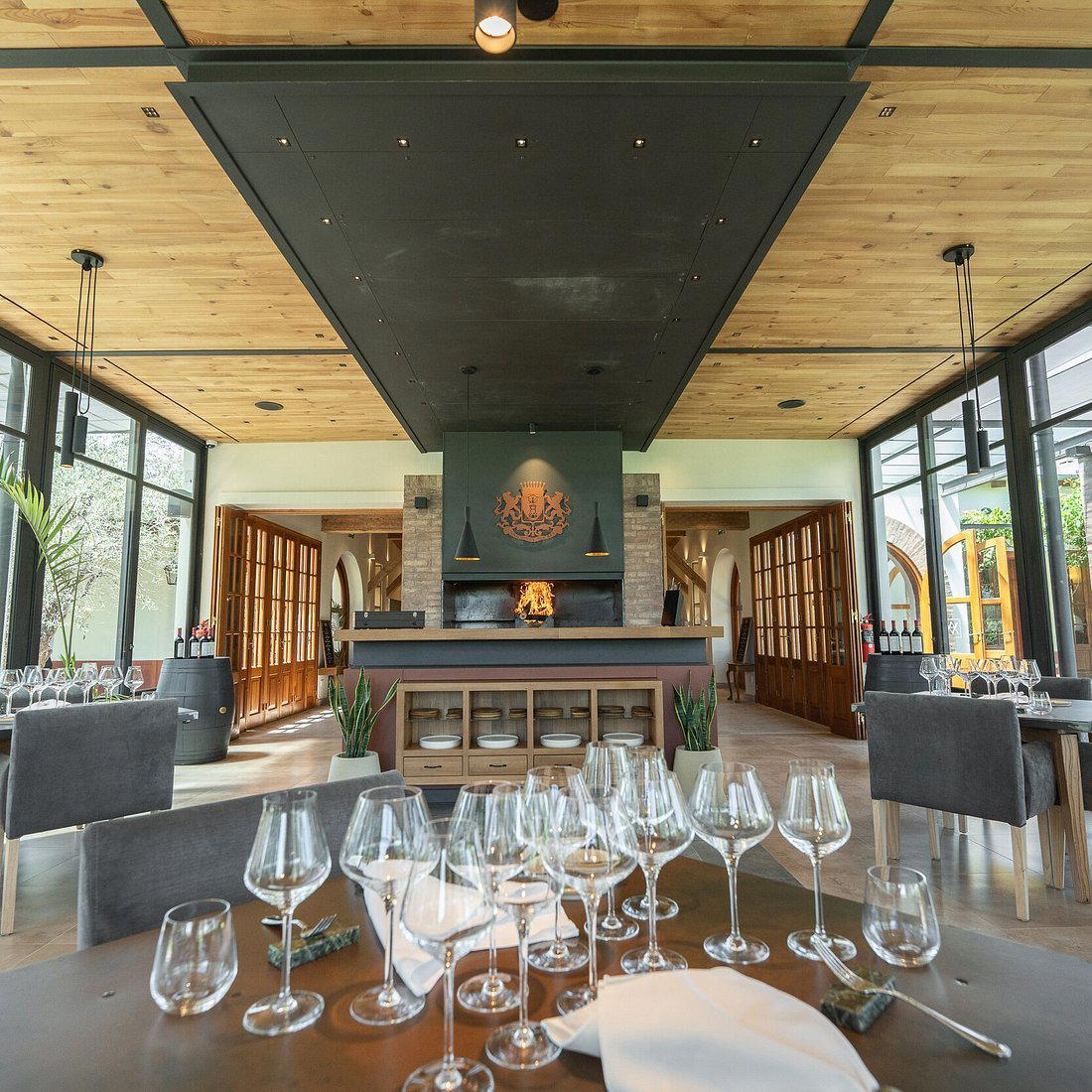
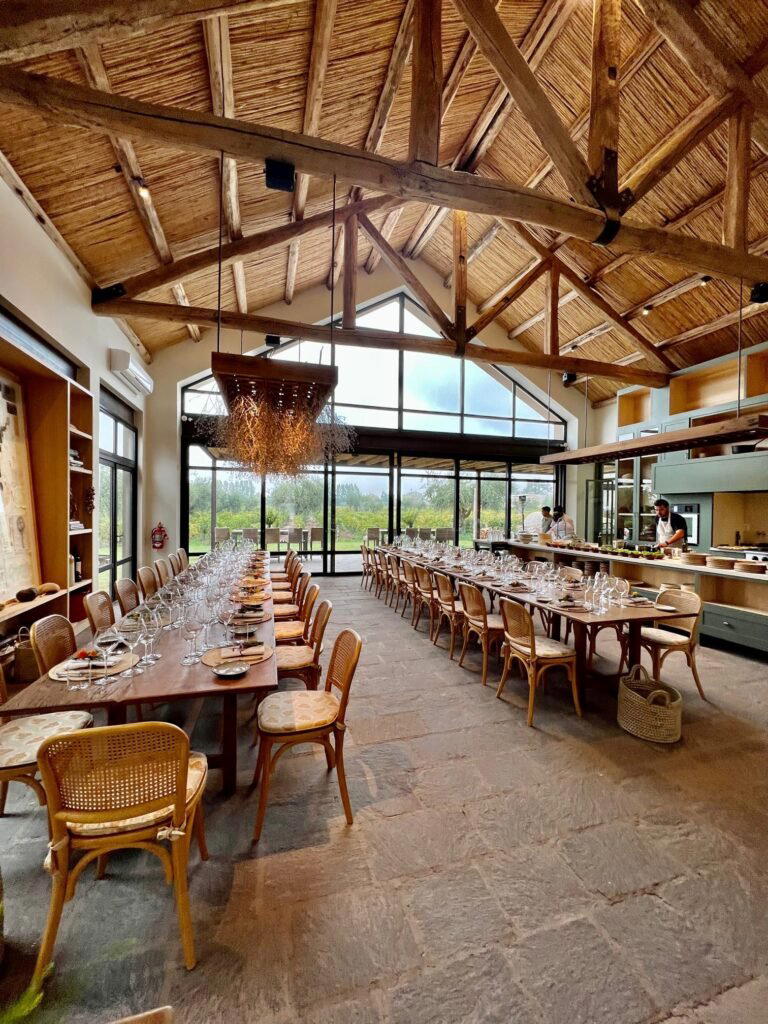
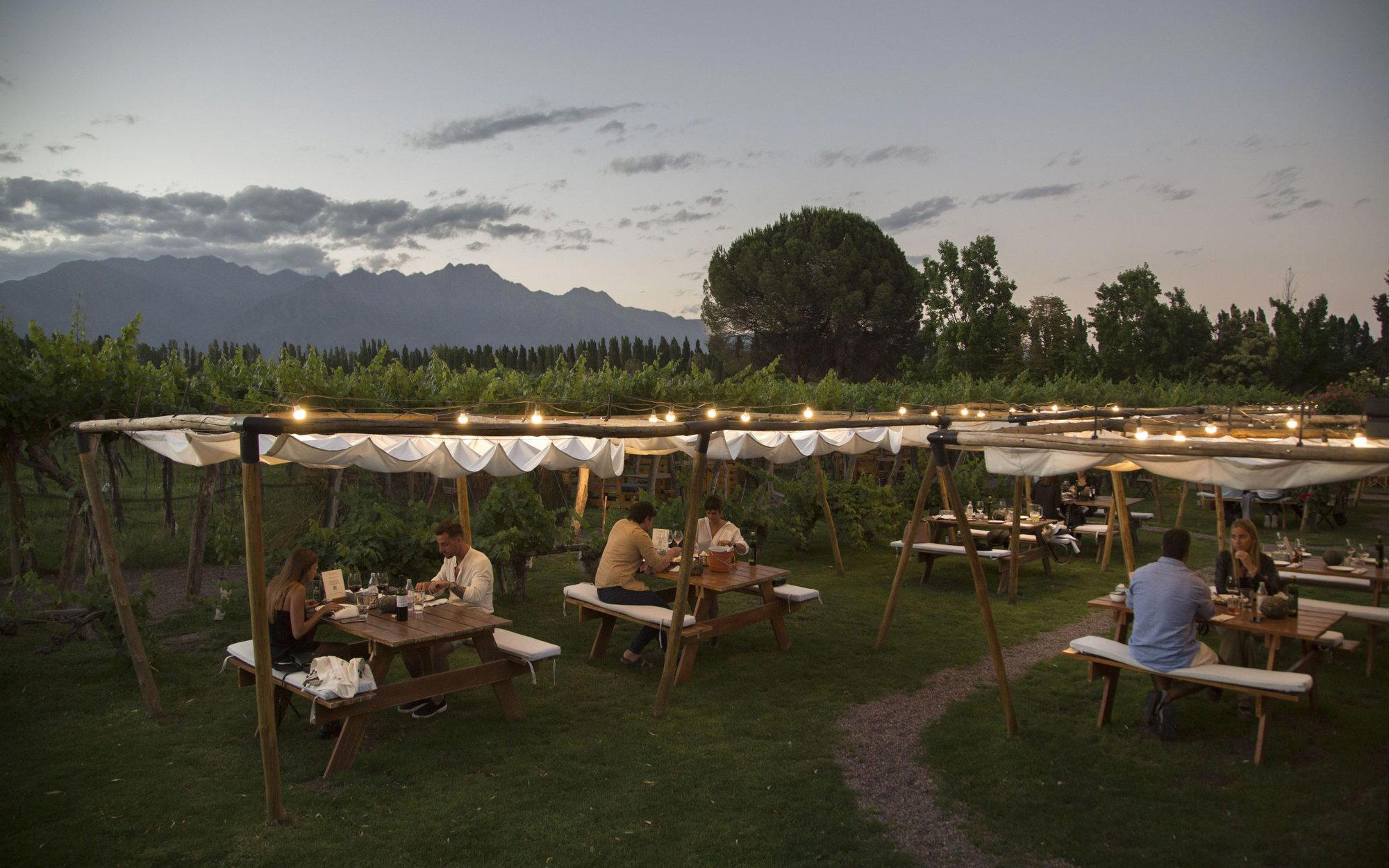
Tranquil and elegant with simple rustic design, patina walls, high wooden ceilings, and a rosy glow from scented candles in the evenings.