Awasi Restaurant

Awasi Restaurant sits in Luján de Cuyo, where Mendoza dining is shaped by vineyards, irrigation channels, mountain light, and the pull of the grill. The draw is not a trophy-led restaurant narrative but a sense of place: Andean produce, wine-country pacing, and the growing preference for meals that read the land rather than simply accompany a bottle.
Pearl is the En Primeur Club membership app — saves, bookings, and concierge access live there. Same editors, same standards.
- Address
- C. Costa Flores s/n, M5507 Luján de Cuyo, Mendoza, Argentina
- Phone
- +54 261 533-5205
- Website
- awasi.com
- Directions
- Get directions
 Saves & bookings on Pearl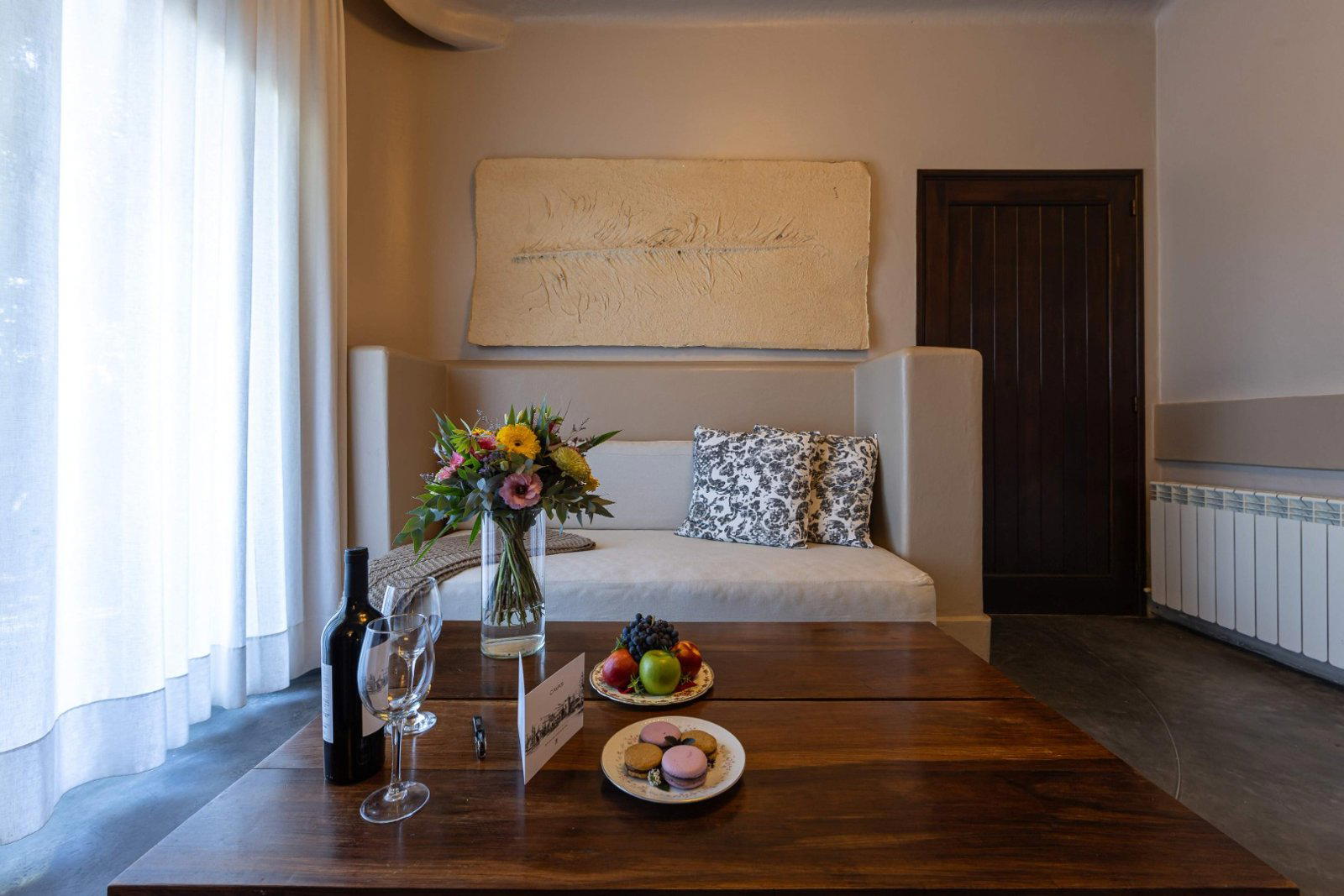
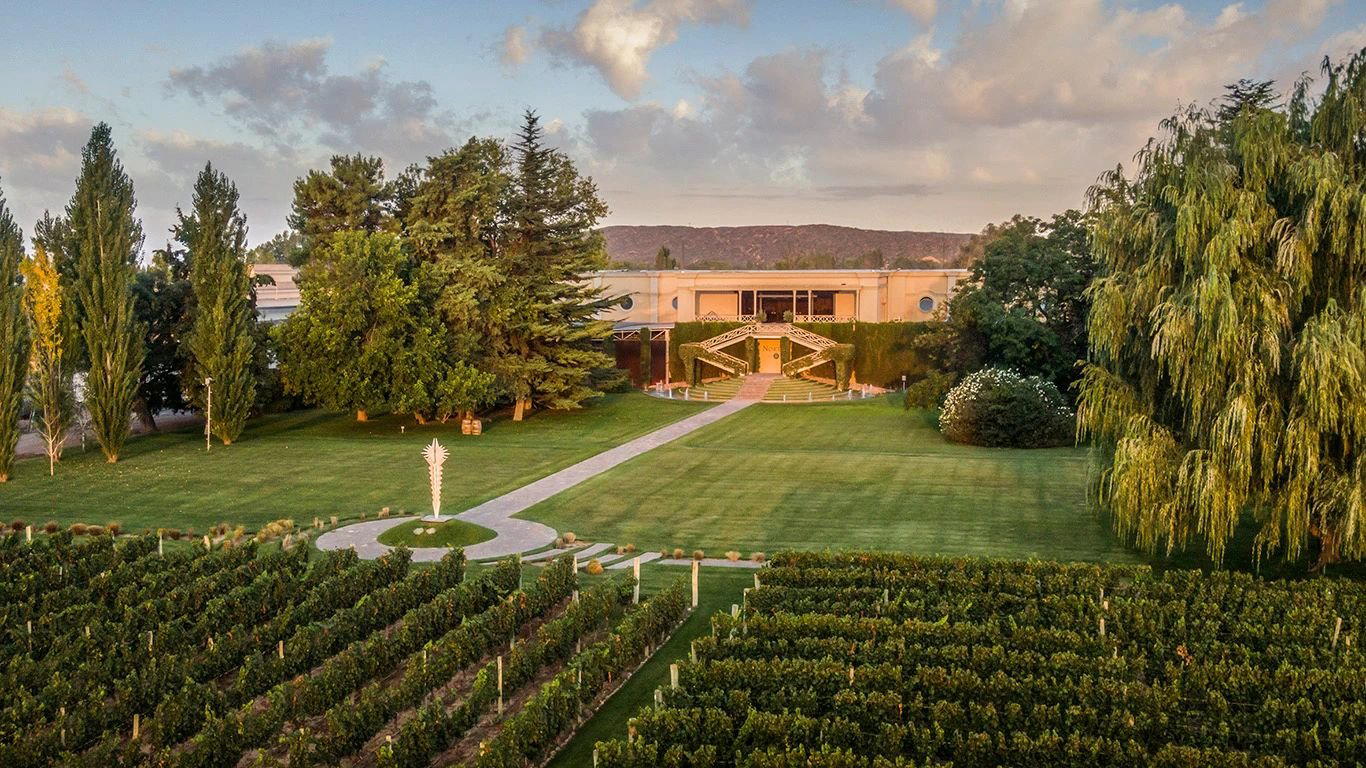
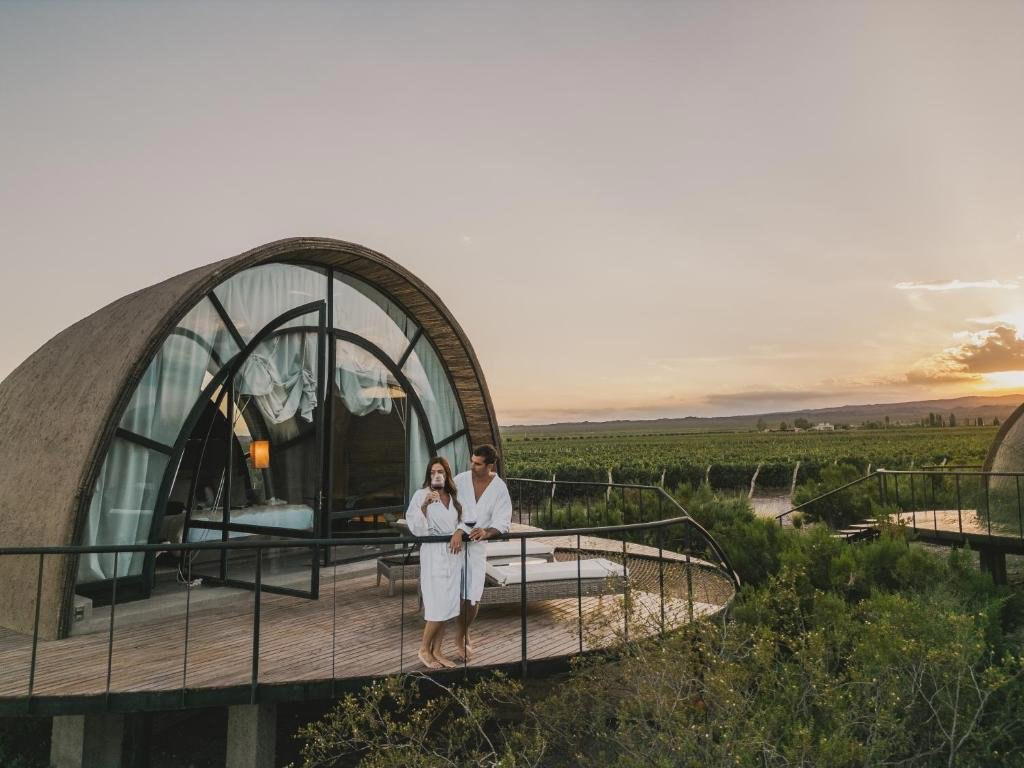
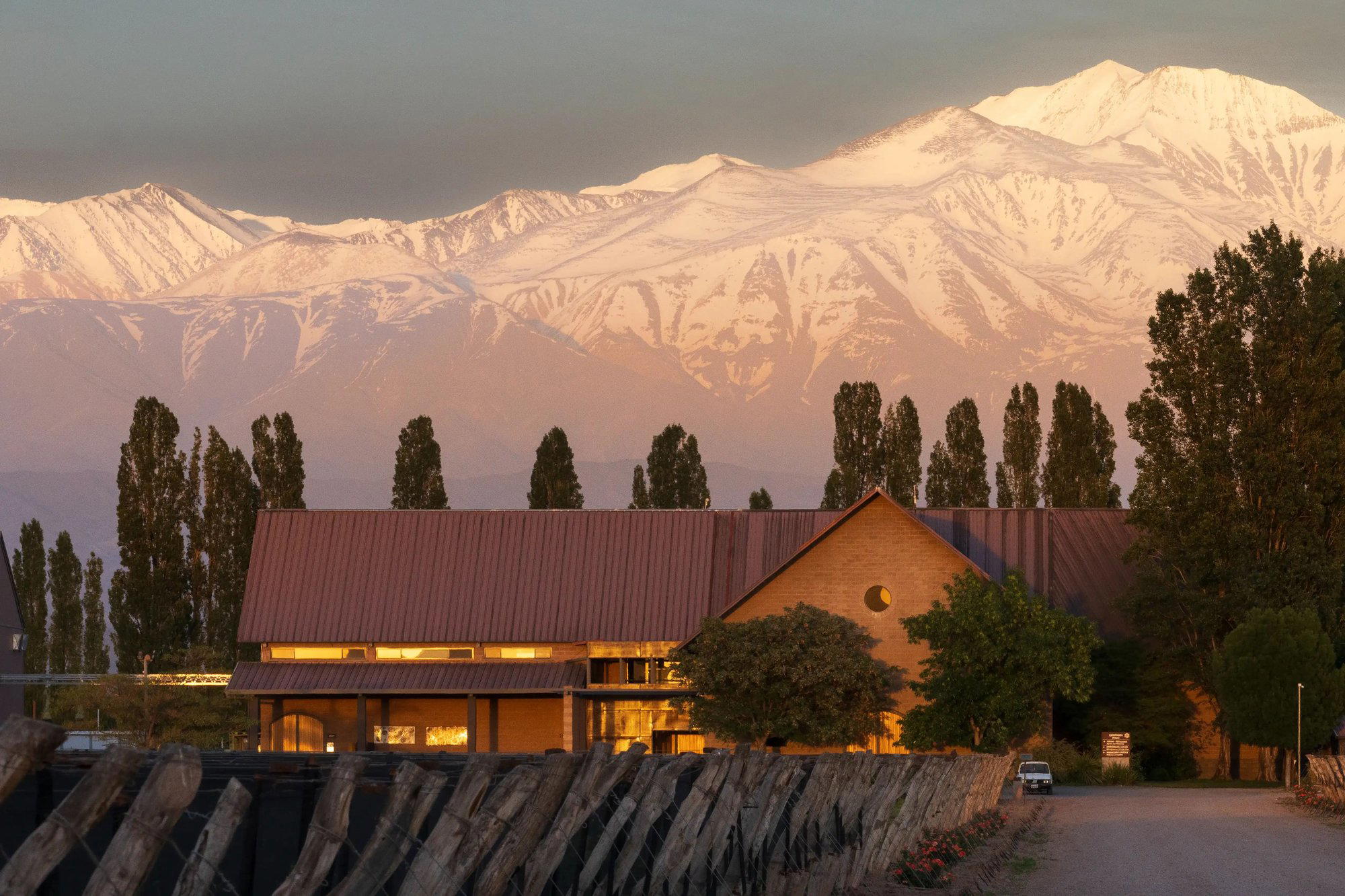
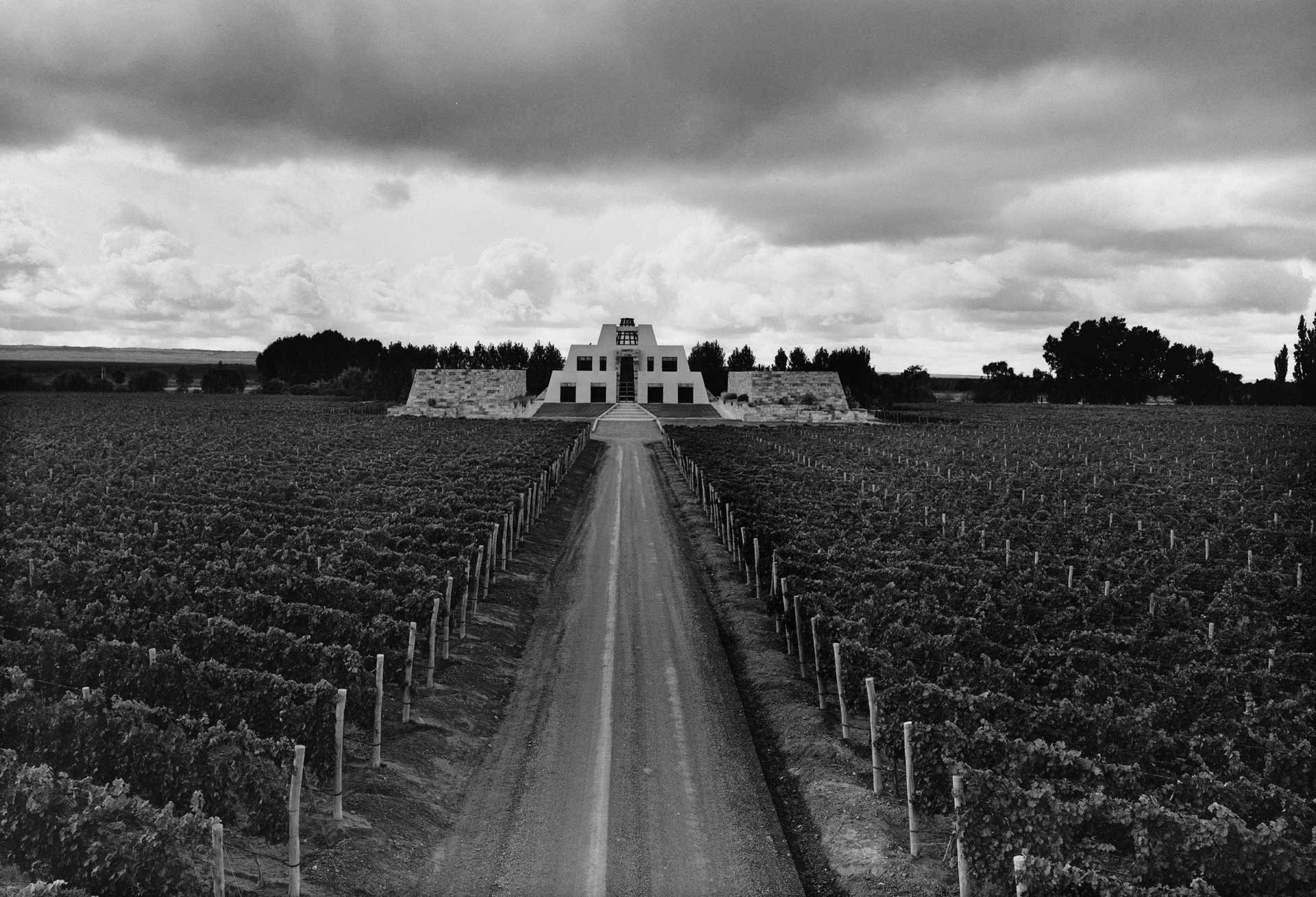
Approaching wine country south of Mendoza, the view changes before the cooking does: rows of vines, dry air, low buildings, and the Andes holding the horizon. In Luján de Cuyo, a restaurant meal is rarely separated from agriculture. Water rights, altitude, orchard fruit, olive oil, beef, clay ovens, and vineyard schedules shape the table as much as technique. Awasi Restaurant belongs to that context, where the point is not theatrical dining but a grounded Mendoza grammar: what grows nearby, what cooks well over fire, and what makes sense beside serious local wine.
This part of Argentina has long been read through Malbec, but its dining culture is broader than grape variety. Luján de Cuyo restaurants increasingly work as translators between bodega tourism and regional cooking, especially for travelers who want lunch or dinner to feel tied to place rather than patched onto a tasting itinerary. For a wider read on the area, Our full Luján de Cuyo restaurants guide maps the local spread, while Our full Luján de Cuyo wineries guide gives the wine framework behind much of the cooking.
Vineyard-country cooking depends on sourcing before technique
The stronger Mendoza tables understand restraint. The region does not need imported luxury cues when it has mountain herbs, stone fruit, vegetables grown under hard sun, beef culture, and a cellar language that rewards food with structure. Awasi Restaurant is better understood inside that ingredient-first pattern than as a standalone dining room. In Luján de Cuyo, the kitchen’s credibility comes from how clearly it reflects the surrounding agricultural economy, not from how many global fine-dining gestures it can borrow.
That is why comparisons inside the district are useful. Agrelo points toward the rural edge of the local restaurant map, while Bodega Caelum and other Luján de Cuyo dining rooms show how winery-linked dining can range from casual cellar hospitality to more composed regional menus. Other vineyard-facing kitchens make the vineyard-kitchen connection explicit, a useful reference point for understanding why sourcing matters here. The shared question is simple: does the plate clarify Mendoza, or merely sit in Mendoza?
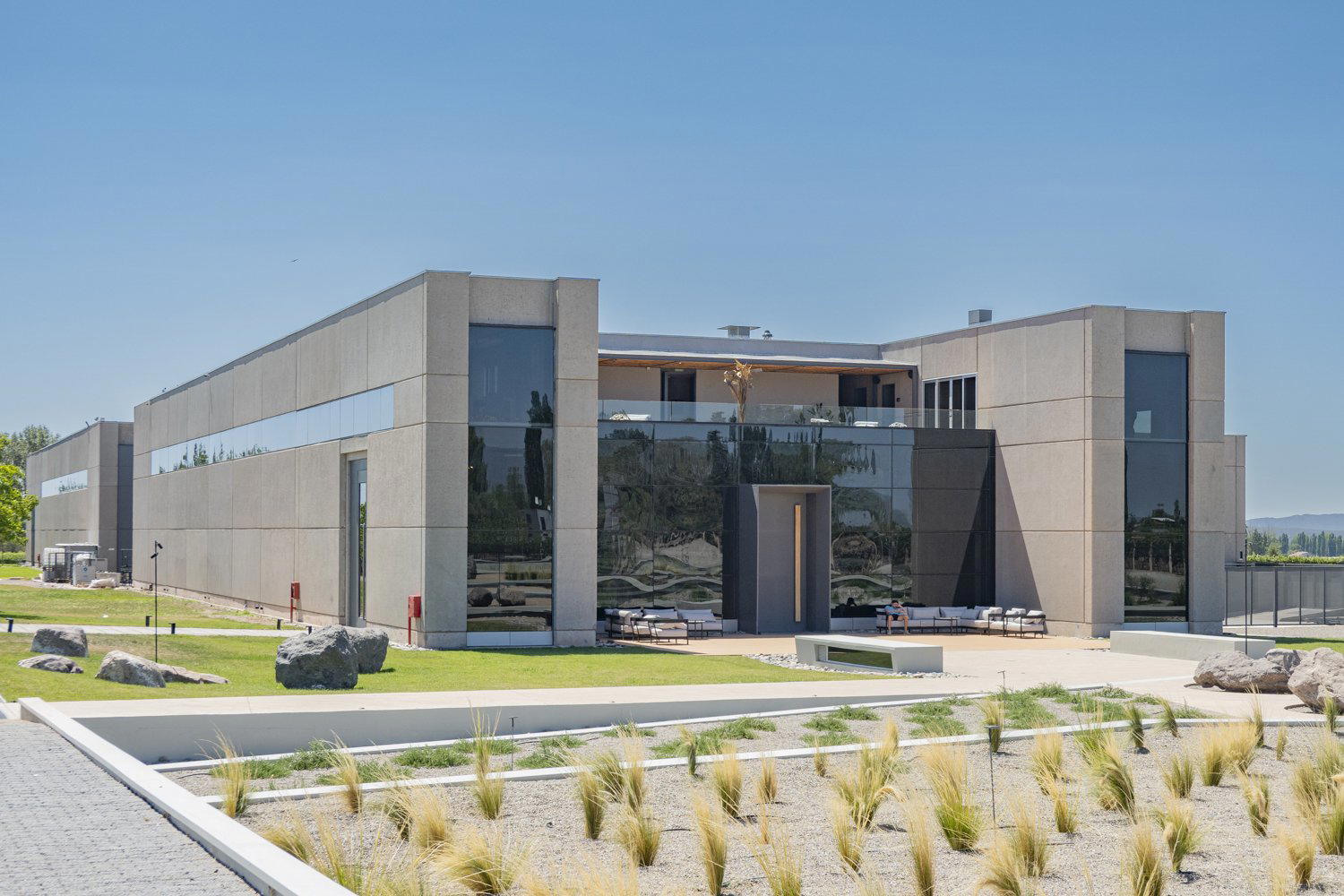
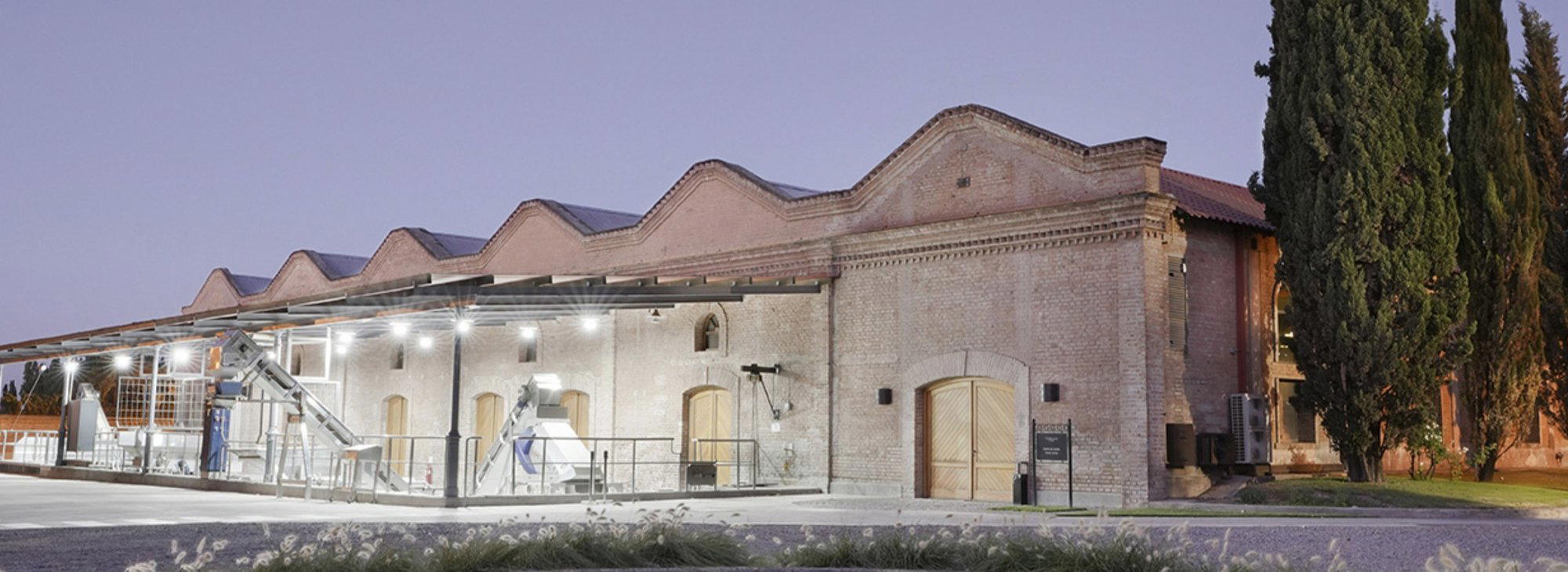
Within that frame, Awasi Restaurant is part of a premium country-house dining conversation rather than a city restaurant race. Its place in Luján de Cuyo puts it in a zone where diners often build days around wineries, lodge stays, vineyard lunches, and slower transfers rather than quick urban table turns. That matters because pacing affects expectation. Meals here are read through setting, wine proximity, and agricultural season, not only through menu engineering.
Luján de Cuyo rewards regional confidence over imported polish
Mendoza’s restaurant hierarchy is split between destination names, winery dining rooms, and smaller regional kitchens. Broader provincial references may shape travelers’ expectations of Mendoza, but Luján de Cuyo works differently: the bodega, the hotel, and the restaurant often overlap, and the meal is one part of a larger wine-country day. References such as Cavas Wine Lodge, Osadía de Crear, and Quimera Bistro sit in the same Mendoza travel ecosystem, where guests compare not only food but setting, cellar access, and how convincingly the experience belongs to the Andes.
The more useful national comparison is not metropolitan dining glamour or distant regional grill culture. Luján de Cuyo asks for a different lens: sunlight, irrigation, wine estates, and a rural service rhythm. Nearby unnamed dining rooms help define that local band of Mendoza dining, where place is the main argument and the surrounding landscape does much of the framing.
Awasi Restaurant also carries a travel context, but the broader point is that stronger hospitality changes with its environment. A Mendoza table should not feel interchangeable with dining in another ecology or a major city. For contrast, urban restaurant cultures elsewhere are shaped by entirely different supply chains and service expectations, while Awasi Restaurant is best read through Luján de Cuyo’s wine-country setting.
How to place it in a Mendoza itinerary
The sensible way to read Awasi Restaurant is as part of a Luján de Cuyo stay rather than a detached reservation. The area’s strength is cumulative: a winery visit, a slow meal, a drive through Luján de Cuyo, and enough time for the Andes to feel like more than scenery. Travelers comparing lodging and dining together should also use Our full Luján de Cuyo hotels guide, while bar and experience planning sit separately in Our full Luján de Cuyo bars guide and Our full Luján de Cuyo experiences guide.
For readers choosing between Mendoza meals, the editorial test is direct. If the priority is a city landmark, stay closer to Mendoza proper. If the priority is wine-country context, ingredient sourcing, and a dining rhythm shaped by Luján de Cuyo’s rural edge, Awasi Restaurant belongs on the shortlist. It is strongest when approached as a Mendoza place first and a restaurant second, with the surrounding land doing part of the work.
Fast Comparison
Comparable venues by cuisine and price in the same metro.
| Venue | Cuisine | Price |
|---|---|---|
| Cavas Wine Lodge | Argentinian Cuisine | Not listed |
| Osadía de Crear | Contemporary | $$$ |
| Quimera Bistro | Argentinian | $$$$ |
Recognition history
Dated appearances from independent guides and award organizations, with the underlying list record or original source where available.
Michelin Plate
Michelin
Continue exploring
More in Luján de Cuyo
Restaurants in Luján de Cuyo
Browse all →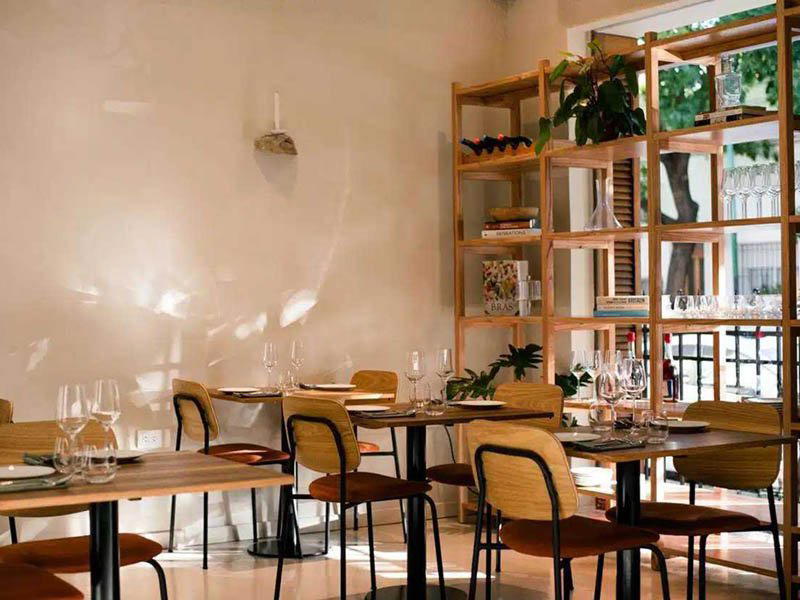
Bars in Luján de Cuyo
Browse all →
Hotels in Luján de Cuyo
Browse all →
At a Glance
- Elegant
- Romantic
- Scenic
- Rustic
- Sophisticated
- Intimate
- Date Night
- Special Occasion
- Celebration
- Business Dinner
- Group Dining
- Family
- Wine Cellar
- Garden
- Terrace
- Panoramic View
- Hotel Restaurant
- Design Destination
- Extensive Wine List
- Sommelier Led
- Farm To Table
- Organic
- Local Sourcing
- Natural Wine
- Biodynamic
- Vineyard
- Mountain
- Garden
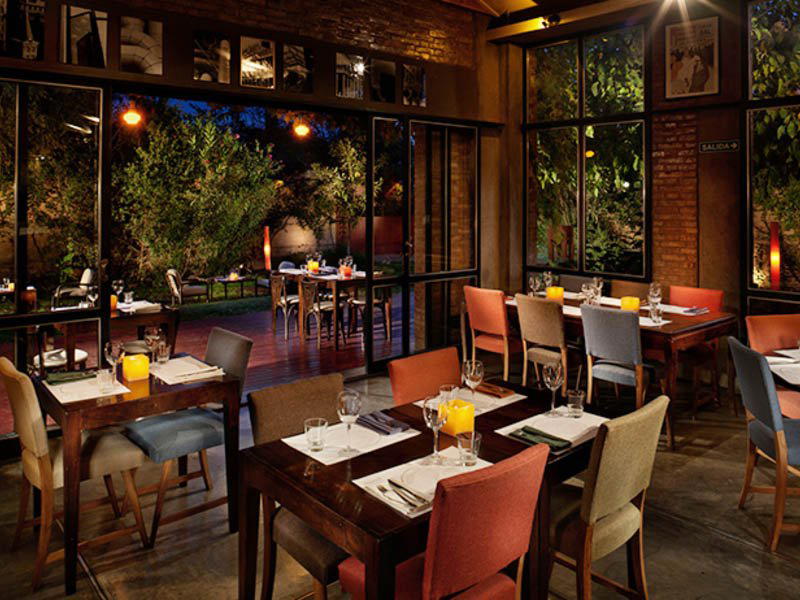
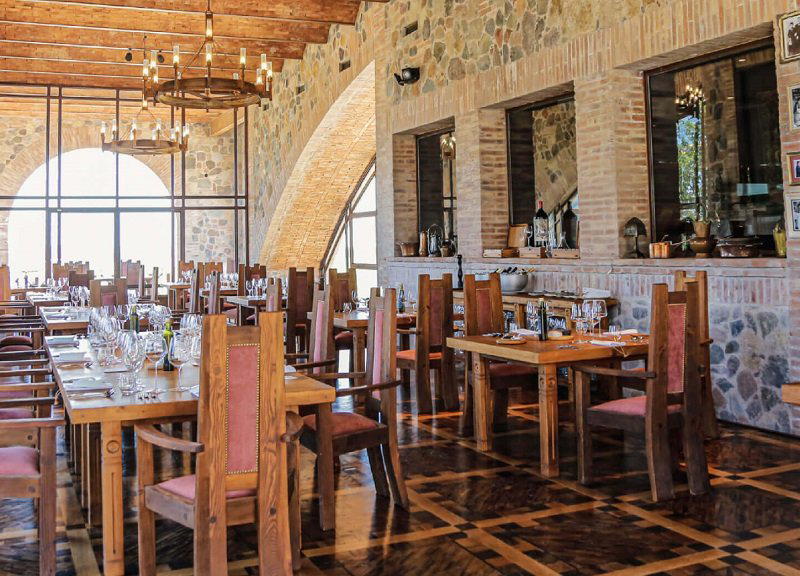
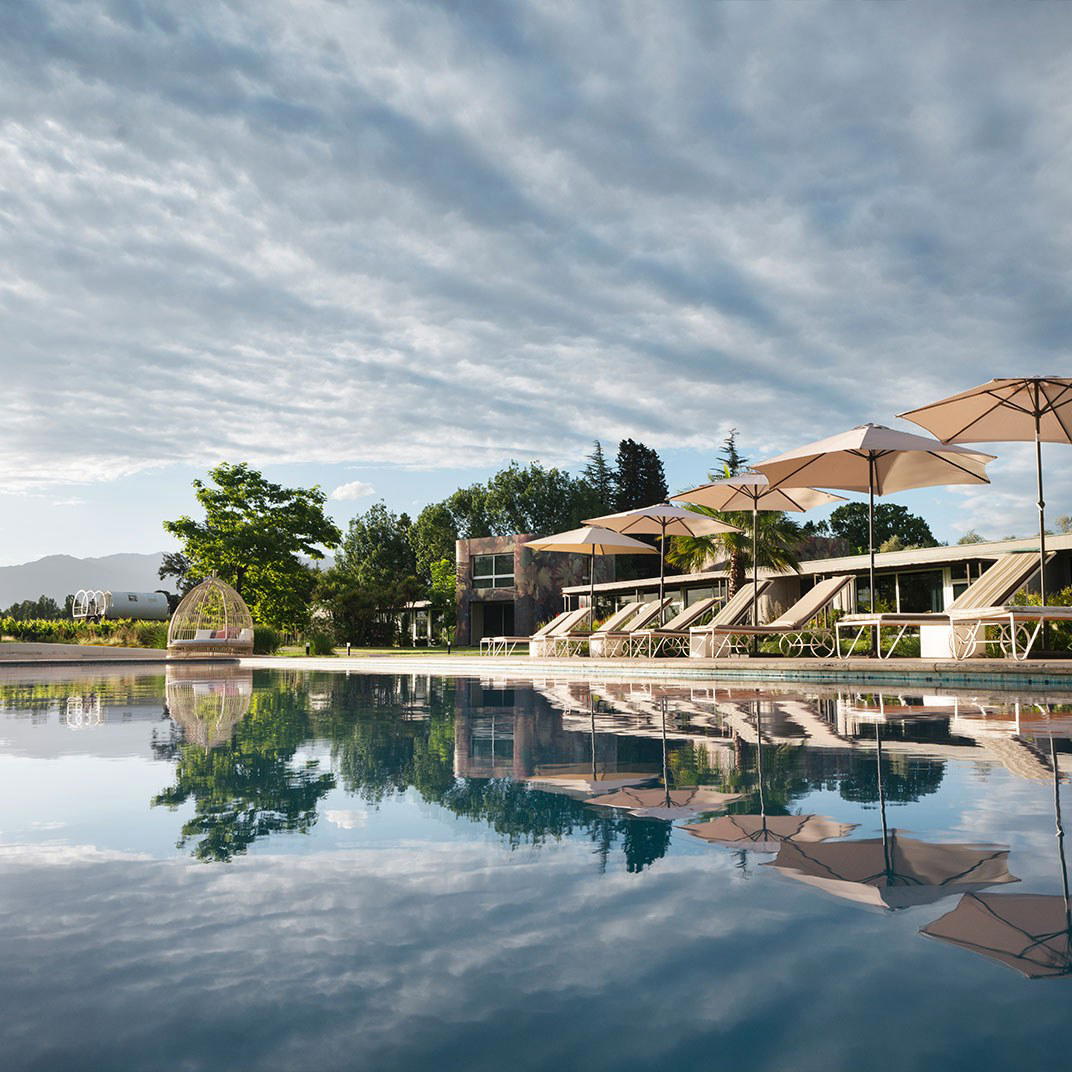
Refined yet relaxed vineyard‑lodge atmosphere with warm, intimate indoor dining and tranquil terrace tables overlooking vines and the Andes; service is highly personalized and pacing leisurely, creating a hushed, special‑occasion feel.
Know Before You Go
- Reservations
- Essential
- Dress code
- Smart casual
- Getting there
- C. Costa Flores s/n, M5507 Luján de Cuyo, Mendoza, Argentina