Bodega Luigi Bosca

Falstaff Winery - Listed
The property on San Martín 2044 is a reference point for understanding how the Luján appellation has shaped Argentina's Malbec identity, and how its top producers are responding to the global push toward lower-intervention viticulture.

Pearl is the En Primeur Club membership app — saves, bookings, and concierge access live there. Same editors, same standards.
- Address
- San Martín 2044, M5507 Luján de Cuyo, Mendoza
- Phone
- +54 9 261 508-6679
- Website
- luigibosca.com
- Directions
- Get directions
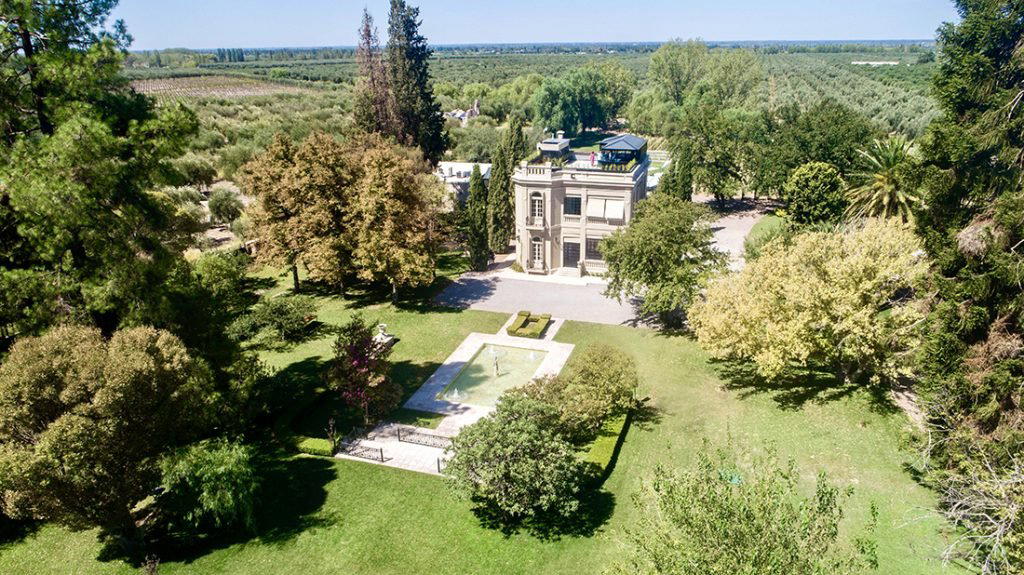
Where the Vines Set the Agenda
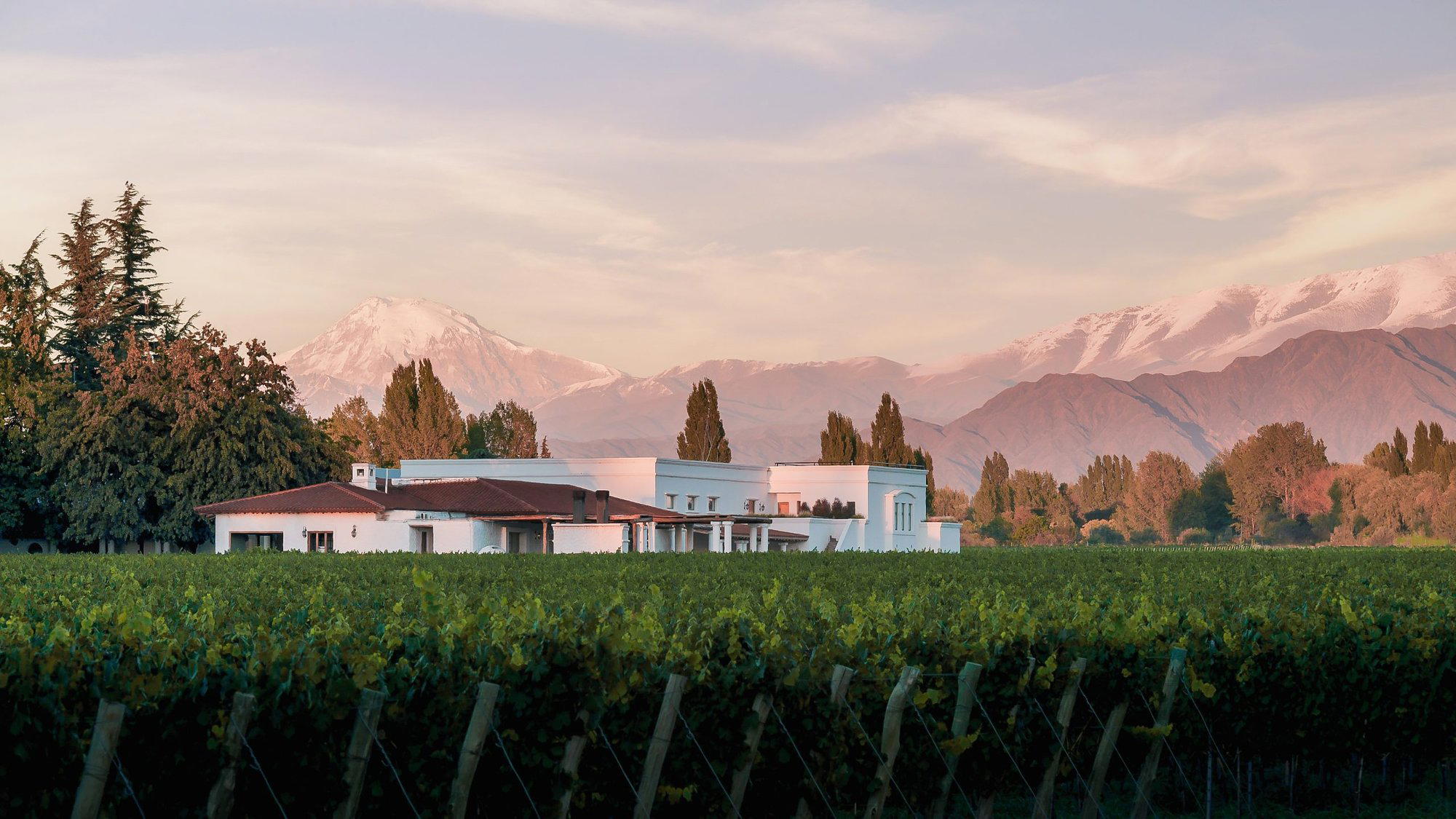
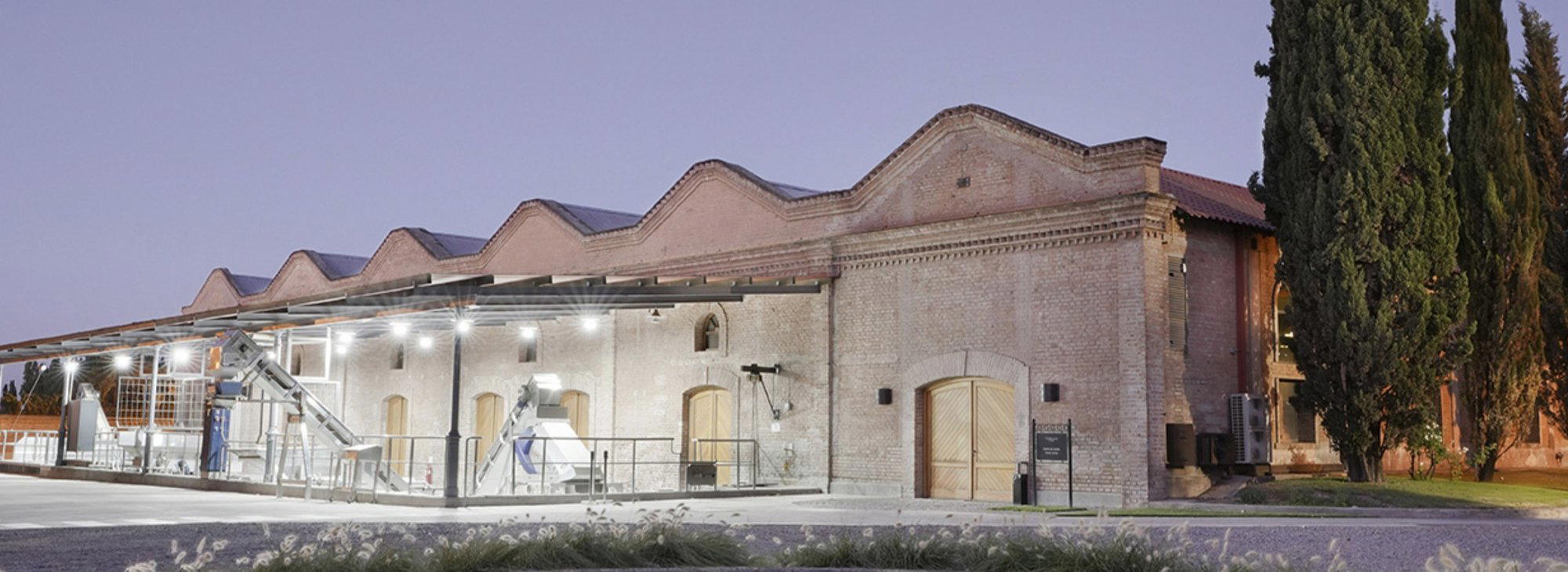
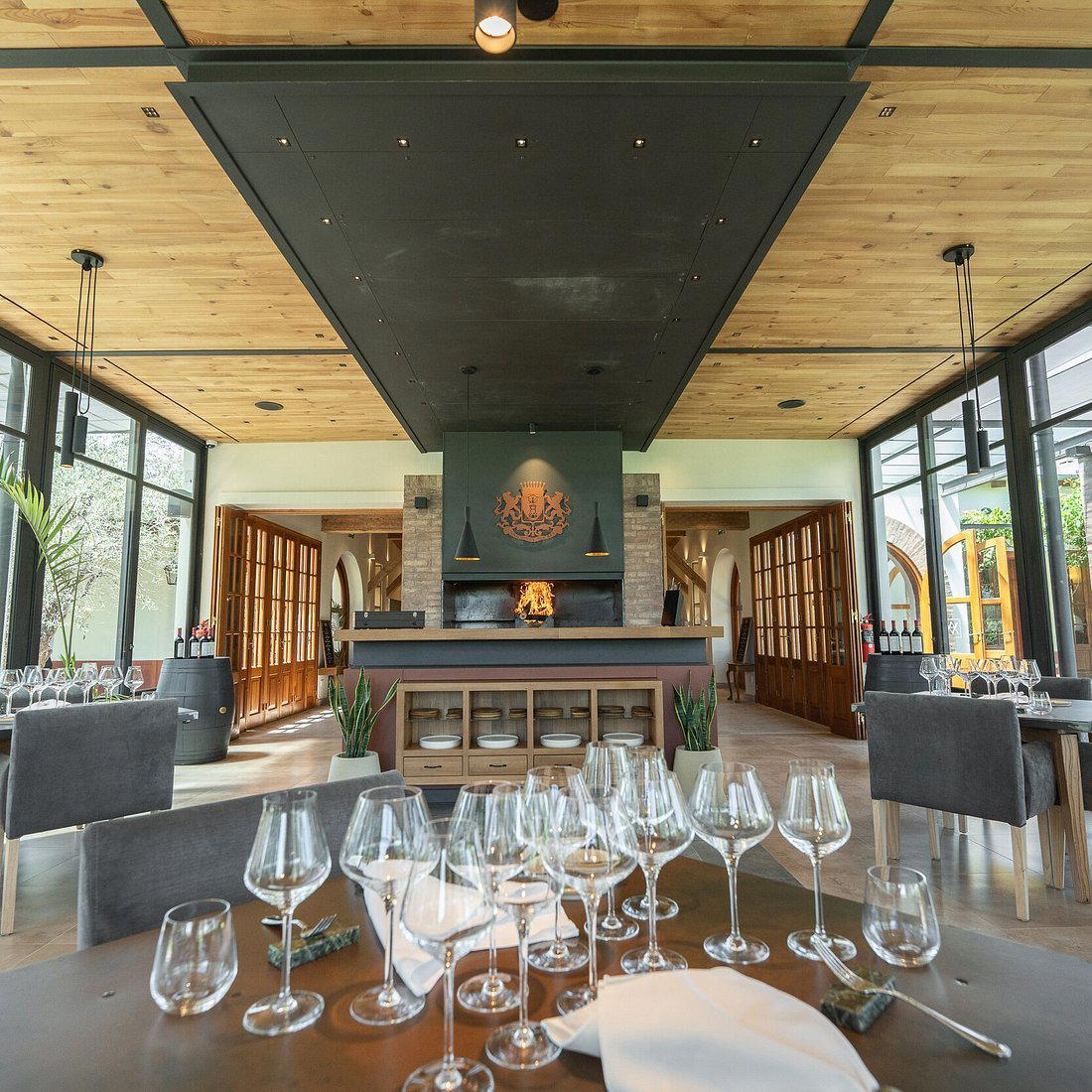
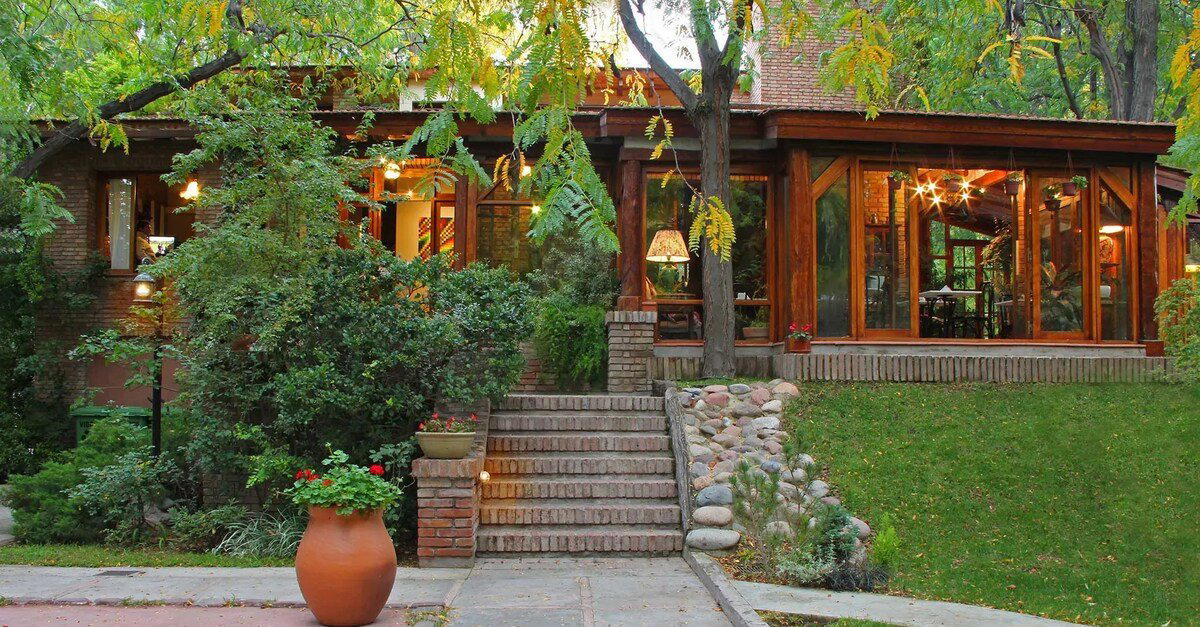
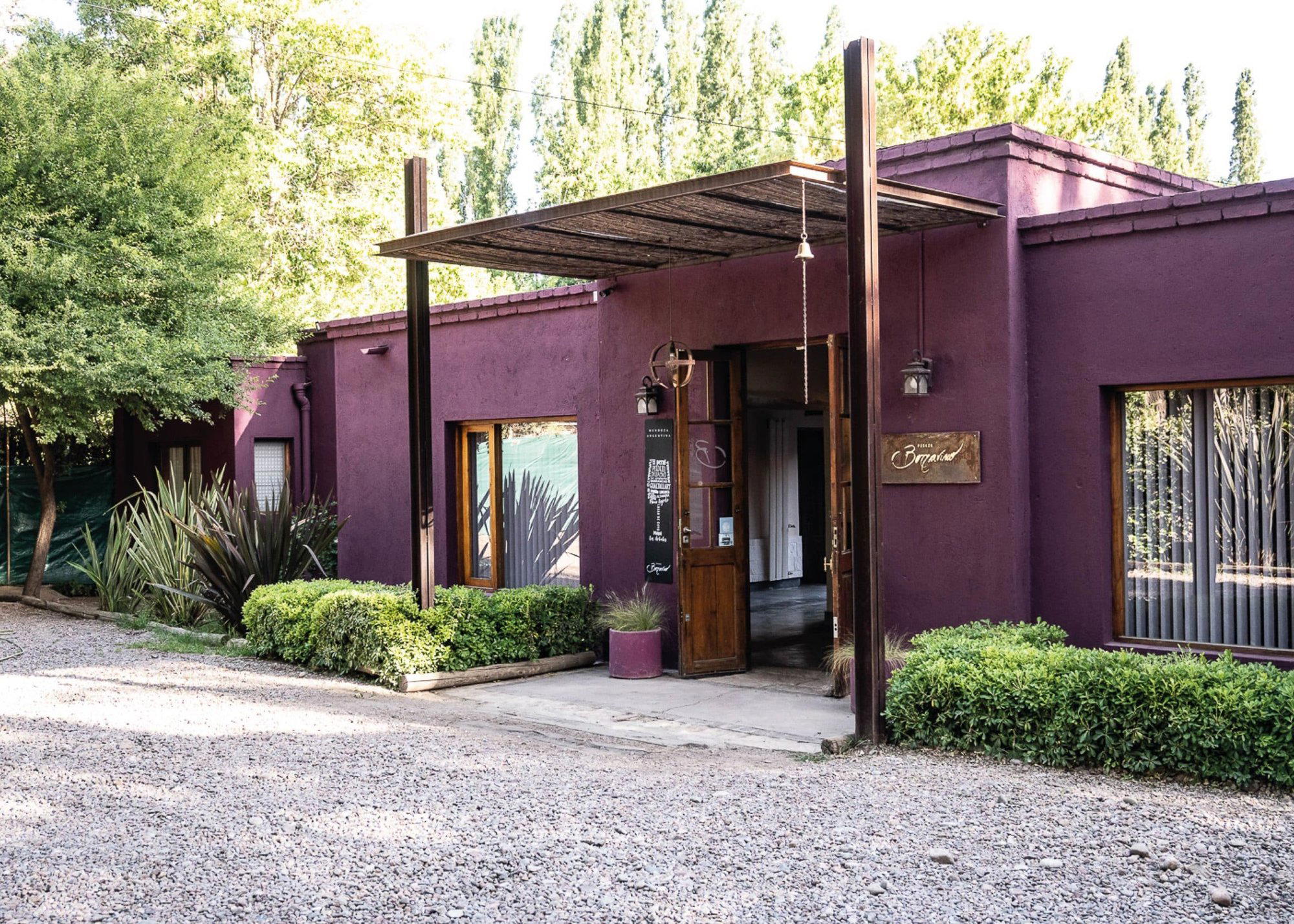
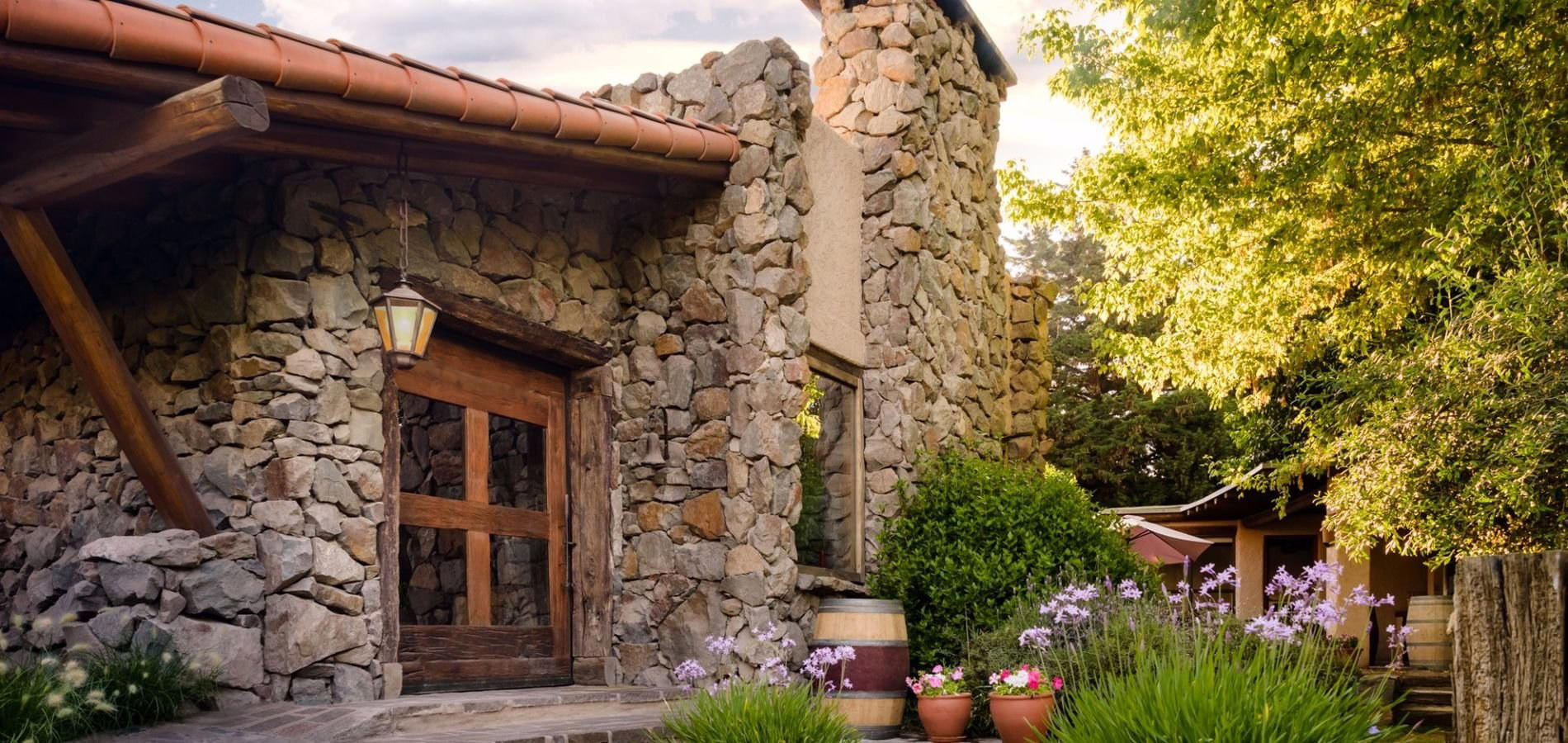
Arrive on San Martín in Luján de Cuyo on a clear Andean morning and the logic of Argentine wine geography becomes physical. The Precordillera sits directly to the west, a wall of rock that forces cold air down into the valley each night and keeps grapes in a state of suspended tension between ripeness and acidity. Bodega Luigi Bosca occupies a position on this corridor — address: San Martín 2044, M5507 Luján de Cuyo — that places it in the company of estates that have defined Mendoza's premium identity for well over a century. The architecture of the bodega itself reads as an institutional statement: stone walls, barrel halls with the particular weight and cool of a building that was built for long-term storage, not short-term hospitality. This is a space calibrated around wine, not around the visitor experience as spectacle.
That distinction matters in a region where new build bodegas increasingly compete on architectural theatre. Luján de Cuyo's upper tier, which includes neighbours like Bodega Lagarde, Bodega Norton, and Cheval des Andes, has increasingly split between estates that lead with design statements and those that lead with vineyard provenance.
Viticulture as the Central Argument
The conversation around Argentine fine wine has shifted substantially over the past decade. Where the early 2000s boom in Malbec was largely driven by volume and export momentum, the current premium tier is defined by questions of site, altitude, and farming practice. Luján de Cuyo was the first appellation in Argentina to receive a formal Denominación de Origen, a designation that carries more regulatory weight here than in most New World regions, and that institutional framework has pushed its leading producers toward greater specificity about where their fruit comes from and how it is managed.
Sustainability and lower-intervention viticulture have become the dominant frameworks through which serious Mendoza producers now differentiate themselves. The logic is partly agronomic: at altitudes between 900 and 1,100 metres above sea level, with the UV intensity and diurnal temperature shifts of a high-desert environment, chemical intervention is both less necessary and more disruptive than in cooler, wetter European contexts. Estates across the appellation, from Chakana Winery, which operates under certified biodynamic protocols, to Durigutti Winemakers, which prioritises minimal-addition winemaking, have used this argument to separate their work from the wider Mendoza field. Luigi Bosca's longevity as an estate gives it a particular kind of authority in this conversation: old vine material, deep root systems, and decades of accumulated knowledge about how individual plots behave across vintage variation.
Old vines are not a marketing concept in this part of Mendoza. They are a viticultural asset. Root systems that extend several metres into alluvial soil access moisture and mineral content that younger plantings cannot, and the resulting wines carry a texture and concentration that is genuinely difficult to replicate through technique alone. When Luján de Cuyo producers cite their oldest parcels as the basis for their prestige tiers, that claim has observable consequences in the bottle. It is one of the more direct connections between farming decision and sensory outcome in the wine world.
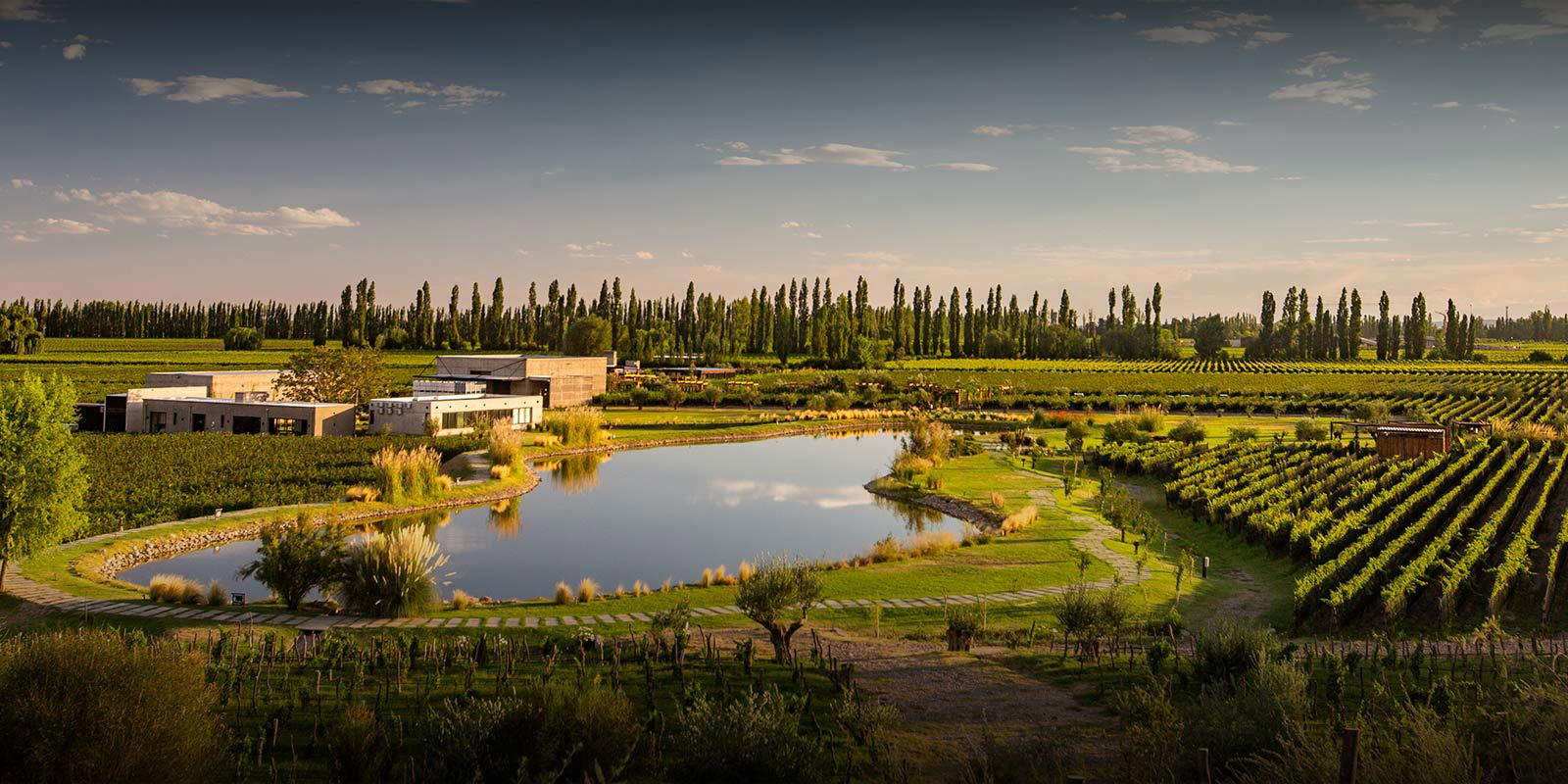
Luján de Cuyo's claim to being Mendoza's most consistent premium sub-region rests on a combination of factors: altitude, alluvial soils with good drainage, the moderating influence of the Mendoza River, and a concentration of estates with genuine vine age. Compared to Valle de Uco further south, which has attracted significant new investment and tends toward higher-altitude aromatic precision, Luján produces wines with more structural density and a capacity for extended ageing. The two regions are complementary rather than competitive, but they attract different buyer profiles. For collectors and traders interested in wines with a demonstrated track record across decades rather than critical momentum around a recent vintage, Luján de Cuyo is the more established reference point.
Within that cohort, each property makes a distinct argument: Cheval des Andes draws on its Franco-Argentine ownership to position itself against classified Bordeaux in export markets; Bodega Lagarde leads with its 19th-century founding and heritage vine parcels; Luigi Bosca's argument is about continuity, scale, and the depth of its vineyard holdings across multiple Luján sub-zones. Comparing this estate to peers beyond Mendoza is also instructive: Bodega El Esteco in Cafayate works at higher altitude with Torrontés and high-elevation Malbec in a very different climatic register, while Bodega Colomé in Molinos pushes toward extreme altitude as its primary identity. Luigi Bosca's identity is rooted in depth rather than extremity.
Argentina's Wider Fine Wine Geography
Understanding Luigi Bosca's position requires a view across Argentina's fine wine geography more broadly. The country's premium wine production is concentrated in a narrow band of Andean foothills stretching from Salta in the north through Mendoza to Patagonia in the south. Within Mendoza itself, estates outside Luján de Cuyo also make credible claims on the premium tier: Bodega DiamAndes in Tunuyán and Rutini Wines in Tupungato both operate in Valle de Uco with strong export track records, while Escorihuela Gascón in Godoy Cruz operates a different model centred on urban accessibility. The fact that Luigi Bosca draws its identity from Luján's established appellation rather than the new-altitude excitement of Valle de Uco is, at this point in the market, a statement of confidence in terroir that has already proved itself.
For visitors approaching the region from Buenos Aires, the context of Argentine wine culture as a whole is worth carrying. Fratelli Branca Distillery in Buenos Aires offers a useful counterpoint in spirits tradition before making the journey west. Further afield, the contrast with estates like Familia Schroeder in San Patricio del Chañar in Patagonia underscores how varied Argentina's wine geography has become, each region shaped by a distinct combination of altitude, latitude, and continental climate influence.
Planning Your Visit
Bodega Luigi Bosca is located at San Martín 2044 in Luján de Cuyo, approximately 15 kilometres south of Mendoza city centre by road. The Luján appellation is accessible via a network of direct routes that also pass Bodega Norton and Bodega Lagarde, making a focused half-day circuit across two or three estates a practical itinerary. The harvest season runs from late February through April, when the bodega is at its most operationally active and vineyard visits carry the most visual interest. Autumn, from March through May, also produces the most consistent daytime temperatures for extended outdoor tasting. Our full Luján de Cuyo guide covers logistics, appellation context, and the broader circuit of estates across the region.
Recognition, Side-by-Side
Comparable venues nearby, for context on price, style, and recognition.
| Venue | Cuisine | Price | Awards | Notes |
|---|---|---|---|---|
| Bodega Luigi BoscaThis venue — the venue you are viewing | Malbec, Cabernet Sauvignon | $50–100 | Falstaff Winery - Listed | Not listed |
| Susana Balbo (Dominio del Plata) | Malbec, Torrontés | Not listed | Falstaff Winery - Listed | Agrelo, Luján de Cuyo |
| Viña Alicia | Malbec, Cabernet Sauvignon | Not listed | Not listed | Luján de Cuyo |
| Benegas Lynch | Malbec, Cabernet Franc | Not listed | Falstaff Winery - Listed | Luján de Cuyo |
| Bodega Finca La Anita | Malbec, Cabernet Sauvignon | $30–50 | Not listed | Alto Agrelo |
| Achaval Ferrer | Malbec, Cabernet Sauvignon | $50–100 | Falstaff Winery - Listed | Luján de Cuyo |
Recognition history
Dated appearances from independent guides and award organizations, with the underlying list record or original source where available.
Falstaff Winery - Listed
Falstaff
Continue exploring
More in Luján de Cuyo
Wineries in Luján de Cuyo
Browse all →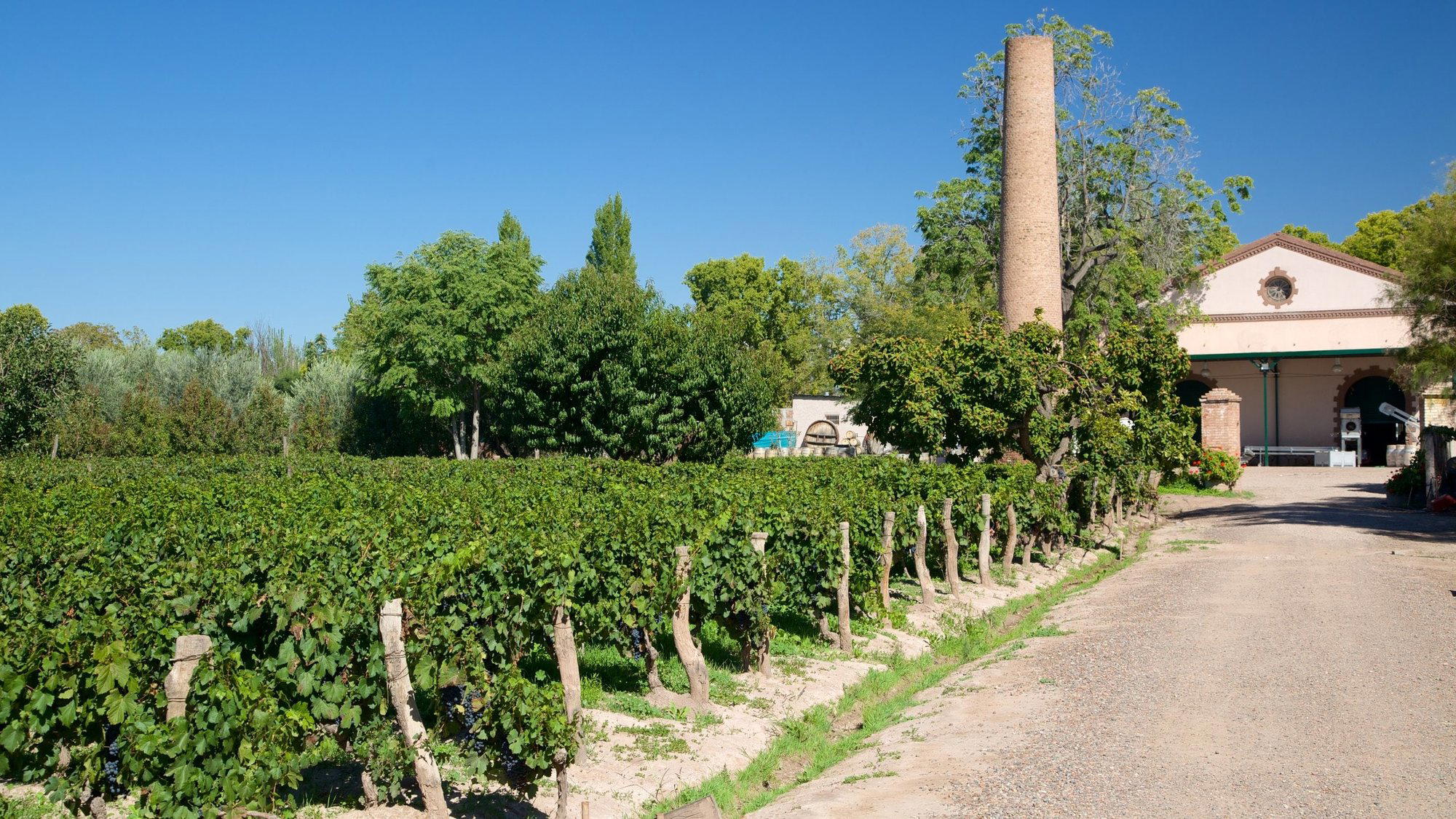
Bars in Luján de Cuyo
Browse all →
Restaurants in Luján de Cuyo
Browse all →
Details
- Elegant
- Classic
- Sophisticated
- Scenic
- Wine Education
- Special Occasion
- Romantic Getaway
- Group Outing
- Vineyard Tour
- Estate Grounds
- Terrace
- Panoramic View
- Historic Building
- Barrel Room
- Sustainable
- Vineyard
- Mountain
- Garden
- Malbec
- Cabernet Sauvignon
- Cabernet Franc
- Petit Verdot
- Pinot Noir
- Syrah
- Chardonnay
- Sauvignon Blanc
- Still Red
- Still White
- Guided Tasting
- Enogastronomic Pairing
- Spanish
- English
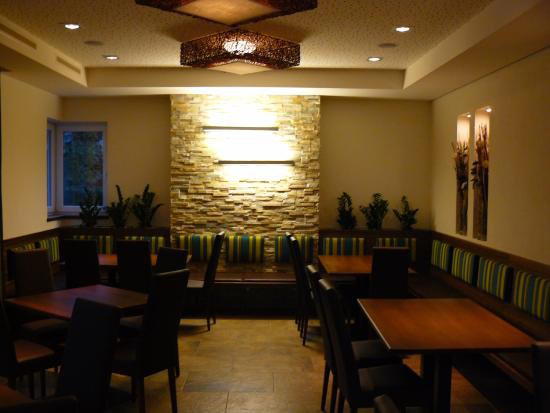
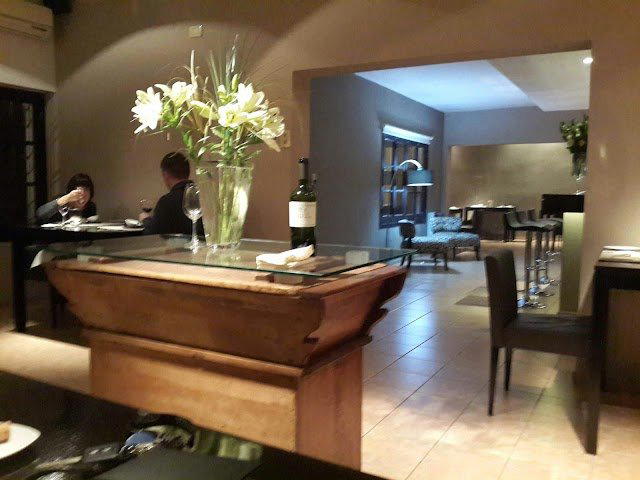
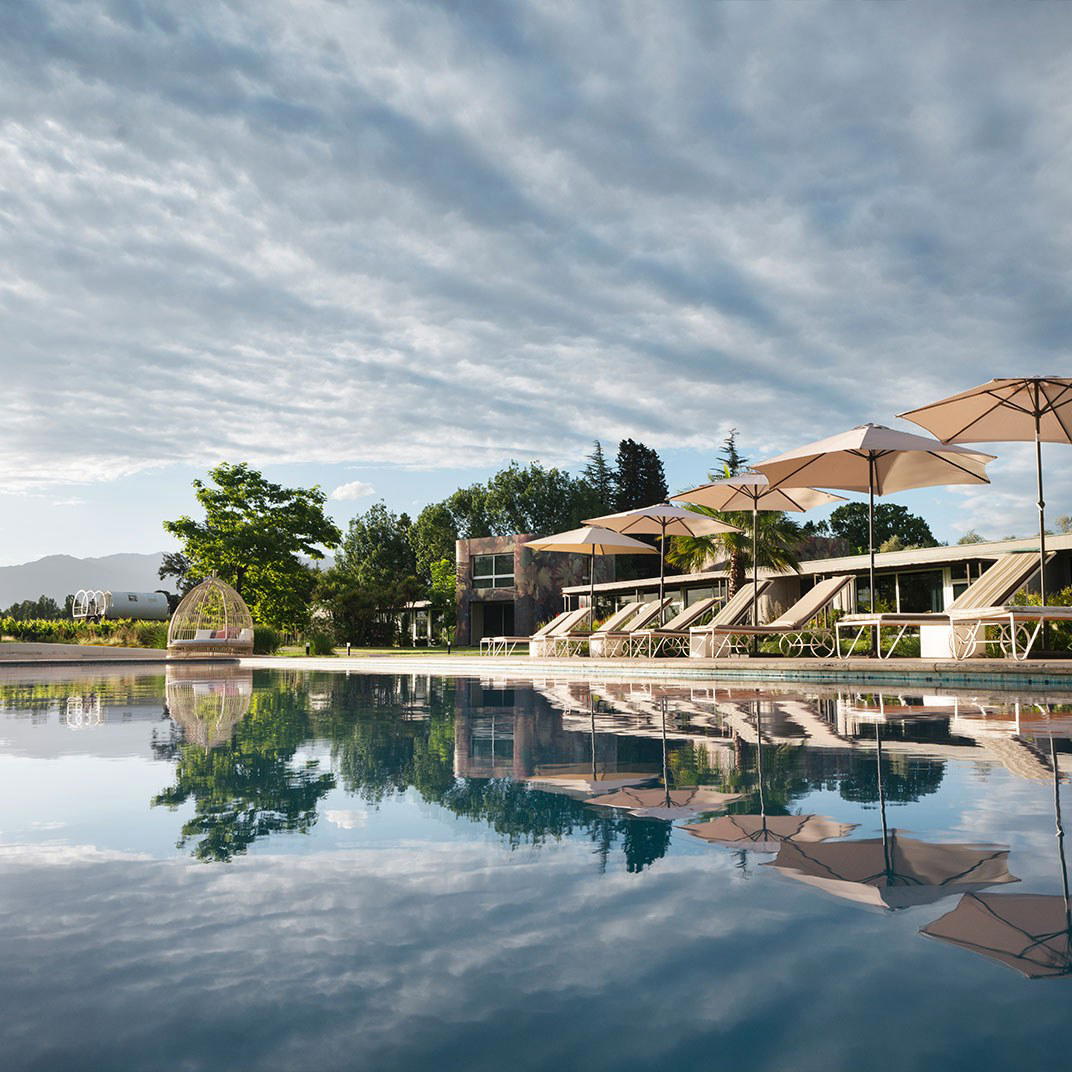
Heritage-rich atmosphere blending 120+ years of winemaking tradition with modern innovation, set within historic family estates surrounded by Mendoza's distinctive terroirs.