Fogón Cocina de Viñedo
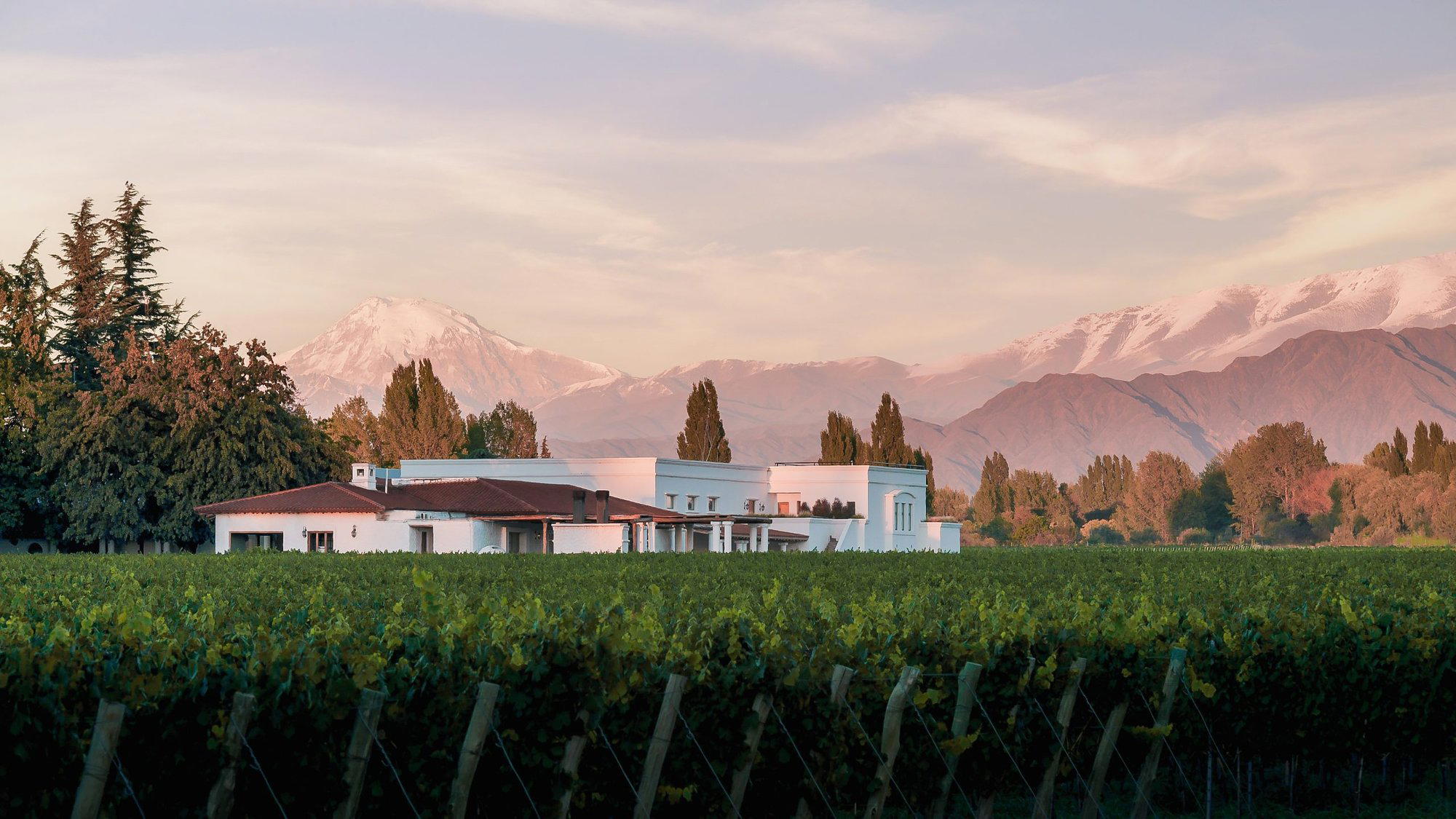
Fogón Cocina de Viñedo sits on San Martín 1745 in Luján de Cuyo, the vineyard-floor dining address that positions it squarely within Mendoza's wine-country restaurant circuit. Where many region-facing restaurants lean on the winery tasting-room format, Fogón centres the cooking around the open fire tradition that defines Argentine rural hospitality. It belongs to a small tier of Luján de Cuyo addresses where the meal and the terroir are treated as a single argument.
 Discover on Pearl
Pearl is the En Primeur Club membership app — saves, bookings, and concierge access live there. Same editors, same standards.
- Address
- San Martín 1745, M5507 Luján de Cuyo, Mendoza, Argentina
- Phone
- +542616815961
- Website
- lagarde.com.ar
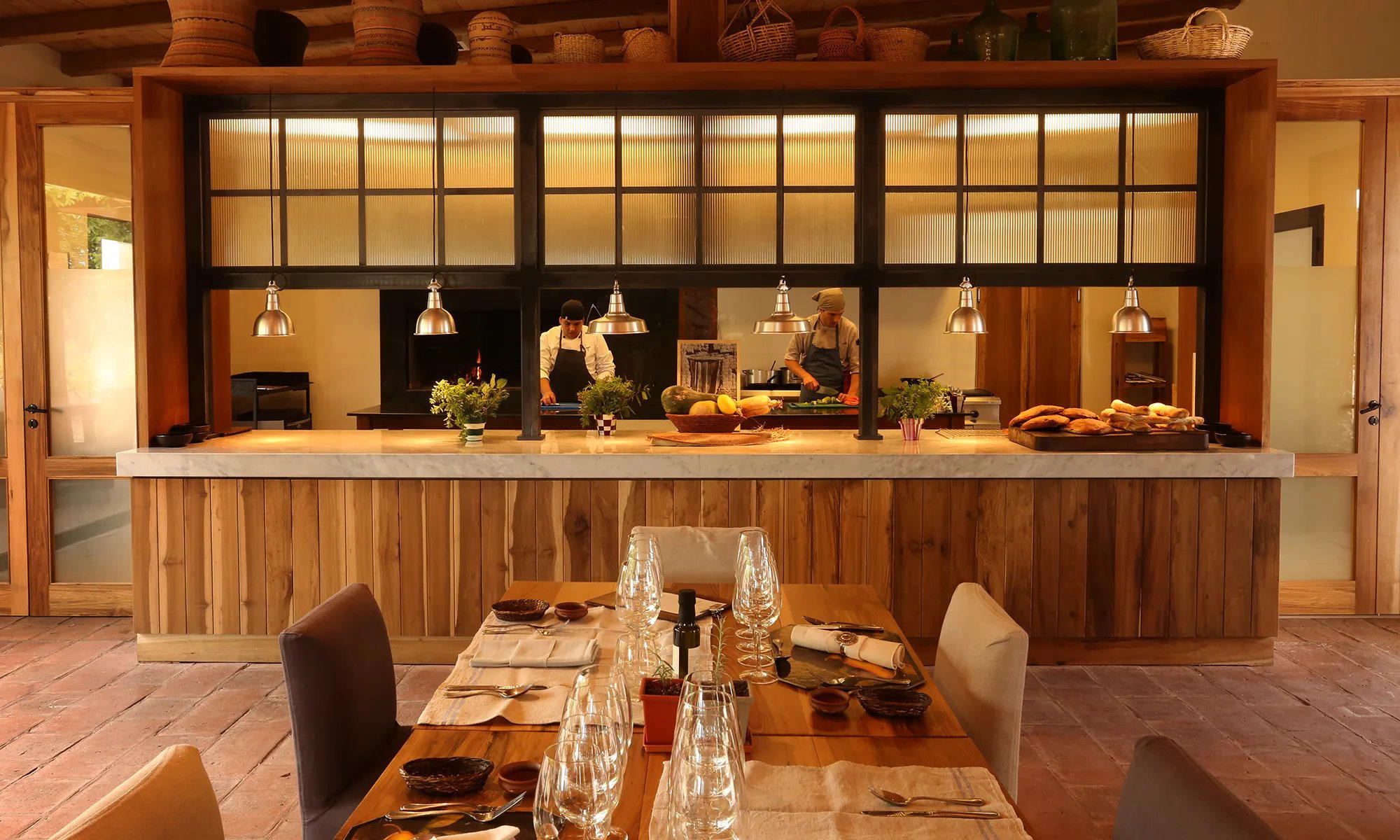
Vineyard-Country Dining in Luján de Cuyo: Where the Fire Comes First
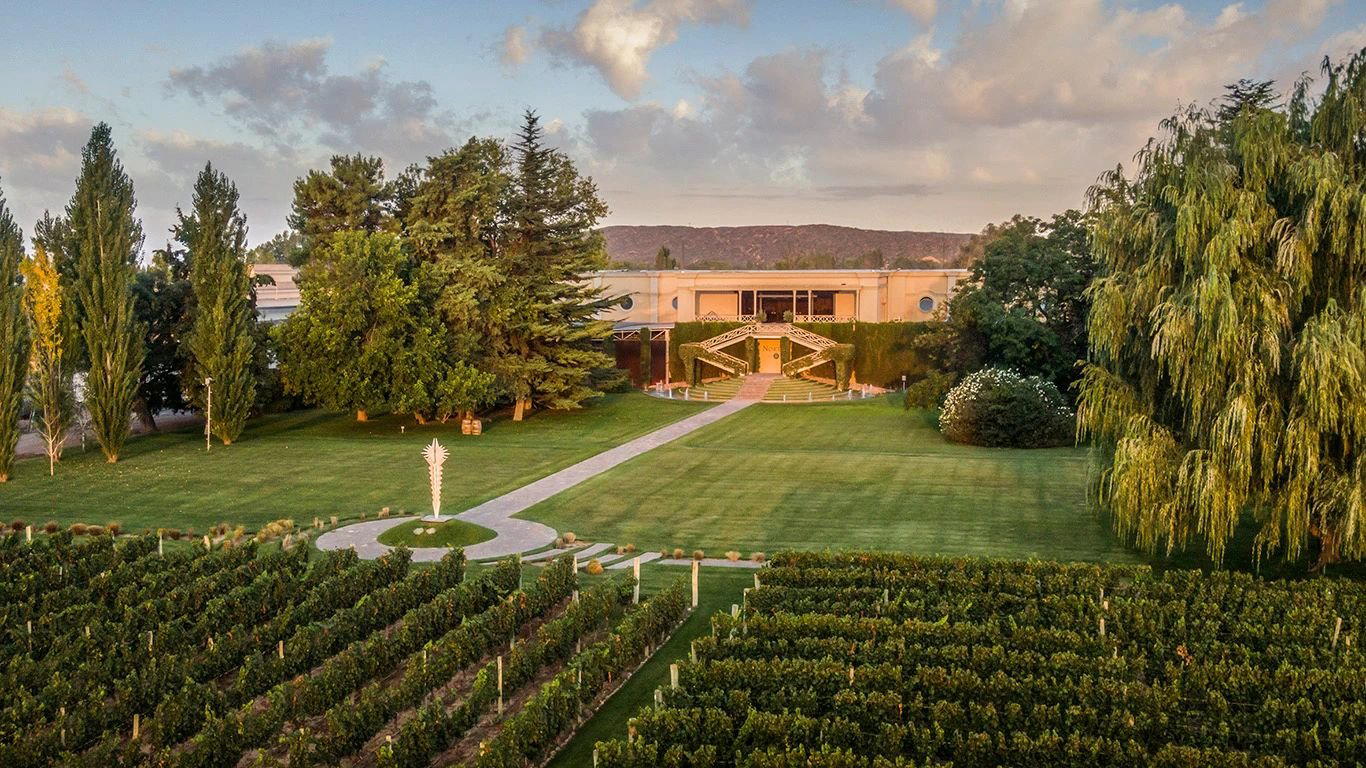
Luján de Cuyo operates on a different register than urban Mendoza. The department sits at altitude on the eastern face of the Andes, its grid of irrigation channels threading between vine blocks and poplar breaks, and the restaurants that have taken root here share a common logic: the land is the context, and the cooking should make that legible. San Martín, the principal artery running through the departmental centre, carries this concentration of wine-country addresses. Fogón Cocina de Viñedo occupies number 1745 on that road, placing it among the cluster of dining options that serve both the bodega-visiting circuit and the local community that has sustained vineyard-side hospitality long before wine tourism formalised into an industry.
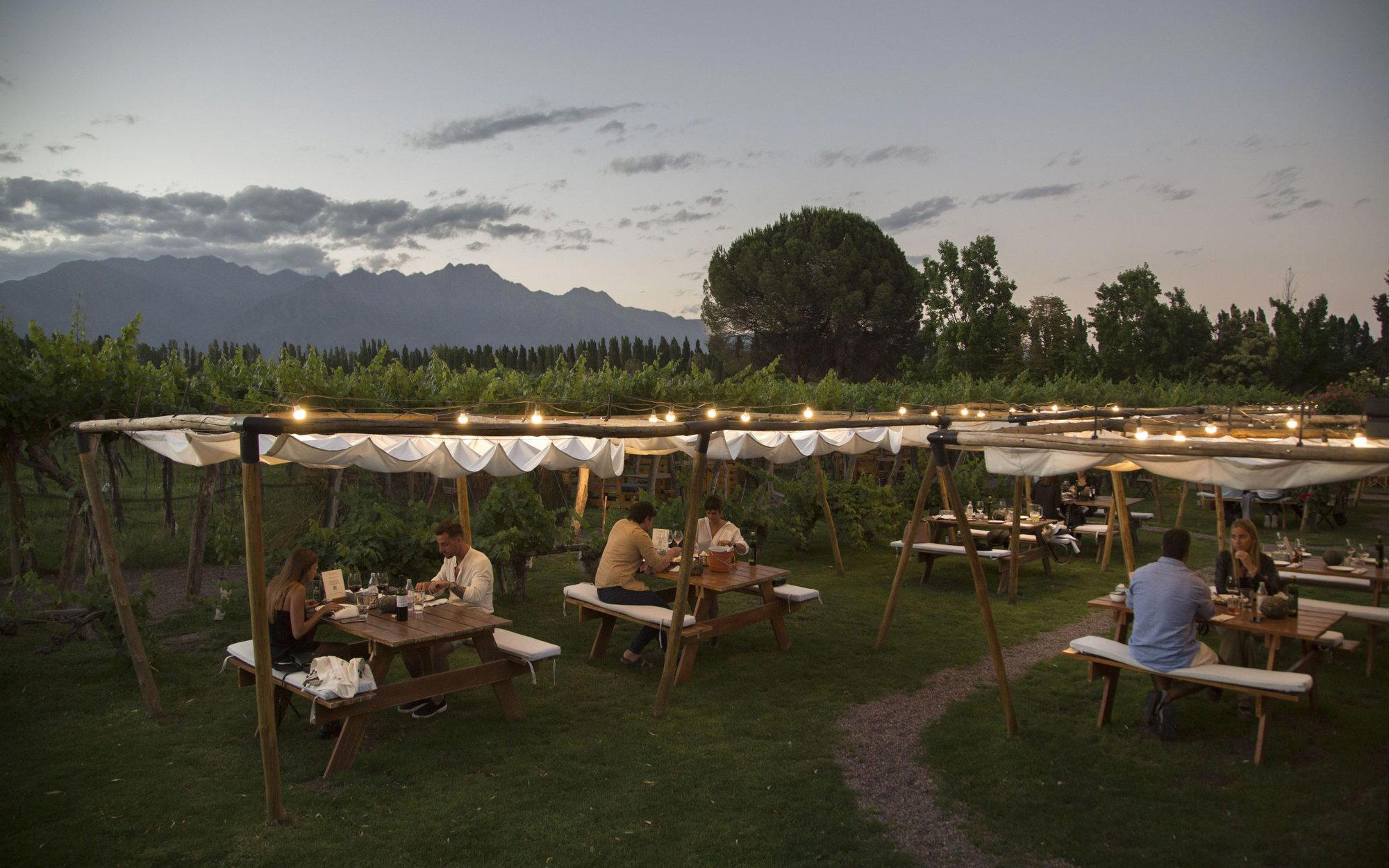
The category this address occupies is worth understanding before you book. Luján de Cuyo's dining scene splits between the bodega-integrated restaurant, where a winery owns and operates the kitchen primarily as a hospitality extension of its tasting programme, and the independent vineyard-vicinity address, which draws on the agricultural character of the area without being beholden to a single wine label's promotional requirements. Fogón, as the name signals, belongs to a tradition centred on the fogón itself: the open hearth or fire pit that organises Argentine rural cooking, from the asado of the Pampas to the wood-fired preparations that characterise Cuyo's mountain-adjacent cuisine. That framing matters because it distinguishes this address from the European-influenced fine-dining rooms attached to premium estates, and aligns it instead with a deeper strand of Argentine food culture where fire and patience define the register. Comparable addresses in this vein include Agrelo and Bodega Caelum, both operating in the Luján de Cuyo zone with their own takes on vineyard-adjacent dining.
The Fire Tradition in Argentine Vineyard Country
Argentine cooking's most honest expression has always involved combustion: charcoal, quebracho wood, the slow collapse of embers beneath a whole animal. In Buenos Aires, restaurants like Don Julio in Buenos Aires have translated this tradition into something internationally recognised, earning the kind of recognition that puts Argentine grill culture on the radar of visitors who might otherwise overlook it. In the provinces, the tradition runs quieter and often closer to its origins. Mendoza's wine country gave Argentina its premium terroir identity, but the cooking that grew up alongside the vines was never primarily about refinement: it was about feeding families through harvest, using fire as the most available and reliable technology, and treating local produce, lamb from the mountain flanks, vegetables from the huerta, as the obvious answer to the question of what to cook.
Restaurants that maintain this posture, rather than pivoting toward the international fine-dining idiom that some wine-country kitchens have adopted, occupy a specific and increasingly valued niche. Visitors who have worked through the tasting-menu tier, represented in Mendoza proper by addresses like Azafrán in Mendoza, sometimes find that a meal organised around the fire rather than the technique is the more instructive experience. Elsewhere in Argentina, the fire-and-landscape format has found expression in radically different geographies: EOLO - Patagonia's Spirit in El Calafate connects Patagonian cooking to its steppe setting in roughly the same spirit. In Cuyo, the vineyard provides the setting and the wine pairing logic, but the fogón provides the grammar.
San Martín 1745 and the Luján de Cuyo Address
Location on San Martín places Fogón within reach of visitors based in the departmental core and those travelling between the bodega strip that extends south toward Clos de Chacras, bodega y restaurante and the premium wine-hotel corridor where addresses like Cavas Wine Lodge in Alto Agrelo and Entre Cielos Luxury Wine Hotel & Spa in Lujan du Cuyo accommodate wine-country stays. That geographic positioning matters practically: visitors building an itinerary around Luján de Cuyo's bodegas will find Fogón accessible without requiring a vehicle repositioning to reach it.
The broader Mendoza wine-country circuit rewards those who treat the departments as distinct characters rather than a uniform wine zone. Luján de Cuyo produces a different style of Malbec than Maipú or the Valle de Uco, and the restaurants that have grown up in the department reflect its agricultural and social identity accordingly. For visitors who want to understand that identity through eating as well as tasting, our full Lujan De Cuyo restaurants guide maps the full range of options across price tiers and formats. Chacras de Coria in Las Heras and La Table de House of Jasmines in La Merced Chica represent adjacent points on that map for those extending their Cuyo stay.
How Fogón Sits Against Its comparable set
Within Argentina's wine-country dining circuit, the fogón-centred address competes less with the fine-dining estate restaurant and more with the regional parrilla that has evolved beyond the purely functional. Properties like Los Talas del Entrerriano in General San Martin represent one version of how Argentine fire cooking scales into a destination experience. Internationally, the comparison points that sophisticated visitors bring from elsewhere, whether Le Bernardin in New York City or Lazy Bear in San Francisco, are largely irrelevant here: the mode is different, rooted in collective eating around fire rather than the composed tasting menu. That is not a limitation; it is the point.
Argentina's wine-country lodge and restaurant circuit has a handful of properties that have achieved international recognition, among them Awasi Iguazu in Puerto Iguazu and Las Balsas Restaurant in Villa La Angostura. Fogón operates at a more local register. That positioning is an asset for visitors who have already worked through the premium tier and are looking for a meal that reflects how the region actually eats, rather than how it performs for export.
Planning Your Visit
Fogón Cocina de Viñedo is located at San Martín 1745 in Luján de Cuyo, Mendoza. The restaurant is recommended for reservations and typically costs about USD 100 per person. As with most vineyard-vicinity restaurants in the department, lunch is the primary service, aligned with the rhythm of bodega visits rather than urban dinner culture. As with most vineyard-vicinity restaurants in the department, lunch is the primary service, aligned with the rhythm of bodega visits rather than urban dinner culture. Visitors combining a meal here with a morning of winery tastings will find that the fogón format, unhurried and organised around shared plates, suits that pace.
Continue exploring
More in Luján de Cuyo
Restaurants in Luján de Cuyo
Browse all →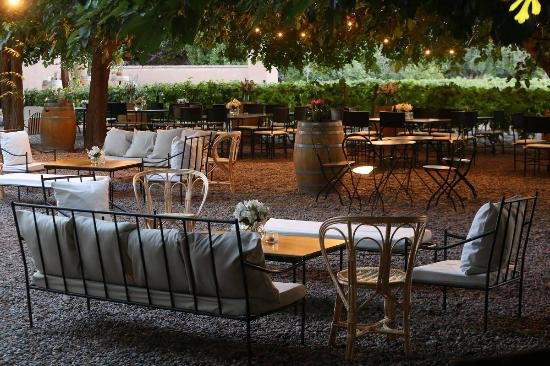
Bars in Luján de Cuyo
Browse all →
Hotels in Luján de Cuyo
Browse all →

At a Glance
- Rustic
- Elegant
- Scenic
- Intimate
- Special Occasion
- Group Dining
- Garden
- Open Kitchen
- Extensive Wine List
- Sommelier Led
- Organic
- Local Sourcing
- Vineyard
- Garden
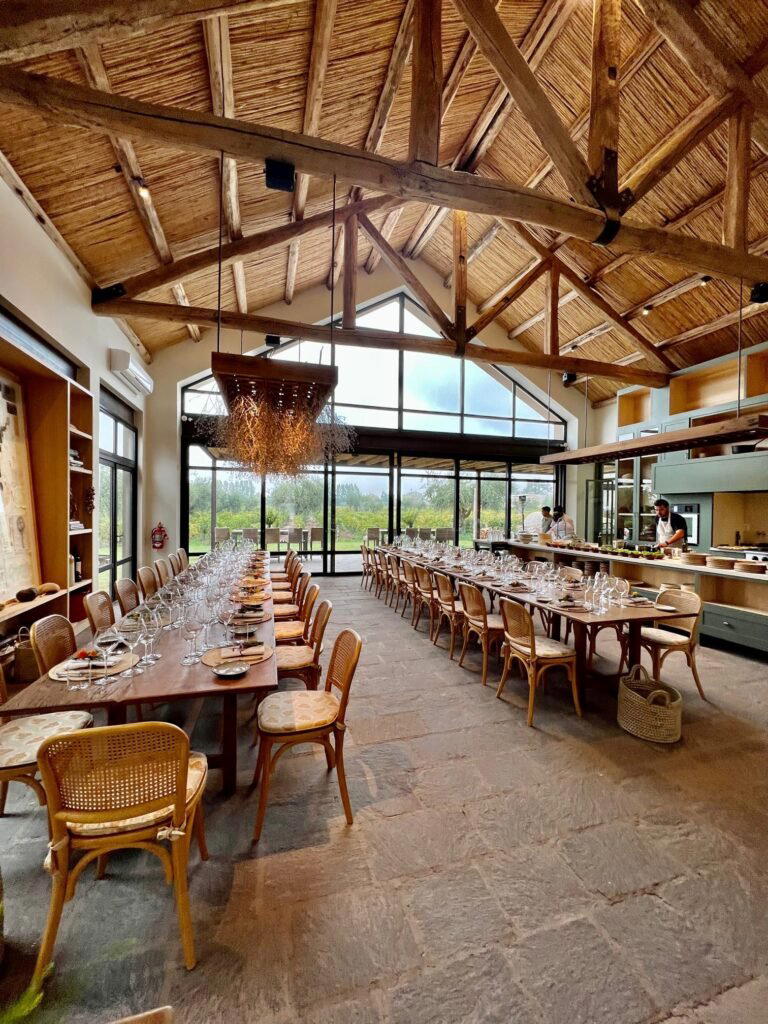
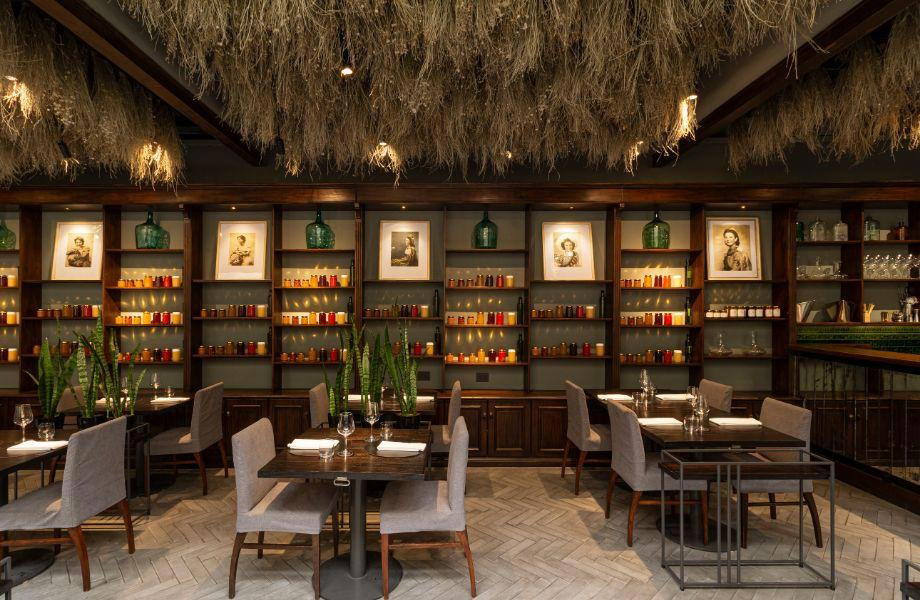
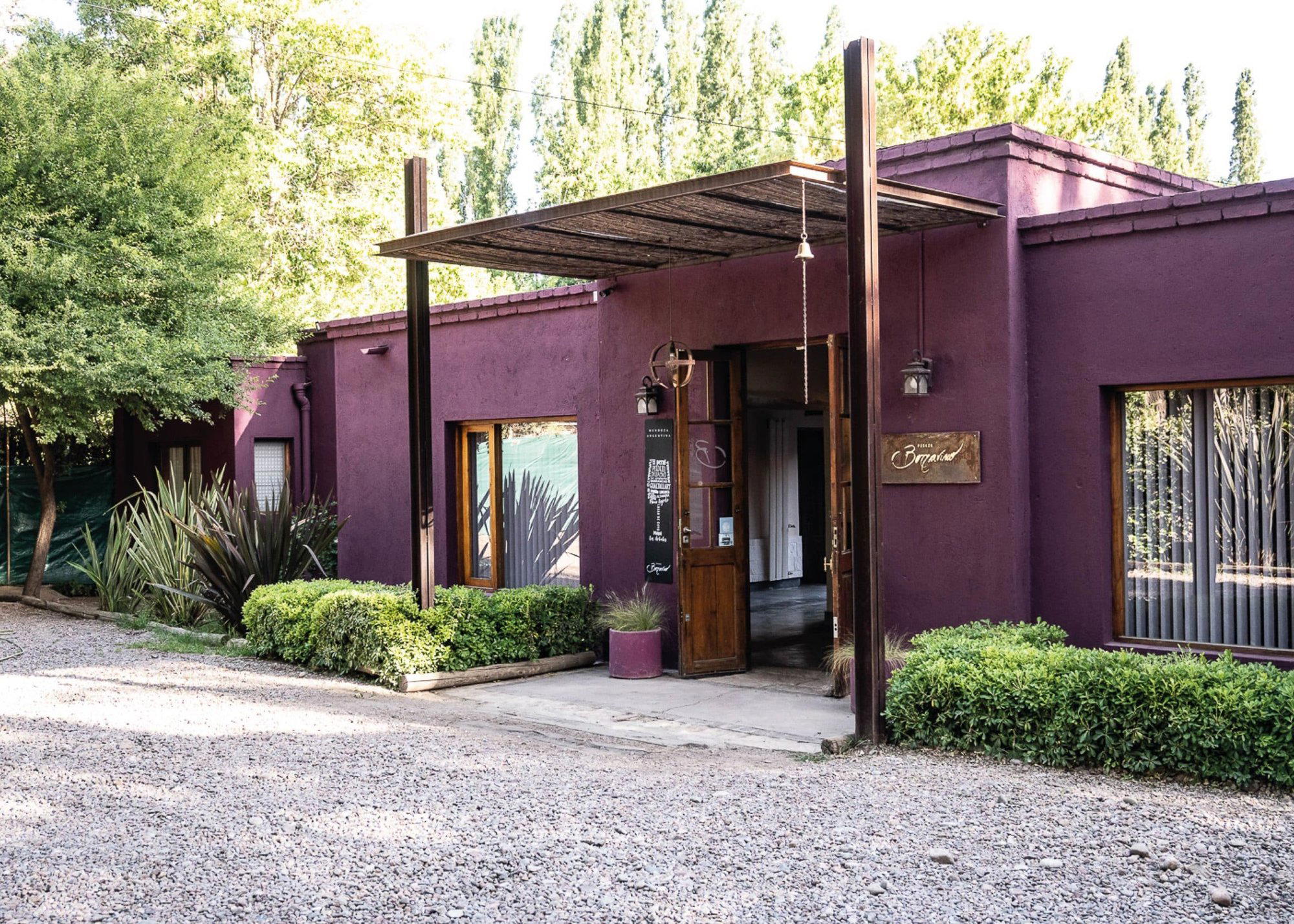
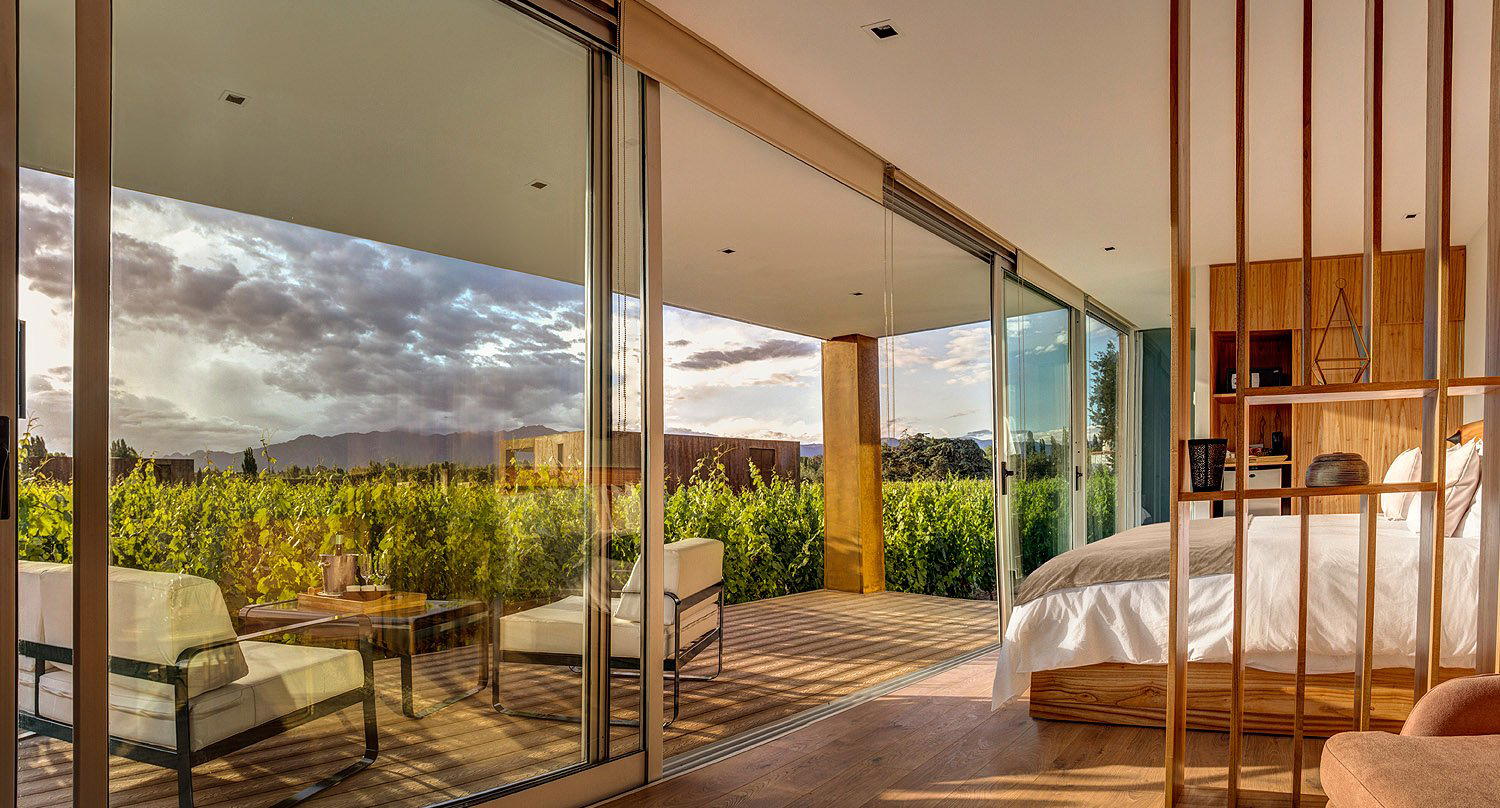
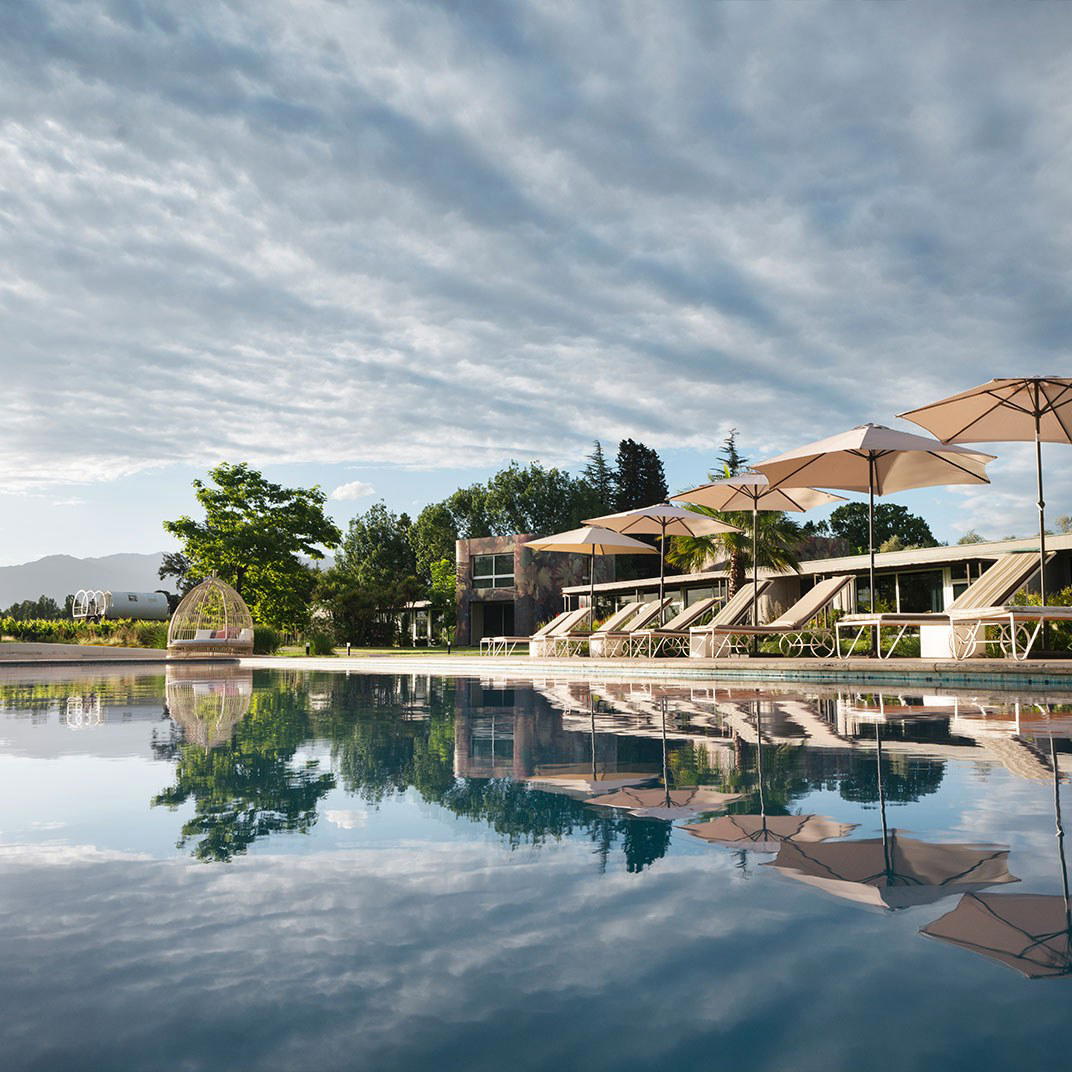
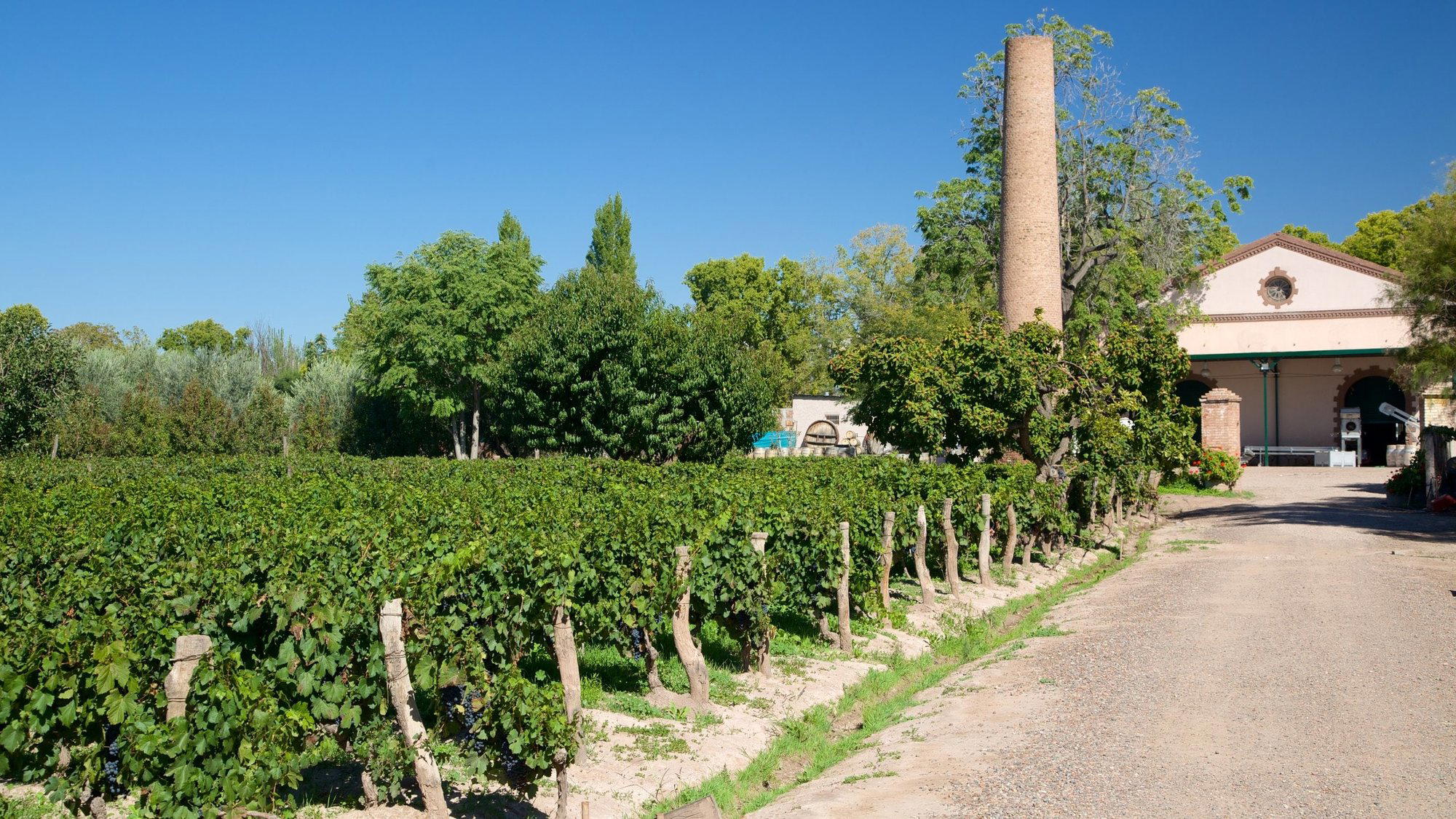
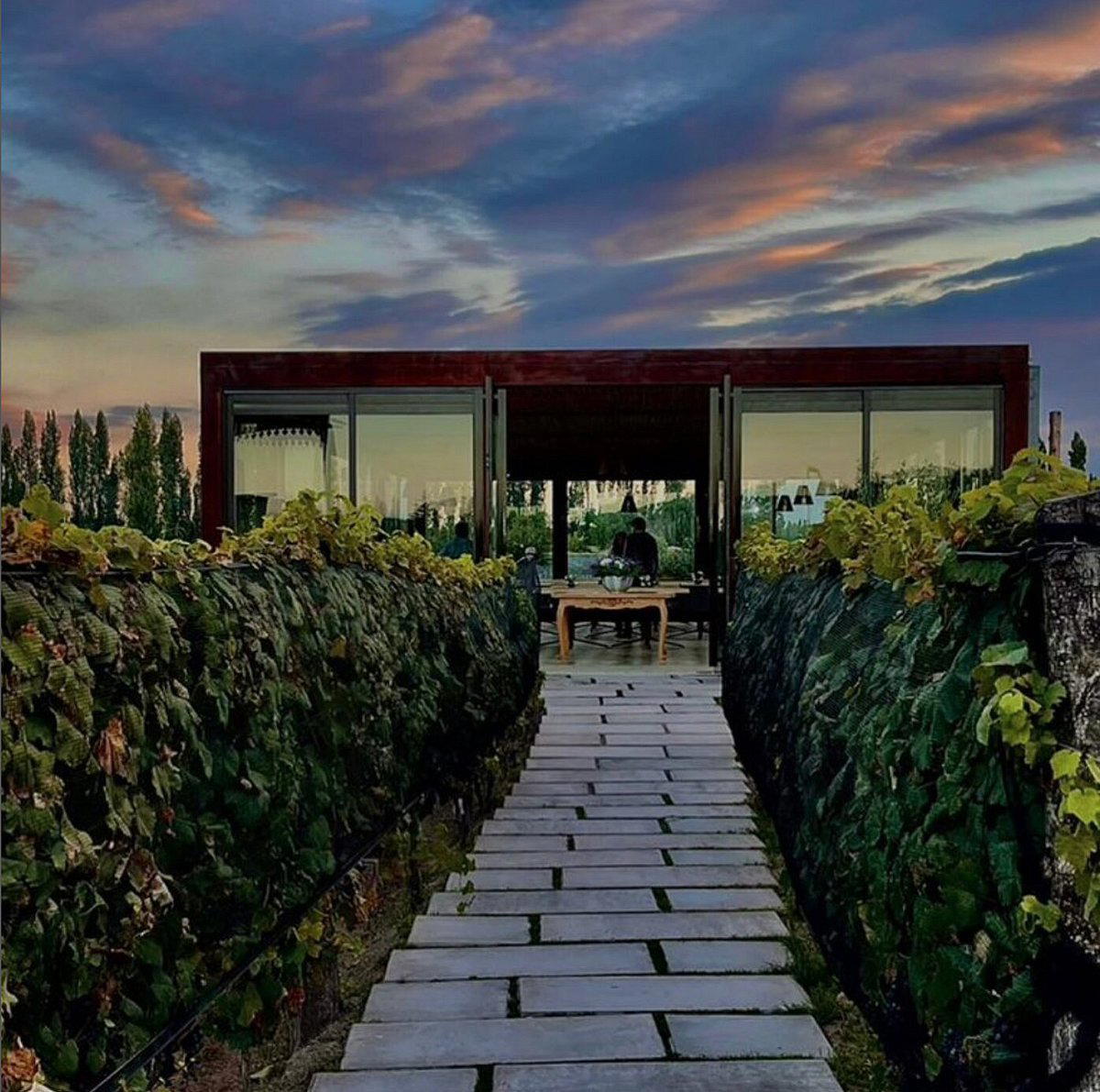
Warm, natural setting with high ceilings, open kitchen, and vineyard views evoking Mendoza's winemaking heritage.