El Salto
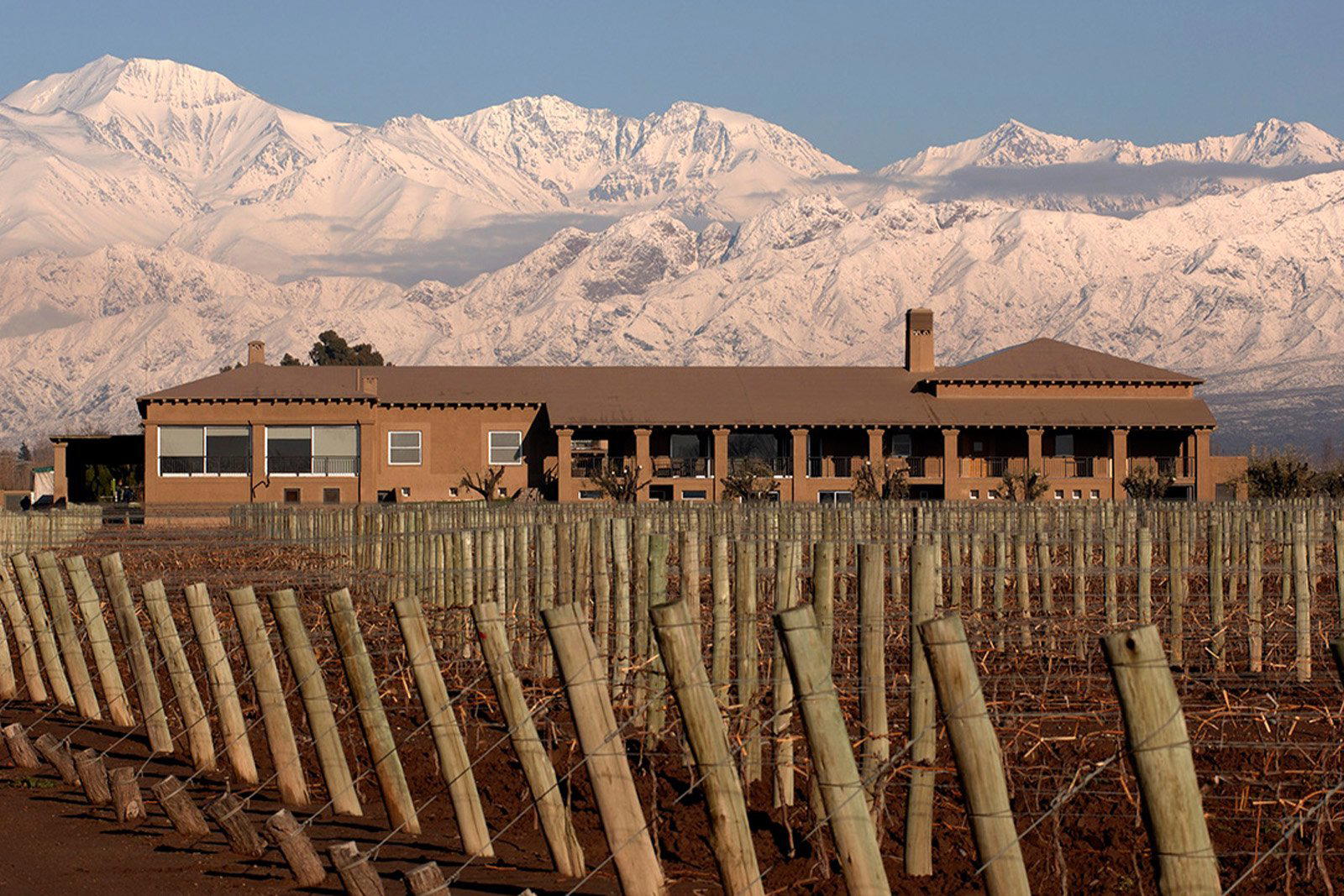
El Salto sits in Luján de Cuyo, the Mendoza subregion where high-altitude viticulture and agricultural tradition intersect. The area positions this property within a cluster of wine-country destinations that balance landscape access with considered hospitality. Visitors exploring the Mendoza wine belt will find Luján de Cuyo a natural base for both cellar-door visits and Andean excursions.
Pearl is the En Primeur Club membership app — saves, bookings, and concierge access live there. Same editors, same standards.
- Address
- Mendoza Province, Argentina
- Directions
- Get directions
 Saves & bookings on Pearl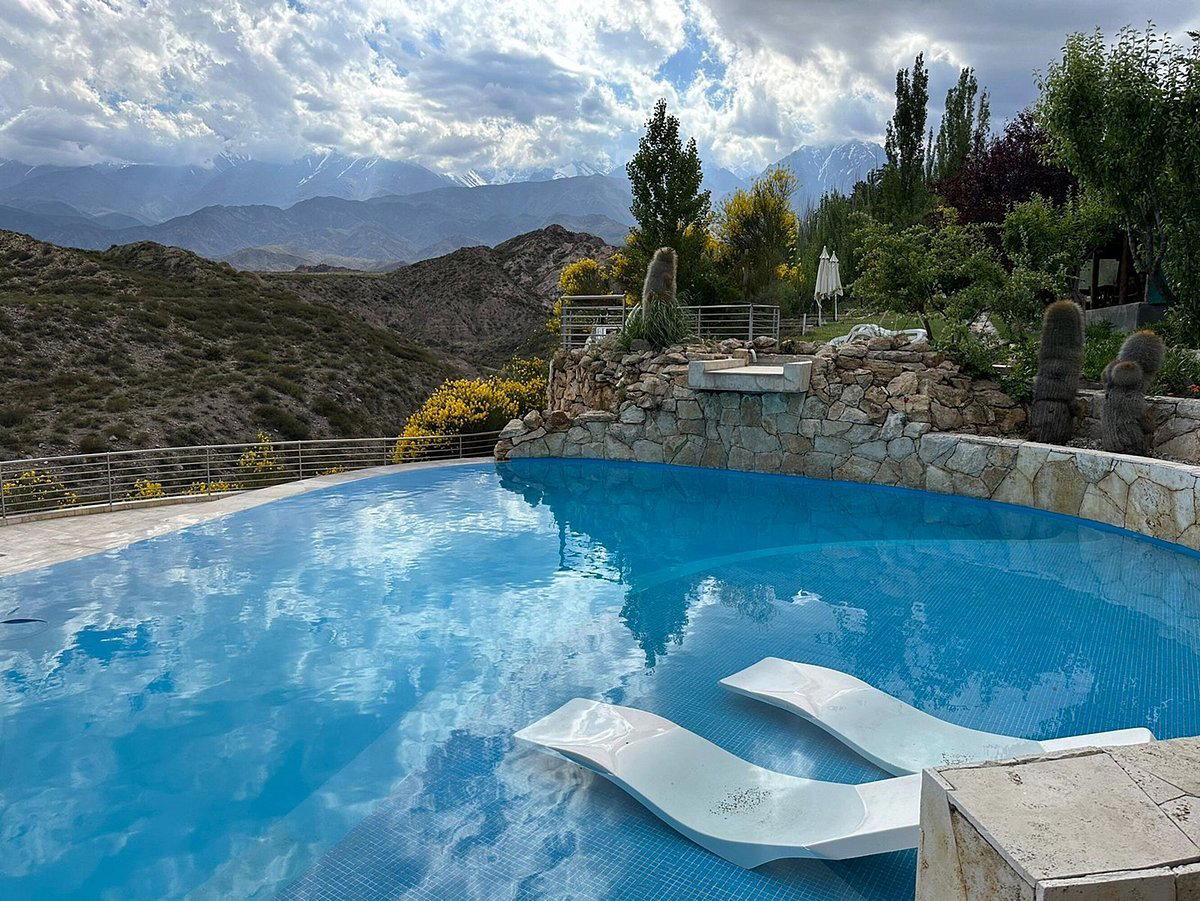
Luján de Cuyo and the Logic of Wine-Country Hospitality
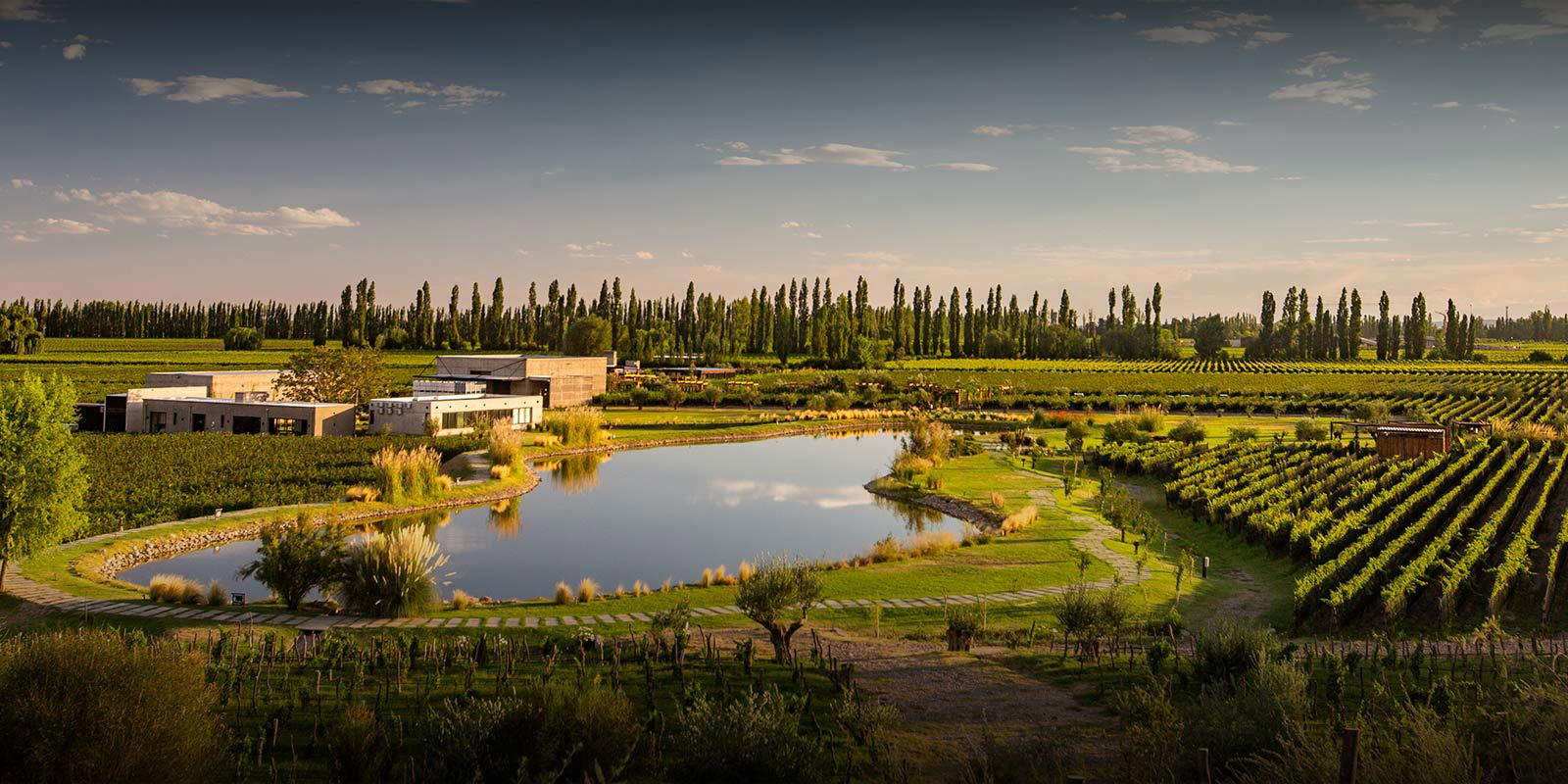
The Mendoza wine belt does not operate as a single, uniform destination. At one end sit the high-production valleys producing export-volume Malbec; at the other, the tighter subregions where altitude, alluvial soils, and older vine stock produce something considerably more particular. Luján de Cuyo occupies the latter category. The departamento sits at roughly 900 to 1,050 metres above sea level, close enough to the Andes foothills that the diurnal temperature swings are pronounced, and the growing season carries a discipline that the lower plains cannot replicate. Hospitality in this zone has followed the wine's lead: smaller in scale, more intentional in format, positioned toward guests who arrive with a purpose rather than passing through.
El Salto is a property in this subregion, carrying the address of Mendoza Province within the Luján de Cuyo departamento. El Salto is a hotel in Mendoza Province, Argentina. a property situated in one of Argentina's most concentrated zones for premium wine tourism, where the competitive set includes properties that have defined what attentive, wine-integrated hospitality looks like in the Southern Cone.
The Service Register That Defines This Zone
Luján de Cuyo has produced a distinct hospitality register over the past two decades, one that diverges from the urban hotel model and from the estancia tradition simultaneously. It is not the grand Buenos Aires hotel, where formal service hierarchies and scale shape the experience. Nor is it the gaucho-romance estancia format, see Estancia El Ombú de Areco in San Antonio de Areco for that register. What Mendoza wine country has developed instead is a service philosophy tied directly to the agricultural calendar: staff who can read both a guest's wine literacy level and the day's harvest conditions, and who adjust programming accordingly.
Properties in this zone that do this well tend to be smaller in key count, which allows for the kind of guest recognition that larger footprints cannot sustain. The area's leading examples, including Awasi Mendoza, which operates on the highly personalised, low-key-count model its brand applies across Latin America, have demonstrated that anticipatory service in a wine-country context means something specific: knowing when to schedule a cellar visit around afternoon winds, which producers in a given vintage are pouring something worth detour, and how to structure a day so that guests return to the property ready to eat rather than exhausted.
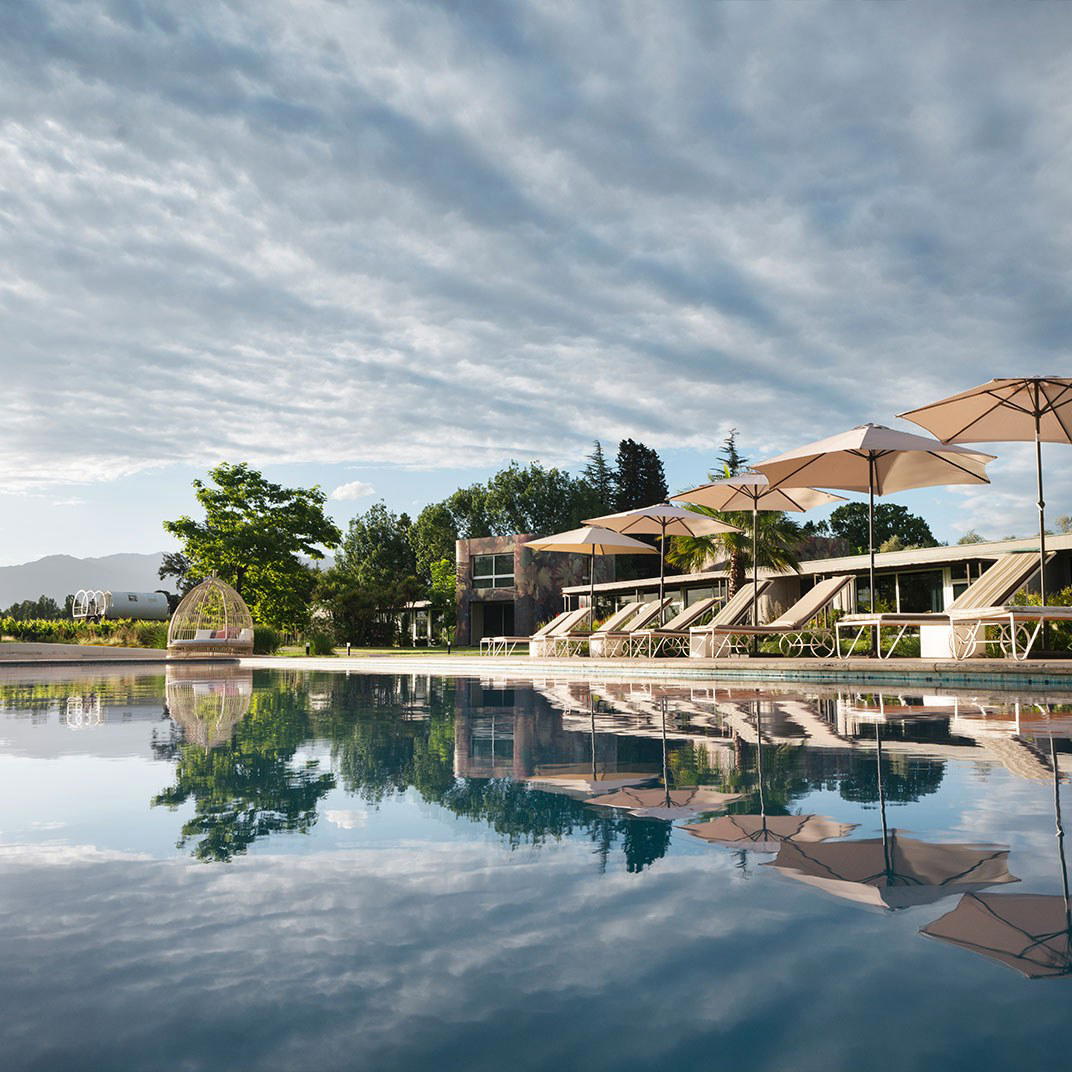
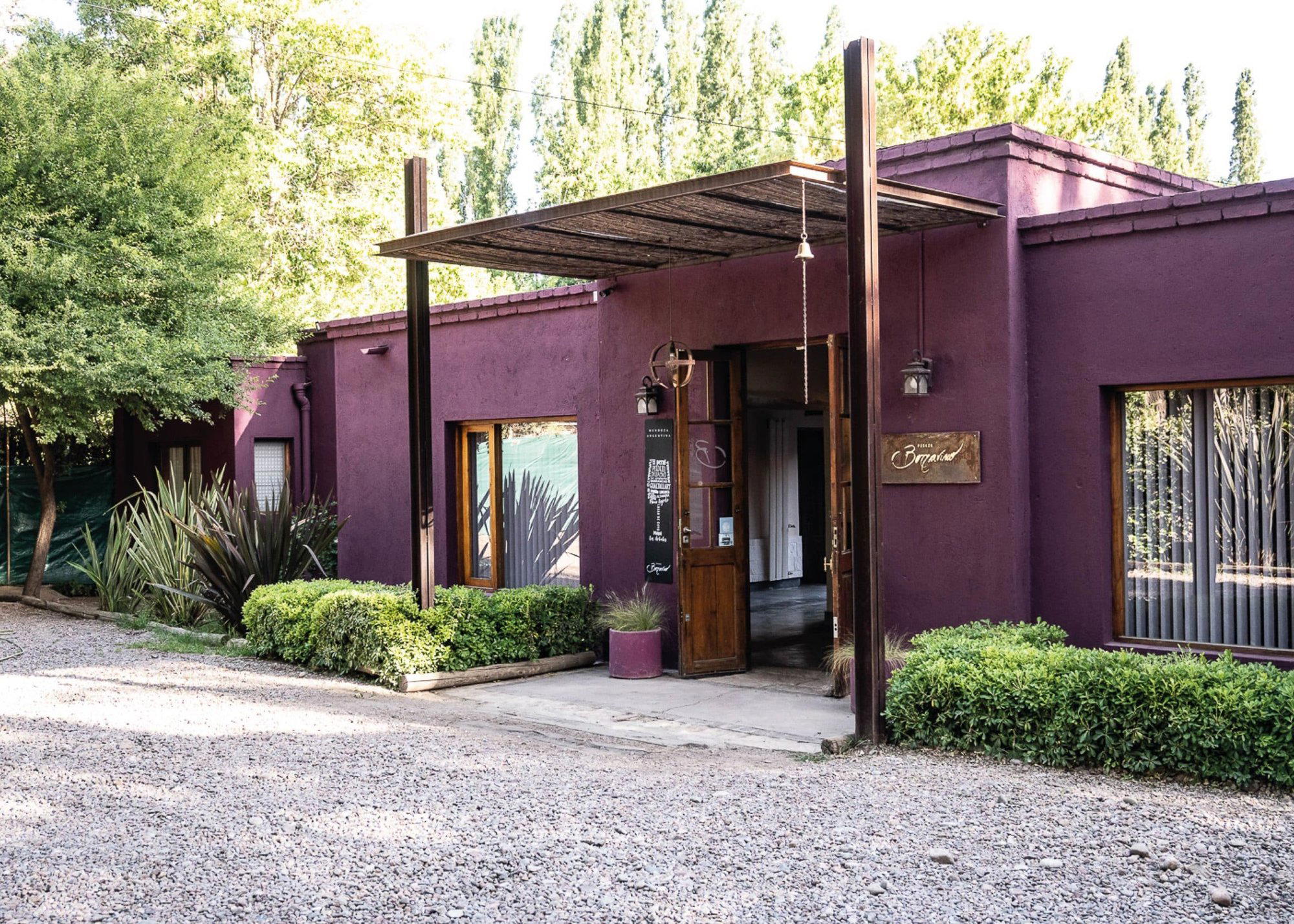
Entre Cielos Luxury Wine Hotel and Spa represents a different node of this cluster, where the service experience incorporates a vinotherapy spa program alongside wine access. Posada Borravino and Casa Glebinias - Hotel Jardín represent the smaller, garden-integrated end of the spectrum. Each property in this comparable set has developed its service model around a specific relationship with the surrounding vineyards and producers, which is the feature that separates Luján de Cuyo hospitality from wine-adjacent hotels elsewhere in Argentina.
Positioning El Salto Within the Mendoza Wine Tourism Circuit
The broader Mendoza province has diversified its tourism offer considerably. To the south, Algodon Wine Estates in San Rafael anchors a wine and sport-estate format. In Tupungato, Lodge Atamisque operates at altitude with a focus on high-elevation terroir. Further into the province, Colomé Winery in Molinos occupies the extreme-altitude niche, where the vineyards reach above 3,000 metres and the remoteness is part of the offer. In Agrelo, Chozos Resort by AKEN Spirit takes a design-led approach to the same wine-country adjacency.
El Salto in Luján de Cuyo sits within the departamento that functions as the geographic and reputational core of this circuit. The Luján de Cuyo appellation carries legal recognition under Argentina's wine denomination system, it was one of the first to receive the designation, which means properties here operate with a locational credibility that the more peripheral zones are still building. For guests constructing a Mendoza itinerary, the question is how long to anchor there before radiating outward. Cavas Wine Lodge in Alto Agrelo and Casa de Uco in Tunuyán are natural extensions of a longer Mendoza arc.
For travellers arriving from Buenos Aires, the connection point is Mendoza city, accessible by direct flight from Buenos Aires Aeroparque in under two hours. Luján de Cuyo lies approximately 20 kilometres south of Mendoza city, making it accessible without significant transfer complexity. The harvest season (February to April) concentrates activity and raises demand for accommodation across the zone; guests targeting that window should treat advance booking as non-negotiable regardless of property. Outside harvest, the autumn months carry a quieter rhythm, with vine colour and lower visitor volumes creating a different but legitimate case for the timing.
Argentina's Wine Tourism in a Wider Context
The Mendoza model sits in an interesting position globally. Unlike Napa, where land values have pushed the hospitality offer firmly into the luxury bracket at every tier, or Burgundy, where accommodation options remain surprisingly thin for a region of international prestige, Mendoza still offers a range of price points within the wine-country stay. Luján de Cuyo anchors the more considered end of that range without reaching the stratospheric pricing of comparable wine regions in Europe or North America. This relative positioning is part of what has attracted internationally-minded travellers who want cellar-depth engagement with serious viticulture without the full weight of a Napa room rate.
For travellers integrating Mendoza into a longer Argentine itinerary, the logical companions are Buenos Aires at one end, where Home Hotel anchors the design-boutique register of the capital, and Patagonia at the other. Charming Luxury Lodge in San Carlos de Bariloche, Correntoso Lake and River Hotel in Villa La Angostura, and Arakur Ushuaia Resort and Spa represent the Patagonian extension of that arc, where the terrain and hospitality model shift entirely. Awasi Iguazú in Puerto Iguazú offers another axis, for those extending north toward the subtropical corridor. Hotel and Spa Termas Cacheuta provides a thermal alternative within the Luján de Cuyo departamento itself, for guests wanting to combine vineyard access with thermal bathing in the Andean foothills.
Planning a Visit
Booking details and pricing are not published here. Prospective guests should approach enquiry through local travel specialists familiar with the Luján de Cuyo property cluster, or through Argentine wine tourism operators who maintain direct relationships with the smaller, less digitally prominent properties in the zone.
Cuisine and Recognition
Comparable venues nearby, for context on price, style, and recognition.
| Venue | Cuisine | Price | Awards | Notes |
|---|---|---|---|---|
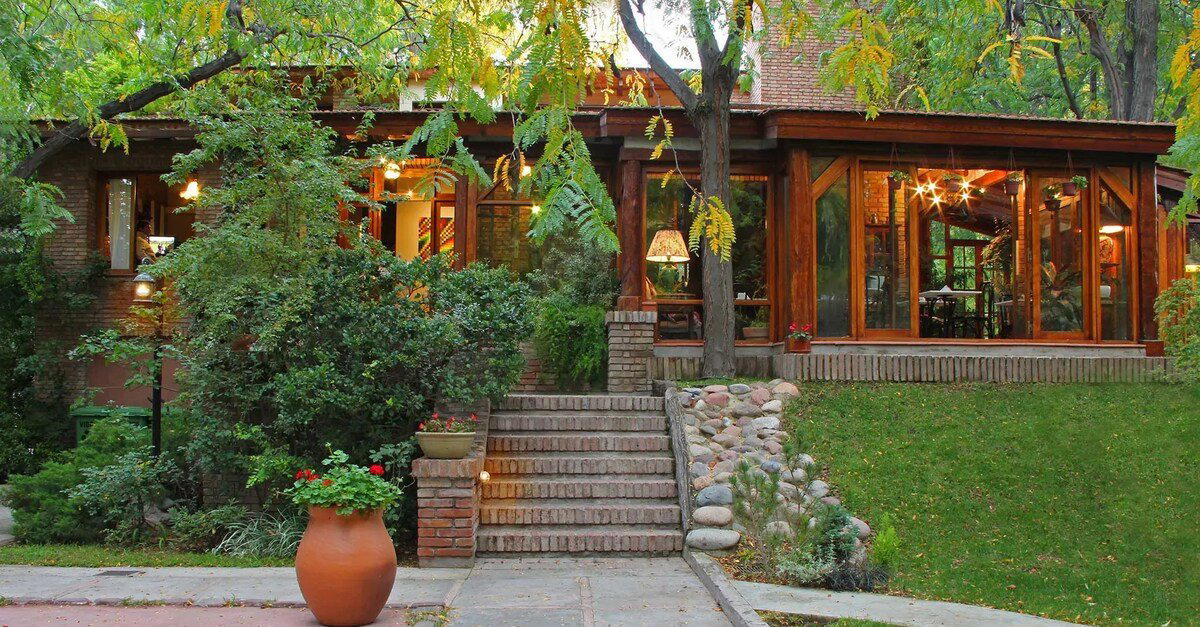
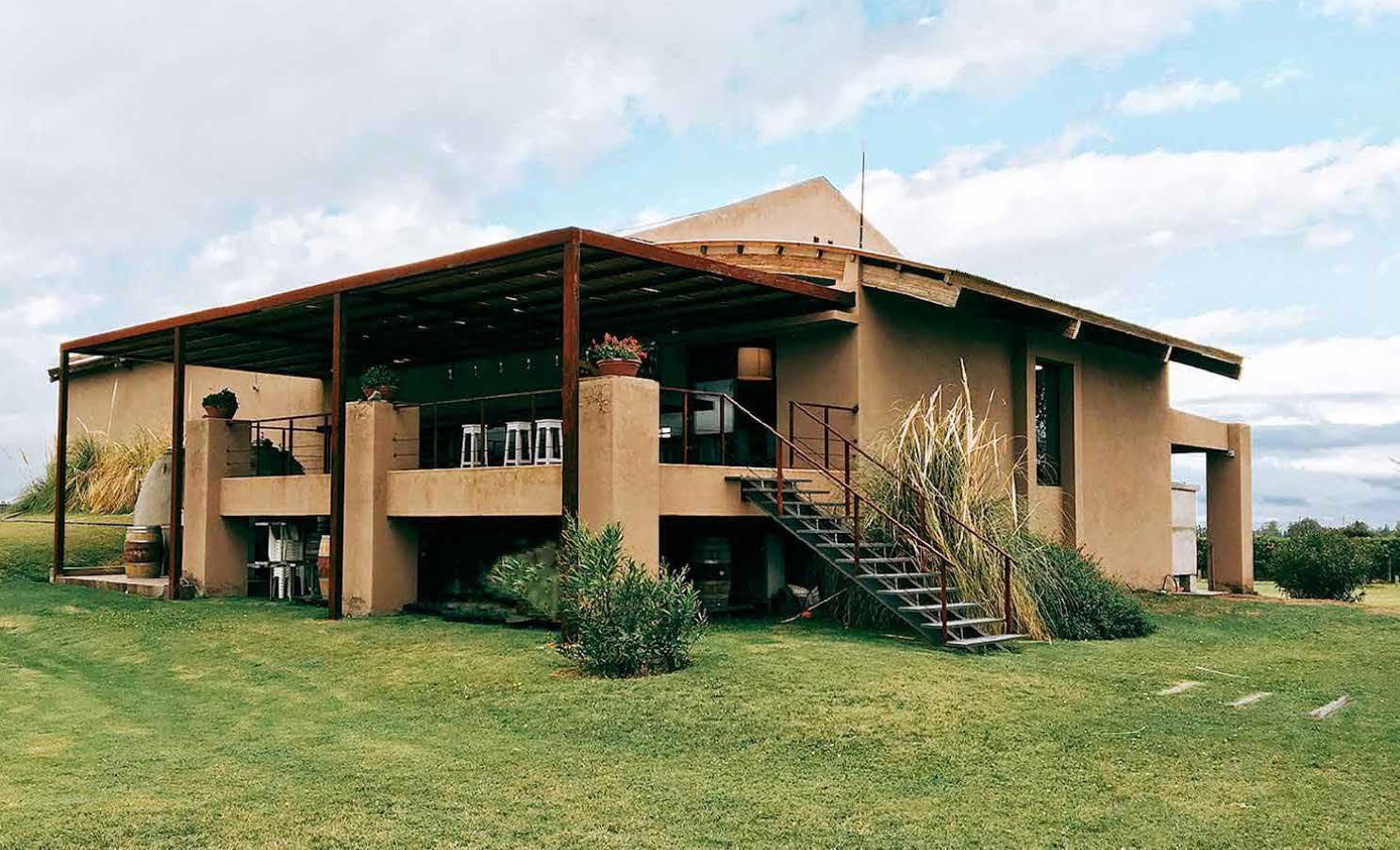
| El SaltoThis venue — the venue you are viewing | rustic cabin | $ | Not listed | Not listed |
| Posada Borravino | rustic country house with contemporary touches | $$$ | Not listed | Chacras de Coria |
| Hotel & Spa Termas Cacheuta | rustic mountain resort | $$$ | 4-Star | Cacheuta |
| Casa Glebinias - Hotel Jardín | Mediterranean-inspired boutique hotel with biophilic design principles and sustainability focus | $$$ | 4-Star | Chacras de Coria |
| Susana Balbo Winemaker's House & Spa Suites | Winemaker's private estate turned luxury spa retreat | $$$$ | 5-Star | Chacras de Coria |
| Awasi Mendoza | Spanish colonial luxury wine lodge | $$$$ | 5-Star | Lujan De Cuyo |
Continue exploring
More in Luján de Cuyo
Hotels in Luján de Cuyo
Browse all →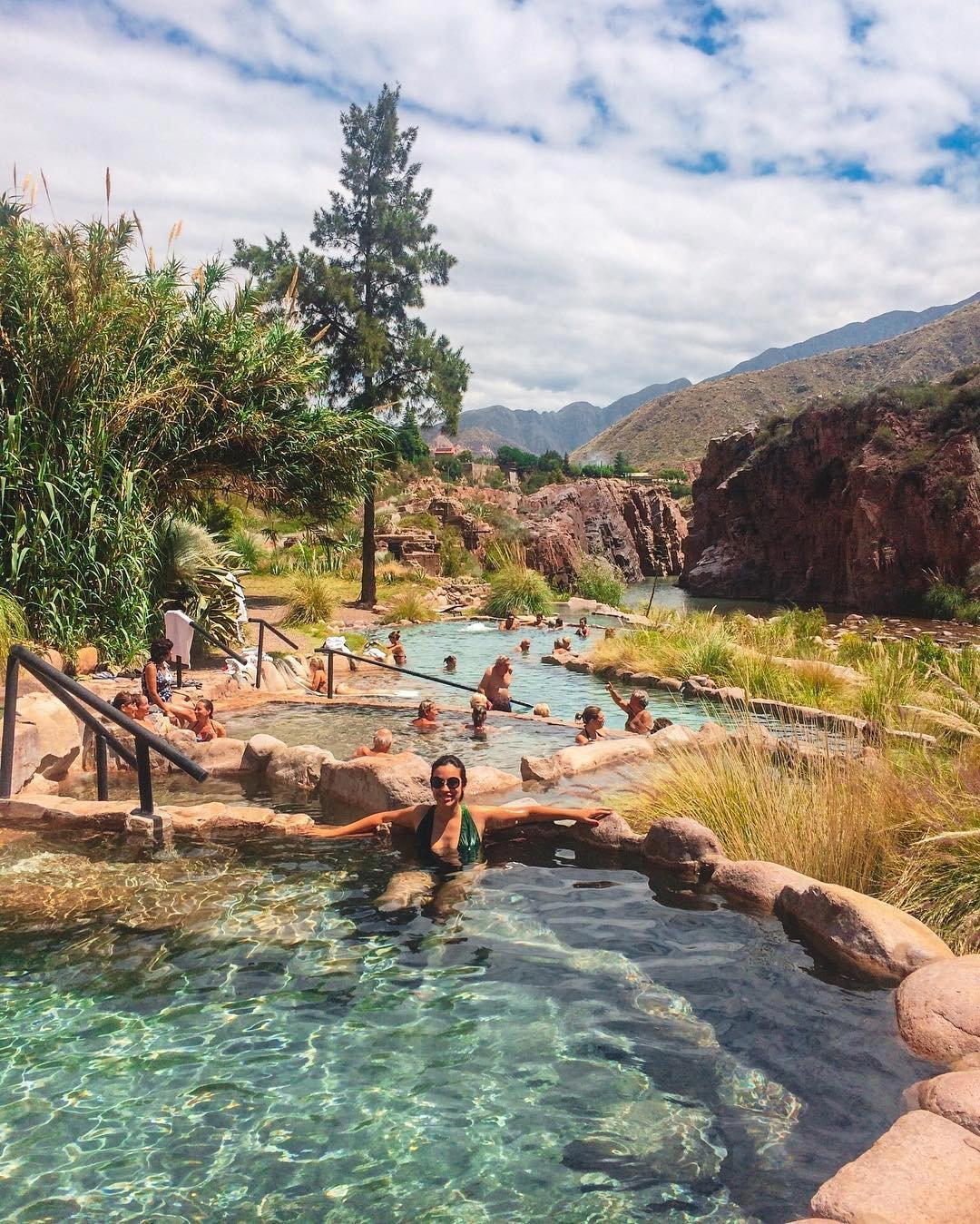
Bars in Luján de Cuyo
Browse all →
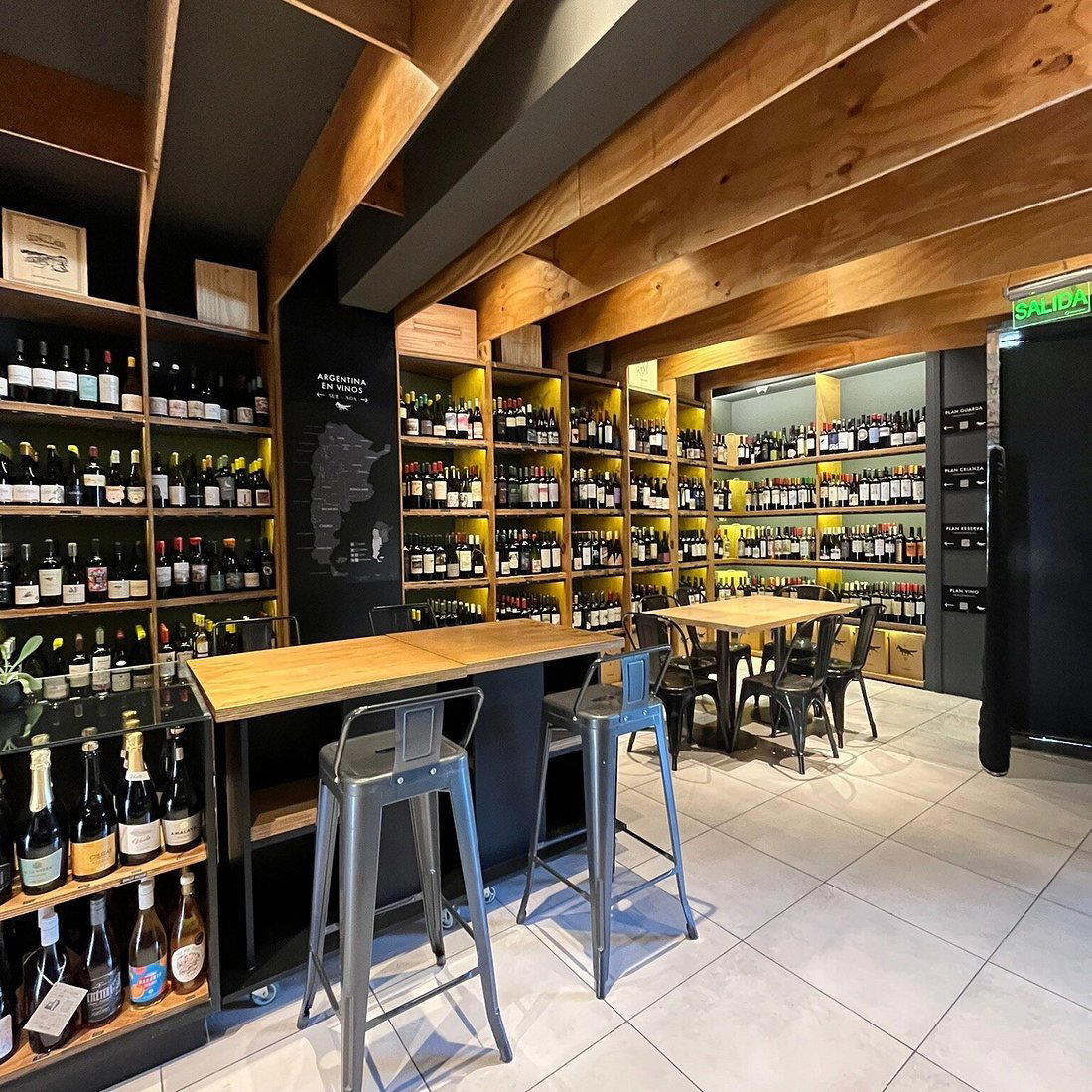
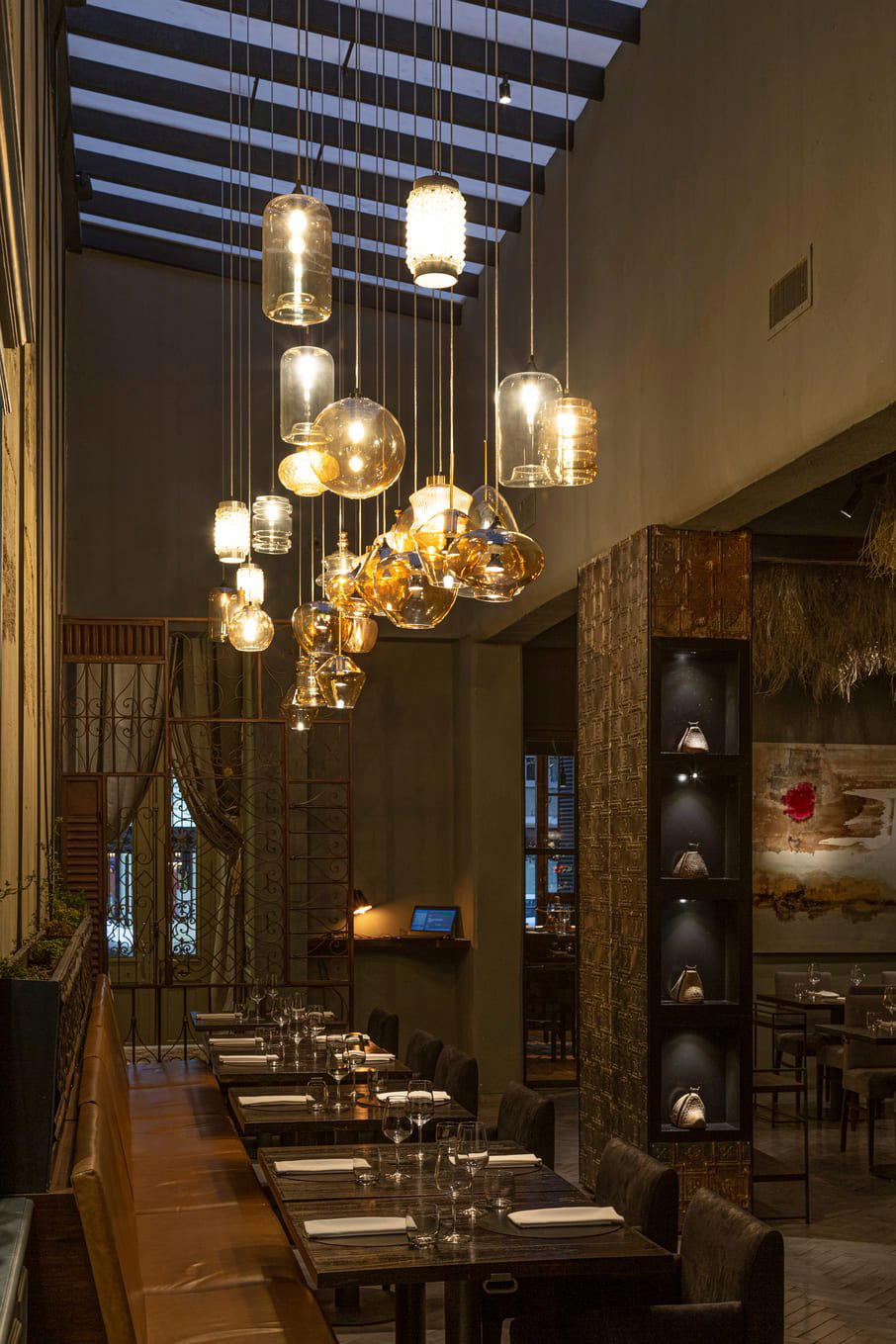
Restaurants in Luján de Cuyo
Browse all →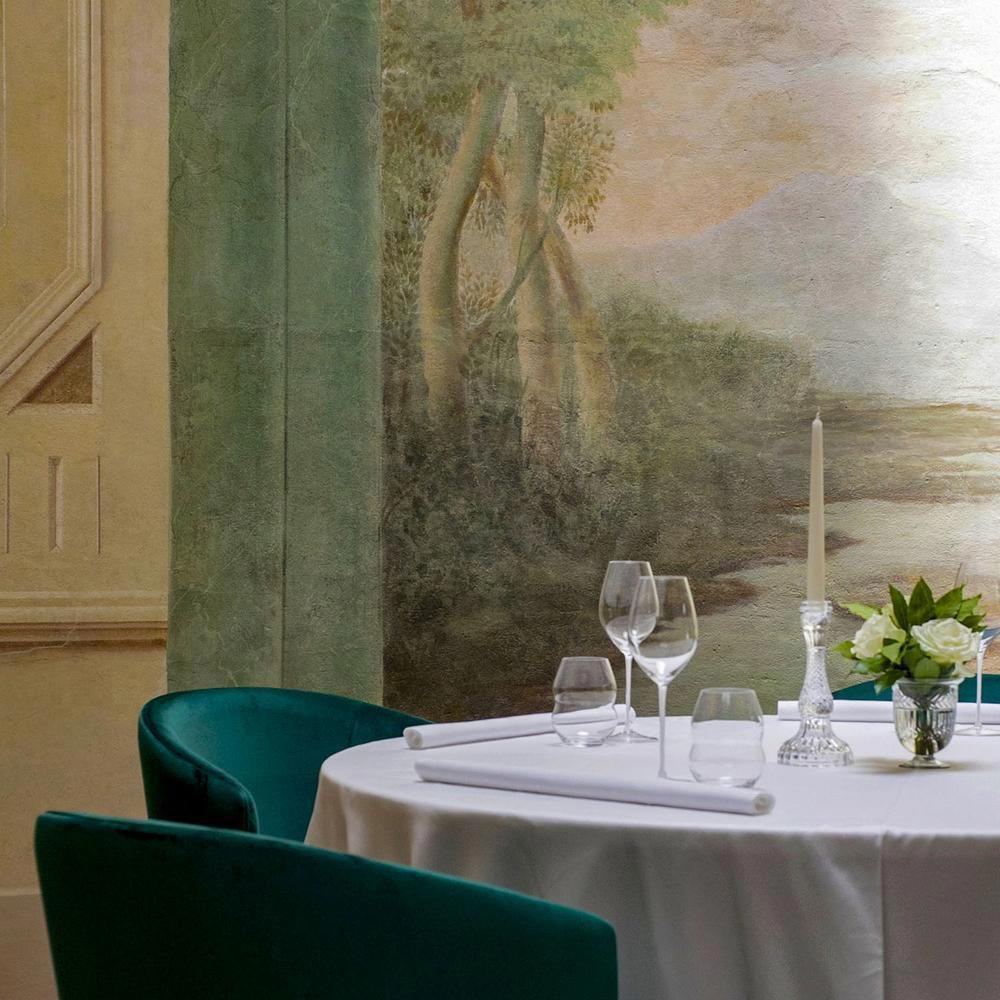
At a Glance
- Romantic Getaway
- Weekend Escape
- Garden
- Terrace
- Pool
- Garden
- Pool
- Garden
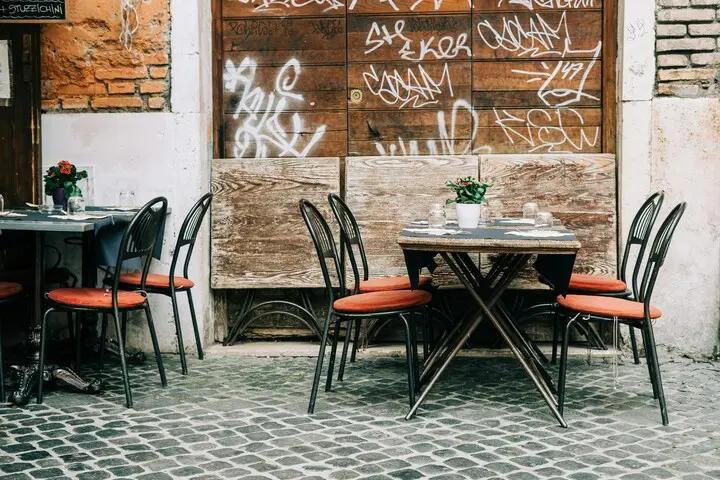
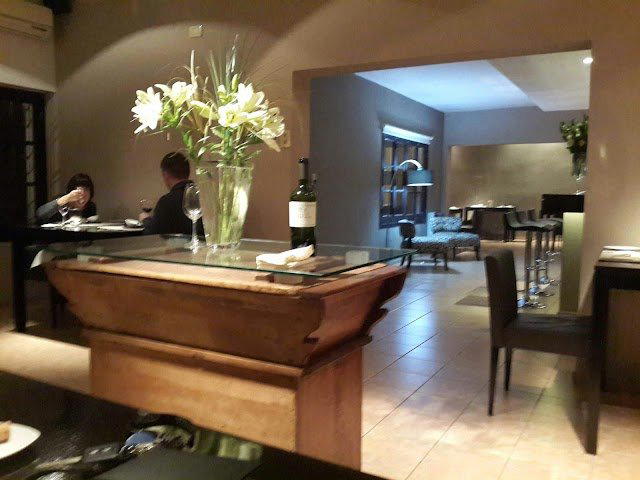
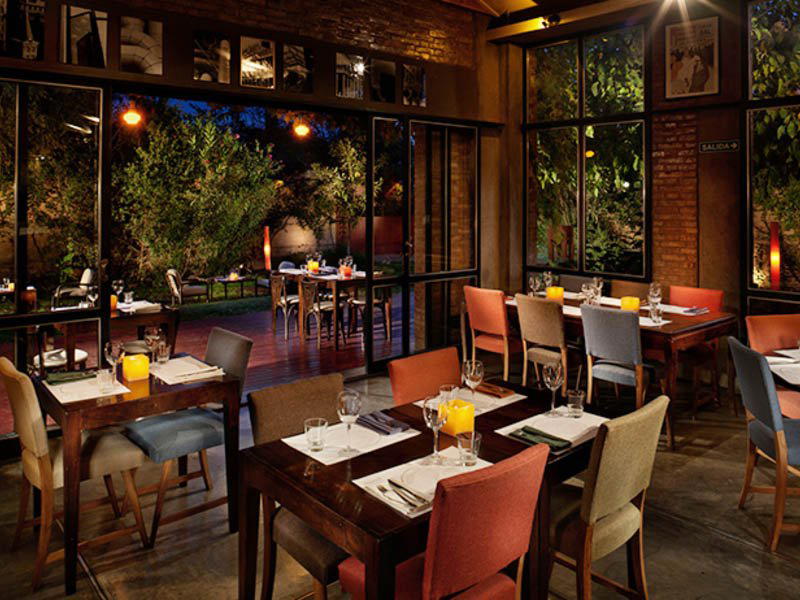
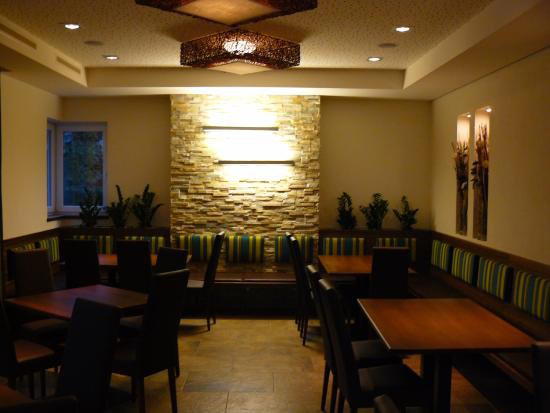
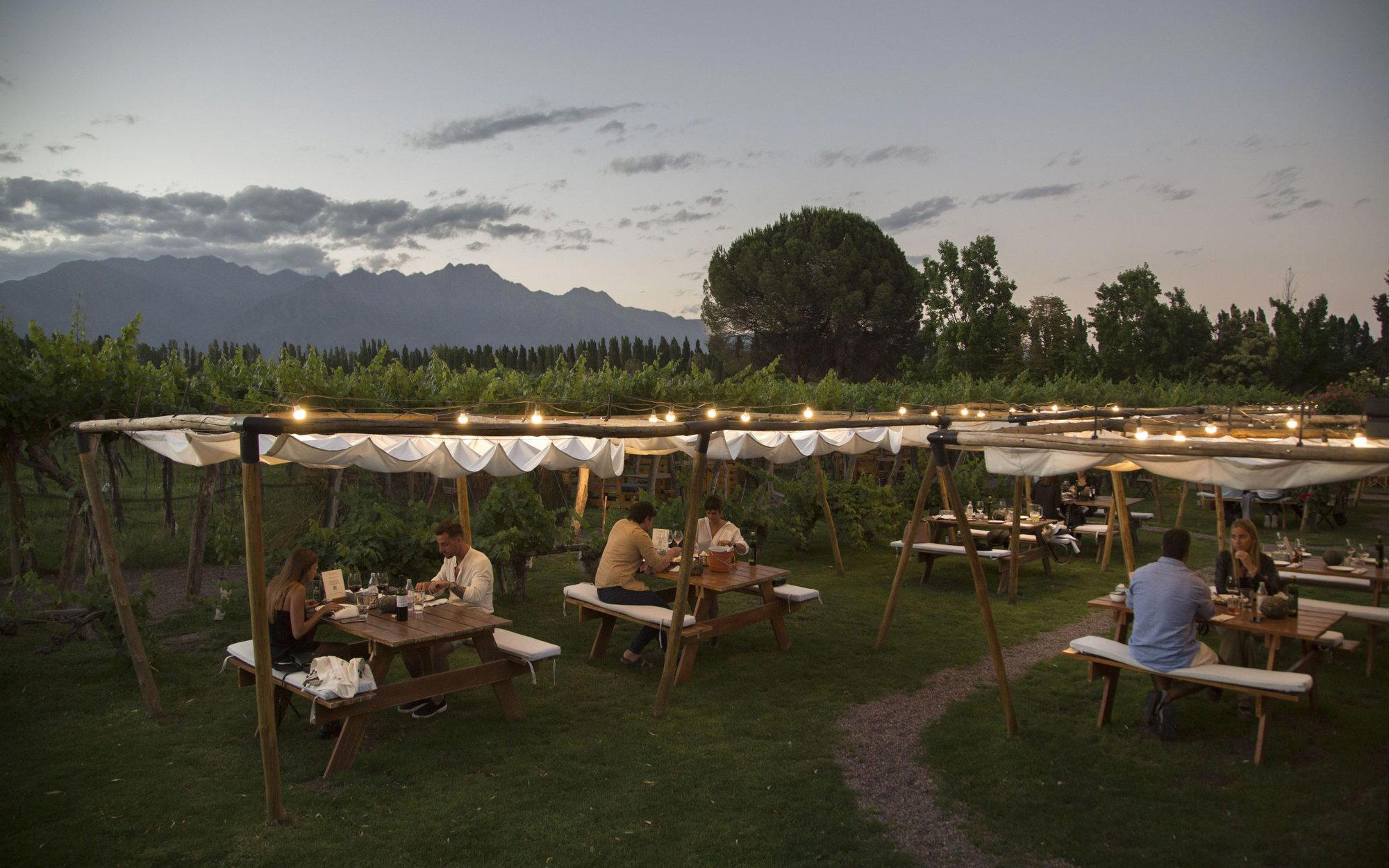
Warm and cozy spaces with natural light and outdoor patio for relaxed evenings.