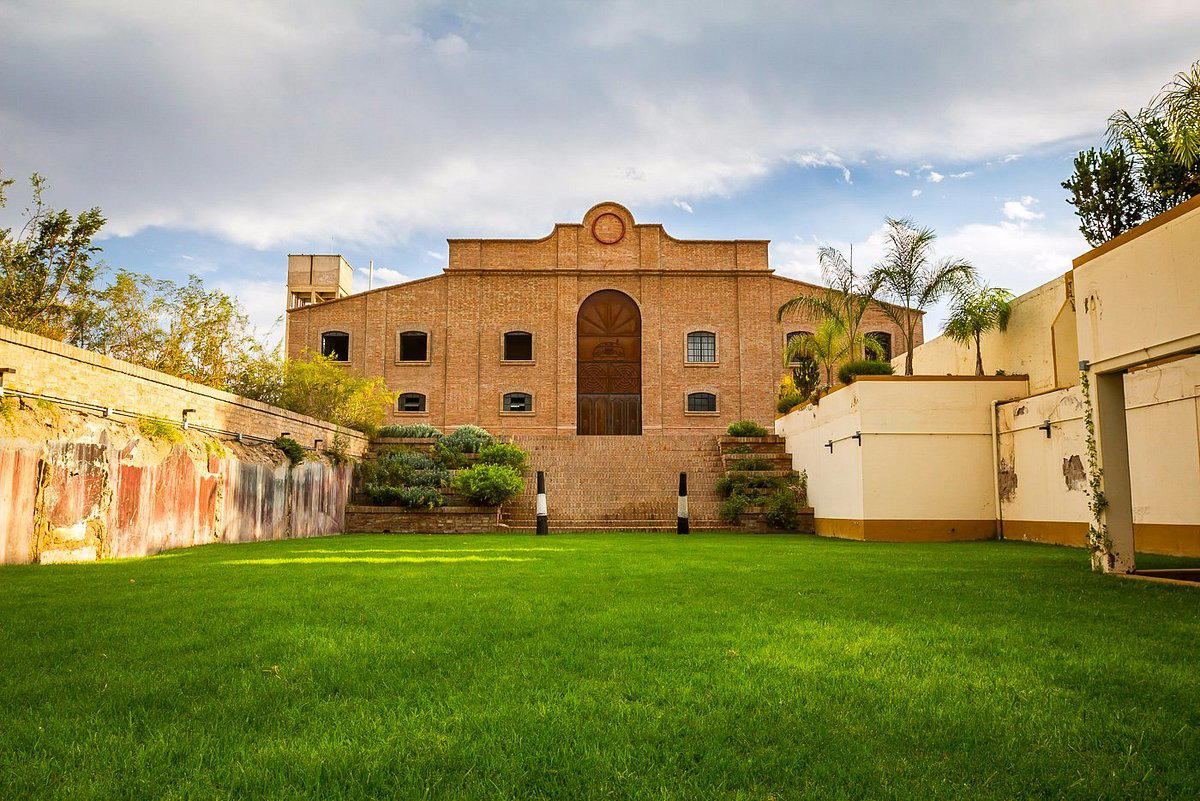
Clos de Chacras, bodega y restaurante

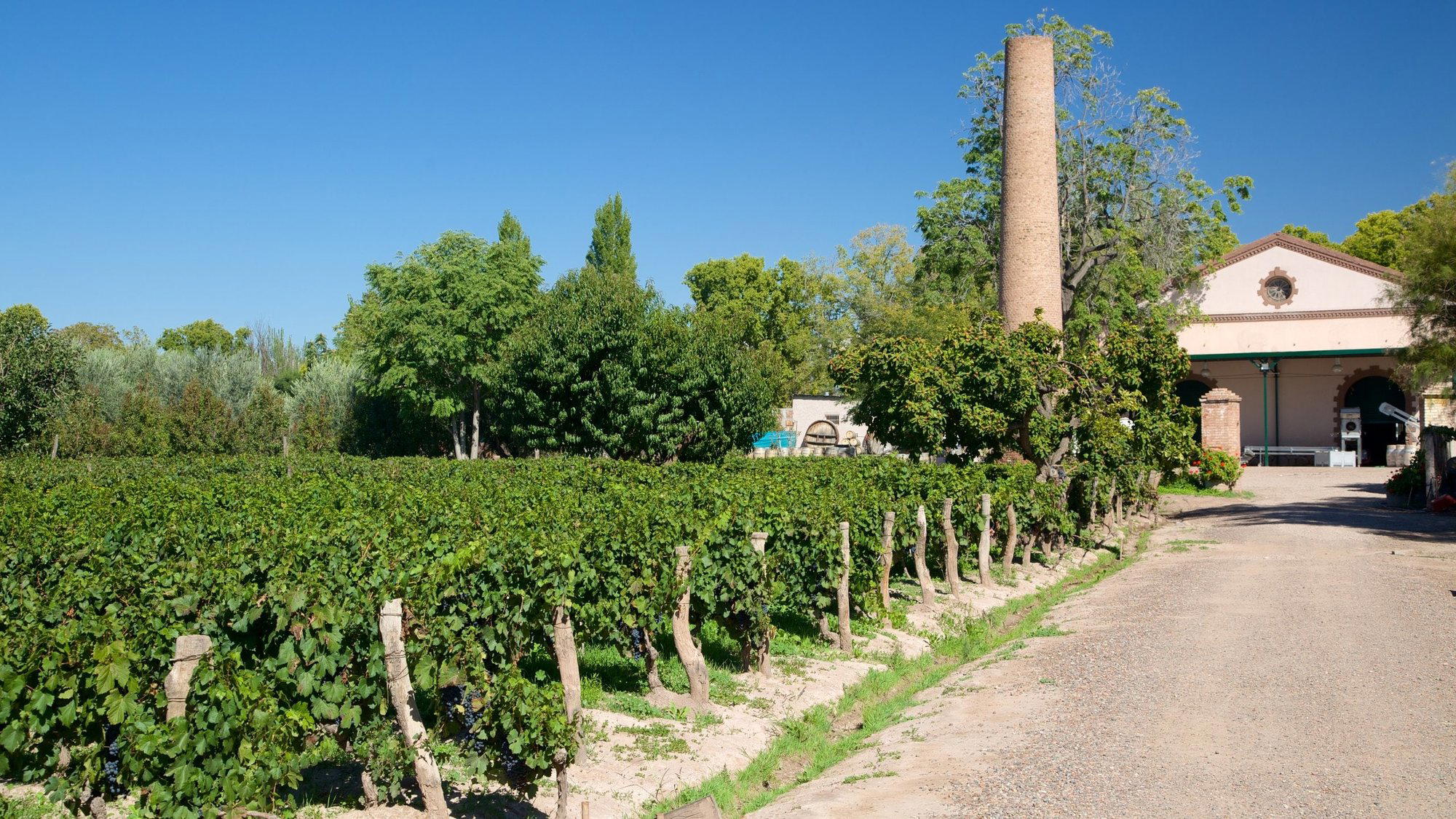
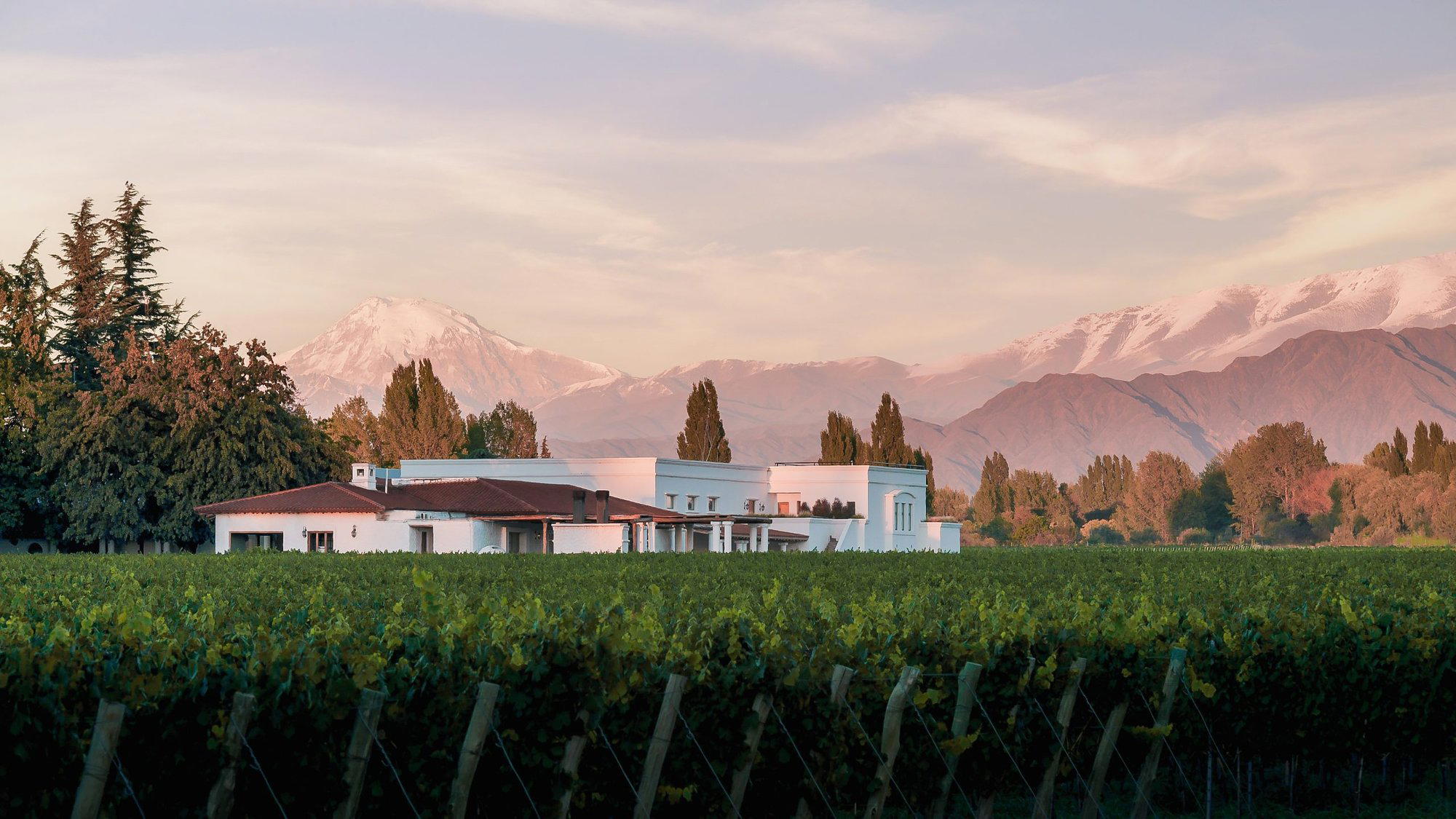
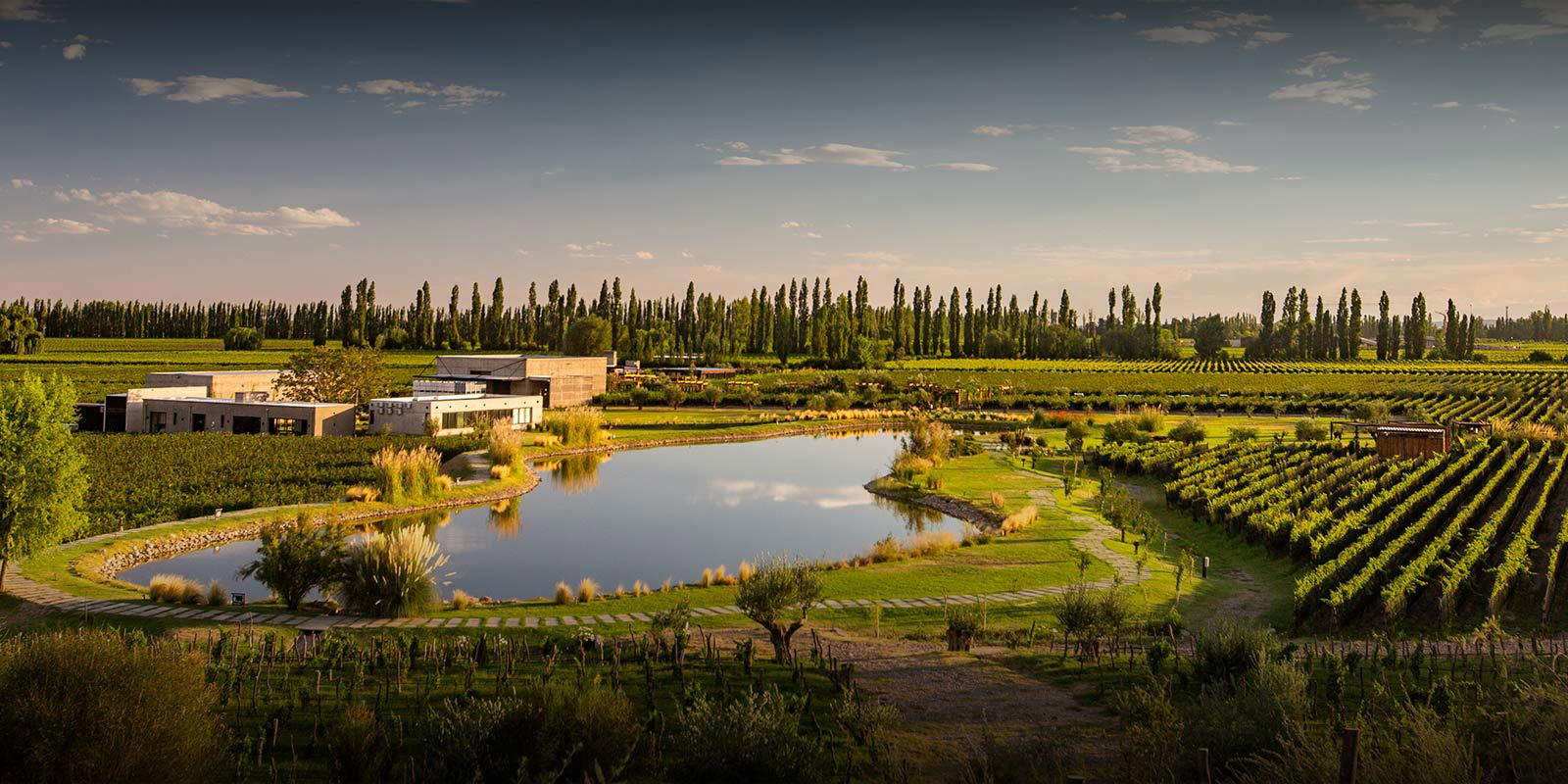
Set in the village of Chacras de Coria within Luján de Cuyo, Clos de Chacras combines a working bodega with a restaurant format that reflects Mendoza's mature approach to wine-country dining. The address on Monte Líbano places it inside one of the region's most established residential wine corridors, where vineyard-integrated meals have become the expected register rather than the exception.
Pearl is the En Primeur Club membership app — saves, bookings, and concierge access live there. Same editors, same standards.
- Address
- Monte Líbano 1025, M5509 Chacras de Coria, Mendoza, Argentina
- Phone
- +54 261 369 0850
- Website
- closdechacras.com.ar
- Directions
- Get directions
 Saves & bookings on Pearl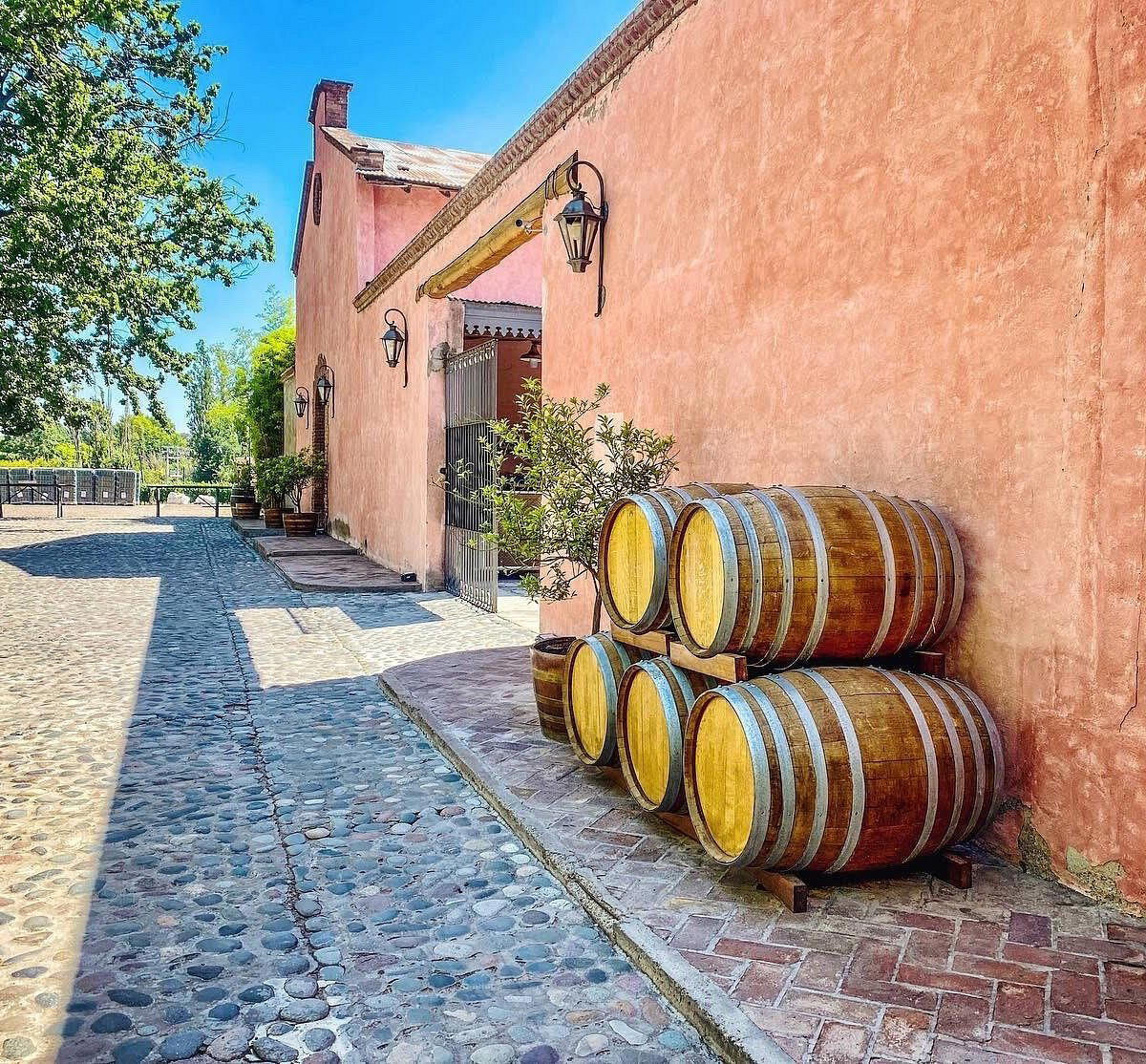
Wine-Country Dining in Luján de Cuyo: The Chacras de Coria Register
What began as estate dining rooms designed primarily to shift bottles has matured into a category where kitchen credentials and seasonal ingredient sourcing carry as much weight as the cellar behind the counter. The village of Chacras de Coria sits at the centre of this shift: close enough to Mendoza city to draw visitors who aren't staying overnight on an estate, yet planted firmly inside Luján de Cuyo's agricultural belt, where the raw materials for serious cooking arrive from the surrounding fincas rather than a wholesale distributor. Clos de Chacras, bodega y restaurante, is a restaurant in Chacras de Coria, Mendoza, with. It occupies this particular geography, both literally and conceptually.
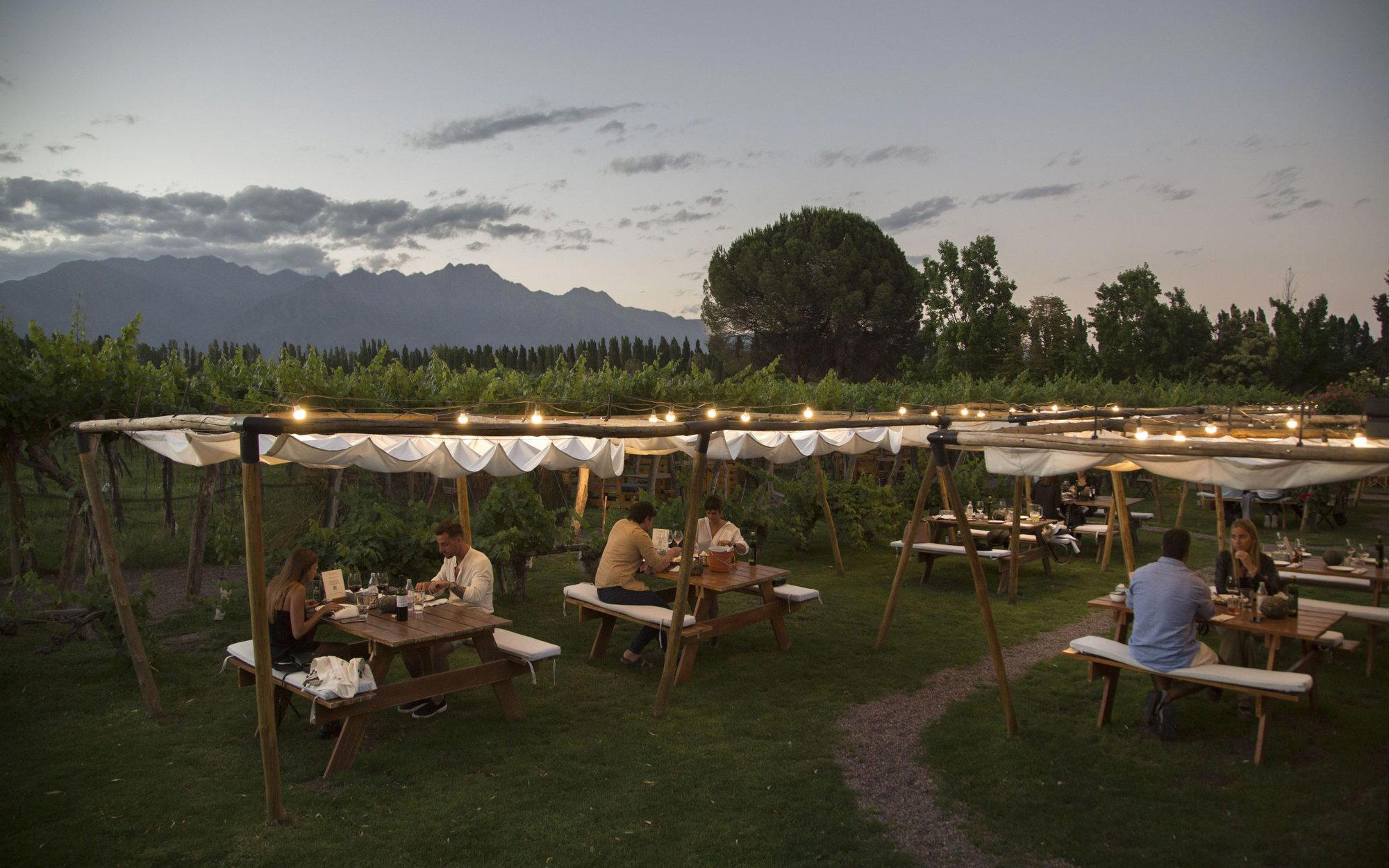
The bodega-and-restaurant format has become the dominant model in this part of Luján de Cuyo, and it functions differently from the standalone urban restaurant. The wine program is not a separate consideration appended to a food menu; it is the structural premise of the meal. Visitors arriving from the city along the Chacras de Coria corridor encounter this pattern repeatedly. Clos de Chacras fits that regional pattern while operating within the village itself, which gives it a slightly different character from the more remote estate addresses.
The Bodega Context: What Monte Líbano Signals
The Monte Líbano address is telling. Chacras de Coria is not a working agricultural district in the rough sense; it is a leafy, well-established corridor where older Mendocino families built estates and planted vineyards long before wine tourism became a formal category. The neighbourhood has a residential calm that separates it from the more visited wine roads further south. Properties here tend to operate at a considered pace, the opposite of the high-volume cellar-door model. Agrelo and Bodega Caelum represent different points on the Luján de Cuyo spectrum; Chacras de Coria, and by extension Clos de Chacras, occupies a quieter, more village-oriented register.
The cultural logic of a bodega restaurante in Chacras de Coria is rooted in the Argentine tradition of the long weekend lunch, a meal that exists in unhurried relation to the cellar visit that precedes or follows it. This is not the same as the formal tasting-menu format that has emerged at some of Mendoza's more internationally oriented estates. It sits closer to the asado tradition, where fire, time, and provenance do more work than technical complexity. Fogón Cocina de Viñedo represents a more explicit version of that fire-cooking tradition within the Luján de Cuyo wine country; Clos de Chacras references the same cultural grammar from within a bodega structure.
Argentine Wine Culture and the Bodega Restaurante Tradition
The bodega restaurante model functions naturally in Mendoza because Argentine wine culture developed around accessibility and the shared table. Unlike the Bordeaux château model, which historically separated production prestige from hospitality, Argentine estates built their identities around accessibility and the shared table. The asado is not a side activity at a winery; in many cases, it is the primary social ritual around which the wine finds its context. Regions like Luján de Cuyo and Maipú institutionalised this relationship, and the result is a dining format that feels embedded in agricultural life rather than layered on top of it.
Internationally, this approach finds loose parallels in wine-country formats that emphasise communal, ingredient-led dining. The bodega restaurante is, in essence, Argentina's answer to the winery lunch that serious wine regions worldwide have tried to codify, but it arrives at the form through a different cultural route: hospitality as a natural extension of production rather than as a commercial supplement to it.
Mendoza's wider restaurant ecosystem reflects this. Azafrán in Mendoza city represents the more technically oriented end of the regional wine-pairing format, while estate addresses like those explored in our full Luján de Cuyo restaurants guide map the full range from high-altitude cellar dining to village-embedded bodegas like Clos de Chacras. For a sense of how Argentina's provincial asado tradition translates into recognised restaurant formats beyond Mendoza, Don Julio in Buenos Aires offers a useful national point of reference.
Visitors with a broader Mendoza itinerary might position Clos de Chacras alongside other Chacras de Coria addresses, the Chacras de Coria restaurant in Las Heras offers a point of comparison within the same geographic neighbourhood. For those building a longer Argentine wine country and provincial dining itinerary, the gaucho-tradition estates at La Bamba de Areco in San Antonio de Areco and the Patagonian end of the country's estate-dining spectrum at EOLO in El Calafate map the geographic range of Argentina's wine-and-land dining tradition. Closer to Mendoza, Los Talas del Entrerriano in General San Martín and La Table de House of Jasmines in La Merced Chica provide alternative registers for the region's estate hospitality. Further afield in Argentina, Awasi Iguazú in Puerto Iguazú, Ti Amo in Adrogué, and Las Balsas Restaurant in Villa La Angostura each represent distinct expressions of Argentine hospitality outside the wine country proper.A Pricing-First Comparison
Comparable venues nearby, for context on price, style, and recognition.
| Venue | Cuisine | Price | Notes |
|---|---|---|---|
| Clos de Chacras, bodega y restauranteThis venue — the venue you are viewing | Not listed | $$$ | Not listed |
| Bodega Caelum | Not listed | $$$ | Lujan de Cuyo, Argentine Winery Cuisine with Wine Pairings |
| Awasi Mendoza Restaurant | Not listed | $$$$ | Luján de Cuyo, Farm-to-table modern Latin American fine dining |
| Agrelo | Agrelo, Seasonal Argentine Fine Dining | $$$ | Not listed |
| Fogón Cocina de Viñedo | Not listed | $$$$ | Lujan de Cuyo, Modern Argentine Fire Cooking |
| El Palenque Aristides | Not listed | $$ | Aristides Villanueva, Modern Argentine Tavern |
Recognition history
Dated appearances from independent guides and award organizations, with the underlying list record or original source where available.
Michelin Plate
Michelin
Continue exploring
More in Luján de Cuyo
Restaurants in Luján de Cuyo
Browse all →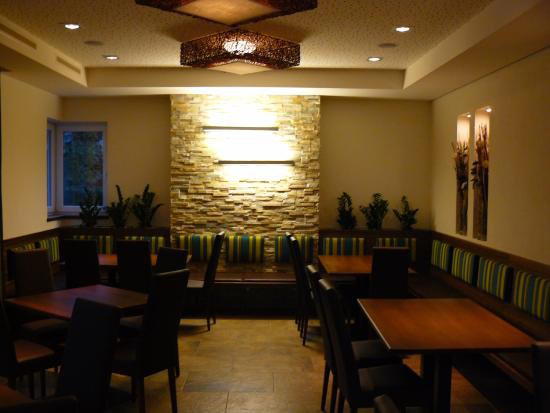
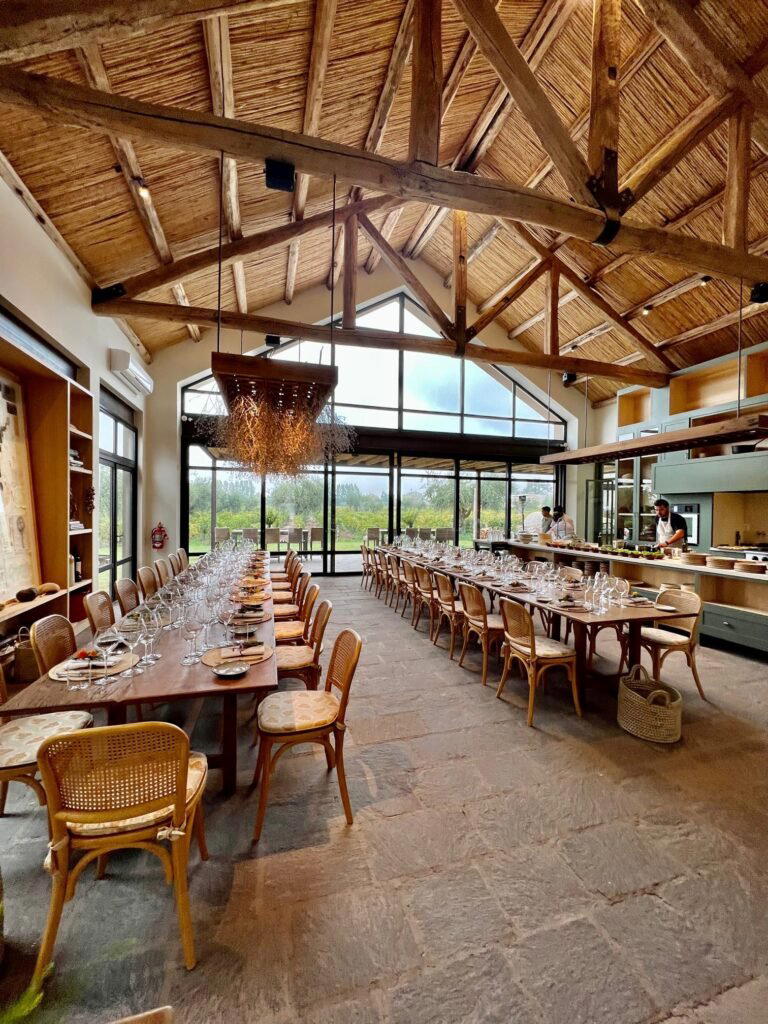
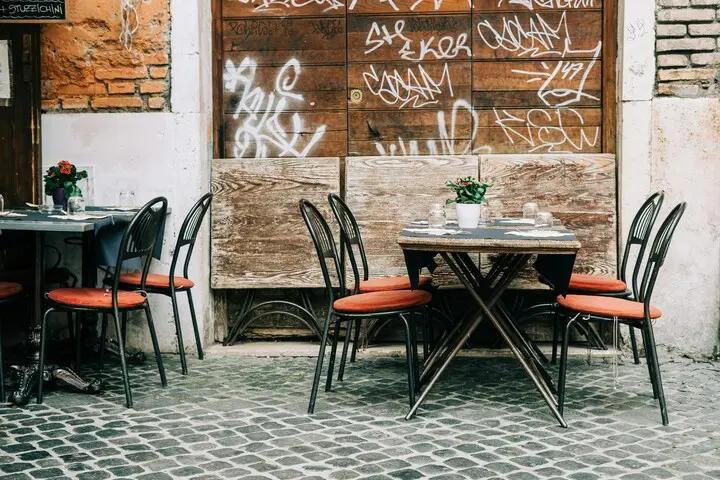
Bars in Luján de Cuyo
Browse all →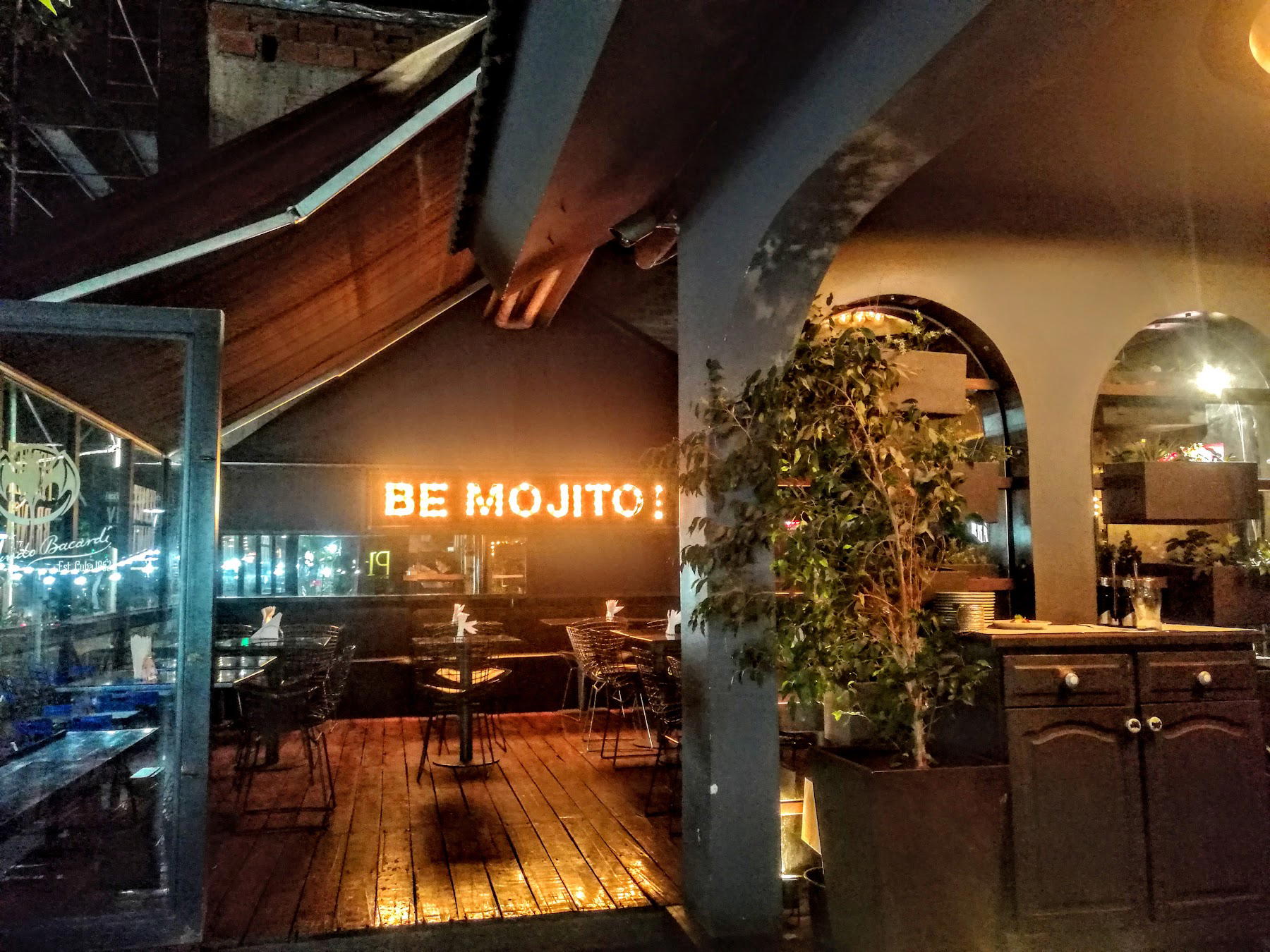
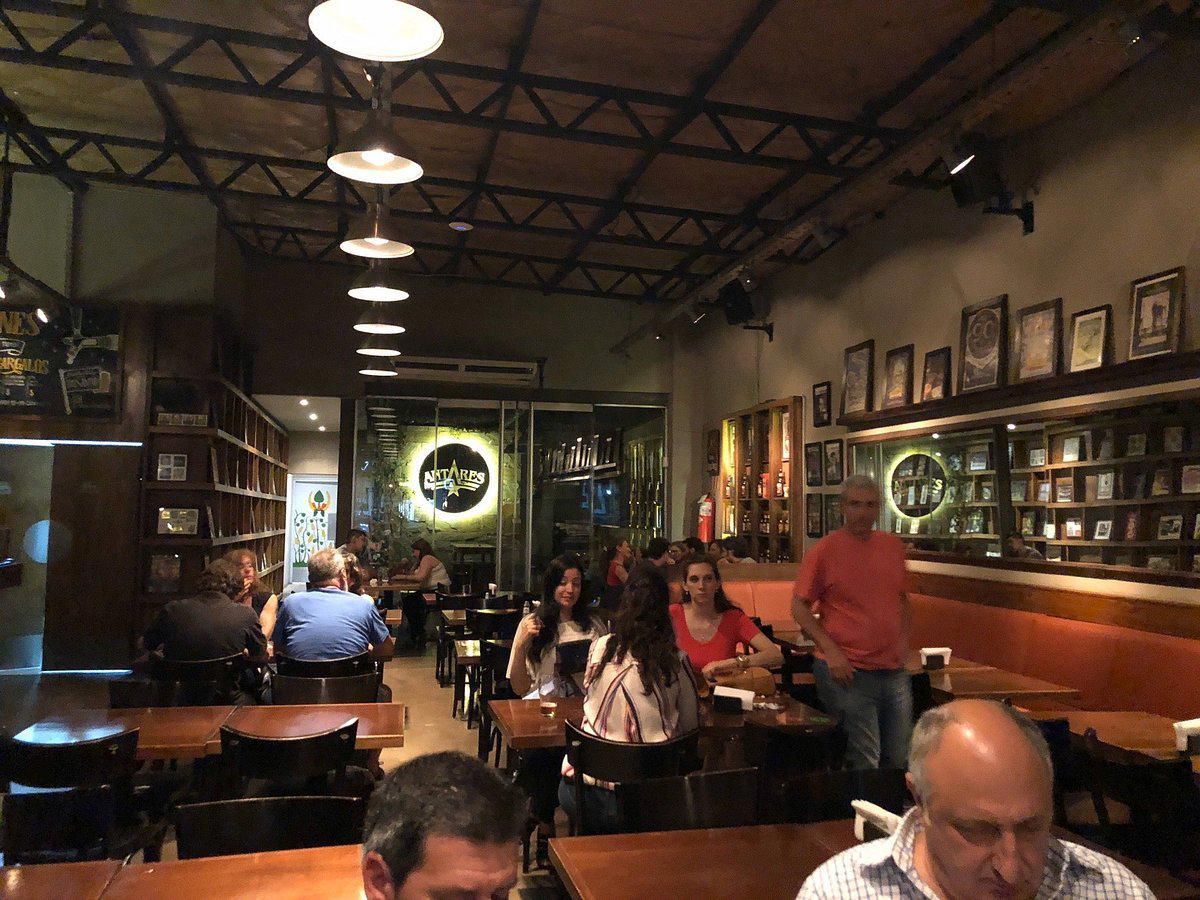
Hotels in Luján de Cuyo
Browse all →
At a Glance
- Rustic
- Elegant
- Scenic
- Classic
- Special Occasion
- Date Night
- Terrace
- Historic Building
- Extensive Wine List
- Sommelier Led
- Local Sourcing
- Vineyard
- Garden
Current opening hours
- Monday
- Closed
- Tuesday
- Closed
- Wednesday
- 10 AM–6 PM
- Thursday
- 10 AM–6 PM
- Friday
- 10 AM–6 PM
- Saturday
- 10 AM–6 PM
- Sunday
- 10 AM–6 PM
Hours can change for holidays and private events. Last verified .
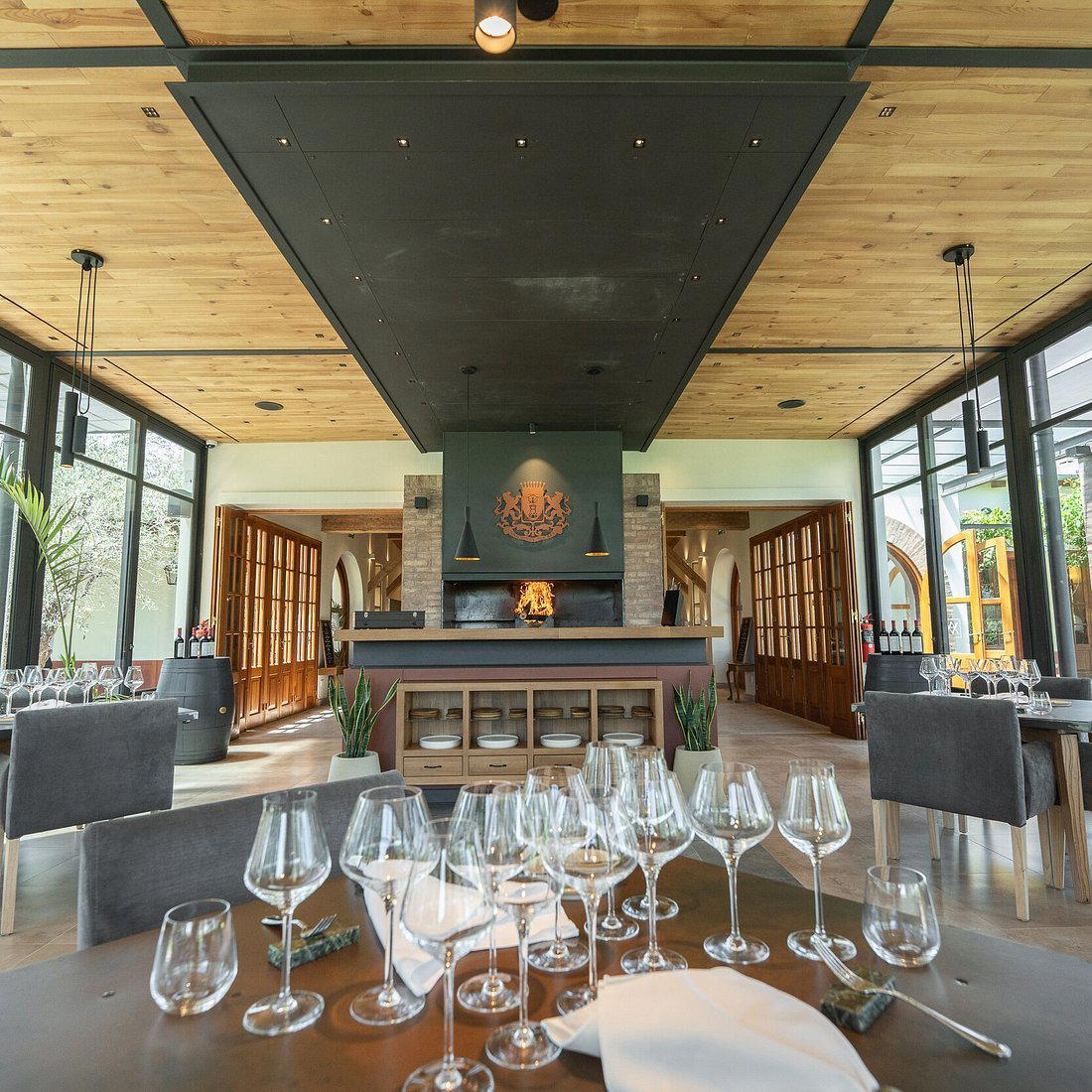
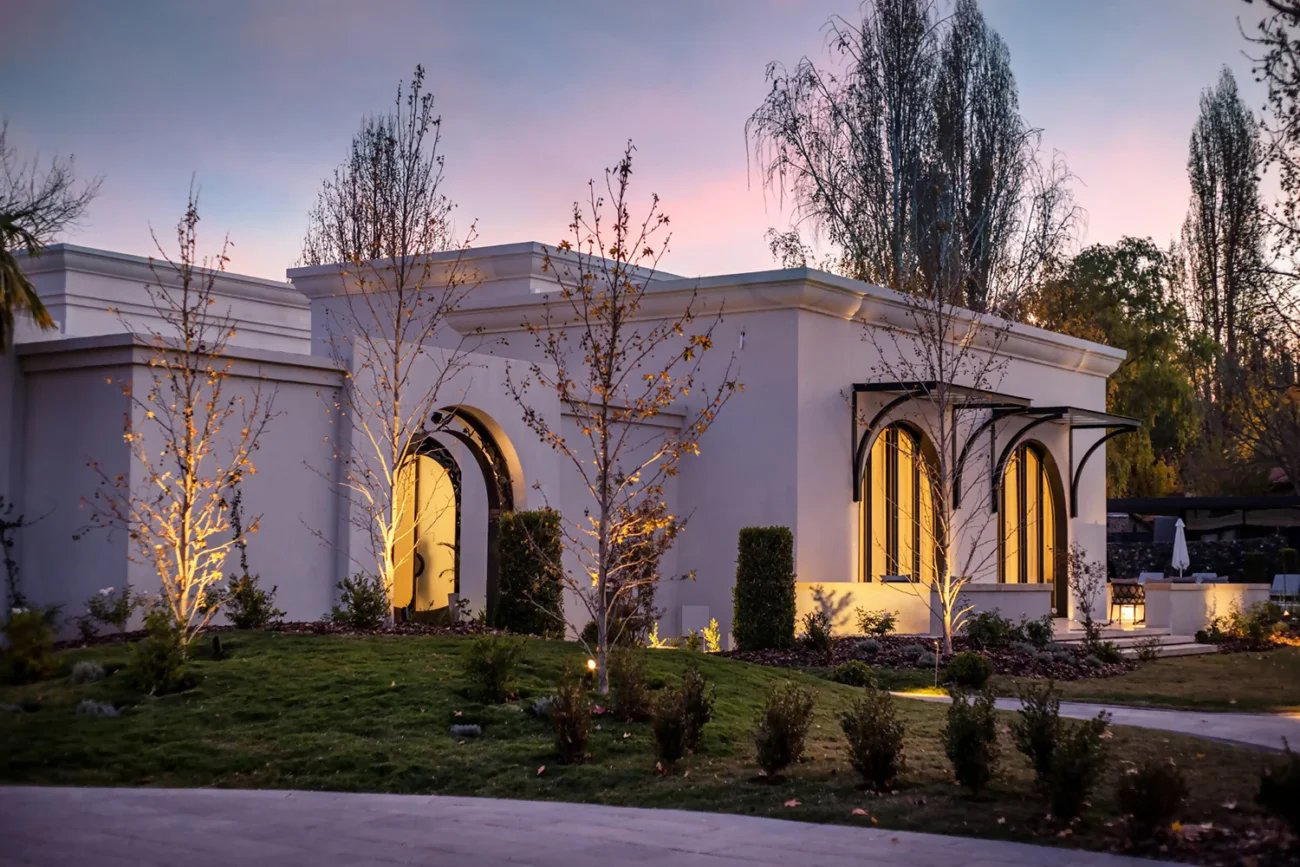
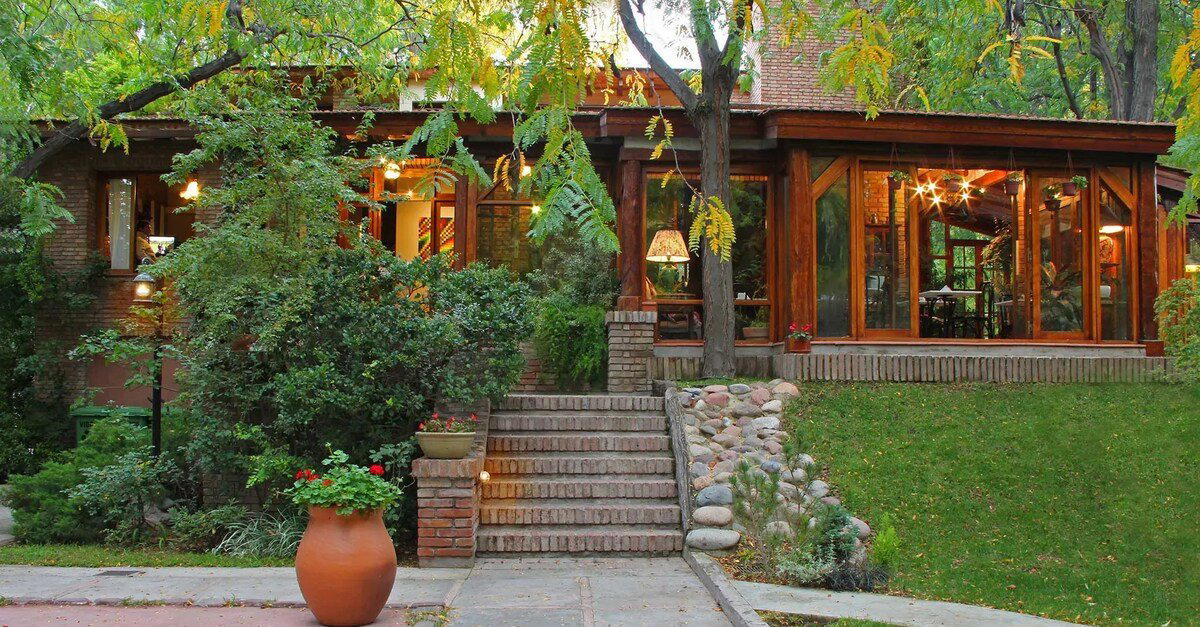
Picturesque vineyard atmosphere with rustic dining rooms featuring a blend of tradition and elegance.