
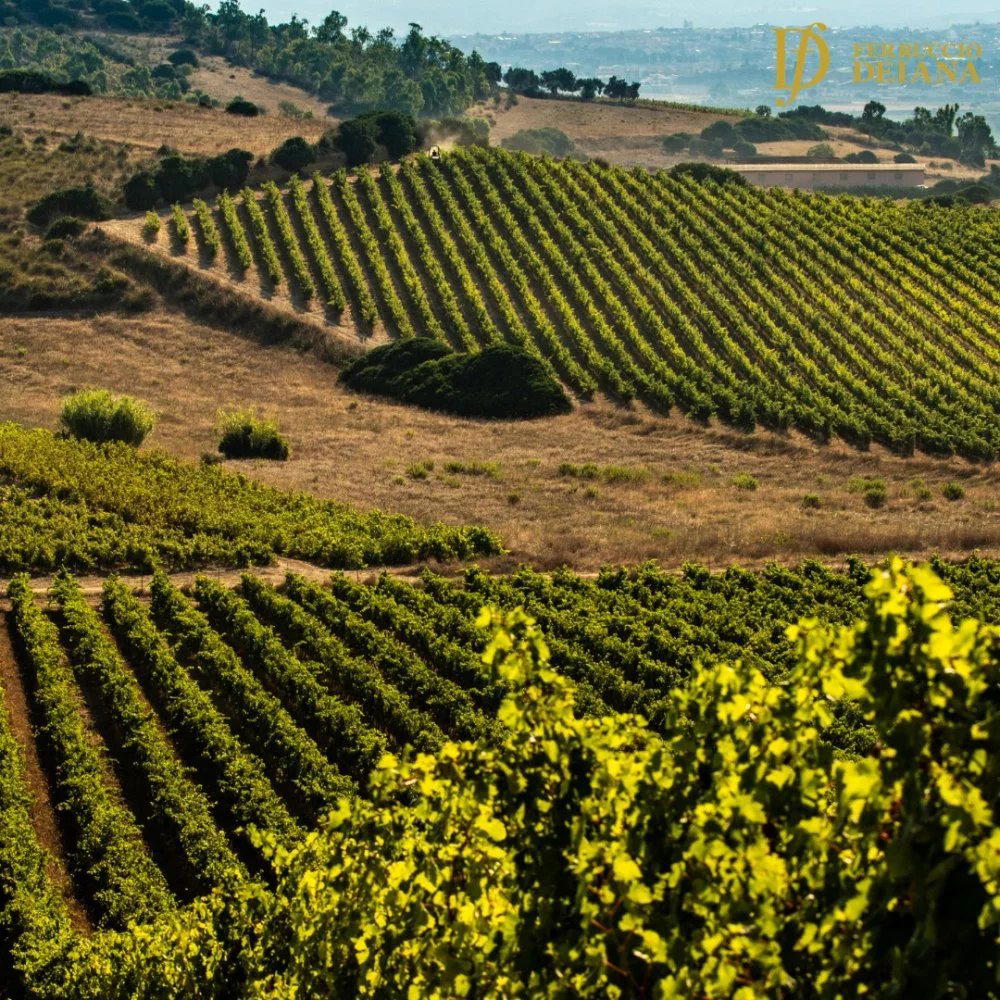
Argiolas sits in Serdiana, in the sun-bleached interior of Sardinia's Campidano plain, where Cannonau and Vermentino grow in soils that have shaped the island's wine identity for generations..
Pearl is the En Primeur Club membership app — saves, bookings, and concierge access live there. Same editors, same standards.
- Address
- Via Roma, 28, 09040 Serdiana CA
- Phone
- +39 070 740606
- Website
- argiolas.it
- Directions
- Get directions
 Saves & bookings on Pearl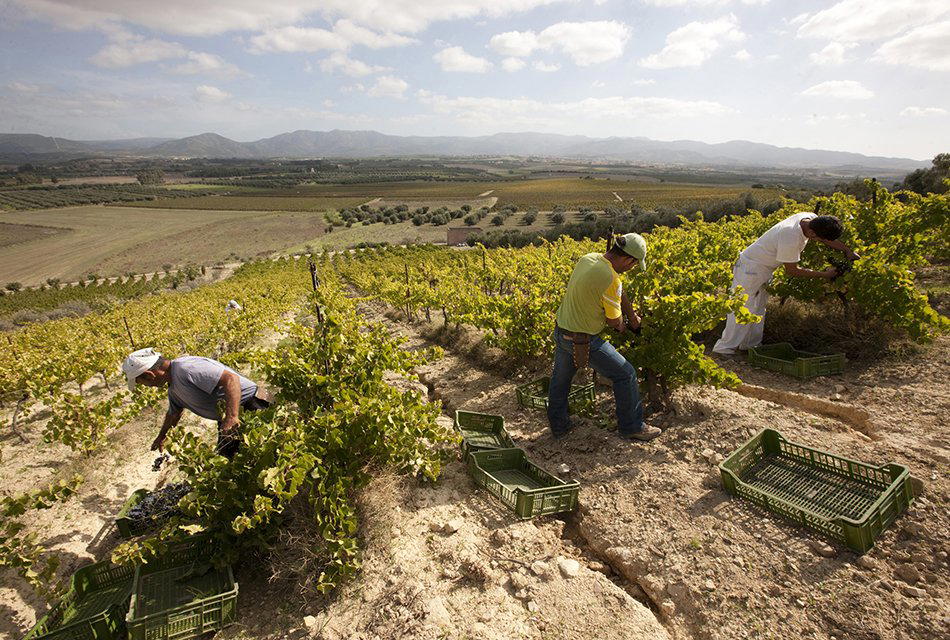
Where the Campidano Plain Speaks Through the Vine
The road into Serdiana passes through a landscape that makes Sardinia's claim to ancient viticulture feel less like marketing copy and more like geological fact. The Campidano plain stretches flat and sun-scorched between the Tyrrhenian and Mediterranean coasts, its clay-limestone soils holding heat through September and releasing it slowly through harvest. This is the agricultural backbone of Sardinia, and Argiolas, located at Via Roma, 28, sits within it as among the more recognised names the island has produced. Argiolas is a winery in Serdiana, Sardinia, with a price tier of about $30 per person.
Sardinian Terroir and What It Actually Means
The word terroir gets applied loosely across Italian wine, but in Sardinia it carries specific weight. The island's isolation from the mainland has preserved grape varieties, including Cannonau (the local name for Grenache), Carignano, Monica, and Vermentino, that were already old when Sardinia entered the written historical record. These are not varieties rescued from obscurity by a contemporary winemaking movement; they have been in continuous production here, shaped by the same coastal winds, the same intense solar radiation, and the same mineral-rich soils for centuries. Cannonau grown in the Campidano's interior tends toward structure and dried-fruit concentration, a profile driven by the combination of high sun exposure, low rainfall, and soils that stress the vine productively rather than catastrophically. The result is wine with a density and tannin architecture that separates it from the lighter Grenache expressions found in southern France or Rioja. For context, producers working in climatically comparable but geologically different conditions, such as Planeta in Menfi in western Sicily, pursue a broadly warm-climate Mediterranean style but arrive at different textural outcomes because the soil composition diverges. Sardinia's volcanic and clay-limestone mix gives its reds a particular grip.
Vermentino tells a parallel story on the white side. In Sardinia's interior and along the southern coast, Vermentino produces wines with a saline, herb-inflected quality that differs measurably from the lighter, more aromatic expressions found in Liguria or northern Tuscany. The mineral throughline is traceable to the island's geology, not to winemaking intervention.
Situating Argiolas in the Italian Fine Wine Conversation
Italy's fine wine hierarchy has long been organised around a handful of northern and central appellations: Barolo and Barbaresco in Piedmont, Brunello di Montalcino in Tuscany, Amarone in the Veneto. Estates like Aldo Conterno in Monforte d'Alba or Castello di Volpaia in Radda in Chianti operate within appellation frameworks that carry built-in international recognition; the critical infrastructure around them, the collectors, the auction records, the restaurant lists, reinforces their premium positioning without requiring much external argument. Southern Italian and island producers have historically occupied a different position: valued for volume, for value, or for curiosity, but rarely treated as fine wine in the structural sense. That positioning has shifted over the past fifteen years, and Sardinian estates in particular have benefited from growing international interest in native varieties and warm-climate viticulture that delivers concentration without excessive alcohol intervention.
The comparison set that matters here is not Barolo, but rather the group of southern Italian estates producing variety-specific, terroir-expressive wine at a level that competes on quality rather than price. Lungarotti in Torgiano offers a relevant parallel: a family producer from a non-canonical Italian region that built its reputation through consistent quality across decades, eventually earning recognition that positioned it against Tuscan and Piedmontese peers rather than simply within its own regional context. The trajectory for Sardinian fine wine producers follows a similar arc.
The Estate in Context: What a Prestige Award Signals
It places Argiolas in a tier of producers whose output meets a defined quality threshold, assessed against a peer group rather than in isolation. For a visitor or collector approaching the estate, this functions as a navigational signal: the wines here are not ambient regional product but deliberate, assessed fine wine. The estate is based in Serdiana, a small town in the Cagliari metropolitan area, which means access runs through Cagliari, the island's capital, a journey that frames any visit as part of a broader Sardinian itinerary rather than a standalone wine destination trip. That practical framing is part of what defines Sardinian wine tourism at present: the island's cultural and coastal attractions remain the primary draw, with wine visits layered in for travellers with the right framework. For those building a serious Italian wine itinerary that extends beyond the canonical northern and central regions, Sardinia's Campidano estates now belong in the planning conversation. See our full Serdiana restaurants guide for broader context on the area.
Where Argiolas Sits Among Italian Producers
Placing Argiolas in its competitive context requires acknowledging how differently Italian wine regions have been built into international awareness. Producers like L'Enoteca Banfi in Montalcino operate within an appellation, Brunello di Montalcino, that functions almost as its own brand internationally, providing institutional support that Sardinian producers do not have access to in the same way. Estates in less-canonical regions, whether Poggio Antico in Montalcino or Ca' del Bosco in Erbusco in Franciacorta, have navigated the same challenge of building identity without automatic appellation prestige. The common thread across these producers is a commitment to variety-specific, place-specific expression rather than international style imitation. Argiolas, working with Cannonau and Vermentino in the Campidano's particular conditions, makes that same argument through its wines. Italy's distilling tradition provides a parallel case: producers such as Nonino Distillery in Pavia di Udine, Distilleria Marzadro in Nogaredo, and Distilleria Romano Levi in Neive built international reputations from regional origins through consistent quality and identity, a model that applies equally to wine producers working outside Italy's canonical appellations. Across the broader drinks world, estates and producers from Campari in Milan to Poli Distillerie in Schiavon demonstrate that Italian provenance carries weight when backed by demonstrable quality. Further afield, producers like Aberlour in Aberlour and Accendo Cellars in St. Helena show how terroir-specific claims, when consistently delivered, translate into international collector interest regardless of the producing region's canonical status.
Planning a Visit
Serdiana sits within easy reach of Cagliari, making it a realistic half-day excursion from the city for anyone using the Sardinian capital as a base. The estate address at Via Roma, 28 places it within the town's main fabric. As with most Sardinian wine estates of this tier, direct contact in advance is advisable; the island's wine tourism infrastructure, while growing, has not yet reached the walk-in accessibility of Tuscany or Piedmont. Approaching through a specialist travel operator or the broader Sardinian wine tourism network is the practical route for confirmed visits. Timing the trip to late summer or early autumn, when harvest activity brings the estate to its most active point and the Campidano's temperatures begin to moderate from their peak, provides one direct encounter with the seasonal reality that drives the wines on offer.
Comparable Venues
Comparable venues nearby, for context on price, style, and recognition.
| Venue | Cuisine | Price | Notes |
|---|---|---|---|
| ArgiolasThis venue — the venue you are viewing | Vermentino, Cannonau | $$$ | Not listed |
| Stock Spirits (Stock 84) | Winery | Not listed | Trieste |
| Gruppo Campari | Winery | Not listed | Milan |
| Planeta | Chardonnay, Nero d’Avola | $$$ | Menfi |
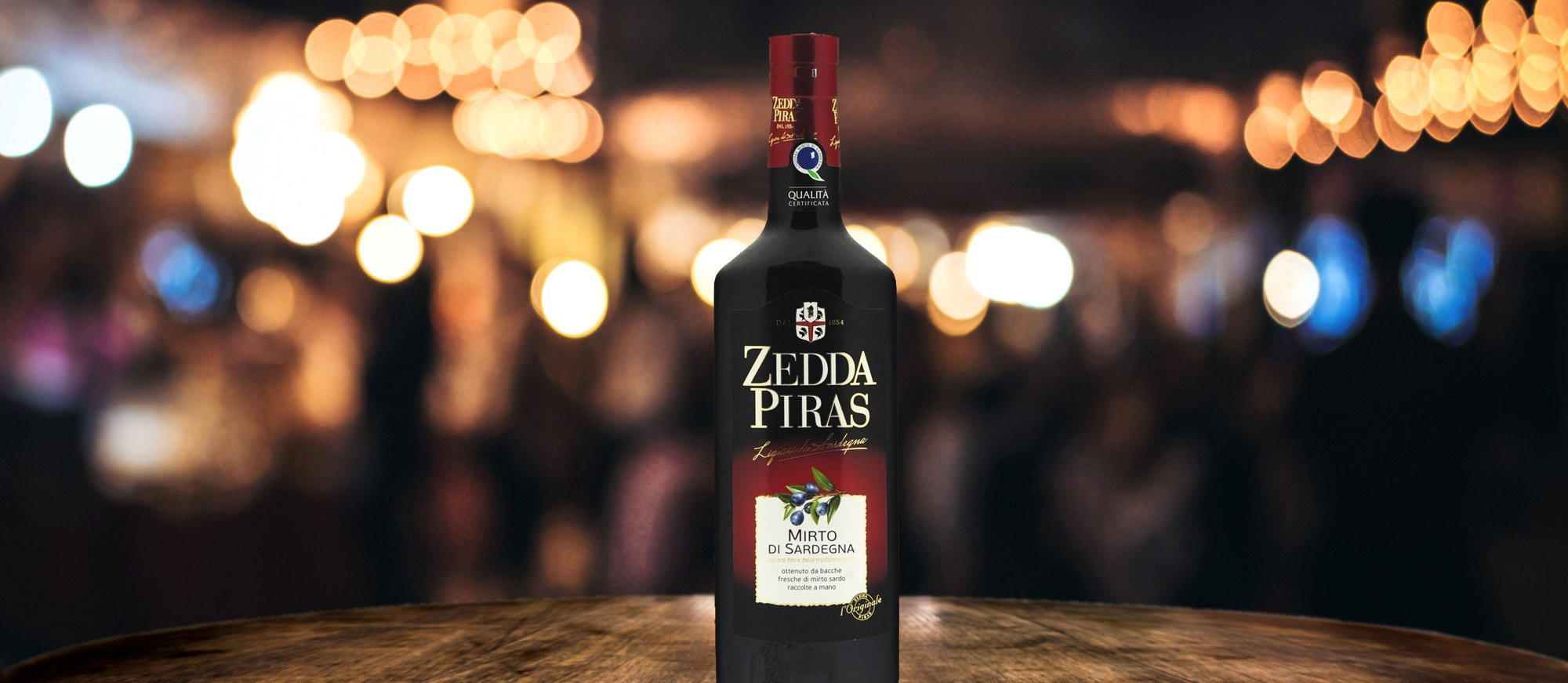
| Zedda Piras | Winery | Not listed | Cagliari |
| Cantina Santadi | Carignano, Vermentino | $$$ | Sulcis |
Recognition history
Dated appearances from independent guides and award organizations, with the underlying list record or original source where available.
Falstaff Winery - 5 Stars
Falstaff
Continue exploring
More in Serdiana
Wineries in Serdiana
Browse all →
Bars in Serdiana
Browse all →
Restaurants in Serdiana
Browse all →
At a Glance
- Rustic
- Elegant
- Scenic
- Wine Education
- Group Outing
- Vineyard Tour
- Barrel Room
- Private Tasting
- Sustainable
- Vineyard
- Garden
- Parteolla
- Vermentino
- Cannonau
- Carignano
- Monica
- Bovale
- Nasco
- Still White
- Still Red
- Wine Tasting
- Food Pairing
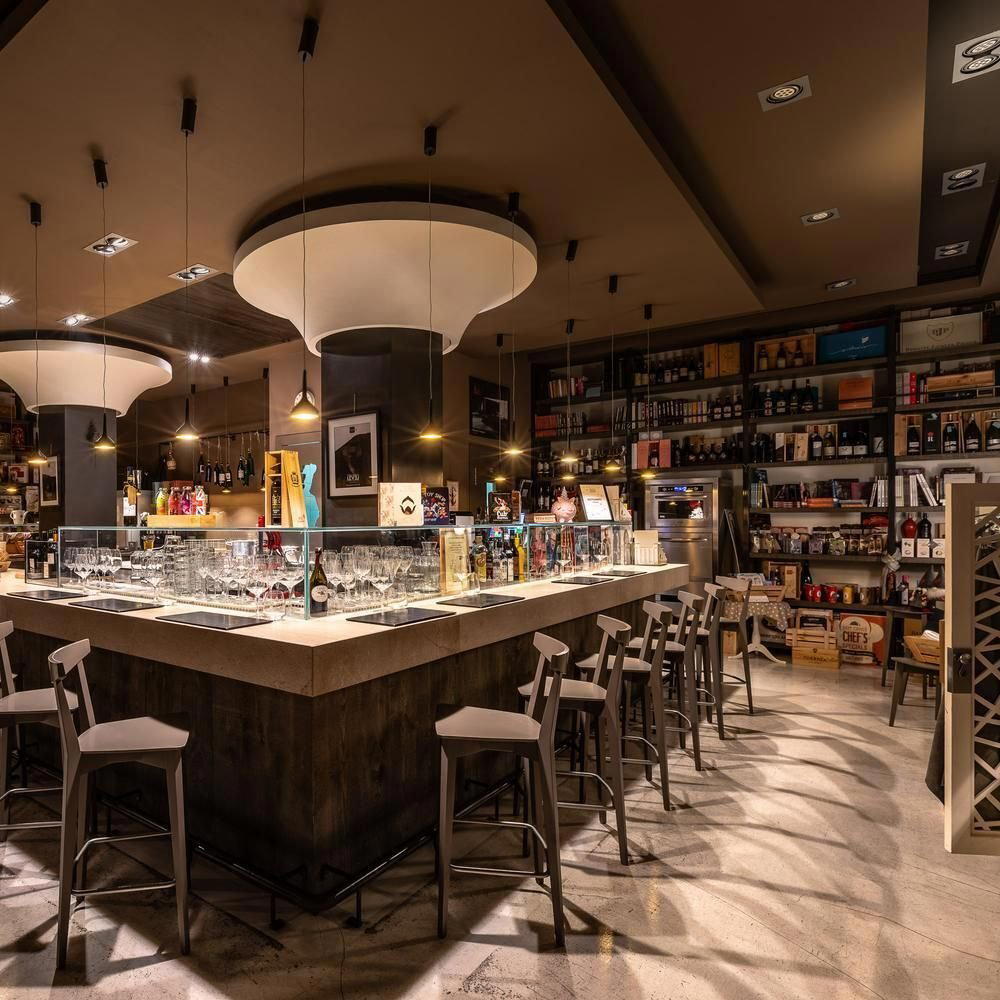
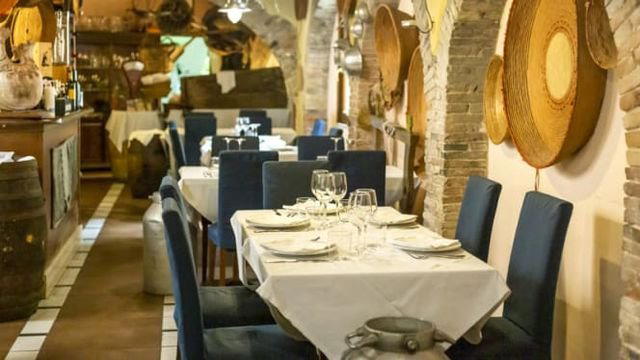
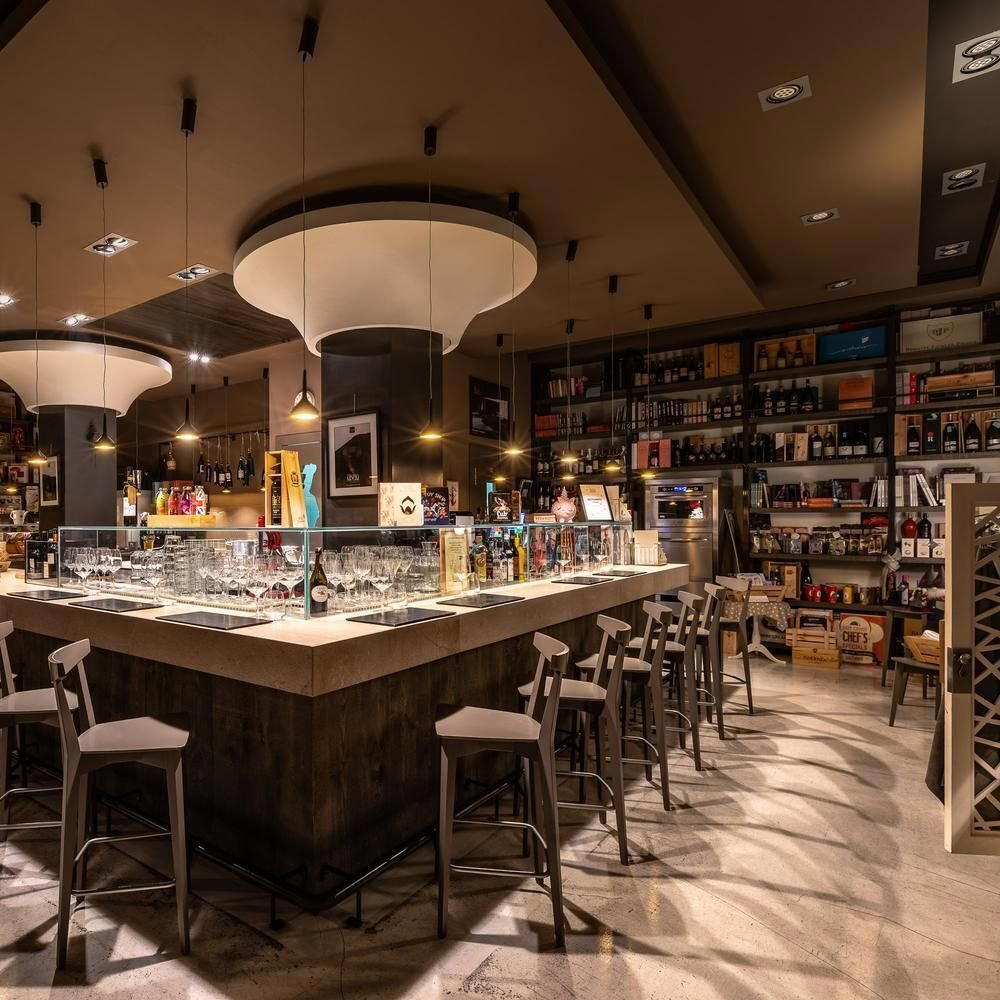
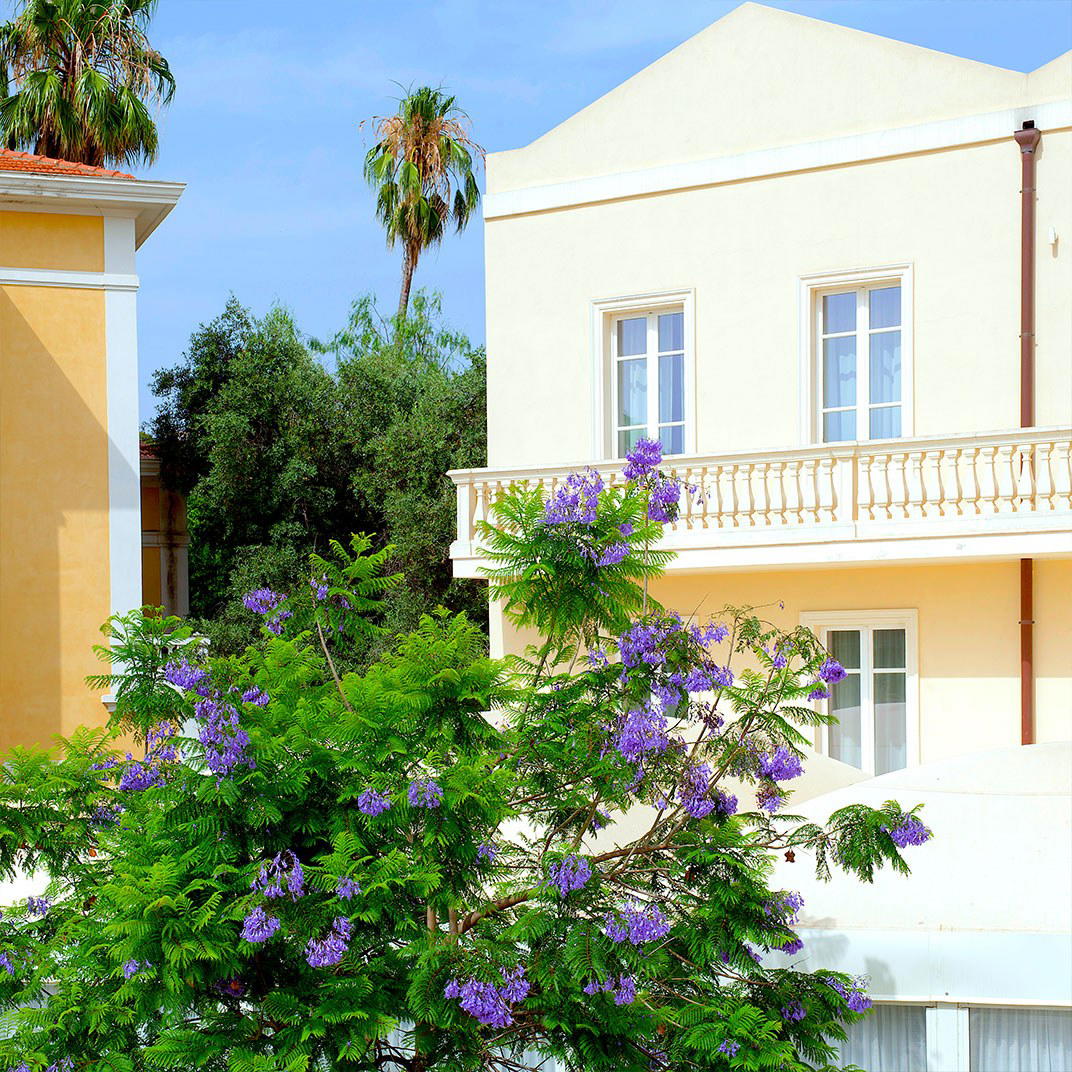
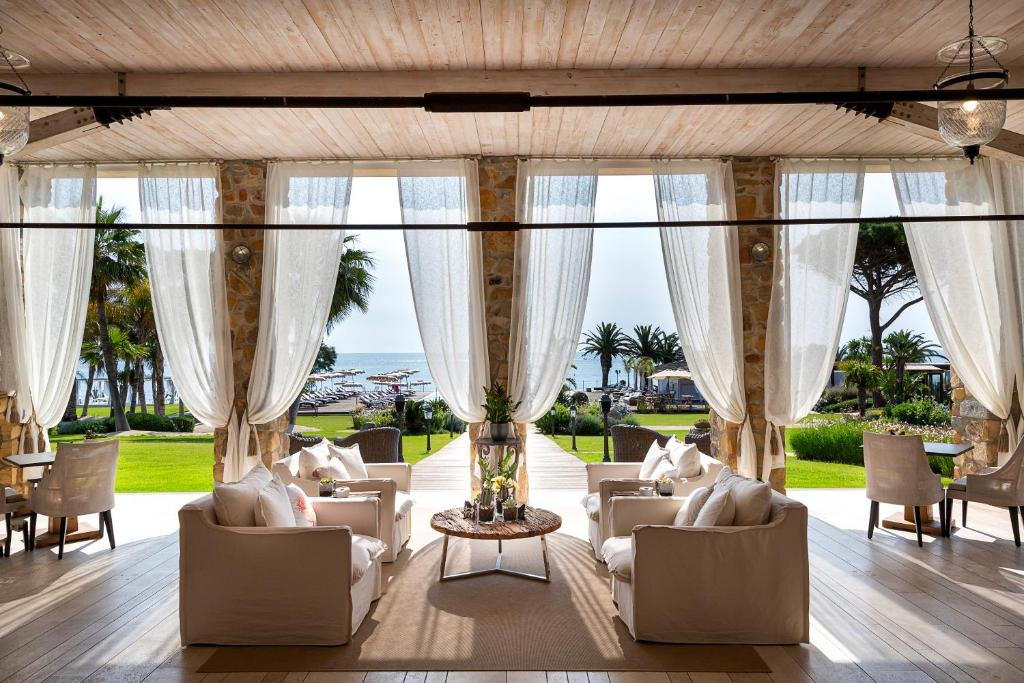
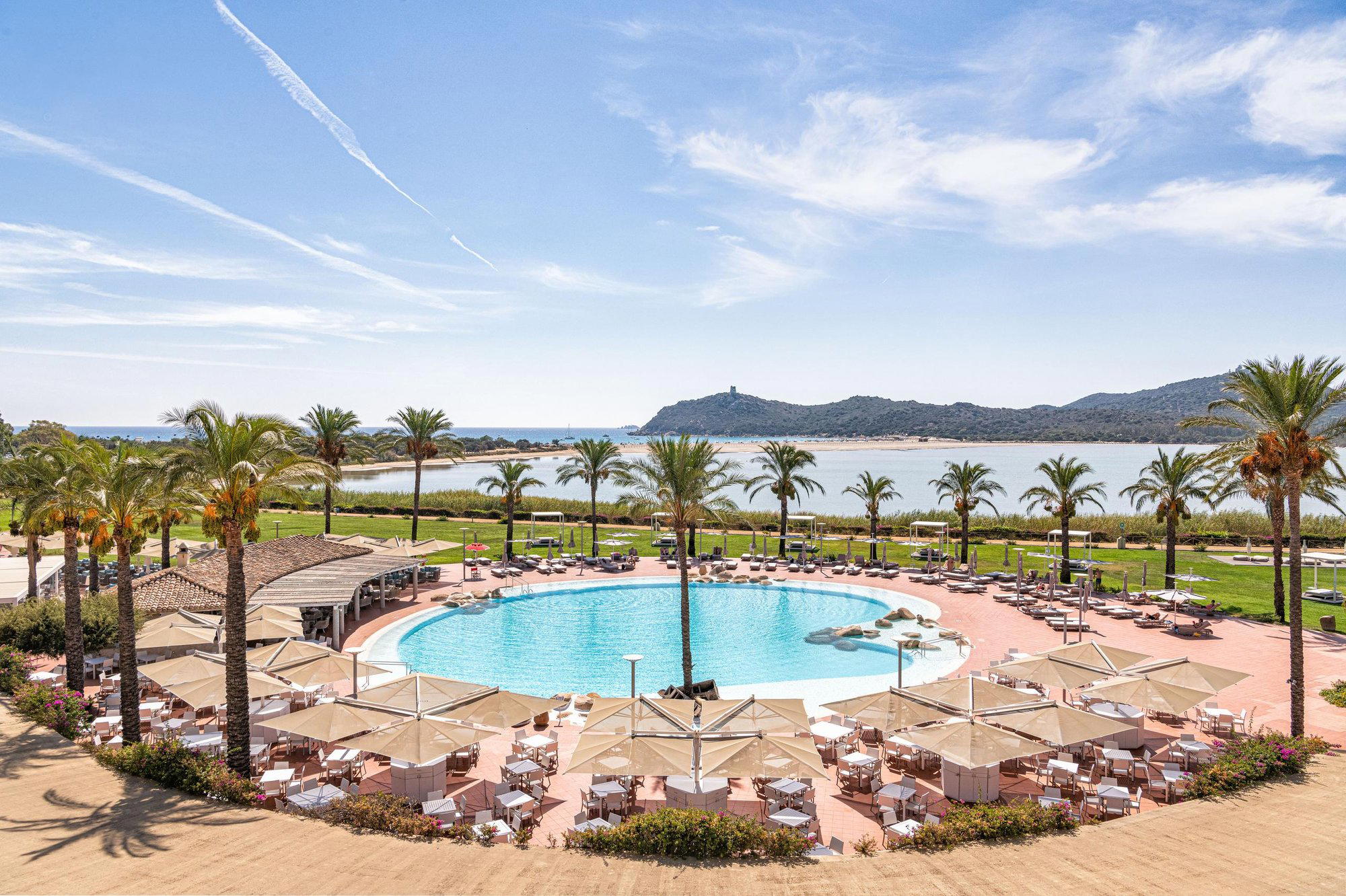
Relaxed and welcoming atmosphere in a renovated traditional Parteolla home surrounded by scenic vineyards, with unhurried tours and tastings paired with local Sardinian products.