Almar Timi Ama Villasimius

World Luxury Hotel Awards WLHA Global Winner
Almar Timi Ama Villasimius holds dual recognition as a Global Winner for Luxury Family Beach Resort and a Country Winner for Luxury Beach Resort, placing it in a narrow tier of Sardinian coastal properties where design, setting, and family-oriented facilities converge at the premium end of the market. Set along the protected coastline near Villasimius, it draws families seeking structured beach luxury in one of southern Sardinia's most ecologically sensitive coastal zones.

Pearl is the En Primeur Club membership app — saves, bookings, and concierge access live there. Same editors, same standards.
- Address
- Via dei Ginepri, 3, 09049 Villasimius CA, Italy
- Phone
- +39 070 79791
- Website
- almartimiama.com
- Directions
- Get directions
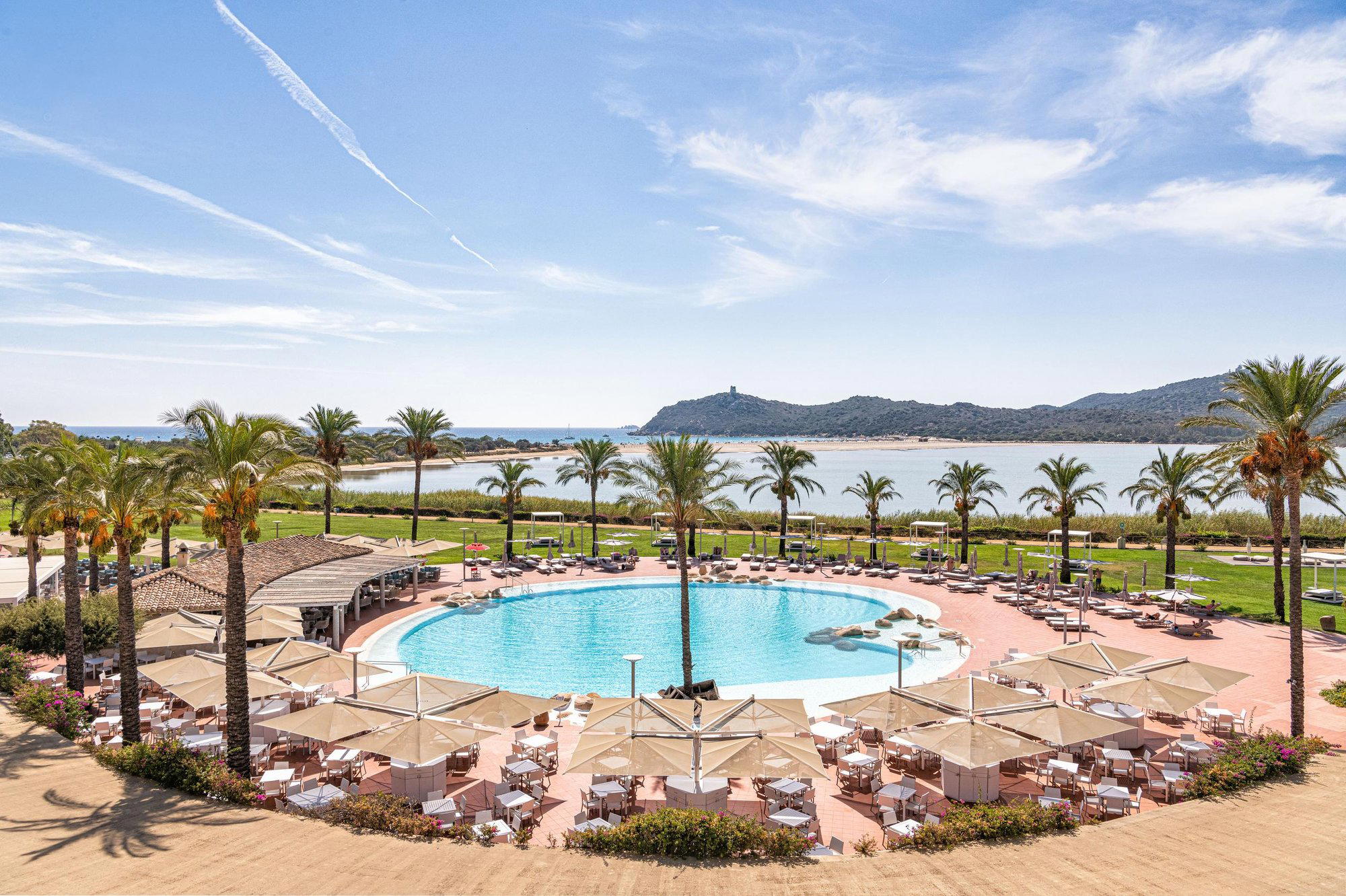
Where Sardinia's Protected Coast Meets Structured Luxury
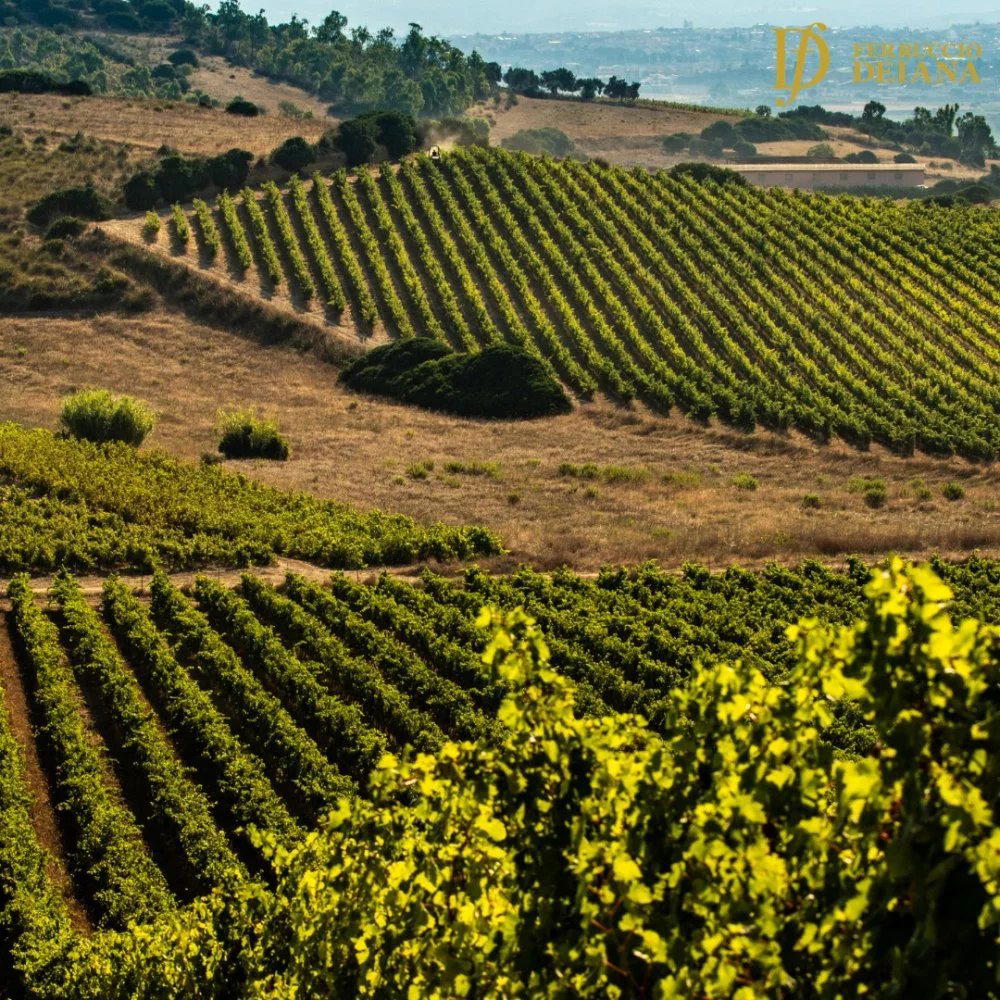
The coastline south of Villasimius is among the most legally protected in Sardinia, governed by the Capo Carbonara Marine Protected Area, which limits development density and keeps the water a shade of turquoise that photographs struggle to render accurately. Properties in this zone operate within strict environmental constraints, which shapes their design approach as much as any aesthetic brief. Almar Timi Ama Villasimius sits within this context, positioned at Via dei Ginepri, 3 in Villasimius, where the surrounding juniper and Mediterranean scrub inform the visual register of the property rather than being cleared for unobstructed sea views.
That relationship between architecture and environment is not incidental. In coastal Sardinia, the properties that age well are those whose design vocabulary borrows from the land rather than imposing on it. The use of local stone, low-profile building lines, and materials that weather into the landscape rather than against it characterises the better end of the market here, and it sets a meaningful distinction from the concrete resort blocks that define lower-tier coastal development on the island.
What the Awards Signal About Competitive Position
Almar Timi Ama Villasimius carries two verified award credentials: Global Winner in the Luxury Family Beach Resort category and Country Winner for Luxury Beach Resort in Italy. These are not the same prize twice. The family-resort category global win places the property in competition with coastal luxury hotels across Europe, Southeast Asia, and the Caribbean, markets where the combination of child-appropriate programming, adult-calibre design, and genuine beach access is genuinely difficult to execute without one category compromising the other.
Italy's coastal luxury portfolio runs from the Amalfi cliffs to the Sicilian south and includes properties like Borgo Santandrea on the Amalfi Coast and Il San Pietro di Positano, both of which operate in terrain that prioritises drama over family practicality. A beach resort designation requires actual flat, swimmable beach, which those cliff-side Amalfi properties do not deliver in the same form. Sardinia's geography makes that possible, and Villasimius's coastline specifically offers conditions that the more photographed Amalfi and Capri settings cannot.
For context on what Global Winner recognition implies in practice, consider that the same award framework that honours Almar Timi Ama at the family beach resort level also operates across property types including the kind of urban luxury found at Aman Venice or Bulgari Hotel Roma, where the criteria shift entirely toward design authority and location prestige. The beach resort category brings a different and arguably harder set of operational demands: the property must function for guests across multiple age groups, with facilities that hold up through a full summer season of daily use.
The Architecture of a Sardinian Beach Property at This Level
Luxury beach architecture in southern Sardinia has evolved away from the grand hotel typology that defined Costa Smeralda development in the 1960s and 1970s, where large-scale, high-volume construction set the dominant model. The current premium tier more typically works with lower building heights, bungalow-style accommodation that creates visual continuity with the dunes and scrub, and public spaces designed around outdoor use across most of the day. This is not a function of limited ambition but of climatic intelligence: in summer, an interior lobby is used briefly, while terraces, pool decks, and beach areas carry the experience.
For family-configured luxury specifically, the design challenge is spatial. Children require programming space, shallow pool areas, and beach safety infrastructure. Adults require visual separation, quieter zones, and the feeling that design quality has not been sacrificed to operational necessity. The properties that earn recognition in this category tend to solve this through zoning rather than volume, creating distinct areas rather than attempting to satisfy all guests in a single shared environment.
Villasimius as a Destination
Villasimius itself occupies a different register from Sardinia's more internationally marketed resort zones. The Costa Smeralda corridor in the north, anchored by Porto Cervo, draws a jet-set clientele and commands correspondingly high prices for property and dining. Villasimius, in the island's southeastern corner, has attracted a more considered form of tourism, partly because the marine park designation discourages the kind of development that turns coastlines into retail strips, and partly because the beaches here, including Spiaggia del Riso and Capo Boi, are among the island's most technically impressive in terms of water clarity and sand quality.
Getting to Villasimius from Cagliari Airport takes approximately 45 to 50 minutes by road, making it among the more accessible of Sardinia's premium coastal destinations without the transfer time required for properties further north. The town itself is small and functional rather than picturesque in the Positano sense, which means the property's own environment carries more weight. This is common in coastal Sardinia, where the beach and water are the attraction rather than any surrounding streetscape. For travellers considering comparable Italian coastal contexts, properties like JK Place Capri or Bellevue Syrene 1820 in Sorrento offer a different proposition, where the surrounding town and views form an integral part of the experience.
How It Fits the Italian Luxury Hotel Circuit
Italy's luxury hotel market has diversified considerably across property types and geography. The traditional concentration of recognition around Tuscany and the Amalfi Coast now has meaningful competition from properties in less expected locations. Rosewood Castiglion Del Bosco in Montalcino, Borgo Egnazia in Puglia, and Castello di Reschio in Umbria represent an inland counterpoint, while Sardinia increasingly holds its own as a beach-luxury destination at the international level. Almar Timi Ama's Global Winner designation is evidence of this shift: the island's coastal properties are being evaluated against global competition and winning.
For travellers building a longer Italy itinerary that includes both urban and coastal stays, the southern Sardinia context pairs logically with Rome or Florence as a city anchor, followed by a coastal extension that does not require the short-haul flight constraints of Sicily. The broader EP Club coverage of Italian luxury properties, including Four Seasons Hotel Firenze, Passalacqua on Lake Como, Castel Fragsburg in Merano, and Forestis Dolomites, maps a country where premium hospitality now operates across climatic and geographic registers that are genuinely distinct from one another. See our full Villasimius restaurants guide for how the dining scene around the property fits this picture.
Practical Considerations
The primary season for Villasimius runs from late May through September, with July and August representing peak demand and peak pricing across all coastal Sardinian properties at this level. Booking lead times for the summer window at award-recognised properties in this zone typically extend to several months in advance. Cagliari Elmas Airport handles most arrivals, with direct routes from major European hubs increasing seasonally, and the road south to Villasimius is direct. Families travelling with young children will find the journey from airport to property manageable without the mountain roads that complicate access to some of Sardinia's more remote northwestern coastline properties.
In Context: Similar Options
Comparable venues nearby, for context on price, style, and recognition.
| Venue | Cuisine | Price | Awards | Notes |
|---|---|---|---|---|
| Almar Timi Ama VillasimiusThis venue — the venue you are viewing | Modern Sardinian resort seamlessly integrated into natural landscape | $200–300 | World Luxury Hotel Awards WLHA Global Winner | Not listed |
| Dimora Palanca Boutique & SPA | Timeless five-star elegance harmonizing classic architecture with bold modern art. | Not listed | Michelin Selected | Historic Centre |
| Therasia Resort Sea & Spa | Aeolian resort with modern luxury and natural integration | $300–500 | 2 Michelin Keys · Leading Hotels of World Member | Vulcano |
| Villa Làrio | Refined luxury all-suites property blending historic Italian villas with modern design across landscaped gardens. | $300–500 | 1 Michelin Key | Pognana Lario |
| NH Collection Firenze Porta Rossa | Historic 13th-century tower transformed into a 5-star luxury hotel blending Renaissance architecture with modern comforts. | $200–300 | Michelin Selected | Duomo |
| San Montano Resort & SPA | 1970s postmodern luxury resort with contemporary renovations, blending Mediterranean heritage with modern wellness-focused design. | $300–500 | Michelin Selected · Virtuoso Luxury Hotel Partner | Lacco Ameno |
Recognition history
Dated appearances from independent guides and award organizations, with the underlying list record or original source where available.
World Luxury Hotel Awards WLHA Global Winner
World Luxury Hotel Awards
Full recognition history (2 entries)
World Luxury Hotel Awards WLHA Country Winner
World Luxury Hotel Awards
Continue exploring
More in Villasimius
Hotels in Villasimius
Browse all →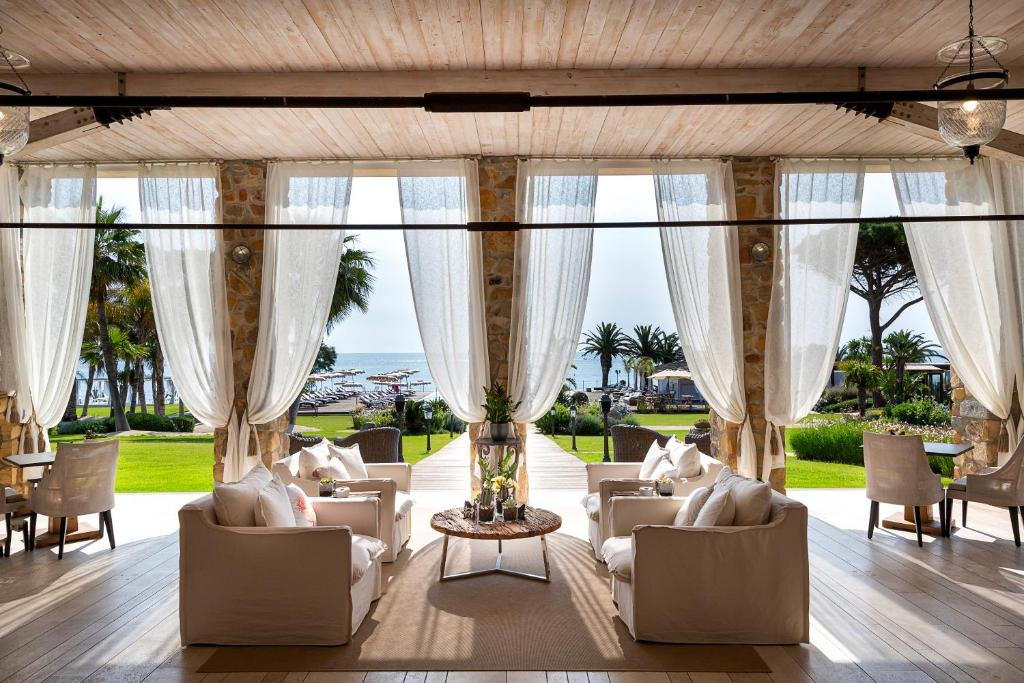
Bars in Villasimius
Browse all →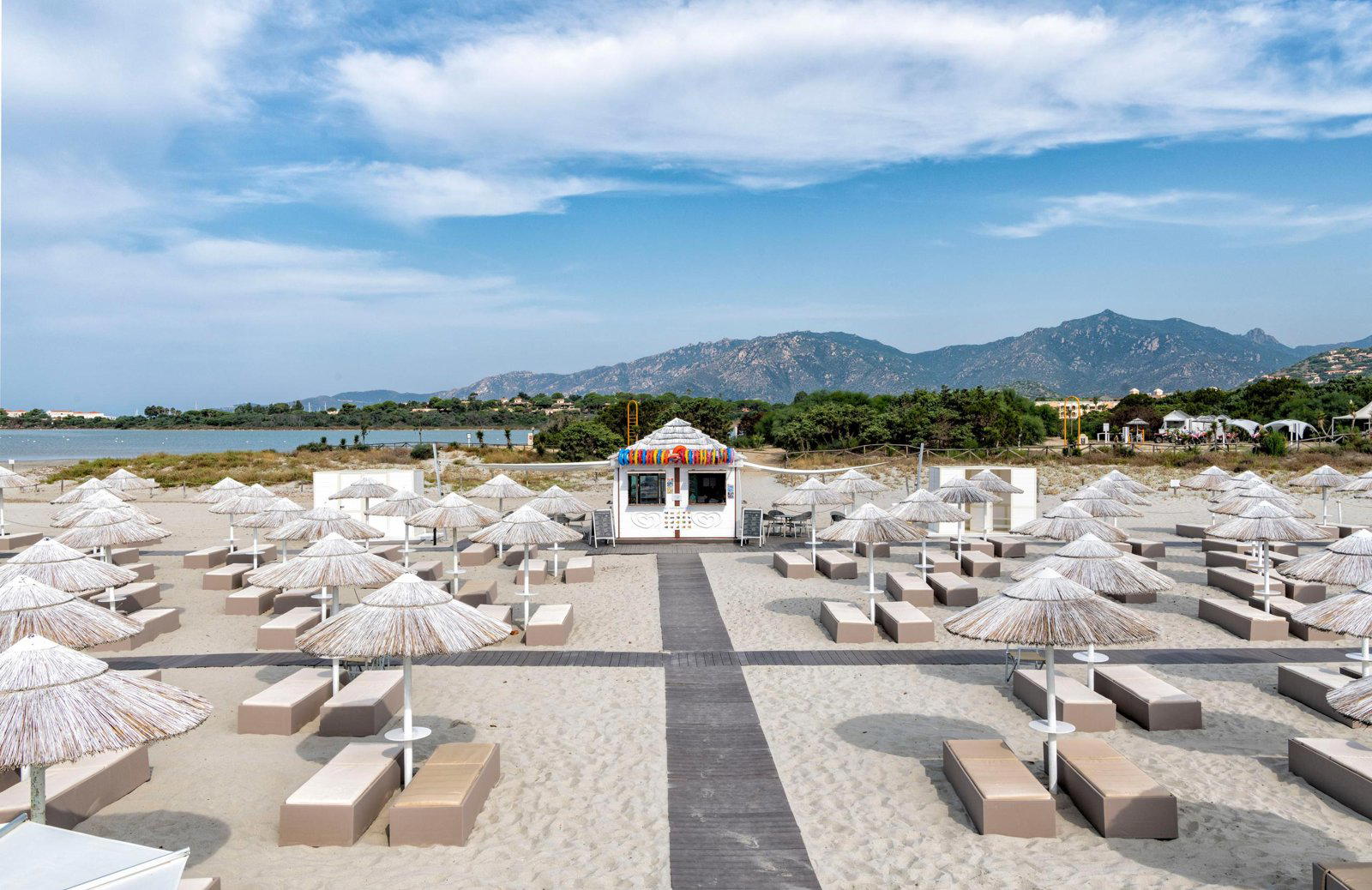
Restaurants in Villasimius
Browse all →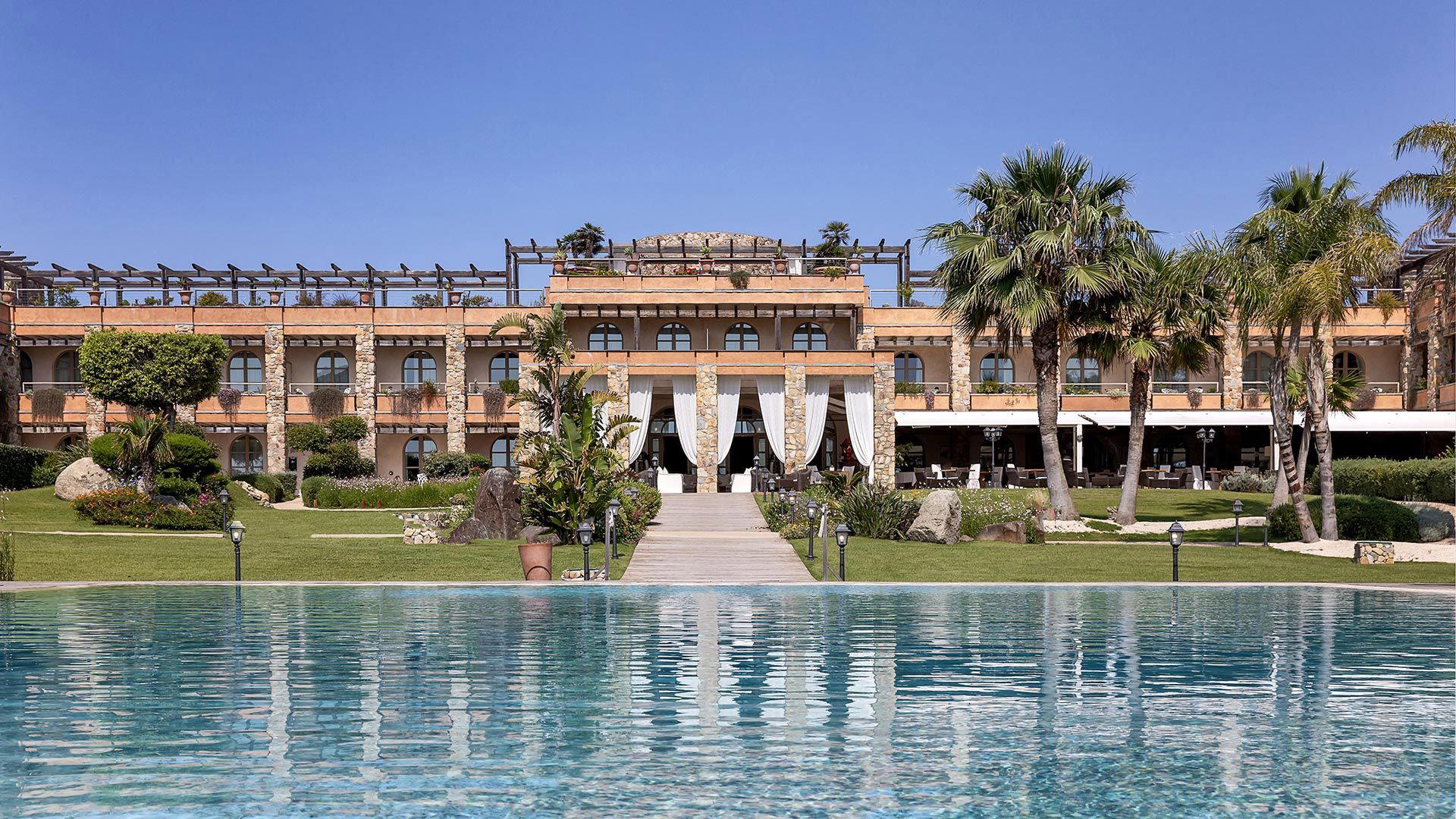


Details
- Scenic
- Elegant
- Romantic
- Honeymoon
- Romantic Getaway
- Family Vacation
- Wellness Retreat
- Beachfront
- Infinity Pool
- Wi Fi
- Pool
- Spa
- Fitness Center
- Room Service
- Concierge
- Kids Club
- Beach Access
- Waterfront
- Garden
- Wheelchair Accessible
- Elevator
- Step Free Entrance
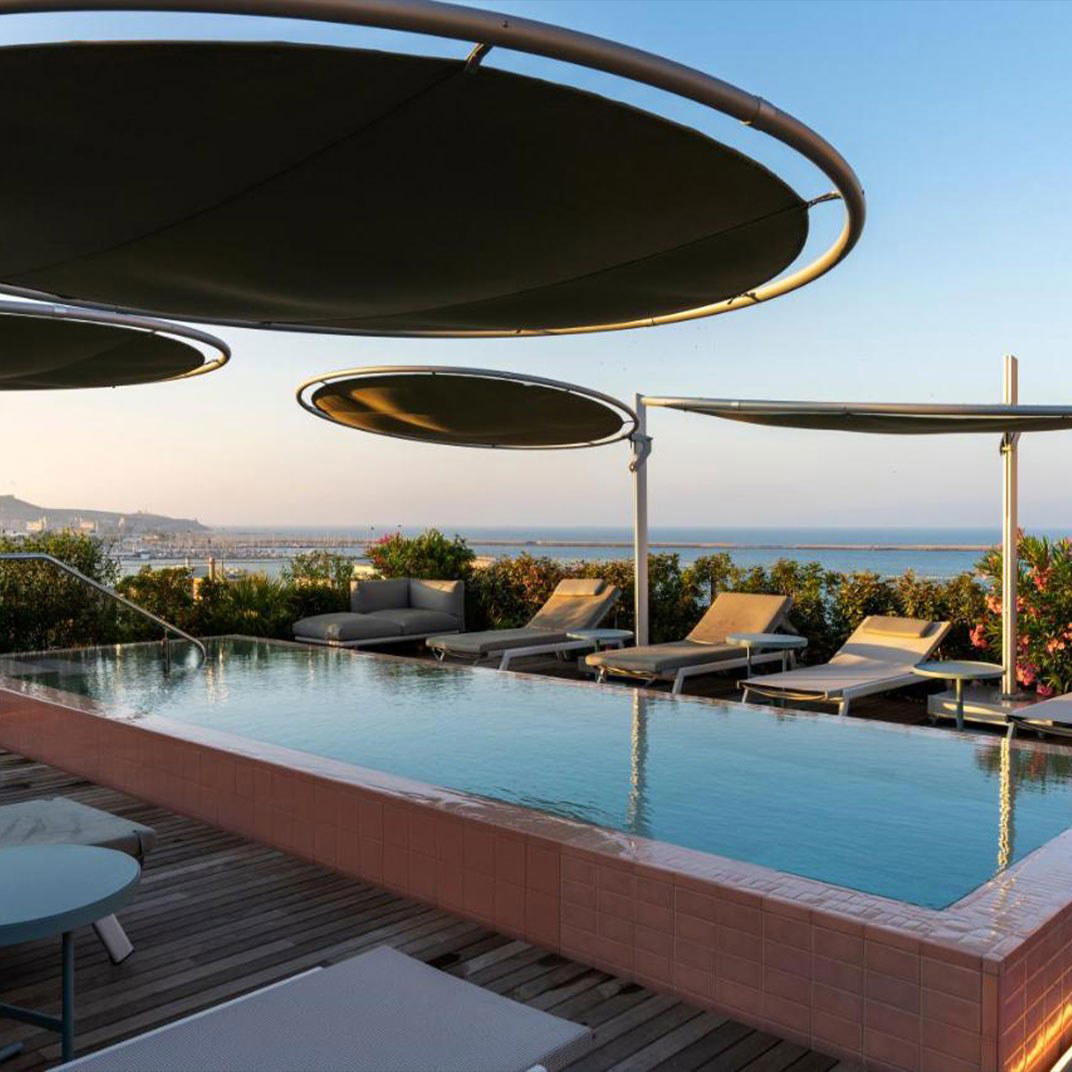
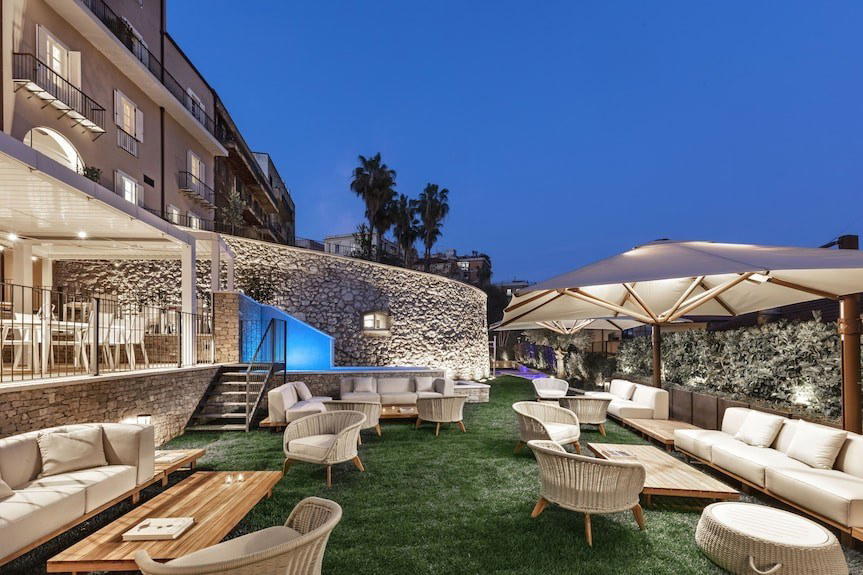
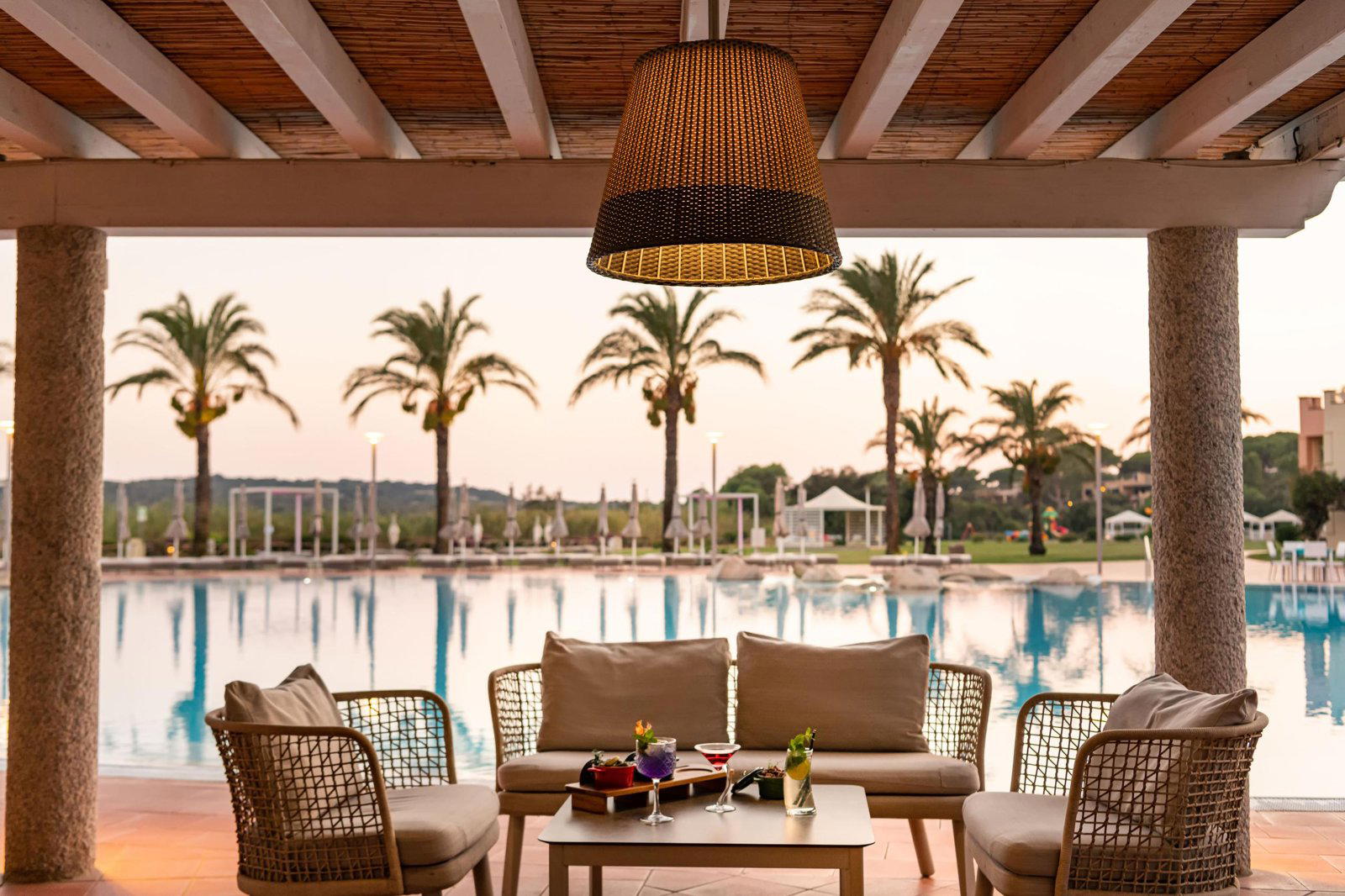
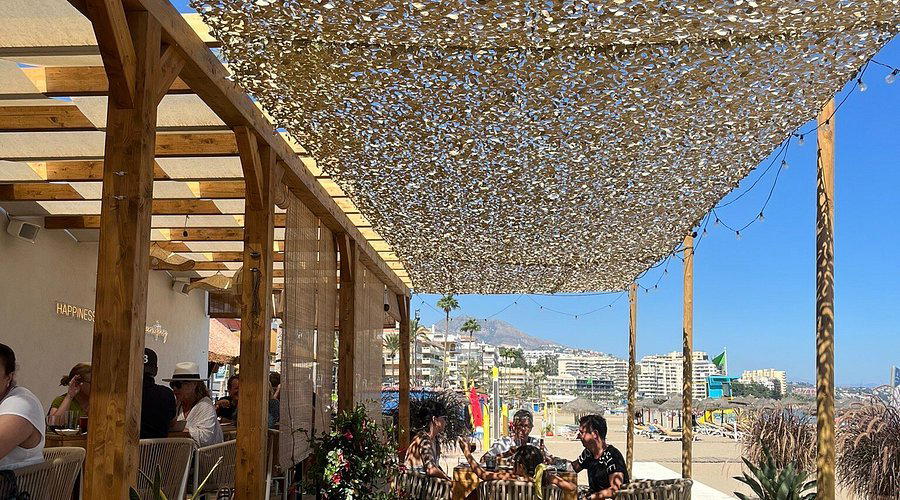
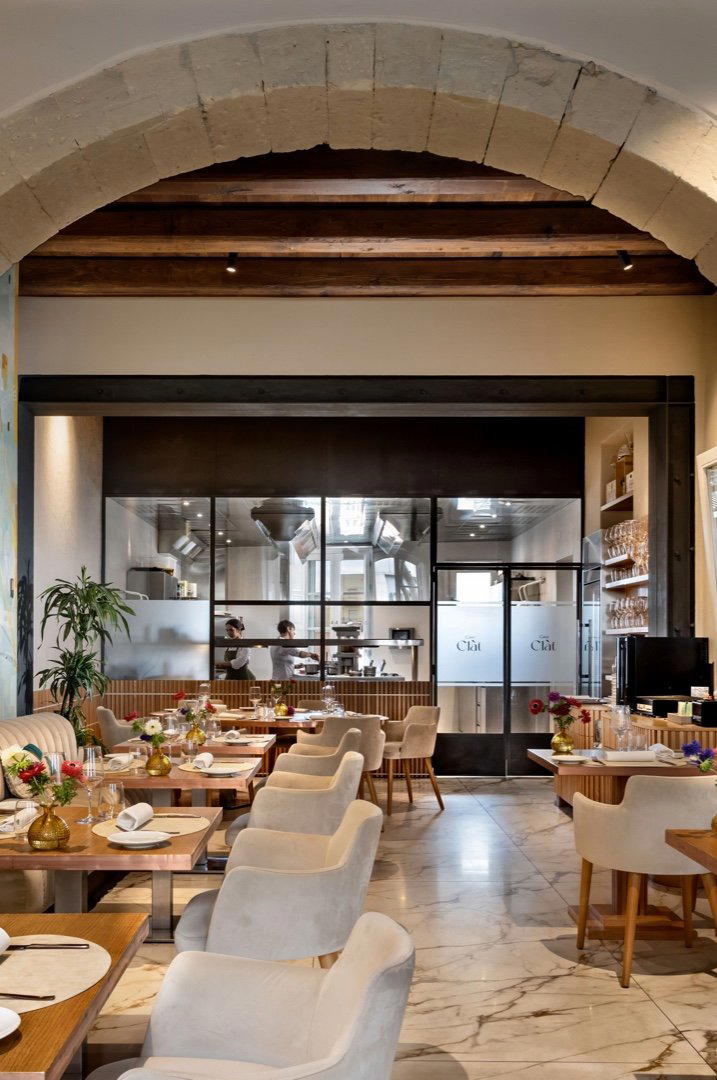
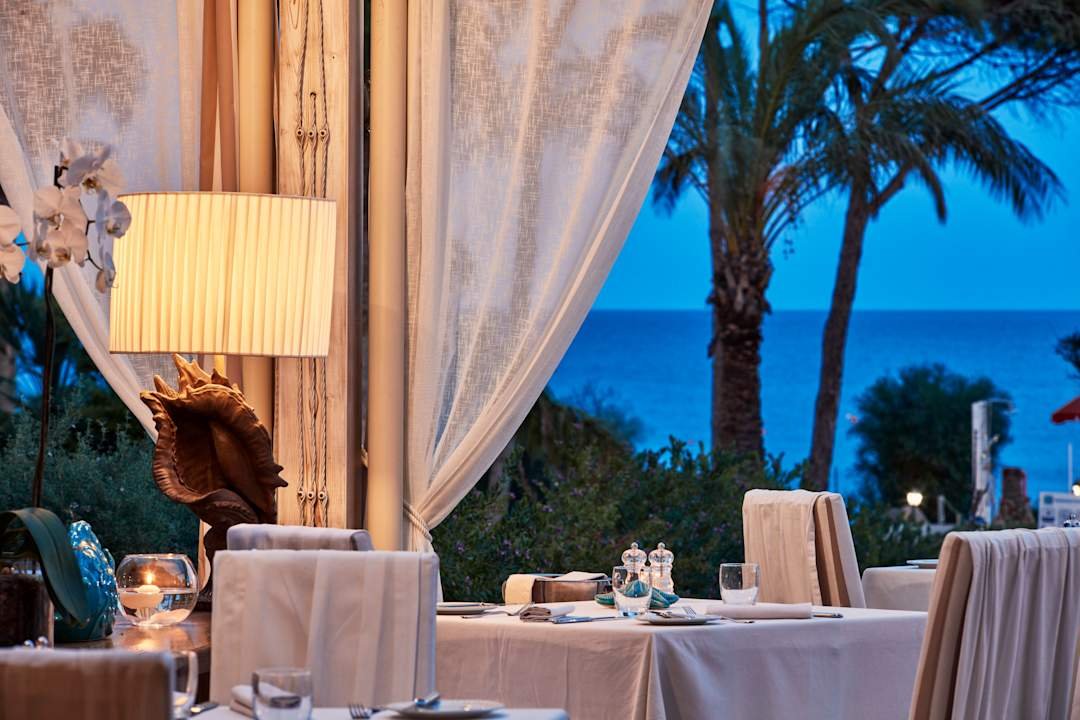
Relaxed seaside elegance with panoramic bay views, natural lighting from terraces, and lively yet sophisticated atmosphere enhanced by evening entertainment and poolside bars.