
Michelin Plate
Our verdict
A Michelin Plate-recognised address in Senorbì, Da Severino il Vecchio - Di Luciano has relocated to new premises that balance classical Sardinian Mediterranean cooking with a contemporary setting. Regional ingredients and traditional technique define the menu.

Pearl is the En Primeur Club membership app — saves, bookings, and concierge access live there. Same editors, same standards.
The menu
What to order
- Fregola con Arselle
- Spaghetti alle Vongole
- Porceddu
- Antipasto di Mare
Where Sardinian Tradition Meets a Renewed Room
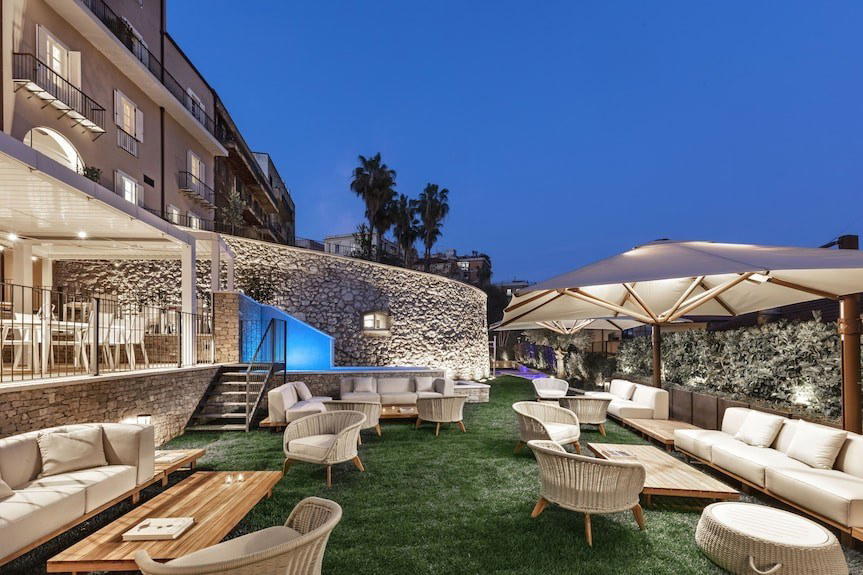
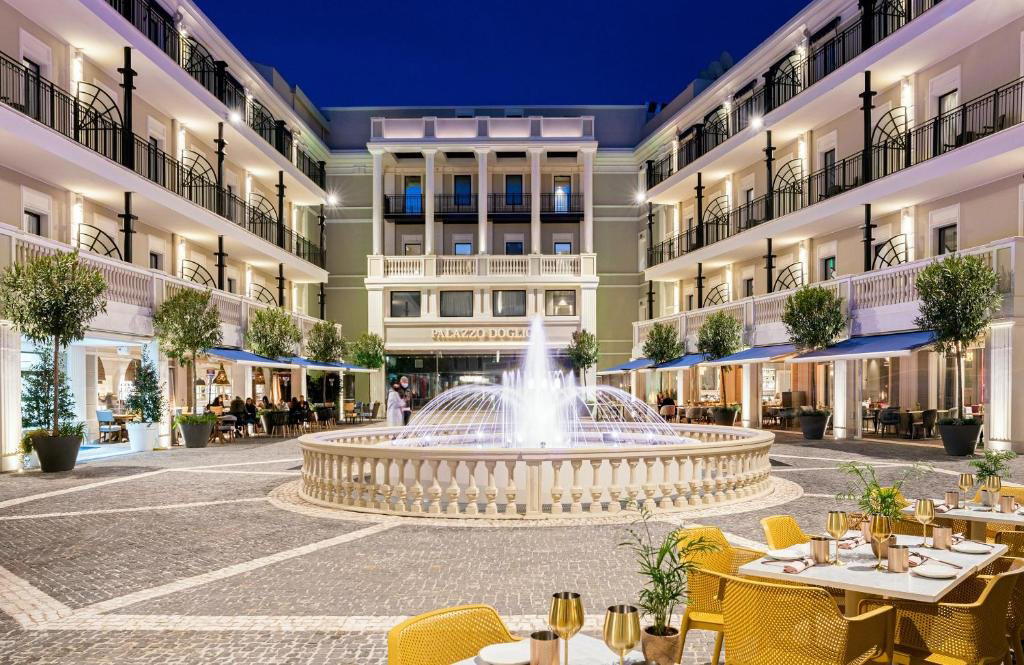
The towns of the Campidano plain, strung between Cagliari and the Sarcidano hills, rarely feature in Italian dining itineraries dominated by mainland names. That omission says more about geography than quality. Senorbì sits at the agricultural heart of southern Sardinia, a zone where olive cultivation, sheep grazing, and small-scale vegetable farming have shaped a kitchen tradition that predates the island's tourism economy by centuries. Da Severino il Vecchio - Di Luciano operates inside that tradition, now from new premises at the corner of Largo Abruzzi and Via Piemonte, a room described in its Michelin recognition as carrying a classic yet modern feel. The transition from older quarters to a refreshed space is a pattern seen across southern Italian provincial dining: the cooking stays rooted, the physical context gets updated to match the expectations of a newer generation of regional diners.
The Olive Oil Foundation of a Mediterranean Table
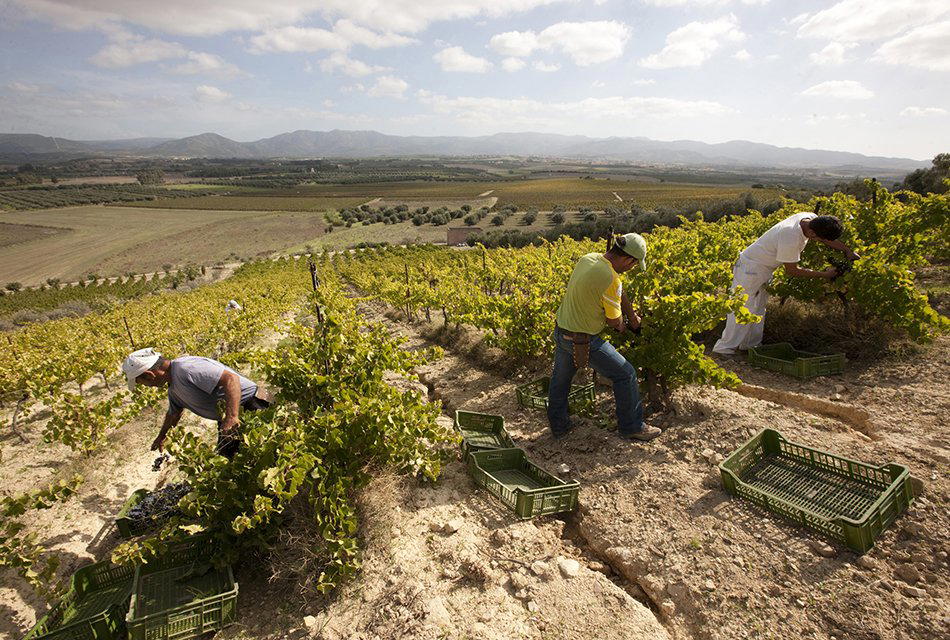
Any serious reading of Sardinian Mediterranean cuisine has to start with olive oil, and this part of the island gives that ingredient particular weight. The Campidano plain and the hillside terraces above Senorbì sit within reach of several Sardinian DOP olive zones, where varieties like Bosana and Semidana produce oils that lean towards a grassy, lightly bitter profile rather than the softer, buttery expressions more common in Tuscany or Liguria. That distinction is not decorative. In a kitchen working within traditional and regional Mediterranean parameters, the fat you use to dress legumes, to finish a braise, or to carry a sauce is a substantive flavour decision. The cuisine category here is Mediterranean with explicit regional influence, which in this context means a cooking vocabulary built on pulses, cured meats, local cheeses, and seafood drawn from the island's accessible coasts, all shaped by the particular quality of the oil that ties them together.
This is a different proposition from the progressive Italian cooking at addresses like Le Calandre in Rubano or Osteria Francescana in Modena, where the Italian pantry is a starting point for technical departure. It sits closer in spirit to the tradition-first approach of Dal Pescatore in Runate, where regional identity is treated as a ceiling to work within rather than a floor to push off from. The distinction matters when calibrating expectations: this is cooking that asks to be judged on how well it expresses a place, not on how far it travels from one.
Recognition in Context
The Michelin Plate, awarded in both 2024 and 2025, is a specific and often misread distinction. It does not carry the star ranking that defines addresses like Enoteca Pinchiorri in Florence or Enrico Bartolini in Milan, but it is not a consolation signal either. The Plate designates restaurants where Michelin inspectors found cooking that is simply good, with fresh ingredients prepared competently and with care. In a province where the guide's coverage is thin and many equally capable kitchens go unmentioned, carrying the Plate across two consecutive years indicates sustained standards rather than a single strong performance.
That consistency places it alongside other Mediterranean-focused addresses working at the quality-to-value end of the spectrum. For a comparative read on how Mediterranean cuisine operates at higher price and formality tiers, La Brezza in Ascona and Arnaud Donckele and Maxime Frédéric at Louis Vuitton in Saint-Tropez show where the same broad cuisine family extends under different resource conditions. Da Severino il Vecchio - Di Luciano operates at the opposite end of that price axis, at a single-euro price designation, which is among the most accessible brackets in Italian restaurant categorisation.
The Provincial Dining Scene Around Senorbì
Senorbì is not a dining destination in the way that coastal Sardinian towns or Cagliari draw visitors specifically for restaurants. It functions as a market town, which means the kitchen here draws from a local supply network rather than a tourism-driven one. That has implications for seasonal availability: the menu's regional character is tied to what the surrounding agricultural zone produces, and that supply changes across the year in ways that menus in larger cities, with access to national wholesale markets, are not as directly subject to. Visiting in autumn, when the olive harvest is underway and the agropastoral larder is at its fullest, aligns the experience with the kitchen's strongest period. Spring offers a different version of the same logic, as legumes and early vegetables come through.
For visitors building a broader Sardinian itinerary, Senorbì sits roughly in the centre-south of the island, accessible from Cagliari as a day trip or as part of a longer route through the interior. The address at Largo Abruzzi and Via Piemonte is in the town centre, which in a settlement of this scale means walking distance from the main square. The price point means the financial exposure of a speculative visit is low.
For a fuller picture of eating, drinking, and staying in the area, our full Senorbì restaurants guide covers the local scene in more detail, alongside our Senorbì hotels guide, our bars guide, our wineries guide, and our experiences guide. For Italian cooking at other points on the quality and price spectrum, the broader peninsula offers significant range: Uliassi in Senigallia, Piazza Duomo in Alba, Quattro Passi in Marina del Cantone, Reale in Castel di Sangro, Atelier Moessmer Norbert Niederkofler in Brunico, and Casa Perbellini 12 Apostoli in Verona each represent a distinct register.
Frequently asked questions
Is Da Severino il Vecchio - Di Luciano good for families?
The restaurant's roots in traditional Sardinian and regional Mediterranean cooking, the kind built around shared dishes and locally sourced ingredients, tend to suit family dining well. The new premises carry a classic yet contemporary feel, without the formality that can make Michelin-recognised venues feel unsuitable for mixed groups. Pricing sits at the budget-friendly end of the scale (€), which removes the pressure that often accompanies multi-course family meals.
How would you describe the vibe at Da Severino il Vecchio - Di Luciano?
The atmosphere reflects the tension of a historic address in a new room: familiar in spirit, freshened in presentation. Senorbì is a working Campidano town rather than a tourist stop, so the dining room draws locals as much as visitors passing between Cagliari and the Sarcidano hills. Two consecutive Michelin Plate awards (2024 and 2025) confirm a level of consistency, but the setting remains grounded rather than ceremonial.
What's Da Severino il Vecchio - Di Luciano known for in terms of accolades?
Da Severino il Vecchio - Di Luciano has received recognition including: This historic restaurant now has new premises with a classic yet modern feel. Mediterranean cuisine with a traditional and regional influence.; Michelin Plate (2025); Michelin Plate (2024).
What's the best thing to order at Da Severino il Vecchio - Di Luciano?
That framing points toward dishes built on the island's core pantry: olive oil, legumes, cured meats, and locally grown produce. The Michelin Plate recognition in both 2024 and 2025 signals that the execution across the menu holds a reliable standard rather than a single standout dish carrying the rest.
Comparison Snapshot
| Venue | Cuisine | Price | Awards | Notes |
|---|---|---|---|---|
| Da Severino il Vecchio - Di LucianoThis venue — the venue you are viewing | Traditional Sardinian Seafood | $30–50 | Michelin Plate | Not listed |
| Atelier Moessmer Norbert Niederkofler | Italian, Creative | Not listed | Michelin 3 Star | Not listed |
| Dal Pescatore | Italian, Italian Contemporary | Not listed | Michelin 3 Star | Not listed |
| Enoteca Pinchiorri | Contemporary Italian Fine Dining | $200–300 | 3 Michelin Stars · World's 50 Best #32 | Italian - French, Italian Contemporary |
| Enrico Bartolini | Creative | Not listed | Michelin 3 Star | Not listed |
| Osteria Francescana | Avant-Garde Italian Contemporary | $300–500 | 3 Michelin Stars · World's 50 Best #1 | Progressive Italian, Creative |
Recognition history
Dated appearances from independent guides and award organizations, with the underlying list record or original source where available.
Michelin Plate
Michelin
Full recognition history (3 entries)
Michelin Plate
Michelin
Michelin Plate
Michelin
Continue exploring
More in Senorbì
Restaurants in Senorbì
All restaurants in Senorbì →

Bars in Senorbì
Browse all →
Da Severino il Vecchio - Di Luciano
The wine
- Wine program
- Curated wine list
- Extensive wine list
Details
- Cozy
- Rustic
- Classic
- Family
- Group Dining
- Special Occasion
- Historic Building
- Extensive Wine List
- Local Sourcing
- A La Carte
- Wine
- Vegetarian Friendly
- Gluten Free Options
Current opening hours
- Monday
- Closed
- Tuesday
- 12:20–3 PM, 7:30–11 PM
- Wednesday
- 12:20–3 PM, 7:30–11 PM
- Thursday
- 12:20–3 PM, 7:30–11 PM
- Friday
- 12:20–3 PM, 7:30–11 PM
- Saturday
- 12:20–3 PM, 7:30–11 PM
- Sunday
- 12:20–3 PM
Hours can change for holidays and private events. Last verified .
Warm and inviting with a classic yet modern feel, featuring friendly service in a cozy atmosphere.