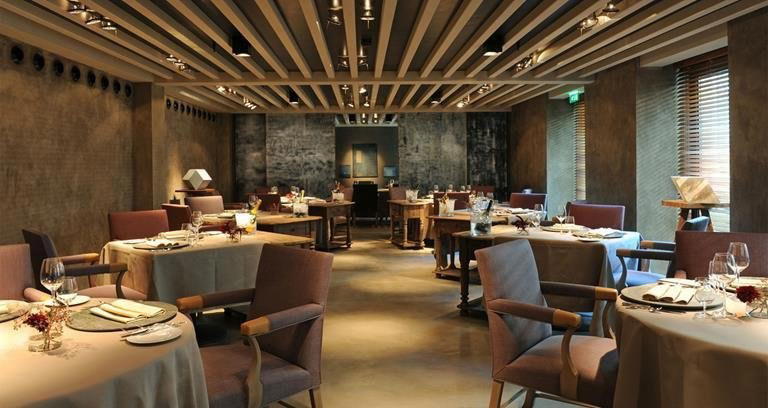
Set inside a converted power station on Munich's southern edge, Die Küche im Kraftwerk brings an industrial setting into conversation with contemporary cooking. The venue occupies a distinct niche in the city's dining scene, where repurposed architecture and a food programme rooted in seasonal sourcing signal a different set of priorities than the Michelin-chasing corridors of Maxvorstadt or Schwabing.
Pearl is the En Primeur Club membership app — saves, bookings, and concierge access live there. Same editors, same standards.
- Address
- Die Küche im Kraftwerk, Drygalski-Allee 25, 81477 München, Germany
- Phone
- +498945212899
- Website
- diekuecheimkraftwerk.de
- Directions
- Get directions
 Saves & bookings on Pearl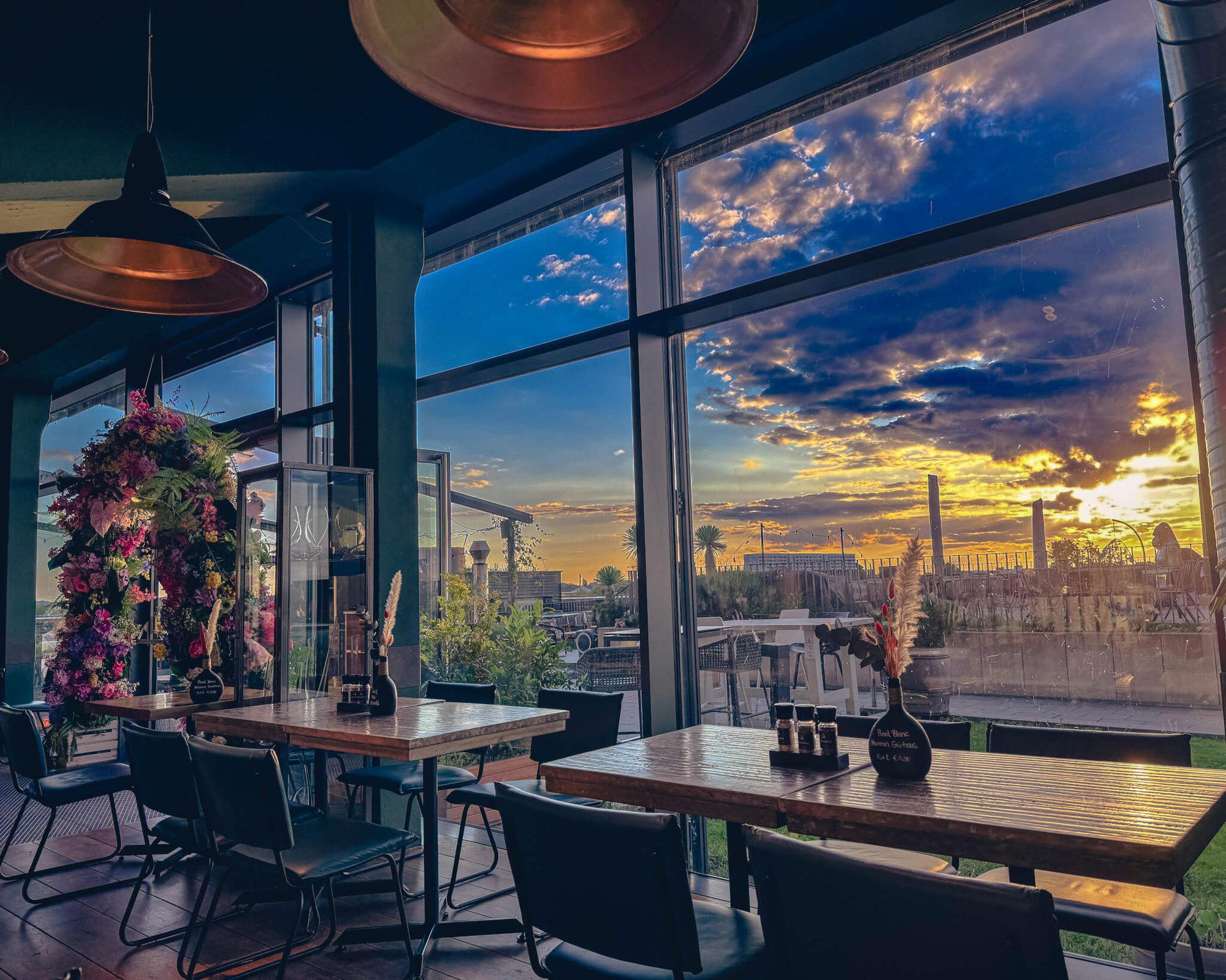
Power, Place, and a Different Kind of Munich Dining
Munich's fine dining conversation tends to cluster in two or three familiar postcodes. The Michelin-starred kitchens at Tantris, Atelier, and Alois - Dallmayr Fine Dining operate within a relatively compact radius of the city centre, trading in classical technique and formal service. The further south you travel along the S-Bahn lines, the more the city's culinary geography opens up to a different kind of ambition. Die Küche im Kraftwerk sits at Drygalski-Allee 25 in the 81477 postal district, a part of Munich more associated with residential neighbourhoods than restaurant pilgrimage.
The building itself sets the terms before you eat a single thing. A former power station carries a specific kind of architectural authority: high ceilings, industrial materials, a sense that the space has been used for something serious before food arrived. In German cities from Berlin to Hamburg, the conversion of industrial buildings into dining and cultural spaces has been one of the more durable trends of the past two decades. Munich, slower to embrace post-industrial aesthetics than its northern counterparts, has fewer examples of the format. That relative scarcity gives the Kraftwerk setting a weight it might not carry elsewhere.
The Ethics Built Into the Menu
Across Germany's serious restaurant tier, from Schwarzwaldstube in Baiersbronn to ES:SENZ in Grassau, the sourcing conversation has shifted from optional footnote to central editorial. Restaurants that once listed provenance as a marketing point now build their menus structurally around what is available, regionally, and when. Die Küche im Kraftwerk belongs to this broader current, where the kitchen's relationship to seasonal and ethically sourced ingredients is not decorative but operational.
Bavaria's agricultural calendar is specific and demanding. The region's market gardens, dairy farms, and forests produce ingredients that change meaningfully across quarters. A kitchen genuinely organised around that calendar looks different in March than it does in September, and the gap between those two moments is where the cooking's real argument is made. Venues that commit to this approach accept a creative constraint that more menu-stable restaurants avoid. The tradeoff is a programme that has to be remade repeatedly, which demands a different kind of discipline from a kitchen team.
Within Germany's sustainability-oriented dining tier, Die Küche im Kraftwerk shares positioning with venues like CODA Dessert Dining in Berlin, which has built recognition around a format defined by waste reduction and ingredient maximisation. The approaches differ, but the underlying commitment to resource-conscious cooking connects them. Where CODA operates through a dessert-forward lens that attracted international attention, the Kraftwerk model works from a more broadly seasonal German kitchen tradition.
Where It Sits in Munich's Current Moment
Munich's restaurant scene in the mid-2020s is more internationally curious than it was a decade ago. Tohru in der Schreiberei has made a case for German-Japanese cooking as a serious fine dining language. JAN has built a creative programme with consistent recognition. The city's upper tier now contains genuine variety, not just French-influenced formalism. The restaurant occupies a different register within that variety: less concerned with technique as spectacle, more invested in the sourcing and setting as the story.
That positioning places it in a growing cohort of European restaurants where the environmental logic of the kitchen is at least as important as the technique deployed within it. Across Germany's broader fine dining geography, venues from Schanz in Piesport to Waldhotel Sonnora in Dreis demonstrate how a regional-ingredients commitment can coexist with serious cooking ambition. The Kraftwerk format suggests Munich is developing its own version of that conversation, away from the city's traditional fine dining corridors.
Internationally, the shift toward sustainability-structured kitchens has transformed what constitutes serious dining. From Le Bernardin in New York City, which has made seafood sourcing a core part of its identity, to Lazy Bear in San Francisco, which built its format around communal eating and ingredient provenance, the common thread is a kitchen that operates from a set of values, not just a set of techniques. The restaurant, from its southern Munich address, participates in that same broader argument.
The Industrial Setting as Editorial Statement
The Kraftwerk building at Drygalski-Allee does what converted industrial spaces do at their most effective: it makes the experience of eating feel contingent on a place with a history, not a room designed from scratch for the purpose. The tension between rough material and refined food has been a productive one in European dining, from warehouse restaurants in east London to converted factories in Copenhagen. In Munich, where the dominant design language in restaurants tends toward warmth and domesticity, the Kraftwerk aesthetic reads as a deliberate departure.
That departure carries an implicit sustainability argument: reuse, rather than rebuild. A venue that occupies an existing structure, uses its original bones, and adapts rather than demolishes is already operating within a resource-conscious framework before the kitchen has sourced a single ingredient. The parallel between architectural reuse and culinary waste reduction is not accidental in venues that think carefully about their environmental footprint. Other German examples, including Restaurant Haerlin in Hamburg and Vendôme in Bergisch Gladbach, operate in heritage buildings, though with a different relationship to the structure's legacy.
Know Before You Go
- Address: Drygalski-Allee 25, 81477 München, Germany
- Price range: About $25 per person
- Booking: Reservations are recommended
- Getting there: The Drygalski-Allee address sits in Munich's southern 81477 district.
Same-City Peers
Comparable venues nearby, for context on price, style, and recognition.
| Venue | Cuisine | Price | Notes |
|---|---|---|---|
| Die Küche im KraftwerkThis venue — the venue you are viewing | Modern Alpine German | $$ | Not listed |
| Das Vierundsiebzig | German Café & Bakery | $$ | Kleinhadern |
| Giesinger Bräustüberl | Bavarian Brewery | $$ | Au |
| Hofbräukeller | Traditional Bavarian Beer Garden | $$ | Haidhausen |
| Bamberger Haus | Imperial Austrian-German Court Cuisine | $$ | Milbertshofen |
| Wildmosers Restaurant-Cafe am Marienplatz - München | Traditional Bavarian | $$ | Altstadt |
At a Glance
- Industrial
- Modern
- Cozy
- Brunch
- Group Dining
- Casual Hangout
- Open Kitchen
- Rooftop
- Historic Building
- Extensive Wine List
- Local Sourcing
- Mountain
Current opening hours
- Monday
- 11 AM–10 PM
- Tuesday
- 11 AM–10 PM
- Wednesday
- 11 AM–10 PM
- Thursday
- 11 AM–10 PM
- Friday
- 11 AM–10 PM
- Saturday
- 10 AM–10 PM
- Sunday
- 9 AM–5 PM
Hours can change for holidays and private events. Last verified .
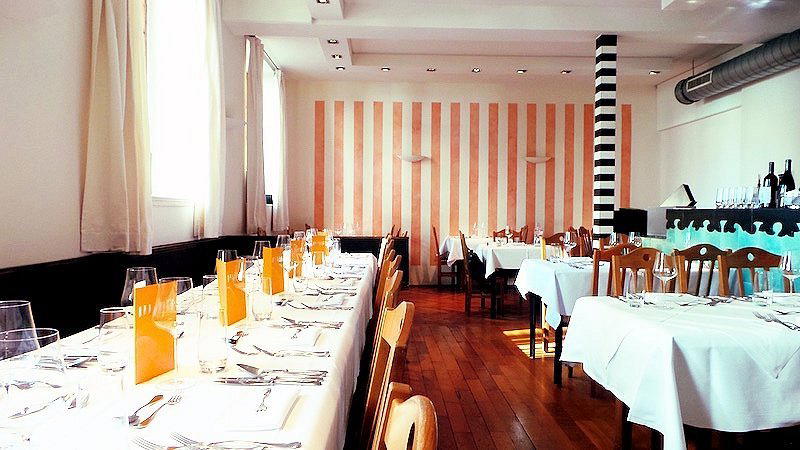
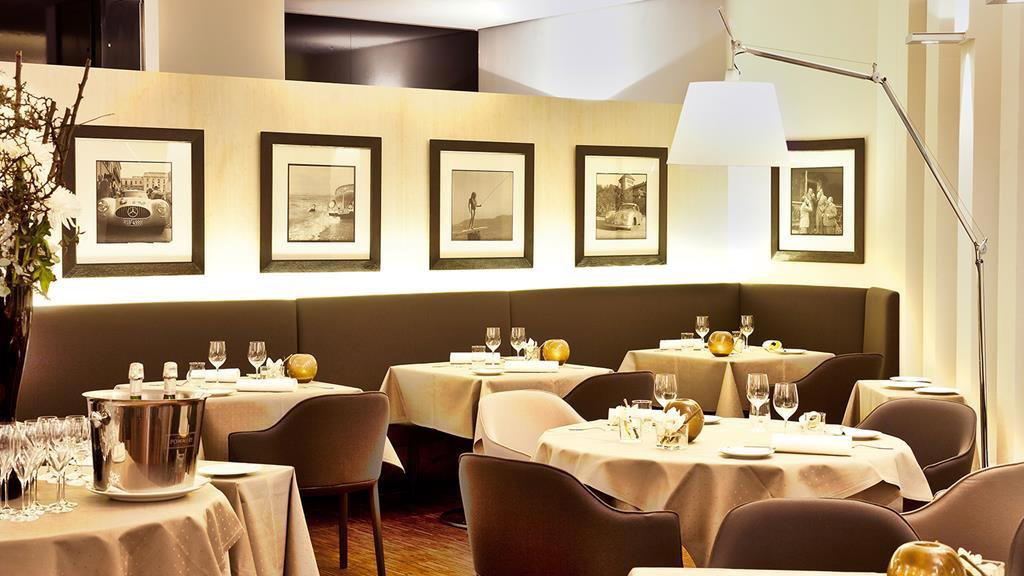
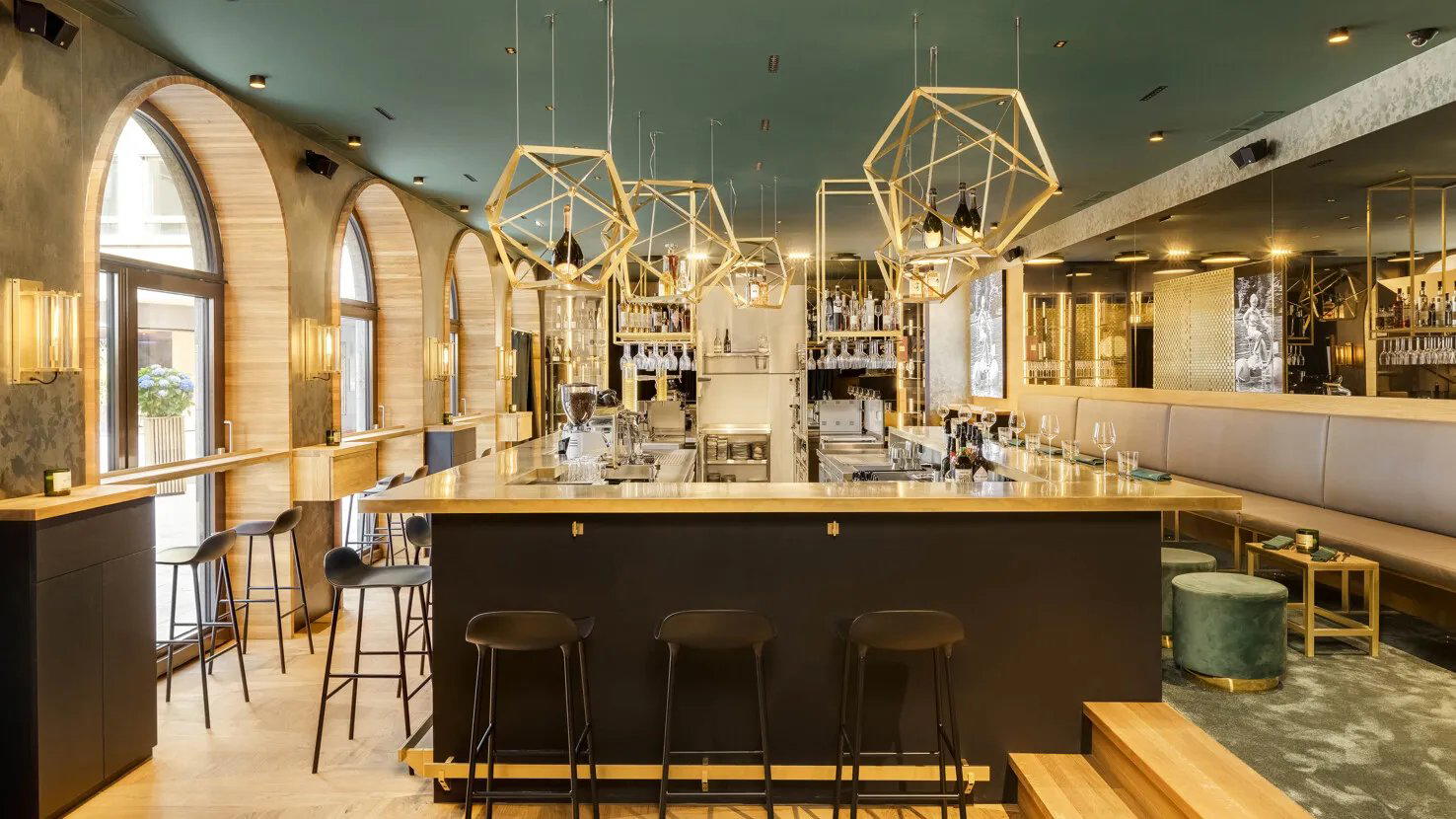
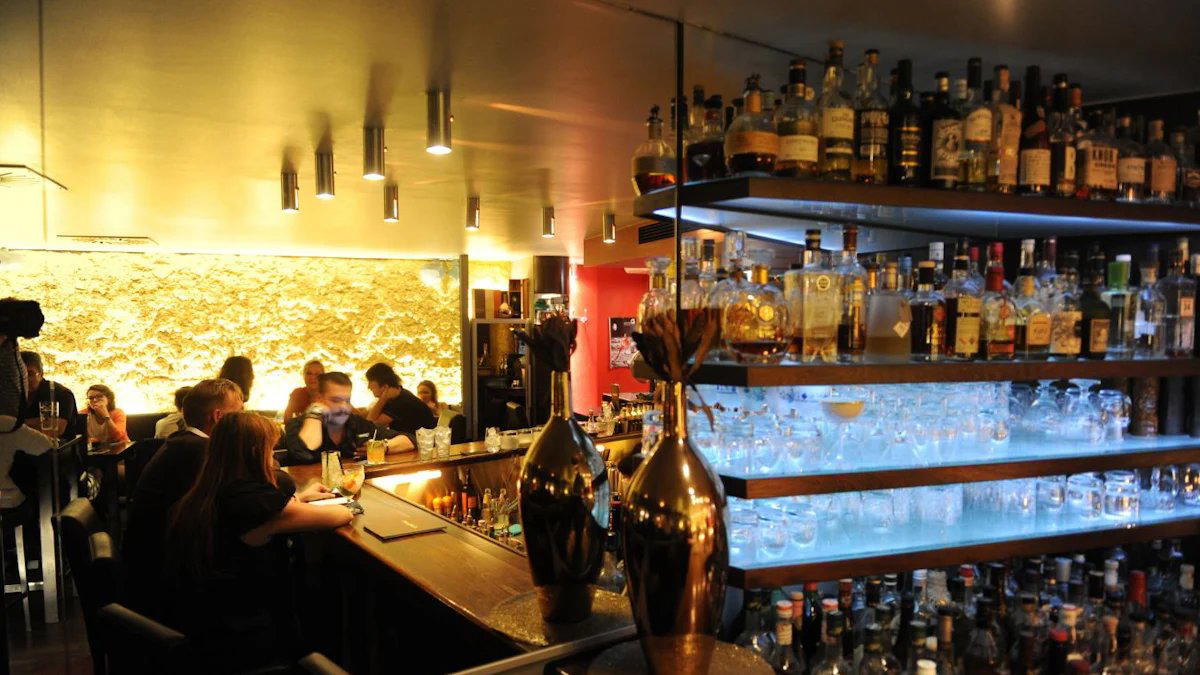
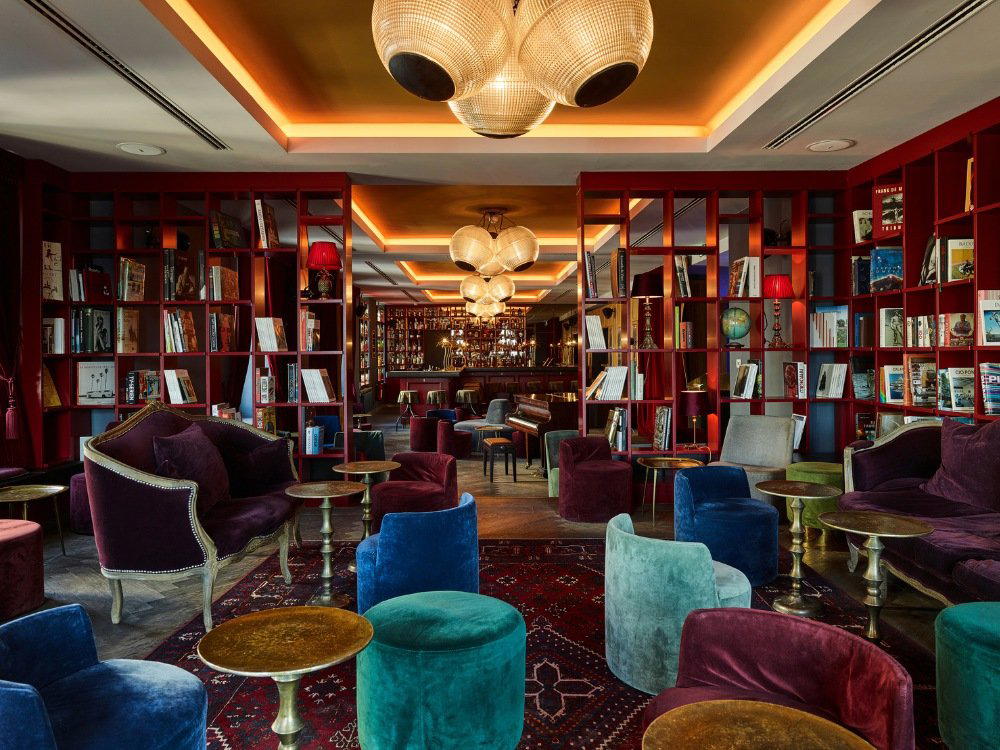
Industrial loft atmosphere with energetic vibe, open kitchen, and rooftop terrace.