
Wirtshaus in der Au has anchored Munich's Au-Haidhausen neighbourhood as a reference point for traditional Bavarian cooking, drawing locals and visitors alike to its period interior on Lilienstraße. The kitchen holds to the region's brewing and feasting traditions, while the cellar takes those roots seriously enough to reward attention. Book ahead; this address fills consistently.
Pearl is the En Primeur Club membership app — saves, bookings, and concierge access live there. Same editors, same standards.
- Address
- Lilienstraße 51, 81669 München, Germany
- Phone
- +49 89 4481400
- Website
- wirtshausinderau.de
- Directions
- Get directions
 Saves & bookings on Pearl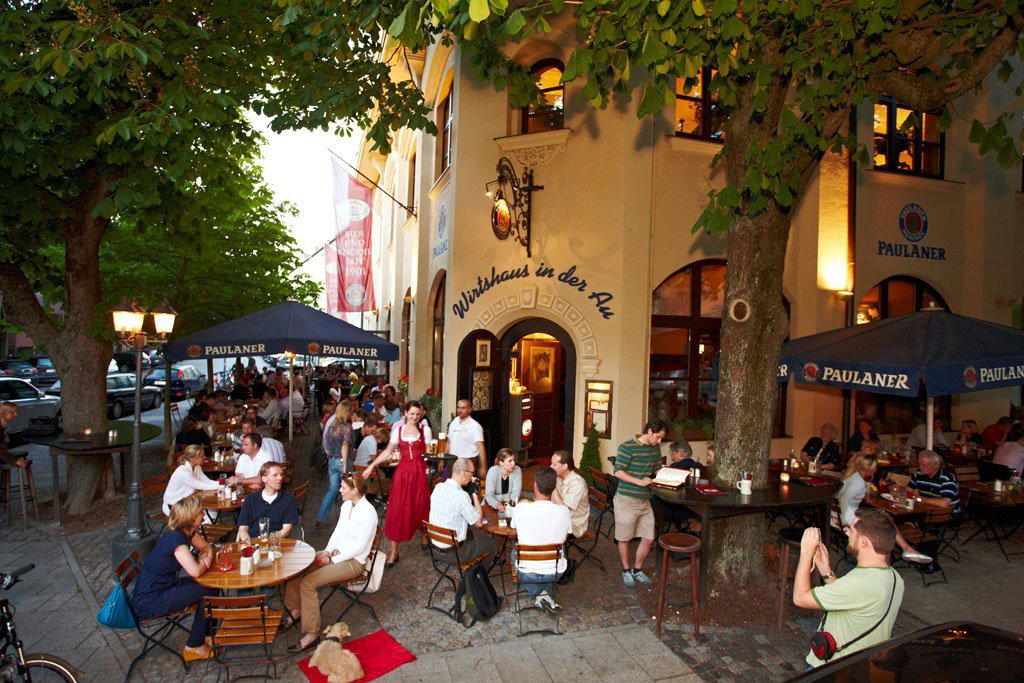
Au-Haidhausen and the Case for Staying on the East Bank
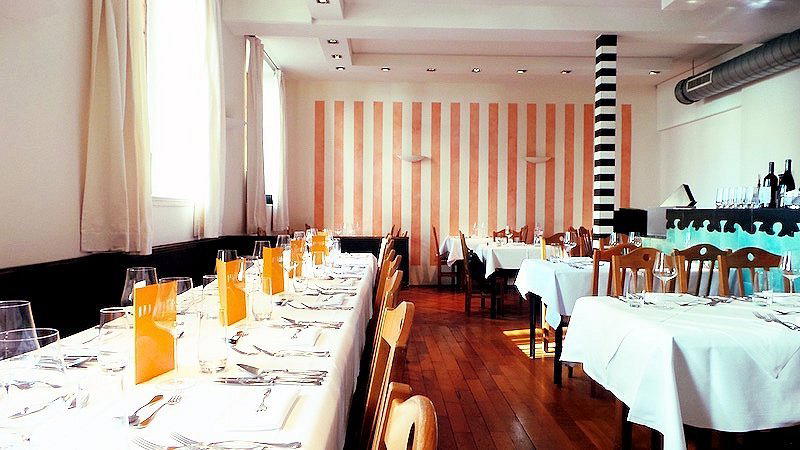
Munich's dining conversation tends to orbit Maxvorstadt and the city centre, where Tantris, Atelier, and Alois - Dallmayr Fine Dining compete for the same Michelin-tracking, expense-account audience. Cross the Isar, though, and the city's older hospitality character reasserts itself. The Au-Haidhausen district, built out in the nineteenth century as a working-class counterweight to the grander boulevards to the west, retains a denser, more workaday grain, and Wirtshaus in der Au, a casual Bavarian restaurant at Lilienstraße 51 in Munich, sits squarely within that tradition. The building itself signals its allegiances before you read a menu: exposed timber, high ceilings, the warm drag of a room that has been serving beer and food for a long time. This is not a restaurant that performs Bavarian identity for tourists. It is a room that has always been Bavarian, which is a different thing entirely.
What the Kitchen Is Actually Doing
Traditional Bavarian cooking is frequently misread as simple, and in the sense that its reference points are few and consistent, that is fair. But simplicity at this level of execution requires a different kind of discipline than the technically elaborate menus at Tohru in der Schreiberei or JAN. The ingredients have nowhere to hide. Dumplings, Knödel in their various forms, are a kitchen's clearest diagnostic. When the bread dumpling is too dense, the kitchen has overworked its mixture; when it falls apart, underdone. Wirtshaus in der Au is specifically associated with Knödel as a house specialism, which functions both as a draw for regulars and as a public commitment to getting the fundamentals right. Alongside the expected roast meats and seasonal preparations, the menu reads as a document of Bavarian culinary priorities: pork, flour, cabbage, mustard, and the fermenting traditions that connect the kitchen to the brewery culture that made this neighbourhood.
The connection between Bavarian food and Bavarian beer is not incidental, it is structural. Munich's beer hall tradition developed as a food-service model, and the flavour logic of the cuisine (fatty, filling, acidic counterpoints) was calibrated to work alongside lager and wheat beer. A Wirtshaus that understands this relationship will carry its beer list with the same seriousness it brings to the plate, selecting producers whose carbonation and bitterness profiles do actual work in the meal rather than simply fulfilling a category obligation.
The Cellar and What It Implies
The editorial angle that matters most at a traditional Bavarian Wirtshaus is not whether the wine list competes with those at the city's fine-dining rooms, it does not, and should not be expected to. The question is whether the drinks program has been curated with the same care as the kitchen. In the broader German restaurant context, particularly thoughtful operations at this level have moved toward Franconian whites (Silvaner and Müller-Thurgau from the Main valley), Austrian Grüner Veltliner, and a selective edit of German Pinot Noir to sit alongside the core beer selection. These choices reflect a regional coherence: the same geographic and cultural zone that produced the food produced the wines, and the acidity structures of these varieties handle pork fat and braised cabbage better than, say, a warm-climate Chardonnay. For comparison, the wine programs at Germany's most awarded destination restaurants, Schwarzwaldstube in Baiersbronn, Aqua in Wolfsburg, Vendôme in Bergisch Gladbach, operate in a different register entirely, with deep international cellars and dedicated sommelier teams. Wirtshaus in der Au is not in that conversation, nor should it be. What matters here is whether the selection demonstrates local knowledge and an understanding of what the food needs. That is a smaller ask and a different discipline.
Germany's broader fine-dining wine tradition runs from the focused regional programs at places like Waldhotel Sonnora in Dreis and Schanz in Piesport to the more eclectic lists at Restaurant Haerlin in Hamburg and Bagatelle in Trier. At the Wirtshaus level, the cellar's job is narrower: make the beer selection count, find five to eight wine references that genuinely complement the food, and resist the temptation to overshoot into territory the kitchen does not support. International reference points like Le Bernardin in New York City or Lazy Bear in San Francisco illustrate what happens when a drinks program is calibrated precisely to a kitchen's ambitions, the same logic applies here, scaled differently.
Placing It in Munich's Dining Spread
Munich's restaurant market has bifurcated sharply over the past decade. At one end sit the Michelin-starred rooms, JAN, Tantris, and others, targeting international clientele willing to pay €€€€ for tasting menus that could plausibly be served in Paris or Tokyo. Innovative formats like CODA Dessert Dining in Berlin or ES:SENZ in Grassau point toward where the ambitious end of German dining is moving. At the other end, and doing something quite different, are the Wirtshäuser, the inn-restaurants, that operate as neighbourhood institutions, pricing accessibly and measuring success in decades rather than Michelin cycles. The restaurant belongs to this second category, but within it, it occupies a position above the average. Its Knödel specialisation gives it a cleaner editorial identity than the generic Bavarian restaurants that line tourist corridors near Marienplatz. Locals treat it as a reliable address rather than a fallback; that distinction is harder to earn than any award.
The Au addresses a gap that the fine-dining rooms cannot. A meal here takes roughly two hours, prices at a fraction of the tasting-menu tier, and delivers a register of Bavarian cooking that the hotel restaurants and international chains do not attempt. The neighbourhood itself warrants the short walk or S-Bahn hop from the centre: the Müller'sche Volksbad bathhouse is two minutes away, and the Isar riverbank is within easy reach for a post-dinner walk.
Planning a Visit
The restaurant sits at Lilienstraße 51 in the Au-Haidhausen district, reachable by tram or a fifteen-minute walk east from Isartor. The room suits a longer, unhurried meal rather than a quick stop, and the format rewards arriving with appetite for more than one course.
Quick Comparison
Comparable venues nearby, for context on price, style, and recognition.
| Venue | Cuisine | Price | Notes |
|---|---|---|---|
| Wirtshaus in der AuThis venue — the venue you are viewing | Traditional Bavarian with Innovative Dumplings | $$ | Not listed |
| Wirtshaus Rechthaler Hof | Traditional Bavarian | $$ | Theresienwiese |
| Gaststätte Großmarkthalle | Traditional Bavarian Gaststätte | $$ | Ludwigsvorstadt |
| Zum Sollner Hirschen | Classic Bavarian | $$ | Solln |
| Dahoam Restaurant | Traditional Bavarian | $$ | Theresienwiese |
| Leib und Seele | Traditional Bavarian | $$ | Lehel |
Recognition history
Dated appearances from independent guides and award organizations, with the underlying list record or original source where available.
Opinionated About Dining Newly Added European Restaurants
Opinionated About Dining
Opinionated About Dining Cheap Eats in Europe Highly Recommended
Opinionated About Dining
At a Glance
- Rustic
- Cozy
- Classic
- Family
- Group Dining
- Casual Hangout
- Historic Building
- Beer Program
- Organic
Current opening hours
- Monday
- 5–11 PM
- Tuesday
- 5–11 PM
- Wednesday
- 5–11 PM
- Thursday
- 5–11 PM
- Friday
- 5–11 PM
- Saturday
- 10 AM–11 PM
- Sunday
- 10 AM–11 PM
Hours can change for holidays and private events. Last verified .
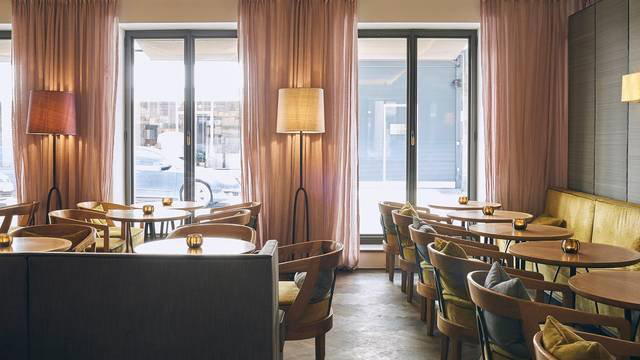
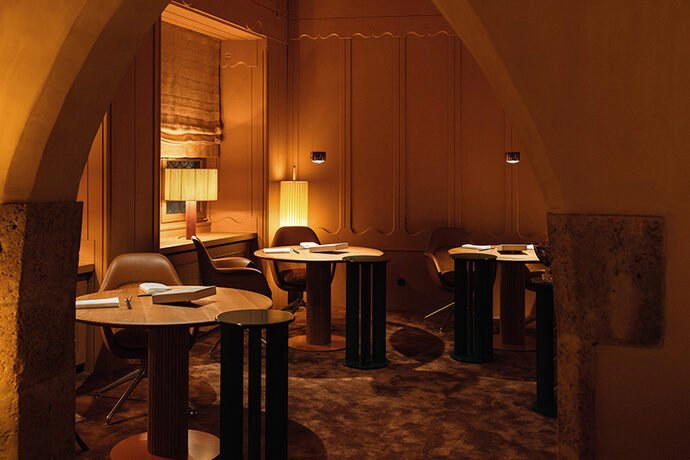
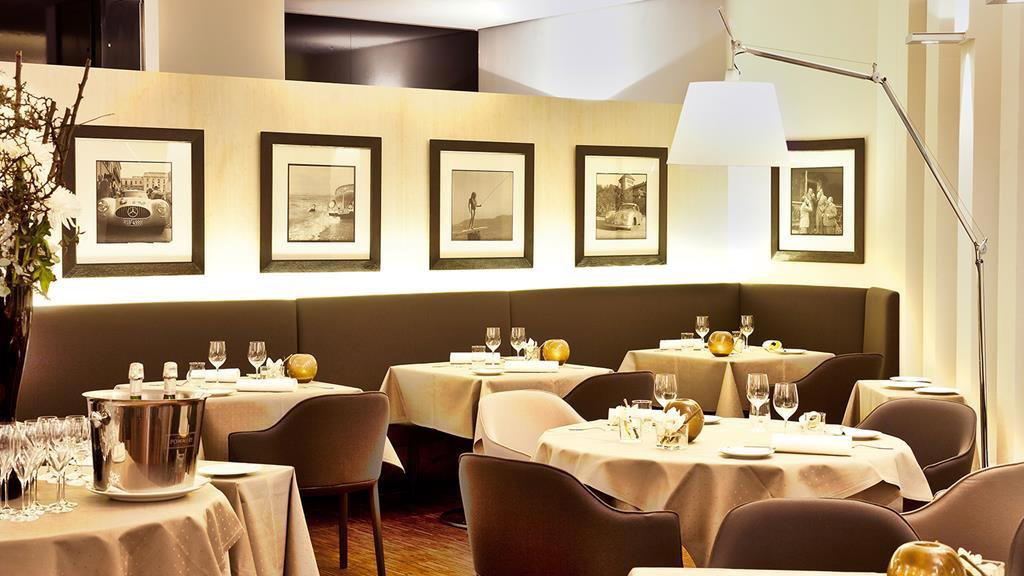
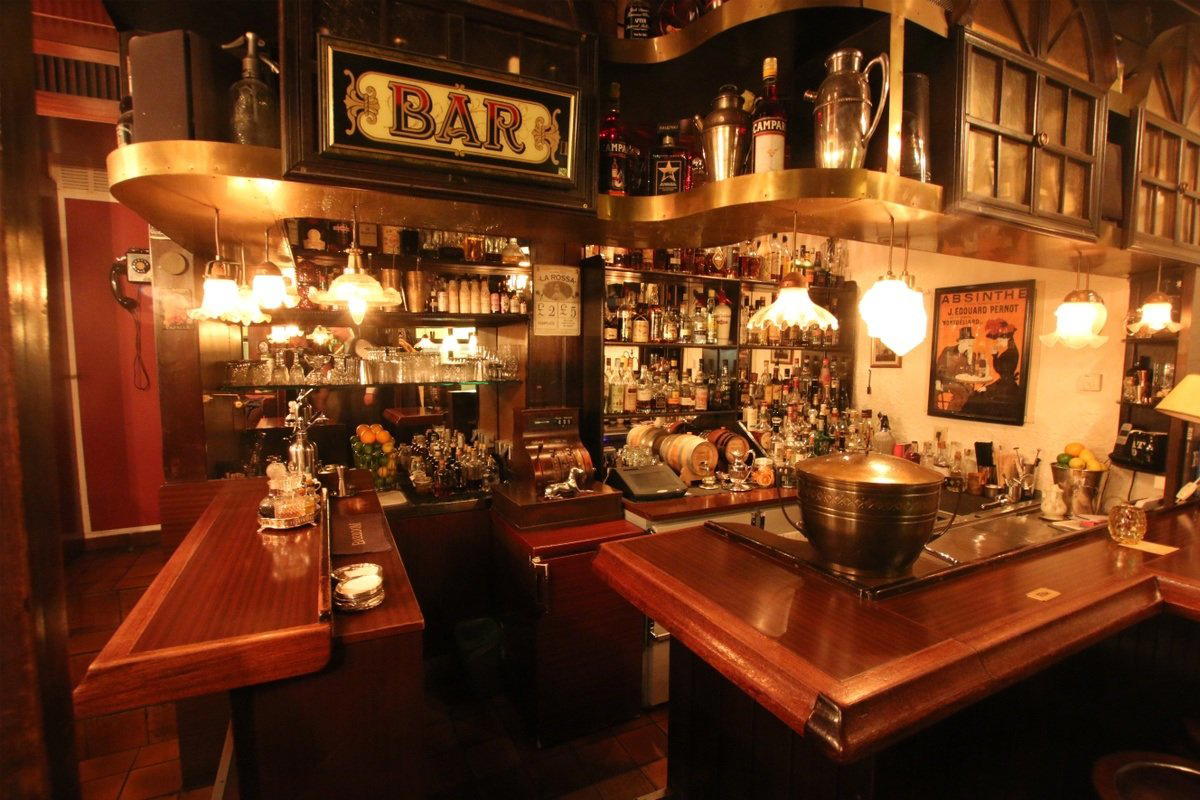
Warm, welcoming Bavarian atmosphere with historic decor, wooden seats, painted ceilings, stein collection, and servers in traditional tracht, blending cozy tradition with modern touches.