A traditional Bavarian Wirtshaus in Munich's Haidhausen district, Wirtshaus Hohenwart occupies the quieter, more residential end of the city's dining spectrum. Where Munich's starred kitchens pursue technical ambition, Hohenwart holds to the conventions of the regional inn: hearty cooking, a cellar oriented toward German and Austrian producers, and the kind of unhurried pace that the city's Michelin circuit rarely allows.
Pearl is the En Primeur Club membership app — saves, bookings, and concierge access live there. Same editors, same standards.
- Address
- Gietlstraße 15, 81541 München, Germany
- Phone
- +498969397575
- Website
- speisekartenweb.de
- Directions
- Get directions
 Saves & bookings on Pearl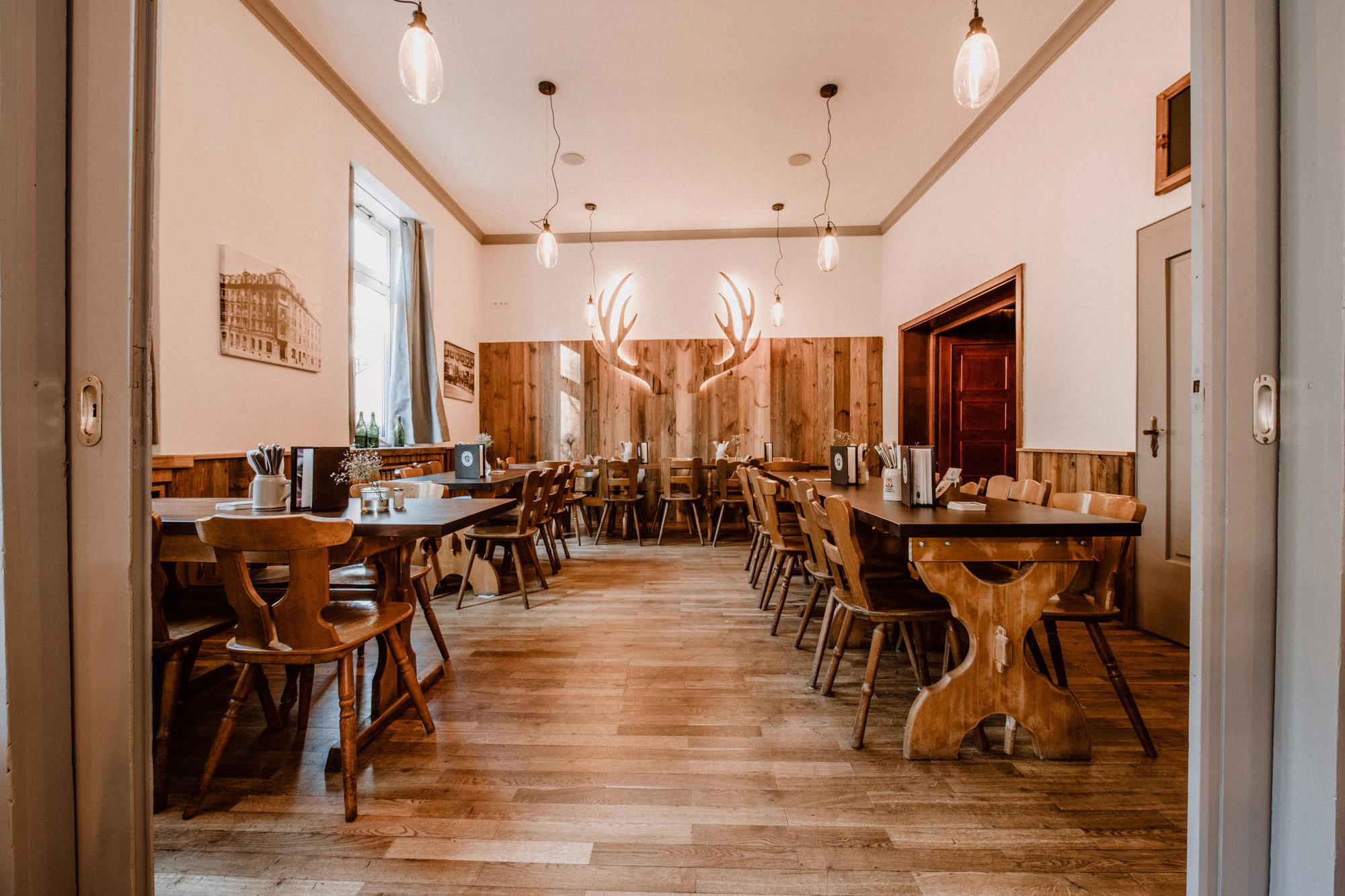
The Wirtshaus Tradition in a City That Has Largely Moved On
Wirtshaus Hohenwart is a traditional Bavarian restaurant in Munich's Haidhausen district, priced around $25 per person. Munich's restaurant conversation in recent years has centred on its Michelin-starred tier: the French-inflected precision of Tantris, the creative cross-cultural work at Tohru in der Schreiberei, the tasting-menu ambition of JAN, Alois – Dallmayr Fine Dining, and Atelier. But alongside it, and often overlooked by visitors following award lists, sits a quieter stratum: the traditional Wirtshaus, which operates according to different values entirely. Wirtshaus Hohenwart, on Gietlstraße in the Haidhausen neighbourhood on Munich's east side, belongs to that stratum.
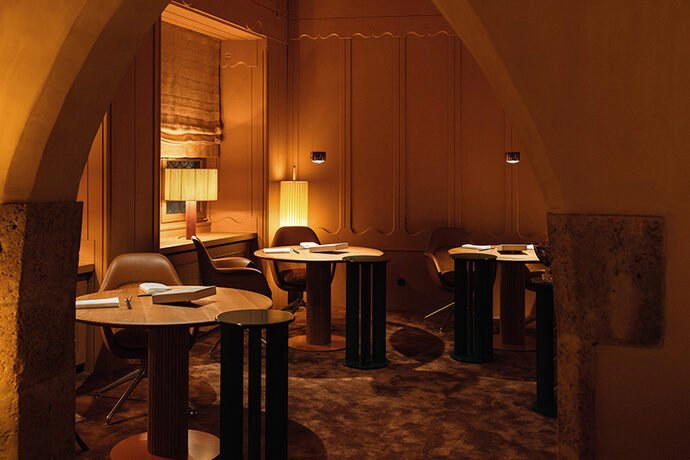
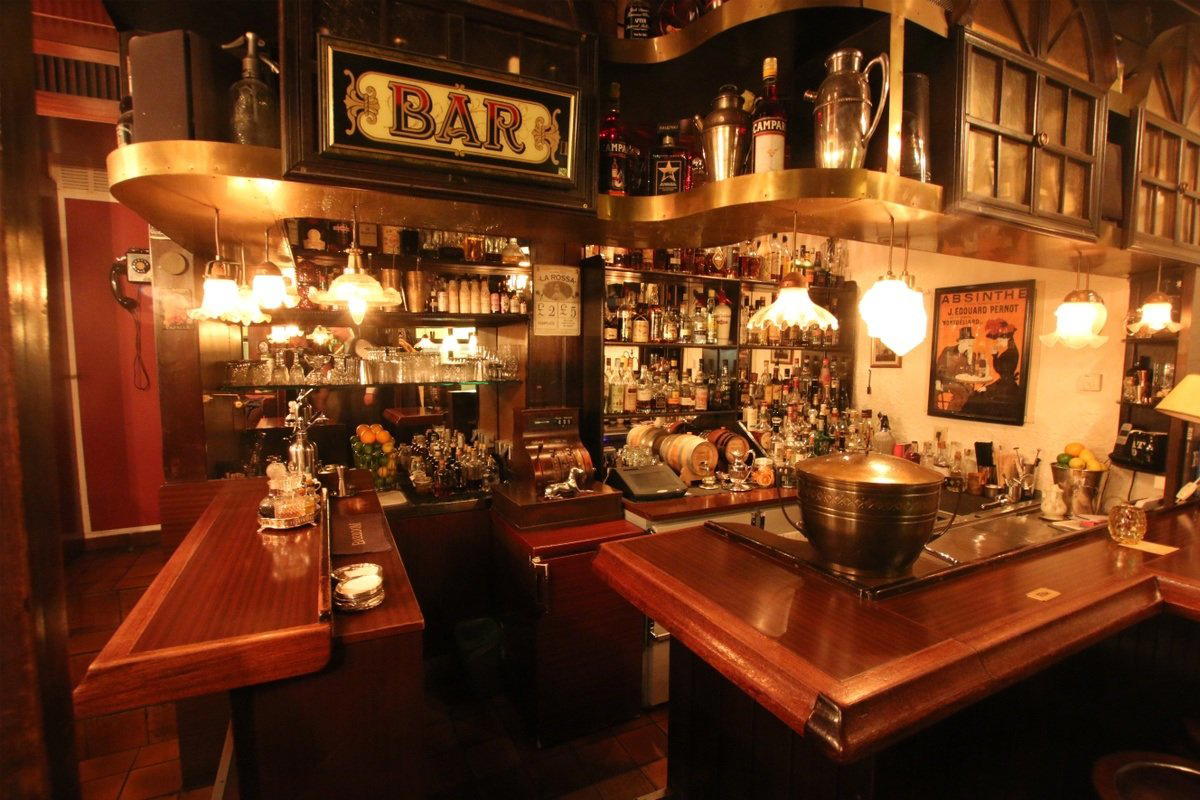
These neighbourhood inns are rooted in Bavarian hospitality custom, with wood-panelled rooms, communal tables, cooking built around local produce and seasonal rhythm, and a wine and beer selection oriented toward regulars.
The Cellar as a Window Into Regional Priorities
In a city where the upper-end wine programs tend to track international prestige, the Wirtshaus cellar represents a different curation philosophy. Germany's own wine regions, Mosel, Rheingau, Franken, Baden, and Württemberg, produce bottles that rarely receive the prominence abroad that they command at home. A well-maintained Wirtshaus cellar in Munich functions as a corrective to that imbalance, offering Rieslings, Spätburgunders, and Silvaner at price points that reflect their actual position in the German market rather than the export premium applied elsewhere.
This matters in the context of Munich specifically. The city sits close enough to Austria and the Alpine wine corridors that a thoughtfully assembled list will often draw on Grüner Veltliner and Blaufränkisch alongside German producers. For the traveller who has spent time at Germany's upper-end tables, at Aqua in Wolfsburg, at Schwarzwaldstube in Baiersbronn, or at Vendôme in Bergisch Gladbach, the contrast in curation approach is instructive. The fine-dining tier curates toward prestige and rarity; the Wirtshaus curates toward character and provenance, with the sommelier role replaced by an owner or manager who has simply spent years buying what they like and what their regulars drink.
Germany's broader fine-dining wine culture has produced some notable programs: Victor's Fine Dining by Christian Bau in Perl, Waldhotel Sonnora in Dreis, and Schanz in Piesport all maintain cellars with considerable depth and international scope. The Wirtshaus list operates in a different register: narrower in geography, lower in price, and more likely to include producers who don't export at all. That specificity is the interest.
Cooking Oriented Toward Place
The culinary logic of the traditional Wirtshaus runs counter to the cross-cultural borrowing that defines Munich's contemporary fine-dining tier. Where kitchens like Tohru in der Schreiberei draw on Japanese and German culinary traditions simultaneously, or where CODA Dessert Dining in Berlin reframes the entire meal around pastry technique, the Wirtshaus kitchen tends to work within a narrow regional brief: pork, veal, dumplings, seasonal vegetables from nearby farms, and preparations that change with the calendar. Autumn brings game and mushroom-driven menus; spring introduces white asparagus in the manner that Bavarians treat as close to a civic obligation.
This is cooking that rewards an understanding of what the region actually grows and raises, rather than a familiarity with global culinary trends. It sits closer in spirit to the traditions of Bagatelle in Trier or Restaurant Haerlin in Hamburg in its commitment to local identity, even if the execution sits at a different price point and ambition level. The broader category of German regional cooking is better understood when experienced at both ends of the formality scale.
Haidhausen and the East Side Context
The neighbourhood matters for understanding the positioning. Haidhausen developed as a working-class district in the nineteenth century, and while it has gentrified considerably since reunification, it retains a residential character that differentiates it from the tourist-heavy Altstadt or the design-conscious Maxvorstadt. A Wirtshaus on a Haidhausen side street draws a local clientele: couples who live on the block, tables of colleagues, older regulars who have been coming for years. That demographic shapes the pace, the noise level, and the expectations in the room in ways that no amount of interior design can replicate.
For visitors oriented toward Munich's prestige dining circuit, Haidhausen adds a different register to any itinerary. The area sits east of the Isar, accessible by U-Bahn, and the surrounding streets repay walking. Arriving early in the evening, before the room fills, tends to yield the quietest experience and a stronger chance of conversation about what's being poured.
Planning a Visit
Practical details for Wirtshaus Hohenwart are direct: reservations are recommended, and the restaurant opens Monday to Thursday from 5 to 11 PM, Friday from 5 PM to midnight, Saturday from 11:30 AM to midnight, and Sunday from 11:30 AM to 10 PM. The address is Gietlstraße 15, 81541 München. Those coming from an international frame of reference, accustomed to the technical ambition of, say, Le Bernardin in New York or Atomix in New York City, or the intensity of ES:SENZ in Grassau, will find the Wirtshaus format a deliberate change of pace rather than a compromise.
Accolades, Compared
Comparable venues nearby, for context on price, style, and recognition.
| Venue | Cuisine | Price | Notes |
|---|---|---|---|
| Wirtshaus HohenwartThis venue — the venue you are viewing | Traditional Bavarian | $$ | Not listed |
| Hofbräuhaus München | Traditional Bavarian Beer Hall | $$ | Altstadt |
| Münchner Stubn | Traditional Bavarian Gastropub | $$ | Theresienwiese |
| Wirtshaus im Schichtl | Traditional Bavarian Organic | $$ | Theresienwiese |
| Wirtshaus zur Rennbahn | Bavarian-Modern German | $$ | Riem |
| Wildmosers Restaurant-Cafe am Marienplatz - München | Traditional Bavarian | $$ | Altstadt |
Continue exploring
More in Munich
Restaurants in Munich
Browse all →
At a Glance
- Cozy
- Rustic
- Classic
- Family
- Casual Hangout
- Group Dining
- Historic Building
- Terrace
- Beer Program
- Local Sourcing
Current opening hours
- Monday
- 5–11 PM
- Tuesday
- 5–11 PM
- Wednesday
- 5–11 PM
- Thursday
- 5–11 PM
- Friday
- 5 PM–12 AM
- Saturday
- 11:30 AM–12 AM
- Sunday
- 11:30 AM–10 PM
Hours can change for holidays and private events. Last verified .
Wood-paneled dining room creating a cozy, traditional Bavarian atmosphere with warm lighting and welcoming hospitality.