On a First District corner that has fed Viennese appetites for generations, Zum Goldenen Würstel occupies the specific niche where the city's sausage culture meets its café-district geography. The address at Spiegelgasse 1 places it steps from the Graben and Kohlmarkt, making it a reference point in the ongoing conversation about what everyday eating in central Vienna actually looks like.
Pearl is the En Primeur Club membership app — saves, bookings, and concierge access live there. Same editors, same standards.
- Address
- Spiegelgasse 1, 1010 Wien, Austria
- Phone
- +436641400393
- Website
- zgw.at
- Directions
- Get directions
 Saves & bookings on Pearl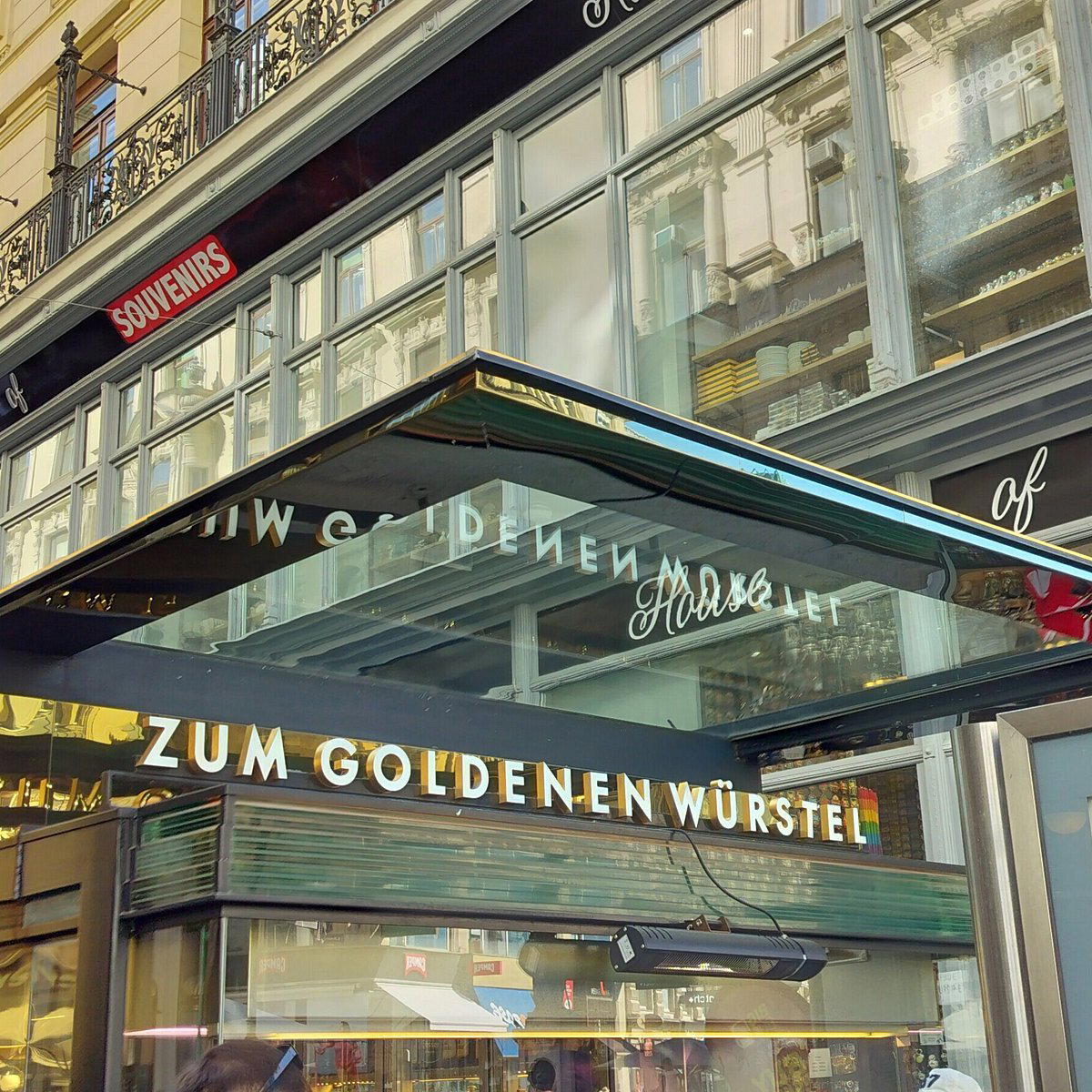
A Sausage Stand at the Centre of Vienna's First District
Zum Goldenen Würstel is a restaurant in Vienna's First District serving Traditional Austrian Sausages. The city's network of sausage kiosks and standing counters dates to the late Habsburg period, when a fast, affordable meal within walking distance of the Ringstrasse was a practical necessity for workers, students, and minor civil servants alike. That tradition has survived two world wars, the fall of an empire, and the arrival of global fast food, and it continues to assert itself in the city's First District, where the density of tourists has done little to displace the locals who rely on it. Zum Goldenen Würstel, at Spiegelgasse 1, sits at the intersection of that democratic food culture and one of Vienna's most trafficked pedestrian corridors.
Spiegelgasse and Its Context
The address matters here. Spiegelgasse runs parallel to the Graben, the pedestrianised artery that connects the Stephansdom to the Kohlmarkt and, by extension, to the Hofburg quarter. In the geography of the First District, this is prime real estate: the surrounding streets are home to luxury retail, a handful of historic coffeehouses, and the western edge of the old city's commercial core. A sausage counter on this block is not an accident of real estate. It reflects the way Vienna has always managed to hold a working-class food tradition inside an otherwise expensive neighbourhood. The city's Würstelstände have historically occupied this contradictory position, offering a €3 Käsekrainer beside a Michelin-starred dining room without either feeling out of place.
Daytime: The Practical Case for Lunch
Vienna's First District splits sharply between its daytime and evening identities. By day, the quarter moves with office workers from the surrounding ministries and banks, tour groups, and Viennese running errands in the shopping streets. At this hour, the logic of a sausage stand is self-evident: fast, filling, no reservation required. The mid-morning and lunchtime window at counters like this one tends to draw a cross-section of the city that the higher-format dining rooms nearby do not, the courier on a break, the city employee with forty minutes to spare, the Austrian family visiting from the Bundesland who want something recognisable before the afternoon's museum programme. This demographic breadth is itself a signal of authenticity. In Vienna, a Würstelstand that survives on tourist trade alone tends not to survive for long; the regulars are the ones who determine longevity.
The daytime offer at a traditional Würstelstand is centred on speed and legibility. The Käsekrainer, a cheese-filled pork sausage grilled until the casing blisters and the cheese begins to seep, is the reference point against which all others are measured in this format. The Debreziner, a leaner, paprika-seasoned variety, draws from the Austro-Hungarian culinary inheritance that still marks Viennese food at every price point. A bread roll, a smear of mustard (sharp or mild), and a small gherkin on the side: this is lunch, and it is complete.
Evening: A Different Register
After six in the evening, the First District's pedestrian streets shift in character. The office population thins, tour groups consolidate around the central hotel corridors, and the quarter takes on a slower, more social pace. For Vienna's evening restaurant scene at the upper end, this is when the €€€€-tier rooms fill: Steirereck im Stadtpark and Konstantin Filippou run their tasting menus to a clientele that has made reservations weeks or months in advance. Mraz & Sohn and Amador operate in that same formal, high-commitment tier.
Zum Goldenen Würstel functions on a different logic in the evening. Where the tasting-menu rooms require a planned occasion, a counter sausage stand offers the opposite: the spontaneous stop after a concert at the Musikverein, the late snack after a performance at the Burgtheater, the post-midnight hunger that follows a long night in one of the bars clustered around the Naschmarkt end of the Innere Stadt. Vienna's nighttime sausage culture is genuinely embedded in the social fabric of the city. The Würstelstand after theatre is not nostalgia. It is a functioning part of how the city eats.
The value proposition is clearest in this evening context, when the alternative in the surrounding blocks is either an expensive restaurant or an indifferent tourist trap. A well-grilled sausage on a first-rate piece of bread, eaten standing on a First District pavement at ten at night, competes with neither of those options. It occupies its own category.
Where Zum Goldenen Würstel Fits
Vienna's fine-dining tier has grown more internationally competitive over the past decade. Doubek and Konstantin Filippou sit at the modern-European end of a spectrum that extends to the creative tasting formats at Amador. Across Austria, the benchmark for regional fine dining extends further: Döllerer in Golling an der Salzach, Ikarus in Salzburg, Obauer in Werfen, Landhaus Bacher in Mautern an der Donau, and the alpine formats at Griggeler Stuba in Lech and Gourmetrestaurant Tannenhof in Sankt Anton am Arlberg. These are the rooms that hold Austria's international dining reputation. Kräuterreich by Vitus Winkler, Schwarzer Adler in Hall in Tirol, Ois in Neufelden, and Restaurant 141 by Joachim Jaud in Mieming represent the depth of the country's regional dining culture beyond the capital.
None of this is the competitive set for the restaurant, and the comparison is precisely the point. Vienna operates a two-tier eating culture that places some of Europe's most technically accomplished cooking alongside one of the continent's most enduring street-food formats. The Würstelstand tradition is not the lesser tier. It is a parallel one, with its own measures of quality and its own loyal constituency.
Planning Your Visit
Category Peers
Comparable venues nearby, for context on price, style, and recognition.
| Venue | Cuisine | Price | Notes |
|---|---|---|---|
| Zum Goldenen WürstelThis venue — the venue you are viewing | Traditional Austrian Sausages | $ | Not listed |
| Wiener Würstl | Austrian Sausage Stand | $ | Staatsoper |
| Würstelwaggon | Viennese Sausage Stand | $ | Simmering |
| Zur Bosnarei | Austrian Sausage Stand | $ | Alsergrund |
| Kaiserzeit | Traditional Viennese Sausage Stand | $ | Inner City |
| Colosseum | Traditional Viennese Austrian | $ | Alsergrund |
At a Glance
- Well Known
- Casual
- Lively
- Casual Hangout
- Late Night
- Solo
- Group Dining
- Standalone
- Beer Program
- Local Sourcing
- Street Scene
Current opening hours
- Monday
- 9 AM–4 AM
- Tuesday
- 9 AM–4 AM
- Wednesday
- 9 AM–4 AM
- Thursday
- 9 AM–4 AM
- Friday
- 9 AM–4 AM
- Saturday
- 9 AM–4 AM
- Sunday
- 9 AM–4 AM
Hours can change for holidays and private events. Last verified .
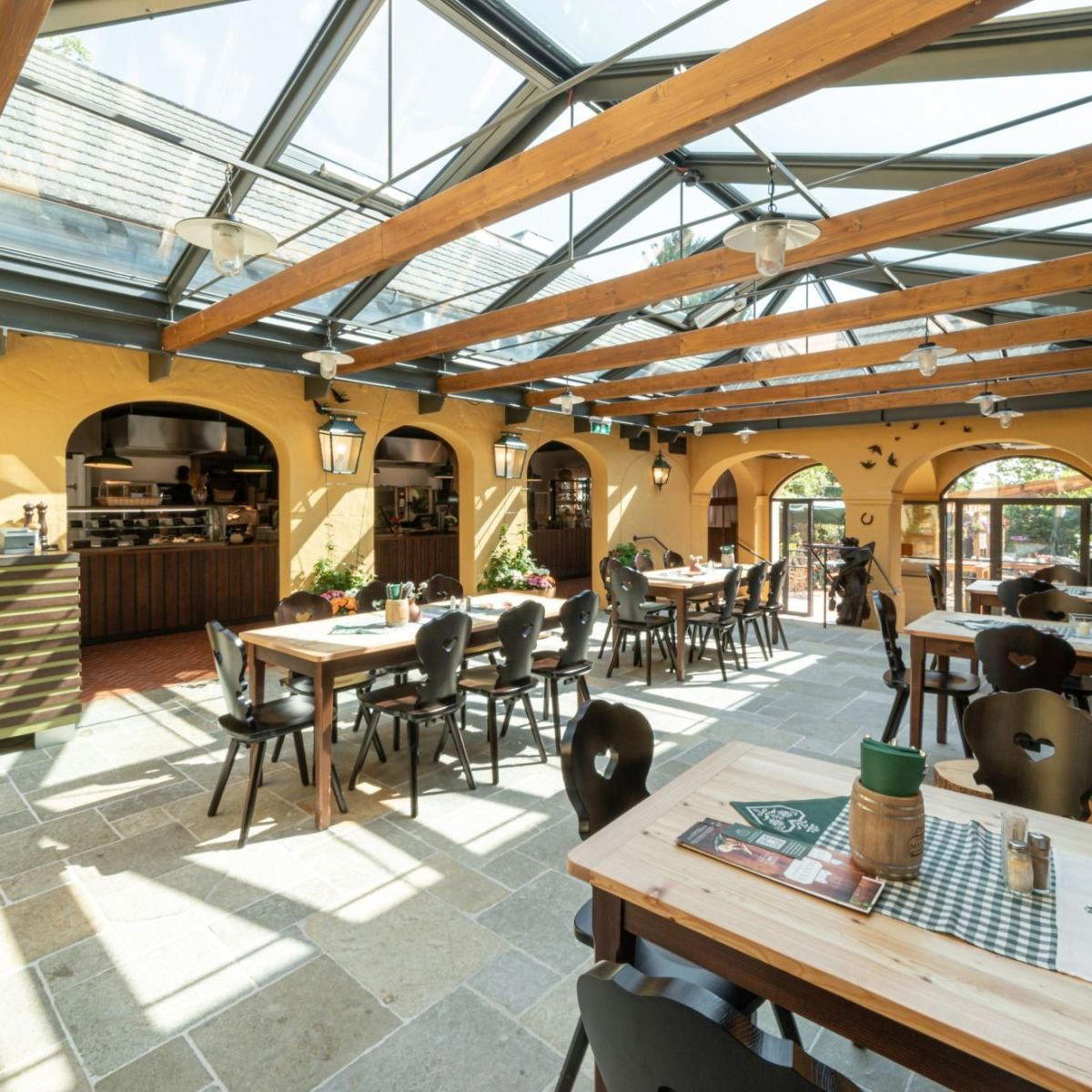
Bright, modern kiosk with sleek metal-and-glass roof and large windows; standing-room-only counter service with a lively street-food atmosphere; open until 4 AM for late-night snacking.