Zum Finsteren Stern occupies a storied address at Schulhof 8 in Vienna's First District, a location that places it inside one of Europe's most historically dense dining neighbourhoods. The restaurant draws occasion diners seeking a setting with genuine weight, the kind of table you book when the evening needs to mean something. It sits within reach of Vienna's upper tier of serious restaurants, positioned for milestone meals rather than casual visits.
Pearl is the En Primeur Club membership app — saves, bookings, and concierge access live there. Same editors, same standards.
- Address
- Schulhof 8, 1010 Wien, Austria
- Phone
- +434315352100
- Website
- zumfinsterenstern.at
- Directions
- Get directions
 Saves & bookings on Pearl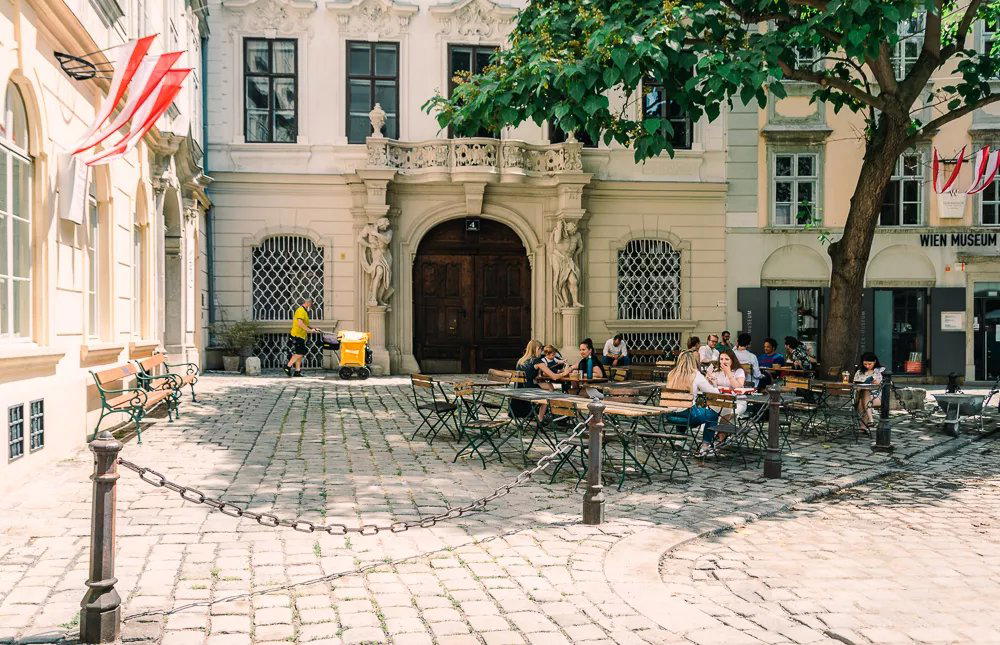
A Thousand Years of Occasion in the First District
Vienna's First District has been staging important meals for longer than most cities have had restaurants. The streets around the Schulhof, the small square behind the Peterskirche where Zum Finsteren Stern holds its address at number 8, were already a centre of civic and mercantile life in the medieval period. Dining rooms in this part of the Innere Stadt carry that accumulation whether they advertise it or not. The pressure of the address is real: a guest arriving here for a birthday, an anniversary, or a professional milestone arrives with expectations shaped by centuries of Viennese hospitality tradition, not just by a recent review.
That tradition places Vienna in a distinct position among European capitals. Unlike Paris, where fine dining consolidated around a single haute cuisine logic, or Copenhagen, where a break with tradition became the tradition, Vienna's upper tier of restaurants has always balanced old-world formality with a quiet, confident regionalism. Occasion dining here tends to mean Austrian produce prepared with evident skill, a wine list that takes Grüner Veltliner and Blaufränkisch seriously, and a room that understands the difference between atmosphere and noise. Zum Finsteren Stern sits within that expectation.
Where It Sits in Vienna's Restaurant Tier
Vienna's serious restaurant scene clusters around a recognisable upper bracket. Steirereck im Stadtpark defines the creative ceiling of Austrian fine dining, routinely cited among Europe's most consequential tables. Konstantin Filippou and Mraz and Sohn represent the modern creative end, technically ambitious, internationally oriented, and priced accordingly at the €€€€ tier. Amador brings a different kind of rigour, Mediterranean in reference but firmly planted in Vienna's contemporary fine dining conversation.
Zum Finsteren Stern occupies the First District's more historically rooted register. The Schulhof address puts it within walking distance of the Hofburg and the Kohlmarkt, which means it draws on a clientele accustomed to pairing serious meals with serious occasions. In a city where the occasion-dining instinct runs deep, where dinner is still understood as an event with a beginning, a middle, and an end, that positioning carries its own logic. It is not competing with the modernist tasting menu format; it is serving a different kind of need.
For those planning a tour of Austria's serious tables beyond Vienna, the country's regional dining circuit is worth considering alongside the capital. Döllerer in Golling an der Salzach, Obauer in Werfen, and Ikarus in Salzburg represent the depth of Austria's fine dining geography. Alpine properties like Griggeler Stuba in Lech, Gourmetrestaurant Tannenhof in Sankt Anton am Arlberg, and Schwarzer Adler in Hall in Tirol add a further dimension, and producers like Kräuterreich by Vitus Winkler in Sankt Veit im Pongau, Landhaus Bacher in Mautern an der Donau, Ois in Neufelden, and Restaurant 141 by Joachim Jaud in Mieming confirm that Austria's serious dining extends well beyond the Ringstrasse. See our full Vienna restaurants guide for First District context.
The Occasion Dining Logic of the Schulhof
What distinguishes occasion dining from merely expensive dining is the degree to which a room understands why people are there. Vienna has long produced restaurants that grasp this distinction. The leading tables in the First District operate less as theatrical productions and more as carefully managed ceremonies, the pacing of courses, the handling of a wine choice, the way a team reads a table that has arrived to celebrate something, rather than simply to eat. This is a hospitality tradition with roots in the Viennese coffeehouse culture of the eighteenth and nineteenth centuries, where the café was understood as a social institution, not just a commercial one.
The restaurant's address at Schulhof 8 places it in the network of narrow streets that connect the Graben to the Am Hof square, a route that has shuttled Viennese residents and visitors between commercial and residential life for several hundred years. The area retains a quality that the broader tourist zones of the First District have largely lost: it functions as a neighbourhood in the older sense, with a scale and a pace that supports genuine hospitality rather than high-turnover catering. That context matters when choosing a table for a meal that needs to feel considered.
For travellers benchmarking Vienna against other international occasion dining destinations, the comparison is instructive. A table at Le Bernardin in New York City delivers a certain kind of formal occasion gravity, and Atomix in New York City operates at the technical extreme of contemporary tasting-menu occasion dining. Vienna's version of the form is less theatrical in its construction, more rooted in the idea that the room itself, and the city around it, is doing meaningful work. The occasion is embedded in the place, not manufactured by the kitchen alone. A complementary Vienna booking might pair the restaurant with Doubek for a different register of First District dining.
Planning Your Visit
Reservations: Given the address and the occasion-dining profile of the First District, advance booking is advisable; tables at well-regarded Schulhof-area restaurants often fill several weeks ahead, particularly for weekend evenings and peak cultural-season dates (October through March aligns with Vienna's opera and concert calendar). Getting there: The Schulhof is a short walk from the U3 Herrengasse stop or the U1/U3 interchange at Stephansplatz; the area is pedestrian-friendly and the address at number 8 is direct to locate on foot. Timing: For occasion meals, Vienna restaurants generally seat dinner guests from 18:30 onward; the rhythm of a formal Viennese dinner tends toward unhurried pacing, so allow the full evening. Context: The First District in autumn and winter carries a particular atmospheric weight that suits milestone meals; summer evenings bring outdoor terrace culture but also tourist density in the broader neighbourhood.
Budget and Context
Comparable venues nearby, for context on price, style, and recognition.
| Venue | Cuisine | Price | Notes |
|---|---|---|---|
| Zum Finsteren SternThis venue — the venue you are viewing | Stephansdom, Modern European Gastropub | $$$ | Not listed |
| Brasserie Sophie | Not listed | $$$ | Inner City, Contemporary Austrian Brasserie |
| Pauli | Not listed | $$$ | Staatsoper, Modern Austrian with French Influences |
| Wrenkh | Not listed | $$$ | Innere Stadt, Modern Plant-Based Viennese |
| Bouvier | Not listed | $$$ | Staatsoper, Modern French-American Bistro |
| Ostwind | Mariahilf, Authentic Szechuan Chinese | $$$ | Not listed |
Continue exploring
More in Vienna
Restaurants in Vienna
Browse all →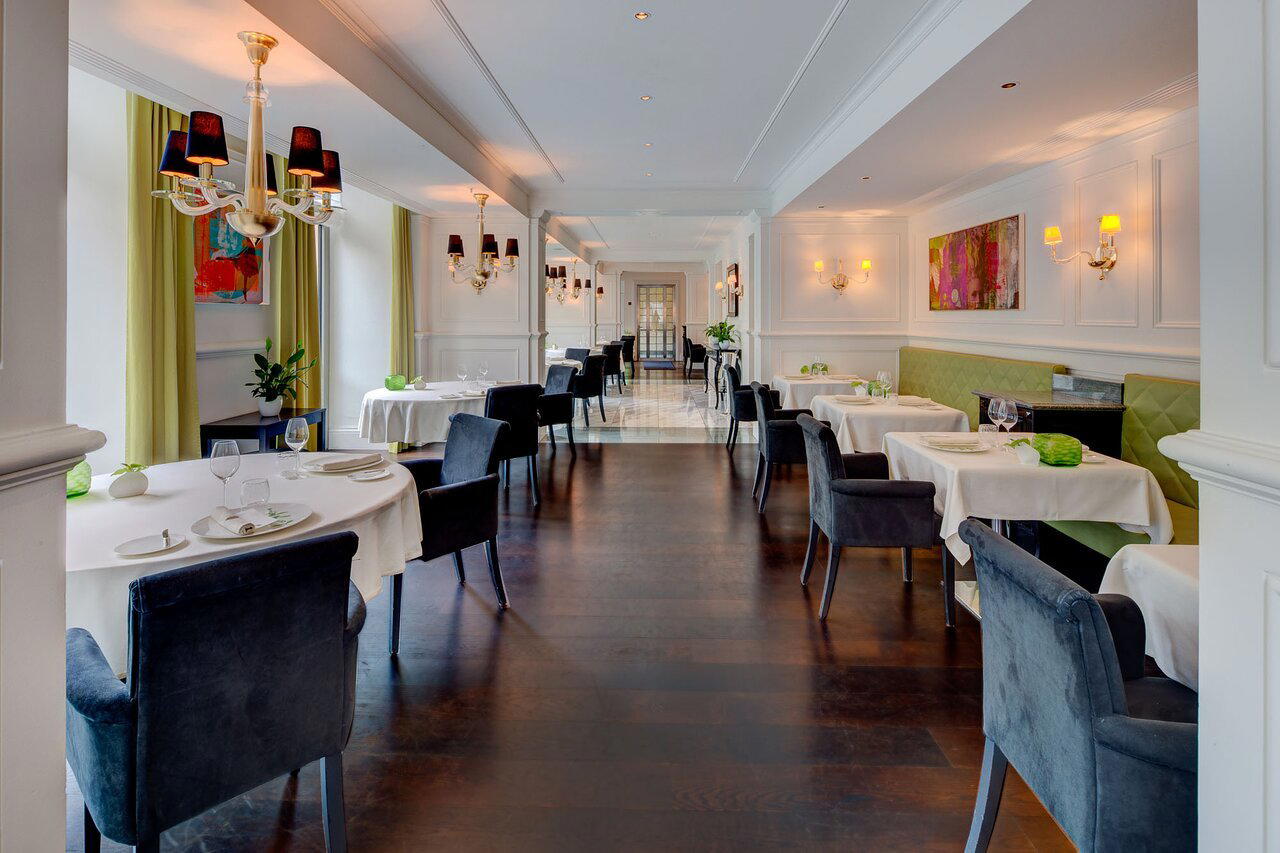
Bars in Vienna
Browse all →
Hotels in Vienna
Browse all →
At a Glance
- Cozy
- Intimate
- Elegant
- Date Night
- Special Occasion
- Terrace
- Historic Building
- Extensive Wine List
- Local Sourcing
- Street Scene
Current opening hours
- Monday
- Closed
- Tuesday
- Closed
- Wednesday
- 6 PM–12 AM
- Thursday
- 6 PM–12 AM
- Friday
- 6 PM–12 AM
- Saturday
- 6 PM–12 AM
- Sunday
- Closed
Hours can change for holidays and private events. Last verified .
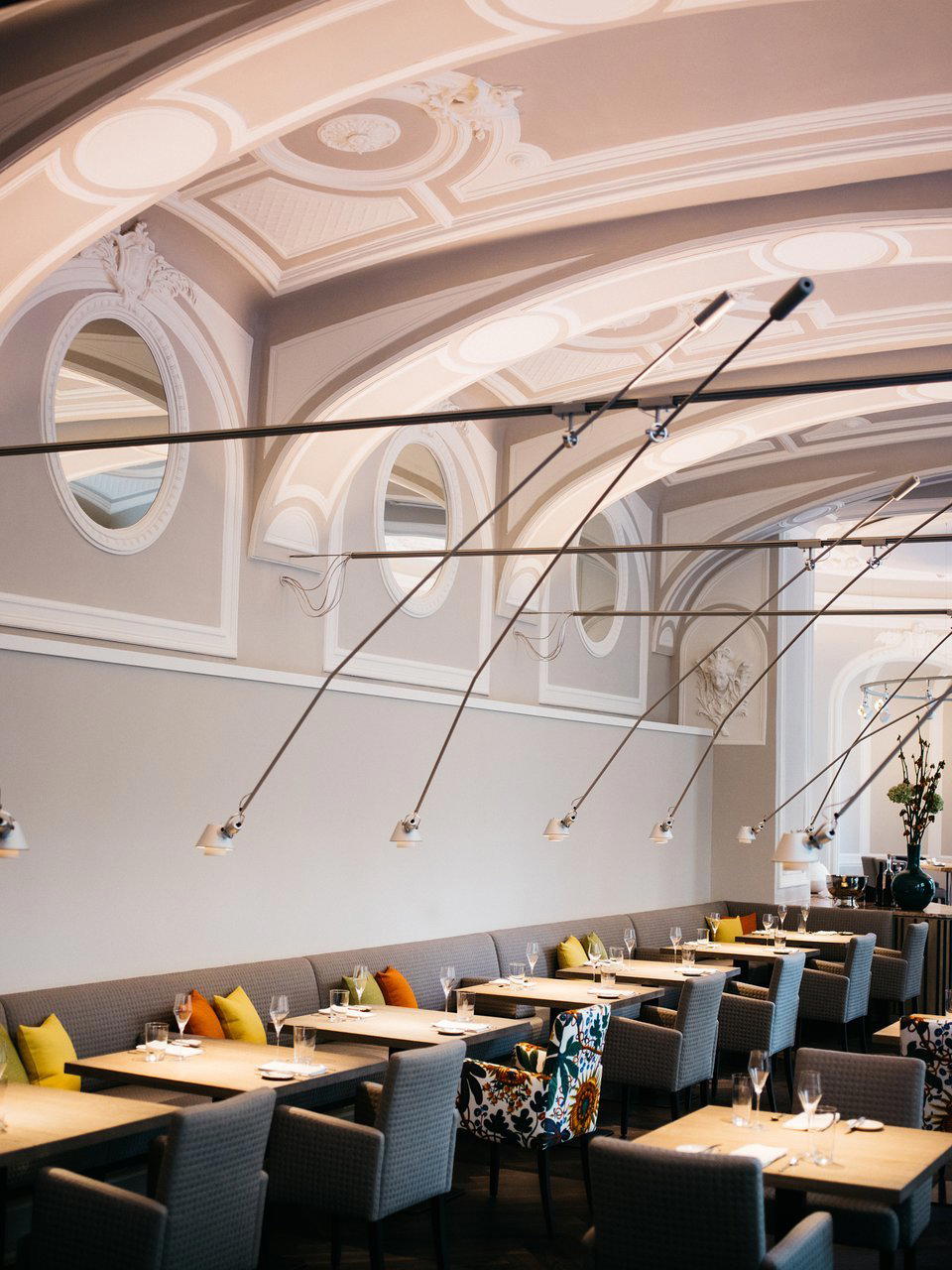
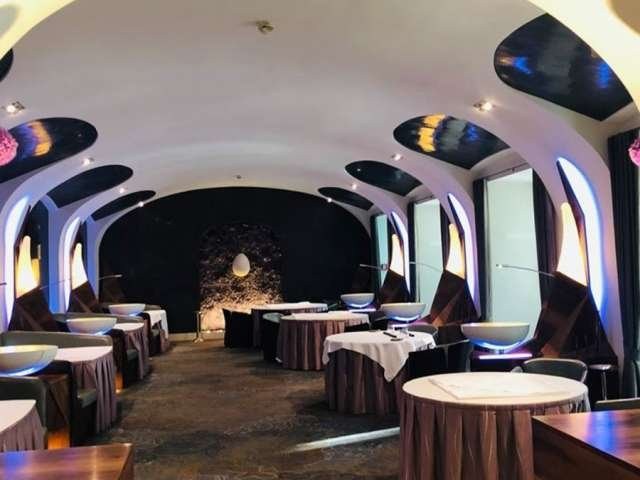
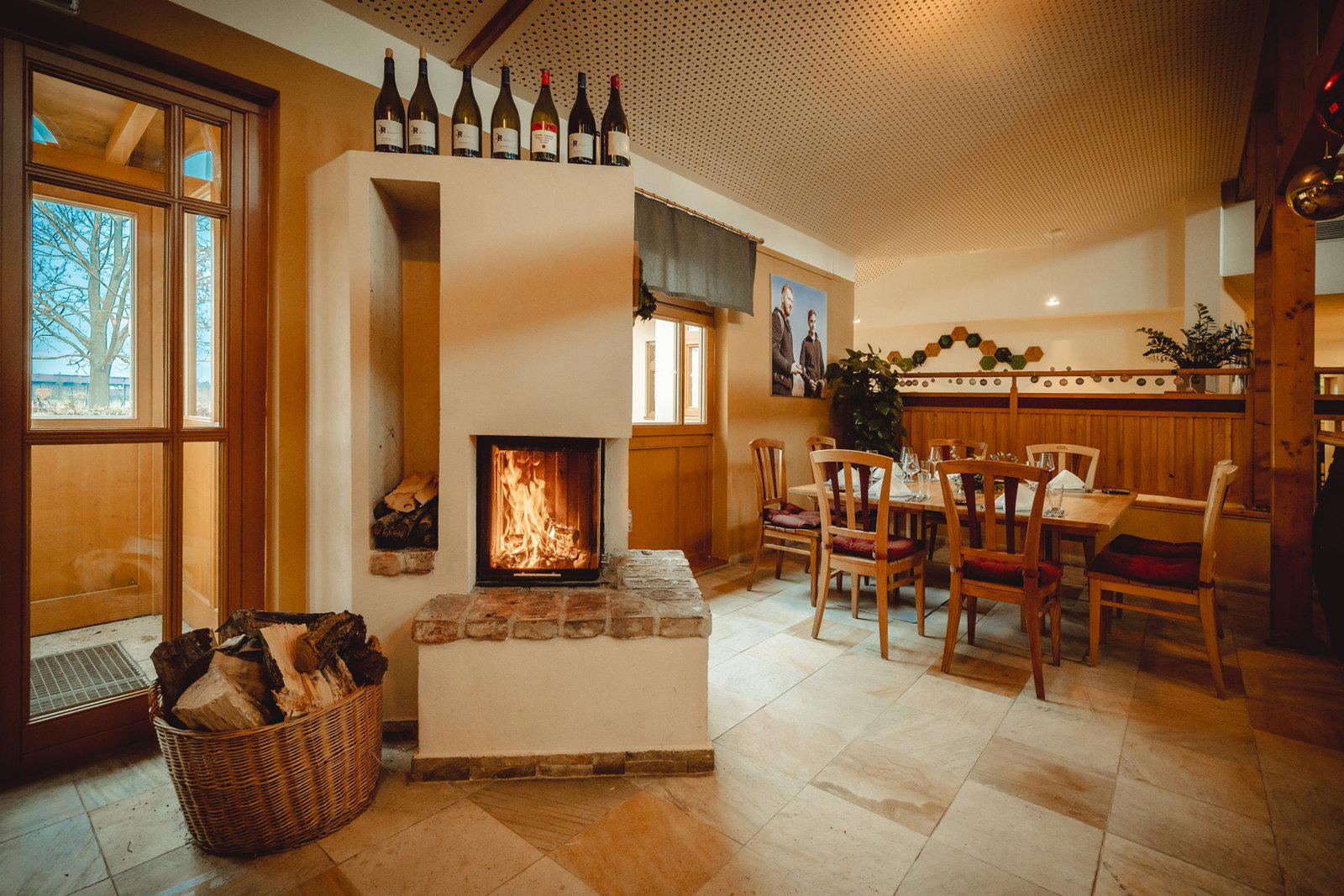
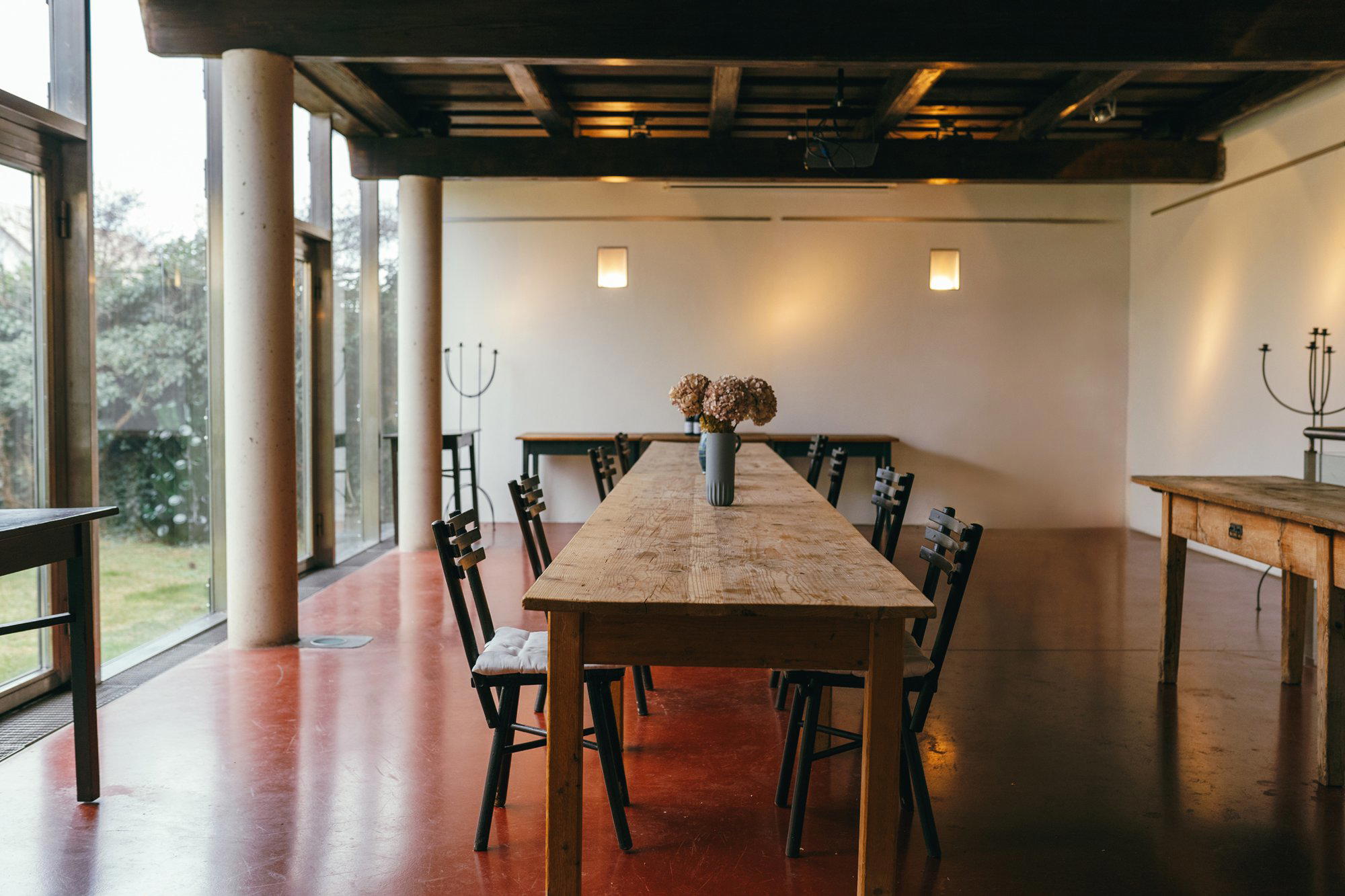
Nicely lit with romantic vaulted dining room and positive, relaxed atmosphere fostering good conversation.