Our verdict
Wrenkh occupies a historic address at Bauernmarkt 10 in Vienna's first district, placing it inside one of the city's most concentrated corridors of serious dining. The restaurant has built a steady reputation within the vegetable-forward segment of Austrian cuisine, operating at a tier where produce sourcing and wine curation carry as much weight as classical technique. A considered stop for anyone mapping Vienna's mid-to-upper dining register.

Pearl is the En Primeur Club membership app, where members save venues, book tables and use the concierge.

Bauernmarkt and the First District's Dining Register
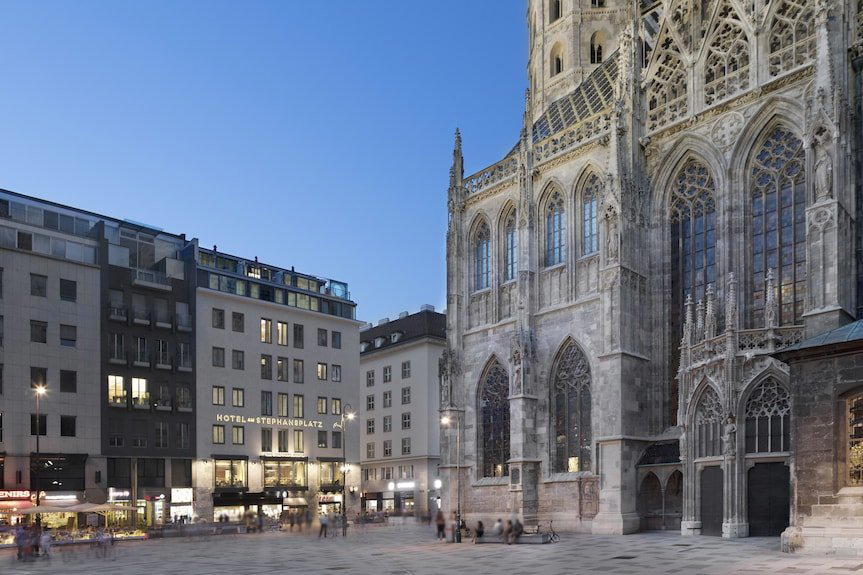
Vienna's first district compresses an unusual range of dining ambition into a compact area. Within walking distance of the Stephansdom, you can move from grand Viennese Beisl tradition to two-Michelin-star tasting menus without crossing a river. Bauernmarkt 10 sits inside that concentration, on a street whose name, farmers' market, signals something about the culinary identity this part of the city has long projected: produce-led, seasonally anchored, historically grounded in supply chains that predate the organic certification system by centuries. Wrenkh fits that address with some coherence.
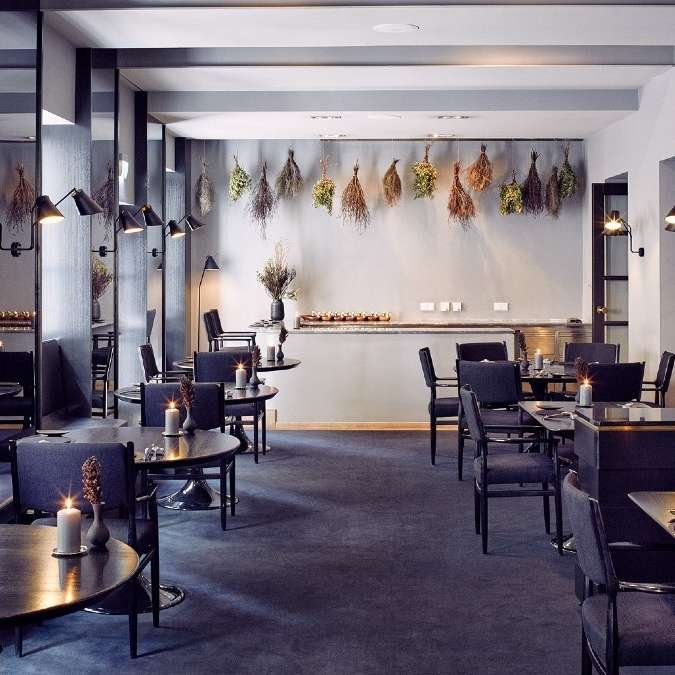
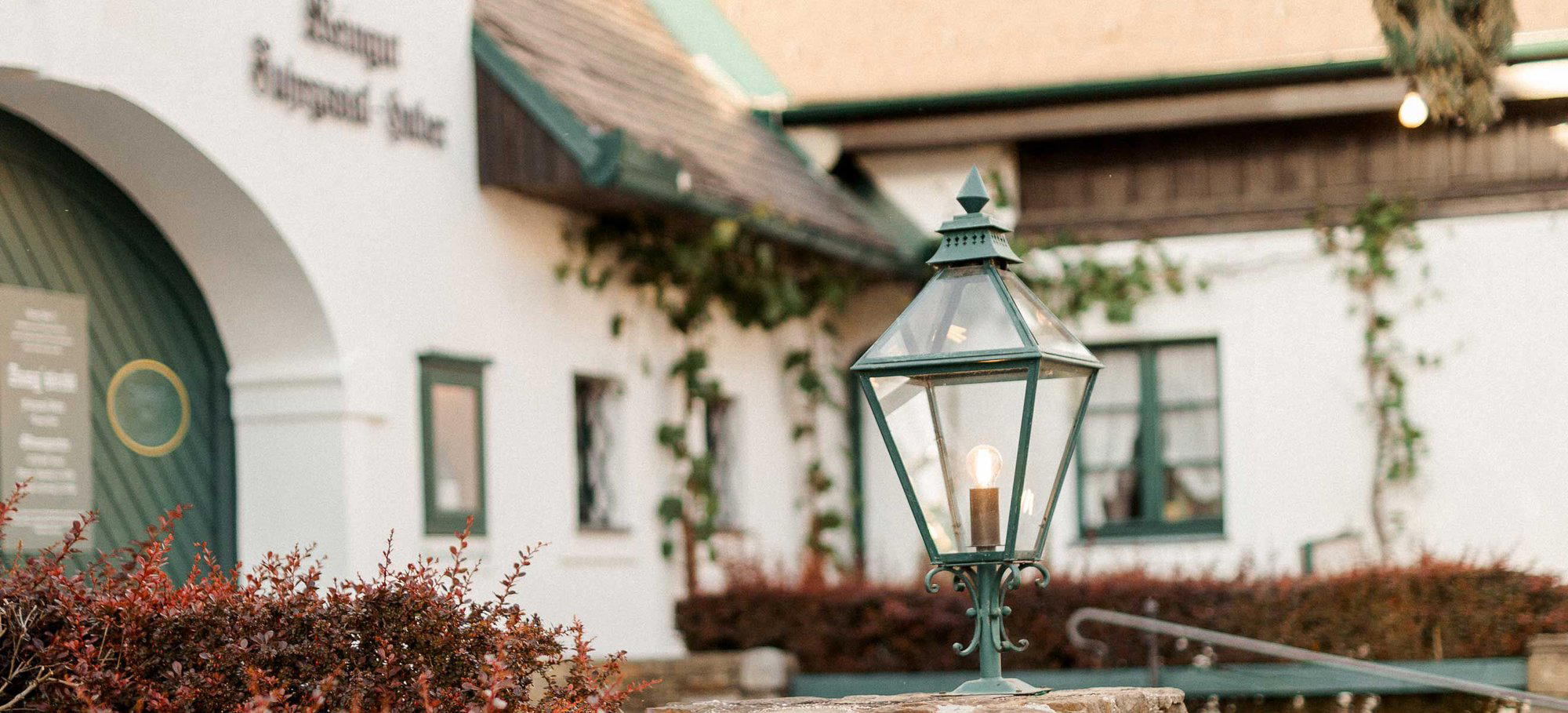
The physical approach matters at a restaurant on this street. The first district presents a particular version of Vienna: baroque facades, cobbled passages, a density of foot traffic that thins as you move off the main tourist axes. Bauernmarkt is slightly off the primary drag, which gives it a working-neighbourhood quality that the streets immediately around the cathedral have mostly lost. Arriving at Wrenkh, the context is one of pragmatic elegance rather than spectacle, a register that suits a room built around vegetables rather than grand protein.
Vegetable-Forward Cooking in a Meat-Dominant City
Vienna's dining culture has historically centred on protein: Wiener Schnitzel, Tafelspitz, game from the alpine hinterland. The city's highest-profile restaurants, Steirereck im Stadtpark, Amador, Mraz & Sohn, operate at the €€€€ tier and engage with meat, fish, and elaborate technique as their primary vocabulary. Wrenkh has long occupied a different position: a restaurant that made vegetable cookery central before the term plant-based became a marketing category.
That positioning carries real meaning in this city. Vienna has a deep Heuriger tradition and a wine culture that pairs naturally with food of some substance, but the vegetarian segment of the market has historically been thin at the level of serious cooking. Wrenkh's persistence in that space represents a genuine editorial choice, not a dietary accommodation. The distinction matters because it shapes everything: the wine list is built to match vegetable-driven flavour profiles, the sourcing priorities skew toward growers rather than abattoirs, and the kitchen's reference points draw from a different tradition than the classical Austrian brigade system.
For comparison, consider how Konstantin Filippou and Doubek approach Austrian produce: both work within a framework that treats vegetables as one element in a broader composition.
The Wine List as Editorial Statement
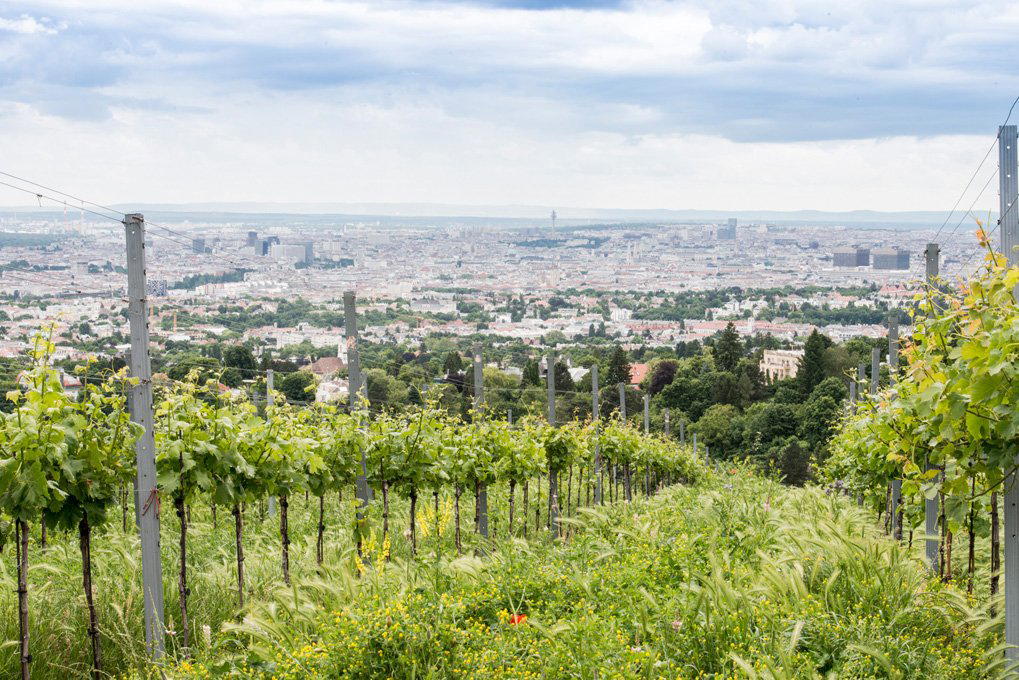
In Vienna, wine is not a separate conversation from food, it is the same conversation conducted in a different register. The city sits at the intersection of several serious Austrian wine regions: Wachau and Kamptal to the northwest, Burgenland to the southeast, with Viennese Gemischter Satz produced within the city boundaries itself. A restaurant committed to vegetable-forward cooking has particular incentive to curate carefully, because the pairing logic is less automatic than with meat-anchored menus. Grüner Veltliner's peppery mineral structure works against some reductions that suit a Riesling; natural wines, with their textural idiosyncrasies, can either amplify or fight vegetable umami depending on the dish.
Wrenkh's position on Bauernmarkt places it within reach of Vienna's wine trade in a literal sense, the city's serious wine merchants cluster in and around the first district, and the supply chain for ambitious Austrian bottles is shorter here than almost anywhere else in the country. The Austrian wine scene has matured considerably over the past two decades: producers like Alzinger, Knoll, Prager, and Pichler in the Wachau operate at price points and allocation levels that would be recognisable to anyone tracking Burgundy or the Mosel. A wine list at a first-district restaurant that takes this seriously will draw from that tier, with Wachau Smaragd-grade Rieslings and single-vineyard Grüner Veltliners representing the natural upper bracket.
For readers who want to understand how Austrian wine curation sits globally, the parallel is instructive: the leading Austrian lists function the way focused regional lists do at restaurants like Le Bernardin in New York, where depth in a defined geography signals curatorial confidence rather than exhaustion of options. Atomix in New York offers another model, a beverage program built specifically to support a cuisine that operates outside classical European frameworks. The question for Wrenkh's list is whether it has been built to genuinely support vegetable cookery or simply to serve as a conventional Austrian selection in a venue that happens not to serve meat.
Where Wrenkh Sits in the Vienna Dining Map
Vienna's premium dining scene has a clear top tier, Steirereck and its peers at €€€€ with significant Michelin recognition, and a broader mid-tier where serious cooking happens at more accessible price points. Wrenkh occupies the latter zone, which in Vienna's first district means competition from a wide range of well-resourced operations. The advantage of that position is accessibility; the risk is invisibility against louder, higher-profile neighbours.
Outside Vienna, Austrian fine dining has developed strong regional nodes. Döllerer in Golling an der Salzach, Obauer in Werfen, and Ikarus in Salzburg represent the country's alpine dining tradition at serious levels, while Landhaus Bacher in Mautern an der Donau anchors the Wachau wine country dining scene. In Tirol and Vorarlberg, Gourmetrestaurant Tannenhof in Sankt Anton am Arlberg, Griggeler Stuba in Lech, and Schwarzer Adler in Hall in Tirol hold their own regional weight. Ois in Neufelden and Restaurant 141 by Joachim Jaud in Mieming extend the picture further. Understanding Wrenkh requires understanding that Vienna's vegetable-forward niche sits within a country that takes its regional produce extremely seriously at every level of the dining system.
Planning Your Visit
Wrenkh is located at Bauernmarkt 10, 1010 Wien, in Vienna's first district, walking distance from U1/U3 Stephansplatz. The first district's restaurant concentration means competition for tables is real on weekend evenings, and advance booking through the venue's own channels is the standard approach for avoiding disappointment. Given the scarcity of data on current hours and pricing, confirming details directly with the restaurant before visiting is the practical step. For a broader view of what Vienna's dining scene offers at multiple price points and cuisine types, the EP Club Vienna restaurants guide provides a mapped overview of where Wrenkh sits relative to the city's full range.
Frequently asked questions
What do people recommend at Wrenkh?
What's the ideal way to book Wrenkh?
What has Wrenkh built its reputation on?
What if I have allergies at Wrenkh?
Should I splurge on Wrenkh?
Is Wrenkh one of the few Vienna restaurants to centre its entire menu on vegetables rather than treating them as accompaniments?
Reputation First
Comparable venues nearby, for context on price, style, and recognition.
| Venue | Cuisine | Price | Awards | Notes |
|---|---|---|---|---|
| WrenkhThis venue (the venue you are viewing) | Modern Plant-Based Viennese | $30–50 | Not listed | Not listed |
| Kleines Wrenkh | Vegetarian Plant-Centric | $30–50 | Not listed | Innere Stadt |
| ditta | Seasonal Vegetarian | $10–20 | Not listed | Josefstadt |
| Café & Restaurant Motto am Fluss | Modern Austrian with International Influences | $50–100 | Not listed | Innere Stadt |
| Émile | Modern Austrian Brasserie | $50–100 | Falstaff Bar - 89 Falstaff Points | Inner City |
| Spittelberggasse | Vegetarian/Vegan Bistro | $30–50 | Not listed | Hofburg |
Continue exploring
More in Vienna
Restaurants in Vienna
All restaurants in Vienna →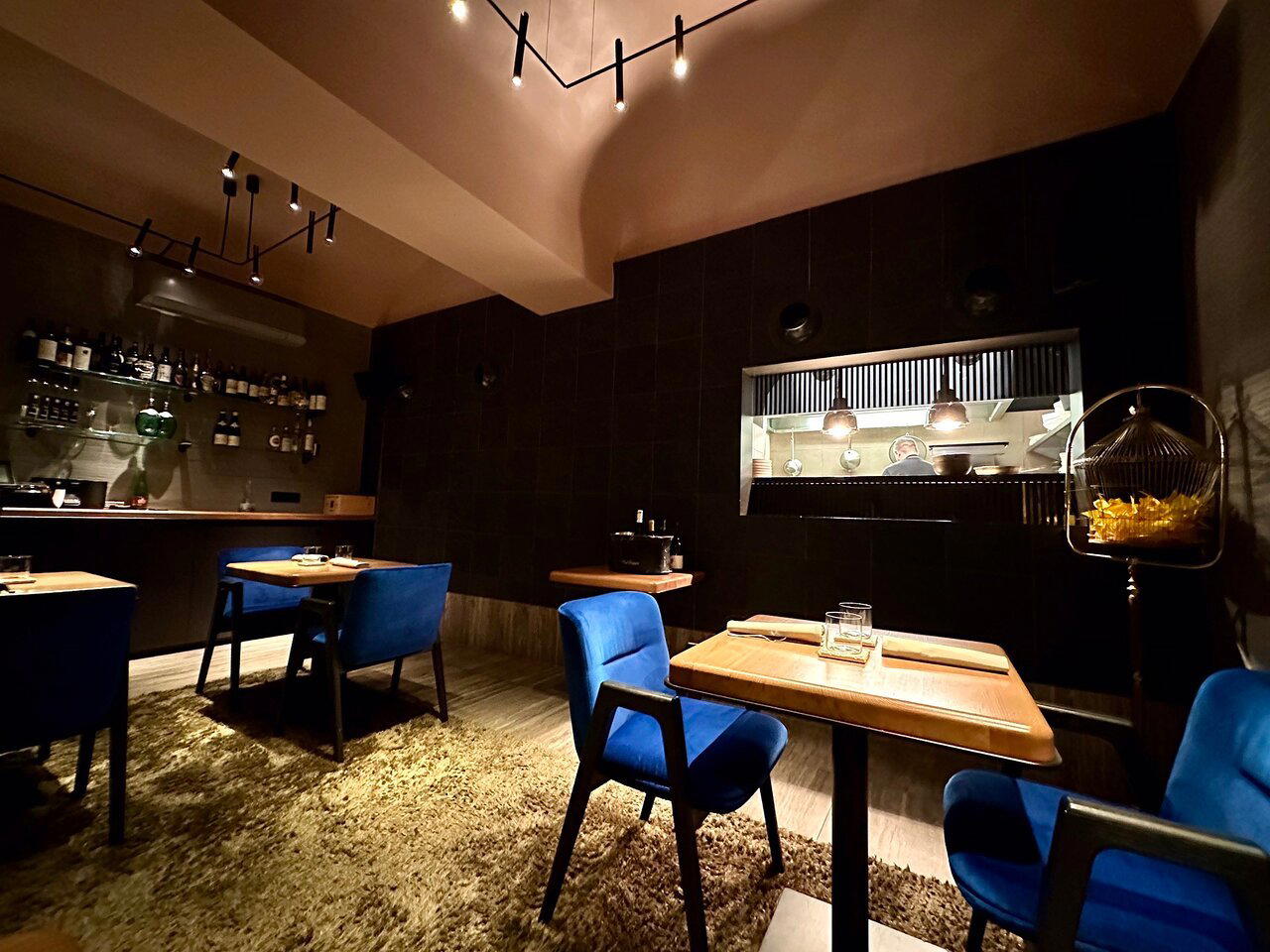
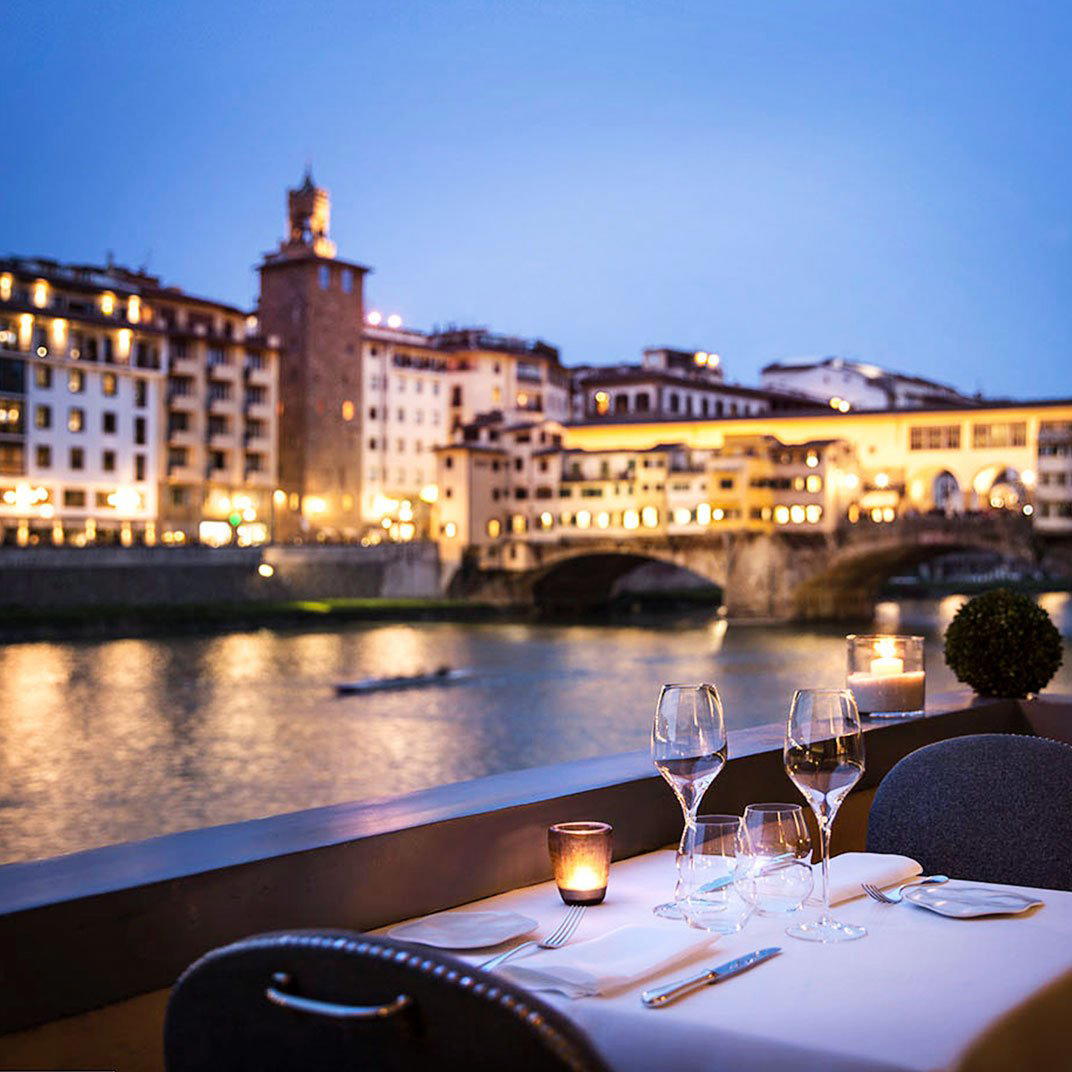
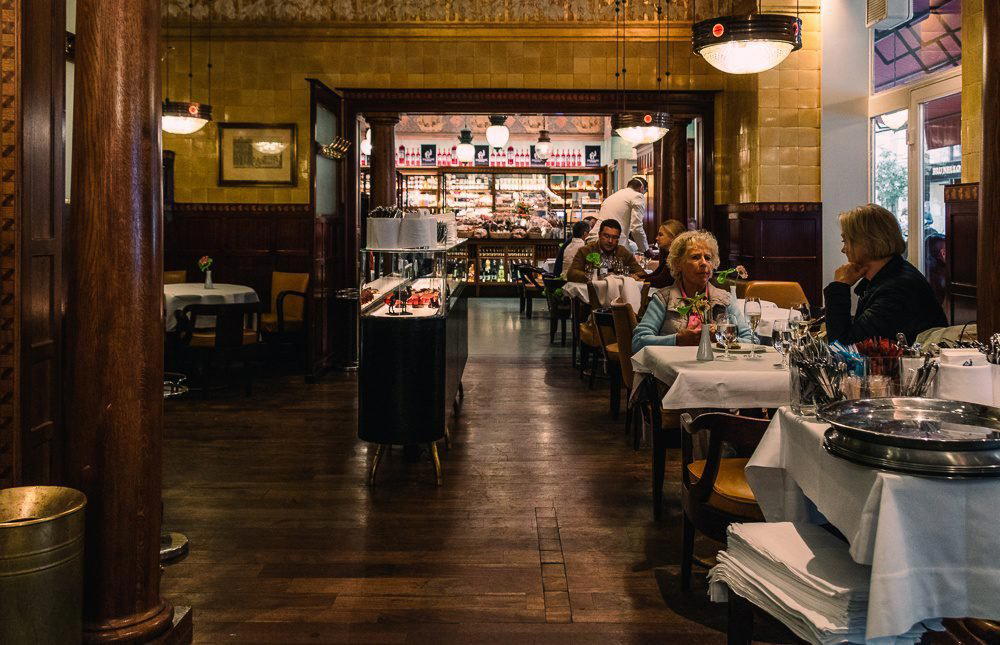
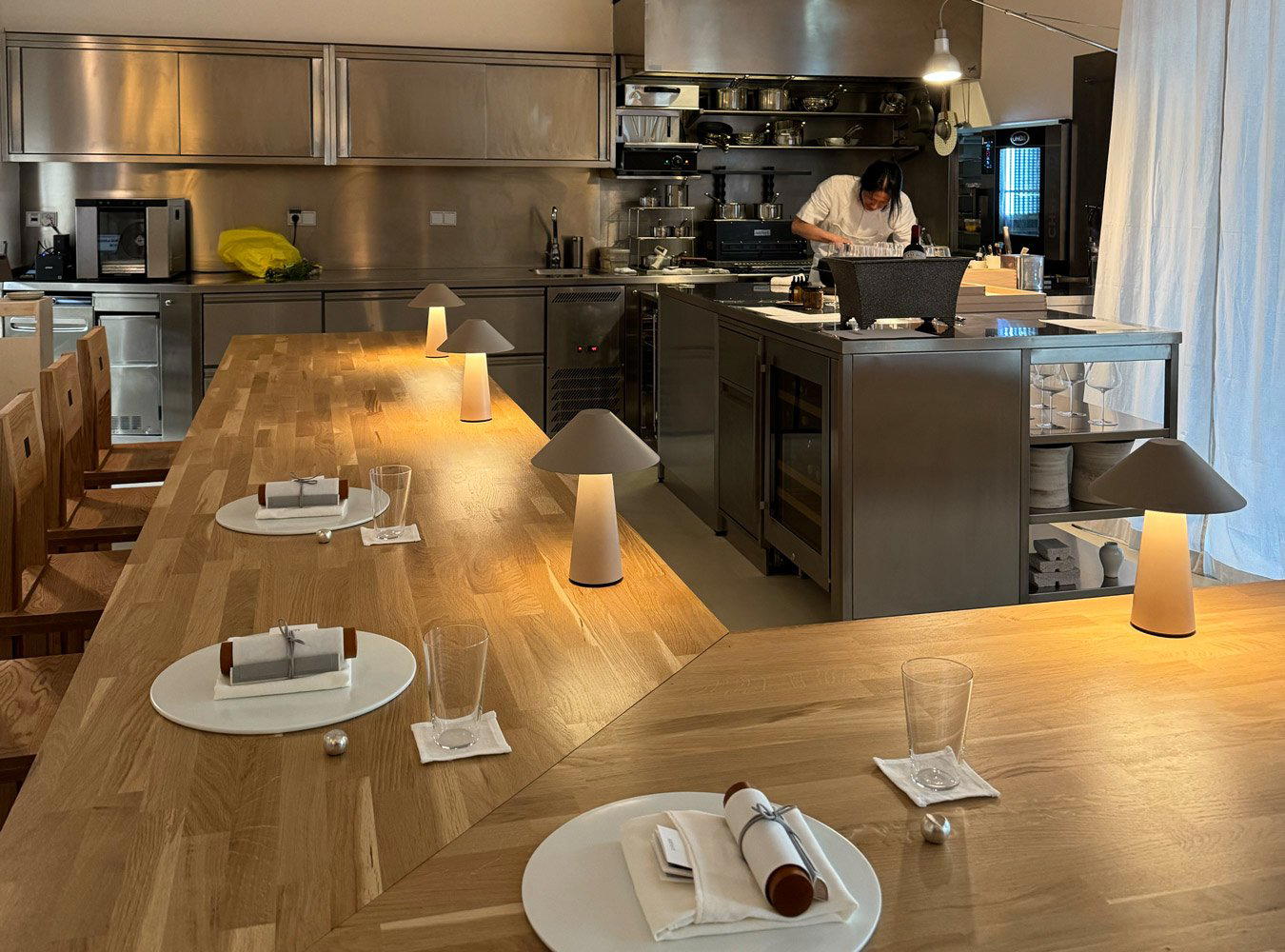
Bars in Vienna
All bars in Vienna →
Details
- Cozy
- Modern
- Elegant
- Intimate
- Date Night
- Casual Hangout
- Open Kitchen
- Natural Wine
- Local Sourcing
- Organic
- A La Carte
- Vegetarian Friendly
- Vegan Options
Current opening hours
- Monday
- 11 AM–11 PM
- Tuesday
- 11 AM–11 PM
- Wednesday
- 11 AM–11 PM
- Thursday
- 11 AM–11 PM
- Friday
- 11 AM–11 PM
- Saturday
- 12–11 PM
- Sunday
- Closed
Hours can change for holidays and private events. Hours as of .
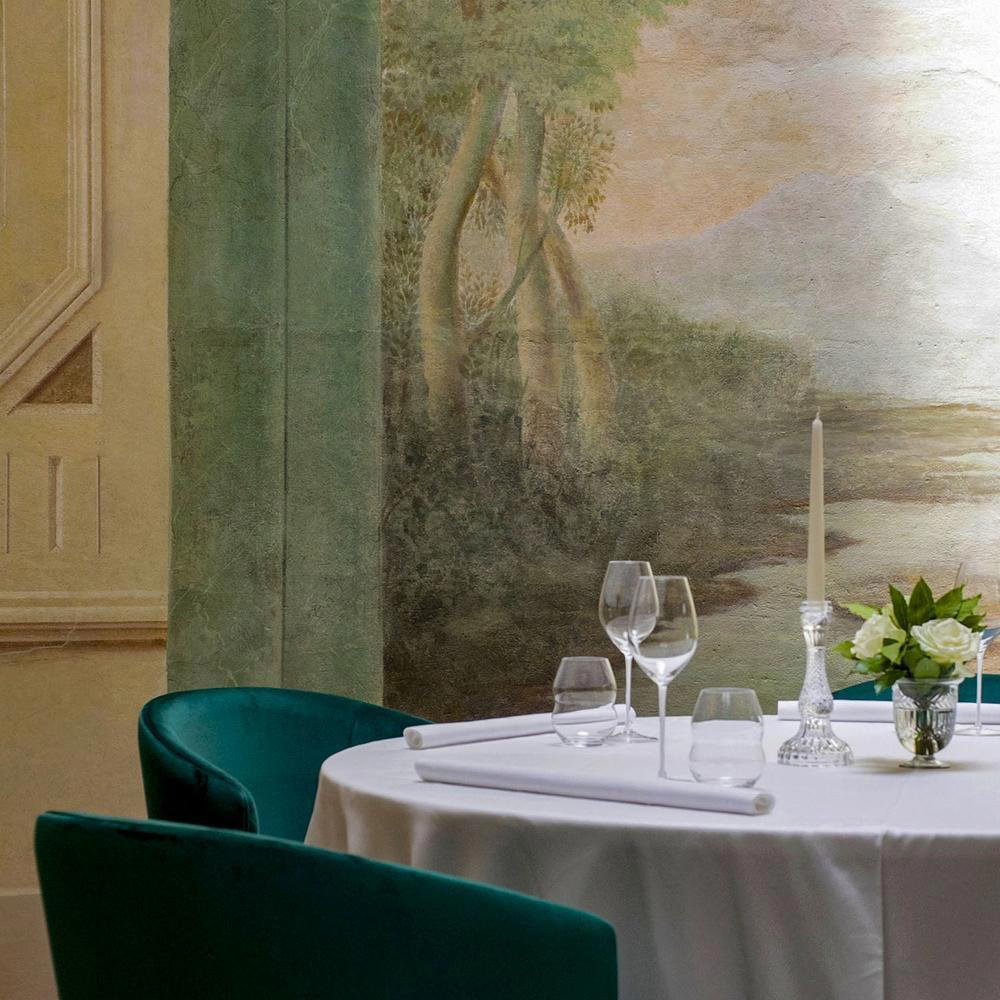
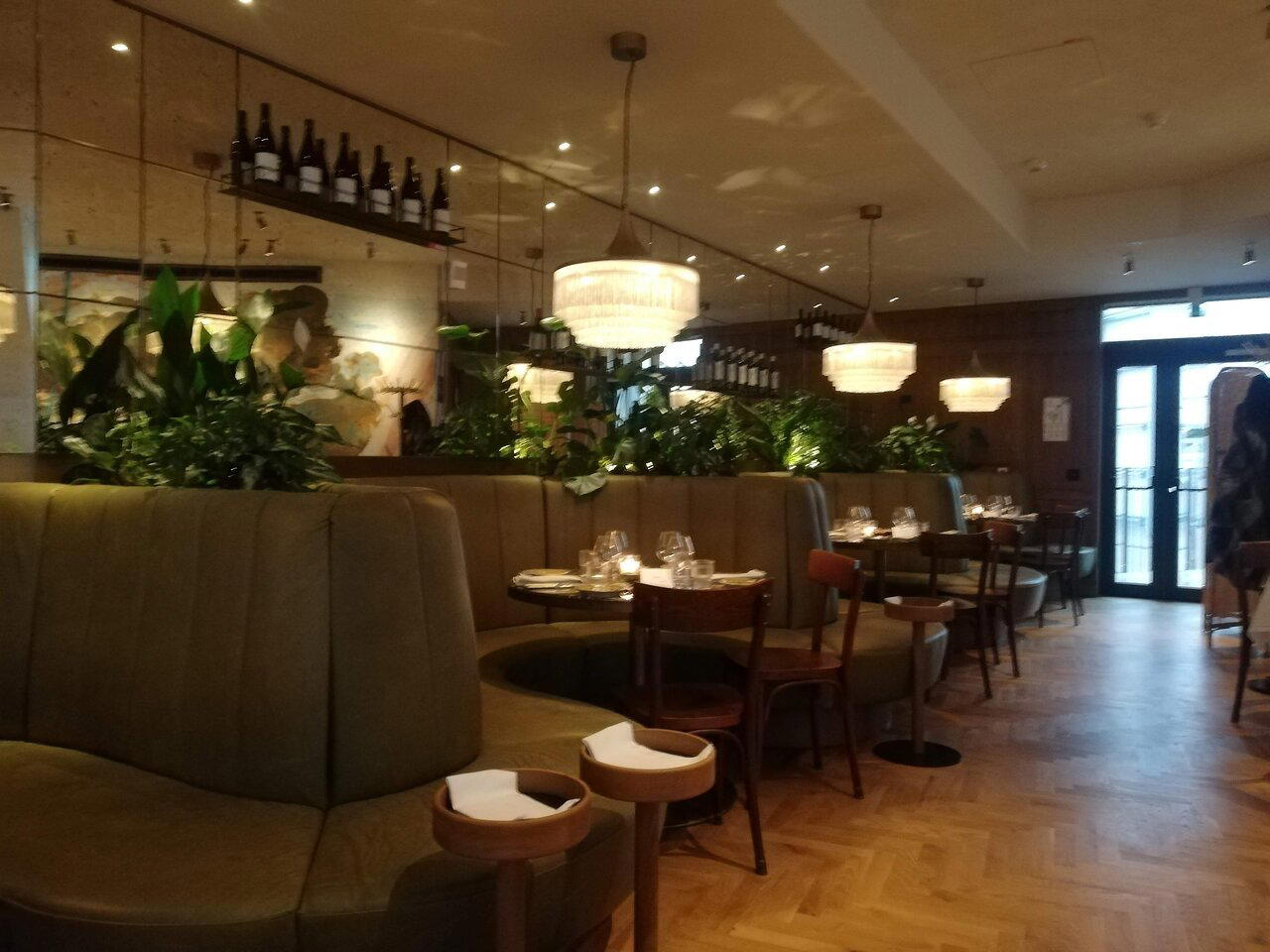
Cozy and warm atmosphere with friendly hospitality in a historic downtown setting.