In the Zillertal valley above Schwendau, Zimmereben occupies a position that reflects a broader pattern in Austrian alpine dining: serious regional cooking anchored to the produce of a specific landscape. The address at Burgstall places it firmly in the mountain farmhouse tradition, where ingredient provenance is not a marketing point but a structural fact of the kitchen. For our full Schwendau restaurants guide, it sits at the intersection of altitude and authenticity.
Pearl is the En Primeur Club membership app — saves, bookings, and concierge access live there. Same editors, same standards.
- Address
- î Zimmereben 646, 6290 Burgstall, Austria î
- Phone
- +436643806203
- Website
- zimmereben.at
- Directions
- Get directions
 Saves & bookings on Pearl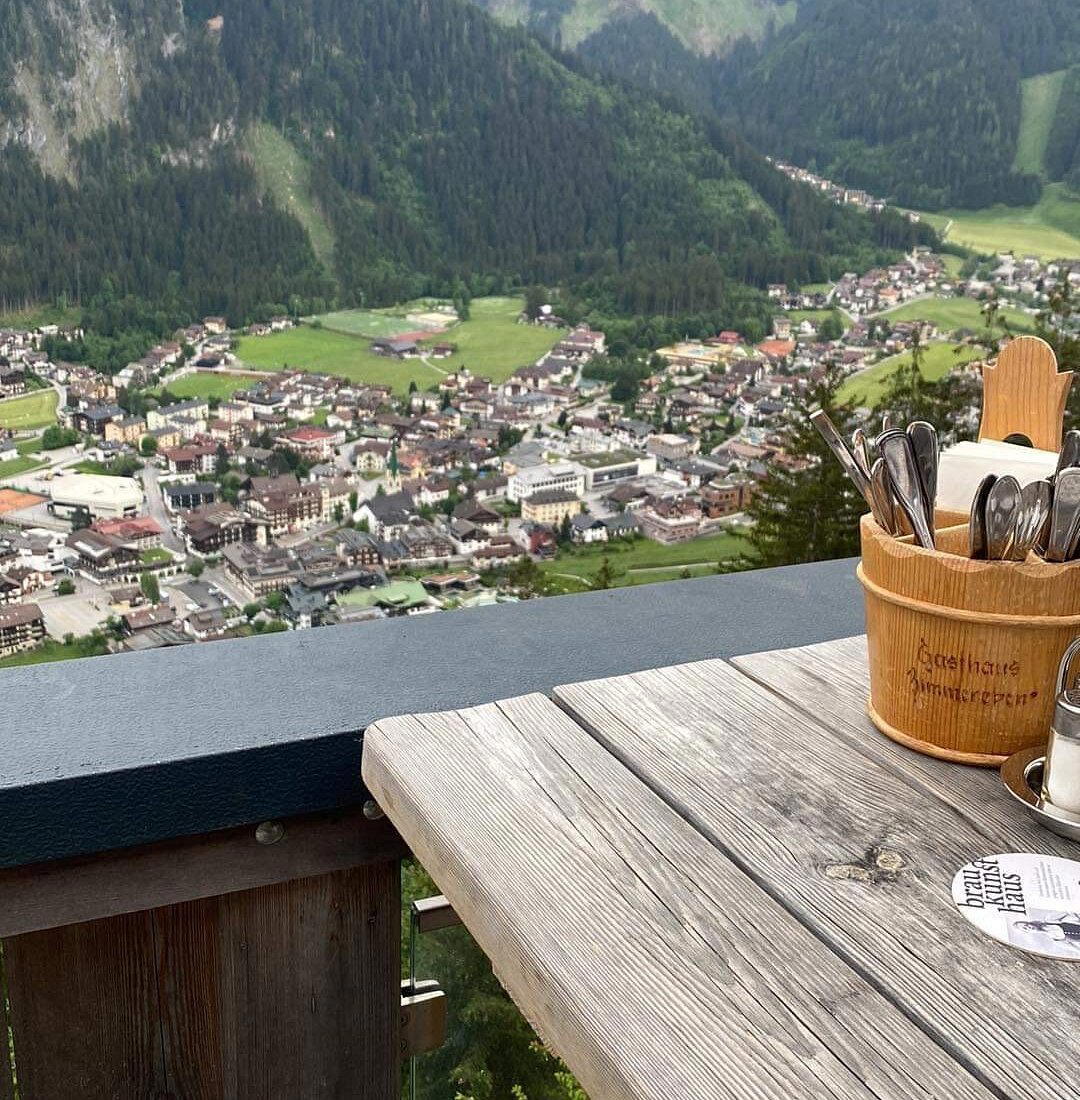
Where the Valley Determines the Menu
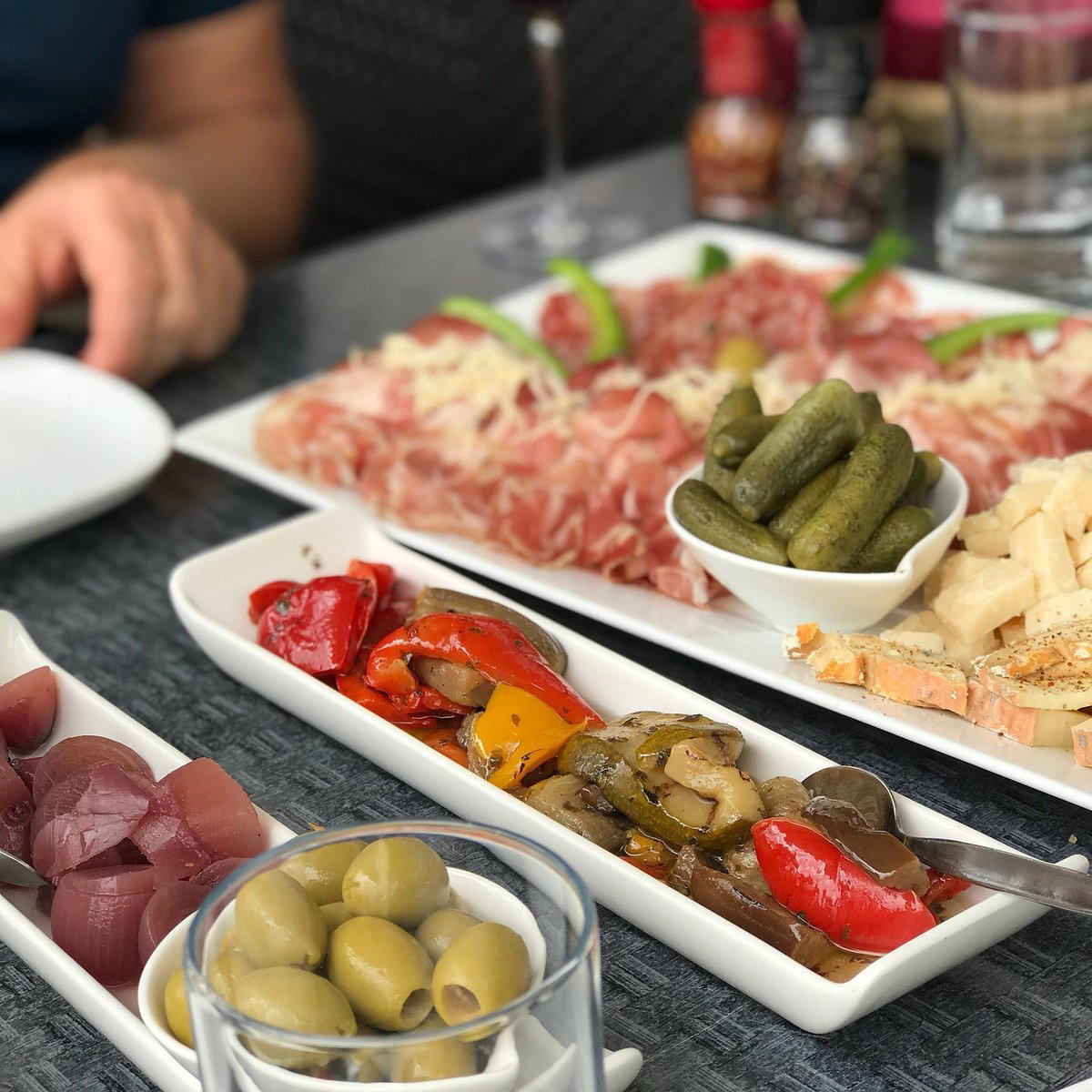
Austrian alpine dining has, over the past decade, sorted itself into two distinct registers. The first is the resort-facing fine dining room, built to serve wealthy skiers who want technical cooking with a mountain view, Griggeler Stuba in Lech and Stüva in Ischgl operate in this bracket. The second is the farmhouse or valley-rooted table, where the sourcing logic runs in the opposite direction: the landscape dictates what can be cooked, and the cooking stays close to what the surrounding farms and forests produce. Zimmereben is a restaurant in Burgstall above Schwendau in the Zillertal, serving Traditional Austrian Alpine cooking at about US$25 per person. The distinction matters because it shapes everything from what appears on the plate to how far in advance you need to plan a visit.
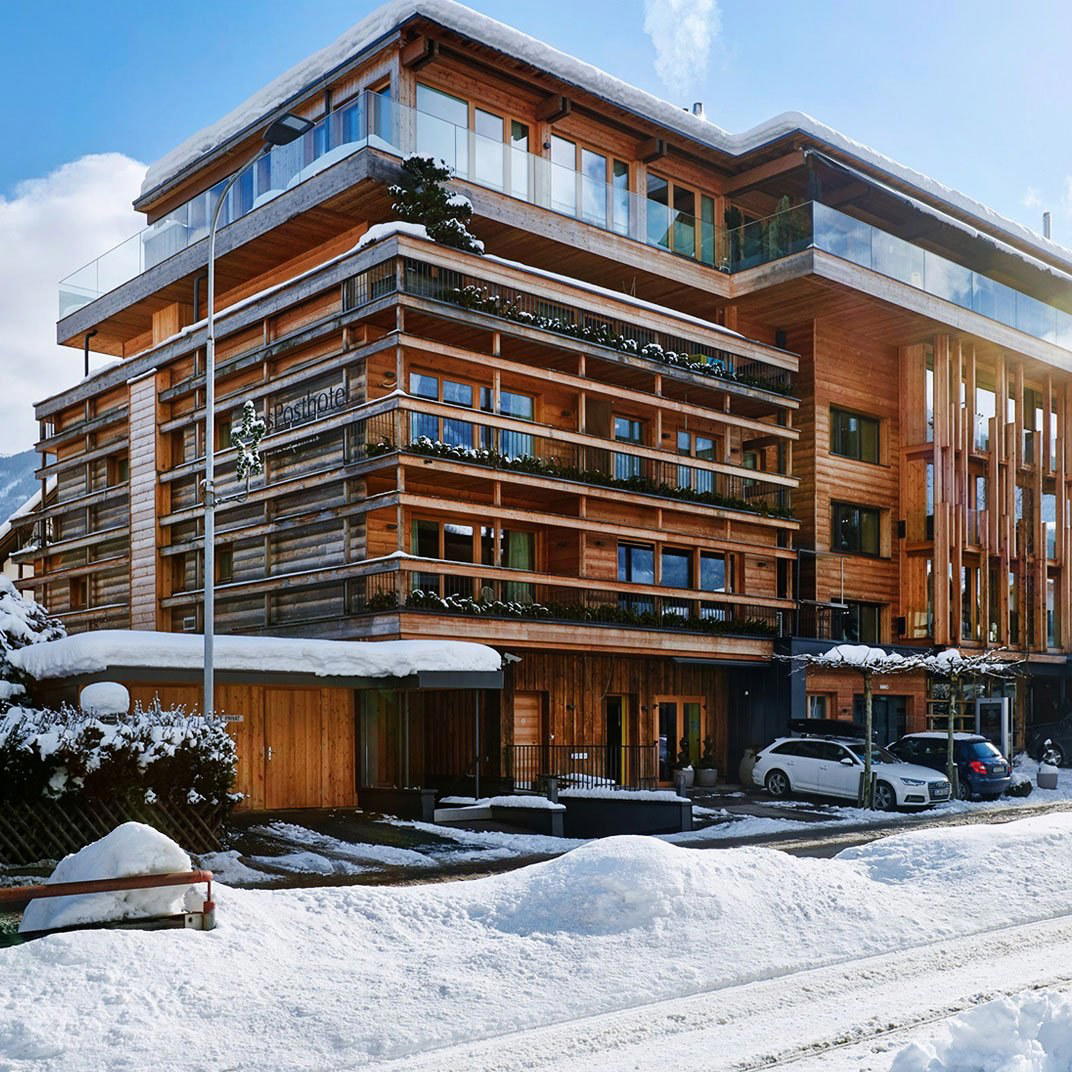
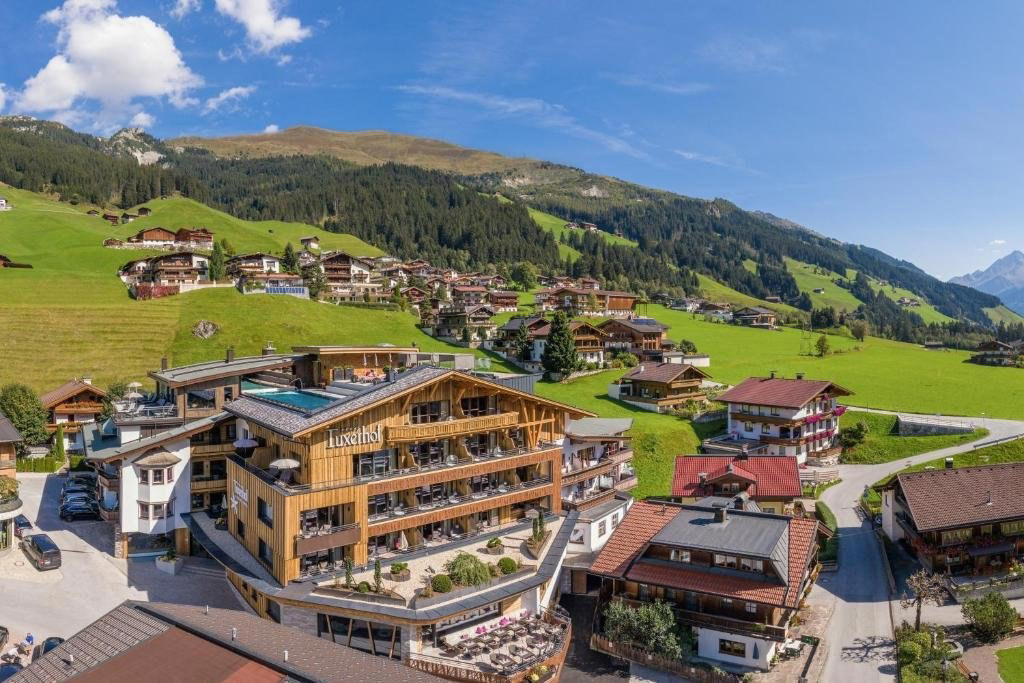
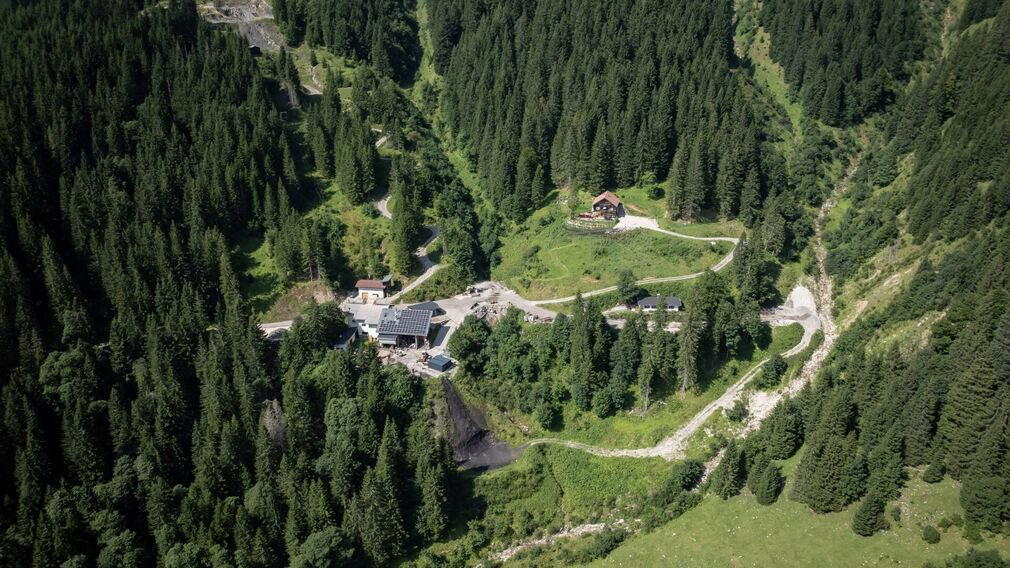
The Zillertal is not a glamour valley in the way that Lech or Ischgl is. It draws hikers and serious mountaineers as readily as ski tourists, and the character of its villages reflects that, quieter, less internationally branded, more directly connected to the agricultural calendar. Zimmereben sits at an altitude that reinforces this character. Approaching by road, the scale of the surrounding ridgelines and the absence of resort infrastructure signals immediately that this is not a stage-set for après dining. It is a place where the physical environment is the context, not the backdrop.
Ingredient Sourcing as Kitchen Architecture
In Austrian alpine cooking at this altitude, sourcing is not a choice made at the market, it is constrained and defined by geography. The farms that operate above 1,000 metres in Tyrol produce dairy, meat, and foraged material on a seasonal rhythm that has not changed materially in generations. Hay-fed cattle yield milk and beef with a fat profile and flavour depth that lowland equivalents rarely match. Wild herbs, berries, and mushrooms from the surrounding slopes follow a calendar that no supply chain can replicate or accelerate.
This is the structural logic that defines a kitchen like Zimmereben's position in the Austrian dining scene. Where restaurants such as Döllerer in Golling an der Salzach have built a formally awarded reputation around contemporary Austrian sourcing, or Kräuterreich by Vitus Winkler in Sankt Veit im Pongau has made herb cultivation its defining editorial statement, valley-embedded addresses like this one operate with an ingredient logic that is less frequently amplified by national press but is no less rigorous. The mountain larder is simply taken as given.
Across Austria's serious regional dining circuit, from Obauer in Werfen to Landhaus Bacher in Mautern an der Donau, the kitchens with the longest tenure tend to be those that have built stable, direct relationships with a handful of primary producers rather than sourcing broadly. In the Zillertal, the radius is naturally restricted by topography. That restriction is, counterintuitively, a quality signal.
The Broader Alpine Context
Austria's fine dining conversation is often anchored in Vienna and Salzburg. Steirereck im Stadtpark in Vienna and Ikarus in Salzburg set the tone for what international critics track. But the more instructive comparison for understanding a place like Zimmereben is the tier of serious regional tables scattered across Tyrol and Salzburgerland that operate outside the awards spotlight, restaurants such as Schwarzer Adler in Hall in Tirol and Restaurant 141 by Joachim Jaud in Mieming, which maintain a loyal local and regional following without depending on destination-dining tourism for their business model.
This comparable set is worth understanding because the expectations and experiences diverge from those of the flagship fine dining room. The service register is warmer and less ceremonial. The menu may not change weekly but will shift with the season and what's come in from nearby farms. The wine list, in many such kitchens, emphasises Austrian producers, particularly from the Wachau, Kamptal, and Steiermark, rather than building a cellar around international trophies. At comparable addresses like Taubenkobel in Schützen am Gebirge or Atelier Fischer in Sankt Gilgen, the local provenance of both food and wine is an editorial commitment rather than a fallback position.
For readers accustomed to the high-precision tasting menu format of places like Le Bernardin in New York City or Atomix in New York City, the alpine regional table in Austria operates on different terms. It is not chasing the same kind of recognition, and understanding that is the prerequisite for appreciating what it does well.
Planning a Visit to the Zillertal
Schwendau sits within the Zillertal, accessible from Innsbruck via the A12 motorway and the Zillertal road southeast, roughly an hour's drive under normal conditions, though mountain weather and seasonal road conditions can extend this. The valley is served by the Zillertalbahn, a narrow-gauge railway running from Jenbach, which connects to mainline services at Innsbruck. Zimmereben's address at Burgstall places it above the valley floor, so a car or local taxi is the practical option for the final approach.
Those travelling a wider Austrian circuit may also find it useful to anchor against the Salzburg region's comparable tables, including Ois in Neufelden and Artis in Graz for a sense of how the regional dining register shifts across Austria's distinct food cultures.
Quick Comparison
Comparable venues nearby, for context on price, style, and recognition.
| Venue | Cuisine | Price | Notes |
|---|---|---|---|
| ZimmerebenThis venue — the venue you are viewing | Traditional Austrian Alpine | $$ | Not listed |
| Fliegerstube | Traditional Austrian | $$ | Langkampfen |
| Gipfö Hit | Traditional Austrian Tyrolean | $$ | Thierbach |
| Gasthof Alte Wacht | Traditional Tyrolean Cuisine | $$ | Jochberg |
| Jodlbühel | Traditional Tyrolean Inn Cuisine | $$ | Jochberg |
| Rotmoosalm | Traditional Tyrolean Alpine Cuisine | $$ | Gaistal, Leutasch |
Continue exploring
More in Schwendau
Restaurants in Schwendau
Browse all →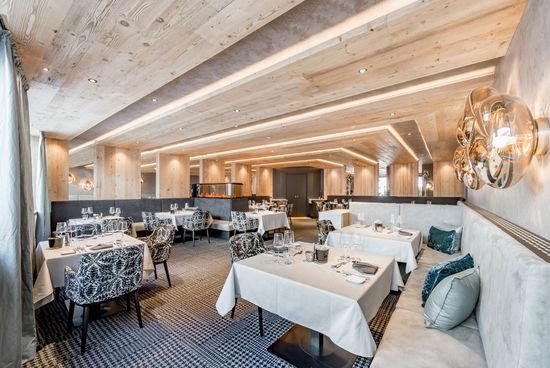
Bars in Schwendau
Browse all →
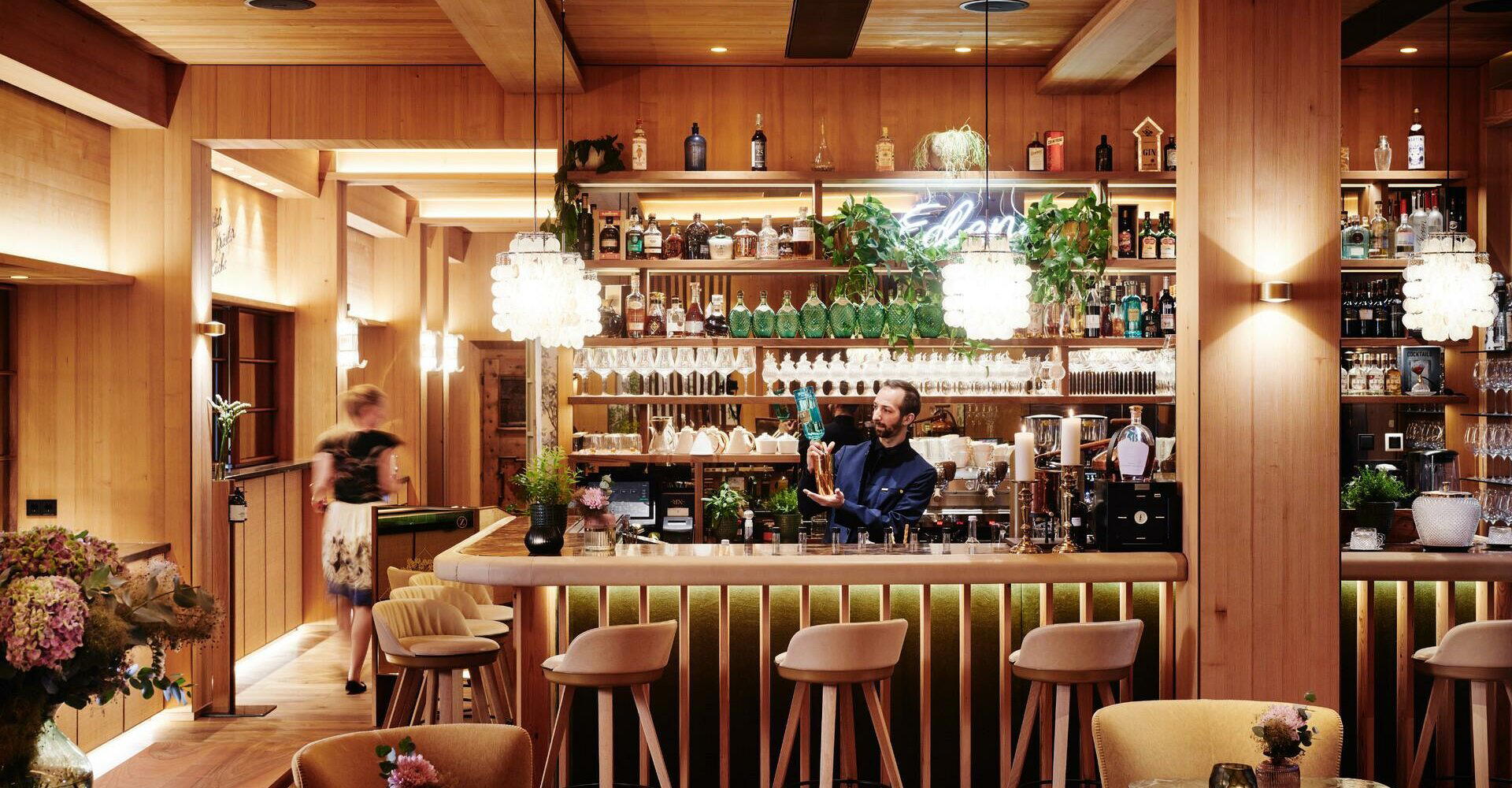
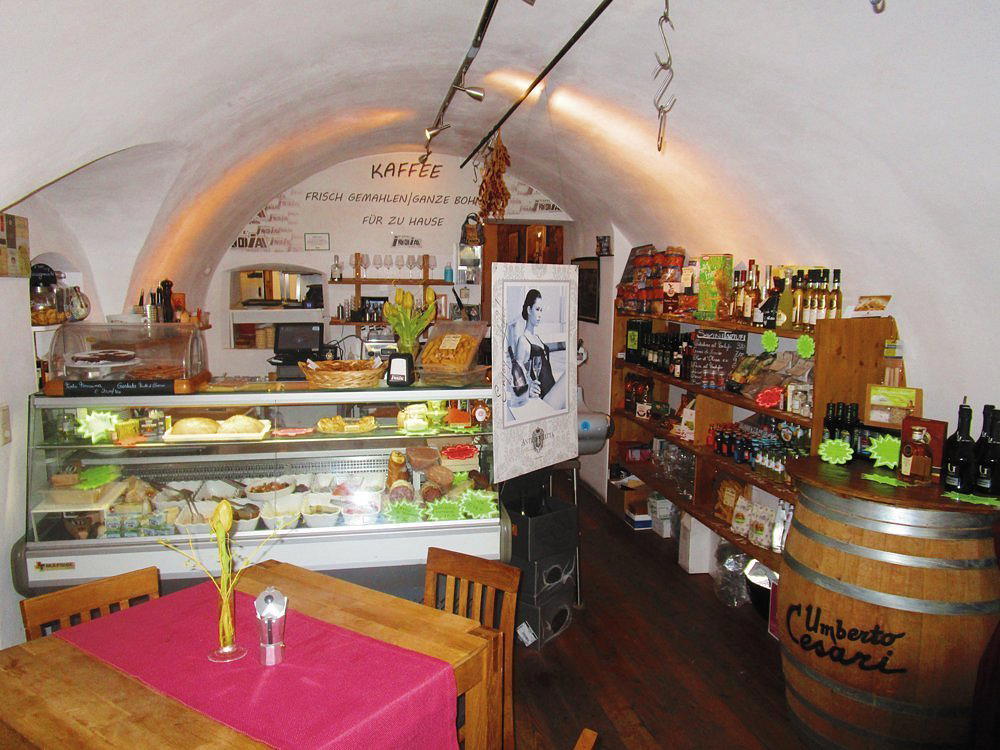
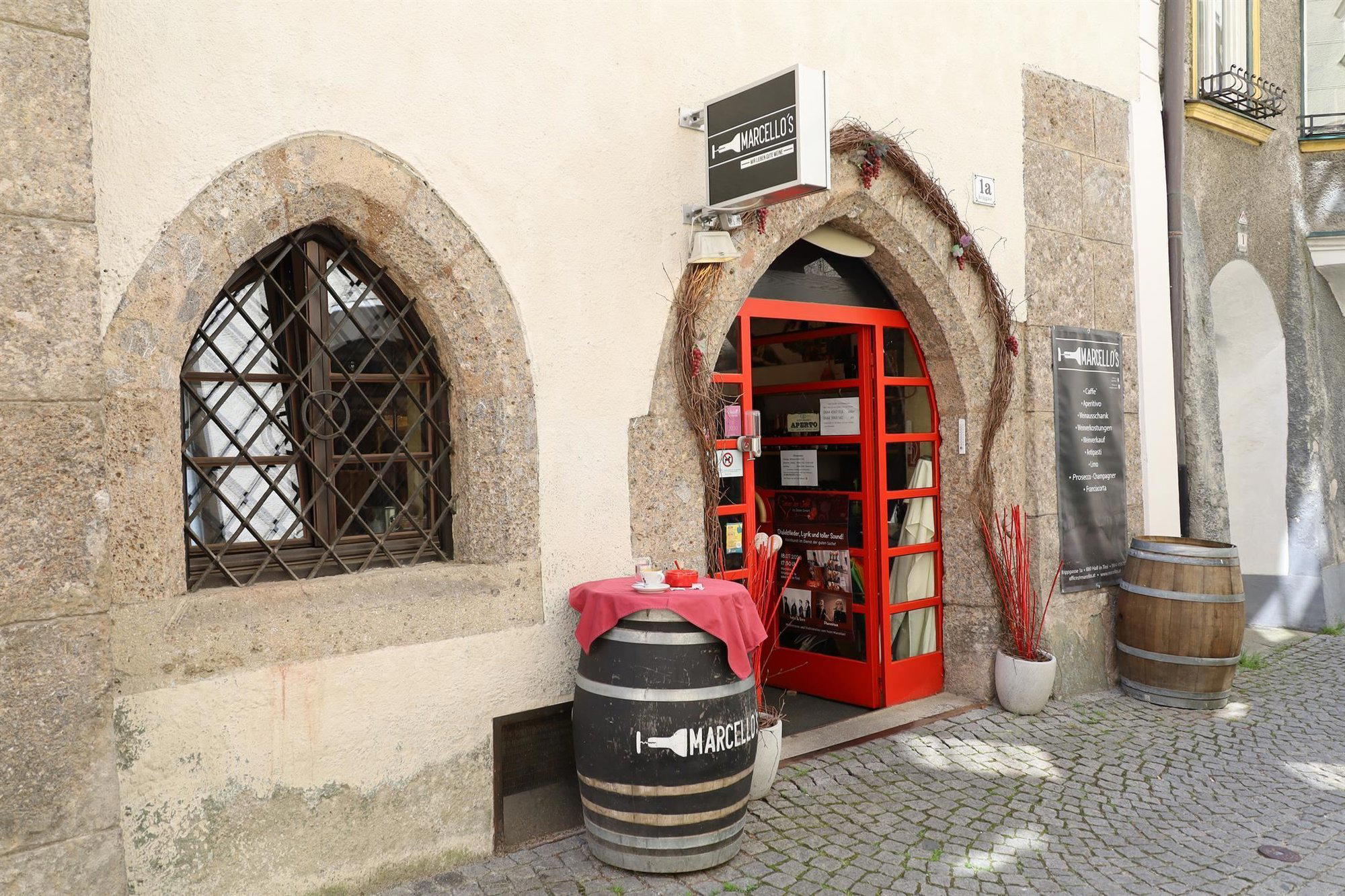
Hotels in Schwendau
Browse all →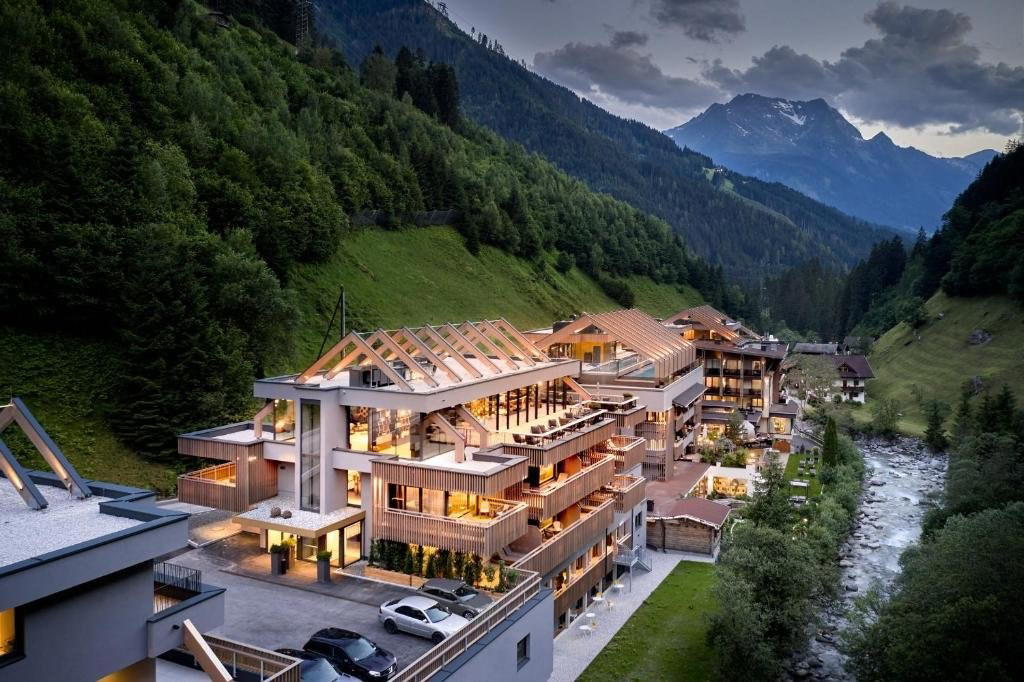

At a Glance
- Rustic
- Cozy
- Scenic
- Casual Hangout
- Group Dining
- Family
- Panoramic View
- Terrace
- Beer Program
- Local Sourcing
- Mountain
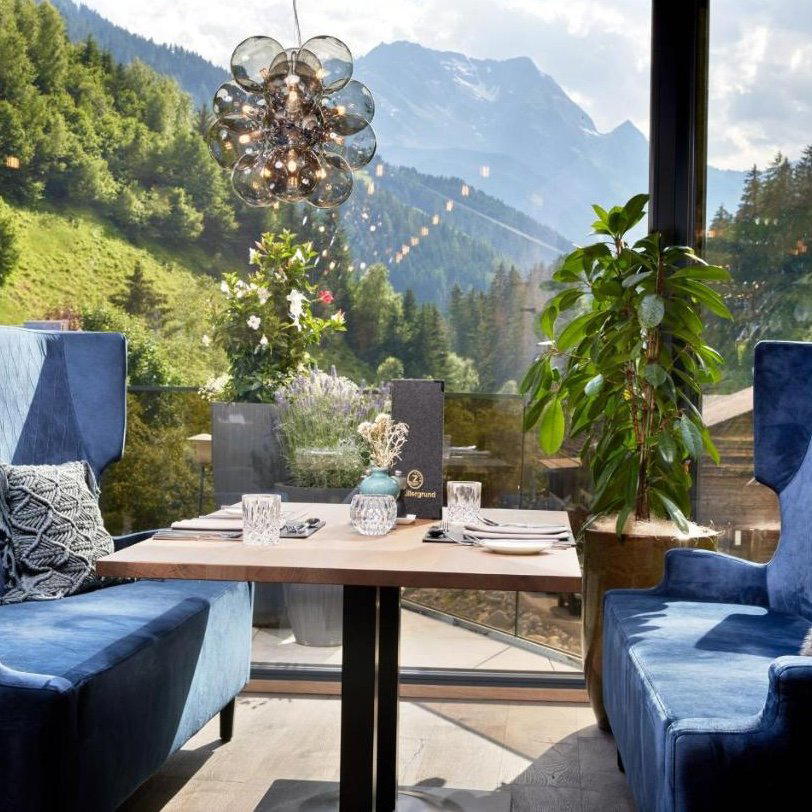
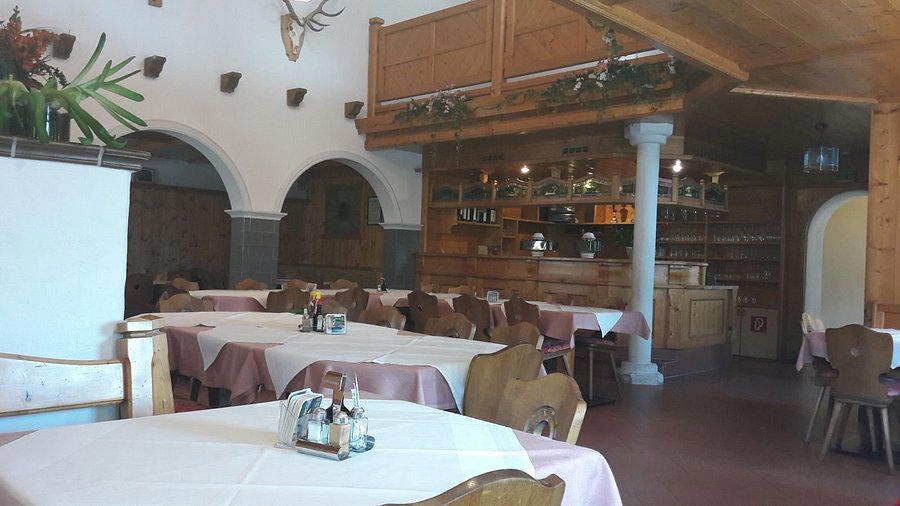
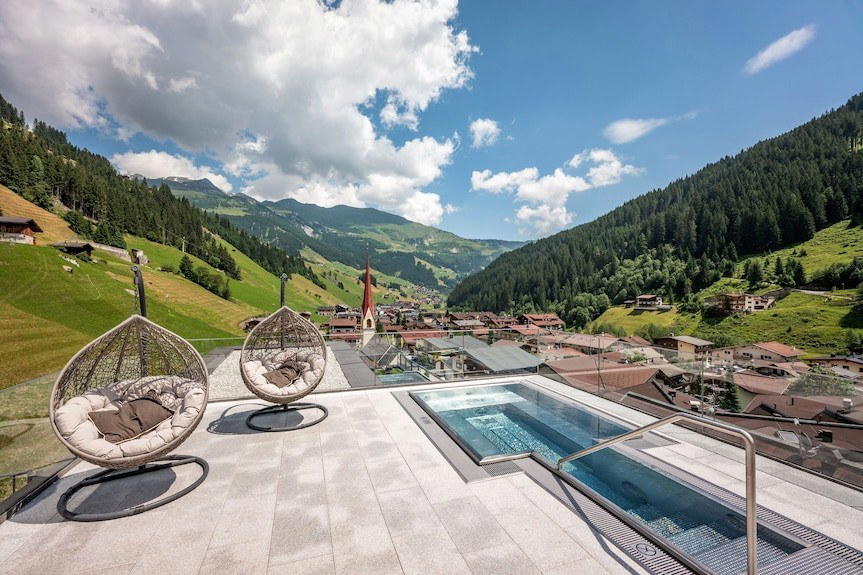
Warm, welcoming alpine atmosphere with natural lighting from expansive mountain views; cozy and relaxed with traditional Tyrolean charm.