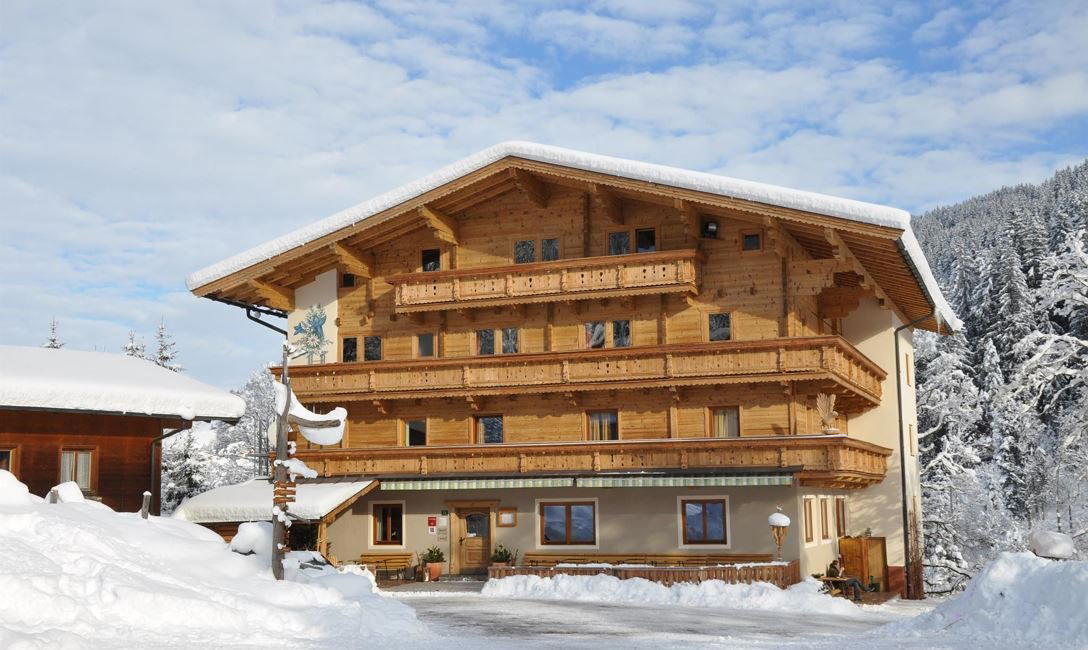
Gasthof Alte Wacht sits along Pass-Thurn-Straße in Jochberg, a small Tyrolean village between Kitzbühel and the Thurn Pass, where Alpine gasthaus tradition shapes the pace and character of the meal. The address places it squarely in mountain-inn territory: expect the customs and cadence of Austrian alpine hospitality rather than urban fine dining formality.
Pearl is the En Primeur Club membership app — saves, bookings, and concierge access live there. Same editors, same standards.
- Address
- Pass-Thurn-Straße 14, 6373 Jochberg, Austria
- Phone
- +434353555222
- Website
- alte-wacht.at
- Directions
- Get directions
 Saves & bookings on Pearl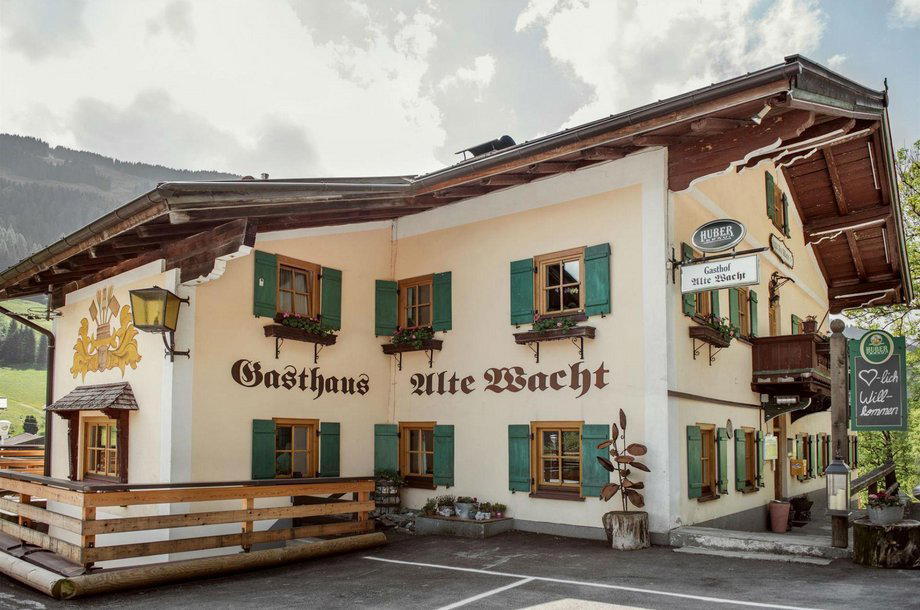
Where the Pass Meets the Table
The road through Jochberg narrows as it climbs toward the Thurn Pass, and the buildings along Pass-Thurn-Straße carry the weight of that geography. A traditional Austrian gasthaus in this setting is not simply a place to eat: it is a structure built around the rhythm of mountain life, where guests arrive from the slopes or the valley trails, where meals follow a pace set by the kitchen rather than the clock, and where the dining room functions as a kind of community institution as much as a restaurant. Gasthof Alte Wacht is a restaurant in Jochberg, Austria, serving Traditional Tyrolean Cuisine at Pass-Thurn-Straße 14.
Jochberg itself is a village that most visitors pass through rather than stop at, which makes the gasthaus format particularly meaningful here. The village sits between the better-known resort infrastructure of Kitzbühel to the north and the quieter Salzburg-side terrain beyond the pass. Dining options in the village include Bruggeralm, Gasthaus Bärenbichl, Jodlbühel, and Restaurant Steinberg. Within that small field, each address serves a slightly different moment in the day or the season, and the gasthaus model that Alte Wacht represents is a consistent format in that group.
The Gasthaus Ritual: Pacing, Custom, and What It Means to Sit Down
The dining customs of the Austrian mountain gasthaus are worth understanding before you arrive, because they differ meaningfully from both urban restaurant norms and the hotel-restaurant format common to resort zones. In a traditional gasthaus, the assumption is that you will stay. Tables are not turned quickly. Orders arrive in a sequence calibrated to conversation rather than efficiency. The meal tends to open with a soup, often a clear beef broth with liver dumplings or semolina dumplings, before moving to a main course built around local protein: venison, pork, or freshwater fish from regional sources, depending on the season and what the kitchen is working with.
The Tyrolean tradition specifically emphasizes what might be called the principle of substantiality. Portions reflect the caloric demands of people who have spent the morning on skis or the afternoon on hiking trails. Sauces tend to be reduced and rich. Side dishes often include Tiroler Knödel or Rösti-adjacent potato preparations. The bread arrives early and is replenished without prompting. This is not a format that rewards impatience, and it is not calibrated toward grazing: the Austrian gasthaus meal is a structured event with a beginning, a middle, and a dessert that feels like punctuation.
That structural approach to the meal separates the gasthaus tradition from the direction taken by Austria's more progressive dining rooms. Restaurants like Steirereck im Stadtpark in Vienna or Döllerer in Golling an der Salzach operate within a contemporary Austrian idiom that reworks regional ingredients through a fine-dining lens. The gasthaus format does something different: it preserves the original architecture of the meal rather than deconstructing it. That is not a limitation, it is the point. In the wider Austrian dining scene, addresses like Obauer in Werfen and Landhaus Bacher in Mautern an der Donau show how traditional formats can evolve without losing their regional grounding. The gasthaus, operating at a different price tier and with a different social function, holds its own lane.
The Tyrolean Context and What It Implies
Tyrol has a denser concentration of quality mountain dining than most Alpine regions, partly because the infrastructure built around ski tourism created sustained demand for restaurants that could feed serious skiers serious food at altitude. That demand shaped a range of formats: from mountain huts serving soup and Schnapps to destination restaurants with full wine lists and tasting menus. The gasthaus sits in the middle of that range, defined by a fixed address, a full kitchen, and a menu that changes with the seasons rather than the week.
Across the Tyrolean dining scene, addresses such as Schwarzer Adler in Hall in Tirol, Gourmetrestaurant Tannenhof in Sankt Anton am Arlberg, and Stüva in Ischgl mark the upper register of the regional dining conversation, with recognition from major guides and the pricing structures that accompany that tier. The gasthaus format, including Alte Wacht, operates several rungs below that in terms of formality and price, but in terms of connection to local eating culture, it sits closer to the source. Seasonal game, regional dairy, and locally sourced grain appear in gasthaus kitchens not as sourcing statements but as the default, the way things have always been done in mountain communities where supply chains are short and local producers are neighbours.
For readers building a wider Austrian itinerary, the contrast between the gasthaus tradition and the newer wave of Austrian fine dining is worth experiencing directly. Restaurant 141 by Joachim Jaud in Mieming, Kräuterreich by Vitus Winkler in Sankt Veit im Pongau, and Taubenkobel in Schützen am Gebirge each show how Austrian ingredients and traditions translate into contemporary formats. The gasthaus does not compete in that conversation, it occupies different territory, where the meal is not a statement but a custom. Internationally, the contrast sharpens further: the austere precision of Le Bernardin in New York City or the communal dinner format of Lazy Bear in San Francisco represent entirely different philosophies of what a restaurant can be, which makes returning to an Alpine gasthaus feel like recalibrating toward something more elemental. Ois in Neufelden offers another reference point for Austrian dining that draws on deep local roots without the resort-zone context.
Planning a Visit to Gasthof Alte Wacht
Jochberg is most accessible by road from Kitzbühel, which sits roughly eight kilometres to the north via the B161. The village does not have a major rail connection; visitors arriving by public transport typically reach Kitzbühel by train and continue to Jochberg by bus or taxi. Gasthof Alte Wacht sits directly on Pass-Thurn-Straße, the main road through the village, which means it is findable without detailed navigation.
Cuisine and Awards Snapshot
Comparable venues nearby, for context on price, style, and recognition.
| Venue | Cuisine | Price | Notes |
|---|---|---|---|
| Gasthof Alte WachtThis venue — the venue you are viewing | Traditional Tyrolean Cuisine | $$ | Not listed |
| Restaurant Steinberg | Modern Tyrolean | $$$ | Jochberg |
| Jodlbühel | Traditional Tyrolean Inn Cuisine | $$ | Jochberg |
| Gasthaus Bärenbichl | Traditional Tyrolean Regional Cuisine | $$$ | Jochberg |
| Bruggeralm | Tyrolean Alpine Hut | $$ | Jochberg |
| Hotel Gasthof Post | Traditional Austrian Tyrolean | $$ | Kössen |

At a Glance
- Cozy
- Rustic
- Classic
- Quiet
- Family
- Group Dining
- Casual Hangout
- Terrace
- Standalone
- Local Sourcing
- Farm To Table
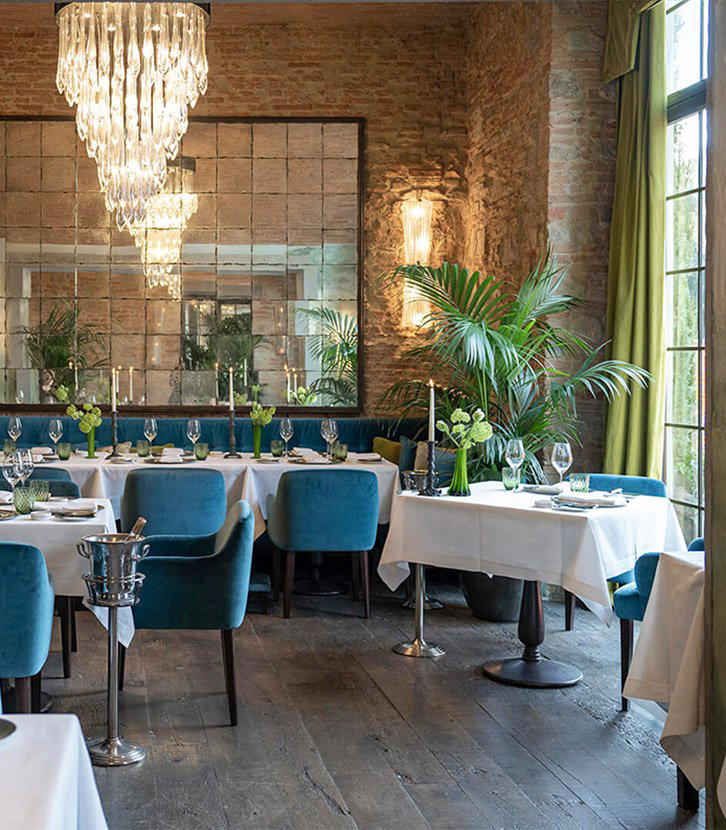
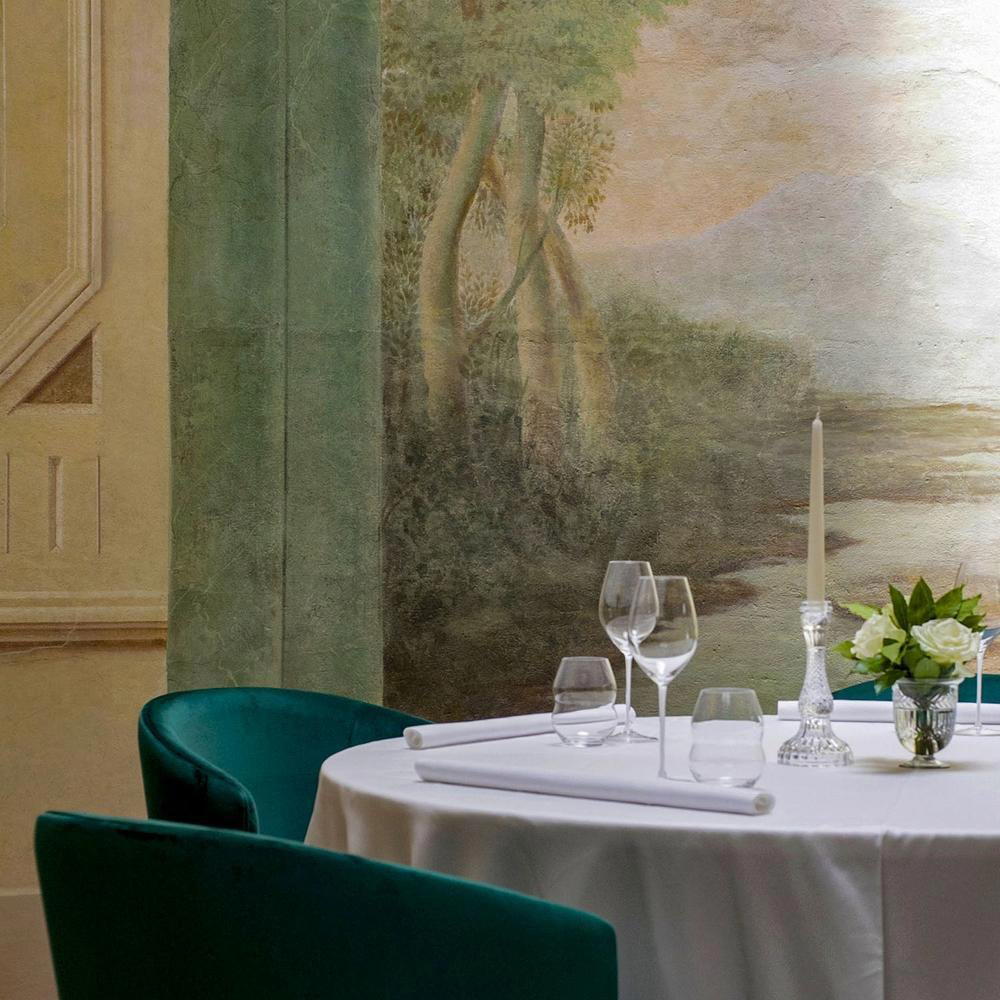
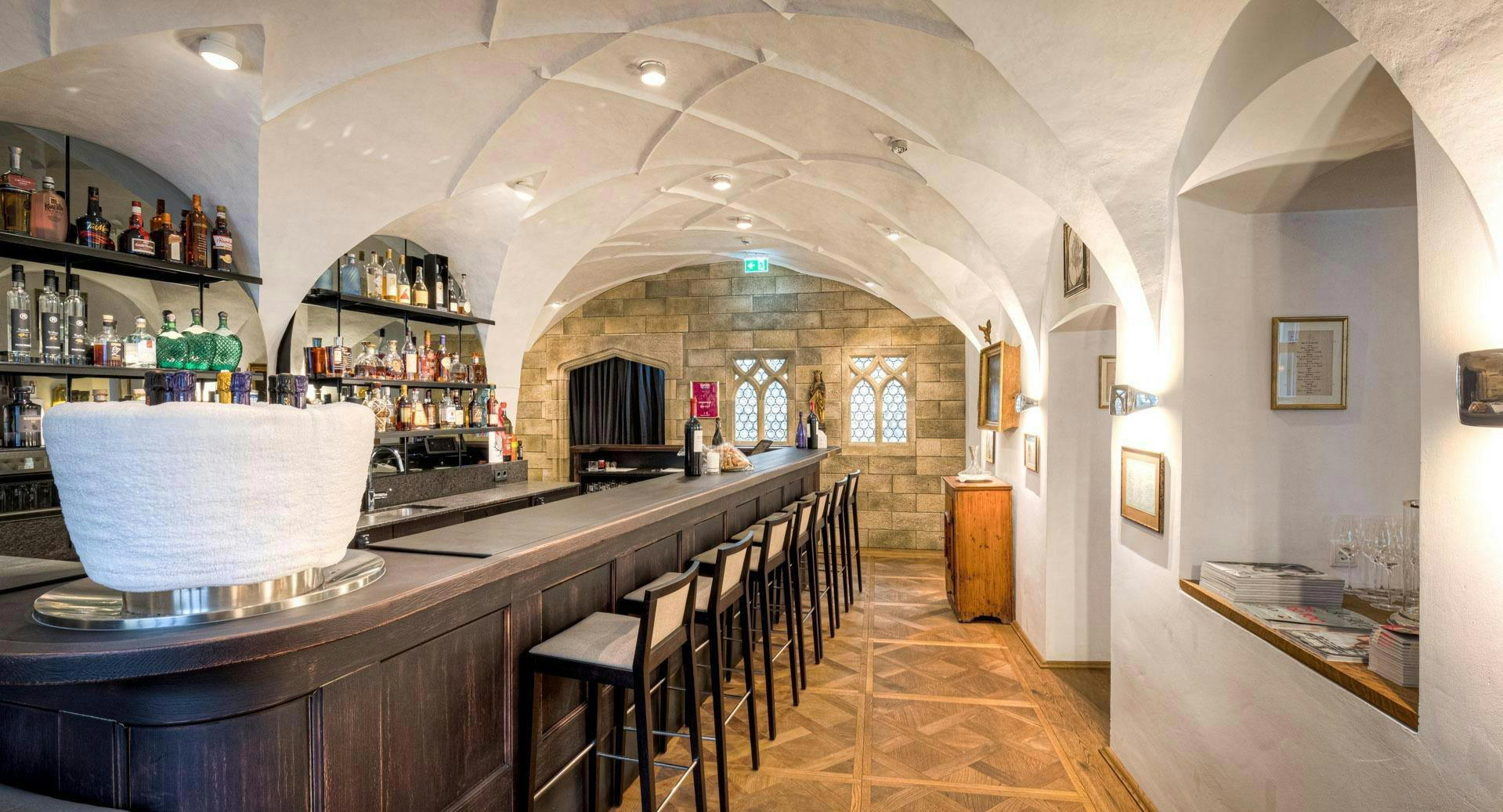
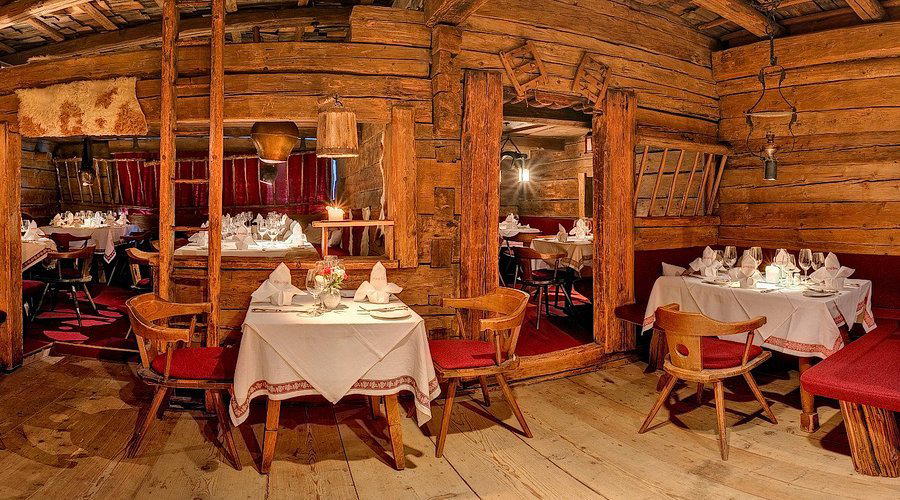
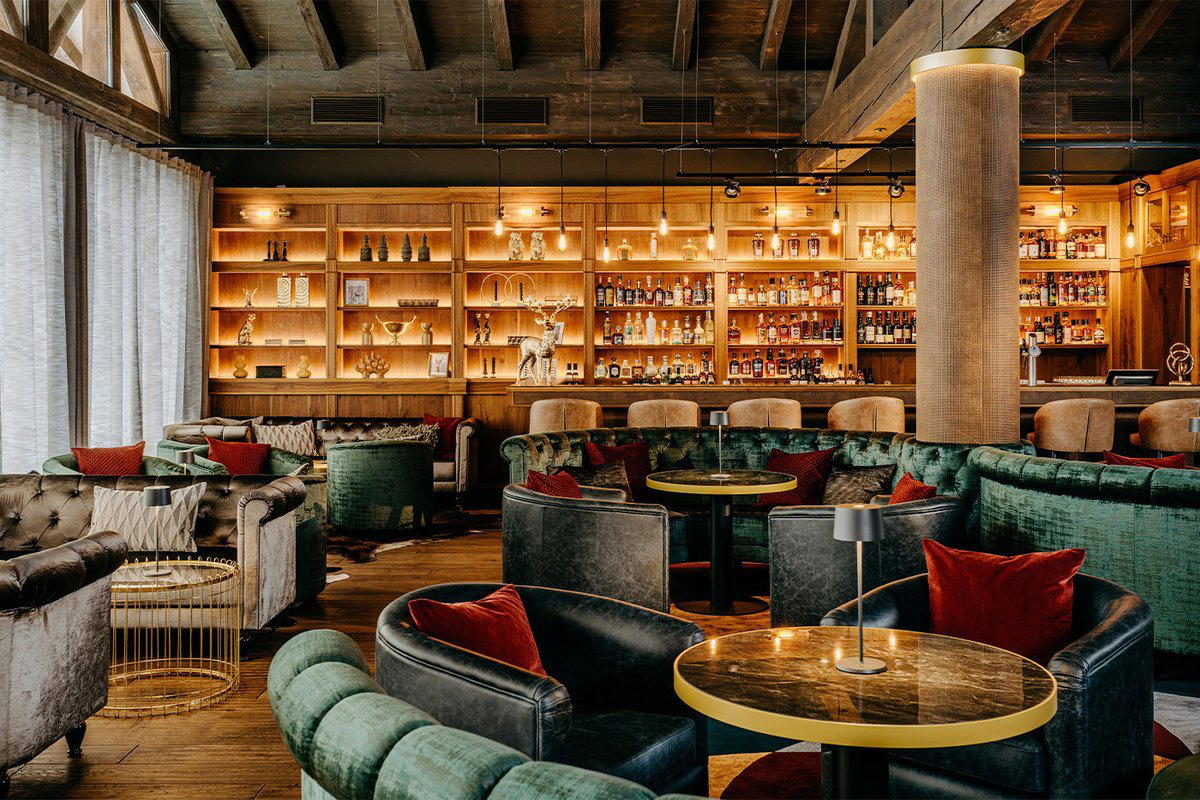
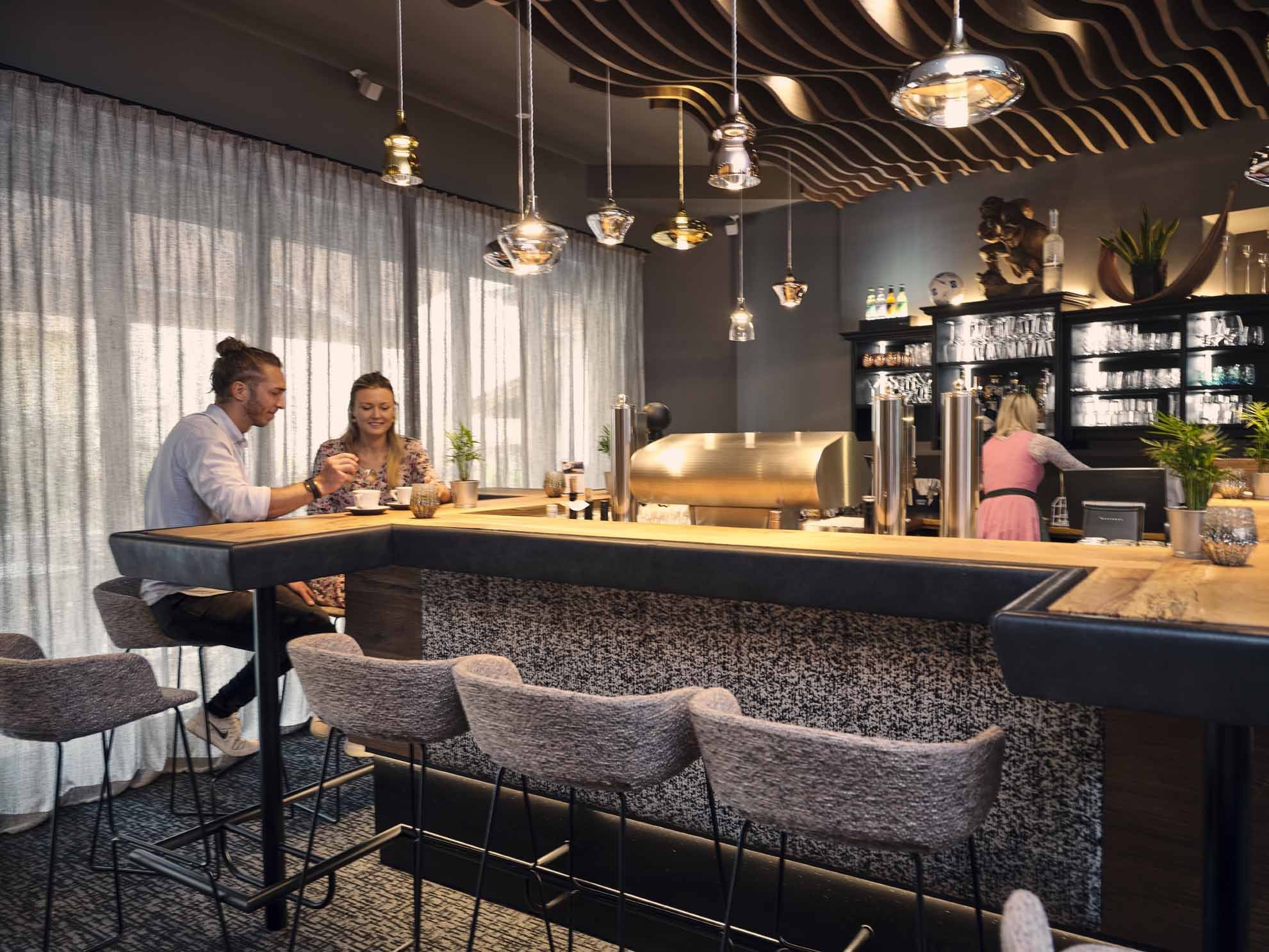
Warm, welcoming family atmosphere with cozy parlours and a quiet roof terrace; rustic Alpine charm with genuine Tyrolean hospitality.