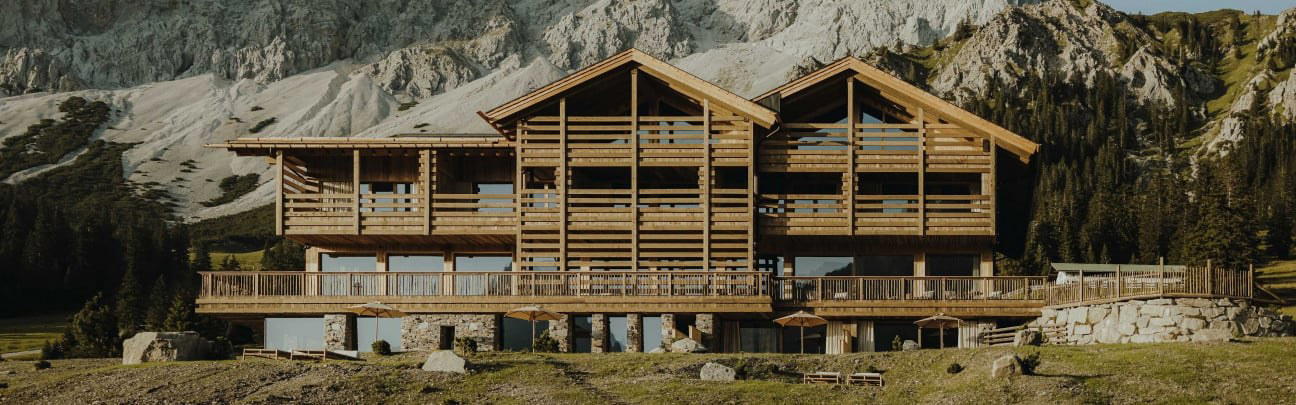
Rotmoosalm sits in the high-altitude quiet of Leutasch, a Tyrolean valley where the Austrian tradition of mountain hut dining remains largely unchanged by urban restaurant trends. The alm format here follows a seasonal rhythm tied to pasture and weather rather than reservations culture, placing it in a category that rewards patience and timing over advance planning.
Pearl is the En Primeur Club membership app — saves, bookings, and concierge access live there. Same editors, same standards.
- Address
- 6105 Leutasch, Austria
- Phone
- +436764516900
- Website
- rotmoosalm.at
- Directions
- Get directions
 Saves & bookings on Pearl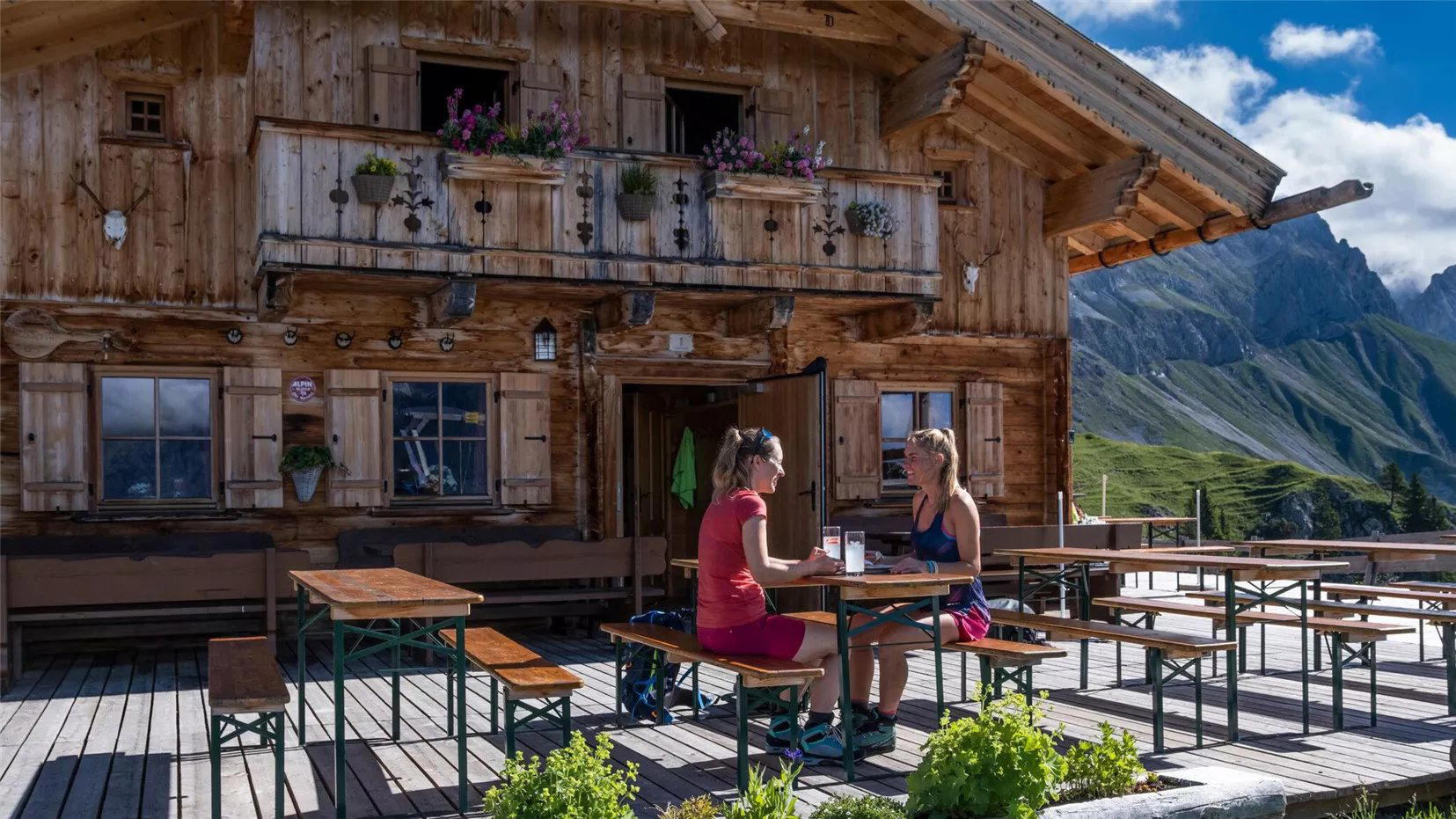
Altitude and Ritual: Dining at an Austrian Alm
The approach to a traditional Tyrolean alm sets the terms of the meal before you arrive at the door. At Rotmoosalm, situated in the Leutasch valley in the Austrian Tyrol, the physical act of reaching the hut, whether on foot across alpine meadow or by a seasonal access route, is not incidental. It is the first course. This is how alm dining has worked for generations across the Eastern Alps: the effort of arrival calibrates expectation. You do not walk into an alm the way you walk into a city restaurant. The threshold between outside and inside carries weight.
Leutasch itself is a dispersed community of hamlets spread across a broad plateau at roughly 1,100 metres, flanked by the Wetterstein range to the north and the Karwendel to the south. The valley sits close to the German border and draws visitors who prefer landscape over resort infrastructure. In this context, the alm is not a novelty or a themed dining experience: it is the oldest hospitality format in the region, predating most of what passes for Austrian restaurant culture in the lowlands. Understanding Rotmoosalm requires understanding what an alm is and what it is not.
What Alm Dining Actually Means
Across Tyrol, mountain huts split broadly into two categories: the high-altitude refuge hut, which serves hikers a utilitarian menu of Gulasch and Knödel, and the working or semi-working alm, which operates with more direct ties to pastoral life. The latter format, to which Rotmoosalm belongs by location and character, typically offers a menu grounded in local dairy, cured meats, and bread. The pacing of such meals is unhurried by design. Tables turn slowly, portions arrive without ceremony, and the expectation is that guests will sit long enough to justify the journey. This is not a cultural affectation: it reflects the logistical reality of huts where supply and preparation are constrained by season and elevation.
In the broader Austrian fine-dining conversation, the alm occupies a different tier entirely from venues like Steirereck im Stadtpark in Vienna or Döllerer in Golling an der Salzach. Those restaurants operate at a level of technical ambition and international recognition that the alm format neither attempts nor requires. The comparison is useful precisely because it clarifies the category: Rotmoosalm is not competing with Michelin-starred Austrian kitchens. It belongs to a tradition that predates the modern restaurant entirely, one where the meal is inseparable from the setting and the season.
The Customs and Pacing of an Alm Meal
A meal at a Tyrolean alm follows an implicit structure that regular visitors learn quickly. You seat yourself, often outdoors on a wooden terrace if weather allows. A server arrives without urgency. The menu, if it exists as a printed document, is brief. Ordering is conversational rather than transactional. In practice, this means decisions are made based on what is available that day, what the kitchen prepared that morning, and what the season permits. The rhythm is slower than anything you will encounter in Innsbruck or Salzburg, and that rhythm is the point.
For visitors accustomed to urban Austrian dining, the polished service standards of Ikarus in Salzburg, the careful wine programs at Landhaus Bacher in Mautern an der Donau, or the technical precision of Gourmetrestaurant Tannenhof in Sankt Anton am Arlberg, the alm represents a deliberate step back from that apparatus. There is no sommelier, no amuse-bouche, no tasting menu logic. What you get instead is a meal that makes sense in its landscape, which is a different kind of achievement.
The Leutasch area supports several alm and hut options across its network of walking trails. Hämmermoosalm and Rauthhütte serve the same walking community from different trail positions. Each hut develops a slightly different character over time, shaped by its altitude, its access route, and the regulars who return each season. Rotmoosalm's position within this local set gives it a specific audience: those who approach from a particular trail corridor and time their walk to arrive at midday or early afternoon, when the kitchen is active and outdoor seating is in full sun.
The Regional Context: Tyrolean Mountain Hospitality
Tyrol has a long tradition of treating the mountain hut as a social institution rather than simply a food stop. On busy summer or winter days, an alm terrace functions as a meeting point for locals, day-hikers, and longer-distance walkers simultaneously. The social mix is part of the experience. In winter, the same huts that serve hikers in July become rest points for ski tourers or cross-country skiers working Leutasch's extensive Loipe trail network, one of the largest Nordic skiing areas in the Tyrol region.
Elsewhere in the Austrian Alps, the hut-dining tradition has been refined by venues with clearer fine-dining ambitions, such as Griggeler Stuba in Lech or Stüva in Ischgl, both of which operate within ski resort contexts and carry Michelin recognition. These sit in an entirely different market from a working alm like Rotmoosalm. The distinction matters for calibrating expectations: the alm format is not an approximation of those restaurants operating with fewer resources. It is a separate tradition with its own internal logic. Venues like Obauer in Werfen, Kräuterreich by Vitus Winkler in Sankt Veit im Pongau, or Restaurant 141 by Joachim Jaud in Mieming represent the contemporary Austrian regional kitchen at a level of deliberate craft. The alm exists alongside that tradition, not below it.
For those building a wider Austrian restaurant itinerary, the contrast between a high-altitude alm lunch and an evening at a destination restaurant elsewhere in the country is a genuinely instructive one. Similarly, contrasting the casual conviviality of hut dining with the studied precision of venues like Schwarzer Adler in Hall in Tirol, Taubenkobel in Schützen am Gebirge, or Ois in Neufelden sharpens understanding of what each format is actually doing. Even internationally, the shift from a convivial, place-bound meal to a formally composed tasting menu finds parallels in how diners move between venues like Le Bernardin in New York City and more casual neighbourhood institutions, or between a structured progression at Atomix in New York City and a counter-service lunch nearby.
Planning Your Visit
Rotmoosalm operates within the seasonal logic of Tyrolean mountain huts: summer hiking season and winter Nordic activity are the two primary windows, and access conditions, kitchen hours, and even the hut's opening depend on weather and calendar. Visitors should verify current opening status before setting out, as alm kitchens do not operate on the same year-round schedule as valley restaurants.
Cuisine Lens
Comparable venues nearby, for context on price, style, and recognition.
| Venue | Cuisine | Price | Notes |
|---|---|---|---|
| RotmoosalmThis venue — the venue you are viewing | Traditional Tyrolean Alpine Cuisine | $$ | Not listed |
| Rauthhütte | Traditional Austrian Mountain Hut | $$ | Moos |
| Hämmermoosalm | Traditional Austrian Alpine | $$ | Klamm |
| Arzler Alm | Traditional Tyrolean Alpine Hut | $$ | Arzl |
| Neurauter | Traditional Tyrolean Austrian | $$ | Hatting |
| Götzner Alm | Traditional Austrian Alpine | $$ | Gotzens |
Continue exploring
More in Leutasch
Restaurants in Leutasch
Browse all →
Bars in Leutasch
Browse all →
Hotels in Leutasch
Browse all →

At a Glance
- Rustic
- Scenic
- Cozy
- Group Dining
- Family
- Casual Hangout
- Celebration
- Terrace
- Panoramic View
- Standalone
- Local Sourcing
- Mountain
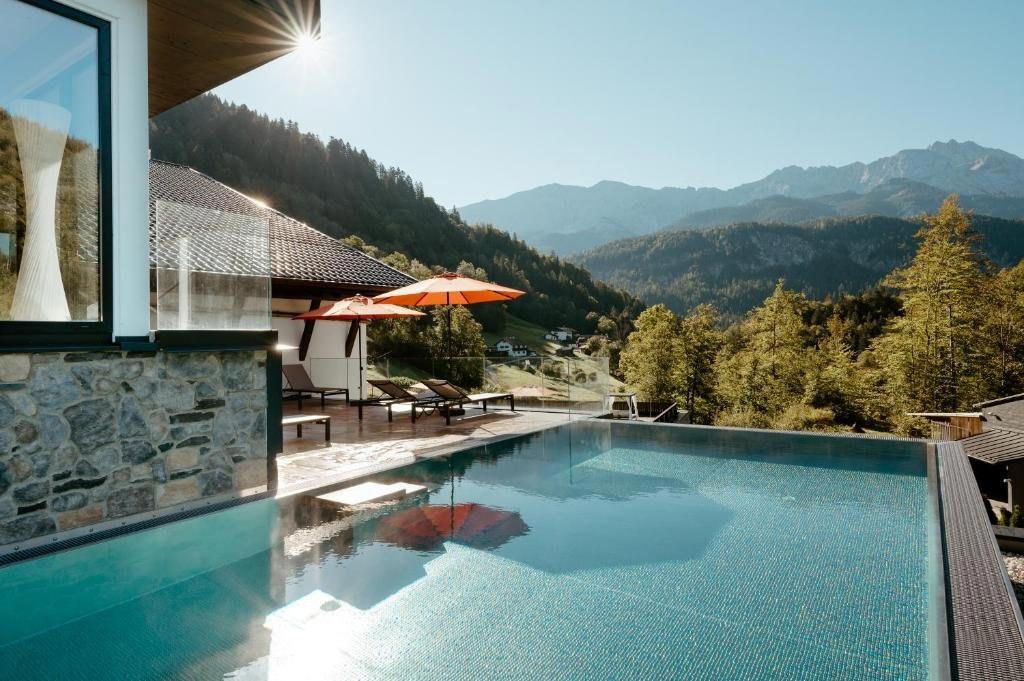
Rustic mountain hut setting with cozy parlor and expansive sun terrace; warm hospitality and traditional alpine atmosphere.