Fliegerstube
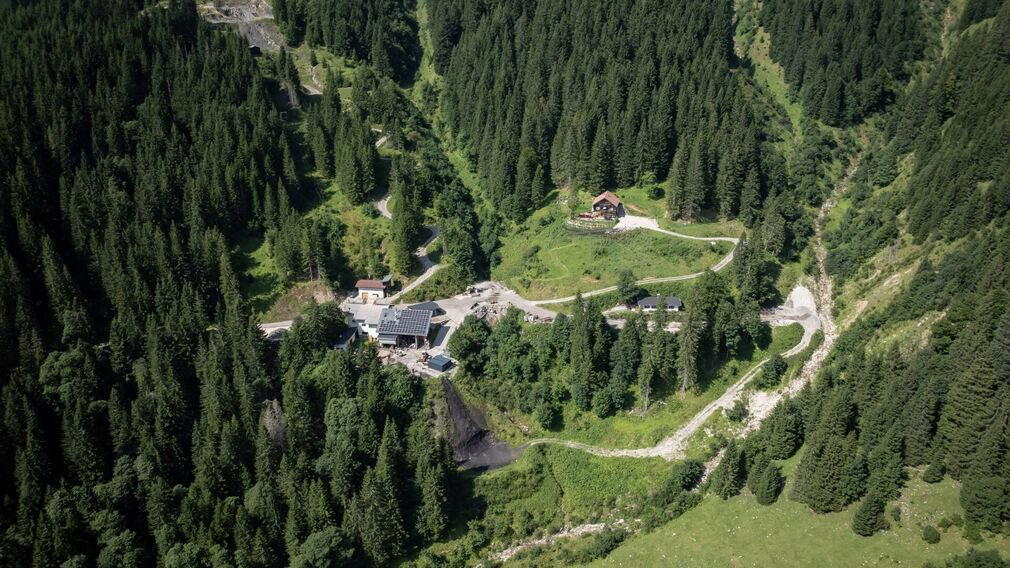
Fliegerstube sits in Langkampfen, a small community on the Inn River just south of Kufstein in Tyrol, Austria. The village occupies a region where Alpine agricultural traditions run deep and cross-border influences from Bavaria shape the dining character. For visitors exploring the Kufstein corridor, Fliegerstube represents the kind of address that rewards local knowledge over headline recognition.
Pearl is the En Primeur Club membership app — saves, bookings, and concierge access live there. Same editors, same standards.
- Address
- Kufsteiner Str. 40, 6336 Langkampfen, Austria
- Phone
- +43537264170
- Website
- fliegerstube.at
- Directions
- Get directions
 Saves & bookings on Pearl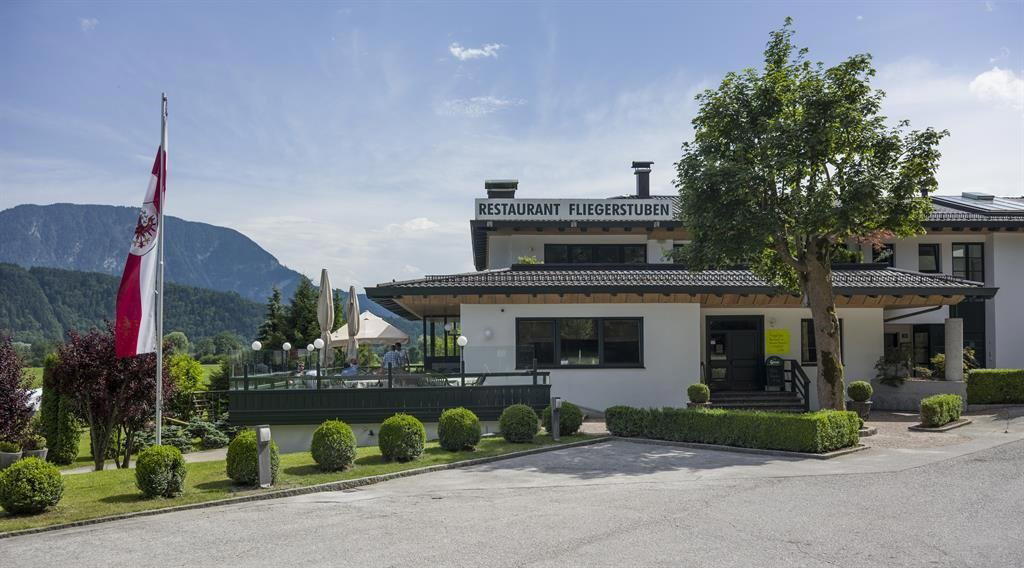
Where the Inn Valley Sets the Table
The road into Langkampfen from Kufstein runs along the Inn River, with the Bavarian border close enough that the cultural and culinary pull from the north is impossible to ignore. This is a part of Tyrol where Austrian and German traditions overlap in practical, unsentimental ways: the bread is dense and seeded, the dairy comes from farms visible from the dining room window, and the menu reads as a product of geography as much as kitchen ambition. Fliegerstube is a traditional Austrian restaurant in Langkampfen, Austria, at Kufsteiner Str. 40, with a casual dress code and reservations recommended. It sits in this particular context, a village restaurant operating in a region that takes its food seriously without always announcing itself to the wider world.
Langkampfen is not a dining destination in the way Ischgl or Lech might be for visitors arriving with a restaurant list. It is a working community of a few thousand residents, positioned between the Inn Valley's agricultural flatlands and the first slopes of the Tyrolean Alps. That position matters for understanding what a restaurant here is and who it serves. The audience is primarily local, the supply lines are short, and the cooking tends to reflect the season more directly than venues with larger, more centralised procurement.
Ingredient Geography in the Tyrolean Alpine Zone
Austrian Alpine cooking, at its most coherent, is an exercise in working with what is close. The Inn Valley corridor between Kufstein and Innsbruck produces dairy, particularly butter, cream, and aged cheeses, at a density that influences restaurant kitchens throughout the region. This is not the same agricultural register as Styria, where Steirereck im Stadtpark in Vienna, reachable via our profile of Steirereck im Stadtpark in Vienna, draws on Styrian pumpkin, freshwater fish, and forest herbs. Nor is it the wine-adjacent larder of the Wachau that defines the seasonal pantry at Landhaus Bacher in Mautern an der Donau. In Tyrol, the dominant sourcing logic centres on mountain pasture, cold-water rivers, game from the surrounding forests, and root vegetables that store through the long winters.
Döllerer in Golling, profiled here at Döllerer in Golling an der Salzach, has made this forager-and-mountain-farmer approach into a formal philosophy and earned national recognition for it. The same sourcing instincts, applied without the same level of international visibility, characterise a broader tier of Tyrolean restaurants that serve their immediate communities rather than destination diners. Fliegerstube belongs to that tier, where the relationship between kitchen and local supplier is more structural than decorative.
The framing matters because it changes what to look for. At venues like Obauer in Werfen or the Gourmetrestaurant Tannenhof in Sankt Anton am Arlberg, the sourcing story is explicitly constructed for outside audiences. At a village address like Fliegerstube, the same sourcing logic operates quietly, as a given rather than a selling point. That is a meaningful distinction for a reader who wants to understand how Austrian Alpine food actually circulates beyond the award-ceremony circuit.
The Regional Dining Pattern and Where Fliegerstube Fits
Austrian dining at the higher end of the quality spectrum has split into at least two recognisable cohorts over the past two decades. One cohort operates in major cities or high-profile resort contexts, competes for Michelin recognition, and builds menus around formal tasting structures. Taubenkobel in Schützen am Gebirge, Ikarus in Salzburg, and Stüva in Ischgl each operate within that framework, with varying formats but shared orientation toward a travelling or resort-based clientele.
The second cohort serves a regional audience, operates within the traditions of the Gasthaus or Wirtshaus format, and measures quality through consistency and ingredient fidelity rather than innovation. Schwarzer Adler in Hall in Tirol and Restaurant 141 by Joachim Jaud in Mieming both occupy terrain adjacent to this pattern. Fliegerstube, in Langkampfen, reads as belonging to this community-serving format, where the dining room is a local institution rather than a regional draw.
This is not a lesser category. Particularly instructive eating in Austria happens in exactly these rooms, where the pressure to perform for an outside audience is absent and the cooking reflects what the region actually eats. Travellers who make their way through the Inn Valley corridor as a route between Innsbruck and Munich often miss this register entirely, defaulting to motorway stops or resort-adjacent dining. The more considered approach is to treat Langkampfen as an access point to Tyrolean village cooking in its natural habitat. Comparable searches for community-rooted cooking in other regions might surface Thaller Gasthaus in Sankt Veit am Vogau or Ois in Neufelden as useful reference points for what this format can deliver at its most focused.
Planning a Visit
Langkampfen sits immediately south of Kufstein, which is served by direct rail connections on the Munich-Innsbruck line, making it accessible without a car for travellers moving between Bavaria and Tyrol. Kufstein itself is approximately an hour from Innsbruck by train and under two hours from Munich. The village is a short distance from the Kufstein town centre, meaning accommodation options in Kufstein are the practical base for most visitors. Austria's restaurant culture at the village level tends toward earlier dining hours than urban European norms, a pattern consistent across the Tyrolean Alpine zone.
Fliegerstube is recommended for reservations, and its regular hours are Tuesday through Sunday from 5 to 11 PM, with Monday closed.
Comparable Venues
Comparable venues nearby, for context on price, style, and recognition.
| Venue | Cuisine | Price | Notes |
|---|---|---|---|
| FliegerstubeThis venue — the venue you are viewing | Traditional Austrian | $$ | Not listed |
| Hornköpflhütte | Traditional Tyrolean Alpine Cuisine | $$ | Kitzbüheler Horn |
| Frankalm | Traditional Austrian Alpine Cuisine | $$ | Brixen im Thale |
| Fischerwirt | Traditional Tyrolean | $$ | Walchsee |
| Jedermann's | Austrian | $$ | Innsbruck city center |
| Rumer Alm | Tyrolean Alpine Hut | $$ | Rum |
Continue exploring
More in Langkampfen
Restaurants in Langkampfen
Browse all →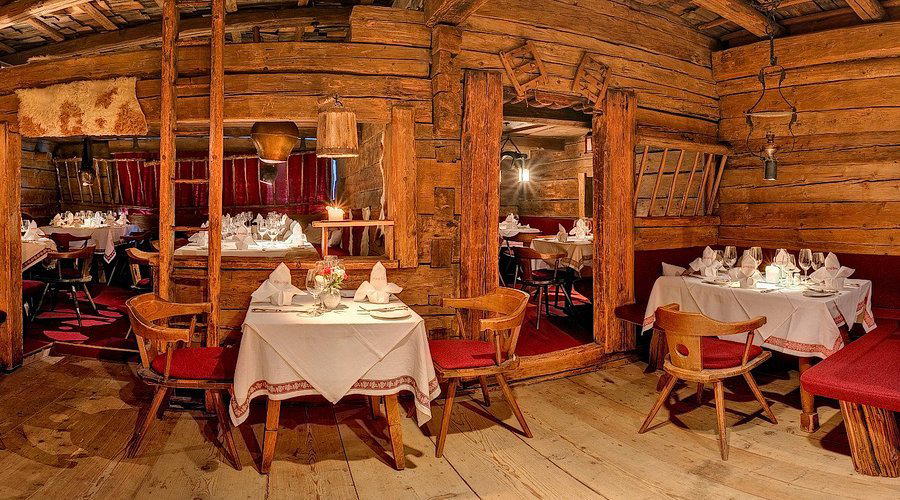
Bars in Langkampfen
Browse all →
Hotels in Langkampfen
Browse all →

At a Glance
- Classic
- Rustic
- Cozy
- Family
- Casual Hangout
- Group Dining
- Garden
- Standalone
- Local Sourcing
- Garden
Current opening hours
- Monday
- Closed
- Tuesday
- 5–11 PM
- Wednesday
- 5–11 PM
- Thursday
- 5–11 PM
- Friday
- 5–11 PM
- Saturday
- 5–11 PM
- Sunday
- 5–11 PM
Hours can change for holidays and private events. Last verified .
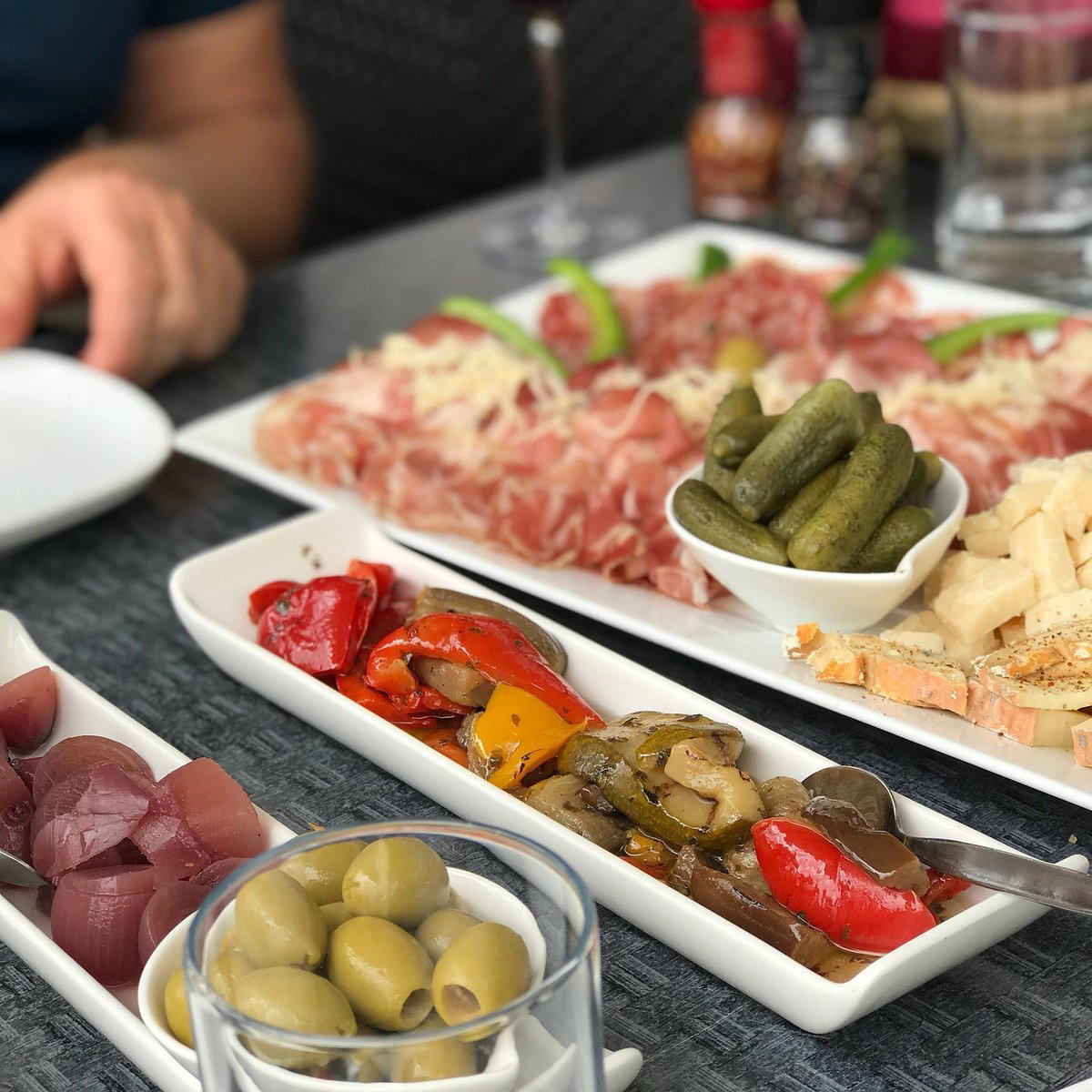
Warm and welcoming atmosphere with traditional Tyrolean hospitality, featuring a garden setting that provides a relaxed dining environment.