A mountain address on Kitzbüheler Strasse in Jochberg, Jodlbühel sits within the culinary orbit of the Kitzbühel Alps, where the short distances between farm, forest, and kitchen define what ends up on the plate. The setting draws visitors seeking the kind of Austrian alpine hospitality that has long anchored communities in this valley, positioned alongside peers like Bruggeralm and Gasthaus Bärenbichl in a local dining scene shaped by altitude and season.
Pearl is the En Primeur Club membership app — saves, bookings, and concierge access live there. Same editors, same standards.
- Address
- Kitzbüheler Str. 43, 6373 Jochberg, Austria
- Phone
- +434353555270
- Website
- jodlbuehel.at
- Directions
- Get directions
 Saves & bookings on Pearl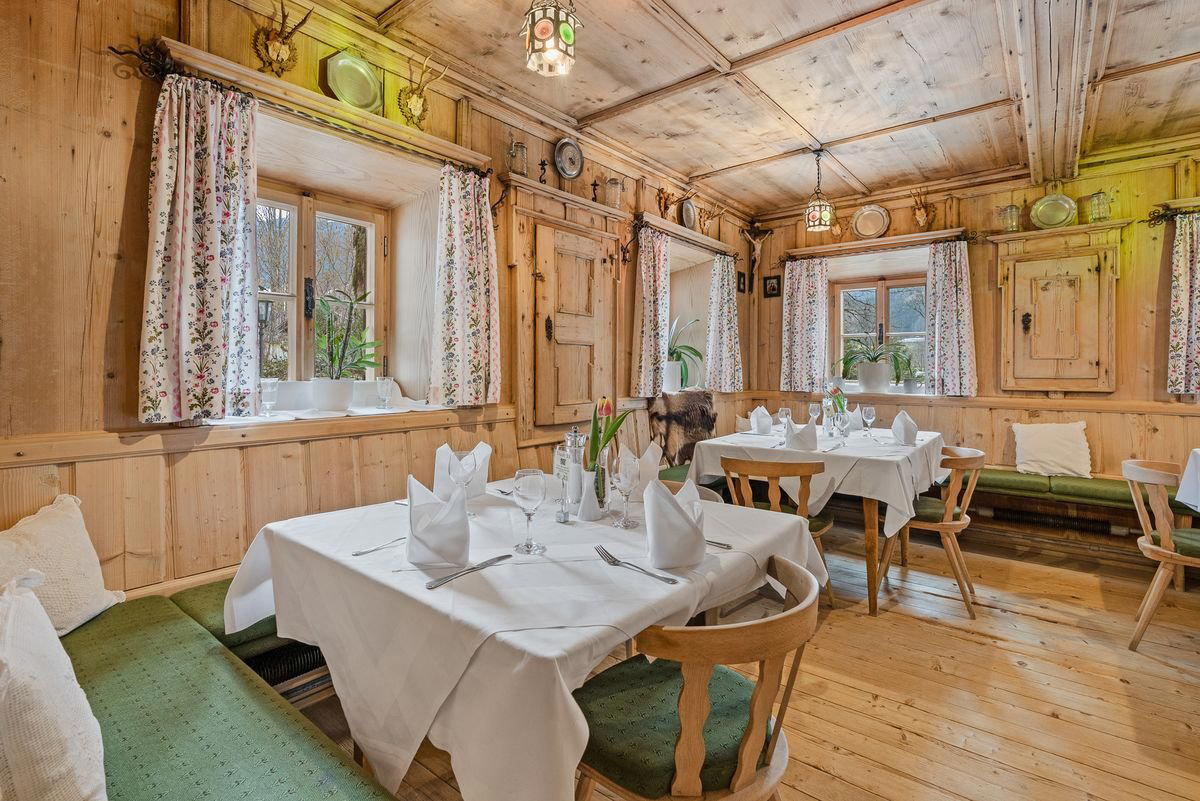
Where the Valley Dictates the Menu
The road into Jochberg from Kitzbühel drops through a corridor of spruce forest before the valley opens up into a patchwork of Alpine meadow and working farmland. Along Kitzbüheler Strasse, the address Jodlbühel occupies belongs to a landscape that has always determined what people eat here: what grows at this altitude, what grazes on these pastures, and what the season permits. That logic, embedded in the mountain communities of Tyrol long before farm-to-table became a marketing phrase, is the operating principle behind the kind of dining Jochberg does at its leading.
The Kitzbühel Alps sit at an intersection of Austrian culinary traditions. Tyrolean cooking draws from the same Germanic larder as its Bavarian neighbours to the north, but the altitude and the isolation of individual valleys have always encouraged a degree of self-sufficiency that keeps sourcing local by necessity as much as by philosophy. Dairy from mountain pastures, cured meats from pigs raised in the valley, rye and spelt grown where cereal crops can still manage the elevation: these are the structural ingredients of Alpine Austrian cuisine, and Jochberg, positioned between Kitzbühel and the Thurn Pass, sits squarely within that tradition.
The Sourcing Logic of an Alpine Address
What distinguishes mountain Austrian restaurants from their urban counterparts is proximity. In cities like Vienna, even kitchens as serious as Steirereck im Stadtpark must build supply chains to access the kind of ingredients that are simply at hand in a valley like this one. The distance from mountain pasture to kitchen table, which in Jochberg can be measured in kilometres rather than counties, changes the character of the cooking in ways that no amount of logistics can fully replicate at remove.
Across Austria's alpine dining scene, this sourcing advantage shows up differently depending on the kitchen. Obauer in Werfen has built a reputation around exactly this kind of regional discipline, as has Döllerer in Golling an der Salzach, where the mountain larder becomes the explicit framework for a tasting menu. At the other end of the formality spectrum, the Tyrolean gasthaus tradition that defines much of Jochberg's dining operates on the same sourcing principle without the multi-course architecture: the produce is the point, and preparation tends toward the direct.
Jochberg's local dining scene includes a cluster of addresses on and around the main valley road that reflect different registers of this tradition. Bruggeralm, Gasthaus Bärenbichl, Gasthof Alte Wacht, and Restaurant Steinberg each occupy a different corner of what is, by the standards of Austria's alpine resort belt, a compact and locally grounded dining offer. Jodlbühel at Kitzbüheler Str. 43 sits within that cluster, drawing from the same valley suppliers and seasonal rhythms that define the character of eating in this part of Tyrol.
Seasonal Timing and the Alpine Calendar
The Kitzbühel region runs on two distinct visitor seasons, and the kitchen calendar in Jochberg shifts accordingly. Winter, from December through March, brings the Hahnenkamm racing crowd and the broader ski tourism that makes Kitzbühel among the more frequently visited Alpine resorts in Europe. The summer season, less conspicuous internationally but significant locally, draws hikers, cyclists, and visitors using the valley as a base for the Kitzbüheler Alps trail network. Both seasons carry their own ingredient logic: winter in Tyrol is the season for cured and preserved products, for game that has been hung, for root vegetables and stored dairy; summer unlocks fresh Alpine herbs, wild plants from the higher meadows, and the dairy produce of cows that have moved to altitude grazing.
For visitors planning around peak season, the winter months carry the usual Kitzbühel caveats: the area fills quickly around race weekends, and the better addresses in the valley see demand that outpaces capacity. The Hahnenkamm downhill, typically held in January, compresses availability across the entire Kitzbühel-Jochberg corridor. The summer shoulder, by contrast, offers more room and often the same quality of produce at lower ambient pressure.
Tyrolean alpine kitchens at the more ambitious end of the Austrian spectrum, places like Gourmetrestaurant Tannenhof in Sankt Anton am Arlberg and Griggeler Stuba in Lech, have demonstrated that the alpine ingredient calendar can sustain serious cooking across both seasons. The broader point holds for valley-level addresses too: the seasonal shift is real, and the menu follows it whether or not that is made explicit on any given day.
The Jochberg Address in Context
Jochberg itself is a village of a few thousand residents that has operated in the economic shadow of Kitzbühel for decades, which has kept it relatively undeveloped while remaining close enough to the resort infrastructure to benefit from it. The dining offer here skews toward the local and the traditional rather than the international and the resort-facing, which makes it a different kind of stop from the hotel restaurants and après-ski venues that dominate Kitzbühel's food map. Visitors making the fifteen-minute drive from Kitzbühel into the Jochberg valley are, in most cases, looking for something that reads as genuinely Tyrolean rather than as an extension of the resort hospitality economy.
That distinction matters when placing Jodlbühel in context. The address on Kitzbüheler Strasse is not in the resort; it is in the valley. The culinary register that position implies is one of local habit and seasonal availability rather than the kind of constructed alpine aesthetic that drives hotel dining in the ski belt. For a broader map of what Jochberg's restaurants offer and how they sit relative to one another, the full Jochberg restaurants guide covers the local field in detail.
Austria's wider dining scene, from the herb-driven precision of Kräuterreich by Vitus Winkler in Sankt Veit im Pongau to the river-valley classicism of Landhaus Bacher in Mautern an der Donau and the fermentation-forward naturalism of Ois in Neufelden, has shown a consistent return to regional sourcing as its organising principle. In a valley like Jochberg, that return is not a trend but a baseline. The question for any address here is how it interprets what the landscape already provides. Jodlbühel is a restaurant in Jochberg, Austria, serving Traditional Tyrolean Inn Cuisine at Kitzbüheler Str. 43.
Planning a Visit
Jochberg is accessible from Kitzbühel via the B161 Kitzbüheler Strasse, with Jodlbühel at number 43 on that road. Visitors without a vehicle can connect from Kitzbühel by regional bus, though a car gives considerably more flexibility for the valley's scattered addresses. Given the Kitzbühel region's patterns around peak-season demand, contacting the venue directly before arriving is advisable, particularly during winter race weekends and school holiday periods.
Quick Comparison
Comparable venues nearby, for context on price, style, and recognition.
| Venue | Cuisine | Price | Notes |
|---|---|---|---|
| JodlbühelThis venue — the venue you are viewing | Traditional Tyrolean Inn Cuisine | $$ | Not listed |
| Bruggeralm | Tyrolean Alpine Hut | $$ | Jochberg |
| Gasthof Alte Wacht | Traditional Tyrolean Cuisine | $$ | Jochberg |
| Restaurant Steinberg | Modern Tyrolean | $$$ | Jochberg |
| Gasthaus Bärenbichl | Traditional Tyrolean Regional Cuisine | $$$ | Jochberg |
| Wildseeloderhaus | Modern Tirolean | $$ | Fieberbrunn |
At a Glance
- Rustic
- Cozy
- Classic
- Family
- Casual Hangout
- Terrace
- Historic Building
- Local Sourcing
- Mountain
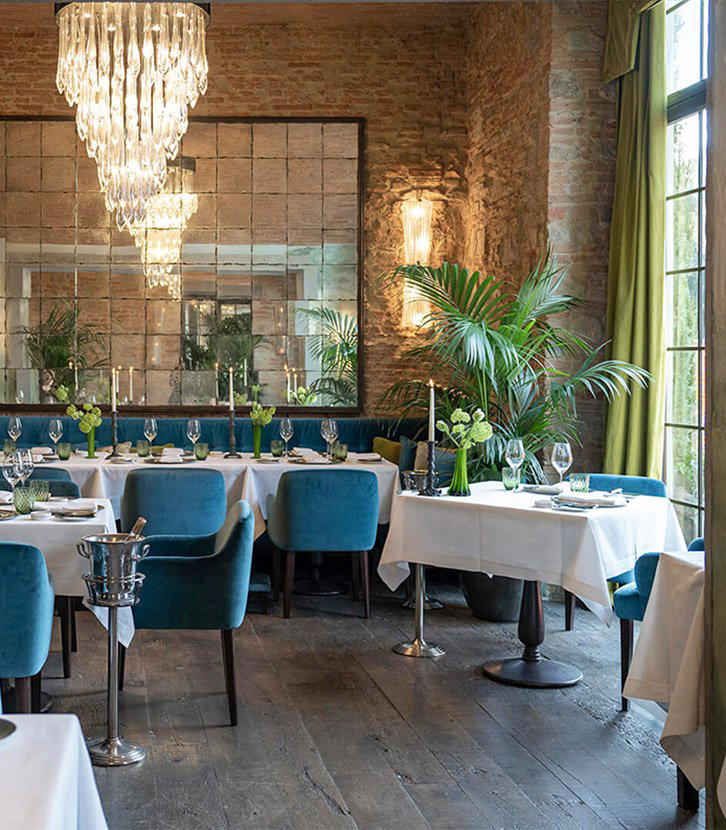
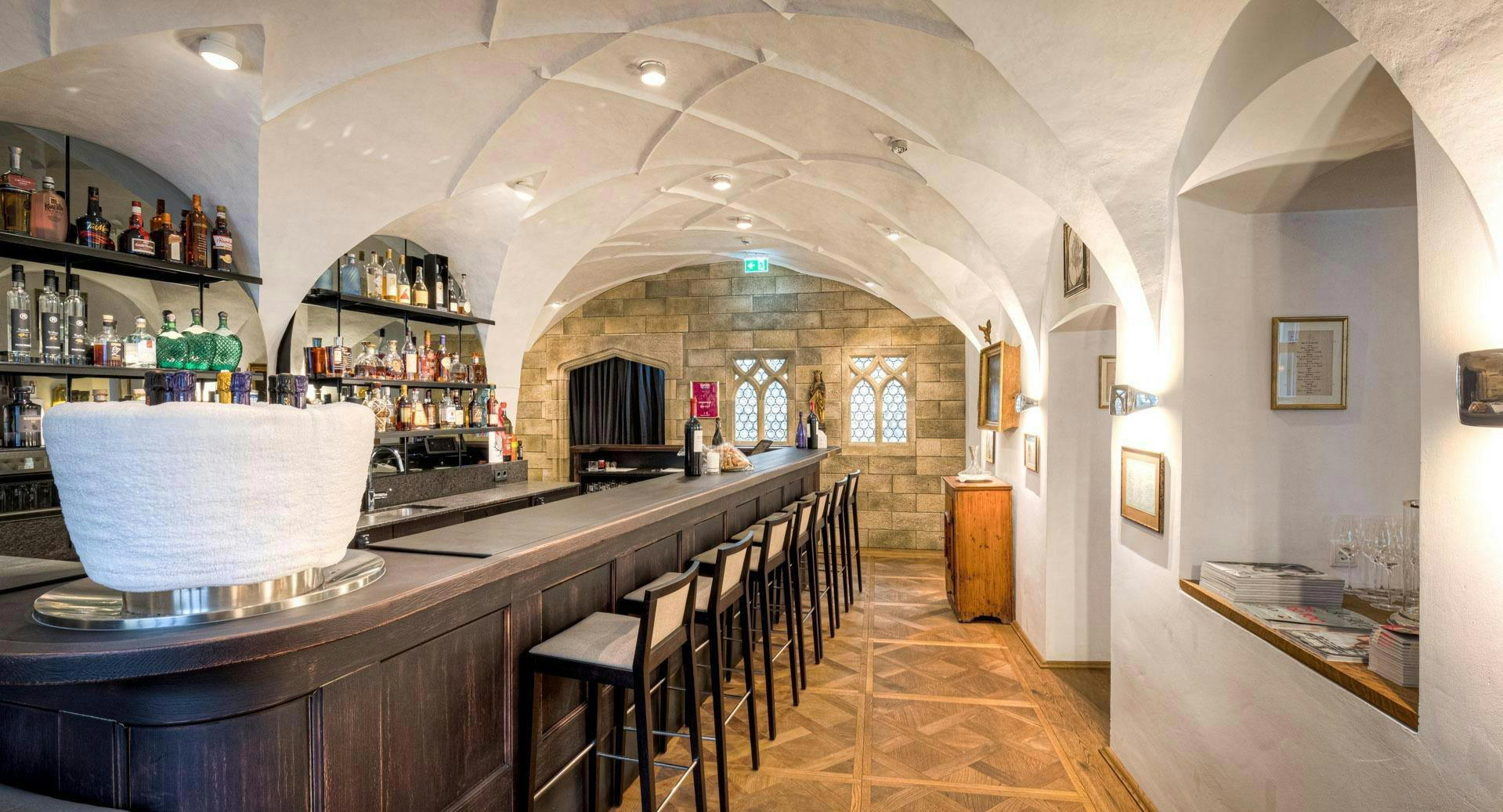
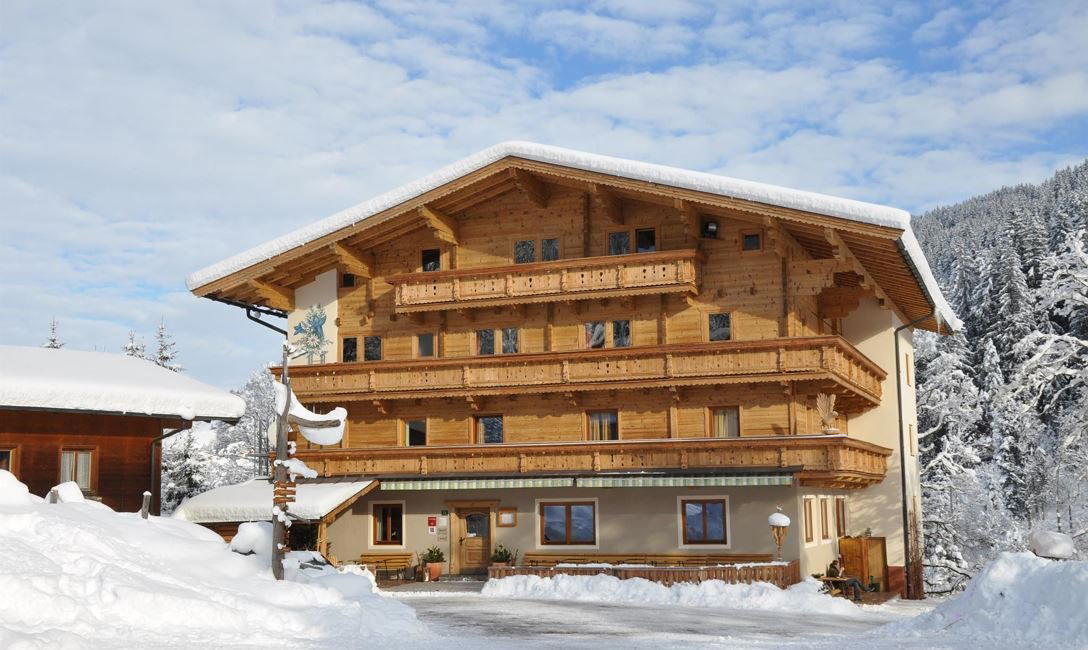
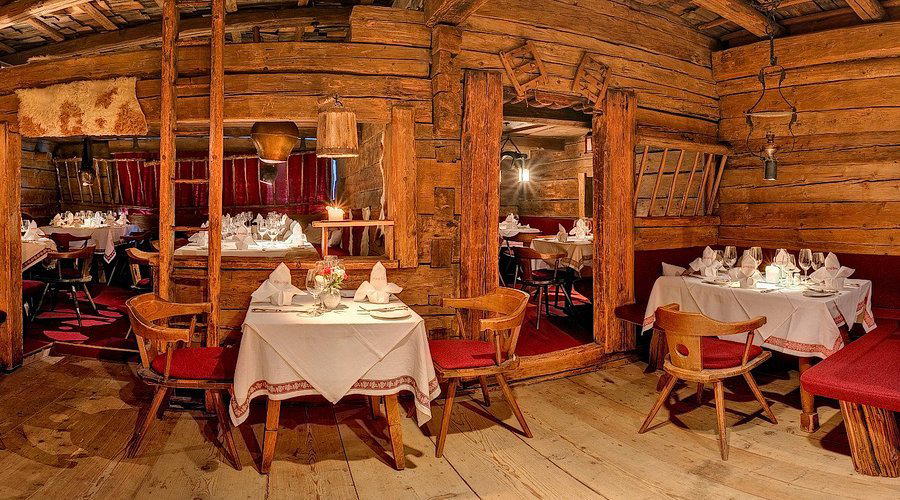
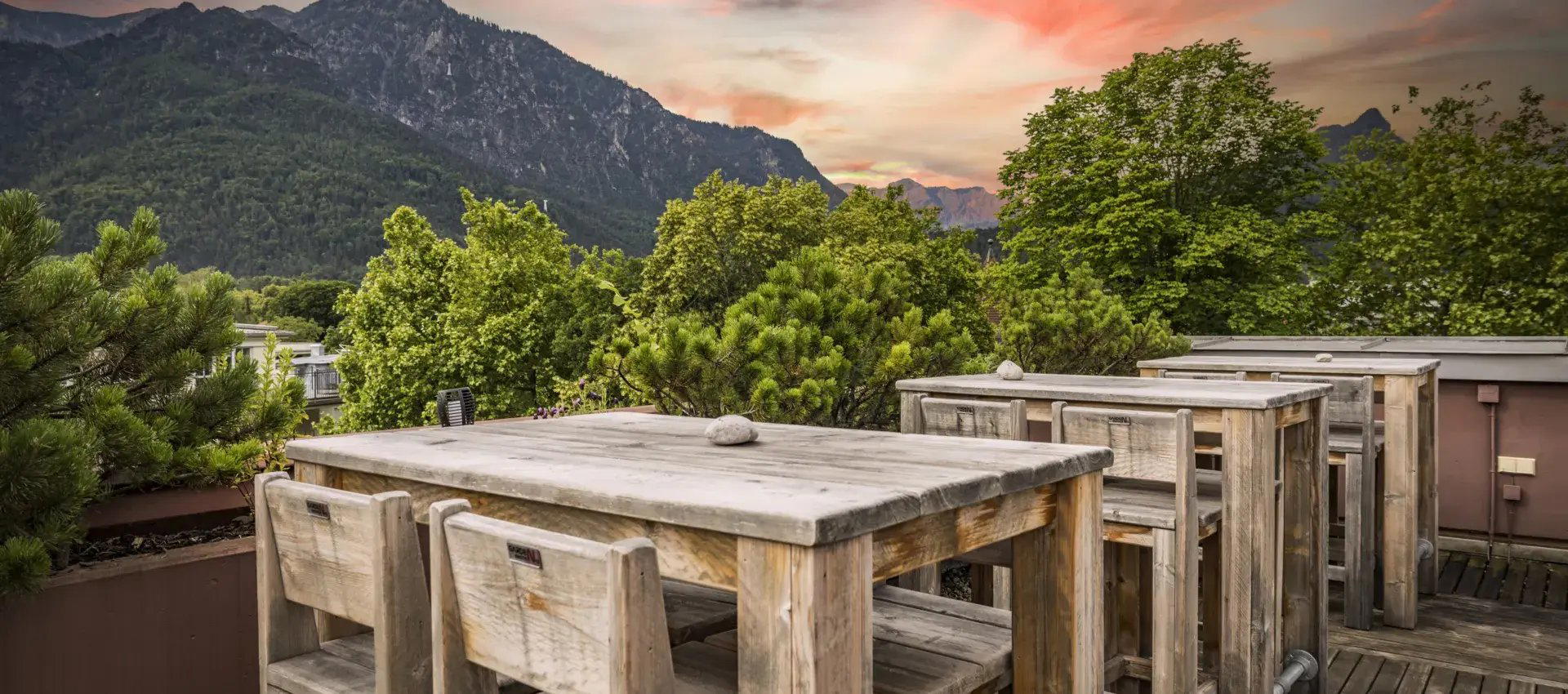
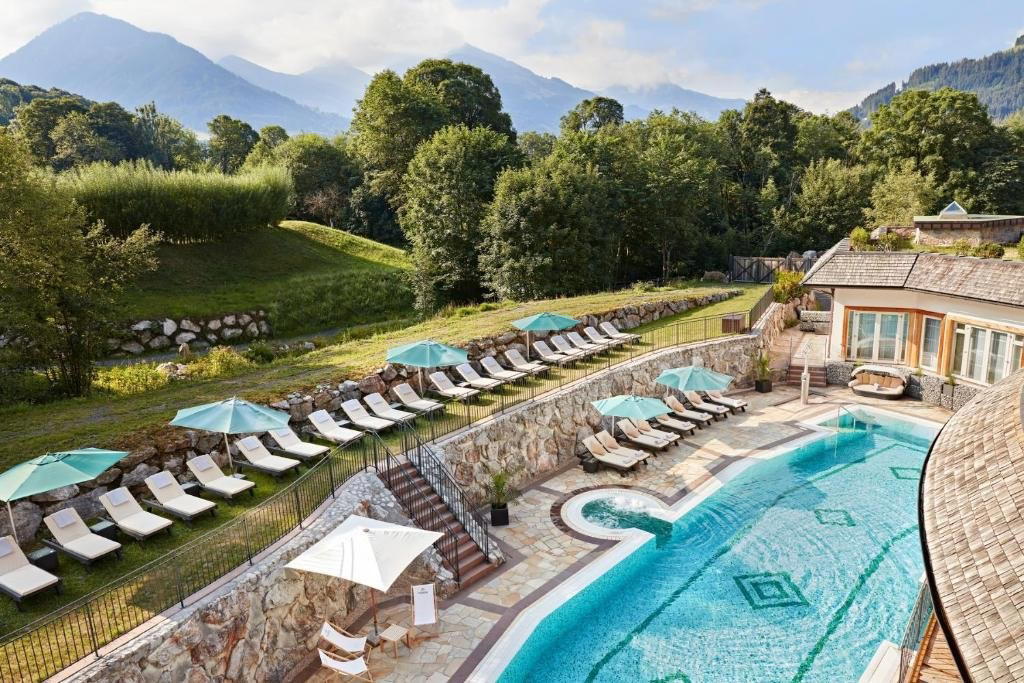
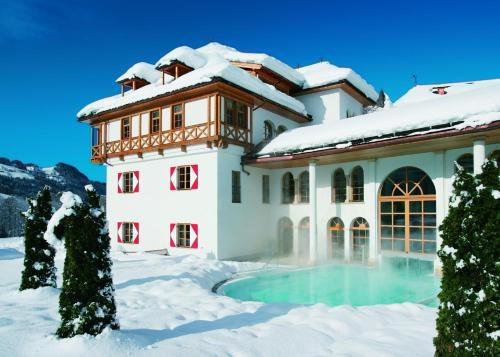
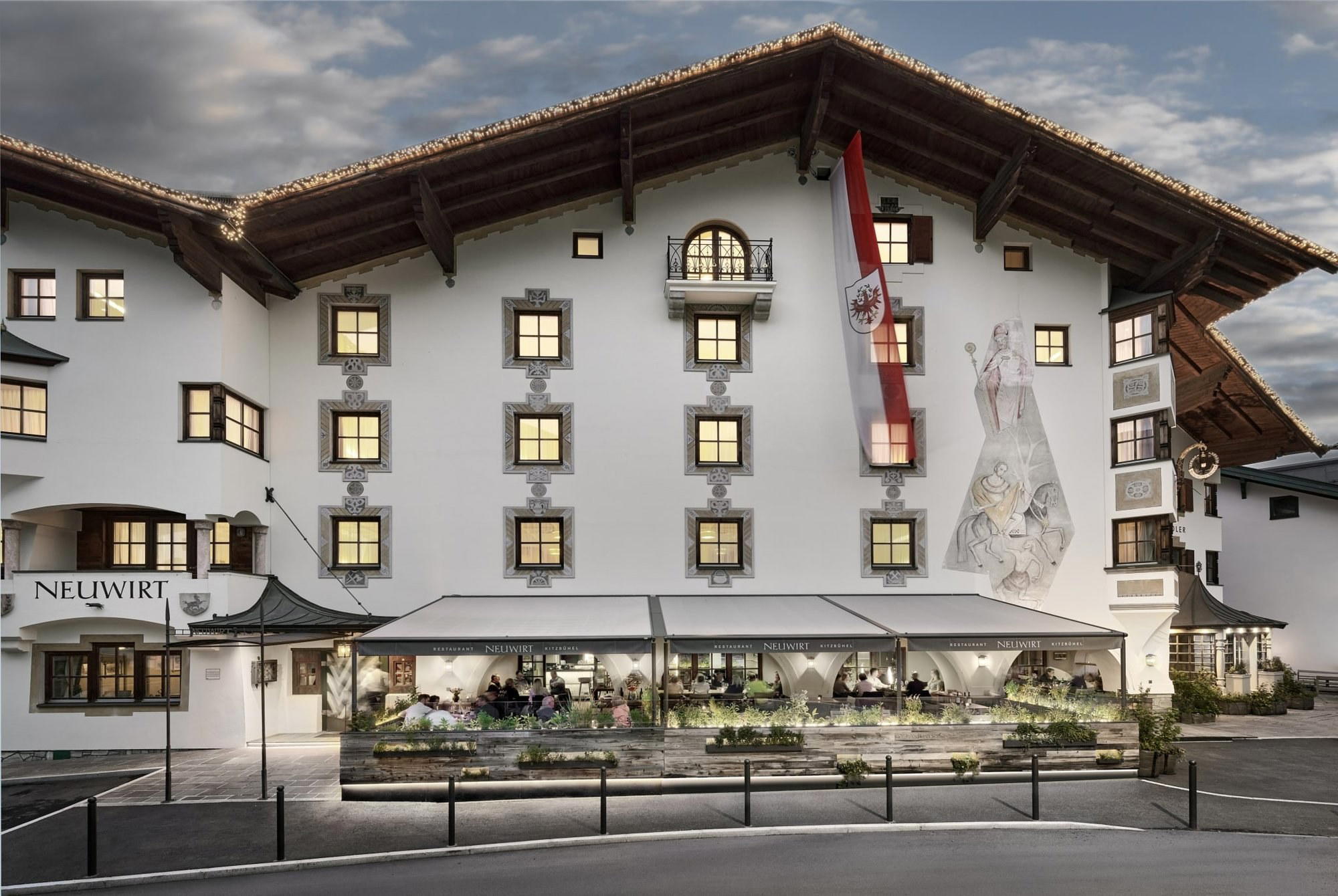
Stilvoll-gemütliche historic parlours with cozy Tyrolean atmosphere.