Gipfö Hit
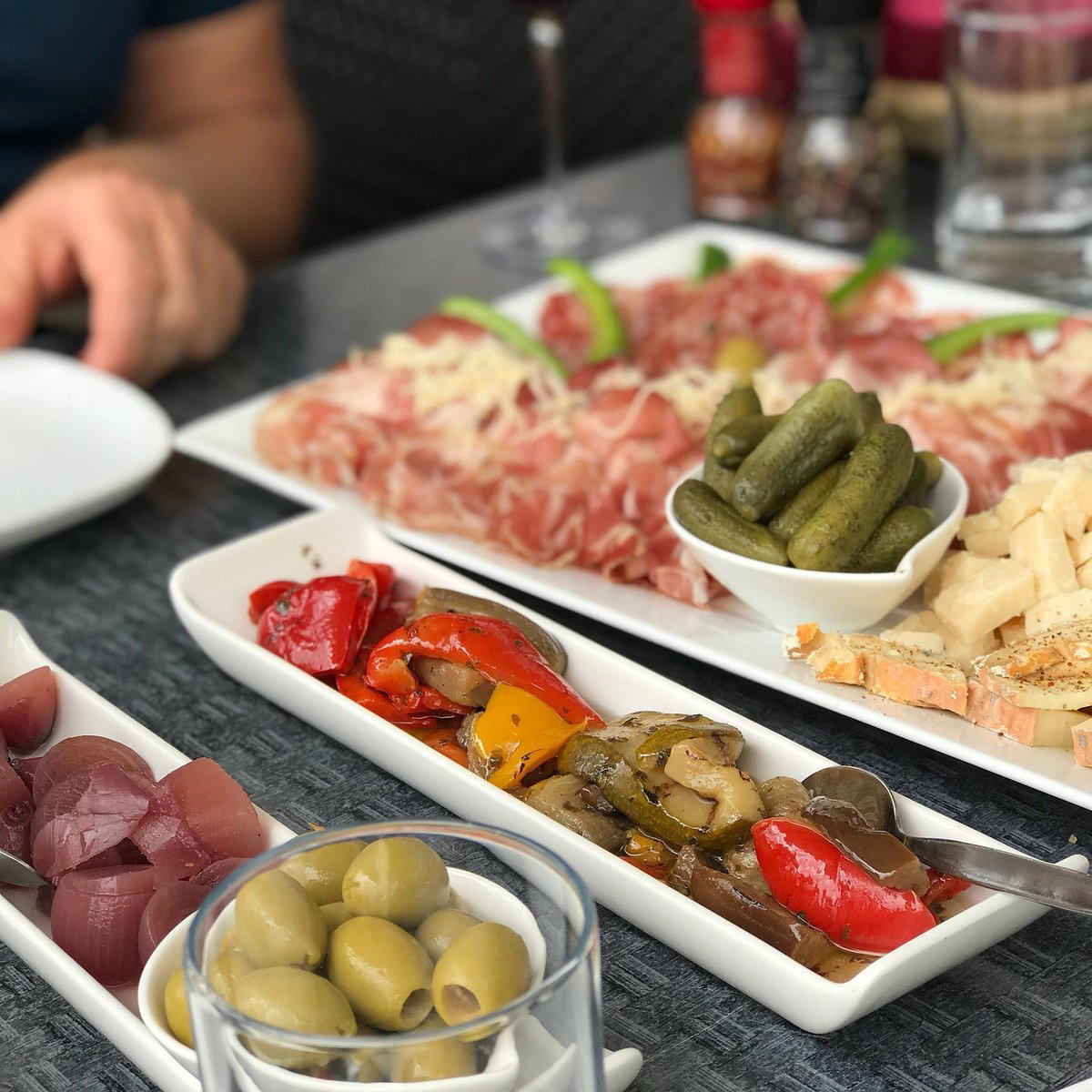
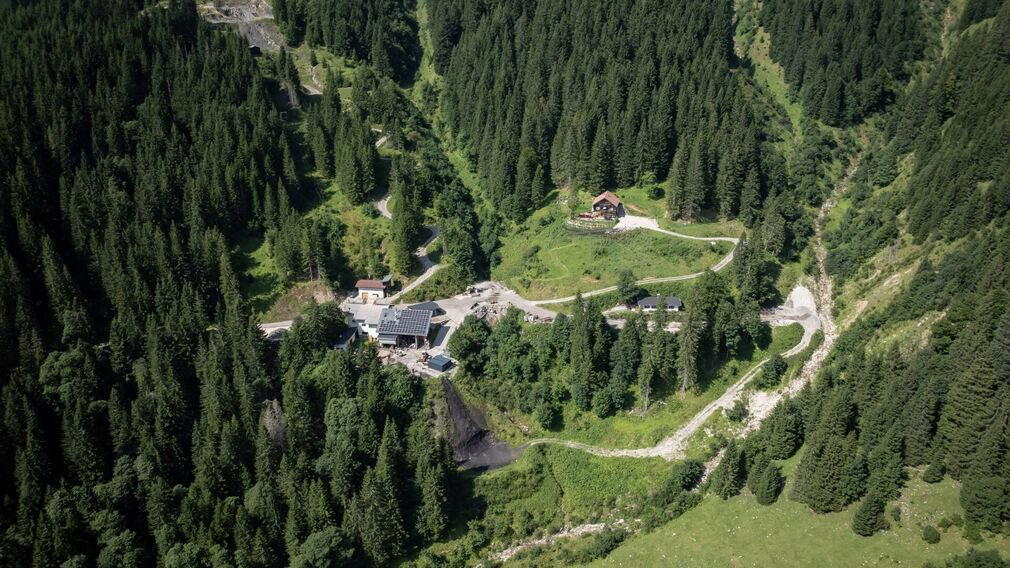
Gipfö Hit pairs Traditional Austrian Tyrolean cooking with a mountain-view terrace, beer program, and local organic sourcing for lunch or dinner in Wildschönau.
Pearl is the En Primeur Club membership app — saves, bookings, and concierge access live there. Same editors, same standards.
- Address
- Schatzberg 315, 6311 Thierbach Wildschönau, Austria
- Phone
- +43533922080
- Website
- gipfoehit.at
- Directions
- Get directions
 Saves & bookings on Pearl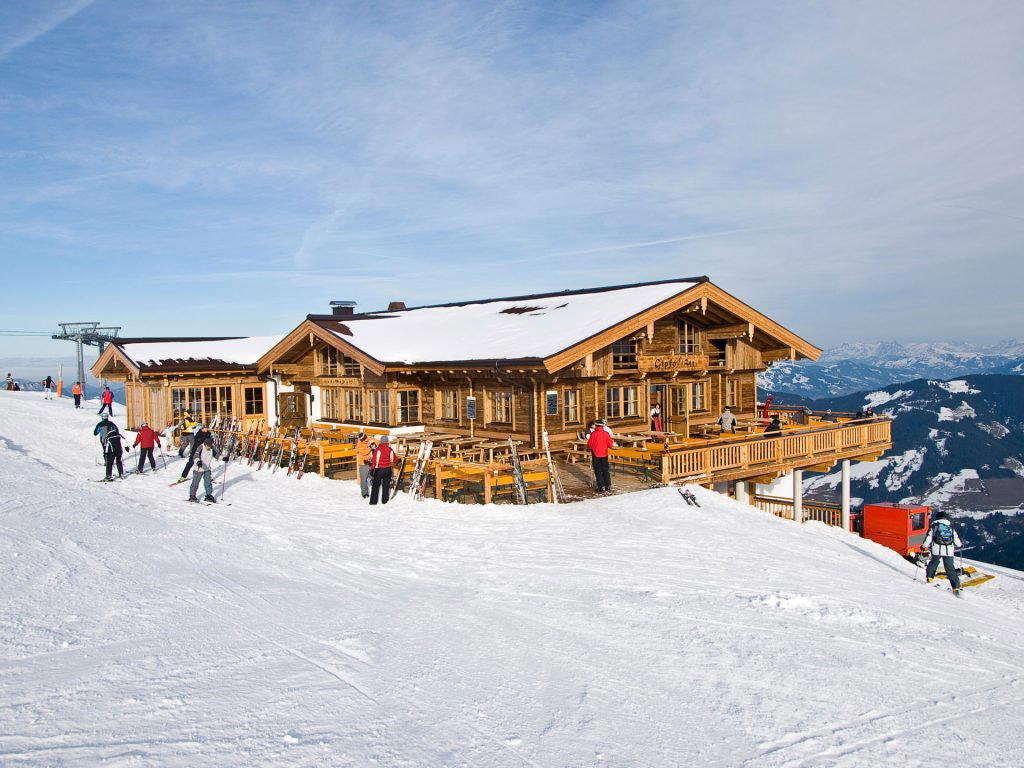
Mountain Eating in the Wildschönau Valley
The Wildschönau sits in one of Tyrol's quieter folds, a broad agricultural valley east of Wörgl where the ski infrastructure is modest by regional standards and the pace slows accordingly. Up at Schatzberg, the terrain shifts from valley floor to open alpine, and the eating places that occupy this altitude belong to a specific Austrian tradition: the Berggasthof or mountain hut, where the contract between venue and guest has been roughly the same for generations. You arrive cold, you eat something warm and filling, and the surrounding landscape does most of the atmospheric work. Gipfö Hit, at Schatzberg 315 in Thierbach, sits inside that tradition rather than apart from it.
Austria's alpine hut culture is one of the more underexamined corners of European gastronomy. While cities like Vienna and Salzburg draw attention with destination-grade restaurants such as Steirereck im Stadtpark in Vienna and Ikarus in Salzburg, the mountain hut occupies a different register entirely. It is not fine dining and does not aspire to be. The reference points are Schmalzbrote, Tiroler Gröstl, Knödel in various forms, and hot drinks that function as warming tools as much as beverages. This is eating calibrated to altitude and exertion, and the leading huts understand that discipline rather than fighting against it.
Where Gipfö Hit Sits in the Schatzberg Scene
The Schatzberg ski area runs to around 1,900 metres at its highest point and serves a mix of local Austrian skiers, families, and visitors who find the valley's lower profile appealing precisely because it is not Ischgl or Lech. For context on what altitude-level dining ambition can look like in Tyrol's premium resort tier, Stüva in Ischgl and Griggeler Stuba in Lech represent the high end of mountain-adjacent dining in the region, both operating with serious kitchen programs and corresponding price points. Gipfö Hit occupies a different position in that spectrum, aligned with the valley's character rather than those resort benchmarks.
Within Wildschönau itself, the dining choices at mountain level are limited, which makes understanding what each place does well a practical necessity rather than an academic exercise. Alpengasthof Schönangeralm and Michl Stub'n are the other named stops in the valley's eating circuit, and together they form a small, coherent group of places where the cooking tradition connects directly to the agricultural and pastoral identity of the Wildschönau.
The Cultural Weight of the Austrian Hut
To understand a place like Gipfö Hit, it helps to understand what the Berggasthof or Skihütte means inside Austrian food culture. These are not compromise venues that exist because nothing better is available at altitude. They are a distinct category, with their own codes of hospitality, their own seasonal rhythms, and their own version of quality that has nothing to do with tasting menus or wine lists. The measure is execution of a narrow repertoire: the Gulasch that has simmered long enough, the Kaiserschmarrn that arrives properly caramelised and not steamed, the bread that is local and dense rather than a hotel roll. Austria's broader fine dining scene, from Obauer in Werfen to Landhaus Bacher in Mautern an der Donau, draws on exactly these regional foundations even when it is transforming them. The hut is where those foundations exist in their most direct form.
Contemporary Austrian kitchens working at the ambitious end, places like Döllerer in Golling an der Salzach, Kräuterreich by Vitus Winkler in Sankt Veit im Pongau, and Taubenkobel in Schützen am Gebirge, tend to cite alpine and rural traditions as source material. The hut is that source material, unmediated. Formats built around communal tables, hearty portions, and a limited rotating menu are not a stylistic choice at this altitude; they are a structural response to how mountain hospitality has always worked.
Reaching the Schatzberg and Planning Your Visit
Access to the restaurant follows the logic of the Schatzberg ski area. During the winter season, the mountain is served by lifts from the valley base, and the venue sits within that lift-served perimeter. In summer, the valley attracts hikers, and the Schatzberg's higher trails are accessible on foot. Wildschönau is reachable by road from Wörgl in roughly fifteen to twenty minutes, and Wörgl connects to Innsbruck via the main Inntal motorway. The valley does not have a rail station at its core, so car or organised transfer is the practical approach for most visitors arriving from further afield.
Mountain huts in Tyrol typically operate from the first lifts of the winter season through to April, depending on snow conditions, and some open again for the summer hiking months. Timing a visit around midday, when the kitchen is at full capacity and the terrace receives the leading light exposure on a clear day, is the approach most experienced mountain visitors take.
Tyrol's Mountain Dining in Broader Perspective
For visitors approaching Wildschönau from a wider Austrian dining perspective, the contrast in category is worth holding in mind. Schwarzer Adler in Hall in Tirol and Restaurant 141 by Joachim Jaud in Mieming represent Tyrolean fine dining with urban or semi-urban access. Gourmetrestaurant Tannenhof in Sankt Anton am Arlberg operates at resort altitude with a formal kitchen program. These are valid comparisons for a different kind of trip. For those whose interest is in alpine terrain and the eating that belongs to it without the resort price premium, the Wildschönau circuit offers something that the larger ski regions, by virtue of their own success, can no longer easily deliver: a recognisably local character. Internationally, the premium communal mountain dining format has parallels, though at different price and ambition levels, in venues like Lazy Bear in San Francisco, which also operates around a set, convivial format, and the discipline of Le Bernardin in New York City in staying tightly focused on a single culinary tradition. The principle is the same even if the product is entirely different: commitment to a defined format, executed on its own terms. Ois in Neufelden brings a similar regional specificity to Upper Austria that restaurant represents for Tyrol, both operating in places where the local food identity has not been smoothed out for outside consumption.
A Pricing-First Comparison
Comparable venues nearby, for context on price, style, and recognition.
| Venue | Cuisine | Price | Notes |
|---|---|---|---|
| Gipfö HitThis venue — the venue you are viewing | Thierbach, Traditional Austrian Tyrolean | $$ | Not listed |
| Alpengasthof Schönangeralm | Not listed | $$ | Wildschönau, Traditional Tyrolean Hausmannskost |
| Michl Stub'n | Not listed | $$ | Wildschonau, Traditional Austrian Mountain Restaurant |
| Restaurant Outside | Not listed | $$ | Matrei in Osttirol, Modern East Tyrolean Austrian |
| Neurauter | Hatting, Traditional Tyrolean Austrian | $$ | Not listed |
| Hotel Gasthof Post | Kössen, Traditional Austrian Tyrolean | $$ | Not listed |
Continue exploring
More in Wildschönau
Restaurants in Wildschönau
Browse all →
Bars in Wildschönau
Browse all →
Hotels in Wildschönau
Browse all →

At a Glance
- Rustic
- Cozy
- Scenic
- Casual Hangout
- Family
- Terrace
- Beer Program
- Local Sourcing
- Organic
- Mountain
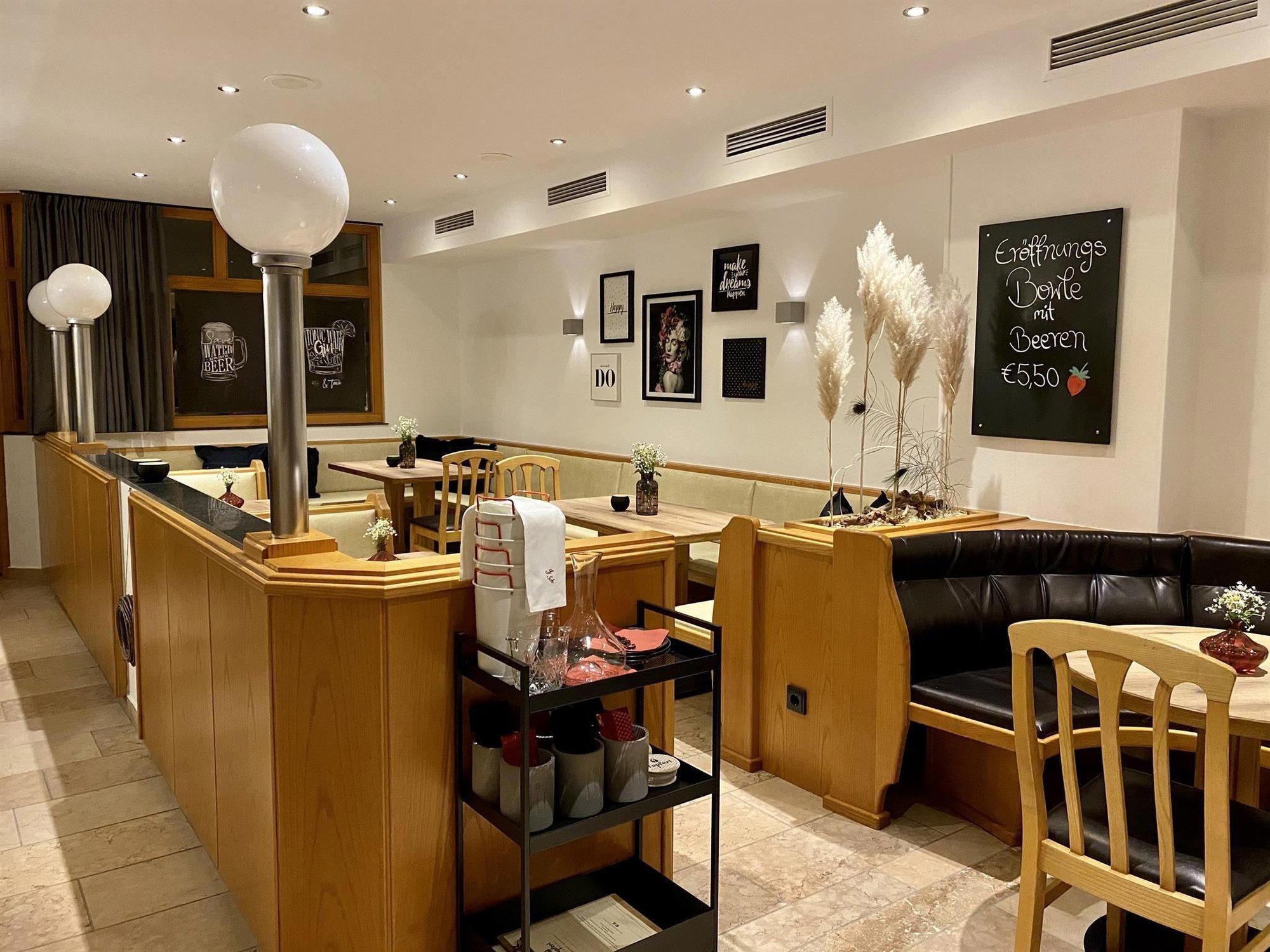
Rustic traditional Austrian hut atmosphere with lively mountain energy and scenic vistas.