Gasthaus Steinberg

A family-run Tyrolean inn at Hinterwindau 54 in the Westendorf valley, Gasthaus Steinberg serves traditional Alpine cooking, Pressknödelsuppe, Almrindsülzchen, beef goulash, schnitzel, rooted in the flavours of the surrounding landscape. The combination of fair pricing, mountain terrace views, and overnight rooms makes it a practical base for hikers who want a serious meal at the end of the day.
Pearl is the En Primeur Club membership app — saves, bookings, and concierge access live there. Same editors, same standards.
- Address
- Hinterwindau 54
- Phone
- +43 5334 2534
- Website
- gasthaus-steinberg.at
- Directions
- Get directions
 Saves & bookings on Pearl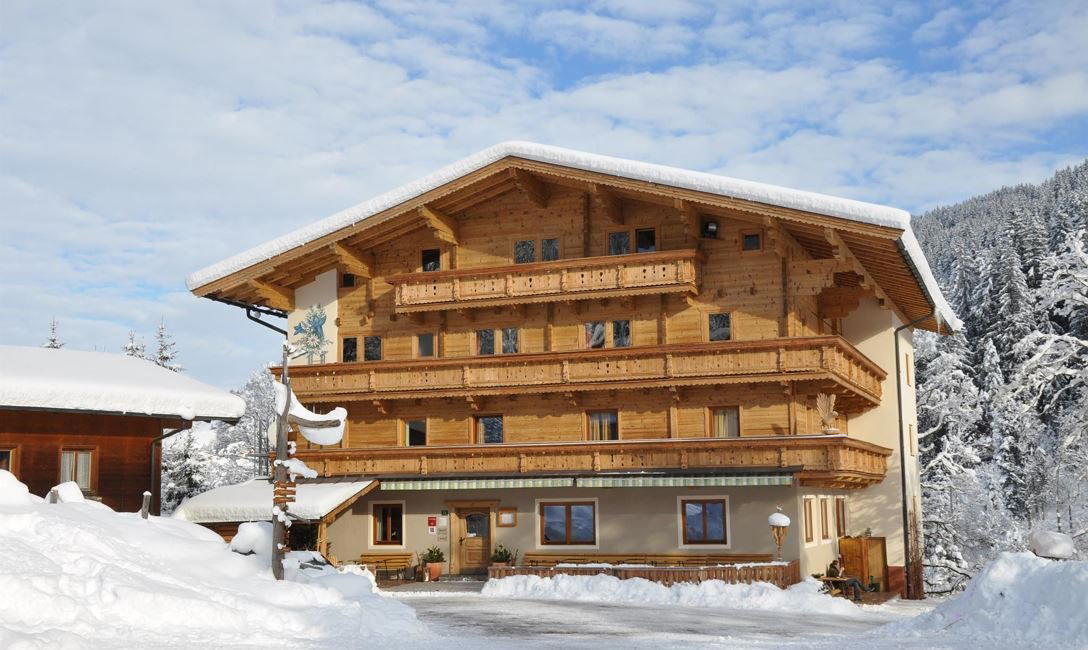
Where the Trail Ends and the Table Begins
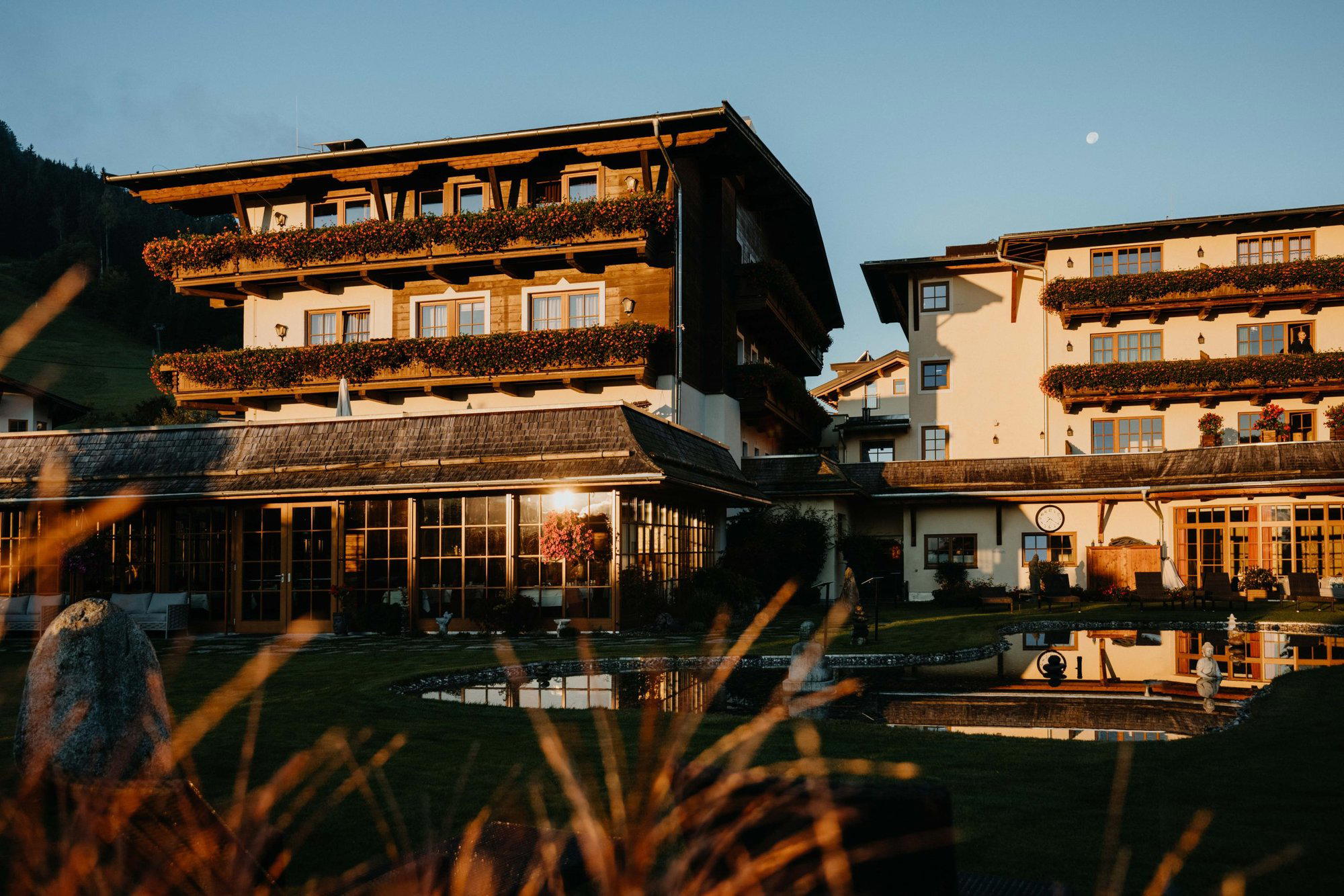
Gasthaus Steinberg is a traditional Austrian Tyrolean restaurant in Westendorf, priced around $35 per person. The road narrows past the last clusters of Westendorf's village centre, the valley opens out, and the inn arrives with the unhurried logic of a building that has always been here. There is no signage competing for attention, no forecourt theatre. The mountains above provide all the context required. By the time you reach the terrace in summer, the relationship between this food and this place is already obvious.
This is the dominant register of traditional Austrian inn cooking at its most grounded: ingredients drawn from the Alpine environment, preparations that have not required reinvention, and a setting that makes the food make sense. It sits in a different conversation entirely from the tasting-menu Austria of Steirereck im Stadtpark in Vienna or Ikarus in Salzburg. Those kitchens apply technique and ambition to Austrian produce. Gasthaus Steinberg applies continuity and precision to it instead, a different proposition, and for the hiker coming off an Alpine trail, often a more satisfying one.
The Sourcing Logic Behind Traditional Tyrolean Cooking
The dishes associated with the Grafl family kitchen, Pressknödelsuppe, Almrindsülzchen, beef goulash, schnitzel, are not arbitrary survivors of an older menu. Each one encodes a sourcing logic that the Tyrol's geography made inevitable. Dumpling soups emerged because bread was never wasted in mountain households; the dumpling is a compressed record of that thrift. Alpine beef aspic, the Almrindsülzchen, draws on cattle that graze the high summer pastures, the Almen, at elevations above 1,500 metres, where the grass is botanically complex and the flavour of the meat reflects that. The aspic format itself is a preservation technique adapted to a kitchen without reliable year-round supply.
This matters because it separates regional inn cooking from generic Austrian cooking. A schnitzel served in a Vienna airport hotel and a schnitzel served in a Tyrolean valley inn are technically the same dish, but the provenance chain behind each is entirely different. The regional inn version, when done properly, carries the flavour of a specific agricultural system. The awards language used to describe Gasthaus Steinberg, aromatic, full of flavour, perfectly crafted, points precisely at that distinction. The cooking is not innovative; it is accurate.
For a broader map of how Austrian cooking ranges from this kind of rooted regionalism to high-technique innovation, the contrast with Landhaus Bacher in Mautern an der Donau or Obauer in Werfen is instructive. Both operate at the formal end of Austrian classic cuisine. The restaurant operates at the informal end of the same tradition, a shorter distance between the source and the plate, and a correspondingly shorter distance between the food and the diner.
Reading the Menu as a Record of Place
The Pressknödelsuppe arrives as the clearest statement of intent. In Tyrolean cooking, the quality of a dumpling soup is a direct measure of what goes into the broth and the knödel themselves, breadcrumb quality, fat, seasoning, the clarity of the stock. There are no decoration strategies available; the soup is exactly what it is. The fact that it is described in the awards record as full of flavour suggests a kitchen that takes the sourcing seriously enough to let the base ingredients carry the dish.
The Almrindsülzchen is rarer on regional menus than it once was, which makes its presence here worth noting. Alpine beef aspic requires good-quality beef from animals that have had access to high pasture, a cold-setting preparation that concentrates rather than masks the meat's character, and enough confidence to serve a dish that cannot hide behind sauce or garnish. It occupies the same aesthetic territory as charcuterie traditions in France or the cold meat preparations of Germany's southern states, a category in which restraint is the technique.
Goulash and schnitzel complete the picture. Both dishes have been cooked to mediocrity across Central Europe thousands of times, which is precisely why a version described as perfectly crafted is worth seeking out. The distinction between a goulash built on time and paprika quality versus one padded with stock concentrate is immediate in the eating.
The Terrace and the Seasonal Case for Visiting
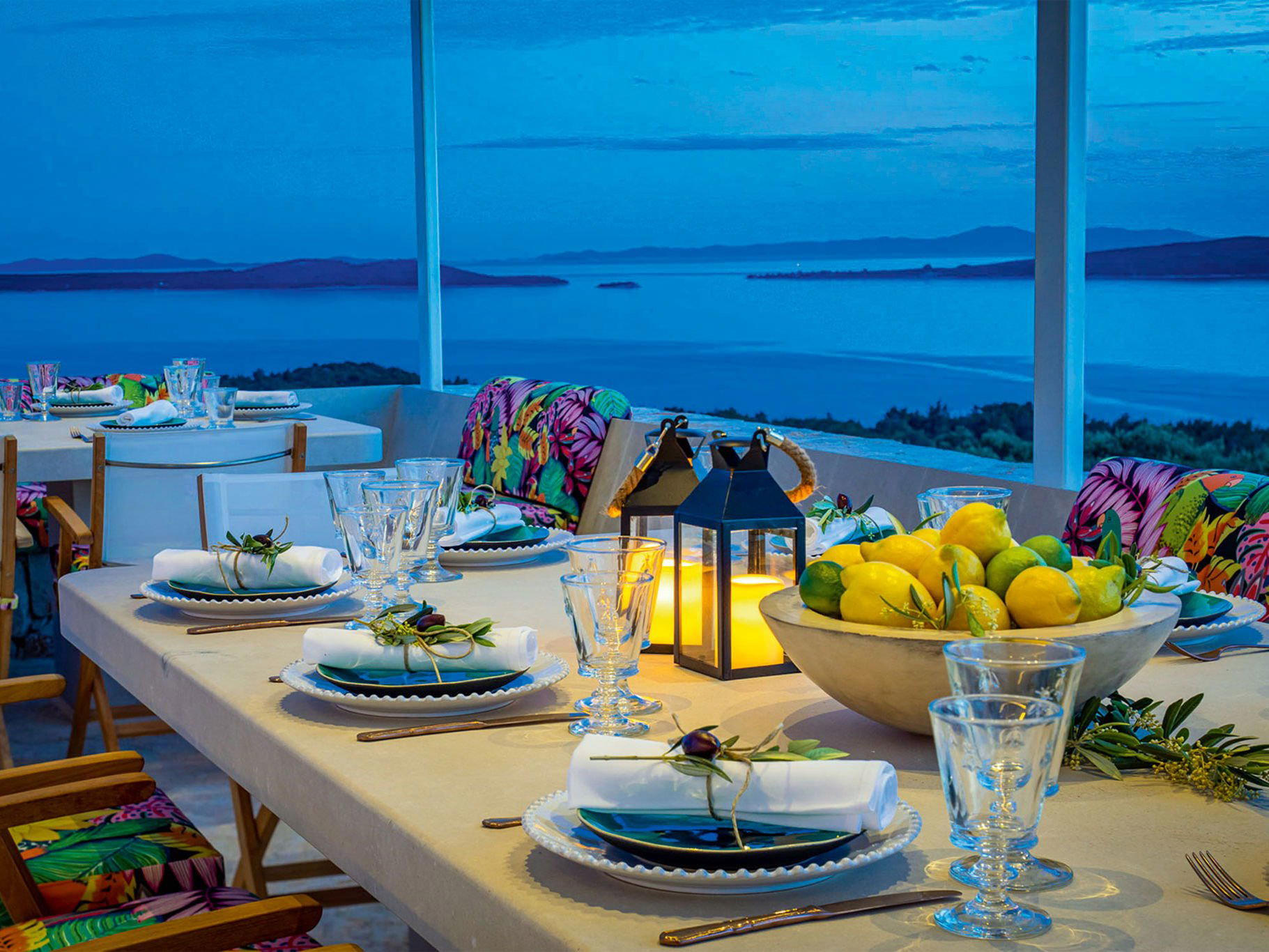
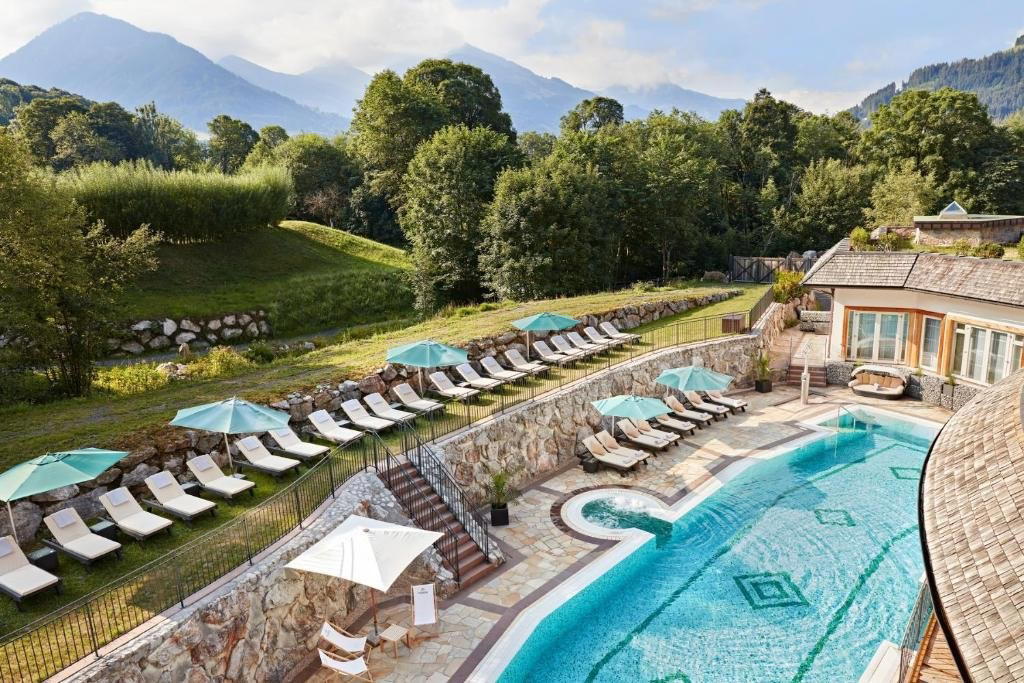
Austrian inn culture has always understood that eating outside in summer is not merely a comfort preference, it is the correct way to consume a meal whose ingredients came from the surrounding countryside. The terrace at the restaurant, with its aspect across the valley and towards the surrounding mountains, closes that loop. The view is not a backdrop; it is the same landscape that produced the food on the table.
Summer is the season with the strongest case for a visit. The terrace is at its most functional, the Alpine cattle are on the high pastures, and the hiking trails that connect Westendorf's valley to the wider Kitzbühel Alps are fully open. The inn sits at the natural convergence of a half-day's walking and a serious lunch, a combination that Tyrolean inns have been providing for generations, and that the Grafl family has evidently maintained with enough consistency to earn sustained recognition.
Overnight accommodation is also available, which extends the logic further. Westendorf operates as a ski destination in winter and a hiking base in summer, and the inn sits at a remove from the village's more touristic infrastructure. For those who want proximity to the terrain rather than the resort amenities, Hinterwindau 54 is a practical address. For broader guidance on where to stay in the area, see our full Westendorf hotels guide.
Planning a Visit
The restaurant is located at Hinterwindau 54 in Westendorf, Tirol, a short drive from the village centre and accessible on foot via the valley paths for those already based locally. Pricing sits around $35 per person.
- Pressknödelsuppe
- Almrindsülzchen
- Osso Buco
- Heusuppe
- Venison
- Speckknödel soup
Comparable Spots, Quickly
Comparable venues nearby, for context on price, style, and recognition.
| Venue | Cuisine | Price | Awards | Notes |
|---|---|---|---|---|
| Gasthaus SteinbergThis venue — the venue you are viewing | Traditional Austrian Tyrolean | $$ | Michelin Plate | Not listed |
| Rauchkuchl | Traditional Austrian Alpine | $$$ | Michelin Plate | Stuhlfelden |
| Zottahof | Authentic Tyrolean | $$ | Not listed | Alpbach |
| Der Holzpoldl | Austrian Regional & Seasonal Cuisine | $$ | Michelin Plate | Lichtenberg |
| Schloss Mitterhart | Traditional Tirolean Cuisine | $$ | Not listed | Vomp |
| Bärenwirt | Modern Austrian Regional | $$$ | Michelin Plate | Hauptplatz |
Recognition history
Dated appearances from independent guides and award organizations, with the underlying list record or original source where available.
Michelin Plate
Michelin · 2026 Michelin Plate
Michelin Bib Gourmand
Michelin
Continue exploring
More in Westendorf
Restaurants in Westendorf
Browse all →
Bars in Westendorf
Browse all →


Hotels in Westendorf
Browse all →
Wineries in Westendorf
Browse all →
At a Glance
- Rustic
- Cozy
- Scenic
- Quiet
- Romantic
- Family
- Celebration
- Group Dining
- Casual Hangout
- Terrace
- Garden
- Panoramic View
- Standalone
- Beer Program
- Local Sourcing
- Farm To Table
- Mountain
- Garden
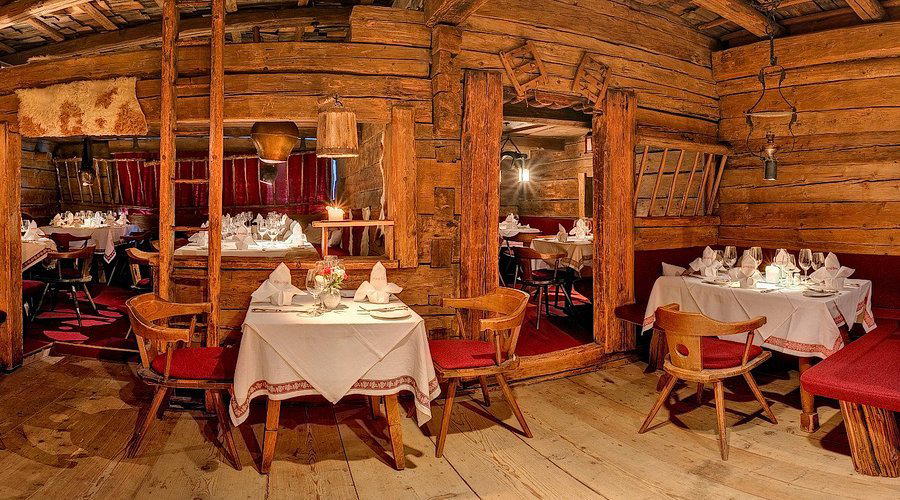
Warm, traditional wooden dining rooms with cozy atmosphere; large terrace with mountain and garden views ideal for sunny days; peaceful, quiet alpine setting with a homey, welcoming feel.