
Michelin Plate
Our verdict
On Hangzhou's historic Hefang Street, Pu Zhu has earned consecutive Michelin Plate recognition in 2024 and 2025 for a vegetarian kitchen that treats plant-based cooking as a discipline in its own right, not a dietary alternative. Priced at the ¥¥¥¥ tier, it sits at the serious end of the city's vegetarian scene, where technique and ingredient quality carry the same weight they would at any high-end Zhejiang table.

Pearl is the En Primeur Club membership app, where members save venues, book tables and use the concierge.
The menu
What to order
- Tree tomato soup with seaweed
- Bamboo bird's nest and white asparagus soup
- Spring bamboo shoots with scallion oil
Where Hefang Street's History Meets a Serious Vegetarian Kitchen
Hefang Street is one of Hangzhou's oldest commercial corridors, a pedestrian strip that has housed apothecaries, tea merchants, and silk traders since the Song dynasty. Today it also holds one of the city's more considered dining arguments: that a vegetarian kitchen, priced and staffed like a premium Zhejiang table, can occupy the same critical conversation as its meat-serving neighbours. Pu Zhu, at number 35, makes that argument through the plate rather than through positioning language. The address alone carries a kind of accumulated cultural weight that few restaurant streets in China can match, and the kitchen works within that frame rather than against it.
The Plant Philosophy: Vegetables as Principal, Not Proxy
Chinese vegetarian cooking has a long institutional history, Buddhist temple kitchens in Zhejiang and Jiangsu have been refining meatless technique for centuries, but the contemporary fine-dining version of that tradition is a distinct and smaller category. The dominant move in that category is to use classical Chinese knife work, broth construction, and fermentation logic on vegetables alone, treating the absence of meat as a starting condition rather than a constraint. Pu Zhu operates within this tradition: the cuisine type is listed simply as Vegetarian, with no qualifying modifier suggesting fusion or Western influence, which positions it alongside other discipline-driven houses in the mainland Chinese vegetarian tier.
That tier has grown in credibility across China's major cities over the past decade. In Shanghai, Fu He Hui, Vegetarian has demonstrated that a fully plant-based kitchen can sustain serious Michelin attention. In Beijing, Lamdre, Vegetarian brings Tibetan-influenced technique to the same conversation. Pu Zhu's consecutive Michelin Plate recognition in 2024 and 2025 places it in that nationally acknowledged grouping, even if its price point and Hangzhou address keep it somewhat outside the broader media spotlight those Shanghai and Beijing venues attract.
Michelin Recognition and What It Signals Here
A Michelin Plate, awarded in both 2024 and 2025, indicates a kitchen cooking to a consistent standard across visits, fresh ingredients, competent preparation, and a menu that holds up to scrutiny. In Hangzhou's context, where the Guide's coverage is smaller than in Shanghai or Beijing, that consistent recognition carries more relative weight. The city's Michelin-listed restaurants span Zhejiang regional cooking, international formats, and a handful of specialist kitchens; Pu Zhu represents the vegetarian category in the upper tier of that group.
At ¥¥¥¥, the pricing sits at the same level as Ru Yuan, another Hangzhou table working within the Zhejiang fine-dining register, and above the ¥¥¥ bracket occupied by venues like 28 Hubin Road and Song. That price alignment is a meaningful signal: Pu Zhu is not competing with casual vegetarian canteens or Buddhist refectory-style houses. It is priced against serious Zhejiang tables and asks to be judged accordingly. Within Hangzhou's broader restaurant scene, which you can survey in our full Hangzhou restaurants guide, that positioning is relatively rare for a specialist vegetarian kitchen.
Pu Zhu Within Hangzhou's Vegetarian Cluster
Hangzhou has developed a more coherent vegetarian dining scene than most Chinese cities its size, in part because of its proximity to West Lake's Buddhist temple circuit and in part because local Zhejiang cooking already relies heavily on seasonal produce, river vegetables, and preserved ingredients. Several other addresses occupy different segments of that scene. Er Ba Jiu Su Mian Guan works the noodle-focused, accessible end of the vegetarian market. Fu Quan Shu Yuan and Nature's Own each take their own approach to plant-forward cooking. Qing Chun Perma leans toward permaculture principles. Zhi Zhu rounds out the cohort with a different format and register.
Pu Zhu occupies the upper price tier within this cluster, which means it draws a different booking profile: diners arriving for a full-format dinner rather than a quick lunch, and visitors cross-referencing it against the city's broader fine-dining options rather than treating it as an everyday stop. That positioning shapes the experience before you arrive.
Hangzhou in the Context of Chinese Fine Dining
Hangzhou's restaurant scene sits in an interesting position relative to China's other major dining cities. It lacks the critical mass of Michelin-starred addresses found in Shanghai or the international profile of Beijing, but it has a regional culinary identity, Zhejiang cuisine, with its emphasis on freshness, minimal intervention, and local seasonal produce, that gives serious kitchens here a coherent platform to work from. Venues like Xin Rong Ji in Beijing, Xin Rong Ji in Chengdu, 102 House in Shanghai, Chef Tam's Seasons in Macau, Imperial Treasure Fine Chinese Cuisine in Guangzhou, and Dai Yuet Heen in Nanjing illustrate how regional Chinese fine dining has diversified across the country. Pu Zhu's vegetarian focus is a specific node in that broader map, one that aligns with Zhejiang's produce-led instincts while pushing that logic toward an entirely plant-based conclusion.
Planning Your Visit
Pu Zhu is located at 35 Hefang Street in the Shangcheng District, the heritage core of Hangzhou's old city. Hefang Street runs east from the China Medicine Museum toward Wushan Square and is accessible on foot from the West Lake area in under fifteen minutes, or by metro from Longxiangqiao Station. Booking ahead, ideally several days to a week in advance depending on the day of the week, is the practical approach. For accommodation and other ways to spend time in the city, our full Hangzhou hotels guide, bars guide, wineries guide, and experiences guide cover the broader picture.
Frequently asked questions
What should I eat at Pu Zhu?
Pu Zhu's kitchen works squarely within the Chinese vegetarian tradition, drawing on Zhejiang's seasonal produce logic and classical Chinese technique rather than Western plant-based formats. Given the ¥¥¥¥ price tier and consecutive Michelin Plate recognition in 2024 and 2025, the kitchen is operating at a level where a full tasting or set-format dinner is the intended experience rather than à la carte grazing. Within that frame, the emphasis is on the cuisine itself, how vegetables are prepared, preserved, and composed within a Chinese fine-dining structure, rather than on protein substitutes or novelty presentations.
A Credentials Check
| Venue | Cuisine | Price | Awards | Notes |
|---|---|---|---|---|
| Pu ZhuThis venue (the venue you are viewing) | Modern Vegetarian Chinese | $200–300 | Michelin Plate | Not listed |
| Xin Rong Ji | Taizhou Cuisine | $50–100 | 1 Michelin Star · La Liste Top Restaurants | Taizhou |
| 28 Hubin Road | Modern Zhejiang Fine Dining | $50–100 | Michelin Plate · La Liste Top Restaurants | Zhejiang |
| Ru Yuan | Modern Hangzhou Fine Dining | $150–200 | 2 Michelin Stars · World's 50 Best #10 | Zhejiang |
| L'éclat 19 | French-Chinese Fusion Fine Dining | Not listed | 1 Michelin Star | French Contemporary |
| Song | Modern Ningbo Cuisine | Not listed | 1 Michelin Star | Ningbo |
Recognition history
Dated appearances from independent guides and award organizations, with the underlying list record or original source where available.
Michelin Plate
Michelin
Full recognition history (3 entries)
Michelin Plate
Michelin
Michelin Plate
Michelin
Continue exploring
More in Hangzhou
Restaurants in Hangzhou
All restaurants in Hangzhou →
Bars in Hangzhou
All bars in Hangzhou →
Details
- Elegant
- Quiet
- Scenic
- Cozy
- Sophisticated
- Solo
- Special Occasion
- Date Night
- Garden
- Local Sourcing
- Garden
- Set Menu
- Vegetarian Friendly
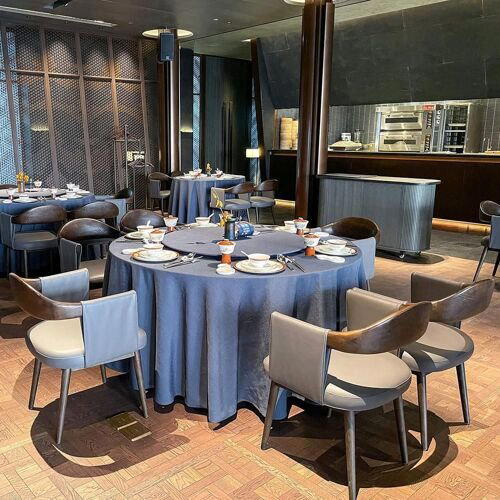
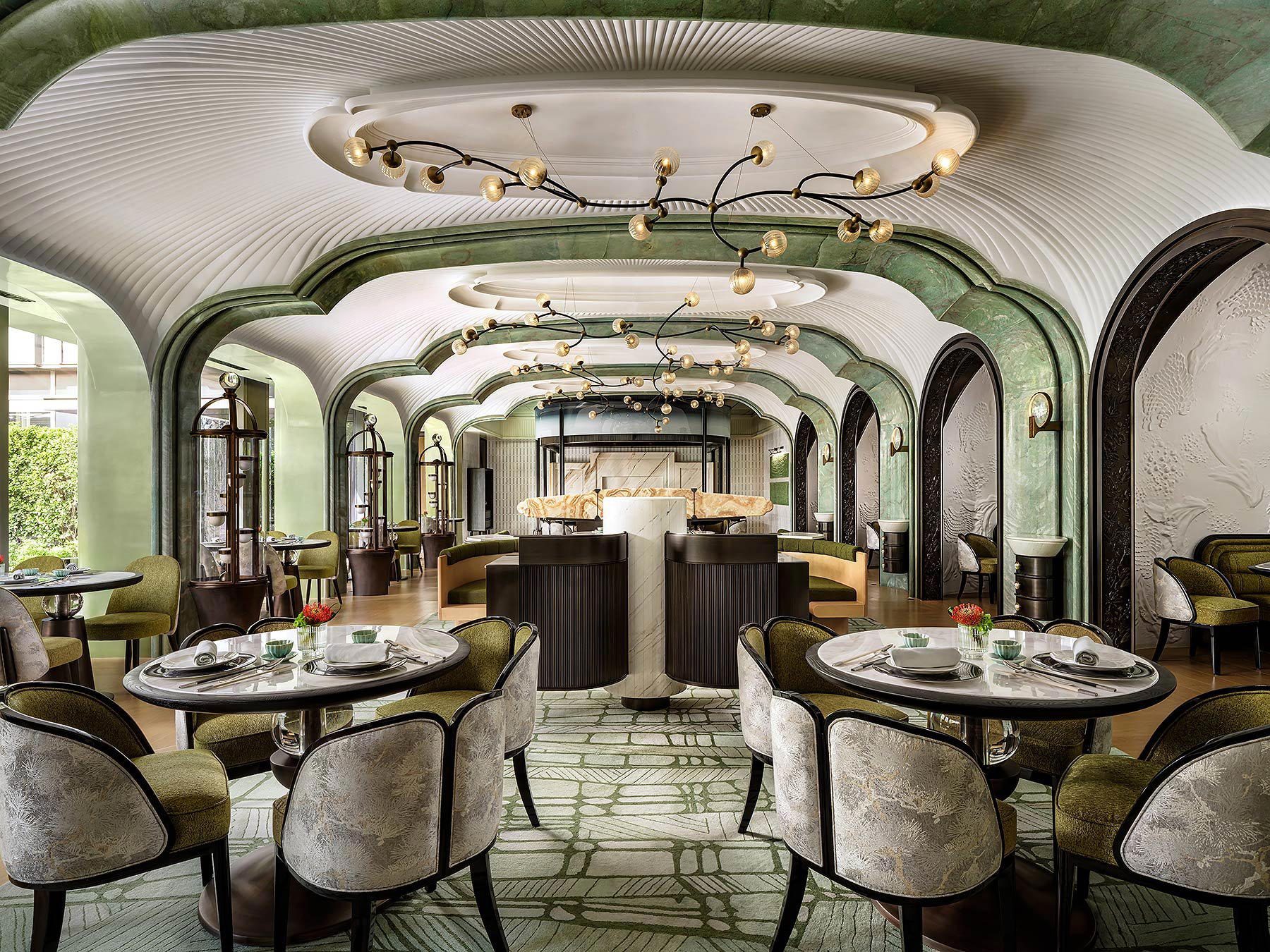
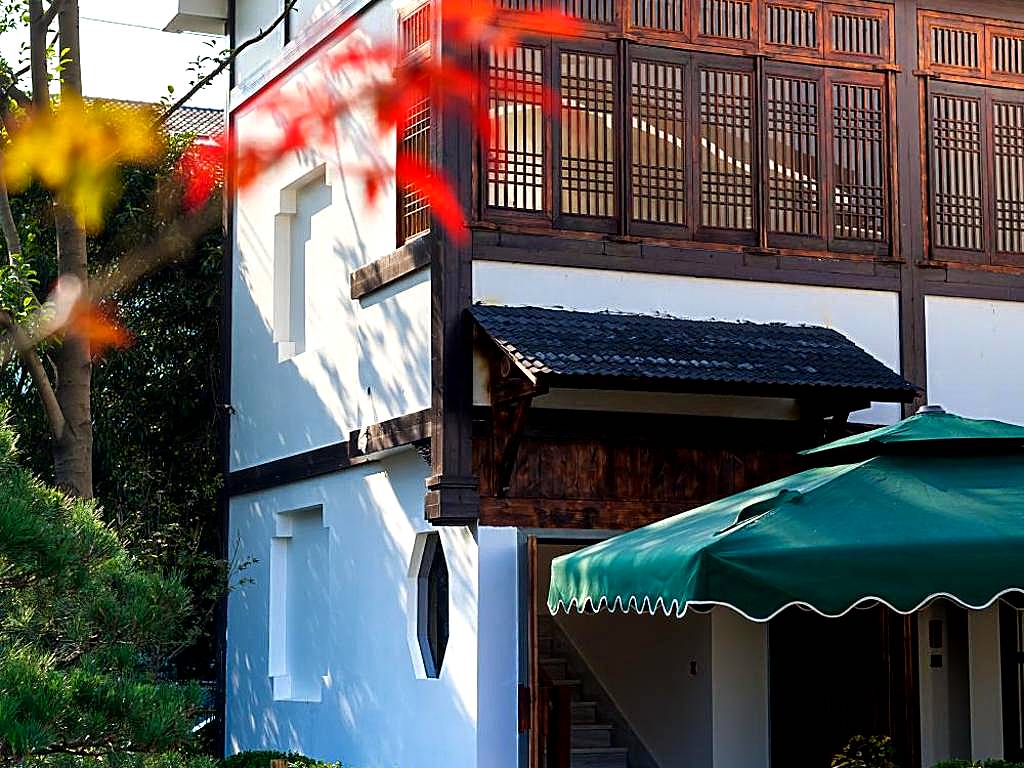
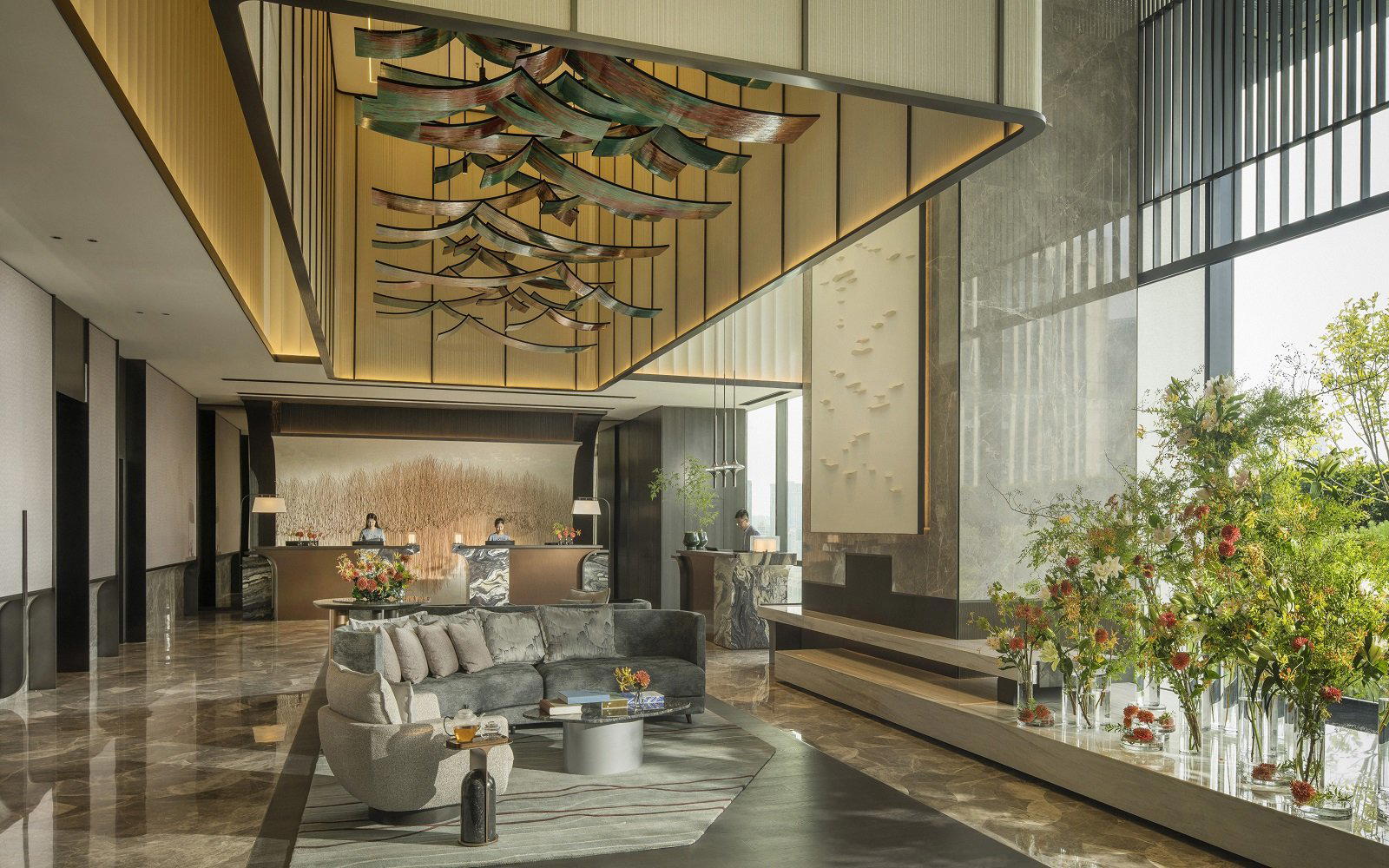
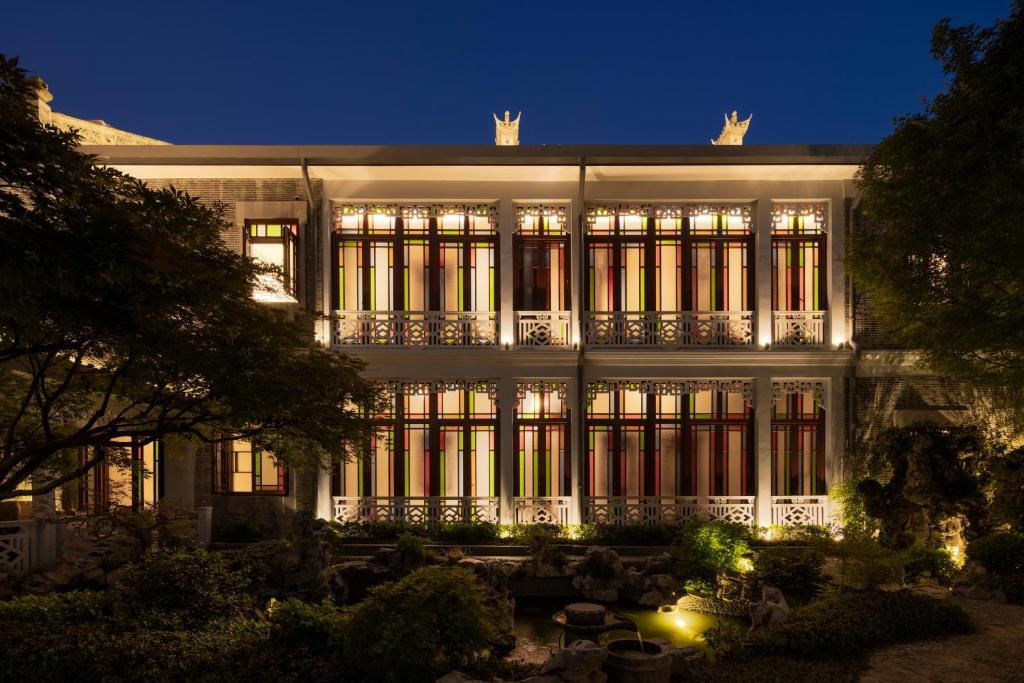
Hushed elegance with clean lines, tactility in wood and stone, surrounded by manicured gardens, bamboo trees, rock works, and water features, creating a serene Eastern Zen aesthetic.