Michelin Plate
Our verdict
Zero Milano on Corso Magenta has spent years refining its position within Milan's Japanese dining circuit, moving from a single-chef operation to a kitchen backed by dedicated sushi specialists. Holding back-to-back Michelin Plates in 2024 and 2025, it sits in the mid-to-upper tier of the city's Japanese offer, where technical rigour and a hybrid Japanese-Western menu mark it as a serious address rather than a novelty.

Pearl is the En Primeur Club membership app — saves, bookings, and concierge access live there. Same editors, same standards.
Milan's Japanese Dining Scene and Where Zero Milano Sits
Milan's Japanese restaurant circuit has grown considerably over the past decade, splitting into distinct tiers. At one end, Michelin-starred operations like Iyo and its kaiseki counterpart Iyo Kaiseki hold positions that require months of planning to access. Below that tier sits a second layer of technically serious restaurants that do not carry star recognition but do earn consistent critical acknowledgement. Zero Milano, at Corso Magenta 87, occupies this second tier, with consecutive Michelin Plates in 2024 and 2025 confirming a standard of cooking that the guide judges as worthy of attention even without full-star elevation.
The Michelin Plate designation is sometimes misread as a consolation award, but its actual function is different: it marks a restaurant where the food meets the guide's baseline standard for quality and technical execution. Achieving it in back-to-back years is a signal of consistency rather than a flash of early ambition. For a Japanese restaurant operating in a city better known for its Lombard and contemporary Italian dining, that consistency matters more than the headline number. See our full Milan restaurants guide for the wider picture of where Zero Milano sits in the city's dining hierarchy.
The Evolution: From Single Chef to Specialist Kitchen
The clearest story at Zero Milano is not about the food itself but about how the restaurant has changed its internal structure to match its stated ambitions. The kitchen was originally anchored around Chef Hide, a single figure carrying the technical weight of Japanese cooking in a city where the audience for high-level Japanese cuisine has traditionally been smaller than in London, Paris, or Zurich. That model works until the point where consistency, depth of technique, and menu ambition begin to outpace what one chef can deliver alone.
Pivot came through the addition of two further Japanese kitchen professionals described specifically as sushi specialists. This restructuring reflects a pattern visible in other serious Japanese restaurants operating outside Japan: as ambitions rise and guest expectations sharpen, the kitchen requires genuine specialist depth rather than a generalist leading with broad competence. The result is a kitchen team that can maintain technical discipline across different aspects of the menu simultaneously. Among the Japanese restaurants in Milan, this kind of intentional staffing structure distinguishes Zero Milano from lighter operations like Osaka or the more casual format offered by Bentoteca Milano.
Menu direction has also evolved in parallel: rather than anchoring the offer purely in traditional Japanese formats, Zero Milano now runs dishes that sit between Japanese technique and contemporary Western flavour structures. This is a deliberate editorial choice rather than a compromise. Restaurants like Hazama have taken the more purist route within the Milan market; Zero Milano's hybrid positioning gives it a different kind of access to guests who want Japanese technical rigour without the full formality of a kaiseki or omakase structure.
The Cooking: What Technical Rigour Looks Like at This Level
Michelin recognition frames the kitchen in specific terms: top-quality ingredients, technical expertise typical of Japanese cooking, and a menu that integrates Japanese specialities alongside dishes with a Western orientation. These are not marketing phrases. Michelin's inspectors use them to locate a restaurant within a specific quality register, and they indicate that the kitchen is operating with the sourcing discipline and execution standard associated with serious Japanese cooking rather than a localised approximation of it.
Hybrid menu structure is where Zero Milano makes its clearest argument for a particular kind of Milan diner. Italian guests often arrive with high ingredient literacy — an expectation of seasonal produce, careful sourcing, and a kitchen that takes the raw material seriously. Japanese technique applied to that expectation produces something different from what a traditional Tokyo counter would serve, but the discipline that underlies it is the same. The sushi specialists added to the kitchen are the foundation for the Japanese end of the menu; the contemporary Western-inflected dishes build on that foundation rather than running as a separate programme.
For context on what Japanese cooking looks like at the highest levels outside Italy, Myojaku in Tokyo and Azabu Kadowaki in Tokyo represent the peer standard against which serious Japanese restaurants in Europe are increasingly measured by travelling guests.
Corso Magenta: The Address in Context
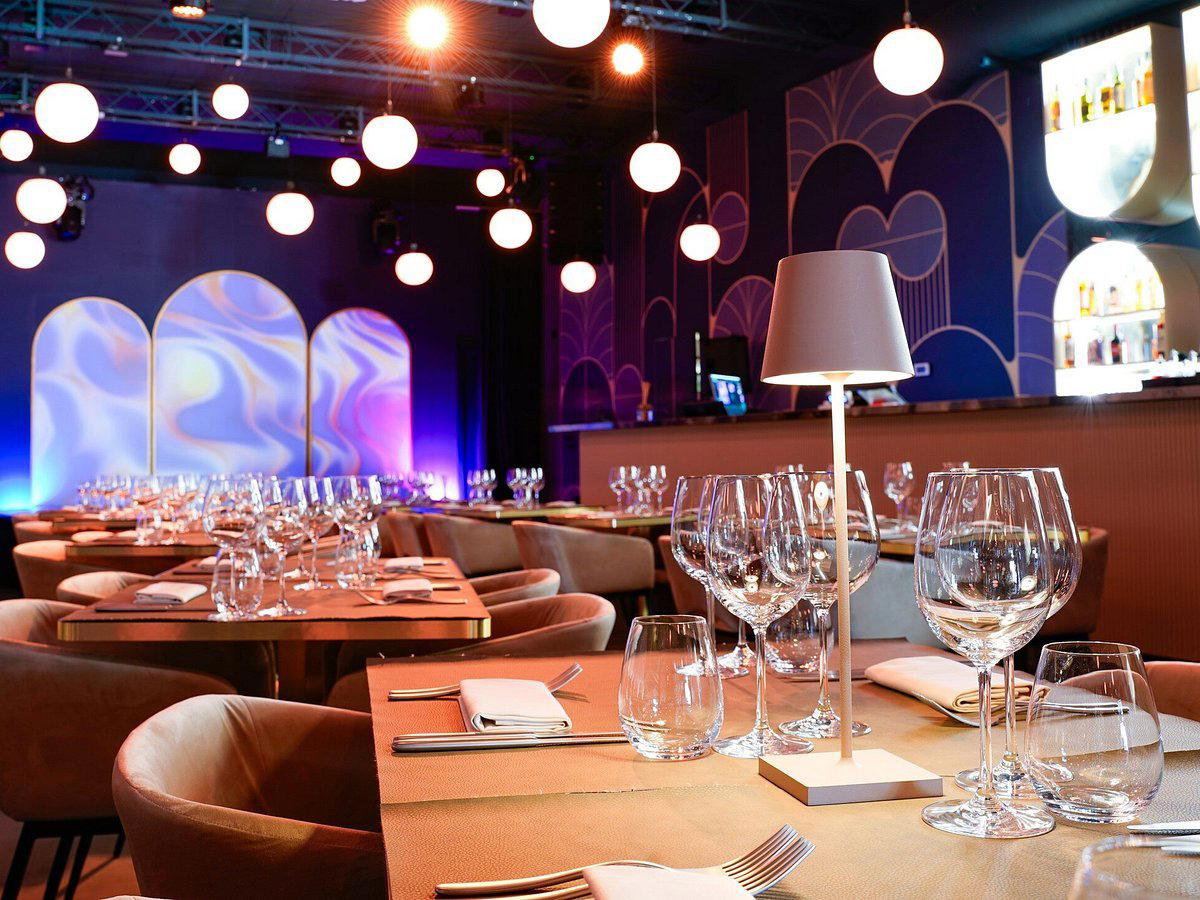
Corso Magenta is not the neighbourhood most visitors associate with Milan's dining scene. The area sits in the western part of the historic centre, closer to Santa Maria delle Grazie than to the Brera or Navigli districts that generate more restaurant press. It is primarily a residential and institutional street, which means Zero Milano operates in a quieter context than most of the city's comparable restaurants. The address suits a kitchen that trades on attention to detail over atmosphere engineering. Guests travelling from the centre should account for the walk or transit time from the Duomo; the nearest metro access is Cadorna or Conciliazione on the M1 and M2 lines.
For context on the wider Italian dining scene from which Milan takes its broader cues, the starred operations at Osteria Francescana in Modena, Enoteca Pinchiorri in Florence, and Dal Pescatore in Runate define the upper register of Italian fine dining. The non-Italian restaurants that earn serious recognition in Milan, Zero Milano among them, exist in a separate but increasingly respected category. Further afield, Atelier Moessmer Norbert Niederkofler in Brunico, Quattro Passi in Marina del Cantone, and Uliassi in Senigallia represent the range of Italian restaurant ambition operating at the same general price register or above.
Planning Your Visit
- Address: Corso Magenta, 87, 20123 Milano MI, Italy
- Price range: €€€ — mid-to-upper tier for Milan's Japanese restaurant category
- Recognition: Michelin Plate 2024 and 2025
- Getting there: Metro M1/M2 to Cadorna or Conciliazione; Corso Magenta is walkable from both stops
- Booking: No booking method confirmed in, contact the restaurant directly via the address above or search current reservation platforms
- Also in Milan: Hotels | Bars | Wineries | Experiences
Frequently asked questions
What cuisine category does Zero Milano fall under?
What distinctions does Zero Milano have?
Zero Milano has received recognition including: There’s absolutely zero compromise on attention and quality in this restaurant, where the cuisine is made from top-quality ingredients using all the technical expertise typical of Japanese cooking. Chef Hide is now assisted by two of his co….
What's the best thing to order at Zero Milano?
The sushi programme is the kitchen's current centrepiece, now run with two dedicated Japanese sushi specialists alongside Chef Hide. The menu also extends into dishes that blend Japanese technique with contemporary Western flavour, so the counter covers both purists and those after something less orthodox.
Is Zero Milano more mid-range or high-end?
Pricing at Zero Milano is listed as €€€.
What's the address for Zero Milano?
Zero Milano is located at Corso Magenta, 87, 20123 Milano MI, Italy, Milan.
What's the best way to book Zero Milano?
Zero Milano sits at the €€€ tier of Milan's Japanese dining market, positioned below the Michelin-starred operations at Iyo and Iyo Kaiseki but above the city's casual Japanese end.
What's the standout thing about Zero Milano?
The deliberate addition of two Japanese sushi specialists to work alongside Chef Hide is the most concrete signal of the restaurant's ambition within Milan's competitive Japanese dining circuit. That structural investment, reflected in back-to-back Michelin Plate recognition in 2024 and 2025, sets Zero Milano apart from the majority of Japanese operations in the city that rely on a single kitchen lead.
Comparable Spots, Quickly
| Venue | Cuisine | Price | Awards | Notes |
|---|---|---|---|---|
| Zero MilanoThis venue — the venue you are viewing | Modern Japanese Sushi | $50–100 | Michelin Plate | Not listed |
| Enrico Bartolini | Modern Italian Fine Dining | $300–500 | 3 Michelin Stars · World's 50 Best #85 | Creative |
| Cracco in Galleria | Modern Italian Fine Dining | $150–200 | 1 Michelin Star · World's 50 Best #33 | Modern Cuisine |
| Andrea Aprea | Modern Italian Fine Dining | $200–300 | 2 Michelin Stars · La Liste Top Restaurants | Modern Italian, Italian Contemporary |
| Seta | Modern Italian Fine Dining | $150–200 | 2 Michelin Stars · La Liste Top Restaurants | Modern Italian |
| Contraste | Modern Italian Fine Dining | $150–200 | 1 Michelin Star · La Liste Top Restaurants | Progressive Italian, Modern Cuisine |
Recognition history
Dated appearances from independent guides and award organizations, with the underlying list record or original source where available.
Michelin Plate
Michelin
Full recognition history (3 entries)
Michelin Plate
Michelin
Michelin Plate
Michelin