Michelin Plate
Our verdict
One of the figures who helped introduce Japanese cuisine to Italy, Chef Katsumi Ichikawa has turned decades of experience into a personal restaurant on Via Lazzaro Papi. The menu moves from sushi and sashimi into lesser-known family dishes and Japanese street food.

Pearl is the En Primeur Club membership app, where members save venues, book tables and use the concierge.
A Quiet Street, a Long Arc
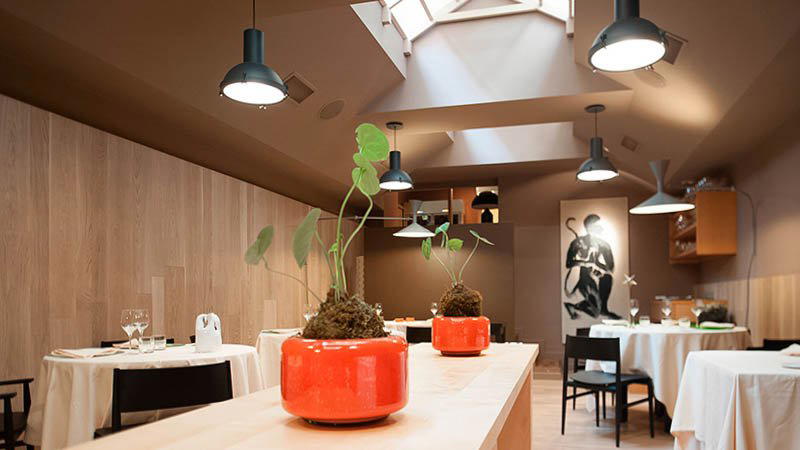
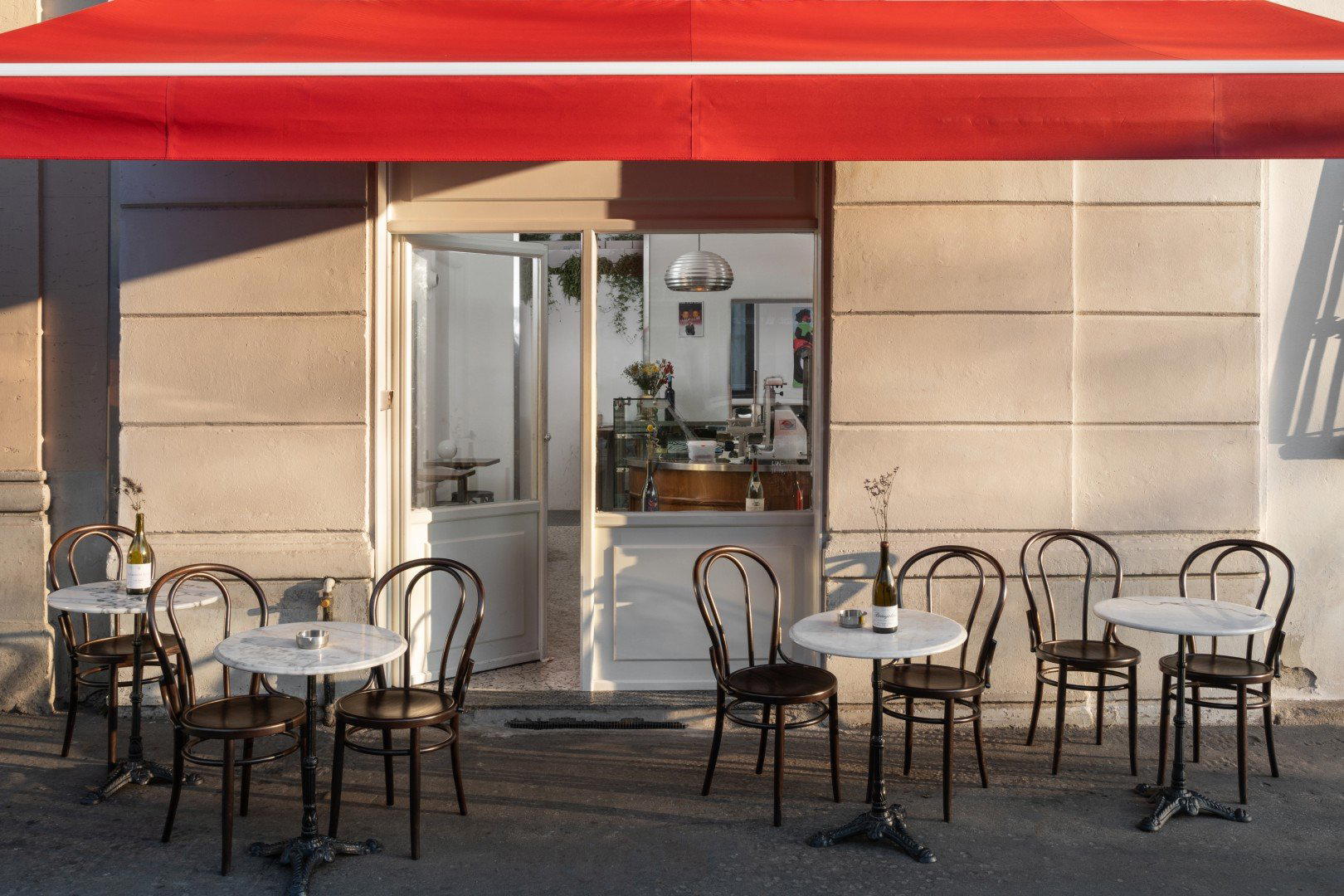
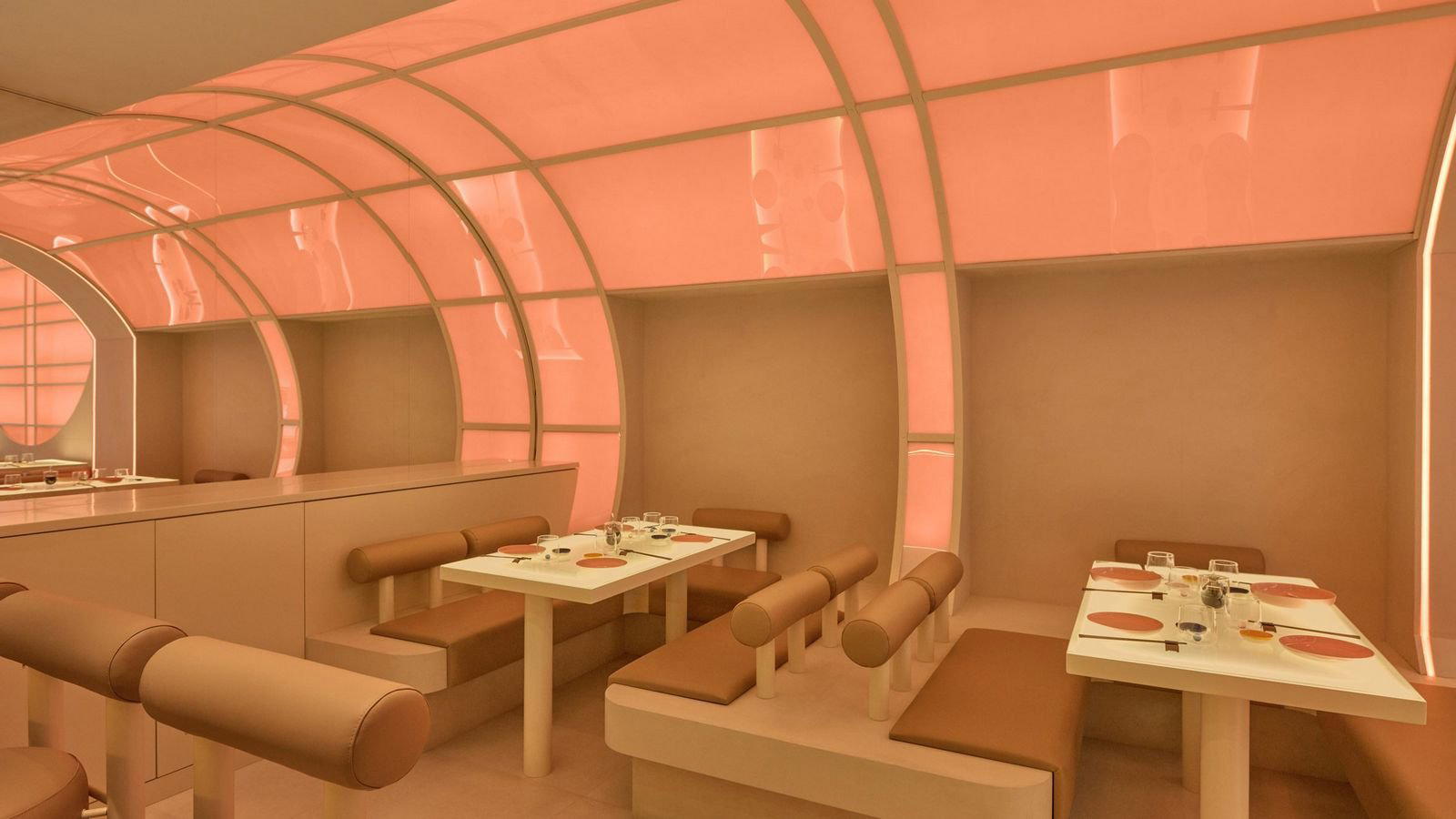
Via Lazzaro Papi sits in the Porta Romana district, one of Milan's more composed residential quarters, where the density of the city centre eases into tree-lined blocks and fewer tourists. Arriving at Ichikawa in the evening, the shift from the street into the dining room carries the kind of deliberate contrast that characterises serious Japanese hospitality: the outside world stays outside. This is a neighbourhood address, not a destination restaurant in the grand-hotel sense, and that restraint is part of its character.
For special occasions in Milan, the default gravitates toward Italian fine dining, the multi-starred rooms of Enrico Bartolini, Andrea Aprea, or Seta. What Ichikawa offers is something different in register: a milestone meal grounded not in Italian culinary tradition but in the precision and ritual of Japanese cooking, served by a chef whose decades of work in Italy make him a credible bridge between both worlds.
Decades of Groundwork, One Restaurant
Japanese cuisine's place in Italy was not established overnight. For much of the late twentieth century, Japanese food in Italian cities occupied an uncertain position, broadly popular in its most accessible forms, less understood in its deeper registers. A generation of chefs and restaurateurs worked across that period to shift Italian diners' familiarity with the cuisine, not just the spectacle of it. Chef Katsumi Ichikawa belongs to that generation, and his role in shaping Japanese dining in Italy is part of the record that Opinionated About Dining has cited across multiple years of ranking the restaurant. The OAD listing placed Ichikawa at #59 in 2023, #92 in 2024, and #105 in 2025, a range that reflects the competitive density of that index rather than any decline in quality.
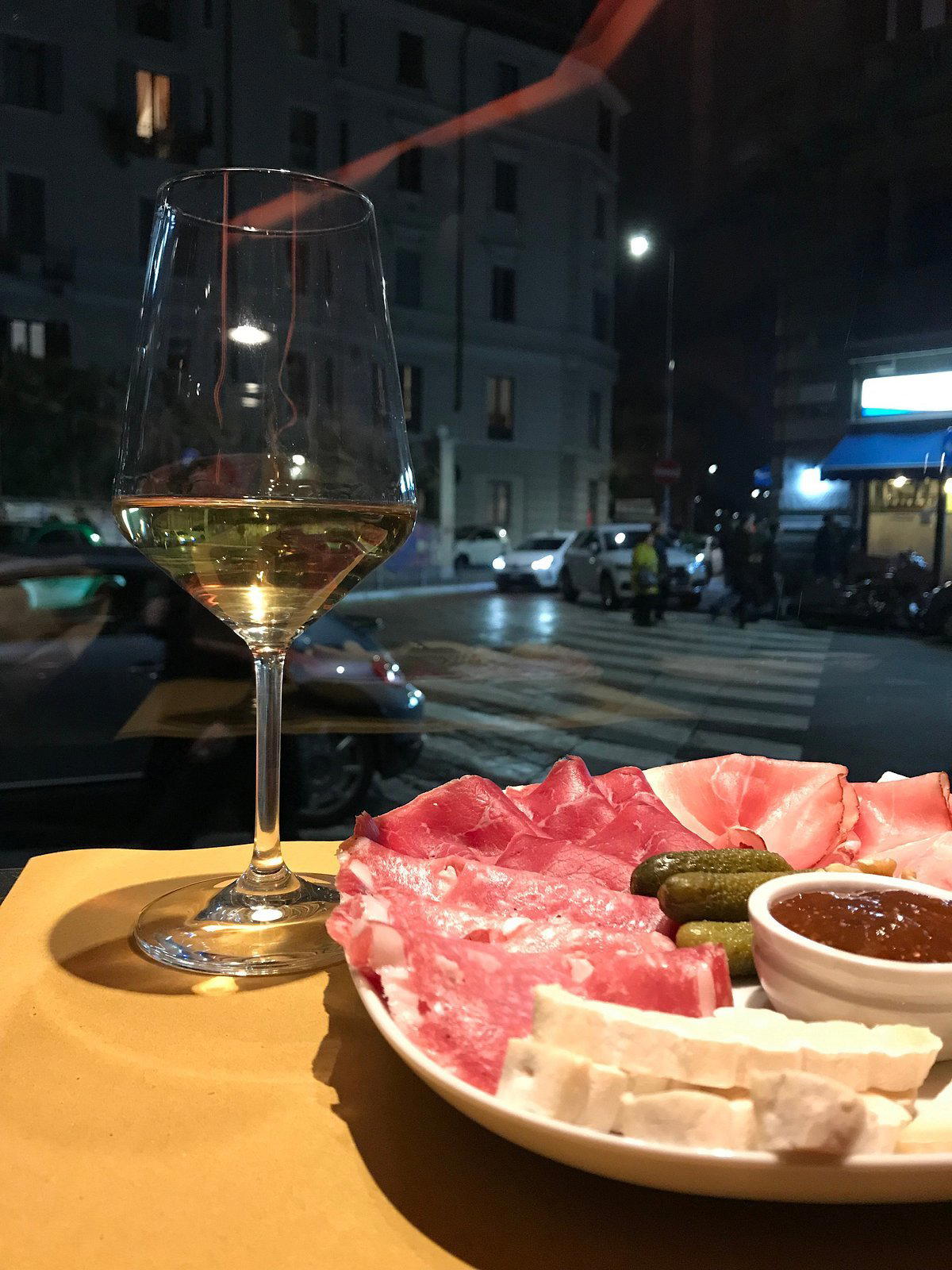
The Michelin Plate, awarded in both 2024 and 2025, is the Guide's recognition of good cooking without the starred tier. In Milan's Japanese dining context, that credential matters: it places Ichikawa in a small group of addresses where the craft is taken seriously enough to earn Guide attention, even as the restaurant operates outside the multi-course tasting-menu format that drives starred recognition. The cooking here includes both the familiar, sushi, sashimi, and the less-travelled: family dishes and street food that rarely appear on Italian Japanese menus calibrated for broad appeal.
The Case for a Milestone Meal Here
Milan's occasion-dining circuit is heavily weighted toward Italian creative cooking. Cracco in Galleria and Verso Capitaneo represent the modern Italian end of that spectrum. Ichikawa occupies a different position: it is where you go when the occasion calls for precision rather than spectacle, for a meal that teaches rather than performs.
Japanese dining in its more serious forms has always carried ceremonial weight, the counter format, the sequence of courses, the relationship between chef and guest across a small number of seats. That architecture, where it exists in a restaurant like Ichikawa, lends itself naturally to celebrations. A birthday dinner here is not about the room's grandeur; it is about attention and craft, the sense that the meal has been composed rather than assembled. For diners who have covered Milan's Italian fine dining addresses and want a different kind of specialness, this is a coherent next step.
For context on how Japanese cooking at this level operates across other markets, Masa in New York and Sushi Masaki Saito in Toronto represent the North American end of the high-end Japanese dining conversation. Ichikawa operates at a different price point, €€€ against the €€€€ brackets of those rooms, but the commitment to sourcing and technique that OAD recognition implies puts it in a related critical conversation, even if the formats differ.
The Menu's Range
The kitchen's breadth is a meaningful part of what makes an evening here work as an occasion. A menu that moves between sushi and sashimi on one end and lesser-known family dishes and Japanese street food on the other is not a compromise: it is a curriculum. For a table celebrating something specific, that range allows the meal to function as a discovery, not just a confirmation of what Japanese food is expected to be in an Italian city.
The price range sits at €€€, which in Milan's fine-dining vocabulary places Ichikawa below the top tier occupied by the two- and three-star Italian rooms, but firmly in the considered-occasion bracket. This is not an everyday address. It is the kind of restaurant you plan for, which is itself a quality signal.
Italy's Japanese Dining Context
Ichikawa does not exist in isolation within Italy's evolving relationship with Japanese cuisine. The country has produced serious rooms at either end of the country's geography, and comparisons are instructive. The deeply established Italian fine-dining tradition, represented by addresses like Osteria Francescana in Modena, Dal Pescatore in Runate, Enoteca Pinchiorri in Florence, Le Calandre in Rubano, Piazza Duomo in Alba, and Atelier Moessmer Norbert Niederkofler in Brunico, has shaped Italian diners' expectations of what a serious restaurant looks and feels like. Against that backdrop, Ichikawa's approach represents a parallel seriousness: different in idiom, equally demanding in execution.
For those building a broader picture of Milan's restaurant scene, the city's strength in modern Italian cooking is detailed in our full Milan restaurants guide. The wider city picture, hotels, bars, wineries, experiences, is covered in our Milan hotels guide, bars guide, wineries guide, and experiences guide.
Planning a Visit
Ichikawa is open Tuesday, Thursday, Friday, Saturday, and Sunday from 6 to 10:30 pm, with Monday also available in the same evening slot. Wednesday is the weekly closure. The dinner-only format is consistent with the restaurant's positioning: this is evening-occasion territory, not a lunch drop-in. The address is Via Lazzaro Papi, 18, in the 20135 postcode, placing it in Porta Romana. Booking in advance is advisable given the restaurant's recognition profile and likely limited covers.
Frequently asked questions
What's the price range at Ichikawa?
Pricing at Ichikawa is listed as €€€.
Is there a head chef associated with Ichikawa?
The chef associated with Ichikawa is Katsumi Ichikawa.
What dish is Ichikawa famous for?
Ichikawa's menu spans sushi and sashimi through to lesser-known Japanese family dishes and street food, meaning no single dish defines the room so much as the breadth itself. Chef Katsumi Ichikawa, recognised by Michelin Plate in both 2024 and 2025 and ranked in Opinionated About Dining's top lists across three consecutive years, built his reputation on the full register of Japanese cooking rather than a single signature. Guests arriving expecting only a sushi counter will find the range broader than that.
What style of cooking does Ichikawa do?
Is Ichikawa open every day?
Hours at Ichikawa: Hours: Monday 6–10:30 pm Tuesday 6–10:30 pm Wednesday Closed Thursday 6–10:30 pm Friday 6–10:30 pm Saturday 6–10:30 pm Sunday 6–10:30 pm.
Where do I go for Ichikawa?
Ichikawa is located at Via Lazzaro Papi, 18, 20135 Milano MI, Italy, Milan.
Cuisine Lens
| Venue | Cuisine | Price | Awards | Notes |
|---|---|---|---|---|
| IchikawaThis venue (the venue you are viewing) | Authentic Japanese Sushi and Seafood | $50–100 | Michelin Plate | Not listed |
| Enrico Bartolini | Modern Italian Fine Dining | $300–500 | 3 Michelin Stars · World's 50 Best #85 | Creative |
| Cracco in Galleria | Modern Italian Fine Dining | $150–200 | 1 Michelin Star · World's 50 Best #33 | Modern Cuisine |
| Andrea Aprea | Modern Italian Fine Dining | $200–300 | 2 Michelin Stars · La Liste Top Restaurants | Modern Italian, Italian Contemporary |
| Seta | Modern Italian Fine Dining | $150–200 | 2 Michelin Stars · La Liste Top Restaurants | Modern Italian |
| Contraste | Modern Italian Fine Dining | $150–200 | 1 Michelin Star · La Liste Top Restaurants | Progressive Italian, Modern Cuisine |
Recognition history
Dated appearances from independent guides and award organizations, with the underlying list record or original source where available.
Michelin Plate
Michelin
Opinionated About Dining Top Restaurants in Japan Ranked #105
Opinionated About Dining
Full recognition history (6 entries)
Michelin Plate
Michelin
Michelin Plate
Michelin
Opinionated About Dining Top Restaurants in Japan Ranked #92
Opinionated About Dining
Opinionated About Dining Top Restaurants in Japan Ranked #59
Opinionated About Dining