Zentarou
Zentarou enters San Francisco’s dining conversation with unusually sparse public data, which changes how serious diners should read it.
Pearl is the En Primeur Club membership app — saves, bookings, and concierge access live there. Same editors, same standards.
- Address
- 1380 9th Ave, San Francisco, CA 94122
- Phone
- (659) 246-9635
- Website
- zentarousf.com
- Directions
- Get directions
 Saves & bookings on Pearl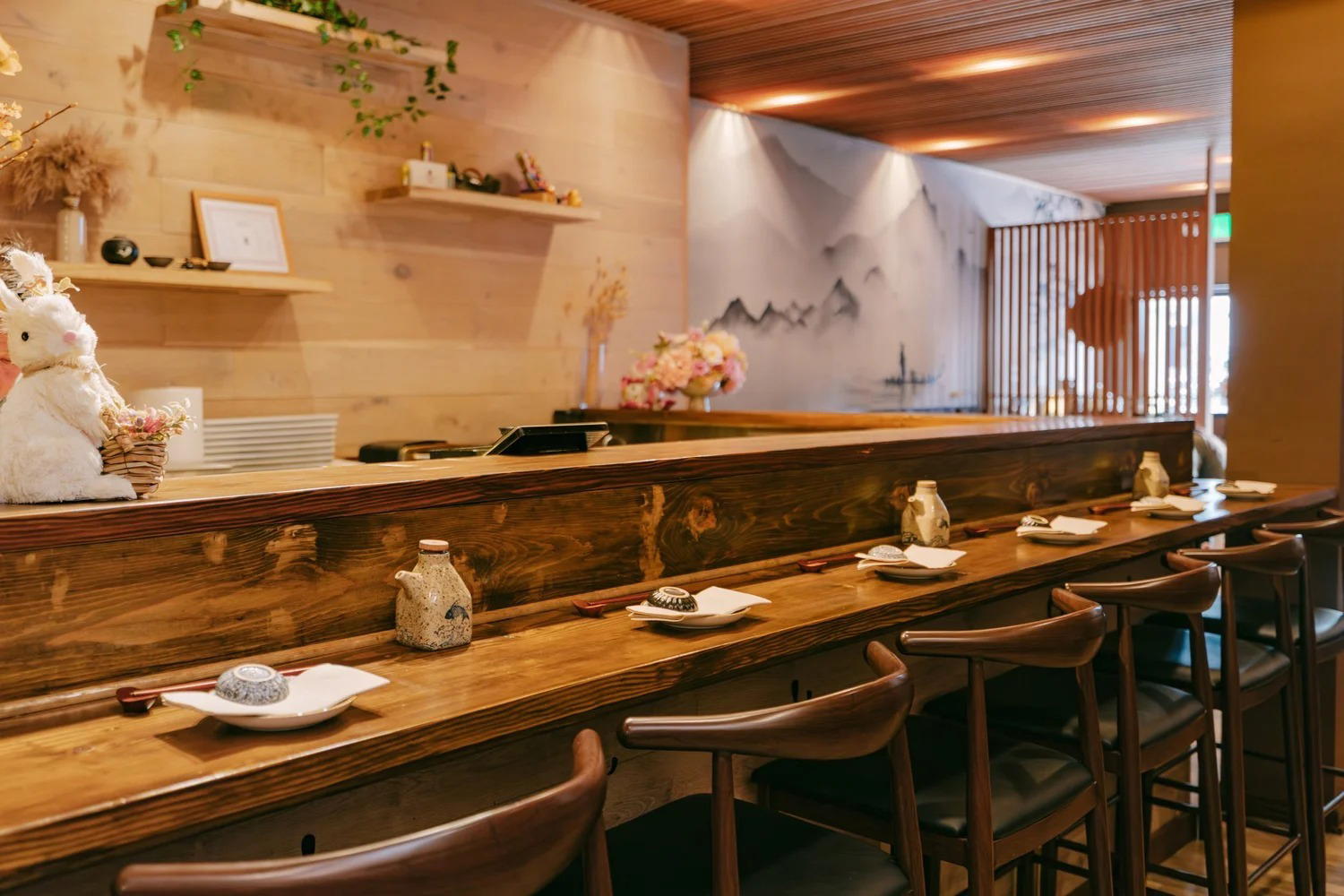
San Francisco dining begins with supply lines
Approaching a San Francisco restaurant, the first impression is rarely only the room. The city trains diners to read signals before the first plate: the produce calendar from the Bay Area’s farms, the seafood routes from the Pacific, the price pressure of small dining rooms, and the reservation culture shaped by a compact, competitive market. Zentarou sits inside that context with limited public information in the available record, so the honest editorial position starts with what can be verified and what cannot.
That distinction matters in San Francisco more than in many American restaurant cities. Ingredient sourcing is not decorative language here; it is a working system. The region’s serious kitchens have built reputations around proximity to farms, fisheries, ranches, millers, and winemakers. The difference between a restaurant with named farm relationships, disclosed tasting-menu pricing, and published chef credentials, and one with little visible data, is not a small detail. It affects how a diner should book, budget, and interpret the room.
Zentarou is a restaurant in San Francisco, California, serving Modern Japanese Sushi & Omakase at a price tier of $$$. It does not provide a chef name, hours, awards, booking method, seat count, or signature dishes. That absence should be treated as a planning variable. In a city where restaurants often communicate their sourcing philosophy and reservation structure with precision, public details matter before committing an evening.
Ingredient sourcing as the city’s dining grammar
San Francisco’s modern restaurant culture has long been shaped by the argument that good cooking begins outside the kitchen. Northern California gave American dining a language around seasonality, farm identity, and restraint, and the Bay Area’s higher-end rooms have used that language in different ways. Some make the farm relationship the headline. Others fold product quality into a broader tasting-menu structure. The common thread is that sourcing is treated as evidence, not ornament.
That is why comparison helps. Saison frames Californian cooking through fire, product, and luxury tasting-menu choreography. Quince connects Italian and contemporary cooking to a produce-driven sensibility that suits the region. Atelier Crenn works in a more authored modern French register, while Benu uses French and Chinese reference points to occupy a different technical lane. Lazy Bear belongs to the city’s contemporary American conversation, with a format that historically helped change how San Francisco diners think about communal, ticketed, chef-led meals.
Zentarou can be discussed only in broad terms until more details are published. That restraint is not evasive; it is the difference between criticism and invention. If the restaurant publishes a menu, sourcing note, or booking page, those details would determine whether it belongs in the city’s Japanese, Californian, tasting-menu, neighborhood, or casual dining conversation. Until then, the useful reading is structural: San Francisco diners should ask where the food comes from, how often the menu changes, and whether the kitchen names its producers or merely gestures toward seasonality.
What sparse public data tells the diner
In a mature dining city, silence is data. A restaurant with no available price range requires a different kind of planning than a restaurant with a posted prix fixe. A venue with no confirmed hours should not be treated as a walk-in target. A restaurant with no published address in the available record cannot be grouped neatly by neighborhood character, whether that means Hayes Valley pre-theater dining, Mission corridor informality, Jackson Square expense-account rooms, or the tasting-menu cluster that draws destination diners.
The practical consequence is simple: confirm directly through a reliable channel before making Zentarou the anchor of a night out. Check the menu date, booking terms, cancellation rules, and any service charge language before deciding. San Francisco’s restaurant economics often produce small rooms, limited seating, and structured reservation windows, but none of those details can be assigned here without a source. The right move is to treat the venue as unverified until current logistics are visible.
This is also where ingredient sourcing should guide the questions. In San Francisco, a menu that names farms, fisheries, rice varieties, aging programs, or seasonal constraints is making a claim that can be assessed. A menu that relies only on broad adjectives gives the diner less to work with. For Zentarou, the available record does not name signature dishes or producers, so ordering advice must stay general rather than inventing a dish that may not exist.
How it compares with San Francisco’s established dining tier
The city’s established high-end restaurants operate with a dense trail of public evidence: cuisine type, price tier, chef identity, reservation rules, awards, and editorial coverage. That evidence allows diners to compare value and intent before sitting down. The comparison set listed in EP Club’s San Francisco coverage is heavily weighted toward expensive, contemporary dining, including progressive American, modern French, Italian, Californian, and French-Chinese formats. Those categories are not interchangeable. They speak to different definitions of luxury, different sourcing systems, and different expectations around service length.
A diner choosing between Zentarou and venues such as Lazy Bear, Atelier Crenn, Benu, Quince, or Saison is not simply choosing a restaurant. The diner is choosing how much certainty is required in advance. The established names give stronger pre-meal signals. Zentarou, based on the current record, demands more verification and a higher tolerance for unknowns.
That does not make the restaurant less interesting. It does make the editorial burden heavier. A serious recommendation needs evidence: cuisine, chef, service format, pricing, booking method, and sourcing practice. Without those, the responsible assessment is conditional. Zentarou may reward diners who enjoy tracking down newer or less-documented addresses in San Francisco, but it should not be positioned against the city’s documented tasting-menu rooms as if the same public record existed.
The broader American sourcing conversation
San Francisco’s ingredient-first culture belongs to a wider American pattern. The French Laundry in Napa helped define the Northern California tasting-menu model for international diners. Single Thread Farm in Healdsburg places the farm and inn structure near the center of the experience. Blue Hill at Stone Barns in Tarrytown turns agriculture into the organizing idea of the meal, while Providence in Los Angeles represents a seafood-led West Coast model with a different product logic.
Other cities show how sourcing can support distinct identities rather than a single template. Smyth in Chicago works in a Midwestern fine-dining register. Addison in San Diego carries Southern California luxury into a different climate and clientele. The Inn at Little Washington in Washington ties destination dining to rural hospitality. Frasca Food & Wine in Boulder builds around Friulian inspiration and wine culture. Atomix in New York City shows how a restaurant can communicate culinary identity through rigorous cultural framing, while Le Bernardin in New York City remains a reference point for seafood formality. Emeril’s in New Orleans belongs to a city where hospitality, regional cooking, and restaurant personality carry different weight. Osteria Francescana in Modena offers an international comparison for how place, memory, and product can become a restaurant’s critical language.
Those comparisons clarify the central issue for Zentarou. Ingredient sourcing gains power when it is specific. The name of a farm, the discipline of a seafood program, the choice to cook within a season, or the decision to work in a narrow culinary tradition gives diners something to judge. With no cuisine type, chef, or menu details in the current record, the restaurant’s sourcing story remains unconfirmed. For EP Club readers, that means curiosity should be paired with verification.
Planning a meal around limited information
Search for a current official channel or a verified reservation listing, then confirm the basics: operating days, service style, cancellation policy, menu format, and whether dietary requests are handled in advance. If the meal is meant to anchor a larger San Francisco itinerary, build a backup plan from documented venues rather than relying on a walk-in.
Budgeting also requires caution. The correct assumption is not that it is inexpensive or expensive; the correct assumption is that the price is unknown. Diners comparing it with the city’s documented $$$$ peers should confirm menu cost and beverage structure before booking.
For broader planning, A full San Francisco restaurants guide gives context across the city’s dining categories. A dinner decision in San Francisco is rarely only about appetite. It is about timing, neighborhood, reservation certainty, and how much evidence a diner wants before committing the evening.
Comparison Snapshot
Comparable venues nearby, for context on price, style, and recognition.
| Venue | Cuisine | Price | Notes |
|---|---|---|---|
| ZentarouThis venue — the venue you are viewing | Modern Japanese Sushi & Omakase | $$$ | Not listed |
| Ozumo | Modern Japanese Robata and Sushi | $$$ | Financial District/South Beach |
| Elephant Sushi | Craft Japanese Sushi | $$$ | Western Addition |
| Dining Yamamoto | Japanese Cocktail Tasting | $$$$ | South of Market |
| The Roll | Authentic Japanese Sushi and Futomaki | $$ | South of Market |
| The Wild Fox | Japanese Cafe | $$ | Financial District/South Beach |
Continue exploring
More in San Francisco
Restaurants in San Francisco
Browse all →
Bars in San Francisco
Browse all →
Hotels in San Francisco
Browse all →
At a Glance
- Lively
- Modern
- Energetic
- Cozy
- Intimate
- Date Night
- Special Occasion
- Celebration
- After Work
- Solo
- Chefs Counter
- Standalone
- Sake Program
- Beer Program
- Extensive Wine List
- Local Sourcing
- Sustainable Seafood
Modern and spa-like yet lively, with a fun, welcoming atmosphere and good energy that can get loud at times, centered around an intimate sushi bar experience.