The Roll
The Roll at 921 Folsom Street sits in San Francisco's SoMa district, a neighborhood that has long bridged the city's industrial past and its current appetite for ingredient-driven dining. With the broader Bay Area tradition of sourcing as a philosophical position rather than a marketing claim, The Roll operates where provenance and format intersect, a venue worth understanding in the context of Northern California's wider roll-based dining culture.
Pearl is the En Primeur Club membership app — saves, bookings, and concierge access live there. Same editors, same standards.
- Address
- 921 Folsom St, San Francisco, CA 94107
- Phone
- +14154898610
- Website
- therollsf.com
- Directions
- Get directions
 Saves & bookings on Pearl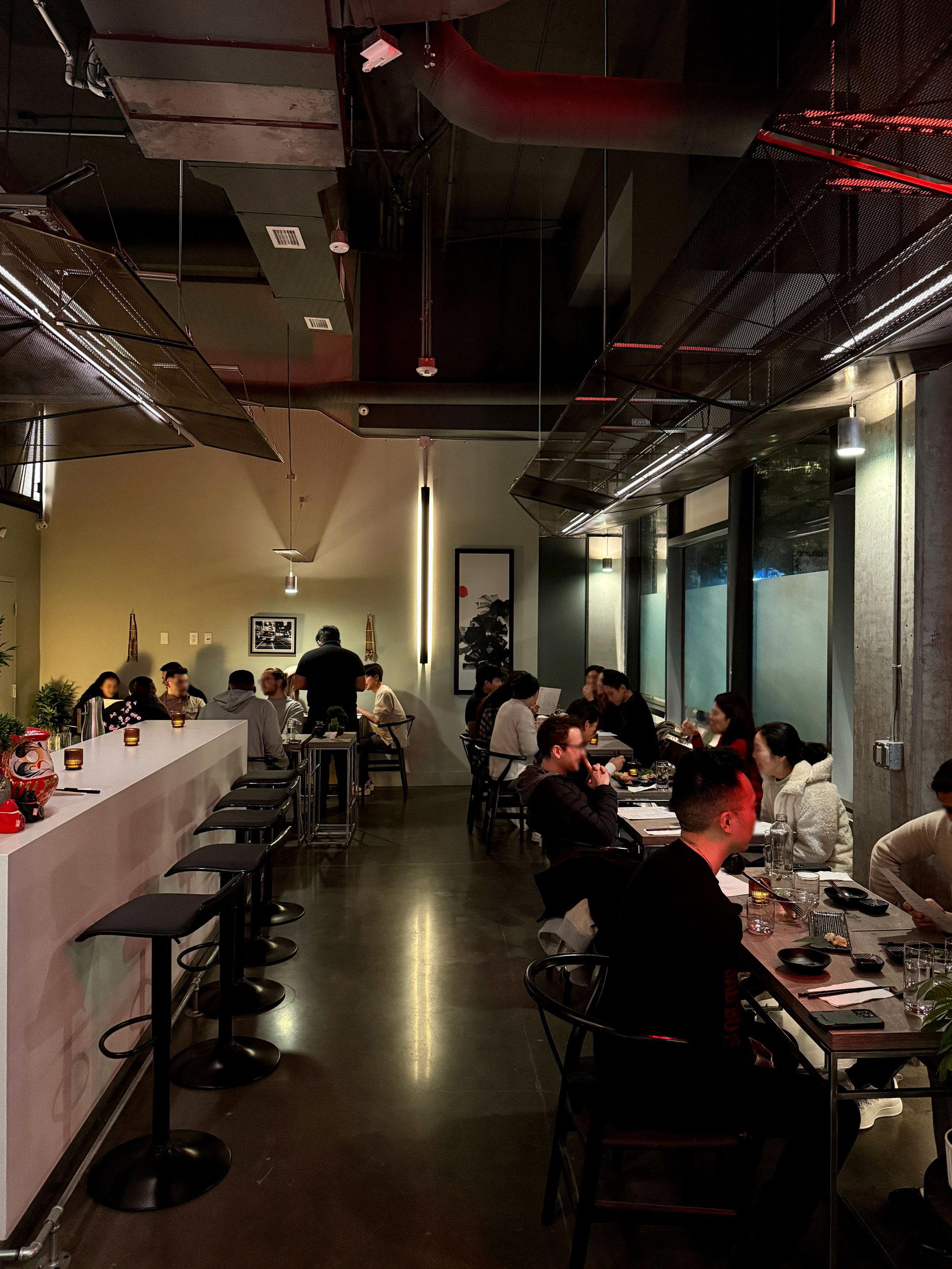
SoMa and the Sourcing Standard
San Francisco's SoMa district has spent the better part of two decades shedding its warehouse identity in favor of something more considered. The neighborhood that once housed printing presses and light manufacturing now sits between the Ferry Building's farmer-market circuit to the north and the Mission's hyper-local restaurant culture to the south. In that geography, sourcing is not a differentiator, it is the baseline expectation. Restaurants in this corridor operate in a region where Single Thread Farm in Healdsburg runs its own farm to supply the kitchen, where Saison has built its Progressive American identity around wood-fire technique applied to obsessively sourced product, and where the argument about ingredient provenance was settled years ago in favor of specificity. It enters that conversation on Folsom's lower stretch, a block that positions it among SoMa's working dining infrastructure rather than its marquee fine-dining corridor.
What Roll Culture Means in the Bay Area
The roll-based format occupies a curious position in American dining. At its least disciplined, it collapses into convenience food with premium pricing. At its most rigorous, and Northern California has produced some of the country's most rigorous interpretations, it becomes a direct expression of sourcing philosophy. The logic is direct: when the format offers limited places to hide, ingredient quality becomes the entire argument. This is why the Bay Area's broader dining culture, from the French Laundry in Napa to Benu downtown, has consistently placed provenance at the center of its identity. The roll format, stripped of long cook times and complex sauce architecture, makes that emphasis structurally necessary rather than optional.
Nationally, this sourcing-first approach has reshaped how diners evaluate ingredient-forward casual formats. Restaurants like Blue Hill at Stone Barns in Tarrytown and Providence in Los Angeles have demonstrated that ingredient transparency, when treated as a structural commitment rather than a garnish on the menu, changes the entire register of a meal. The Roll sits in a city where that argument has been made persuasively enough that diners arrive with those expectations already calibrated.
The SoMa Competitive Frame
San Francisco's restaurant scene operates across sharply tiered price points, with the upper bracket occupied by a cluster of Michelin-recognized tasting-menu formats. Lazy Bear, which runs a communal Progressive American format, Atelier Crenn with its Modern French architecture, and Quince in its Italian-contemporary register all operate at the $$$$ tier, requiring advance booking and committing diners to multi-course formats. The restaurant's Folsom Street address places it outside that bracket geographically and, given the format, almost certainly in a different price conversation entirely. That separation is not a weakness in the San Francisco context, the city supports a wide range of serious dining formats, and the neighborhoods south of Market have historically sustained venues that trade tasting-menu ceremony for direct, product-focused execution.
For context on how California's ingredient-driven dining extends beyond the city, Addison in San Diego and the farm-to-table discipline at Single Thread illustrate how deeply sourcing philosophy has penetrated the state's fine and near-fine dining at every latitude. The restaurant operates in that cultural current even at a different scale.
Folsom Street: Logistics and Timing
The 921 Folsom Street address places the restaurant in a SoMa stretch that is walkable from both the Moscone Center corridor and the northern Mission. Muni lines run along the surrounding grid, and the venue sits within reasonable distance of the Caltrain corridor for visitors arriving from the Peninsula.
Sourcing as Editorial Position
What distinguishes Northern California's roll culture from its counterparts in other American cities is the degree to which sourcing functions as editorial position rather than menu footnote. In cities like New York, where Le Bernardin and Atomix set the frame for ingredient-led fine dining, the sourcing conversation tends to stay in the upper price tier. In Chicago, where Alinea has prioritized technique and concept over provenance messaging, the emphasis falls differently. New Orleans venues like Emeril's anchor sourcing in regional tradition rather than farm-specific relationship. San Francisco's version of the conversation is unusual in that it has migrated across price points: the sourcing discourse that began at the Ferry Building and spread through Mission taquerias and the fine-dining rooms of Hayes Valley now touches venues at every register, including the restaurant format on Folsom Street.
Atlanta's Bacchanalia and Washington's The Inn at Little Washington offer useful comparative frames: both operate in cities where ingredient provenance carries significant cultural weight, and both have demonstrated that sourcing discipline at the upper end of a market raises the floor expectation for venues across the price spectrum. San Francisco's floor is already high. The restaurant enters a conversation that the Bay Area's dining culture has been having seriously since the mid-1990s, when Alice Waters and the Chez Panisse lineage made sourcing specificity the region's defining contribution to American restaurant culture.
For those traveling in from outside California, the contrast with 8 1/2 Otto e Mezzo Bombana in Hong Kong, where ingredient sourcing serves a different cultural grammar, one rooted in Italian luxury product rather than Northern California farm relationship, illustrates how the same philosophical commitment to provenance manifests differently depending on the culinary tradition it serves.
Planning Your Visit
The restaurant is located at 921 Folsom Street in San Francisco's SoMa district. SoMa venues in this address range tend to operate on lean staffing models, which can mean hours vary seasonally or by event. Visitors exploring the broader San Francisco dining picture should use the EP Club San Francisco guide as a reference for peer venues and neighborhood context.
Cuisine and Credentials
Comparable venues nearby, for context on price, style, and recognition.
| Venue | Cuisine | Price | Notes |
|---|---|---|---|
| The RollThis venue — the venue you are viewing | Authentic Japanese Sushi and Futomaki | $$ | Not listed |
| Ebisu Restaurant | Authentic Japanese Sushi | $$ | Inner Sunset |
| Sushi Taka | DIY Sushi Rolls | $$ | Financial District |
| Sanraku | Authentic Japanese Sushi | $$ | Nob Hill |
| Live Sushi Bar | Fresh Japanese Sushi with Live Seafood | $$ | Potrero Hill |
| Okoze | Japanese Sushi and Seafood | $$ | Russian Hill |
Continue exploring
More in San Francisco
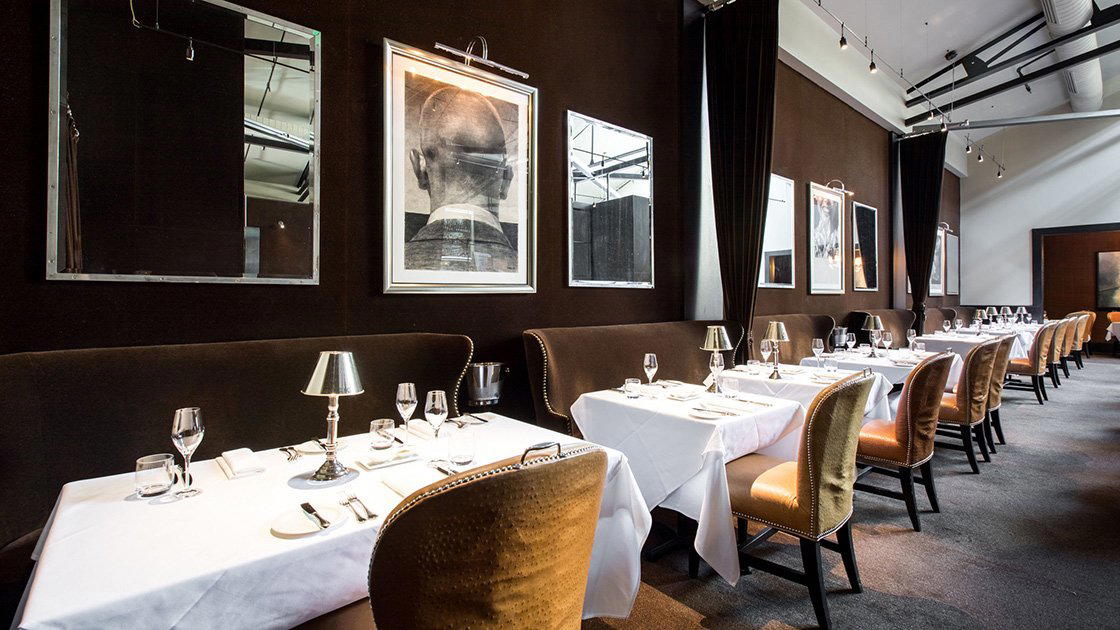
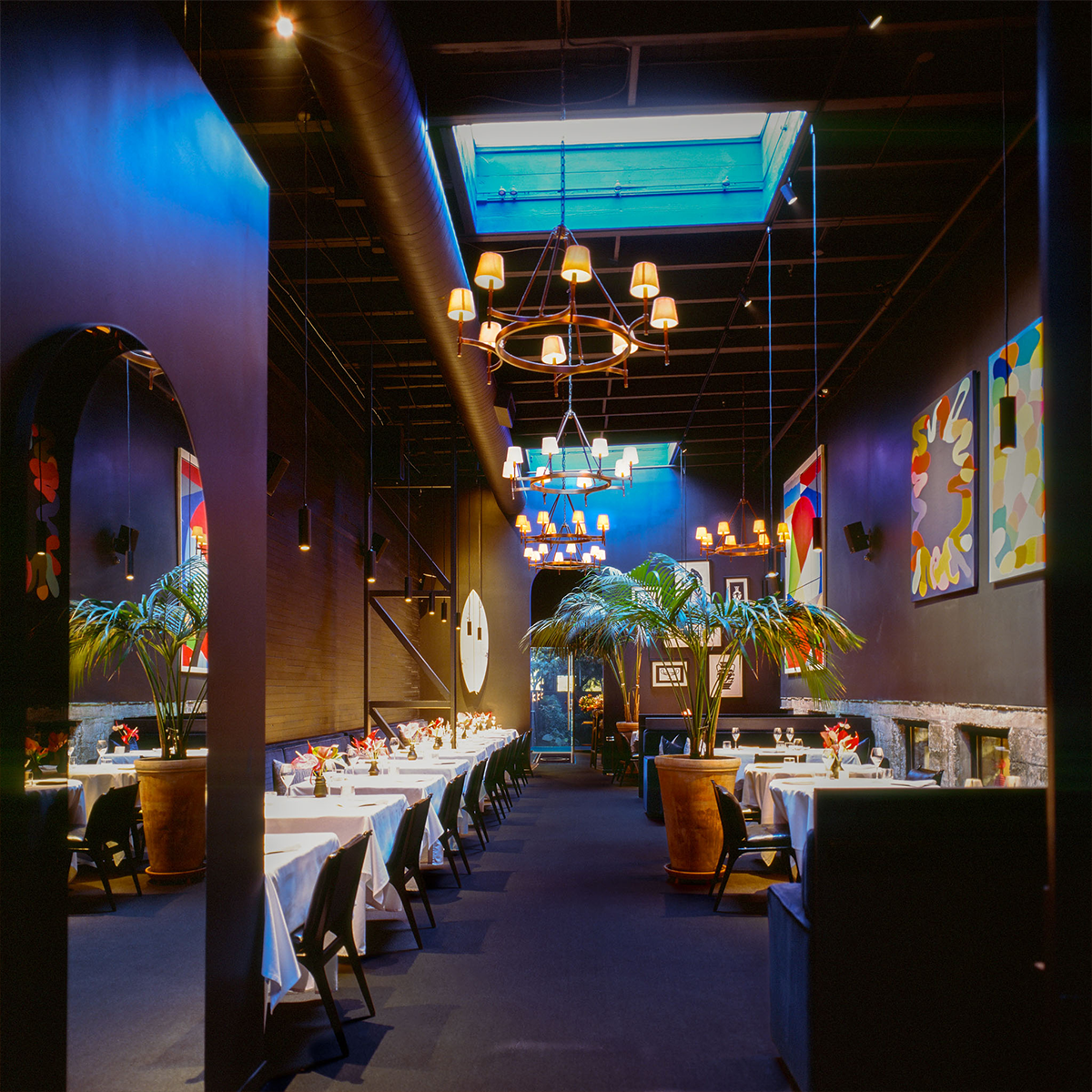
Restaurants in San Francisco
Browse all →
Bars in San Francisco
Browse all →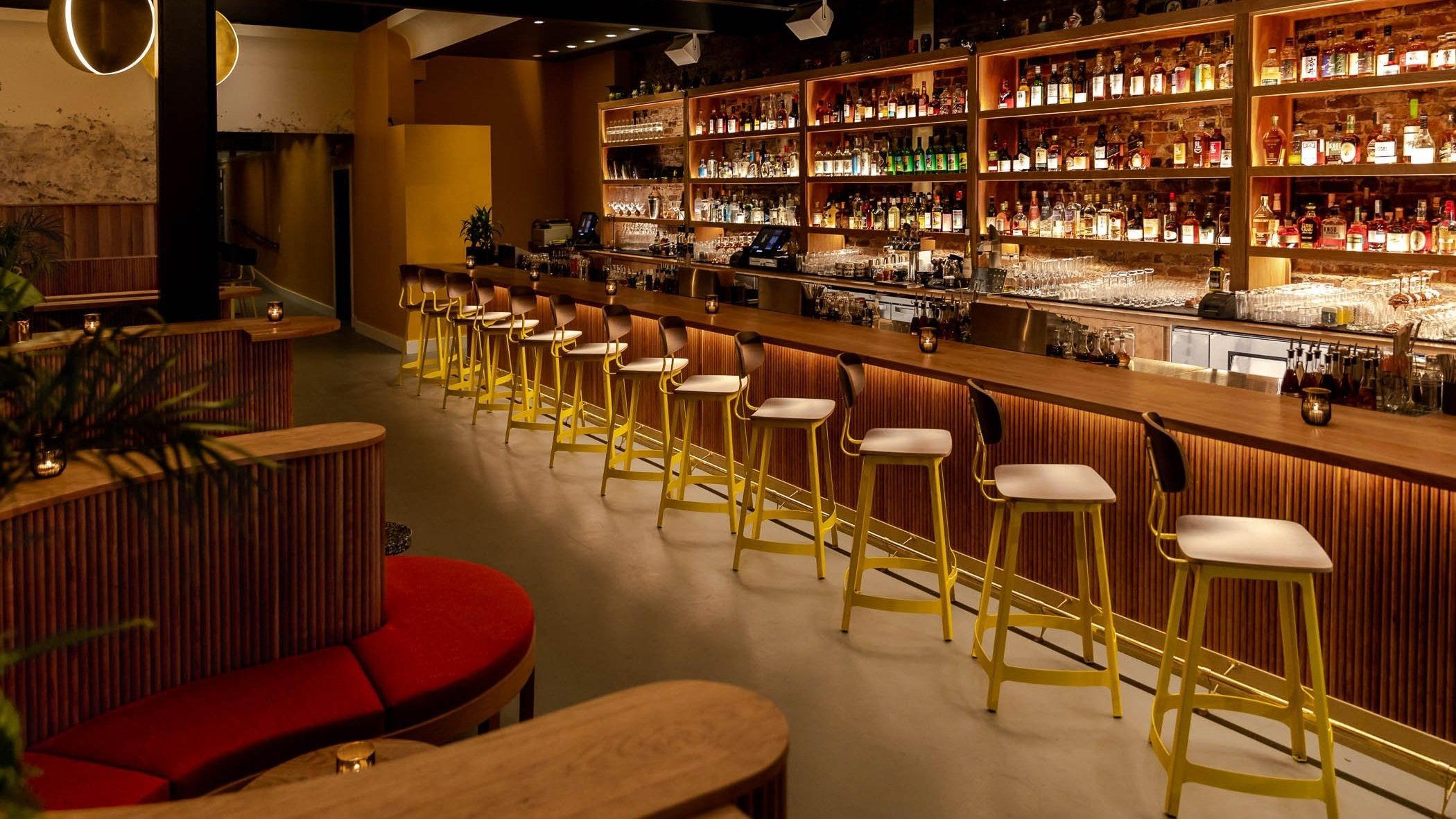
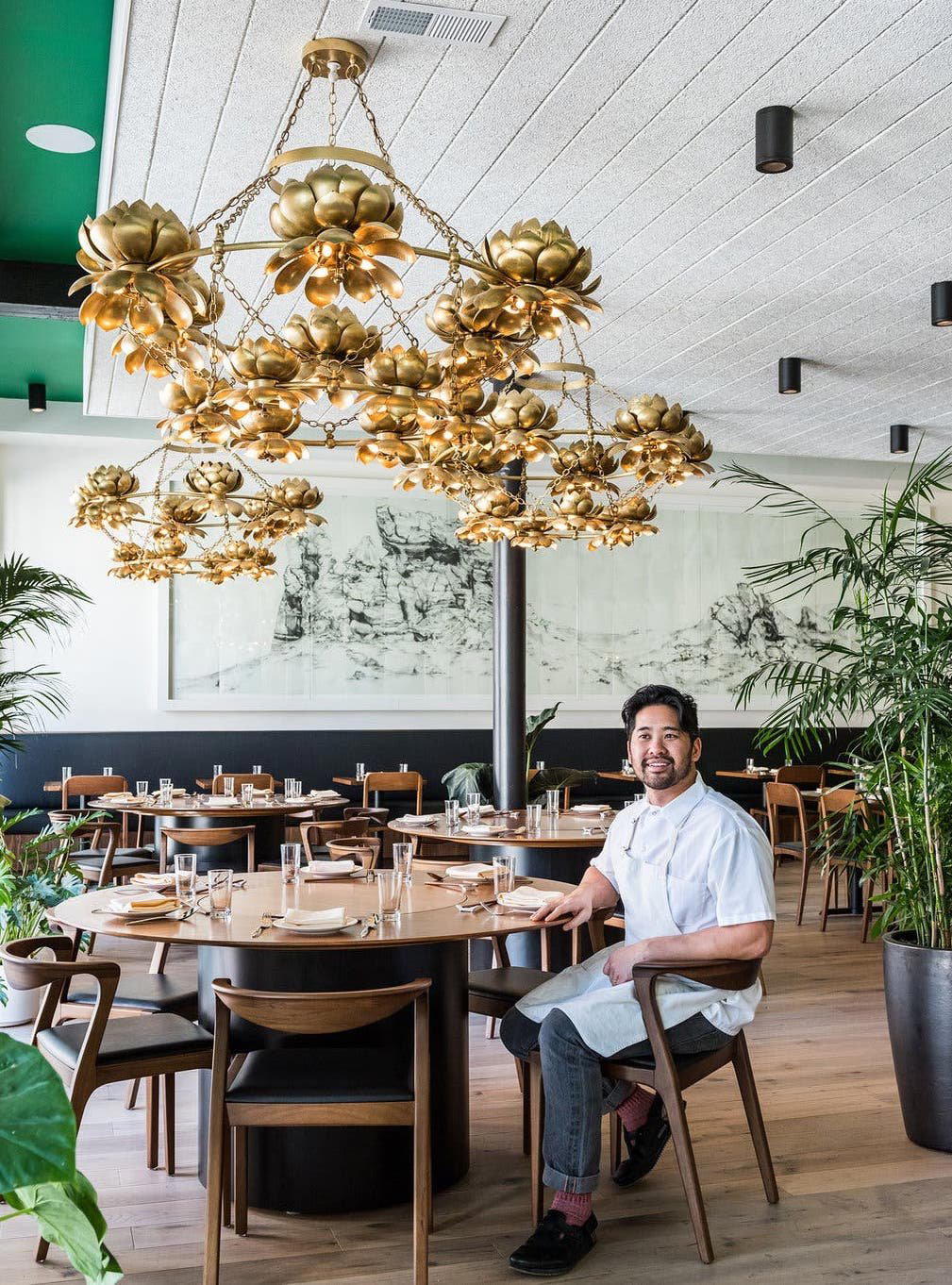
Hotels in San Francisco
Browse all →
At a Glance
- Modern
- Trendy
- Casual Hangout
- Date Night
- Open Kitchen
- Sake Program
- Local Sourcing
Current opening hours
- Monday
- Closed
- Tuesday
- 5–10 PM
- Wednesday
- 5–10 PM
- Thursday
- 5–10 PM
- Friday
- 5 PM–12 AM
- Saturday
- 5 PM–12 AM
- Sunday
- 5–10 PM
Hours can change for holidays and private events. Last verified .
Casual atmosphere focused on fresh sushi and Japanese small dishes with an emphasis on authentic flavors.